

Gran Canaria's only Michelin-starred restaurant earns its place through a rigorous sourcing agenda: Atlantic wreckfish, scarlet shrimp, gofio, and island goat anchor menus that connect the Canary Islands' larder to contemporary technique. Set within the Cordial Mogán Playa hotel in Puerto de Mogán, Los Guayres operates Tuesday through Saturday evenings, with three tasting menu formats to match different levels of commitment.
Pearl is the En Primeur Club membership app — saves, bookings, and concierge access live there. Same editors, same standards.
- Address
- Hotel Cordial Mogán Playa, Avenida de Los Marrero, 2, Puerto de Mogán, 35138 Lomo Quiebre, Las Palmas, Spain
- Phone
- +34 928 72 41 00
- Website
- losguayres.com
- Directions
- Get directions
 Saves & bookings on Pearl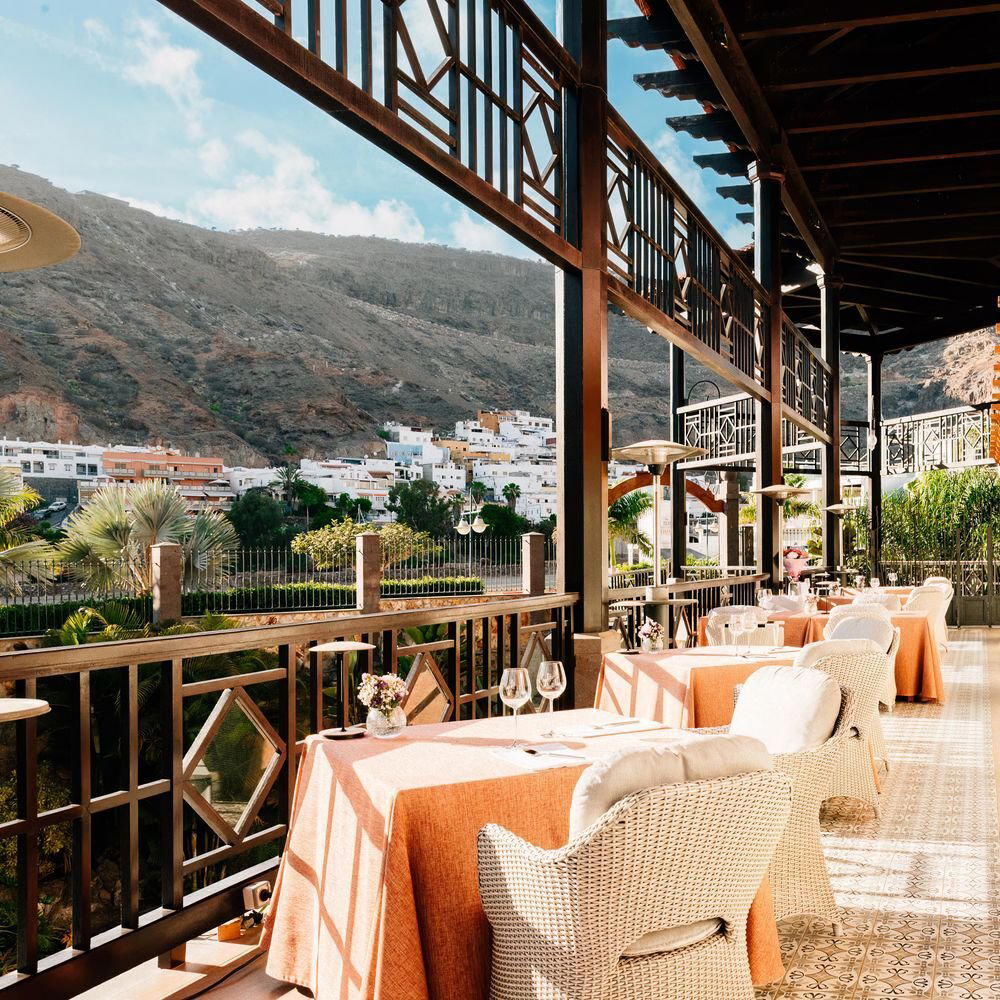
Where the Atlantic Larder Meets the Canarian Table
Puerto de Mogán sits at the southwestern tip of Gran Canaria, where the island's volcanic interior gives way to a small harbour town that most visitors treat as a day-trip stop. The fine dining scene in this corner of the Canary Islands is thin by mainland Spanish standards, which makes Los Guayres, the Michelin-starred restaurant operating from within the Cordial Mogán Playa hotel, a genuinely significant address for anyone spending serious time on the island. A 2024 Michelin star places it in a comparable set that, across Spain, includes some of the country's most scrutinised kitchens, among them Arzak in San Sebastián, Disfrutar in Barcelona, and El Celler de Can Roca in Girona, though Los Guayres earns its position through a fundamentally different argument: the specificity of its geography.
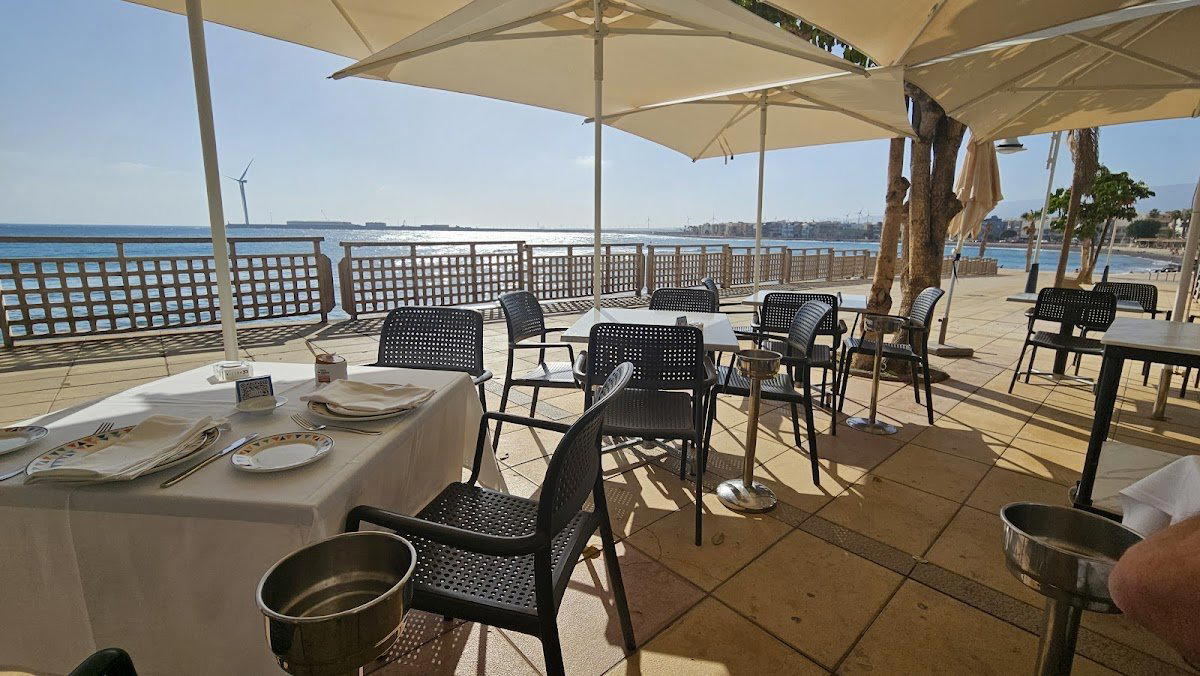
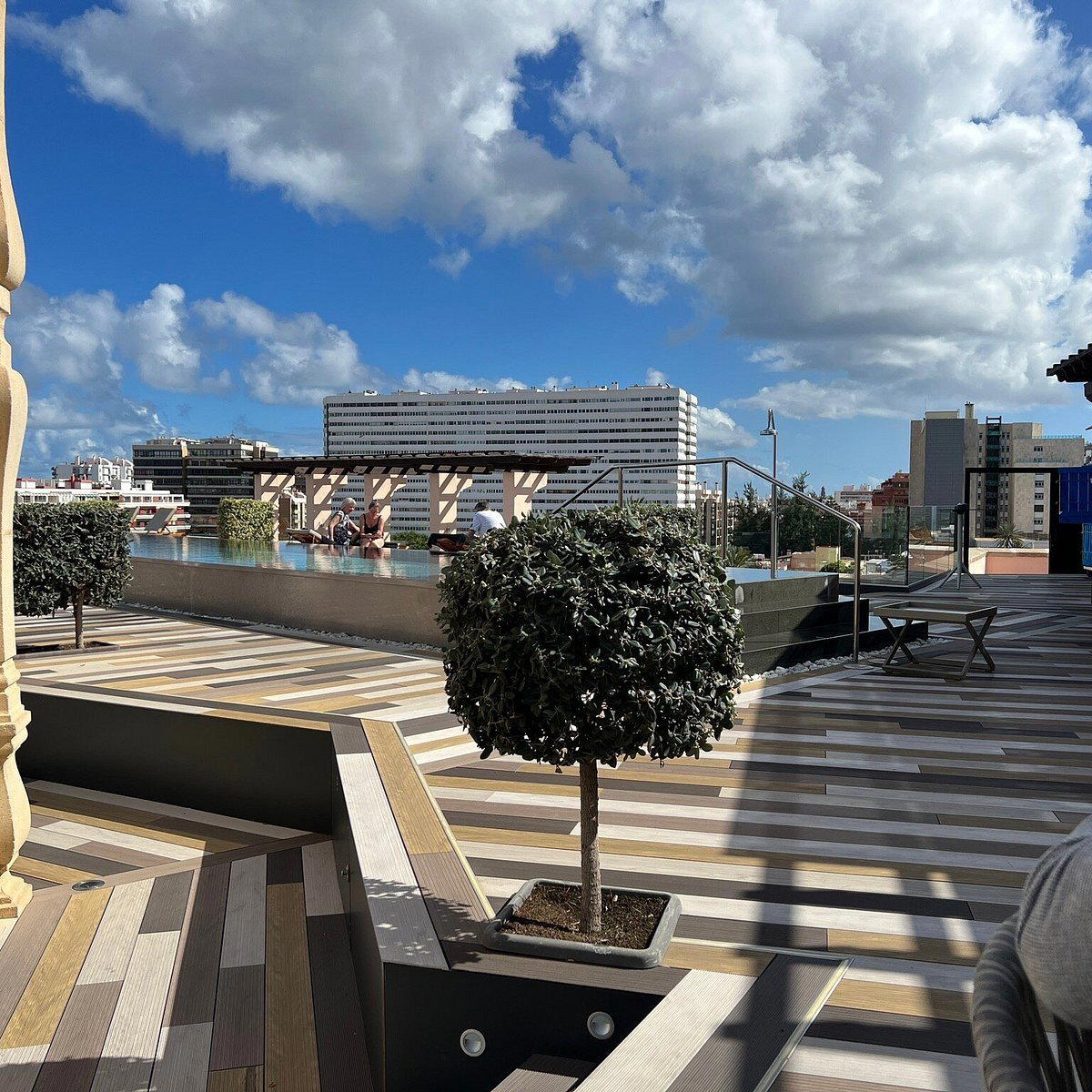
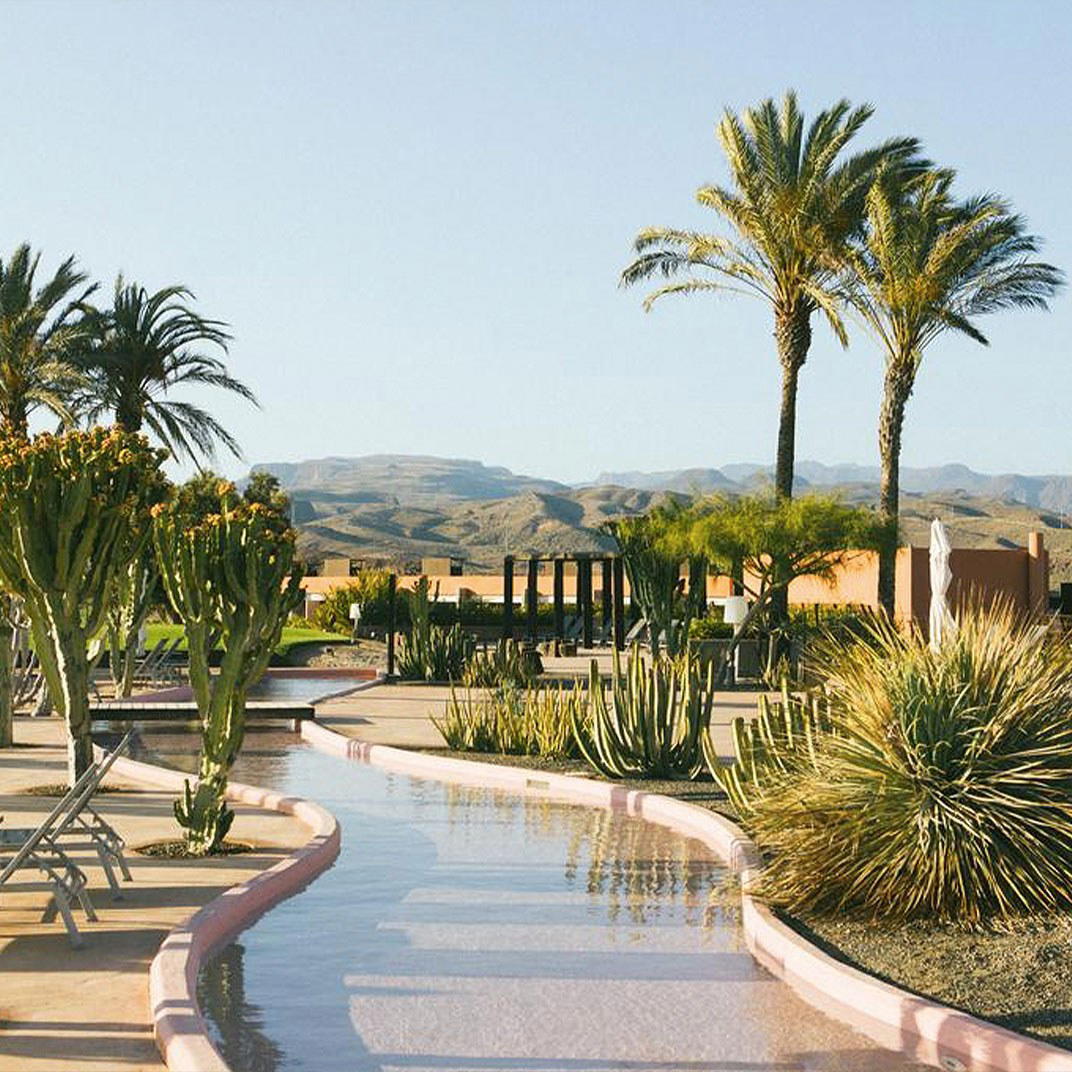
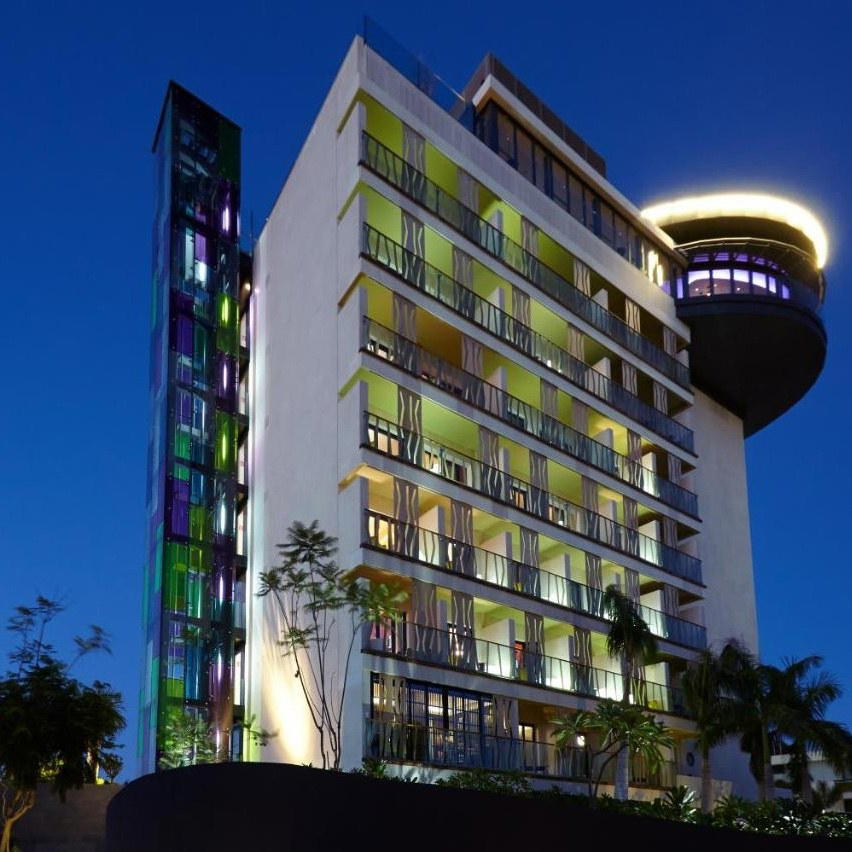
The terrace, a classic Canary Island-style covered balcony overlooking the hotel gardens, sets the frame for the meal before any food arrives. The evening air carries the faint salt note of the Atlantic, and the garden vegetation below, subtropical rather than Mediterranean, signals that this is not a generic Spanish fine dining room. It is an expression of a particular island, sourced from a particular stretch of ocean and cultivated land.
The Sourcing Argument
What gives Los Guayres its editorial interest, more than its star or its hotel context, is the sourcing structure behind the menus. The Canary Islands occupy a position in the Atlantic that gives them access to fish stocks distinct from those on the Spanish mainland. The waters off the archipelago yield wreckfish, a deep-water species with firm, white flesh that holds up well to precise cooking, alongside red tuna and sea bream. These are not imported prestige ingredients shipped from elsewhere to perform on a menu; they are what the surrounding ocean actually produces.
On land, the islands maintain ingredients that belong to a culinary tradition most visitors have not encountered. Gofio, a toasted grain flour that predates the Spanish conquest of the Canaries and remains a staple of the local diet, appears on the menu not as a novelty callback but as an active ingredient. Goat, which has been raised in the island's interior valleys for centuries, provides a meat course that connects the volcanic interior to the coastal dining room. Scarlet shrimp, another Atlantic species with a flavour profile built from cold, deep water, joins the fish sourcing agenda.
This approach to sourcing sits within a broader Spanish fine dining conversation about regional identity and ingredient provenance. Kitchens like Aponiente in El Puerto de Santa María have built their entire argument around the marine ecosystems of a specific stretch of Atlantic coastline. Quique Dacosta in Dénia draws from the Mediterranean with similar geographical specificity. Azurmendi in Larrabetzu and Mugaritz in Errenteria are rooted in Basque territory and its produce networks. Los Guayres positions itself in this lineage, with the Canarian archipelago as its defined sourcing territory rather than the Basque Country, Catalonia, or Andalusia.
Chef Alexis Álvarez, a Gran Canarian native trained across some of Spain's most demanding kitchens, brings the kind of technical formation that allows those island ingredients to operate at a fine dining level without simply decorating them with continental technique. The training background matters here not as biography but as credential: ingredients like gofio and wreckfish require a cook who understands both their cultural context and their behaviour under heat and precision. That dual fluency is what separates a sourcing story from a sourcing statement.
Three Menus, One Argument
The kitchen offers tasting menu formats: the Degustación, the Degustación Clásico, and the Gran Menú Degustación. The distinction between formats broadly follows the pattern common to Spanish Michelin-level restaurants, where a shorter menu allows a first-visit read on the kitchen and the longer format represents the full editorial position. For guests arriving from off-island with a specific interest in the Canarian sourcing agenda, the Gran Menú Degustación provides one complete picture of what the kitchen is doing with its larder.
Documented dishes include scarlet shrimp with corn and aubergine, and wreckfish with beetroot and jaramago, a wild mustard native to the Canary Islands that adds a sharp, green note to the plate. Both dishes illustrate the kitchen's method: Atlantic protein, local vegetable or foraged element, contemporary technique applied without obscuring the source ingredient. The jaramago detail is worth noting as a marker of kitchen seriousness; foraged island botanicals are not common to resort hotel menus, and their presence here indicates a research agenda that goes beyond importing fashionable fine dining vocabulary.
The price bracket, €€€€, places Los Guayres at the higher end of Canarian restaurant pricing. In the context of Spanish fine dining more broadly, this is consistent with what a Michelin star commands at comparable restaurants across the country. It is not the entry point for casual holiday dining on Gran Canaria; it is the table you book when the meal itself is the purpose of the evening.
The Hotel Context
The relationship between luxury hotel restaurants and serious cooking is complicated across the world, and Spain is no exception. Many hotel restaurants at this price level exist primarily to serve guests who prefer not to leave the property rather than to make a contribution to the local dining conversation. The restaurant does not read that way. The Michelin recognition confirms that the kitchen is being evaluated against the full field of Spanish restaurants, not given credit for effort relative to a resort context.
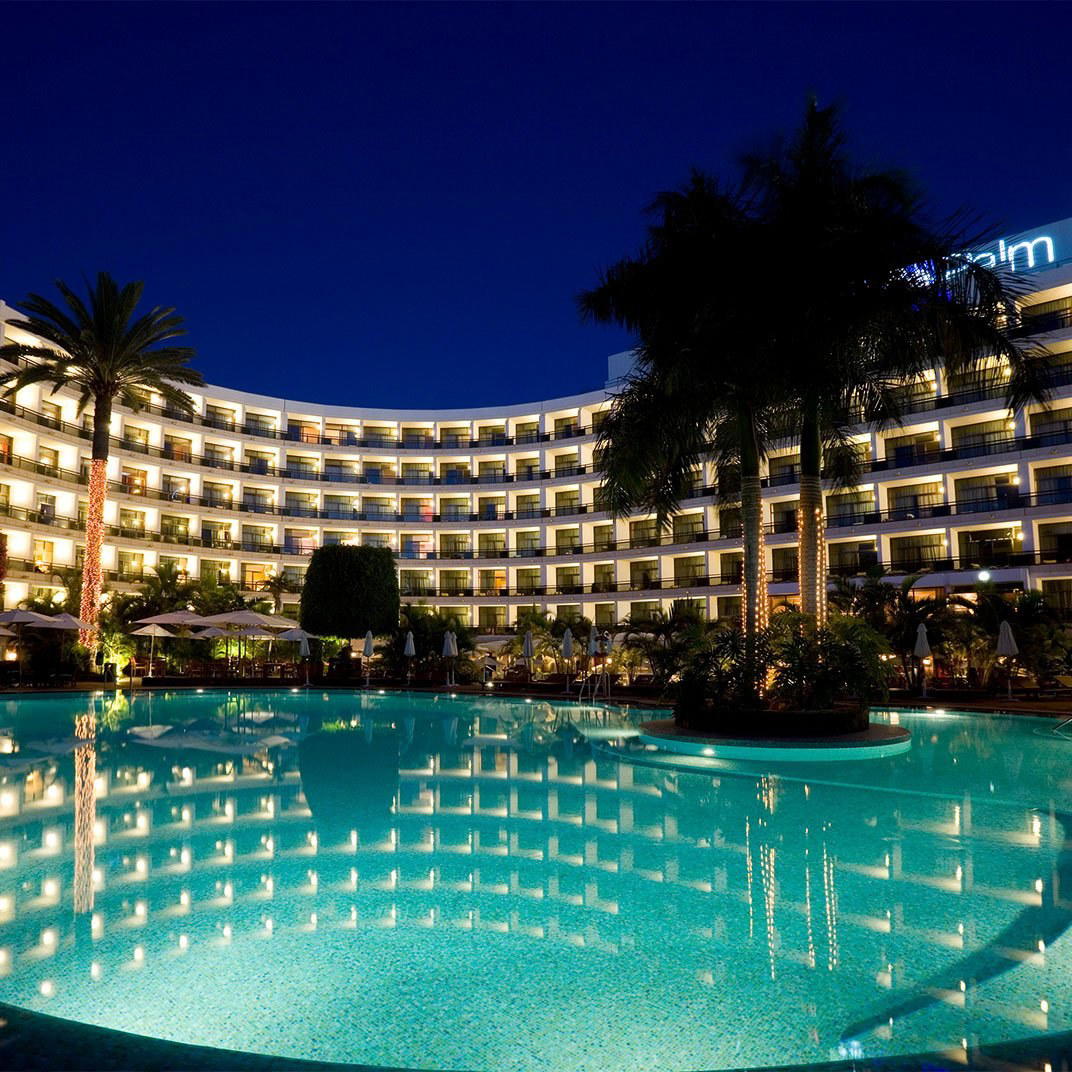
Cordial Mogán Playa hotel provides the physical frame, including the terrace setting that makes an evening here feel specific to this part of the Canaries rather than placeless. For guests staying in the hotel, this is an obvious booking. For visitors staying elsewhere on Gran Canaria, the drive to Puerto de Mogán requires planning, the town sits at the end of a road that winds through the Mogán valley, and an evening meal here is a commitment rather than a spontaneous choice. That commitment is part of what the meal asks of you, and what the sourcing agenda rewards.
Where Los Guayres Sits in the Canarian Scene
Gran Canaria's dining scene has historically been dominated by the tourist infrastructure of Maspalomas and the urban restaurants of Las Palmas de Gran Canaria. A Michelin-starred kitchen in a resort municipality like Mogán is an unusual positioning, and it says something about how fine dining ambition can operate in geographies that are not traditional culinary capitals. The comparison is not with DiverXO in Madrid or Martin Berasategui in Lasarte-Oria; those kitchens operate in dense culinary ecosystems with deep supplier networks and experienced dining publics. The restaurant operates in a different kind of context, one where the sourcing work is harder and the audience more varied. The fact that it has achieved Michelin recognition within that context matters more than the star count might suggest to a reader used to counting stars in Barcelona or San Sebastián.
For travellers building a serious itinerary around the Canaries, this is the table that requires the advance thought. Check our full Mogán restaurants guide for surrounding options, and our Mogán bars guide if you're planning an evening around the meal. Those interested in exploring the region more deeply should also consult our Mogán experiences guide and our Mogán wineries guide for context on what the island produces beyond the plate.
Planning Your Visit
The restaurant opens Tuesday through Saturday for dinner, with service running from 6:30 PM to midnight. The kitchen is closed on Sundays and Mondays. Given the Michelin recognition and the limited operating days, booking ahead is essential. The terrace overlooking the hotel gardens is the preferred seating position. The restaurant sits within the Cordial Mogán Playa hotel at Avenida de Los Marrero, 2, Puerto de Mogán, 35138 Lomo Quiebre, Las Palmas, Spain.
For international fine dining context beyond Spain, the sourcing-led approach at the restaurant finds some parallel at kitchens like Frantzén in Stockholm and FZN by Björn Frantzén in Dubai, where the argument is built on specific provenance rather than classical culinary tradition. At the restaurant, the provenance is Atlantic and Canarian, and that specificity is especially compelling reason to make the trip to Mogán. Also consider Ricard Camarena in València and Atrio in Cáceres for a sense of how Spanish fine dining at this level approaches regional identity across different territories.
Fast Comparison
Comparable venues nearby, for context on price, style, and recognition.
| Venue | Cuisine | Price | Awards | Notes |
|---|---|---|---|---|
| Los GuayresThis venue — the venue you are viewing | Modern Canarian Fine Dining | $$$$ | Michelin 1 Star | Not listed |
| La Aquarela | Modern Canary Island Fine Dining | $$$$ | Not listed | Patalavaca |
| Tabaiba | Evolutionary Canarian Cuisine | $$$$ | Michelin 1 Star | Las Canteras |
| San-Hô | Modern Fusion: Japanese-Peruvian-Canarian | $$$$ | Michelin 1 Star | La Caleta |
| Muxgo | Contemporary Canarian Haute Cuisine | $$$$ | Michelin 1 Star | Centro (Las Palmas de Gran Canaria) |
| Haydée by Víctor Suárez | Modern Canarian Fine Dining | $$$$ | Michelin 1 Star | Costa Adeje |
Recognition history
Dated appearances from independent guides and award organizations, with the underlying list record or original source where available.
Guía Repsol 1 Sol
Guía Repsol
Michelin 1 Star
Michelin
Michelin 1 Star
Michelin
Michelin 1 Star
Michelin
At a Glance
- Elegant
- Romantic
- Intimate
- Scenic
- Date Night
- Special Occasion
- Terrace
- Extensive Wine List
- Local Sourcing
- Garden
Current opening hours
- Monday
- Closed
- Tuesday
- 6:30 PM–12 AM
- Wednesday
- 6:30 PM–12 AM
- Thursday
- 6:30 PM–12 AM
- Friday
- 6:30 PM–12 AM
- Saturday
- 6:30 PM–12 AM
- Sunday
- Closed
Hours can change for holidays and private events. Last verified .
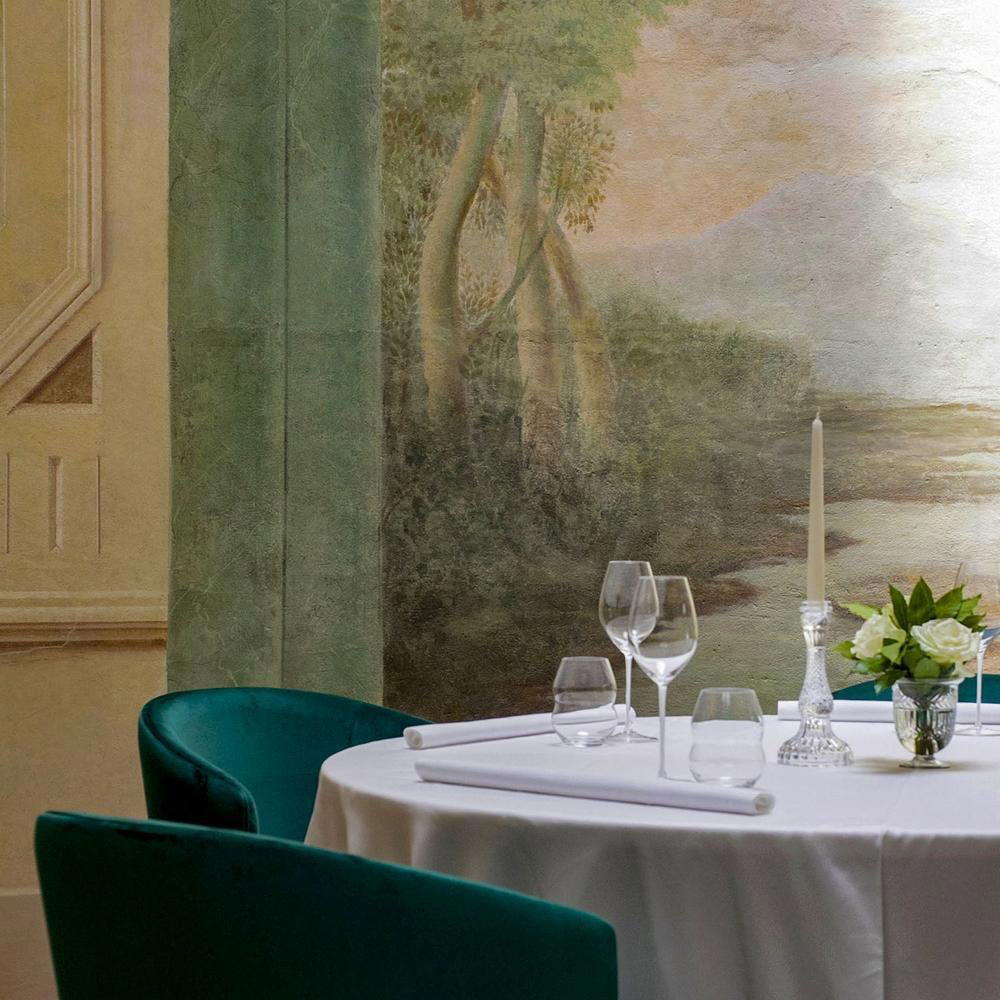
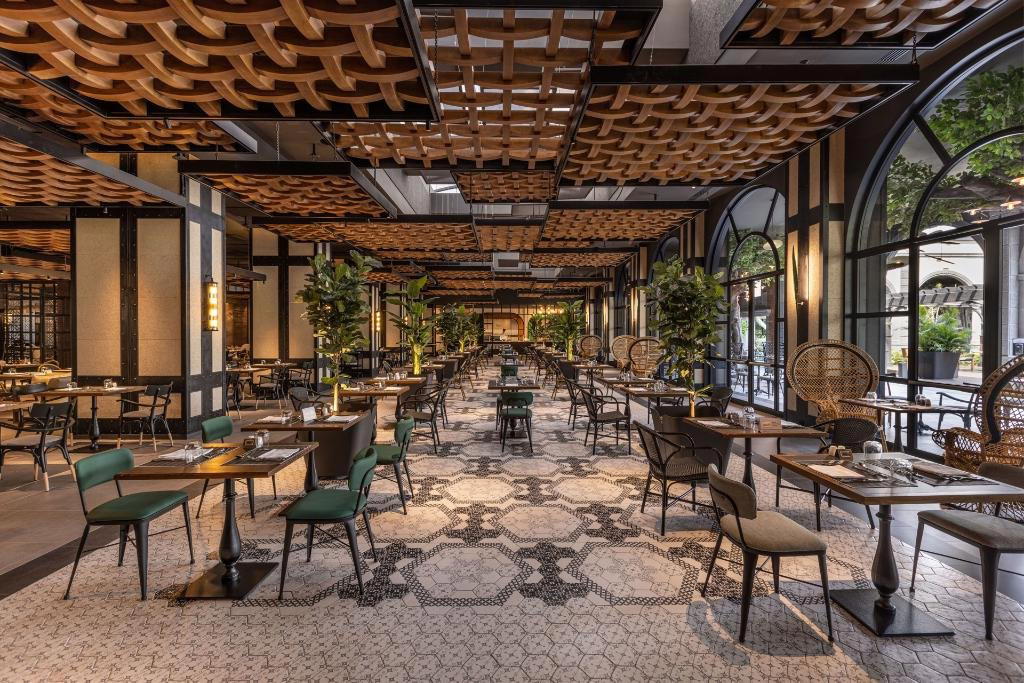
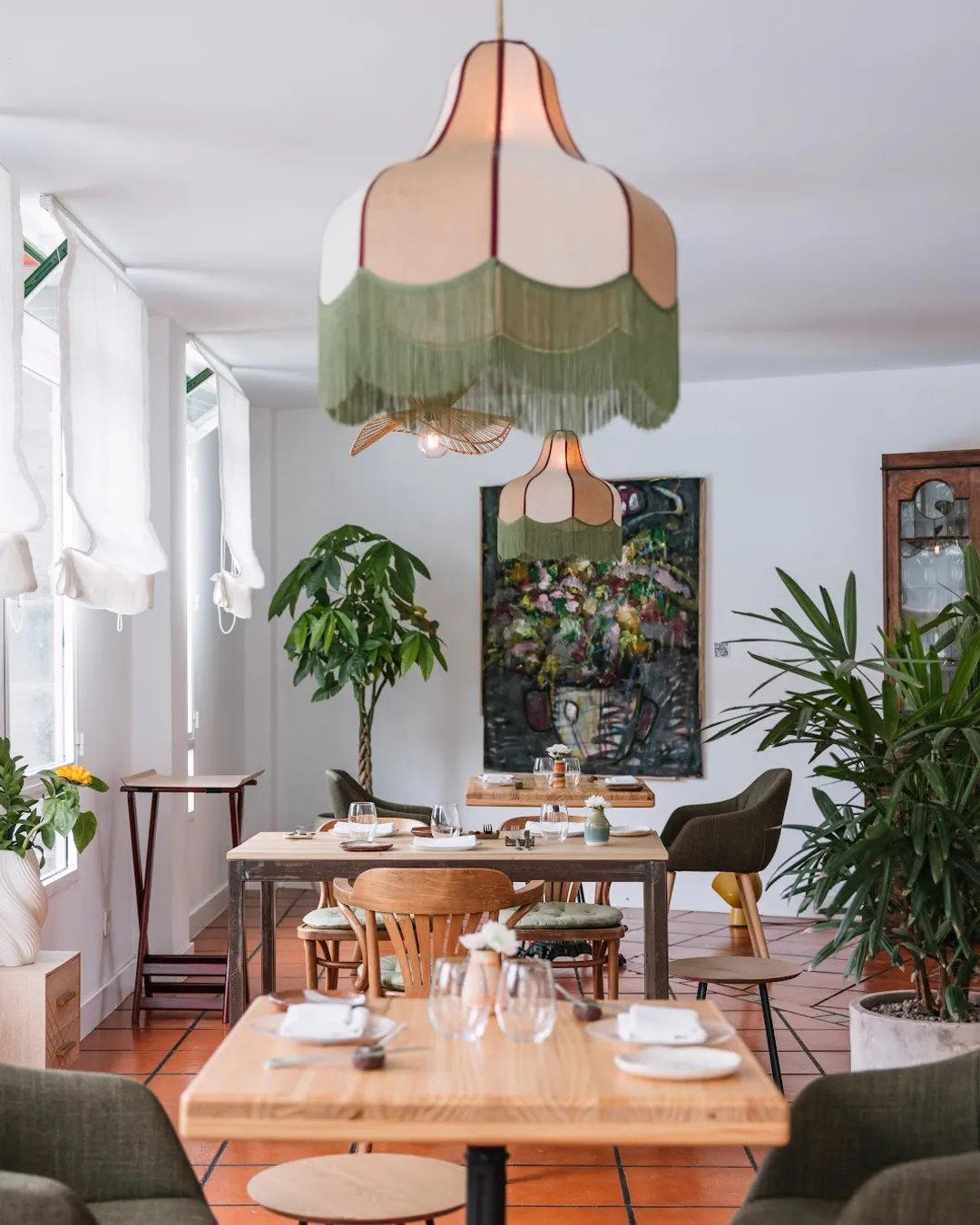
Elegant oasis with picture-well-suited terrace overlooking hotel gardens; cozy indoor space blending rustic charm and sophistication.