


Michelin Plate · Guía Repsol 1 Sol · We're Smart World 4 Radishes
Our verdict
In the Agaete Valley, surrounded by coffee plantations and terraced farmland, Casa Romántica operates one of Gran Canaria's most farm-rooted restaurants. Chef Aridani Alonso draws almost entirely from the restaurant's own farm, La Laja, across tasting menus named after Canarian poets and a separate à la carte garden. Holding a Michelin Plate since 2024, it prices at the accessible end of the island's serious dining spectrum.

Pearl is the En Primeur Club membership app, where members save venues, book tables and use the concierge.
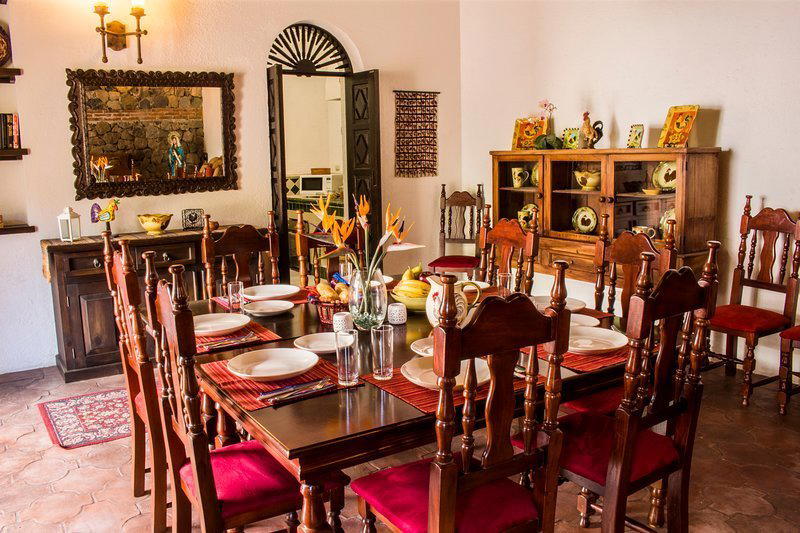
A Valley Road, a Farm, and the Logic of Canarian Cuisine
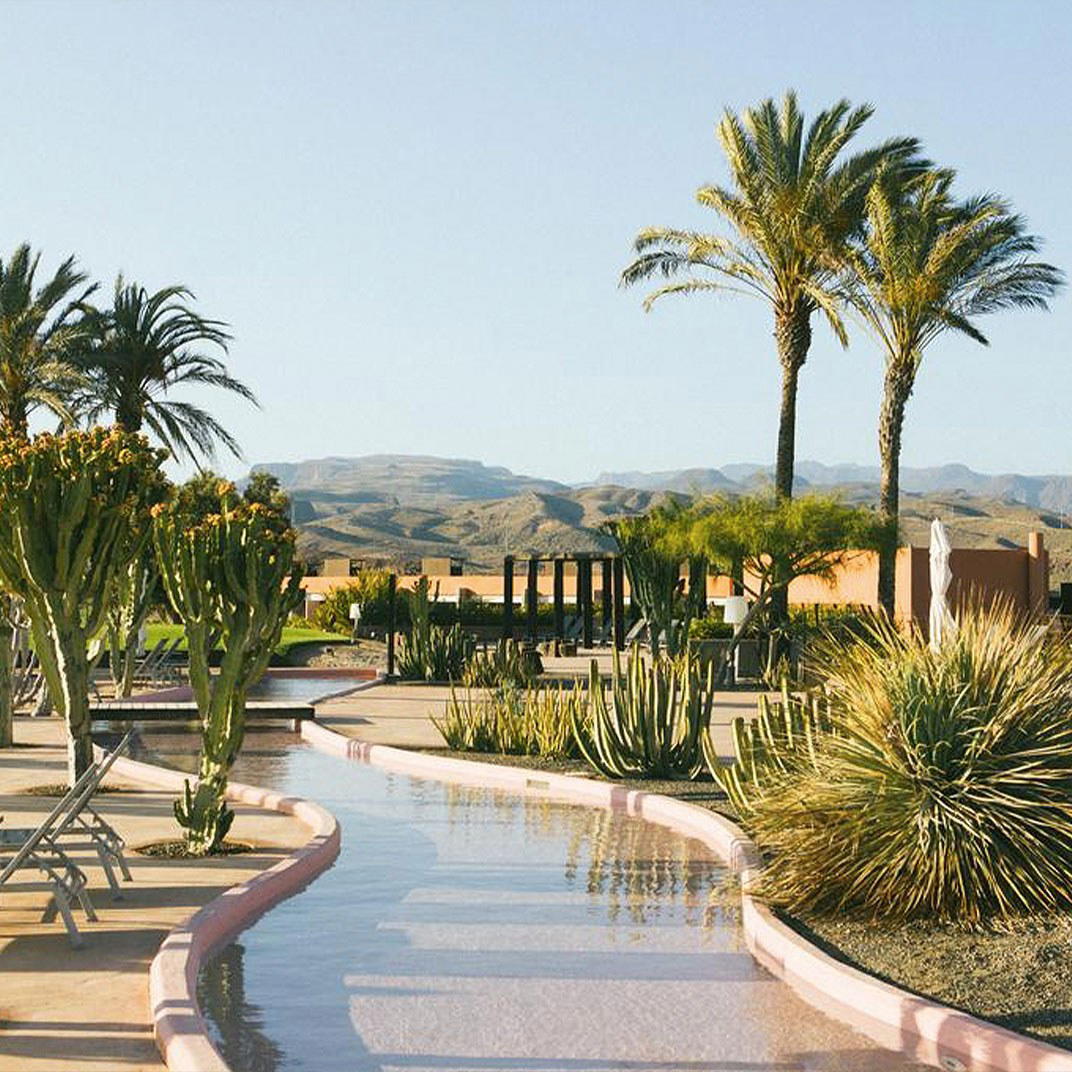
The road that cuts through the Agaete Valley is one of the more quietly arresting drives on Gran Canaria. Coffee grows on the terraced hillsides, banana palms press close to the tarmac, and the air shifts noticeably from the coast. At kilometre marker 3.5, Casa Romántica sits alongside this road, surrounded by the same lush vegetation that characterises the valley's agricultural identity. Approaching from the direction of Agaete town, the setting communicates something before you've eaten a bite: this is a place where the land is not backdrop but source material.
That relationship between kitchen and land is the operating logic of what chef Aridani Alonso has built here. Most of the produce arrives from La Laja, the restaurant's own farm. The distance from soil to plate is, in this case, literal and short. In a broader Spanish dining context where farm-to-table language has become formulaic shorthand, Casa Romántica's arrangement is structural rather than rhetorical: the restaurant runs the farm, not a purchasing agreement with one. That distinction matters when you're reading a menu.
What the Michelin Plate Signals About Where This Fits
Casa Romántica has held a Michelin Plate in both 2024 and 2025. Within Michelin's framework, the Plate recognises cooking of consistent quality without the starred designation, placing the restaurant in a tier that serious travellers treat as a reliable indicator of kitchen discipline and ingredient focus. For context, Spain's starred hierarchy runs from houses like El Celler de Can Roca in Girona, Arzak in San Sebastián, and Disfrutar in Barcelona at the top tier, down through regional specialists and destination restaurants like Aponiente in El Puerto de Santa María, Quique Dacosta in Dénia, Azurmendi in Larrabetzu, Mugaritz in Errenteria, Martin Berasategui in Lasarte-Oria, DiverXO in Madrid, Ricard Camarena in València, and Atrio in Cáceres. Casa Romántica occupies a different register entirely, both geographically and in terms of ambition: it is a family-run operation in a remote valley on an island that most serious diners overlook in favour of the Spanish mainland. The Plate, sustained across two consecutive years, suggests the kitchen is operating with a level of consistency that warrants the detour.
Farm Output, Menu Architecture, and What Actually Arrives on the Table
The sourcing philosophy at Casa Romántica extends well beyond the kitchen. The wider project includes a winery, a coffee plantation, a vegetable and herb garden, and a fruit plantation, all operating alongside the restaurant. This is closer to an agricultural estate with a restaurant than a restaurant with a kitchen garden. Canary Island cuisine, rooted in volcanic soil, Atlantic proximity, and a history of pre-colonial and colonial ingredient blending, has always been defined by terroir. The island's produce, from papas arrugadas to gofio to subtropical fruits that don't travel well, carries a specificity that disappears the further it moves from source. Alonso's arrangement locks that specificity in.
The menu structure reflects the dual character of the project. Casa Romántica proper runs tasting menus, several of which carry names drawn from Canarian literary figures: Tomás Morales, Alonso Quesada, Leonor Ramos de Armas, and Tamadaba. The use of those names is a deliberate cultural positioning, anchoring the food in island identity rather than presenting Canarian cuisine as a regional variant of mainland Spanish cooking. Vegetarian and vegan tasting menus are available within this format, with the plant-based offering drawing entirely on farm produce. Los Jardines de Casa Romántica, the second dining area, operates as a more informal à la carte space, suited to guests who want the produce and the setting without the structure of a full tasting progression.
One dish that appears in the restaurant's own documentation is the Carabinero de La Santa, paired with spinach from La Laja and béarnaise sauce. The carabinero, a large deep-water red prawn found in the waters around the Canary Islands and the Spanish Atlantic coast, is among the more prized crustaceans in Spanish cooking. Its pairing with farm-grown spinach and a classical French sauce illustrates the kitchen's approach: Canarian primary ingredients handled with European technique, grounded in what the farm actually produces at a given time.
The Agaete Valley as Dining Context
Agaete sits in the northwest of Gran Canaria, at the point where the island's volcanic interior meets the Atlantic. The valley running inland from the town is the only place in Europe where coffee is grown commercially at scale, which gives some indication of the microclimate. Dining in the valley means accepting its remoteness as part of the experience. There are no urban conveniences nearby, no hotel cluster, no adjacent bar strip. The road through the valley is narrow and the pace is slow.
For the broader picture of what to eat, drink, and do while in the area, see our full Agaete restaurants guide, our full Agaete hotels guide, our full Agaete bars guide, our full Agaete wineries guide, and our full Agaete experiences guide. The valley's winery and coffee plantation culture makes it a reasonable base for a half-day or full-day excursion from Las Palmas or the southern resort areas, particularly for visitors who want something other than beach infrastructure.
For further context on how traditional cuisine formats are being handled elsewhere in Europe, the cooking at Auberge Grand'Maison in Mûr-de-Bretagne and Auga in Gijón offer useful comparisons: regional restaurants operating with strong local sourcing credentials in similarly non-metropolitan settings.
Planning a Visit
Casa Romántica is located at Carretera de los Berrazales, Km 3.5, in the Agaete Valley, Las Palmas. The single-euro price range places it at an accessible point for a Michelin-recognised restaurant, making it realistic for most budgets. The tasting menu format in Casa Romántica proper requires more planning than the à la carte Los Jardines space; visitors with firm dietary requirements should confirm the vegetarian and vegan tasting menu availability when booking. The road from Agaete town is driveable but narrow; arriving by car is the practical option given the rural location.
Frequently asked questions
Does Casa Romántica work for a family meal?
How would you describe the vibe at Casa Romántica?
What's the must-try dish at Casa Romántica?
In Context: Similar Options
| Venue | Cuisine | Price | Awards | Notes |
|---|---|---|---|---|
| Casa RománticaThis venue (the venue you are viewing) | Modern Canarian | Not listed | Michelin Plate · Guía Repsol 1 Sol | Not listed |
| Aponiente | Avant-Garde Marine Seafood | $200–300 | 3 Michelin Stars · World's 50 Best #84 | Progressive - Seafood, Creative |
| Arzak | Contemporary Basque Fine Dining | $300–500 | 3 Michelin Stars · World's 50 Best #31 | Modern Basque, Creative |
| DiverXO | Avant-Garde Spanish Tasting Menu | $300–500 | 3 Michelin Stars · World's 50 Best #4 | Progressive - Asian, Creative |
| El Celler de Can Roca | Creative Catalan Fine Dining | $300–500 | 3 Michelin Stars · World's 50 Best #2 | Progressive Spanish, Creative |
| Quique Dacosta | Avant-Garde Spanish Fine Dining | $300–500 | 3 Michelin Stars · World's 50 Best #65 | Creative |
Recognition history
Dated appearances from independent guides and award organizations, with the underlying list record or original source where available.
Michelin Plate
Michelin
Guía Repsol 1 Sol
Guía Repsol
We're Smart World 4 Radishes
We're Smart World
Full recognition history (5 entries)
Michelin Plate
Michelin
Michelin Plate
Michelin
Continue exploring
More in Agaete
Restaurants in Agaete
All restaurants in Agaete →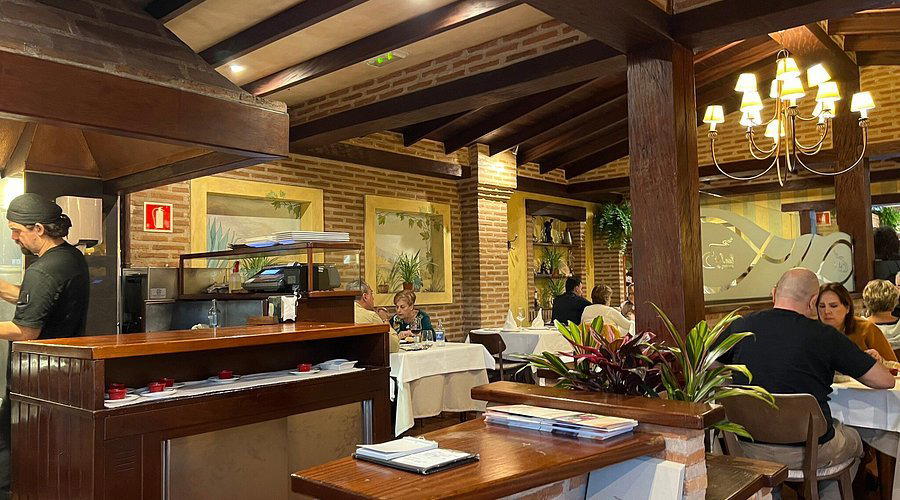
Bars in Agaete
Browse all →
Details
- Romantic
- Rustic
- Scenic
- Cozy
- Intimate
- Date Night
- Family
- Celebration
- Special Occasion
- Garden
- Terrace
- Extensive Wine List
- Local Sourcing
- Farm To Table
- Garden
- Mountain
- Tasting Menu
- A La Carte
- Vegetarian Friendly
- Allergy Accommodating
Current opening hours
- Monday
- 1–6:30 PM
- Tuesday
- Closed
- Wednesday
- Closed
- Thursday
- 1–6:30 PM
- Friday
- 1–6:30 PM
- Saturday
- 1–6:30 PM
- Sunday
- 1–6:30 PM
Hours can change for holidays and private events. Hours as of .
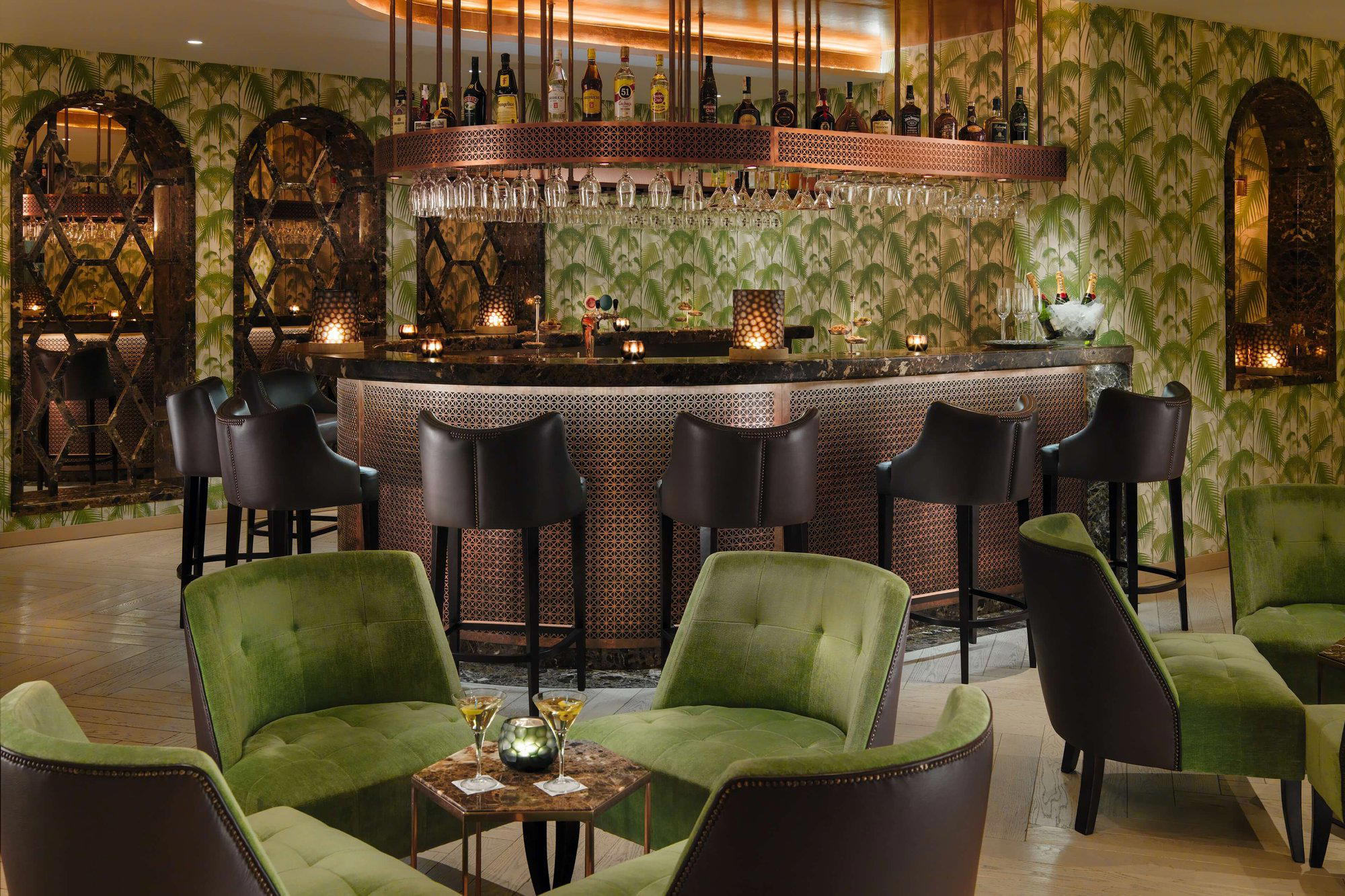
Relaxed and informal atmosphere with pretty local Canarian decoration, cozy terrace amid lush gardens and valley scenery.