La Aquarela



1 Michelin Star · Guía Repsol 2 Soles · We're Smart World 5 Radishes
Our verdict
A Michelin-starred address tucked into an apartment complex on Gran Canaria's southern coast, La Aquarela operates at the serious end of Canary Island creative cooking. Up to 85% locally sourced ingredients anchor three tasting menus that range from Atlantic seafood to fully plant-based, with occasional Nordic inflections earned through time in Stockholm kitchens.

Pearl is the En Primeur Club membership app, where members save venues, book tables and use the concierge.
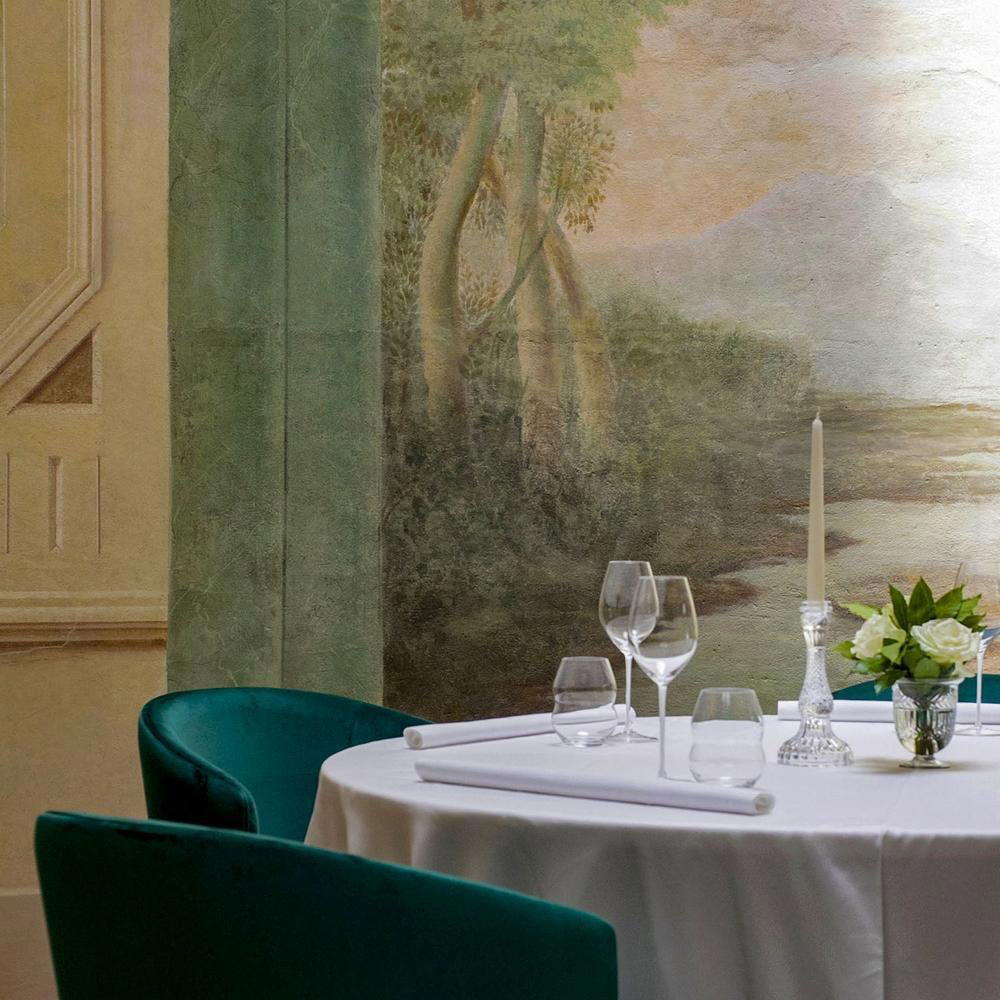
Where Gran Canaria's Southern Coast Gets Serious About Food
The southern tip of Gran Canaria is resort territory by default, sun-bleached promenades, all-inclusive hotels, menus calibrated for mass tourism. Against that backdrop, the emergence of a Michelin-starred kitchen inside an apartment complex at Playa de Patalavaca reads as an anomaly. But anomalies are often where the most considered cooking happens. Gran Canaria's full Patalavaca restaurants guide tracks the broader scene, and La Aquarela sits at its upper tier: a €€€€ address operating Tuesday through Saturday from 7 PM, closed Monday and Sunday, earning its 2024 Michelin star from a kitchen that draws up to 85% of its ingredients from Canarian producers and Atlantic waters.
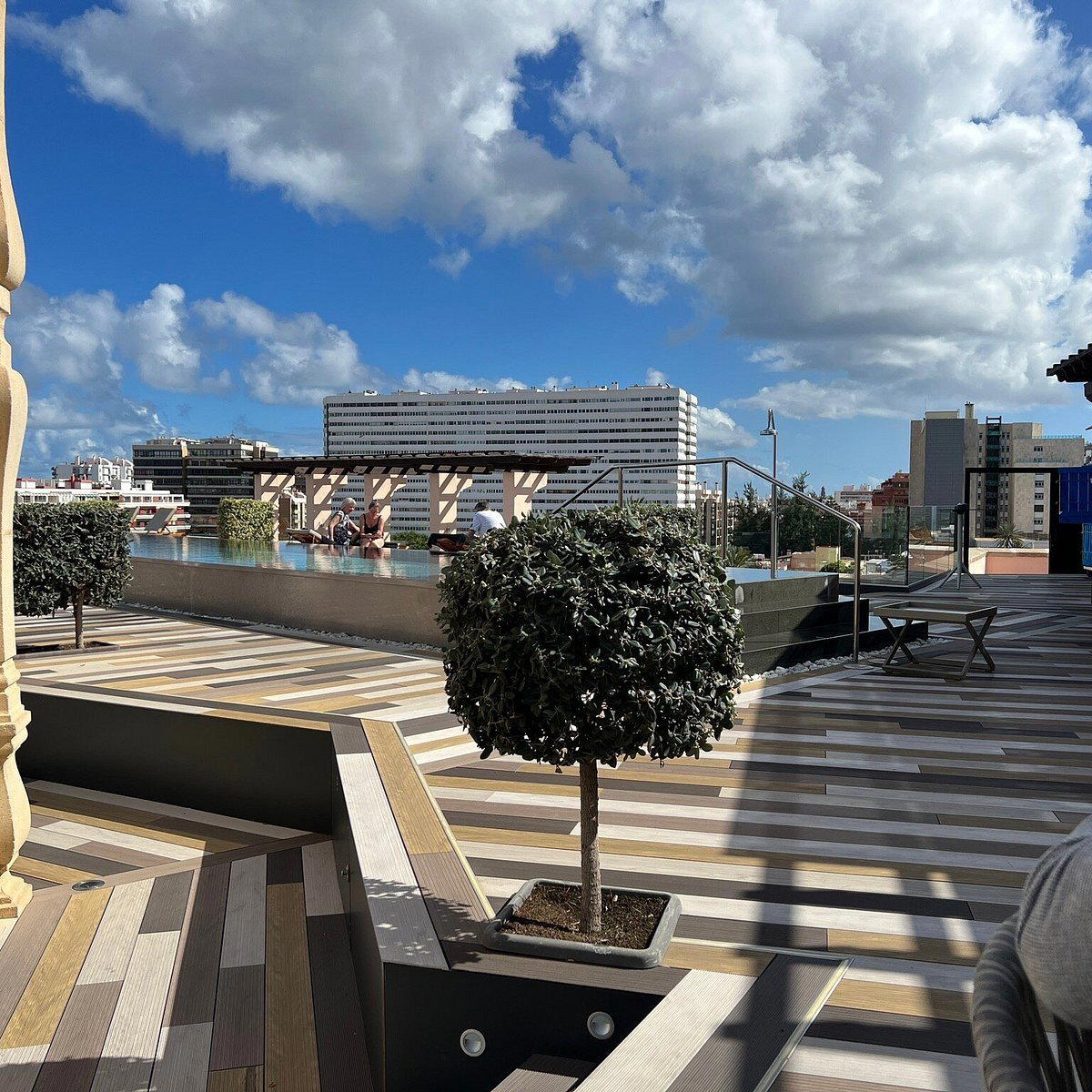
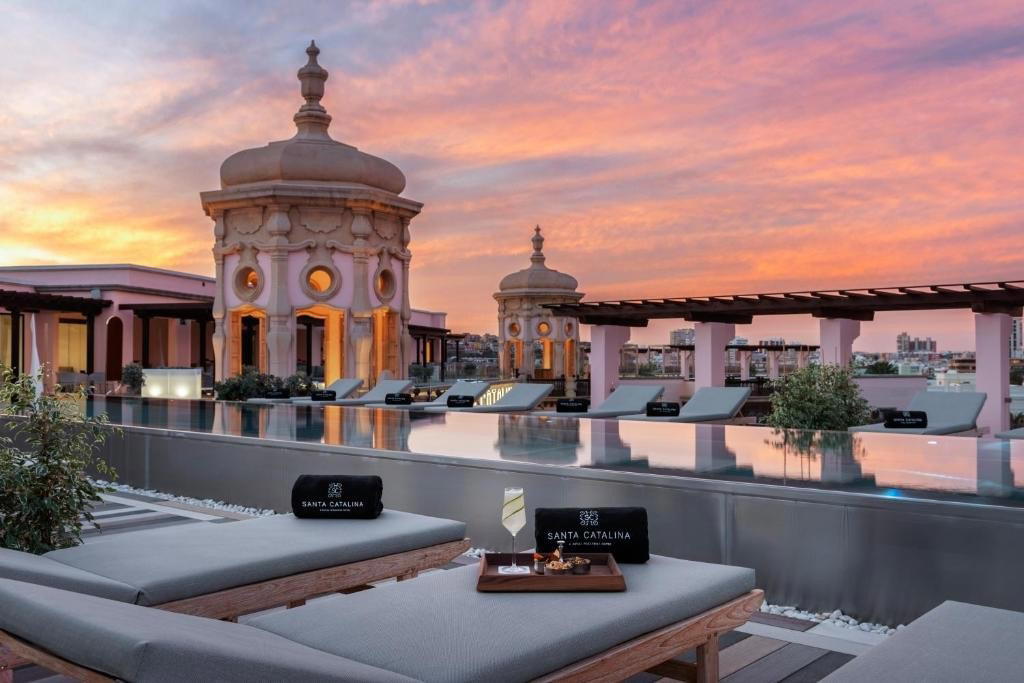
The dining room is hushed and classically dressed. Tables overlooking the swimming pool catch the last of the Canarian sunset, and the overall register is closer to intimate occasion restaurant than resort dining room.
The Sourcing Case: Why 85% Local Actually Means Something Here
Local sourcing has become a near-universal claim across premium European restaurants, but the conditions of the Canary Islands give the figure real specificity. The archipelago sits in the Atlantic roughly 1,000 kilometres southwest of the Iberian Peninsula, with a subtropical climate that supports year-round growing. Volcanic soils in the interior produce potatoes, mojo peppers, and root vegetables that carry genuine regional identity. The surrounding Atlantic is among the more productive fishing grounds in the Eastern Central Atlantic, with species distinct from those on the Spanish mainland.
When La Aquarela frames up to 85% local sourcing, it is working within a defined and traceable geography. That figure isn't generic. Canarian produce is not simply Spanish produce with a different postcode: the altitude differentials between coast and interior, the island's volcanic mineral profile, and the oceanic influence on temperature create conditions that distinguish it from peninsular agriculture. A kitchen that sources heavily from this geography is making a statement about specificity, not merely sustainability.
This sourcing logic shows up structurally in the three menus on offer. The Experiencia menu combines land and sea, treating the two resource streams of the island as a single conversation. The Tierra menu is vegetarian and leans into the interior's agricultural character. The Fish Lovers menu anchors itself to Atlantic catch. Each format is a different expression of the same sourcing framework rather than a separate culinary philosophy.
For broader context on how Spain's leading creative kitchens approach ingredient sourcing and regional identity, the approaches at Quique Dacosta in Dénia and Ricard Camarena in València offer useful reference points, both operating within specific Mediterranean terroirs with similar philosophical commitments to place.
Nordic Inflections in an Atlantic Kitchen
Creative restaurants with strong regional identities sometimes struggle with the question of influence. How do you absorb training and technique from elsewhere without diluting the place-specific argument you're making on the plate? The cooking at La Aquarela doesn't resolve that tension by ignoring it. Chef Germán Ortega spent several years working in Stockholm, and Nordic technique appears occasionally in the menu's vocabulary, precision fermentation, restrained acidity, a preference for clean rather than layered flavour profiles.
The We're Smart inspector who reviewed the restaurant noted grilled aubergine with an aromatic yeast salsa as a specific reference point on the Tierra menu. Yeast-based preparations are a marker of contemporary Nordic influence in European creative kitchens: umami depth without animal product, fermented complexity without sauce weight. On a plant-based menu built from Canarian agriculture, that technique does more than signal training history, it serves a functional role in building flavour without departing from the menu's sourcing logic.
The Nordic-Canarian pairing is less contradictory than it might first appear. Both food cultures place high value on seasonal constraint, on working with what a specific geography produces rather than importing flavour solutions. The difference is scale and climate: where Nordic kitchens operate around scarcity and preservation, a Canarian kitchen operates around subtropical abundance and oceanic access. The technical overlap sits in precision and economy of means.
Among Spain's Michelin-starred creative addresses, this dual-influence dynamic has precedents. Arzak in San Sebastián absorbed French technique into Basque identity over decades. Mugaritz in Errenteria has drawn from global avant-garde traditions while remaining rooted in Basque produce. La Aquarela operates on a smaller island stage, but the structural question it answers is the same: how does outside training make regional cooking more precise rather than less distinct?
Three Menus, One Sourcing Framework
The decision to run three distinct tasting formats is editorially significant. Most Michelin-starred creative restaurants at this price tier offer one signature menu, perhaps with a shorter variant. The presence of a dedicated vegetarian menu (Tierra) and a full vegan option, available at 100% on request, reflects both the We're Smart recognition the restaurant carries and the particular demands of Gran Canaria's dining public, which includes a substantial international audience with varied dietary requirements.
The Fish Lovers menu places Atlantic seafood at the centre without the land-and-sea balancing act of the Experiencia format. For diners arriving from coastal resort areas with a specific appetite for the island's oceanic produce, it functions as a focused expression of the sourcing argument. The sommelier's ability to match local Canarian drinks across all three menus adds a further layer of regional coherence, the island produces wines from its own DO designations, particularly in the north and centre, that rarely appear outside the archipelago.
Specifying dietary preferences at the time of booking is noted as advisable, particularly for full vegan programmes. This is standard practice at restaurants operating multiple simultaneous menu formats at the technical level La Aquarela operates at, the kitchen needs lead time to sequence a 100% plant-based experience through the same sourcing framework as the omnivore menus.
Positioning Within Spain's Creative Tier
A single Michelin star at €€€€ in a resort destination places La Aquarela in a specific bracket: serious enough to require advance planning, accessible enough that the evening doesn't require the same logistical architecture as booking at El Celler de Can Roca in Girona or Disfrutar in Barcelona.
In that off-axis tier, La Aquarela has established a clear competitive position. The We're Smart recognition, awarded for vegetable-forward cooking and sustainable sourcing, differentiates it from peers who hold Michelin stars on technical grounds alone. The combination of both recognitions signals a kitchen that has made genuine choices about what kind of cooking it wants to do, rather than optimising for a single critical framework. Comparable creative kitchens operating with similar dual-recognition logic in other European contexts include Azurmendi in Larrabetzu and, at a different scale, Aponiente in El Puerto de Santa María, which has built its entire identity around Atlantic marine resources with similar sourcing discipline.
For diners spending time in southern Gran Canaria, the restaurant functions as a fixed point around which a trip can be planned. It opens Tuesday through Saturday from 7 PM, which shapes the week's structure. Given the €€€€ price positioning and the tasting format, it warrants booking as an anchor evening rather than a spontaneous decision. The Apartamentos Aquamarina address, while unglamorous in description, delivers pool-facing tables and sunset timing that the classic decor of the room complements rather than competes with.
Those exploring the full range of what Patalavaca offers can also consult our guides to hotels, bars, wineries, and experiences in the area. For context on how creative cooking at this level operates across European capitals and beyond, the work at Alléno Paris au Pavillon Ledoyen, Enrico Bartolini in Milan, and Atrio in Cáceres provides useful reference across the €€€€ creative tier.
Planning Your Visit
La Aquarela operates Tuesday through Saturday, 7 PM to 11 PM, at Apartamentos Aquamarina, Barranco de la Verga s/n, 35129, Patalavaca, Las Palmas. The kitchen is closed Monday and Sunday. The price range is €€€€, consistent with the tasting menu format and Michelin-starred positioning. Dietary requirements, including full vegan programmes, should be communicated at the time of booking to allow the kitchen to prepare accordingly. The sommelier's knowledge of local Canarian drinks pairings is a noted strength of the experience and worth engaging with across whichever menu format you choose.
Frequently asked questions
Can I bring kids to La Aquarela?
What should I expect atmosphere-wise at La Aquarela?
What dish is La Aquarela famous for?
Quick Comparison
| Venue | Cuisine | Price | Awards | Notes |
|---|---|---|---|---|
| La AquarelaThis venue (the venue you are viewing) | Modern Canary Island Fine Dining | $100–150 | 1 Michelin Star · Guía Repsol 2 Soles | Not listed |
| Aponiente | Avant-Garde Marine Seafood | $200–300 | 3 Michelin Stars · World's 50 Best #84 | Progressive - Seafood, Creative |
| Arzak | Contemporary Basque Fine Dining | $300–500 | 3 Michelin Stars · World's 50 Best #31 | Modern Basque, Creative |
| DiverXO | Avant-Garde Spanish Tasting Menu | $300–500 | 3 Michelin Stars · World's 50 Best #4 | Progressive - Asian, Creative |
| El Celler de Can Roca | Creative Catalan Fine Dining | $300–500 | 3 Michelin Stars · World's 50 Best #2 | Progressive Spanish, Creative |
| Quique Dacosta | Avant-Garde Spanish Fine Dining | $300–500 | 3 Michelin Stars · World's 50 Best #65 | Creative |
Recognition history
Dated appearances from independent guides and award organizations, with the underlying list record or original source where available.
Michelin 1 Star
Michelin
Guía Repsol 2 Soles
Guía Repsol
We're Smart World 5 Radishes
We're Smart World
Full recognition history (6 entries)
Michelin 1 Star
Michelin
We're Smart World Top 100 #90
We're Smart World
Michelin 1 Star
Michelin
Continue exploring
More in Patalavaca
Restaurants in Patalavaca
All restaurants in Patalavaca →
Bars in Patalavaca
Browse all →
La Aquarela
The wine
- Wine program
- Deep wine list
- Extensive wine list
- Sommelier-led
Details
- Romantic
- Elegant
- Intimate
- Sophisticated
- Classic
- Date Night
- Special Occasion
- Celebration
- Terrace
- Extensive Wine List
- Sommelier Led
- Local Sourcing
- Waterfront
- Tasting Menu
- Vegetarian Friendly
Current opening hours
- Monday
- Closed
- Tuesday
- 7–11 PM
- Wednesday
- 7–11 PM
- Thursday
- 7–11 PM
- Friday
- 7–11 PM
- Saturday
- 7–11 PM
- Sunday
- Closed
Hours can change for holidays and private events. Hours as of .
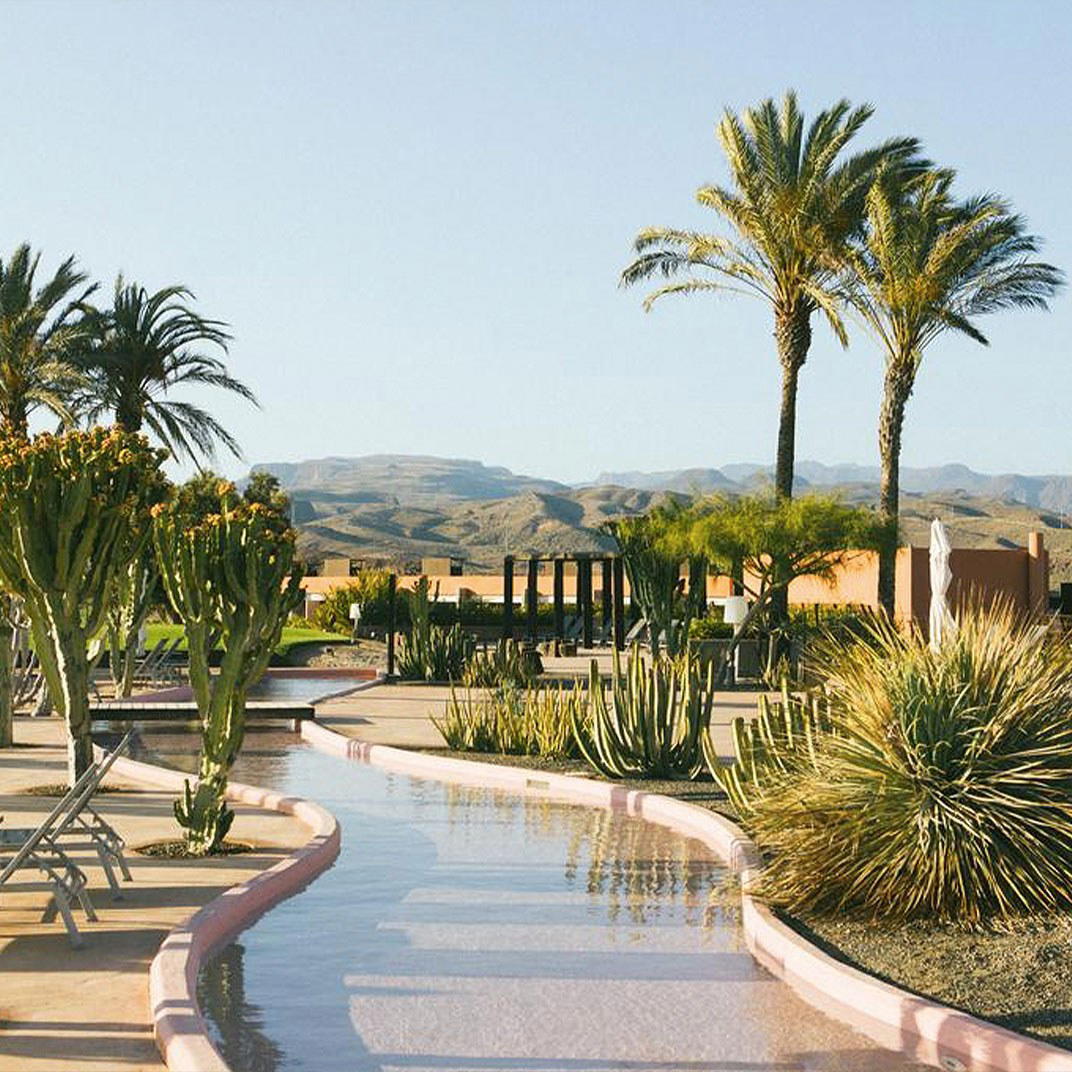
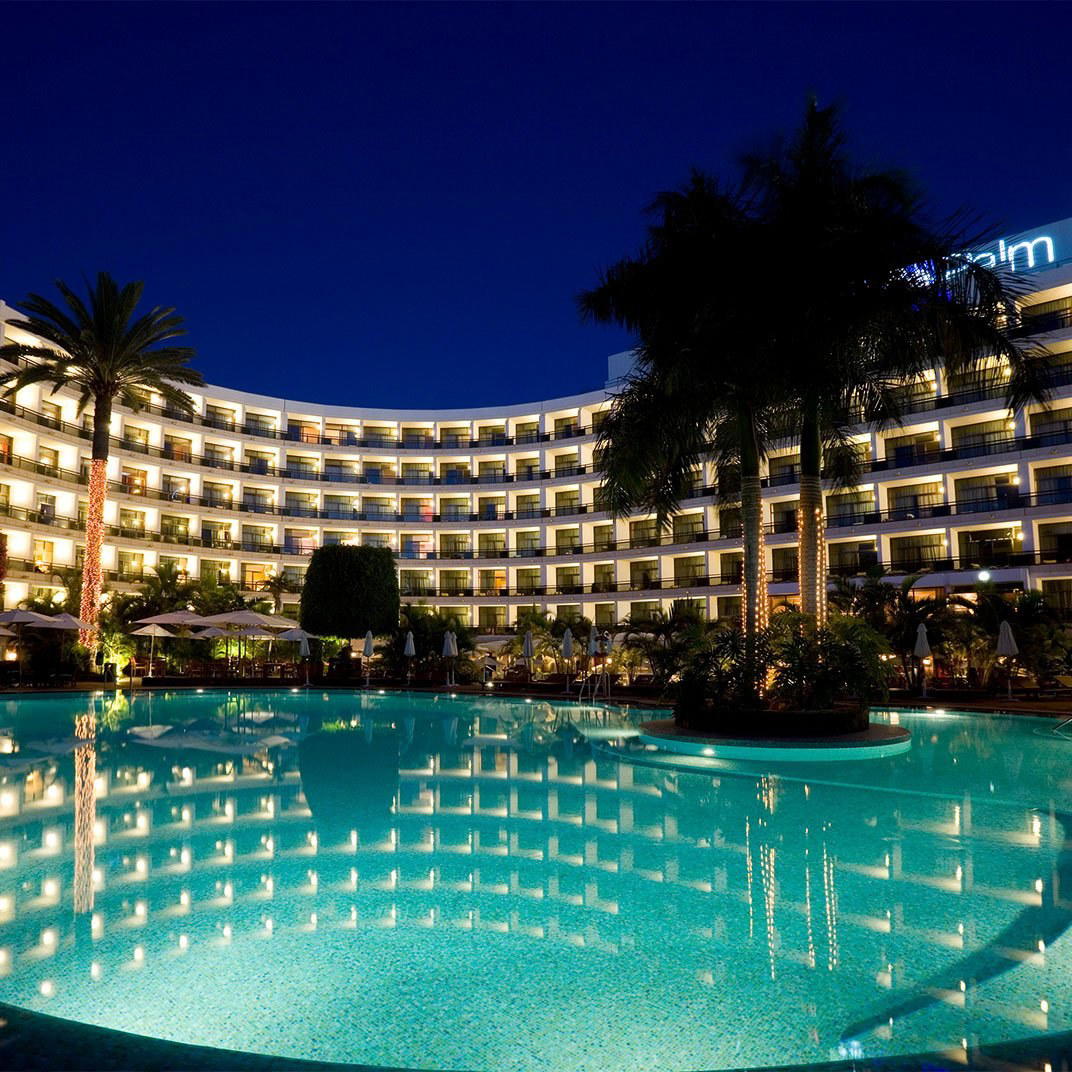
Welcoming and hushed backdrop of classic decor with romantic tables overlooking the swimming pool, well-suited for sunset views.