Santa Catalina, a Royal Hideaway Hotel




1 Michelin Key · La Liste Top Hotels · Preferred Hotels L.V.X. Collection
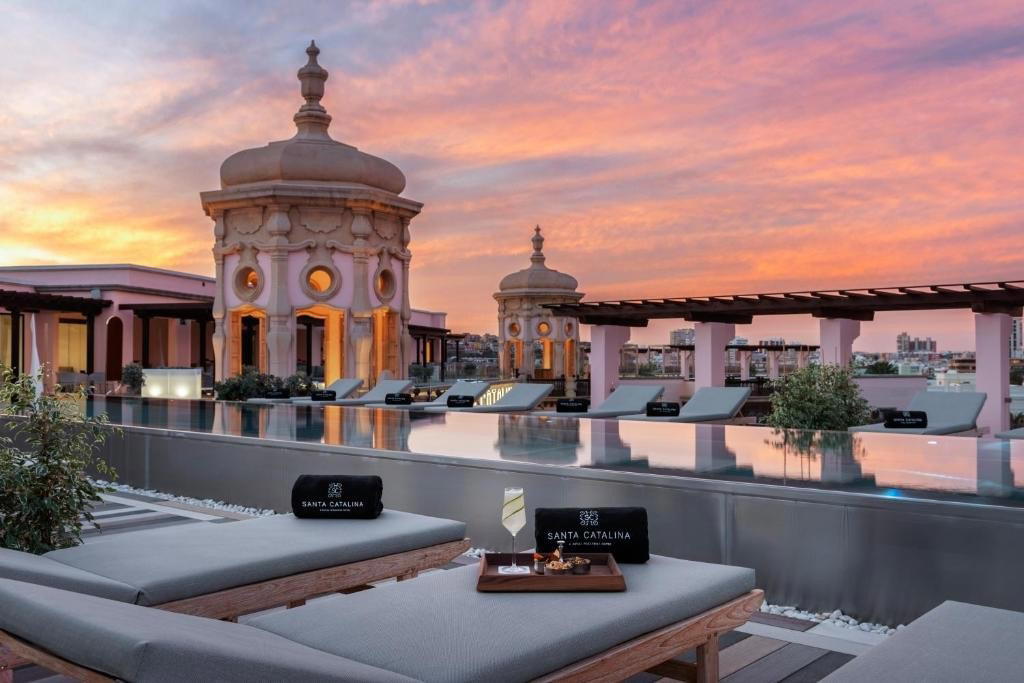
The oldest hotel in the Canary Islands, Santa Catalina has anchored Las Palmas's luxury scene since 1890. Its pale pink façade, Spanish art collection, and wood-paneled afternoon tea salon have hosted Winston Churchill and the Spanish royal family. Renovated by Barceló Hotel Group, the 204-room property now adds a Michelin-starred restaurant, rooftop bar, and infinity pool to its enduring colonial framework.

Pearl is the En Primeur Club membership app, where members save venues, book tables and use the concierge.
A Colonial Frame, Recut for the Present
Las Palmas de Gran Canaria has long occupied an unusual position in the European luxury hotel conversation: a city with genuine historical weight and Atlantic reach, yet overshadowed in profile by the island's southern resort corridor. Santa Catalina, a Royal Hideaway Hotel sits at the centre of that tension. Open since 1890, it is the oldest hotel in the Canary Islands and has functioned for most of its life as the default address for visiting heads of state, artists, and royalty passing through what was once a significant Atlantic port. The pale pink colonial façade on Calle León y Castillo announces that history before you reach the door.
The Barceló Hotel Group's renovation, executed under the Royal Hideaway sub-brand, which positions properties at the group's premium ceiling, did not attempt to make Santa Catalina feel modern. It attempted to make it feel permanent. The bones of the building have been preserved: original room proportions (compact by contemporary luxury standards), the carved wood detailing in the main salon, and the art collection that reads as a curated survey of Spanish painting rather than a decorator's afterthought. What changed is everything that surrounds those bones. The guest experience now runs on infrastructure the original structure could not have anticipated: an oceanview infinity pool, a rooftop bar, and a spa built to current wellness-hotel specifications. The result sits in a specific tier of European historic-hotel renovation, closer in approach to properties like Mandarin Oriental Ritz, Madrid than to the lighter-touch restorations seen at smaller Spanish properties like Hotel Can Cera in Palma.
The Architecture as Argument
Colonial-era hotels in Atlantic island cities occupy a different architectural register than their continental European counterparts. Santa Catalina was built during the period when Las Palmas functioned as a transatlantic waypoint, and the building reflects that: high ceilings engineered for pre-air-conditioning ventilation, wide corridors with the proportions of a civic building, and a façade colour that reads as both European and subtropical. These are not decorative choices made by a contemporary designer, they are structural inheritances from a specific moment in the city's economic history.
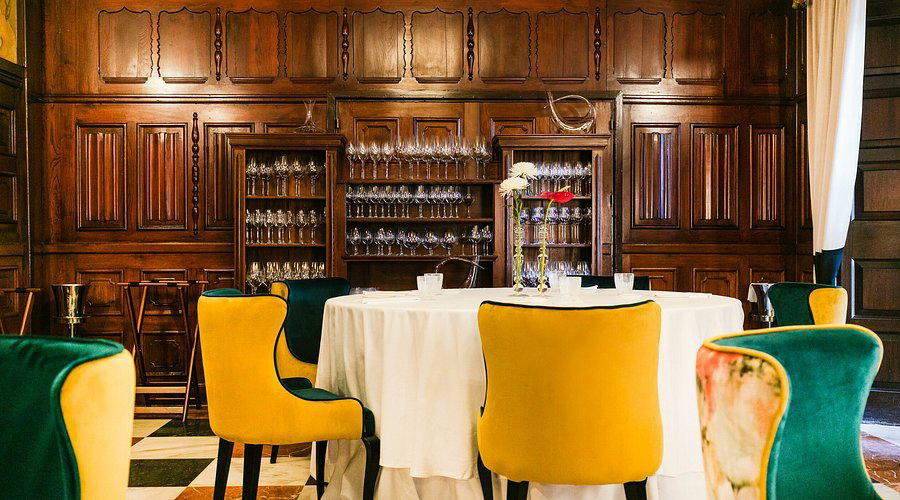
The renovation's intelligence lies in what it chose not to change. The wood-paneled salon where traditional English afternoon tea is still served functions as a compressed archive of the hotel's former clientele, a habit imported by British travellers who made Las Palmas a winter destination in the nineteenth century. That tradition persists not as nostalgia theatre but as a genuinely operational afternoon service that connects the current property to a documented social history. For guests attuned to that kind of layered context, it carries more weight than a new lobby installation would.
The guest rooms and suites retain their original compact dimensions, which places Santa Catalina in an interesting position relative to newer luxury competitors. Square footage is not the argument here. The argument is patina, proportion, and position in the city's fabric. For travellers comparing it against purpose-built luxury properties in southern Gran Canaria, that trade-off is worth making explicit before booking.
Poemas and the Michelin Signal
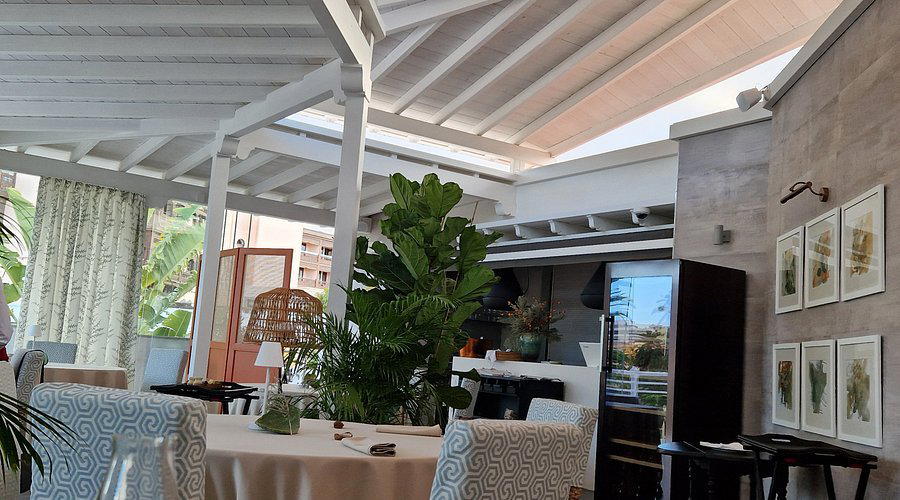
Spain's Michelin-starred hotel restaurants have increasingly become a decisive factor in property selection at the upper end of the market. The hotel also holds a Michelin Key (2024), the guide's relatively new hotel recognition, which indicates that the property's hospitality offer meets criteria the guide considers worth directing travellers toward independently of its restaurant.
La Liste ranked Santa Catalina among its Leading Hotels for 2026 at 93 points, placing it in a competitive bracket that includes properties across Europe that have similarly invested in both heritage preservation and contemporary food programming. For context, La Liste's hotel rankings weight guest experience, service consistency, and dining quality, the 93-point score suggests the renovation has landed as intended rather than as a refurbishment that preserved the facade and compromised everything behind it.
Within Spain's broader luxury hotel conversation, Santa Catalina occupies a different niche than the converted rural estates that have become a distinct category in the country's premium offer. Properties like Abadía Retuerta LeDomaine or Atrio Restaurante Hotel in Cáceres draw on monastic or fortified architecture in continental settings. Santa Catalina's proposition is different: an urban Atlantic hotel with a city-facing identity, where the surrounding neighbourhood is part of the experience rather than something the property insulates you from.
Las Palmas as the Right Context
Understanding what Santa Catalina offers requires placing it in Las Palmas specifically, not in a generalised Canary Islands frame. Las Palmas is a functioning Atlantic city of nearly 400,000 people, with a working port, a serious food scene, and a cultural calendar that bears no resemblance to the all-inclusive resort culture of the southern coast. The hotel's address on Calle León y Castillo puts guests in the Triana and Ciudad Jardín districts, within reach of the city's museums, markets, and the historic Vegueta quarter.
That urban positioning is both the hotel's strength and its point of differentiation from island competitors. For guests whose interest is the Canary Islands as an Atlantic cultural destination rather than a beach resort, Las Palmas makes structural sense as a base, and Santa Catalina functions as its most credentialled address. For those wanting something closer to the water and further from the city, the property's rooftop and pool provide a degree of resort logic without requiring a change of hotel. You can find our broader recommendations for eating and staying in the city in our full Las Palmas de Gran Canaria guide.
Travellers comparing Spanish island options should note that the hotel's closest analogues in terms of historic-property positioning include La Residencia, A Belmond Hotel, Mallorca and Hotel Can Ferrereta in Santanyí, though both operate in rural or coastal Mallorcan settings that are temperamentally distinct from Las Palmas's urban Atlantic character. Other Spanish island properties at this tier, including Bahia del Duque in Adeje and BLESS Hotel Ibiza, skew toward resort formats that prioritise beach access over architectural heritage.
Planning Your Stay
Santa Catalina runs 204 rooms and suites across its historic footprint, with rates reported at approximately $254 per night, a price point that, given the Michelin and La Liste credentials, positions it as accessible within the upper tier of Spanish hotel pricing. For reference, comparable heritage-renovation properties in Madrid and Barcelona typically open well above that figure. Reservations are advisable, particularly during the Canary Islands' high season from November through February, when northern European demand for Atlantic island sunshine peaks and the hotel's combination of city access and resort amenities draws a broad international mix. The property's sister Royal Hideaway property on the Spanish mainland, Canfranc Estación, offers a useful comparison for travellers interested in how the brand approaches historic infrastructure elsewhere in Spain.
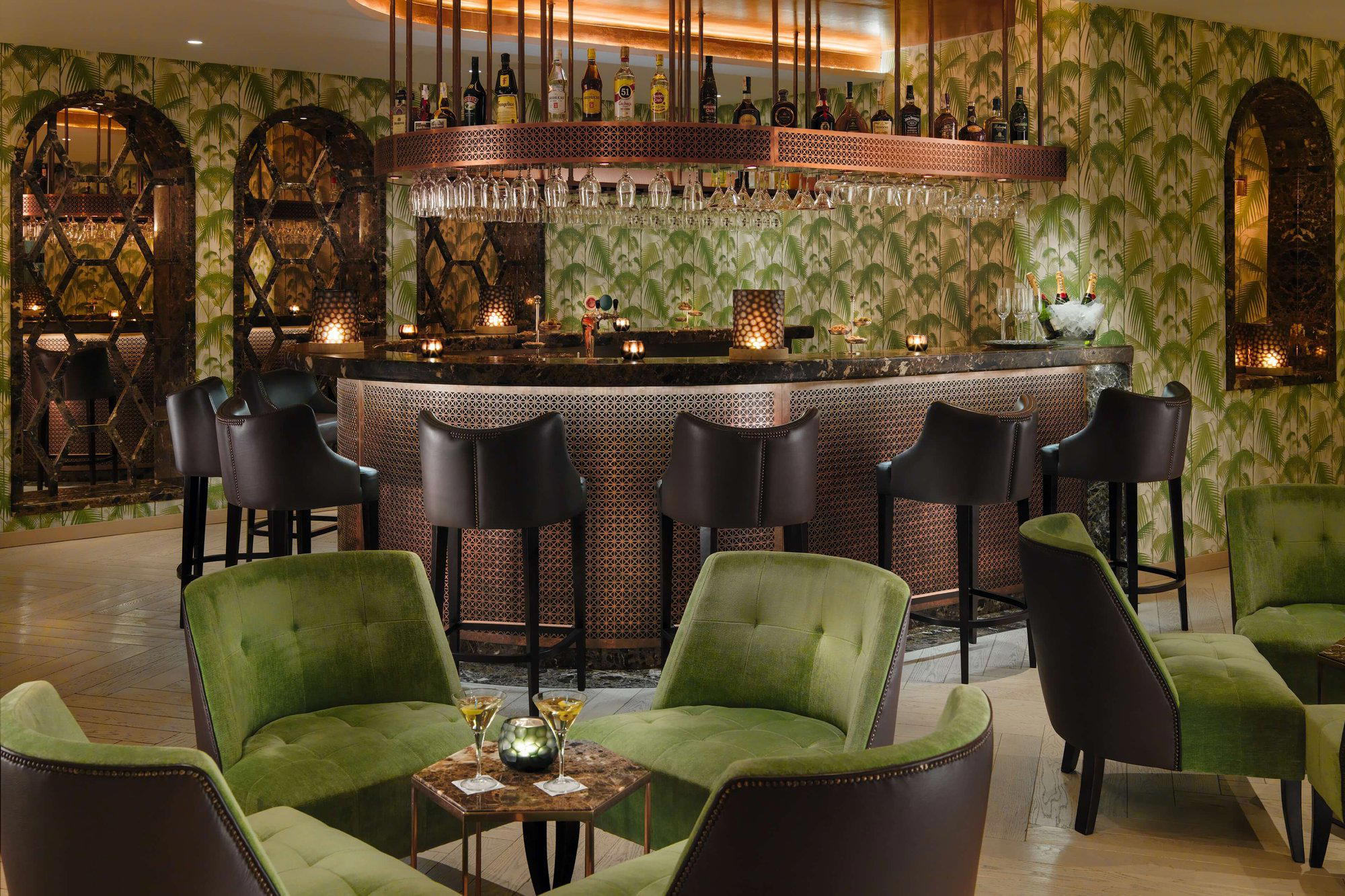
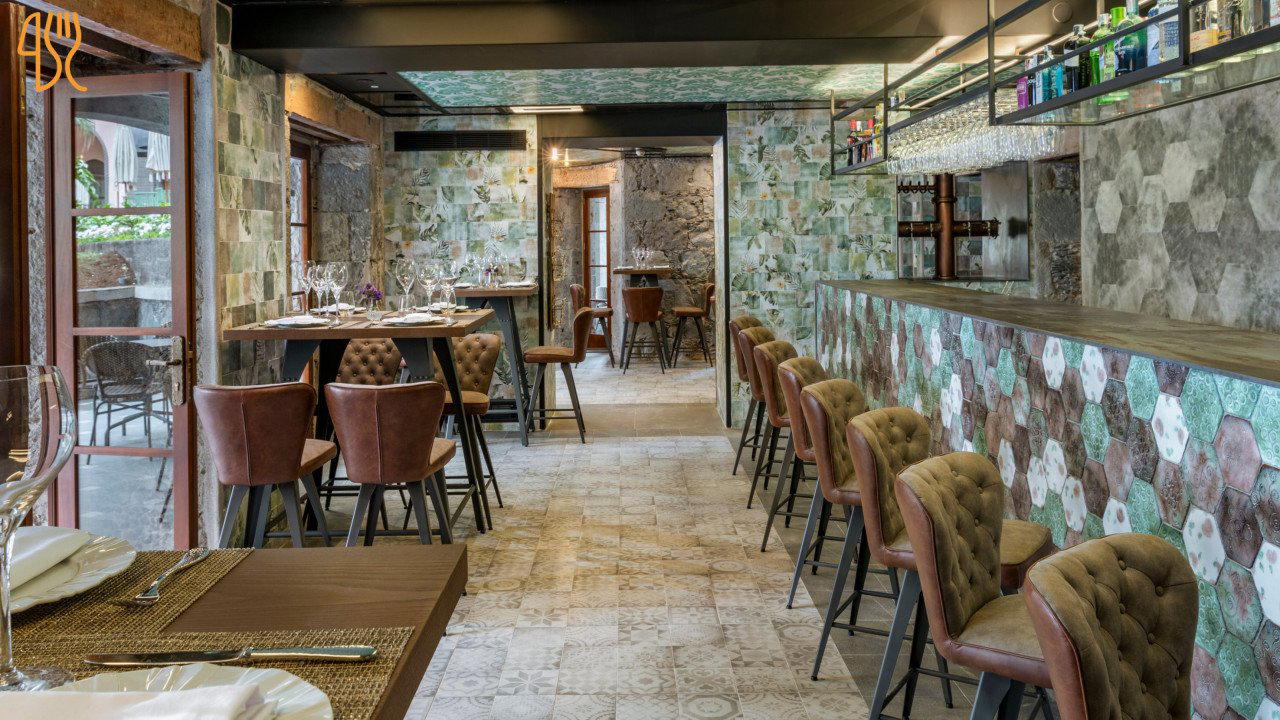
Dinner at Poemas warrants a separate reservation rather than relying on walk-in availability; starred hotel restaurants in tourist-season cities routinely run at capacity, and the hotel's own guests compete for the same tables as outside diners. The rooftop bar operates on a more casual basis and provides a reasonable entry point for travellers who want to read the property before committing to a full dinner programme. Afternoon tea in the wood-paneled salon is the detail that separates this property from nearly every other hotel in the Canary Islands and is worth planning for on at least one afternoon of any stay.
Quick Comparison
Comparable venues nearby, for context on price, style, and recognition.
| Venue | Cuisine | Price | Awards | Notes |
|---|---|---|---|---|
| Santa Catalina, a Royal Hideaway HotelThis venue (the venue you are viewing) | Historic luxury hotel in lush park setting | $200–300 | 1 Michelin Key · La Liste Top Hotels | Not listed |
| Royal Hideaway Corales Resort | Modern terraced resort with ocean-inspired architecture on cliffs | $200–300 | 1 Michelin Key · La Liste Top Hotels | Costa Adeje |
| Hotel Puntagrande | Maritime-inspired boutique on volcanic cliffs blending history and luxury. | $100–200 | 1 Michelin Key | Frontera |
| Bahia del Duque | Canarian colonial-style luxury resort with pastel villas and exclusive Casas Ducales premier area | Not listed | 1 Michelin Key · La Liste Top Hotels | Costa Adeje |
| The Ritz-Carlton Tenerife, Abama | Contemporary luxury resort blending Moorish-inspired architecture with minimalist design and organic textures reflecting Tenerife's volcanic landscapes and indigenous Guanche heritage. | $750–1,000 | Michelin Selected · La Liste Top Hotels | Guía de Isora |
| Bohemia Suites & Spa | Boutique design hotel blending luxury with bohemian spirit and local volcanic inspiration. | $300–500 | Michelin Selected · Design Hotels Member | Playa del Ingles |
Recognition history
Dated appearances from independent guides and award organizations, with the underlying list record or original source where available.
Michelin 1 Key
Michelin
La Liste Top Hotels
La Liste
Preferred Hotels L.V.X. Collection
Preferred Hotels
World Luxury Hotel Awards WLHA Regional Winner
World Luxury Hotel Awards
Full recognition history (6 entries)
Michelin 1 Key
Michelin
Michelin 1 Key
Michelin
Continue exploring
More in Las Palmas de Gran Canaria
Hotels in Las Palmas de Gran Canaria
All hotels in Las Palmas de Gran Canaria →
Bars in Las Palmas de Gran Canaria
All bars in Las Palmas de Gran Canaria →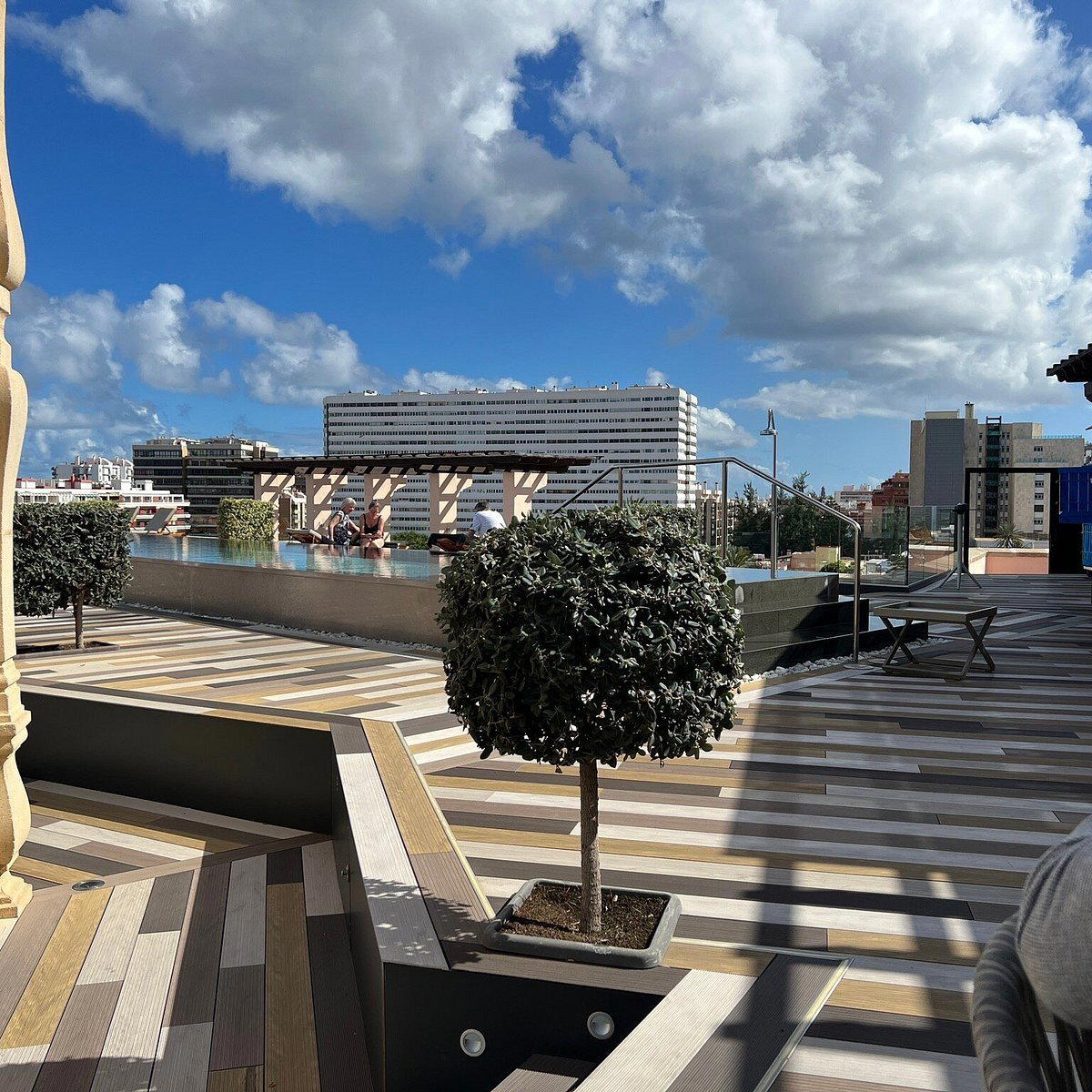
Details
- Elegant
- Sophisticated
- Quiet
- Scenic
- Romantic Getaway
- Wellness Retreat
- Anniversary
- Rooftop Pool
- Infinity Pool
- Panoramic View
- Garden
- Pool
- Spa
- Fitness Center
- Room Service
- Concierge
- Wi Fi
- Restaurant
- Bar
- Garden
- Wheelchair Accessible
- Elevator
- Step Free Entrance
Serene and elegant oasis with beautiful gardens, water features, sophisticated lighting, and a tranquil atmosphere praised for relaxation.