Loring Place



Michelin Plate · We're Smart World 3 Radishes
Our verdict
James Beard Award-winning Chef Dan Kluger's Loring Place elevates Greenwich Village dining through wood-fired, vegetable-forward American cuisine that celebrates New York's seasonal bounty. This intimate restaurant transforms local market ingredients into sharing plates over open flames, creating an acclaimed fine dining experience that balances sophistication with genuine warmth.

Pearl is the En Primeur Club membership app, where members save venues, book tables and use the concierge.
The menu
What to order
- Wood-Grilled Broccoli Salad
- House-Milled Whole Wheat Pizza
- Short Rib
- Baked Ricotta
- Asparagus Fries
- Black Bass
- Squash Blossom Pizza
Village Square, Seasonal Conviction
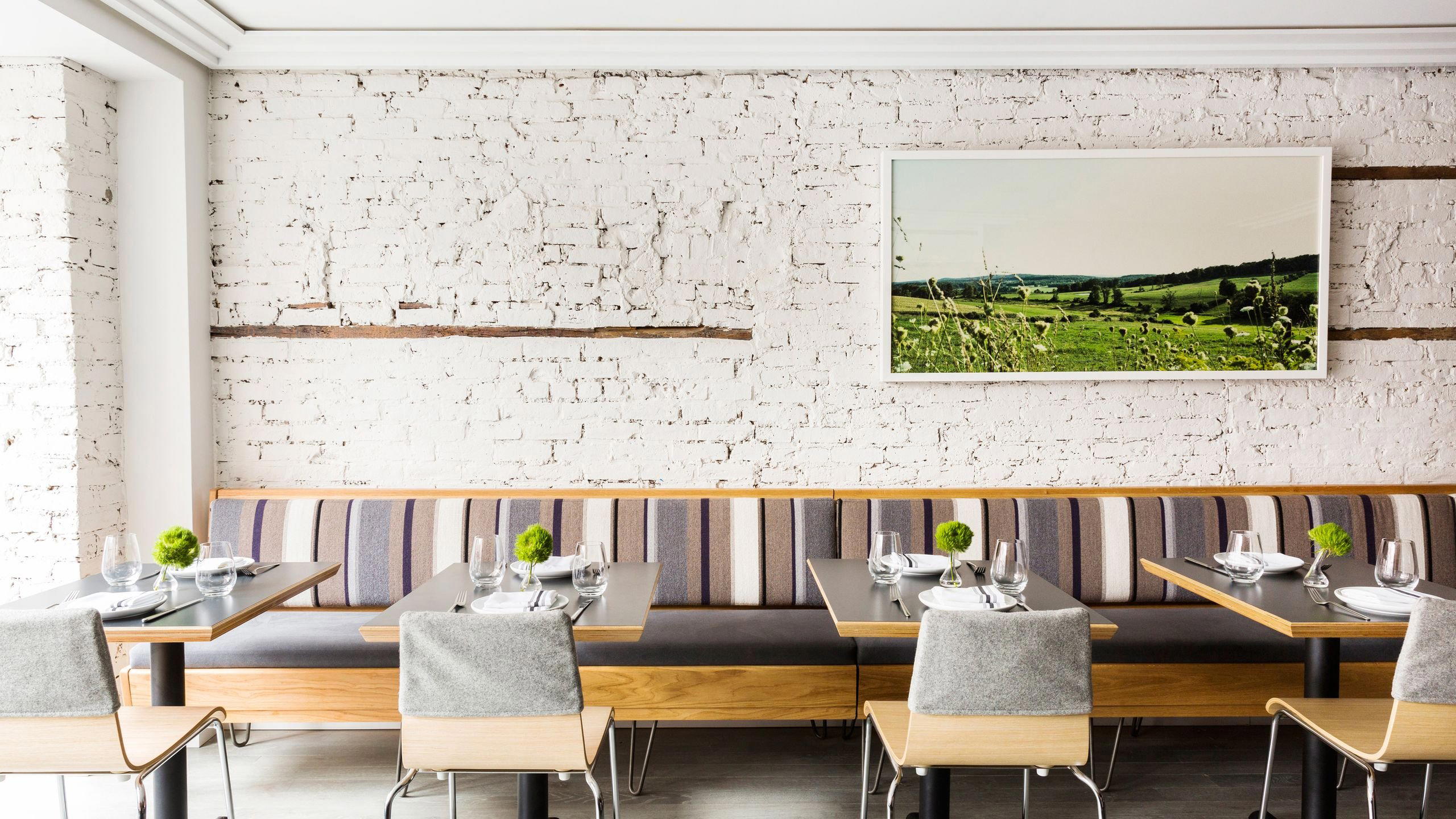
When Dan Kluger opened Loring Place on West 8th Street in Greenwich Village, the farm-to-table movement in New York was already a decade past its first wave of excitement. The mid-2010s version of the conversation had moved on from simply sourcing local ingredients to asking harder questions: what does seasonal cooking look like when a chef has genuine technical command, and what does the dining room feel like when the cooking isn't hiding behind white tablecloths? Loring Place answered both questions with some directness. The room, mid-century in feel, with bright orange window frames and boldly striped banquettes, signals that the food will be confident rather than deferential. It has held that position consistently, appearing on Opinionated About Dining's North America Casual list in both 2024 (ranked #364) and 2025 (ranked #375), and reaching #176 in their Gourmet Casual Dining rankings in 2023.
Where the Farm-to-Table Lineage Actually Runs
The phrase "farm-to-table" arrived in American dining as a corrective, a reaction to the late-20th-century disconnection between restaurant kitchens and agricultural reality. At its least rigorous, it became a marketing posture: a chalkboard of farm names and a menu that didn't change much. At its most committed, it produced a different kind of restaurant altogether, one where the market genuinely sets the agenda and the chef's skill lies partly in flexibility. Kluger, who spent years at ABC Kitchen, a restaurant that helped anchor New York's serious engagement with seasonal sourcing, brings that lineage to Loring Place. The result is a menu where vegetables occupy structural roles in dishes rather than acting as garnish, and where the wood-fired equipment does substantive flavor work rather than decorative char.
That approach connects Loring Place to a wider national conversation. Restaurants like Single Thread Farm in Healdsburg have pushed the farm-driven format into tasting-menu territory, while The French Laundry in Napa has long demonstrated how produce-led thinking can coexist with formal ambition. In New York, ABC Kitchen and Craft helped establish the template for ingredient-led New American dining at the casual-to-mid level, and Loring Place sits comfortably in that continuum. Beyond New York, the same ethos appears in different registers at Lazy Bear in San Francisco, Providence in Los Angeles, and Emeril's in New Orleans, each of which has built a lasting identity around sourcing transparency and seasonal discipline.
The Case for Vegetables as the Main Event
New American dining has long struggled with a structural bias toward protein. Even restaurants that claim a vegetable-forward identity often relegate produce to supporting roles. Loring Place is genuinely organized differently. OAD reviewers have noted the range and quality of the vegetable preparations specifically, describing Kluger as having "vegetables in his fingers", an informal but pointed way of saying that the skill applied to produce here is primary, not afterthought. Wood-grilled broccoli with orange, pistachios, and mint is among the dishes that have drawn consistent reference, combining the char from the wood grill with brightness and texture in a way that positions vegetables as the structural anchor of a meal rather than its quieter chapters.
The wood-oven pizzas, made with house-milled whole wheat flour, occupy a different register, more immediate, less composed, but fit the same sourcing logic. The flour itself is part of the story: milling in-house is a decision that adds cost and complexity, and it signals a seriousness about grain that extends the farm-to-table commitment beyond produce into commodity ingredients that most restaurants take for granted. That kind of detail is what separates a restaurant with a genuine sourcing philosophy from one that has adopted the vocabulary without the practice.
Greenwich Village, Casual Serious
The Village has always supported a particular kind of restaurant: not the trophy dining of midtown, not the experimental edge of the Lower East Side, but something with intellectual seriousness and neighborhood comfort in roughly equal measure. Loring Place fits that character. The room is spacious without being cavernous, the aesthetic coherent without being fussy, and the tone, indicated by both the design and the OAD Casual classification, pitched at a dining public that wants cooking of genuine quality without the theater of the tasting-menu format.
That positioning puts it in a different competitive set from New York's formalist destinations. Restaurants like Alinea in Chicago or The Inn at Little Washington operate at the high-ritual end of American dining. Loring Place does not compete there, and doesn't try to. The better comparison is with restaurants like The Four Horsemen in Williamsburg or Bayona in New Orleans, places where serious cooking and a relaxed room coexist without apology. That space in the market has become more competitive in New York over the past decade, but Loring Place has maintained a distinct position within it.
Planning a Visit
Loring Place serves lunch and dinner across the full week, with lunch running from 11:30 am on weekdays (11 am on weekends) and dinner service closing between 8:30 pm on Sundays and 10 pm on Fridays and Saturdays. The address is 21 West 8th Street in Greenwich Village, accessible from multiple subway lines in the area. The OAD rankings suggest that the most engaged serious-dining audience tracks it as a reliable casual reference, which in practice means that weekday lunches offer a more relaxed entry point while weekend evenings tend toward fuller rooms. For the broader neighborhood and city context, see our full New York City restaurants guide, along with guides to hotels, bars, wineries, and experiences in New York City. For nearby alternatives within the mid-tier New York dining scene, Beauty & Essex and Clocktower offer different registers of the same downtown dining culture.
Frequently asked questions
What's the dish to order at Loring Place?
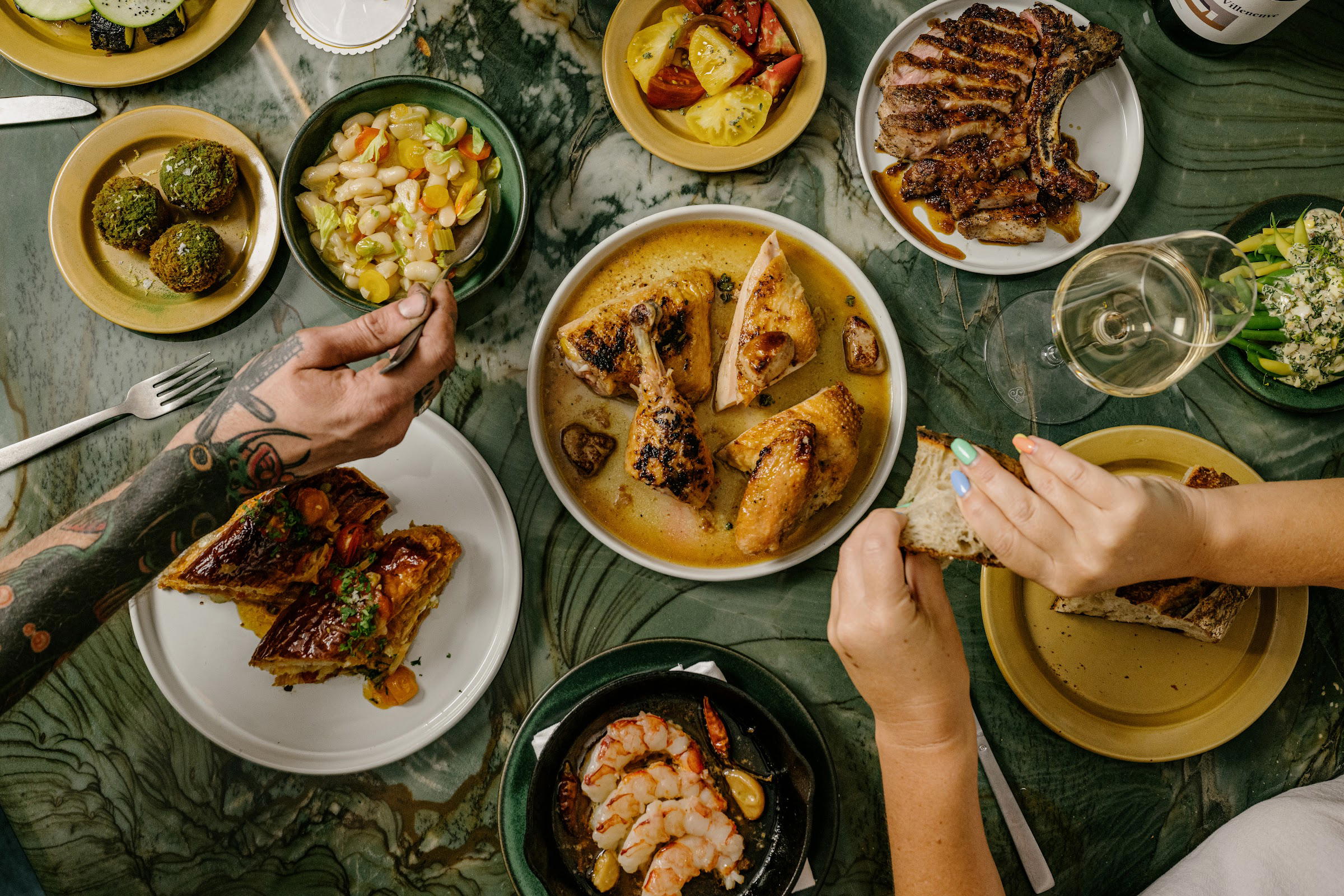
The wood-grilled broccoli salad with orange, pistachios, and mint has drawn the most specific critical attention, and it illustrates the kitchen's approach clearly: a vegetable treated as the main structural element of a dish, with the wood grill doing flavor work rather than just adding visual appeal. The wood-oven pizzas made with house-milled whole wheat flour are a secondary reference point, consistently noted by OAD reviewers and representative of the sourcing philosophy applied to grain rather than just produce. Both dishes anchor the seasonal, ingredient-driven ethos that has given the restaurant its sustained presence on serious-dining lists since opening.
| Venue | Cuisine | Price | Awards | Notes |
|---|---|---|---|---|
| Loring PlaceThis venue (the venue you are viewing) | Modern American with Vegetable-Forward Seasonal Cuisine | $50–100 | Michelin Plate · We're Smart World 3 Radishes | Not listed |
| Le Bernardin | French Seafood Fine Dining | $300–500 | 3 Michelin Stars · World's 50 Best #13 | French, Seafood |
| Atomix | Modern Korean Tasting Menu | $300–500 | 2 Michelin Stars · World's 50 Best #7 | Modern Korean, Korean |
| Masa | Seasonal Hokkaido Tempura Omakase | $150–200 | Tabelog 100 #34 | Sushi, Japanese |
| Per Se | French Fine Dining Tasting Menu | $300–500 | 3 Michelin Stars · World's 50 Best #40 | French, Contemporary |
| Eleven Madison Park | Contemporary Plant-Based Fine Dining | $300–500 | 3 Michelin Stars · World's 50 Best #4 | French, Vegan |
Recognition history
Dated appearances from independent guides and award organizations, with the underlying list record or original source where available.
Michelin Plate
Michelin
Opinionated About Dining Casual in North America Recommended
Opinionated About Dining
We're Smart World 3 Radishes
We're Smart World
Full recognition history (7 entries)
Opinionated About Dining Casual in North America Ranked #375
Opinionated About Dining
Opinionated About Dining Casual in North America Ranked #364
Opinionated About Dining
Opinionated About Dining Gourmet Casual Dining in North America Ranked #176
Opinionated About Dining
Opinionated About Dining Casual in North America Recommended
Opinionated About Dining
Continue exploring
More in New York City
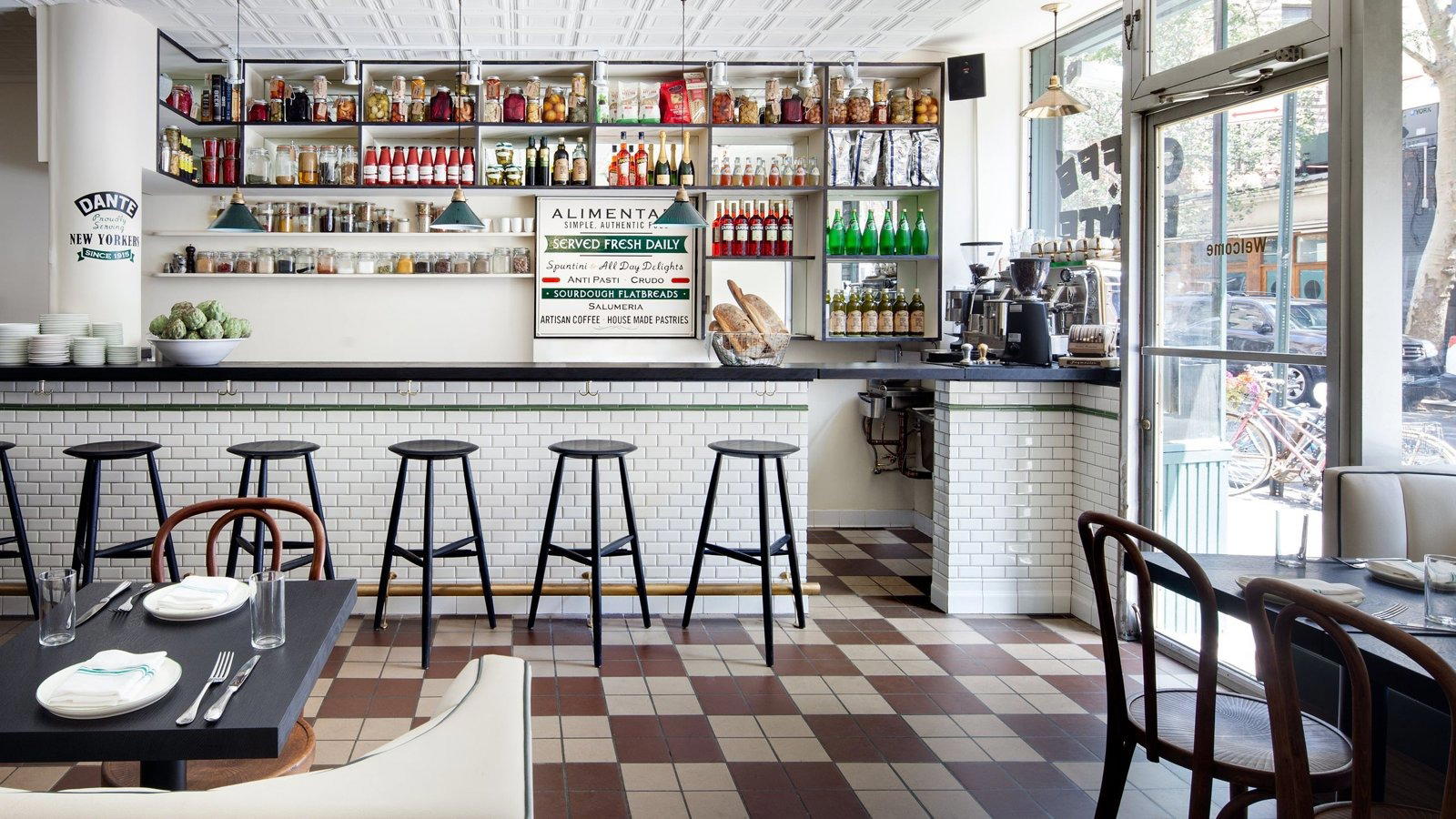
Restaurants in New York City
All restaurants in New York City →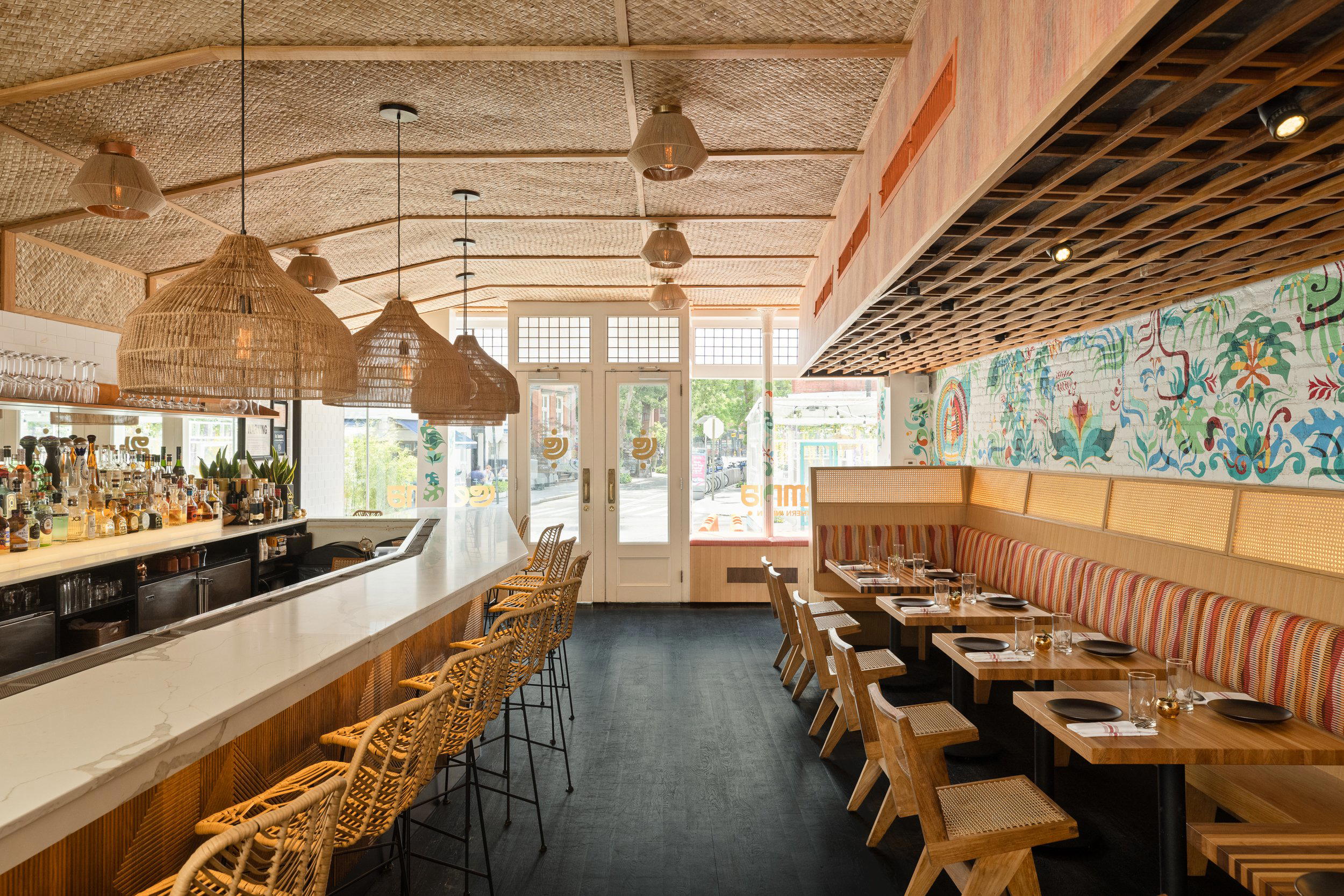
Bars in New York City
All bars in New York City →




Loring Place
The wine
- Extensive wine list
- Sommelier-led
- Craft cocktails
Details
- Elegant
- Modern
- Lively
- Intimate
- Date Night
- Group Dining
- Celebration
- Special Occasion
- Brunch
- Open Kitchen
- Standalone
- Extensive Wine List
- Craft Cocktails
- Sommelier Led
- Farm To Table
- Local Sourcing
- A La Carte
- Small Plates
- Wine
- Cocktails
- Vegetarian Friendly
- Vegan Options
- Gluten Free Options
Current opening hours
- Monday
- 11:30 AM–2:30 PM, 5–9:15 PM
- Tuesday
- 11:30 AM–2:30 PM, 5–9:15 PM
- Wednesday
- 11:30 AM–2:30 PM, 5–9:15 PM
- Thursday
- 11:30 AM–2:30 PM, 5–9:15 PM
- Friday
- 11:30 AM–2:30 PM, 5–10 PM
- Saturday
- 11 AM–3 PM, 5–10 PM
- Sunday
- 11 AM–3 PM, 5–8:30 PM
Hours can change for holidays and private events. Hours as of .
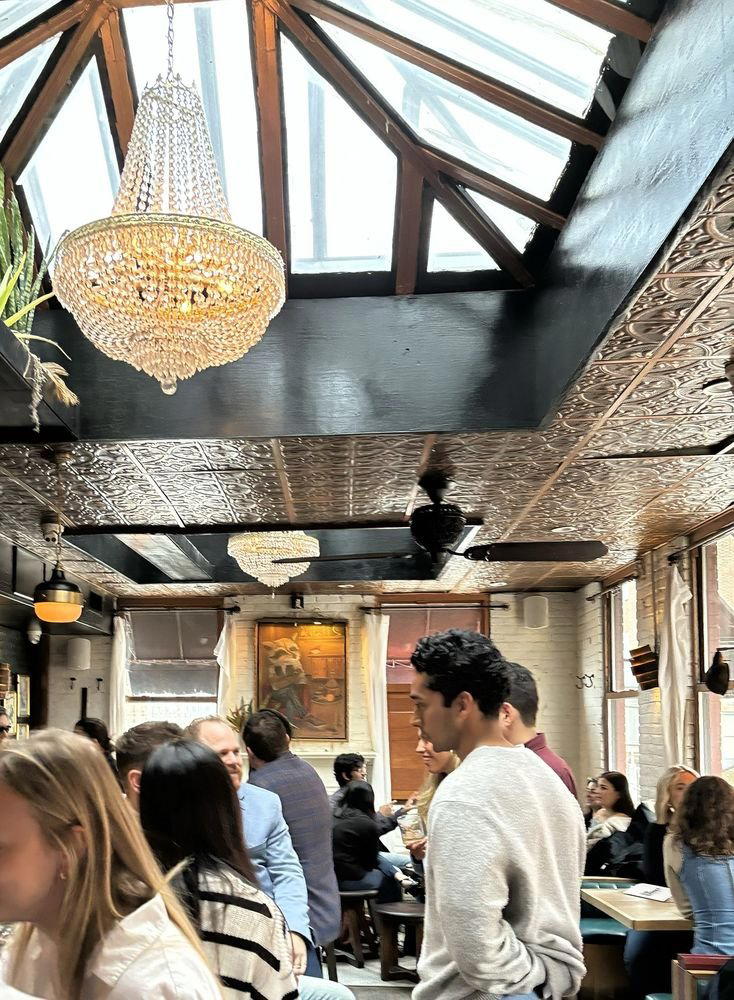
Warm and inviting with bright orange window frames, boldly striped banquettes, and generously spaced tables; low lighting creates an energetic yet comfortable atmosphere without feeling pretentious.