Craft


Craft has anchored New York's ingredient-driven dining conversation since 2001, earning a place at World's 50 Best (#44 in 2004) through a philosophy that lets market sourcing do the talking. The menu draws heavily from Union Square Greenmarket and rotates with the seasons, while the Flatiron dining room offers the kind of settled, confident atmosphere that comes from two decades of consistent practice. Current Chef Andrew Whitcomb continues that tradition.
- Address
- 43 E 19th St, New York, NY 10003
- Phone
- (212) 780-0880
- Website
- craftrestaurant.com
- Directions
- Get directions
The Flatiron Room Where New American Found Its Grammar
East 19th Street in the Flatiron district occupies a specific register in New York dining history. The blocks between Union Square and Madison Square Park filled in during the late 1990s and early 2000s with restaurants that were trying to define what American cooking could mean outside French-inflected fine dining, not by rejecting technique, but by relocating its purpose. Craft arrived into that conversation and, in the years that followed, helped settle several of the questions those restaurants were asking.
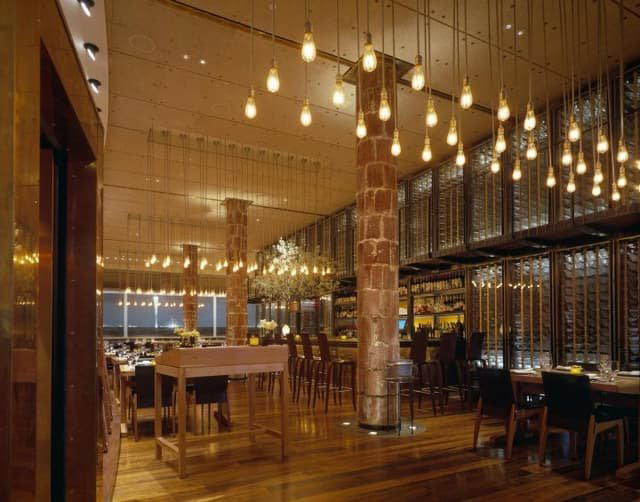
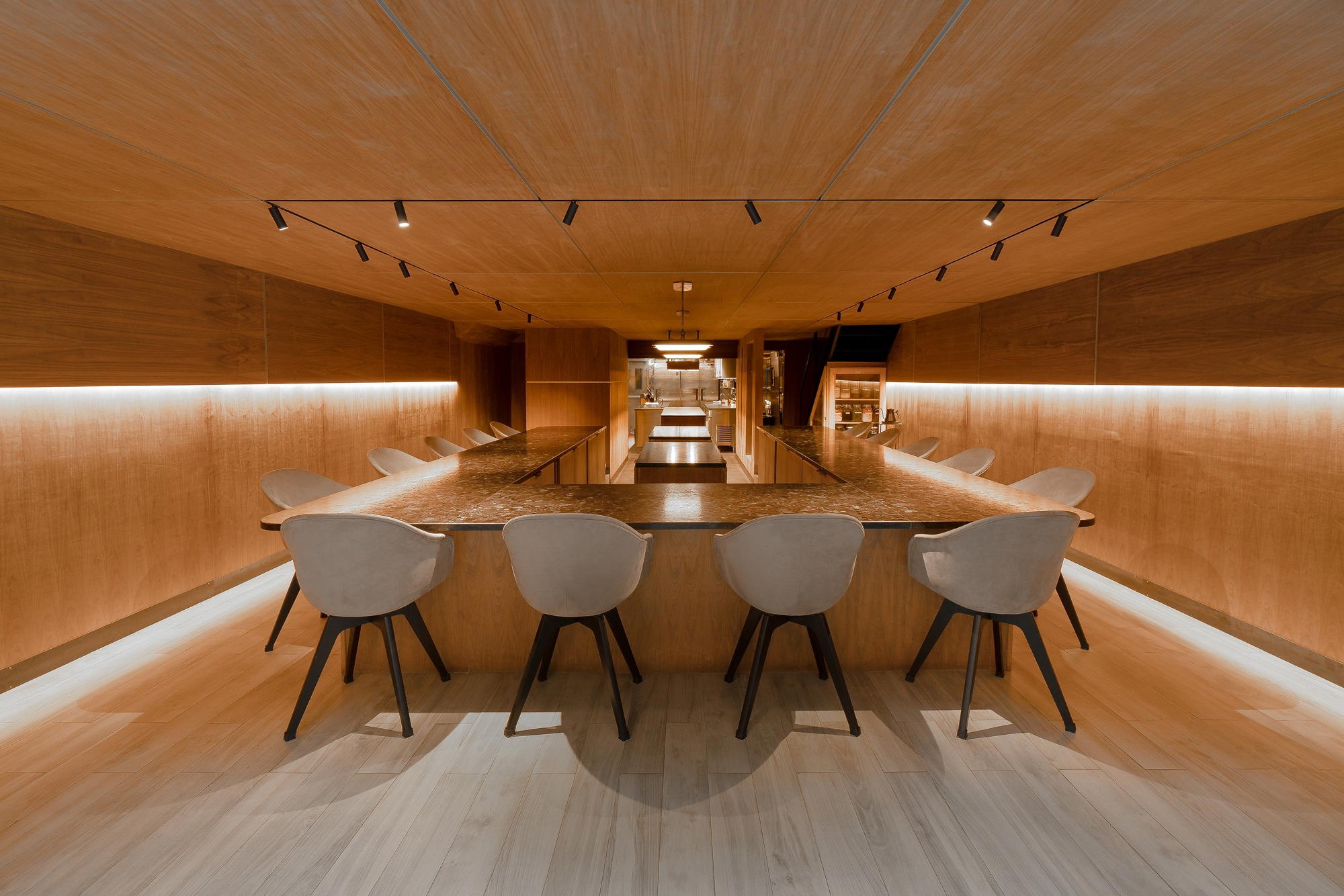
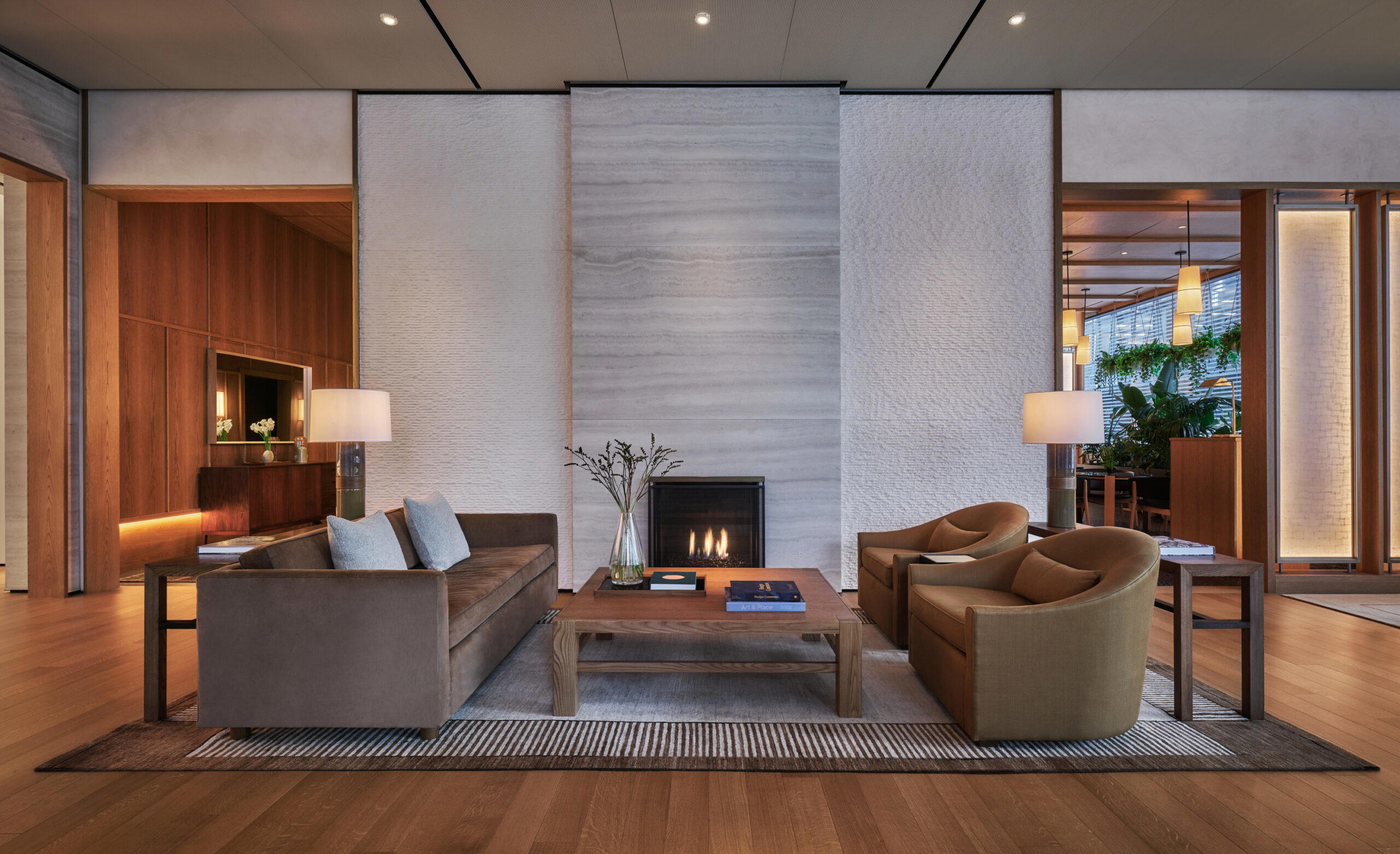
The room itself signals the argument before any food arrives. Dark wood, warm light, a low ceiling that absorbs rather than amplifies noise, the physical environment is calibrated against spectacle. Where the same era produced restaurants that used architecture to announce ambition, Craft used restraint as the announcement. That choice was editorial: the room says the kitchen is confident enough not to perform.
Ingredient-Driven Cooking and the American Question
The category label "New American" has always described a negotiation rather than a fixed style. Unlike French cuisine, which codified itself through a canon of techniques, or Japanese cuisine, which built around ingredient purity and seasonal precision, American restaurant cooking in the late twentieth century faced the task of assembling an identity from a vast and plural pantry. The answer that emerged in particularly serious kitchens was not fusion in the decorative sense, but something more structural: a commitment to sourcing as the primary creative act, with technique deployed in service of what the ingredient already is rather than what it could be transformed into.
Craft represents one of the clearest articulations of that position in the New York market. The menu is sourced heavily from the Union Square Greenmarket, which sits four blocks north, and is structured to change with what arrives there. This is not incidental, Union Square Greenmarket is among the more significant farmers' markets in the northeastern United States, operating year-round and supplying some of the city's most demanding kitchens. Proximity to it is a deliberate operational choice with direct consequences for what appears on the plate.
The structural approach, serving components separately, allowing the diner to combine rather than receiving a pre-assembled dish, was, at the time of opening, a genuine departure from the composed-plate orthodoxy that still dominated ambitious American cooking. It shifted the interpretive act toward the table. Two decades on, that model has influenced enough kitchens that it reads as normalized, which is its own measure of impact.
Where Craft Sits in the New York Market
The New York dining market in the price tier below three-Michelin-star tasting menus has become increasingly differentiated. On one end sit high-concept tasting formats; on the other, the casual neighborhood restaurant that has shed fine-dining pretension entirely. Craft operates in the middle of that range, a full-service dinner restaurant with serious sourcing credentials, a wine program with depth, and a room that expects a proper evening rather than a quick turn.
Within the ingredient-forward New American cohort, the relevant comparisons are informative. ABC Kitchen occupies a similar market position with its own Union Square adjacency and seasonal sourcing emphasis, though its room reads as more casual and its format is less structured around component separation. The Four Horsemen in Williamsburg operates in the natural-wine-led casual end of the ingredient-focused spectrum. Clocktower and The Dutch address similar dinner-occasion demand but from different culinary anchors. Beauty & Essex occupies a more theatrical register within the same geography.
In national terms, Craft belongs to a lineage of chef-driven New American restaurants that used the early 2000s to establish ingredient sourcing as a competitive differentiator. Emeril's in New Orleans made a parallel argument from Southern roots; Single Thread Farm in Healdsburg took the farm-to-table integration several steps further by operating the farm directly. The Inn at Little Washington and Bayona in New Orleans each represent the regional-sourcing New American tradition from different American cities. At the higher-concept end of the national spectrum, Alinea in Chicago, The French Laundry in Napa, Lazy Bear in San Francisco, and Providence in Los Angeles operate in different price and format tiers, but all share the underlying American premise that sourcing identity is the foundation.
The Awards Record and What It Signals
Craft's appearance at number 44 on the World's 50 Best Restaurants list in 2004 places it in a specific historical moment. The list was three years old at that point and was already functioning as the primary global benchmark for restaurants outside the Michelin universe. A position at 44 in 2004 was not a footnote ranking, it was a statement that Craft was operating at the level of international peer scrutiny. That credential matters less for its current operational implications and more as a marker of where the restaurant stood in the broader conversation when New American cooking was still establishing its terms.
For a venue now in its third decade The more relevant signal is consistency. A kitchen that earned World's 50 Best recognition early and maintains strong public ratings across that span is not riding residual reputation, it is being evaluated fresh by each year's diners and holding the standard.
Seasonal Logic at the Table
The Union Square Greenmarket operates year-round, but its character changes dramatically across the calendar. Winter brings storage crops, root vegetables, dry beans, aged cheeses, preserved goods. Spring arrives with ramps, fiddleheads, and early alliums. Summer produces the full range of stone fruits, heirloom tomatoes, and corn. Autumn delivers squash, mushrooms, and the last of the warm-weather crops alongside the first cool-weather brassicas.
A kitchen sourced directly from that market is, by definition, a different kitchen in February than in August. This is not branding language, it has operational consequences. Regulars who visit across seasons are effectively eating at a restaurant that reshuffles its core ingredient set four times a year. That rotation is where the culinary fusion argument becomes concrete: the technique stays consistent while the raw material changes, and the discipline is in letting the season determine the menu rather than the reverse.
Planning Your Visit
The dinner-only format means the kitchen is not spreading its sourcing across a lunch service, which concentrates attention on the evening program.
| Venue | Format | Price Tier | Booking Lead Time | Sourcing Focus |
|---|---|---|---|---|
| Craft | Full-service dinner, component style | $$–$$$ | 1 to 2 weeks typical | Union Square Greenmarket |
| ABC Kitchen | Full-service, à la carte | $$$ | 1 to 2 weeks typical | Seasonal, organic |
| The Four Horsemen | Casual, natural wine-led | $$–$$$ | Walk-in friendly | Seasonal, producer-focused |
| Clocktower | Full-service, British-inflected | $$$ | 1 week typical | Seasonal New American |
The Flatiron address puts Craft within a short walk of the Union Square subway hub (4/5/6/L/N/Q/R trains). The neighbourhood is one of New York's most transit-accessible dining corridors. For broader planning across the city, see our full New York City restaurants guide, our full New York City hotels guide, our full New York City bars guide, our full New York City wineries guide, and our full New York City experiences guide.
Peers in This Market
Comparable venues nearby, for context on price, style, and recognition.
| Venue | Cuisine | Price | Notes |
|---|---|---|---|
| CraftThis venue — the venue you are viewing | American Fine Dining with Seasonal Focus | $$$$ | Not listed |
| WD~50 | Molecular Gastronomy | $$$$ | East Village |
| Crown Shy | Modern New American | $$$$ | Financial District-Battery Park City |
| The Musket Room | Contemporary American | $$$$ | SoHo-Little Italy-Hudson Square |
| Torrisi | Modern Italian | $$$$ | SoHo-Little Italy-Hudson Square |
| 63 Clinton | Modern American Tasting Menu | $$$ | Lower East Side |
Recognition history
Dated appearances from independent guides and award organizations, with the underlying list record or original source where available.
Opinionated About Dining Top Restaurants in North America Highly Recommended
Opinionated About Dining
World's 50 Best Best Restaurants #44
World's 50 Best
Robb Report 100 Greatest American Restaurants of the 21st Century #77
Robb Report
Continue exploring
More in New York City
Restaurants in New York City
Browse all →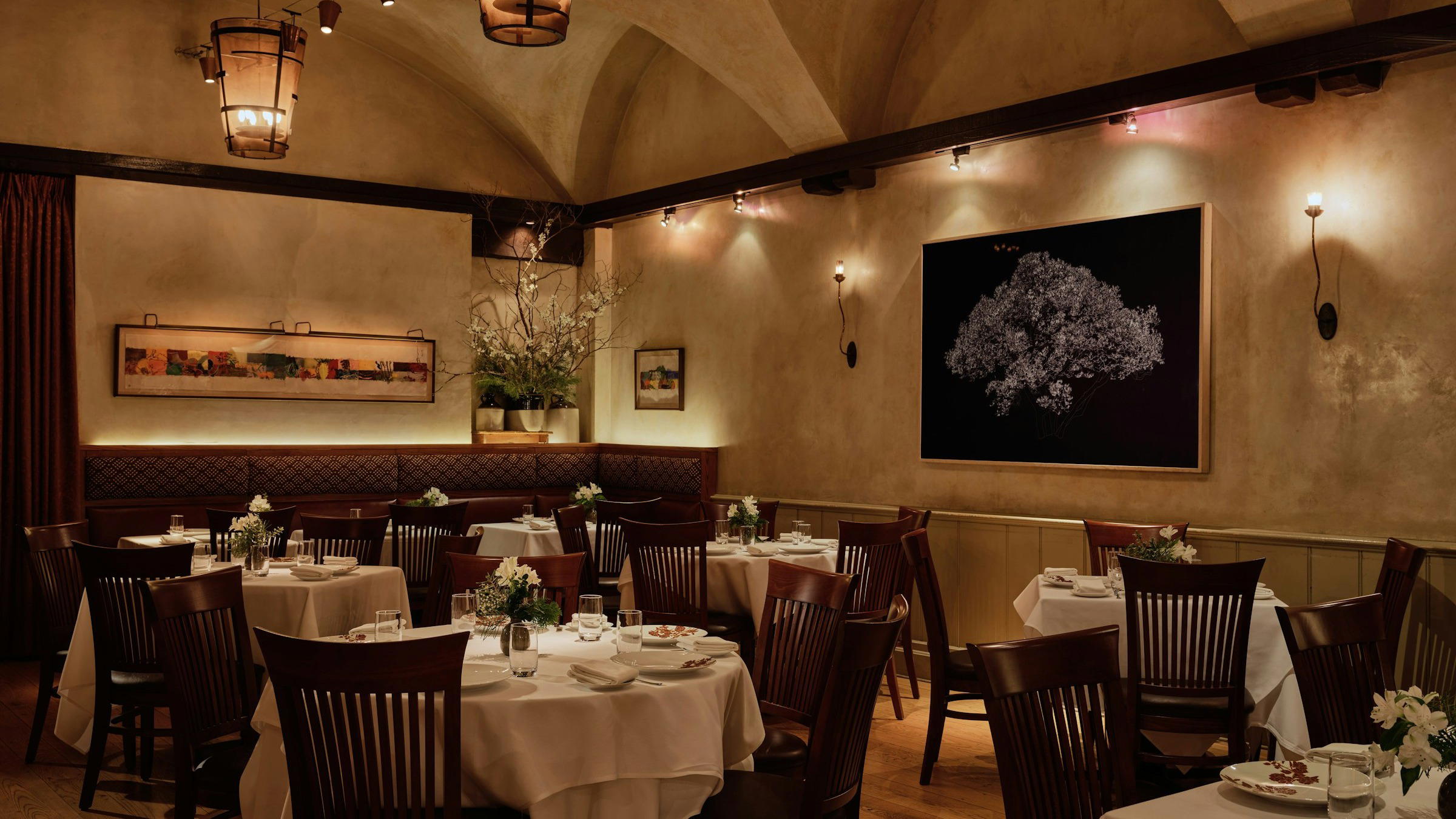
Bars in New York City
Browse all →



Hotels in New York City
Browse all →






At a Glance
- Elegant
- Sophisticated
- Modern
- Cozy
- Date Night
- Special Occasion
- Business Dinner
- Open Kitchen
- Craft Cocktails
- Street Scene
Current opening hours
- Monday
- 5–9 PM
- Tuesday
- 5–9 PM
- Wednesday
- 5–9 PM
- Thursday
- 5–9 PM
- Friday
- 5–10 PM
- Saturday
- 5–10 PM
- Sunday
- 5–9 PM
Hours can change for holidays and private events. Last verified .
Modern elegance with warm wood tones, sleek lines, and a welcoming atmosphere featuring an open kitchen.