Lonesome Rose (Logan Square)
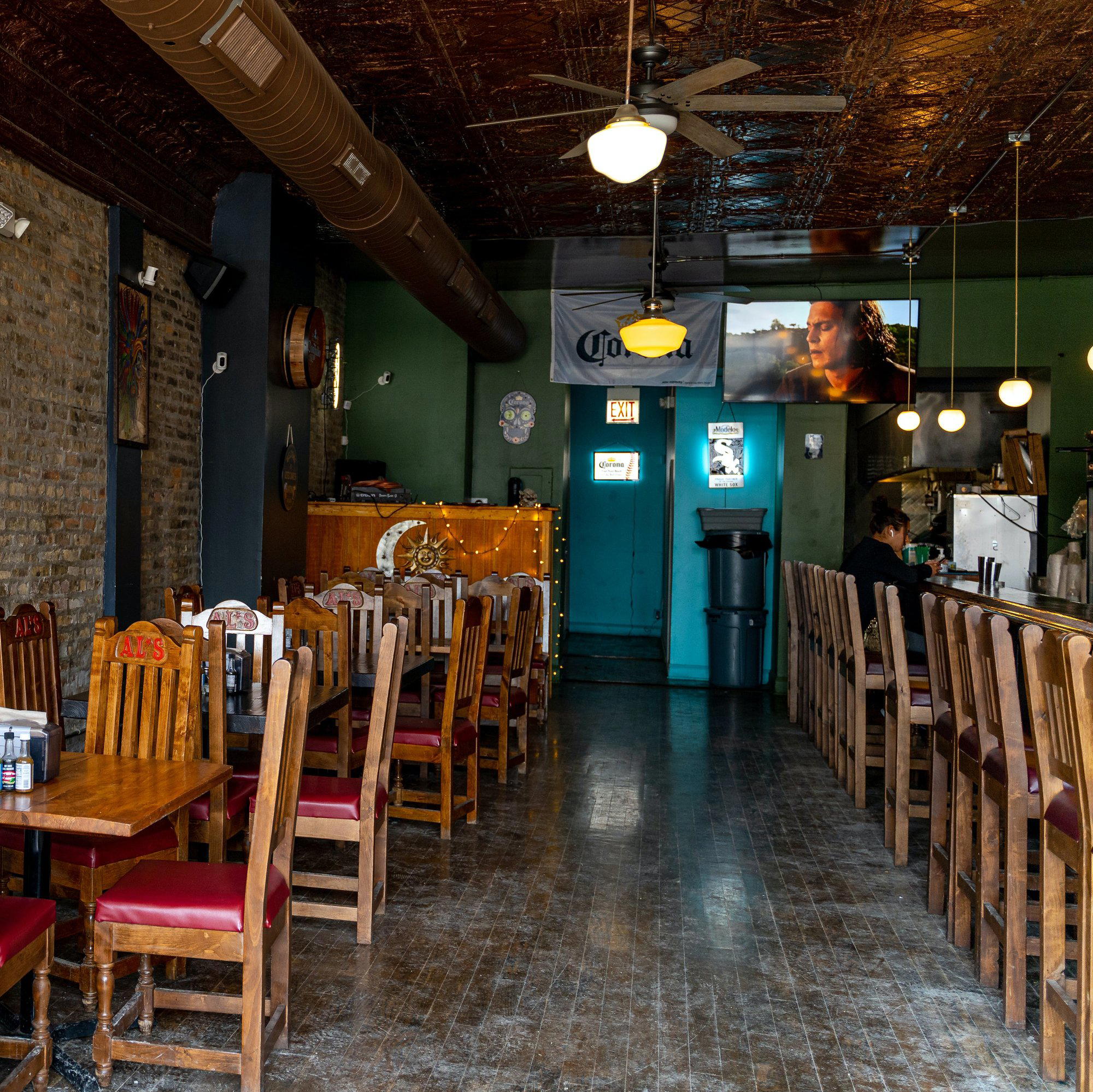
Lonesome Rose on North California Avenue is Logan Square's neighborhood-anchored Mexican-leaning bar and restaurant, where the format skews casual and the crowd runs local. The room operates on its own unhurried terms, making it a counterpoint to Chicago's tasting-menu circuit. It fits the broader Logan Square pattern of serious cooking delivered without ceremony.
 Discover on Pearl
Pearl is the En Primeur Club membership app — saves, bookings, and concierge access live there. Same editors, same standards.
- Address
- 2101 N California Ave, Chicago, IL 60647
- Phone
- +1 773 770 3414
- Website
- lonesomerose.com
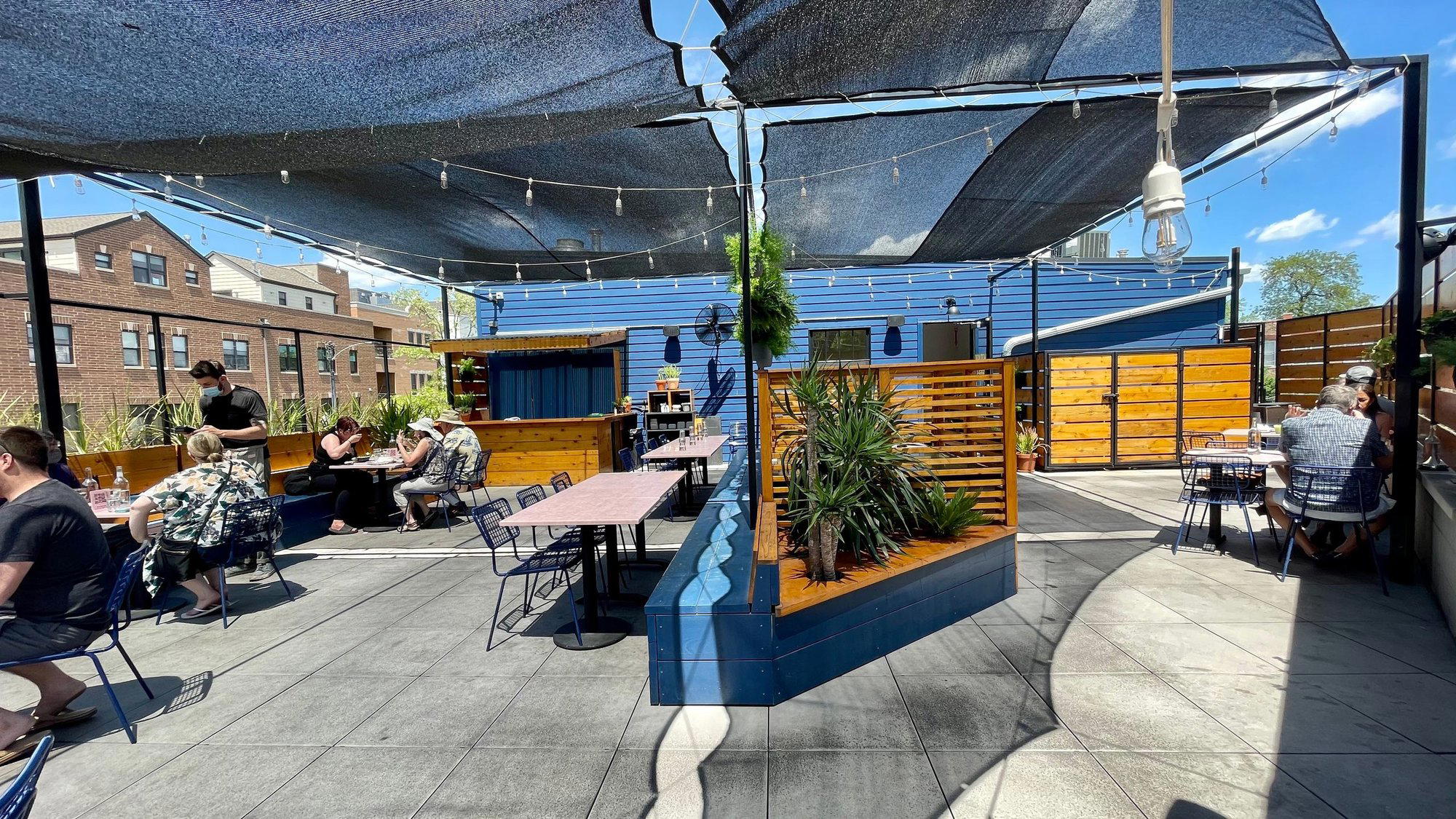
The California Avenue Ritual
Lonesome Rose (Logan Square) is a restaurant in Chicago's Logan Square neighborhood, serving modern Tex-Mex at about $20 per person. The strip along North California Avenue reflects that character precisely: the buildings are low, the signage is understated, and the dining format at most of the better addresses leans toward sharing plates, late hours, and a general resistance to the kind of theatre you'd find at Alinea or Smyth in the city's more formal dining tier. Lonesome Rose sits at 2101 N California Ave, directly inside that tradition.
What defines the dining ritual here is pacing governed by the guests rather than the kitchen. Unlike the locked-in progression of Chicago's tasting-menu circuit, where a seat at Oriole or Next Restaurant commits you to a two-to-three-hour sequence, the format at a neighborhood bar-restaurant like Lonesome Rose restores agency to the table. You arrive, you order incrementally, you stay as long as the conversation holds. That structure is not accidental, it reflects Logan Square's broader refusal to make dining feel like an appointment with a specialist.
Where It Sits in Chicago's Mexican-Leaning Bar Scene
Chicago's Mexican-American dining tradition runs deep and wide, from the taquerias of Pilsen and Little Village to the higher-register Filipino-meets-global hybrid work at Kasama a few miles east. The bar-restaurant format that Lonesome Rose represents occupies a middle tier in this conversation: it is not a taqueria operating on price and speed, and it is not attempting to win Michelin recognition. It operates in the neighborhood-anchor register, where the measure of success is whether locals return weekly rather than whether critics return annually.
That positioning has direct parallels in other American cities. In San Francisco, Lazy Bear represents the formal end of the neighborhood-born restaurant; the informal end is populated by the kind of wine-and-small-plates rooms that Logan Square has been producing steadily since the mid-2010s. In New York, the same dynamic plays out between the precision of Atomix and the looser, more convivial neighborhood bars that don't appear in award cycles but sustain the actual daily dining life of residents.
Lonesome Rose belongs to the latter category, and that is a defensible position. Not every room needs to operate at the register of Le Bernardin in New York City or The French Laundry in Napa. The neighborhood bar-restaurant is a distinct and necessary format, and the leading examples of it, in Chicago, in New Orleans near Emeril's, in the Boulder corridor near Frasca Food and Wine, earn their place by doing their specific thing with consistency.
The Ritual of Informality
There is a dining etiquette specific to this format that visitors from more formal contexts sometimes miss. At a bar-restaurant that operates on Logan Square terms, the bar counter is not a waiting area, it is a primary seat. Ordering happens in conversation with whoever is working the bar, and the sequence of food arriving loosely rather than in strict courses is a feature, not an organizational failure. The approach resembles what happens at the informal end of the California wine-country dining circuit, at addresses near Single Thread Farm in Healdsburg or the more relaxed rooms adjacent to Providence in Los Angeles, where the formal dining room coexists with a bar program that operates by different rules.
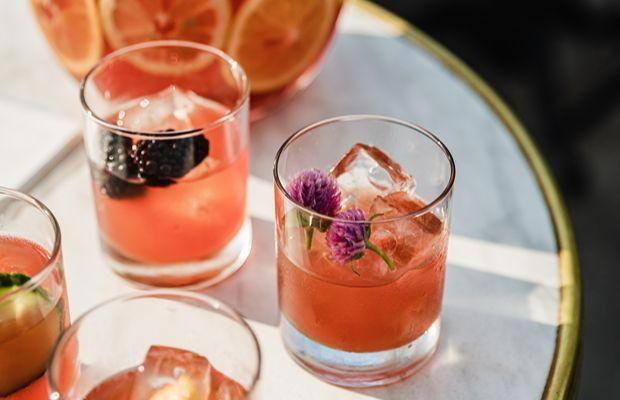
The drinks component at this type of establishment tends to carry more structural weight than in fine-dining contexts. Where a tasting menu at Blue Hill at Stone Barns in Tarrytown or Addison in San Diego treats the beverage pairing as an accompaniment, the bar-restaurant format makes the drink order simultaneous with and equal to the food order. Mezcal, tequila, and Mexican-adjacent spirits fit the Lonesome Rose format in the same way that an Italian wine list fits the format of Atelier Moessmer Norbert Niederkofler in Brunico, they are not ornamental but structural to the experience.
Logan Square as Context
Understanding what Lonesome Rose is requires understanding what Logan Square has become. The neighborhood runs northwest from the city's denser core, and over roughly fifteen years it has shifted from an underpriced residential area with scattered nightlife to one of Chicago's most deliberate dining neighborhoods. The density of serious independent restaurants per residential block is high, and the crowd that populates them skews toward people who work in the industry, in design, or in the creative sector, an audience with formed opinions and limited patience for pretension.
That audience rewards places that do a small number of things at a consistent level. It does not reward places that overclaim. The positioning of a room like Lonesome Rose, casual in presentation, specific in its Mexican-leaning food and drink reference points, anchored to a neighborhood rather than to a destination-dining circuit, is exactly calibrated for that audience. For comparison, see the full range of what Chicago's dining culture has produced.
Visitors arriving from outside the neighborhood should treat the California Avenue address as a feature rather than an obstacle. The walk from the California Blue Line stop is short. The room does not require advance planning at the level of Chicago's tasting-menu addresses, where booking windows of two to three months are standard. At The Inn at Little Washington in Washington, advance reservations are the entire architecture of access. Here, the format is more permeable, which is the point.
Planning Your Visit
Lonesome Rose occupies 2101 N California Ave in Logan Square, accessible from the California stop on the CTA Blue Line. Because specific booking policies, current hours, and pricing are subject to change, Dress practically; the room does not reward formality. Arrive with the expectation that the meal will unspool at the pace you set, not the pace the kitchen imposes.
- Breakfast Tacos
- Margaritas
- Quesorito
- Baja Fish Taco
- Carne Asada Al Pastor
- Chipotle BBQ Shrimp
Pricing, Compared
Comparable venues nearby, for context on price, style, and recognition.
| Venue | Cuisine | Price | Awards | Notes |
|---|---|---|---|---|
| Lonesome Rose (Logan Square)This venue — the venue you are viewing | Logan Square, Modern Tex-Mex | $$ | , | |
| Tatas Tacos - Six Corners | Belmont Cragin, Modern Mexican Taqueria | $$ | , | |
| Pilsen Yards | Pilsen, Latin Street Food & Mezcal Bar | $$ | , | |
| Ayayay - Chicago | $$ | , | The Loop, Mexican Street Food with Peruvian Fusion | |
| Moe's Cantina Wrigleyville | $$ | , | Wrigleyville, Northern Mexican Wood-Fired | |
| Tortas Frontera by Rick Bayless | Far North Side, Mexican Tortas | $ | , |

At a Glance
- Trendy
- Lively
- Bohemian
- Modern
- Casual Hangout
- Group Dining
- Brunch
- After Work
- Rooftop
- Terrace
- Design Destination
- Craft Cocktails
- Beer Program
- Local Sourcing
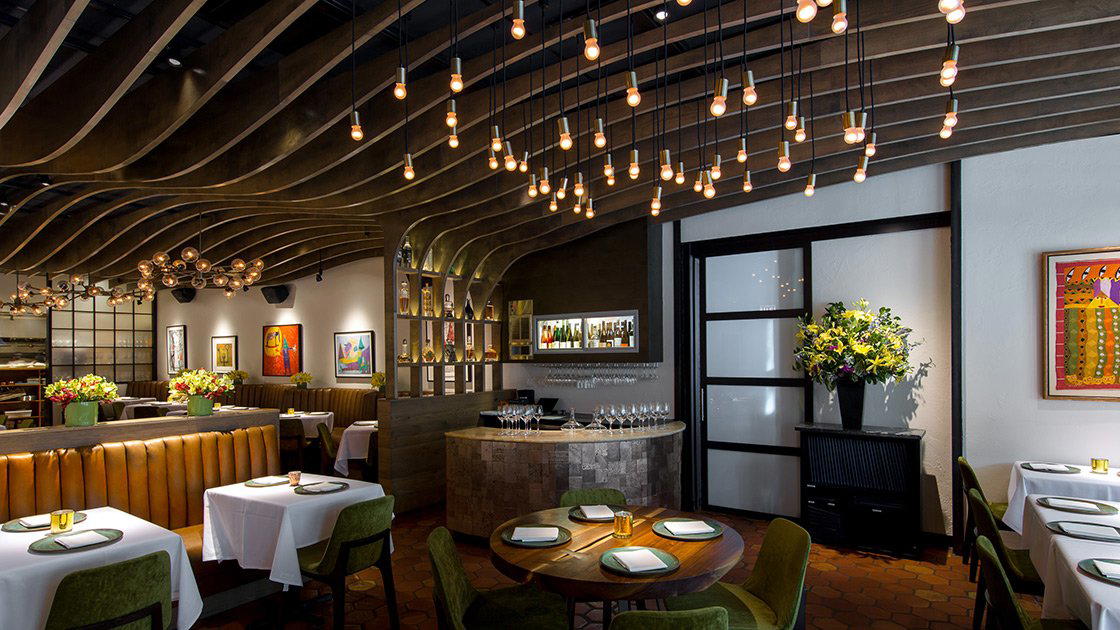
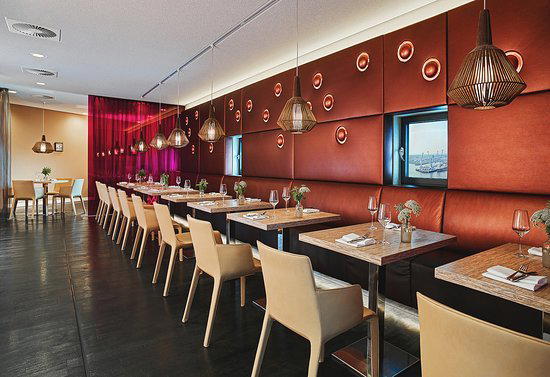
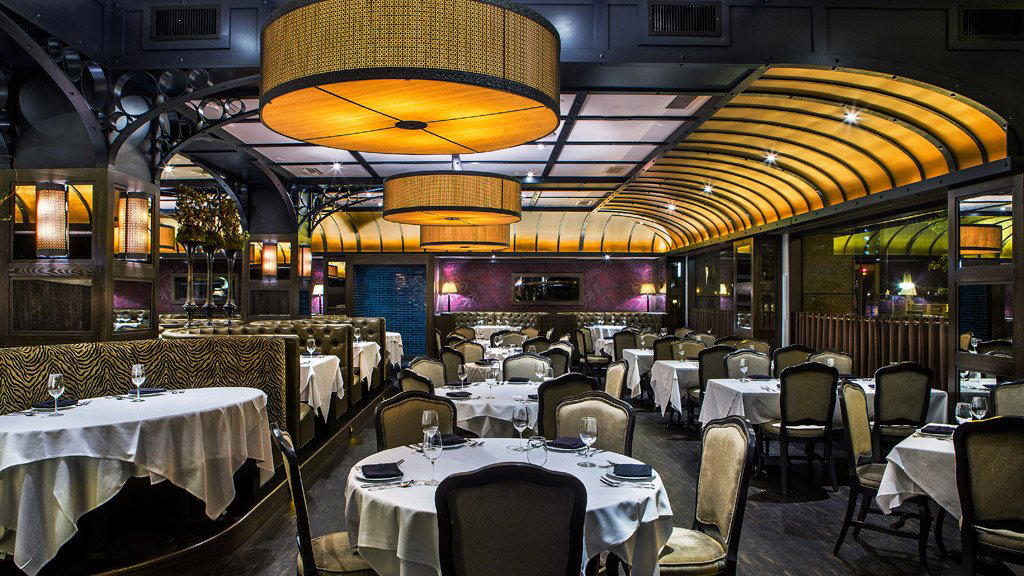
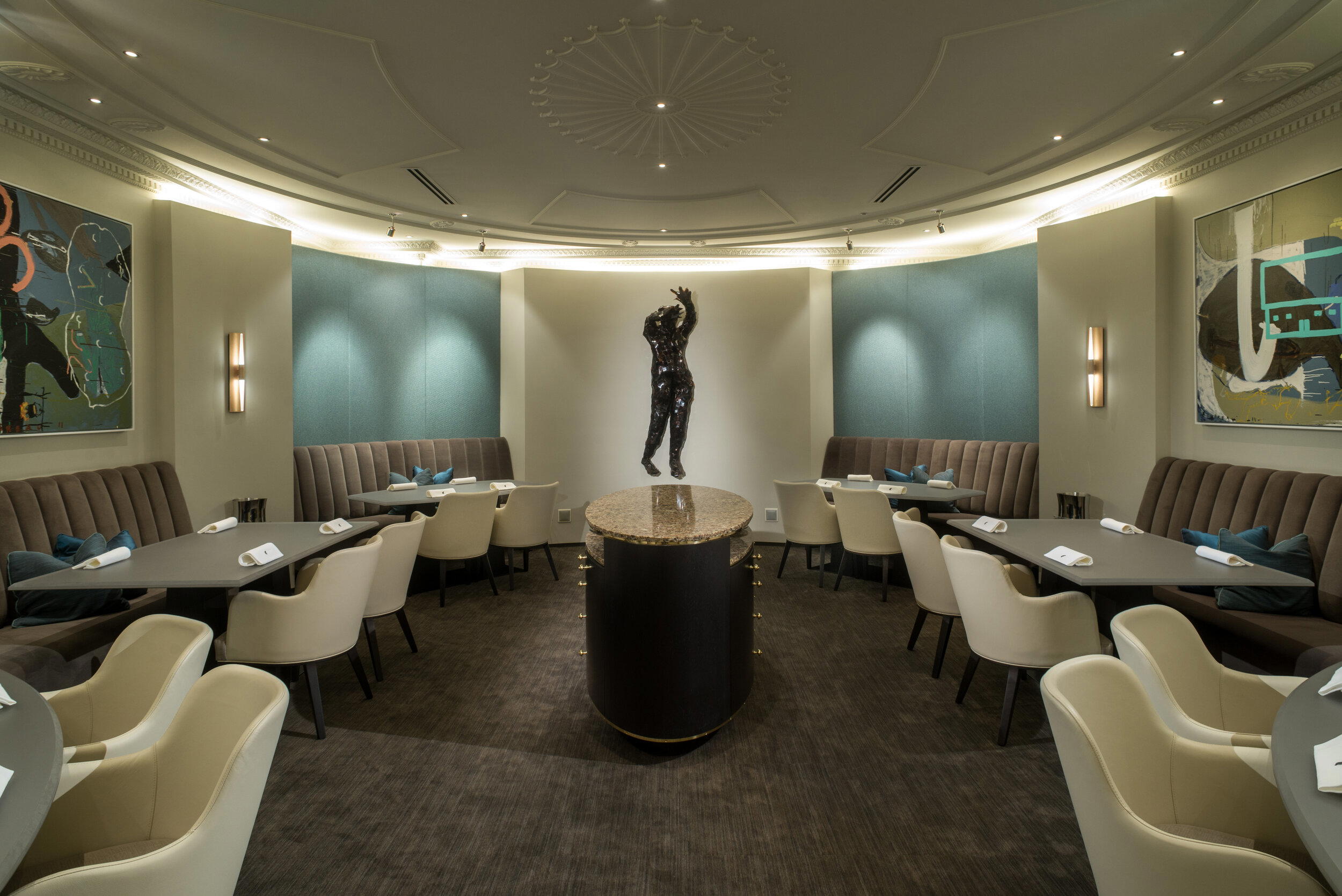
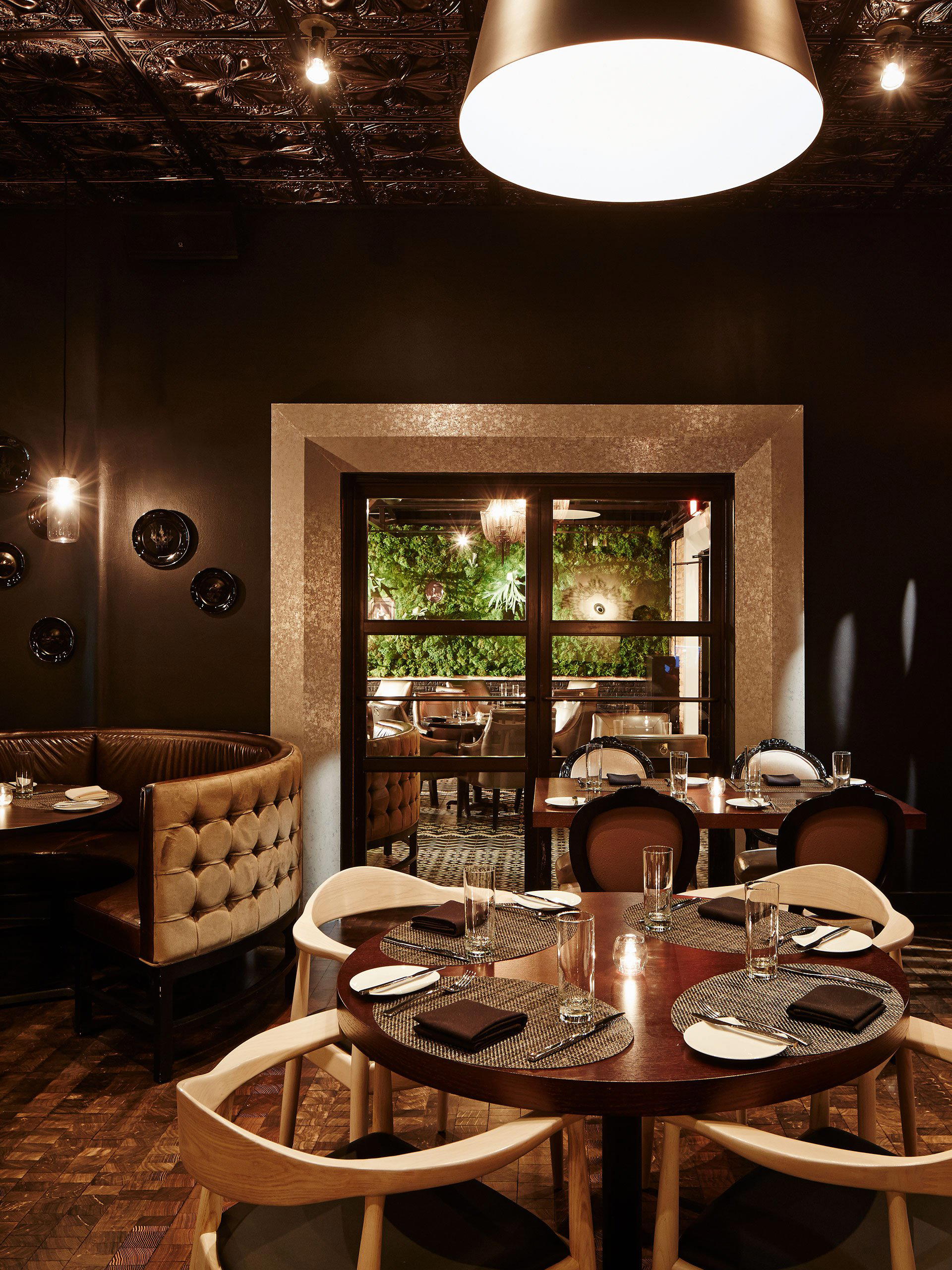
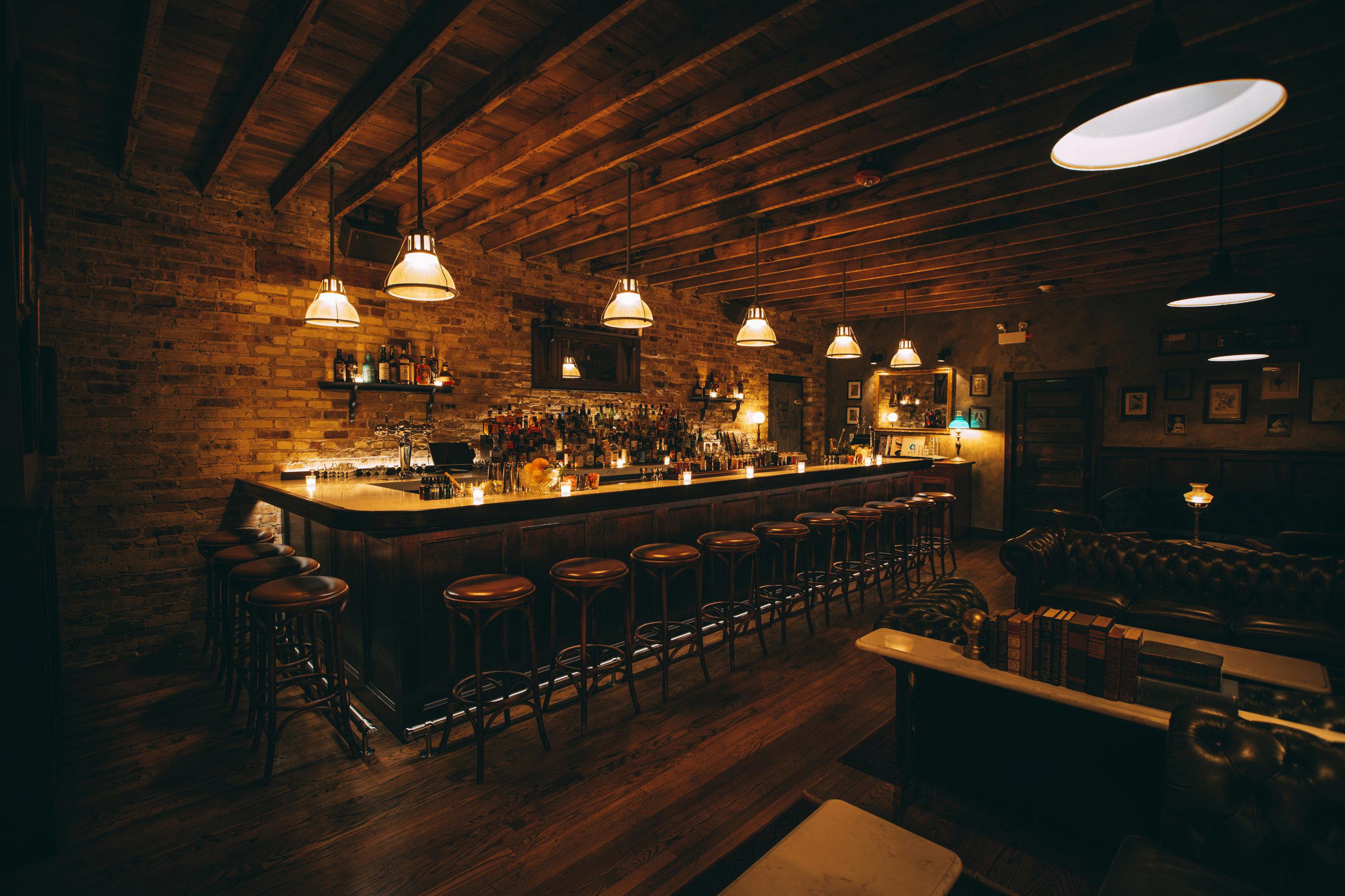
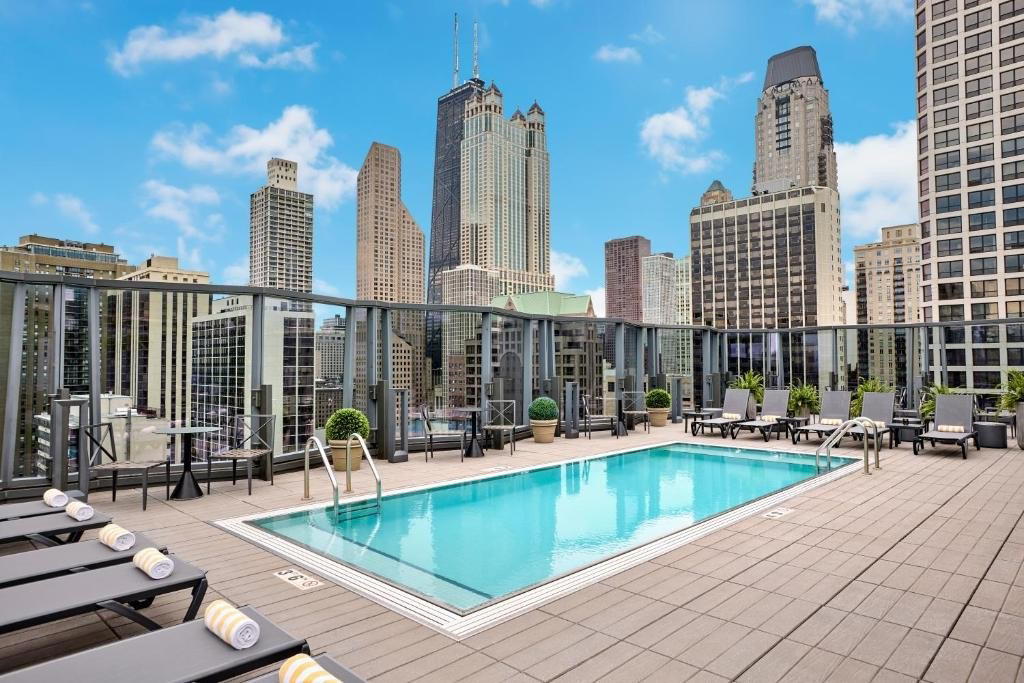
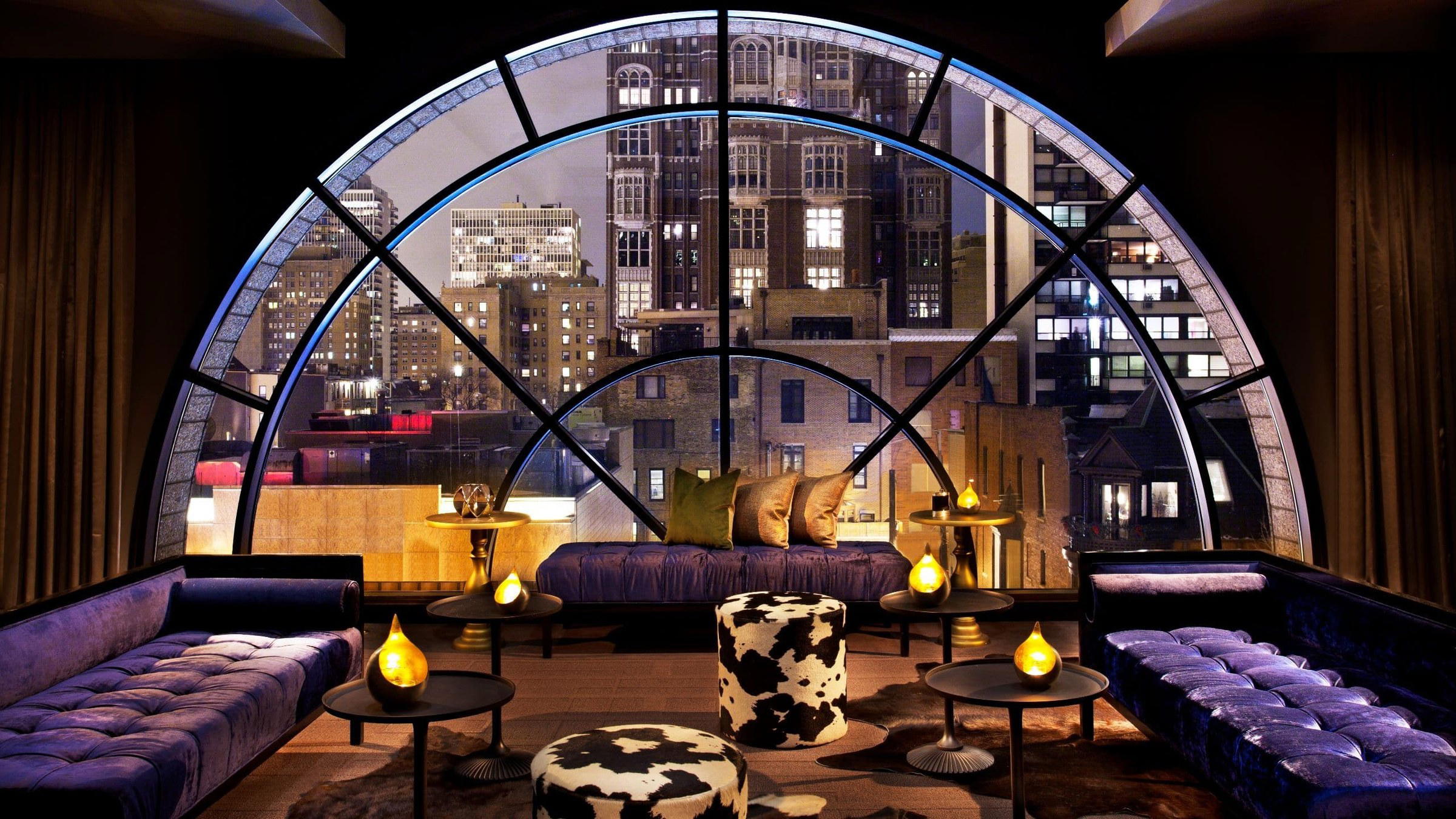
Light-filled, open, and airy with a lush rooftop setting that evokes Southern California vibes; hip and relaxed with an eclectic mix of locals enjoying cocktails.
- Breakfast Tacos
- Margaritas
- Quesorito
- Baja Fish Taco
- Carne Asada Al Pastor
- Chipotle BBQ Shrimp