Loft
Our verdict
Loft occupies a Carlsplatz address in Düsseldorf's historic centre, positioning it within the city's compact dining corridor where atmosphere and setting carry as much weight as what arrives on the plate. The space draws on its urban location to frame an experience that sits apart from the city's more traditional restaurant formats, making it a reference point for those tracking how Düsseldorf's dining scene continues to evolve beyond the Altstadt mainstream.

Pearl is the En Primeur Club membership app — saves, bookings, and concierge access live there. Same editors, same standards.
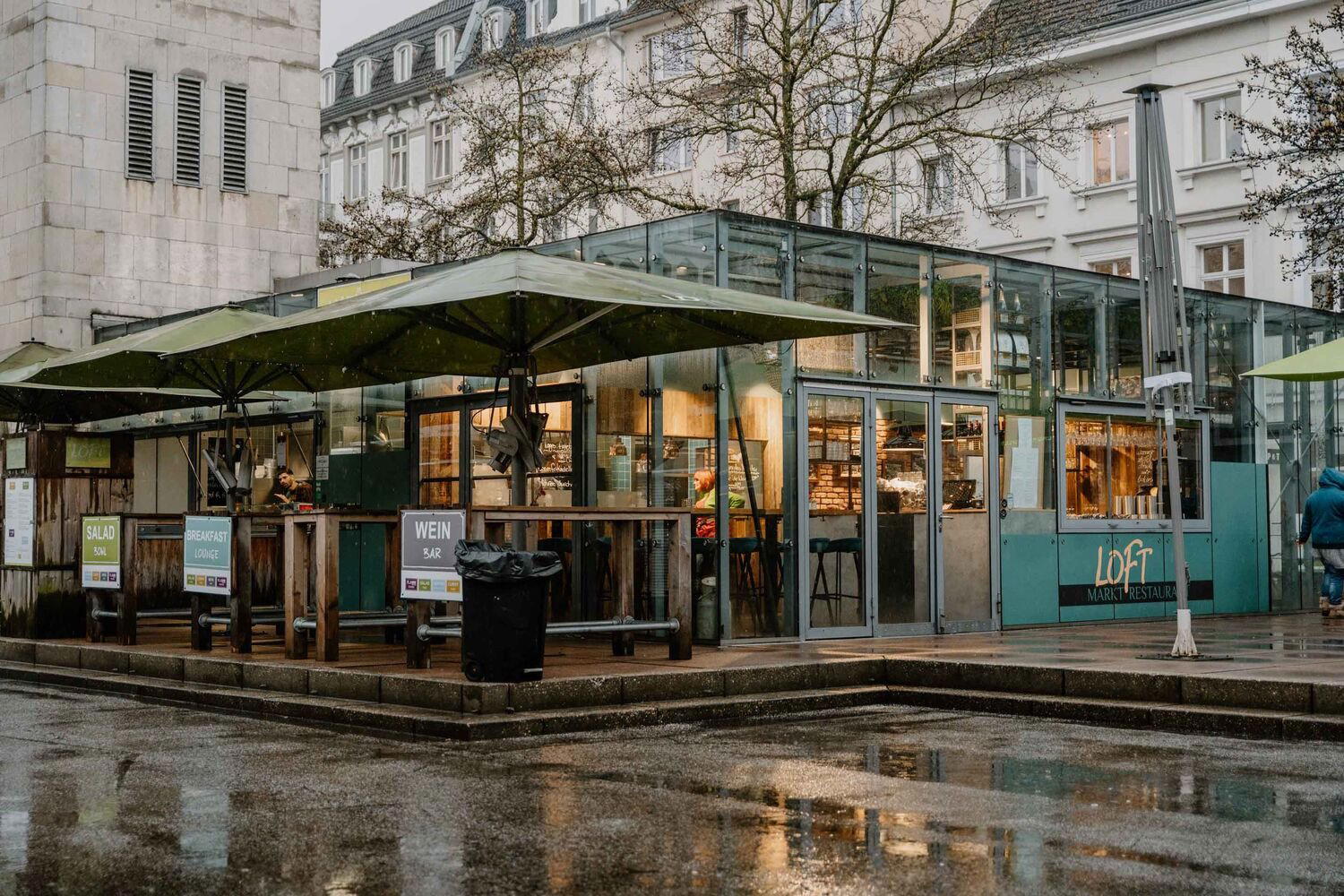
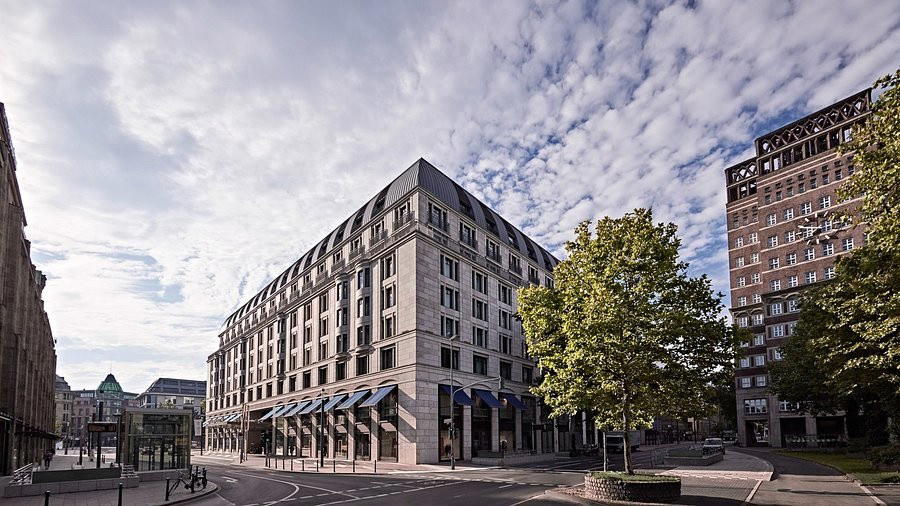
Düsseldorf's relationship with its own architectural heritage is complicated. The city rebuilt aggressively after 1945, producing a commercial centre that blends postwar pragmatism with occasional moments of genuine spatial ambition. Carlsplatz, the address where Loft sits, sits at the edge of that tension: close enough to the Altstadt to draw foot traffic from the old quarter, far enough from its tourist circuits to attract a crowd that is actually looking for something specific. The address alone places Loft inside a particular tier of Düsseldorf dining, where location functions as editorial — a signal about who the venue is for and what kind of evening it expects to anchor.
The Physical Container
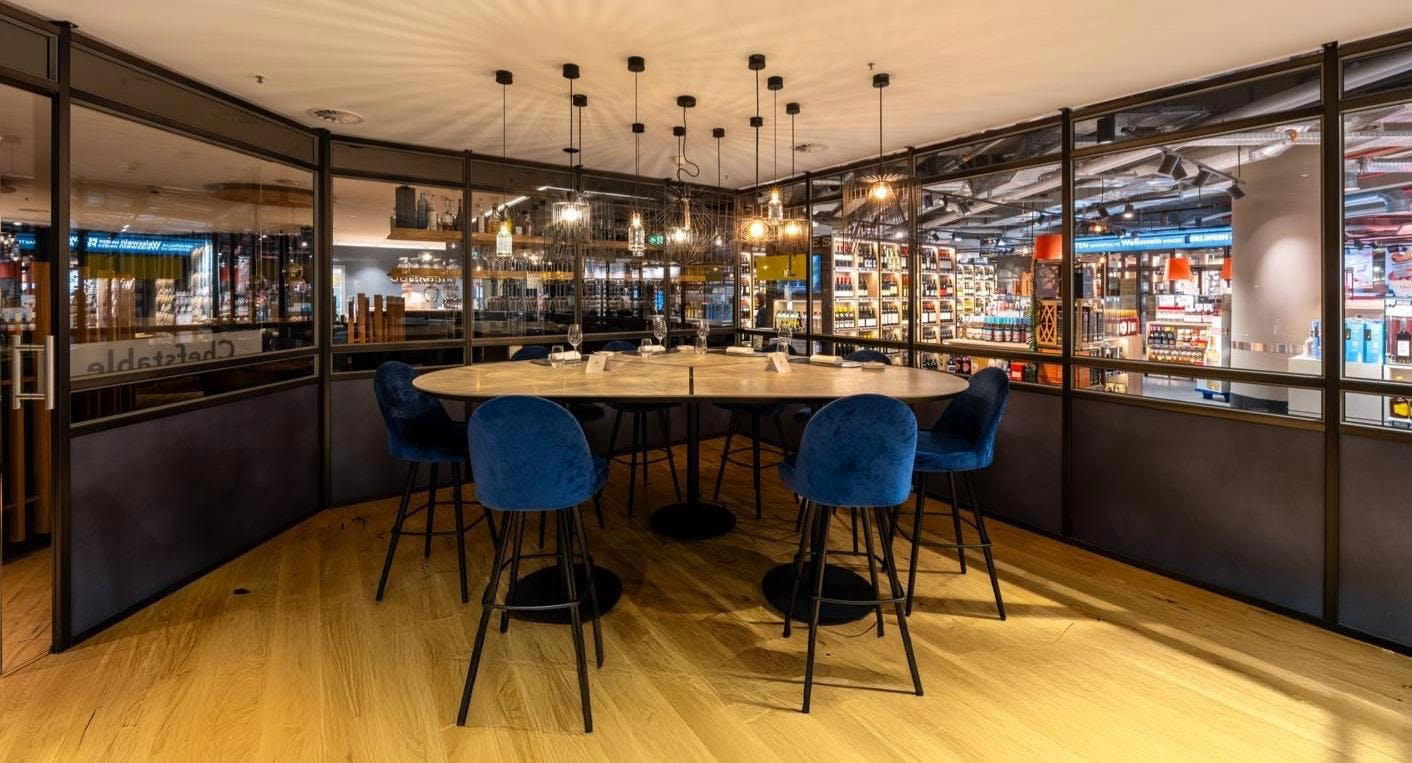
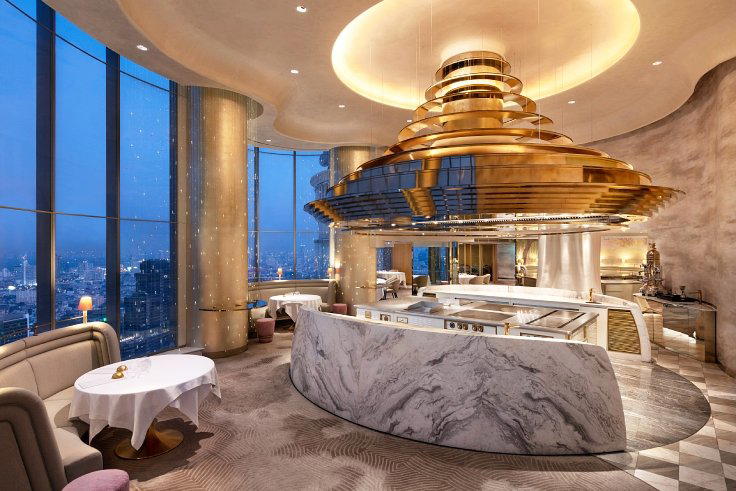
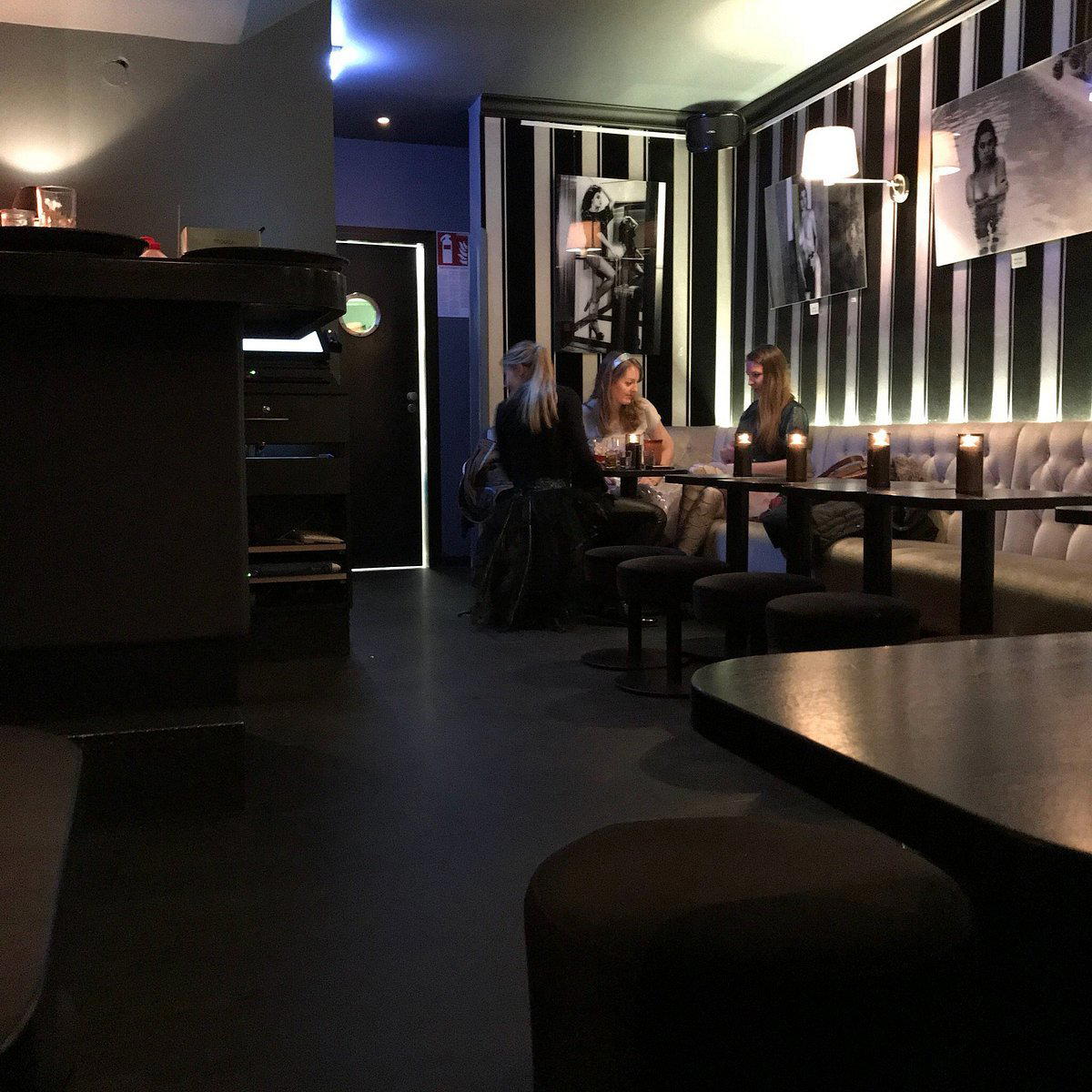
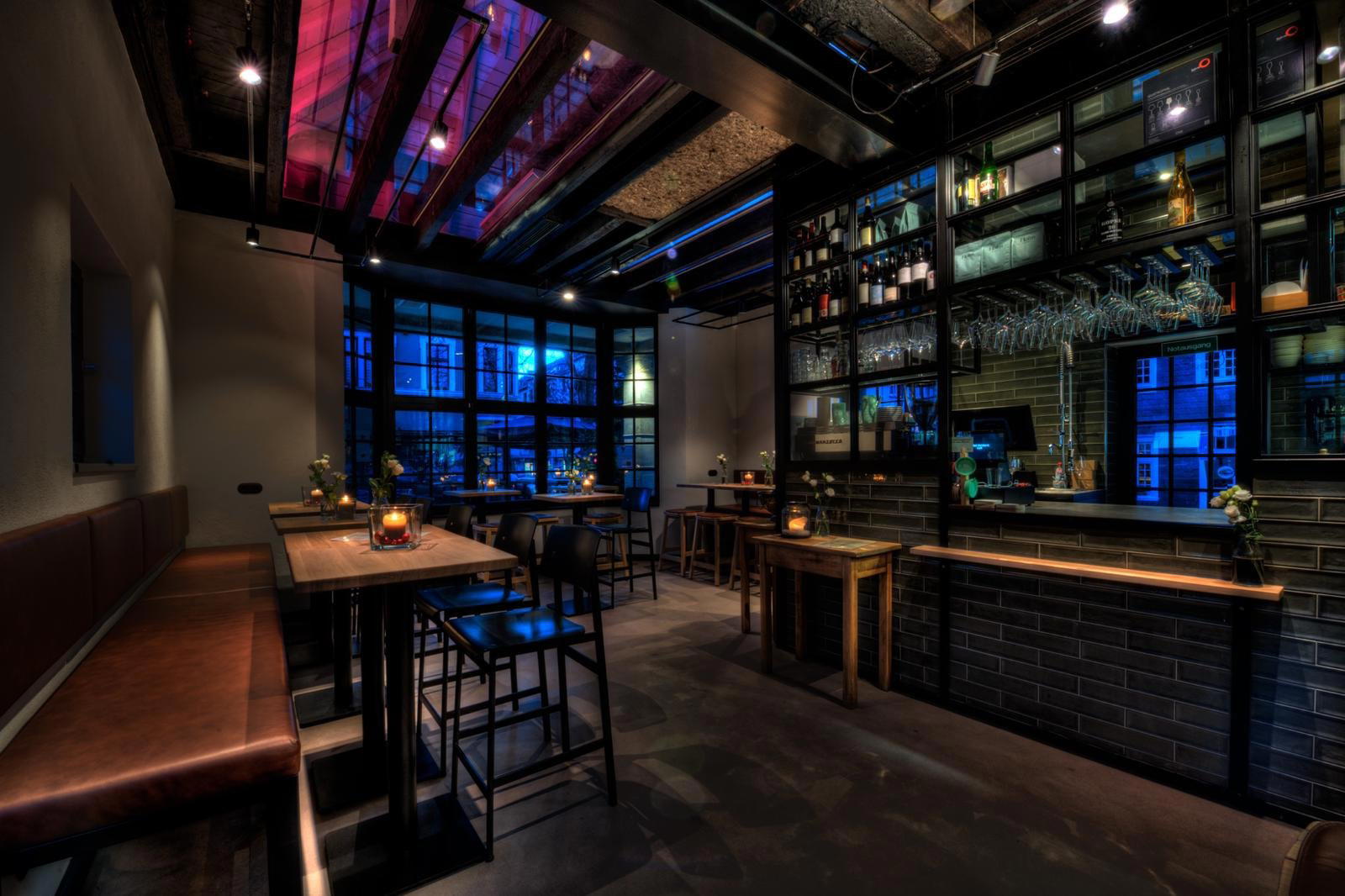
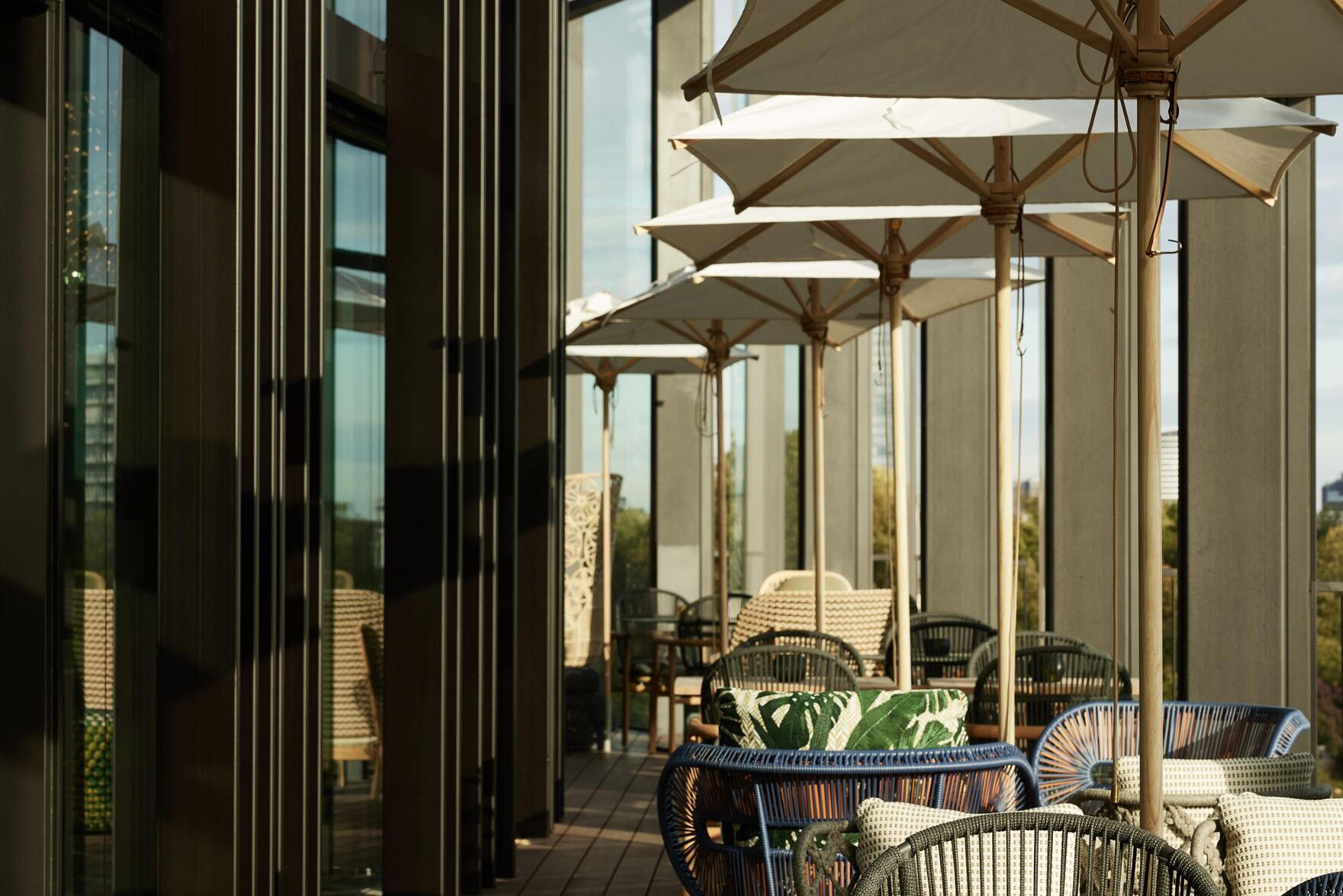
In German cities, the word "Loft" carries specific spatial expectations. It signals volume, industrial material, and a deliberate refusal of the velvet-and-dark-wood register that dominated German fine dining for decades. Whether the interior at Carlsplatz 26 fully commits to that vocabulary or negotiates with it is part of what makes the space worth examining. The broader shift in Düsseldorf's design-led venues has moved away from the hermetic formality of traditional German dining rooms toward spaces that acknowledge light, height, and the texture of the surrounding city. Loft's name stakes a position in that conversation, even before the food enters it.
Across German cities, this design-first positioning has become a meaningful differentiator. At one end of the spectrum, venues like Aqua in Wolfsburg operate inside architecturally deliberate spaces where the physical environment reinforces the precision of the kitchen. At the other end, neighbourhood spots like 3h's burger & chicken in Düsseldorf treat space as functional rather than declarative. Loft's Carlsplatz positioning suggests something in between: a venue where the room is meant to be part of the argument, not just the backdrop.
Düsseldorf's Dining Coordinates
The city's restaurant scene has long operated in the shadow of its more celebrated regional peers. Germany's Michelin galaxy clusters heavily in the Black Forest, the Moselle Valley, and isolated resort destinations, from Schwarzwaldstube in Baiersbronn to Schanz in Piesport and Waldhotel Sonnora in Dreis. Düsseldorf itself, despite its status as a major commercial city with a sophisticated international population, runs on a dining culture that is more city-led than destination-driven. That context matters when placing Loft: it is operating inside a scene where the competition is daily urban dining rather than weekend pilgrimage crowds.
The Carlsplatz area specifically concentrates a range of dining formats in close proximity. Casual Turkish options like Alanya Döner sit within walking distance, as do more considered wine-and-food formats like Amuni Wein- und Käsebar and Italian-adjacent spots including Anfora and Arca Alacati. This density means Loft is not selling itself on exclusivity of access — it is selling itself on the quality of decision it represents within a concentrated choice set. That is a harder argument to make, and a more honest one.
Where the Space Places the Venue
Loft-as-format has proven durable across European cities precisely because it resolves a tension that more decorated rooms cannot: how to feel serious without feeling stiff. Berlin has pushed this furthest, with venues like CODA Dessert Dining demonstrating that a technically demanding kitchen can operate inside a space with genuine material character without sacrificing rigour. Hamburg's Restaurant Haerlin takes the opposite approach, leaning into traditional grandeur. Both work, but they are making different bets about what their customers want the room to tell them about themselves.
Loft's naming convention puts it in the former camp. The implicit promise is that the space will feel contemporary without being cold, considered without being mannered. In cities where this format has succeeded, and in Düsseldorf's context, success means sustained local loyalty rather than destination traffic, the room tends to do specific things well: natural light handled carefully, acoustic management that allows conversation, a material palette that rewards a second look. These are the variables that determine whether a design-led space ages well or dates quickly.
For comparison, venues at the high end of Germany's design-meets-cuisine conversation, including JAN in Munich and ES:SENZ in Grassau, demonstrate that spatial ambition and kitchen ambition can reinforce each other when calibrated correctly. At the international level, the tension between environment and technique plays out at venues like Atomix in New York City, where the room is as considered as the menu, and Le Bernardin, where the space makes a more conservative argument about permanence. Loft's position on that spectrum will depend on how deliberately the physical environment has been shaped to support what happens inside it.
Planning a Visit
Loft sits at Carlsplatz 26 in central Düsseldorf, within the 40213 postal district and accessible by foot from the Altstadt or by public transport to Heinrich-Heine-Allee. As a Carlsplatz address, it benefits from one of the city's more legible urban anchors, the square itself functions as an orientation point rather than a destination that requires navigation, which simplifies logistics for visitors combining dinner with time in the city centre. Current booking details, hours, and pricing are best confirmed directly, as no advance booking data or formal website is indexed here. For broader orientation across Düsseldorf's dining scene, the full Düsseldorf restaurants guide covers the range from fast-casual to fine dining, including venues in the Carlsplatz corridor and beyond. Those exploring Germany's higher-end dining circuit more broadly might also consider Vendôme in Bergisch Gladbach or Victor's Fine Dining by Christian Bau in Perl as regional reference points, though both operate in a markedly different register from Düsseldorf's urban daily dining culture. The FOOD BROTHER corridor also offers useful context on the city's more casual end of the market. A Carlsplatz visit pairs well with the market itself on weekday and weekend mornings before the surrounding restaurants open for lunch service.
Frequently asked questions
How do I find Loft?
Loft is located at Carlspl. 26, 40213 Düsseldorf, Germany, Dusseldorf.
Is Loft Düsseldorf suitable for a group dinner or private event?
The loft-format layout at Carlsplatz 26 — characteristic of high-ceilinged, open-plan industrial spaces common in German city dining — typically offers the floor area and acoustic separation that group bookings require.
What's the must-try dish at Loft?
The format of the space — a loft-style room in central Düsseldorf — tends to suit kitchens that lean into sharing plates or produce-led cooking, though the actual menu positioning here is unconfirmed.
How hard is it to get a table at Loft?
No public data currently confirms booking lead times or reservation policies at Loft, Carlsplatz 26. For a central Düsseldorf address near the Altstadt, demand on weekend evenings tends to run higher than mid-week, so planning ahead is advisable regardless of the venue's individual capacity.
Do they accommodate allergies at Loft?
Contacting the venue directly before booking is the only reliable route to confirm what the kitchen can support for specific requirements.
Cuisine-First Comparison
Comparable venues nearby, for context on price, style, and recognition.
| Venue | Cuisine | Price | Notes |
|---|---|---|---|
| LoftThis venue — the venue you are viewing | Market Fusion | $10–20 | Not listed |
| Funkybowl | Customizable Fusion Bowls | $10–20 | Hafen |
| Ross & Reiter | Modern Seasonal Fusion Gastro | $30–50 | Derendorf |
| BIRDIE & CO. Deli · Café | Deli Café | $10–20 | Altstadt |
| Brauerei im Füchschen | Traditional German Brewery | $20–30 | Altstadt |
| Bulle Burger | Handmade Smash Burgers | $10–20 | Stadtmitte |