Brauerei im Füchschen
Brauerei im Füchschen is one of Düsseldorf's most established Altbier brewpubs, anchoring the Ratinger Strasse stretch of the Altstadt with a format that has defined how locals drink and eat for generations. The house-brewed Altbier arrives continuously via the traditional Köbes service, and the kitchen runs a program of hearty Rhenish food that suits long afternoons as much as busy evening sittings.
Pearl is the En Primeur Club membership app — saves, bookings, and concierge access live there. Same editors, same standards.
- Address
- Ratinger Str. 28, 40213 Düsseldorf, Germany
- Phone
- +49 211 137470
- Website
- fuechschen.de
- Directions
- Get directions
 Saves & bookings on Pearl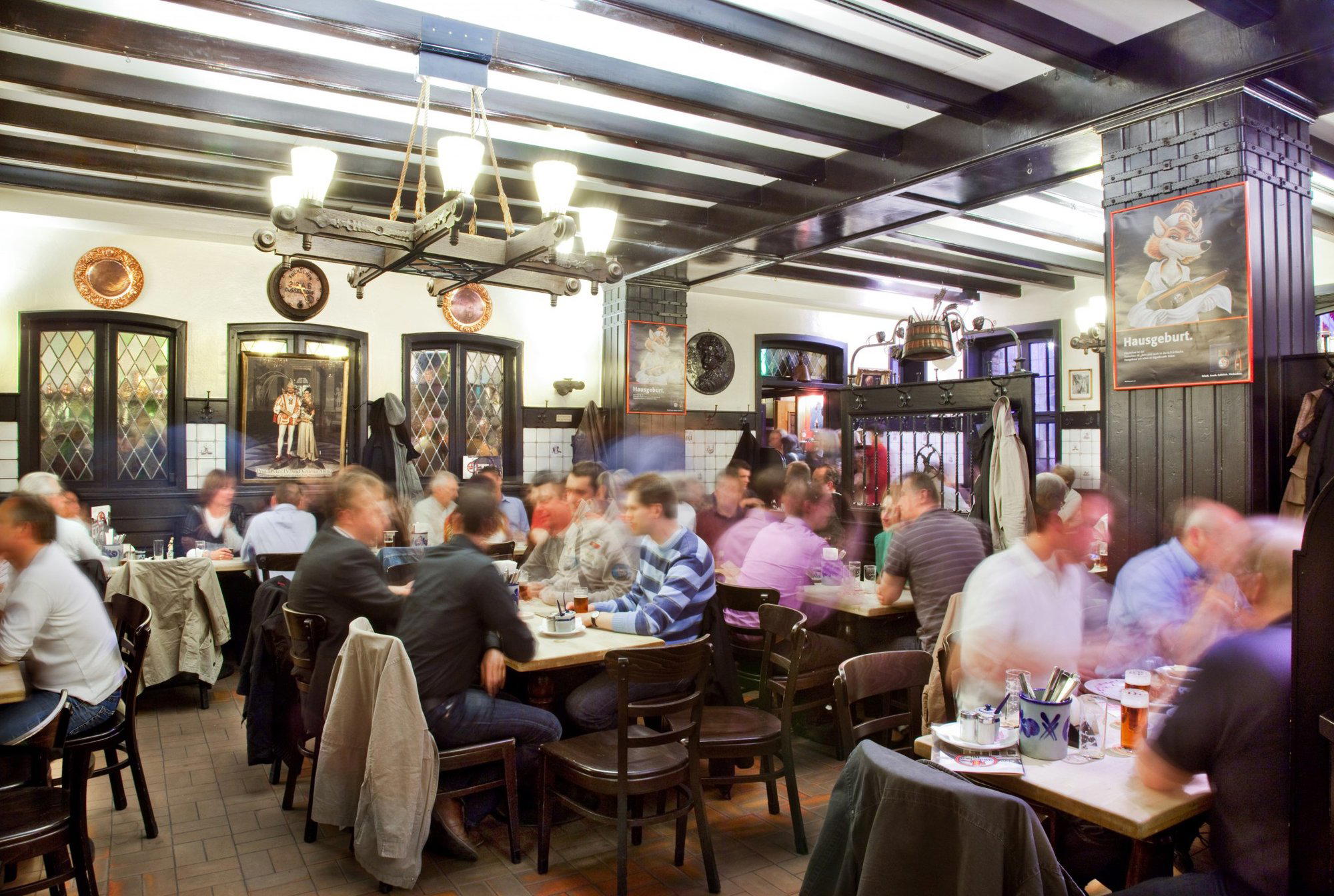
Where Düsseldorf Drinks to Itself
Ratinger Strasse cuts through the northern edge of the Altstadt at a different register than the more tourist-saturated Bolkerstrasse a few blocks south. The street has retained a working-local character, and Brauerei im Füchschen sits at its centre, a broad, wood-panelled hall that announces its purpose without ceremony. The smell of fermenting malt and frying onions reaches the pavement before the signage does. Inside, long communal tables fill a room where the lighting is warm but functional, the noise is steady, and the Köbes — the famously brusque Altbier servers — move through the crowd with trays of small, cylindrical Stangen glasses that get replaced before you ask for them. This is the Altbier brewpub format as it has operated in Düsseldorf for well over a century: continuous service, no performance, no fuss.
The Altbier Tradition and Where Füchschen Sits in It
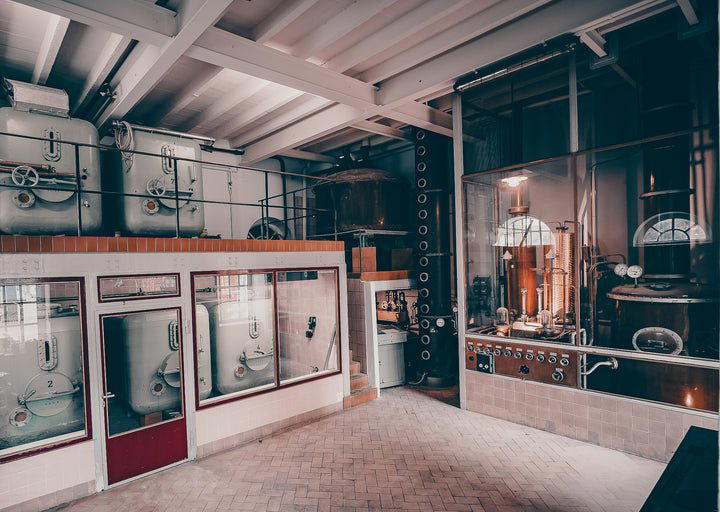
Düsseldorf's Altbier culture occupies a specific and often misunderstood position in German brewing. The style, a top-fermented dark ale that predates the lager revolution, is indigenous to the lower Rhine and treated locally as a matter of civic identity rather than craft-beer curiosity. The city's established Altbier brewpubs, Uerige, Schumacher, Füchschen, and Schlüssel among them, form a peer group defined less by competitive differentiation and more by adherence to a shared tradition. Each brews on-site and serves its own beer almost exclusively. Füchschen's version of the style runs slightly malt-forward within that set, though comparisons between the four are the kind of argument Düsseldorf locals pursue over multiple rounds rather than resolve. What matters for the visitor is that this is genuine on-site production, not contract brewing dressed up in heritage branding. The beer in your glass was made in the building.
For readers who also follow Germany's haute cuisine circuit, the contrast is instructive. The precision-led tasting menus at places like Schwarzwaldstube in Baiersbronn, Aqua in Wolfsburg, or Vendôme in Bergisch Gladbach represent one strain of German dining ambition. The Altbier brewpub represents another entirely, and the two traditions don't overlap. Füchschen is not an informal counterpart to fine dining; it is a distinct cultural institution with its own logic, its own service codes, and its own idea of what a good evening looks like. The same applies to the broader European context: the communal, beer-anchored format here shares more DNA with a Belgian bruin café or a Bavarian Wirtshaus than with anything in the contemporary restaurant conversation represented by JAN in Munich or CODA Dessert Dining in Berlin.
Lunch vs. Evening: Two Different Experiences in the Same Room
The editorial angle that most rewards a first visit to Füchschen is the gap between its daytime and evening service, which are distinct enough to feel like different venues sharing a floor plan. Midday and early afternoon bring a quieter crowd: local workers, older regulars, tourists who've done their research, and the occasional journalist noting exactly this. Tables turn more slowly. The kitchen's Rhenish food, Sauerbraten, Schweinshaxe, Reibekuchen, the dense rye bread that arrives before a meal, reads as lunch food in the leading sense: filling, unfussy, calibrated for a long afternoon rather than a quick stop. A single Stange of Altbier costs a few euros, and the full lunch with food and several rounds remains one of the more honest value propositions in the Altstadt. This is the service window that regulars tend to favour for conversation and unhurried eating.
Evening shifts the dynamic considerably. Füchschen after 7pm on a weekend operates at a volume and pace that turns the communal tables genuinely communal: strangers share benches, Köbes weave through with practised efficiency, and the room reaches a noise level that makes it better suited to group drinking than delicate conversation. The kitchen continues to run, but the atmosphere has moved from Gasthaus to something closer to a beer hall at full stretch. Neither version is wrong; they serve different purposes. The practical implication is that visitors who want to eat thoughtfully should arrive at lunch or well before 6pm on weekday evenings. Those who want the full-volume Altstadt experience should arrive later and accept that the evening format is the point.
The Altstadt Context and Nearby Eating
Ratinger Strasse and its surroundings offer more dining variety than the tourist-facing Altstadt strip suggests. Düsseldorf's international eating scene, particularly its Alanya Döner and the broader Turkish and Mediterranean presence around the city, runs parallel to the brewpub tradition without intersecting it. The Japanese quarter on Immermannstrasse is a short walk north. For wine-led eating in a quieter register, Amuni Wein- und Käsebar and Anfora sit in a different part of the city's eating map. Mediterranean options like Arca Alacati round out a scene that, taken as a whole, is more varied than Düsseldorf's reputation for Altbier monoculture implies. For quick, casual eating before or after a Füchschen visit, 3h's burger and chicken covers the fast-food gap in the neighbourhood. The full Düsseldorf restaurants guide maps the broader picture across all neighbourhoods and price points.
Further afield, for those building a German eating itinerary around Düsseldorf as a base, the Michelin circuit within driving distance includes Victor's Fine Dining by Christian Bau in Perl, Schanz in Piesport, and Waldhotel Sonnora in Dreis, each representing a strain of German fine dining that contrasts sharply with the brewpub world. Internationally, the format gap becomes even clearer when placed against reservation-driven tasting counter experiences like Le Bernardin in New York City, Lazy Bear in San Francisco, or ES:SENZ in Grassau. Füchschen requires no reservation and operates on a drop-in basis, which is itself a statement about the format's accessibility and democratic intent. In Hamburg, Restaurant Haerlin offers a point of comparison at the opposite end of the formality register within the same country.
Planning a Visit
Brauerei im Füchschen is located at Ratinger Strasse 28 in the Altstadt, within walking distance of the Heinrichplatz tram stop and a short walk from the Rhine promenade. No reservations are required or typically taken for standard seating; walk-in is the operating model, and tables at the communal benches fill on a first-come basis. Lunch service on weekdays offers the most relaxed entry point. Weekend evenings fill quickly by early evening and the pace does not slow until late. Dress is entirely casual; the format neither expects nor rewards otherwise. Payment at the table follows the traditional Köbes system, with tabs tracked by marks on a beer mat.
Continue exploring
More in Düsseldorf
Restaurants in Düsseldorf
Browse all →
Bars in Düsseldorf
Browse all →
Hotels in Düsseldorf
Browse all →
Wineries in Düsseldorf
Browse all →
At a Glance
- Lively
- Rustic
- Historic
- Well Known
- Group Dining
- Casual Hangout
- After Work
- Historic Building
- Standalone
- Beer Program
- Local Sourcing
Current opening hours
- Monday
- 11 AM–10 PM
- Tuesday
- 3 PM–12 AM
- Wednesday
- 11 AM–12 AM
- Thursday
- 11 AM–12 AM
- Friday
- 11 AM–12 AM
- Saturday
- 11 AM–12 AM
- Sunday
- 11 AM–10 PM
Hours can change for holidays and private events. Last verified .
Lively traditional tavern with soft lighting flattering the tawny Altbier in a bustling historic setting.
Know Before You Go
- Getting there
- Ratinger Str. 28, 40213 Düsseldorf, Germany