
1 Michelin Key
A 19th-century bank building on Strada Doamnei reimagined as a 217-room hotel, The Marmorosch Bucharest sits where Bucharest's Belle Époque financial history meets contemporary luxury hospitality. Art Deco and Art Nouveau interiors, a subterranean spa, and the ornate Blank Bar & Lounge place it among the Romanian capital's most architecturally considered addresses. Rates from $292 per night.

Pearl is the En Primeur Club membership app — saves, bookings, and concierge access live there. Same editors, same standards.
- Address
- Strada Doamnei 2, 030053 București
- Phone
- +40 371 533 100
- Website
- marriott.com
- Directions
- Get directions
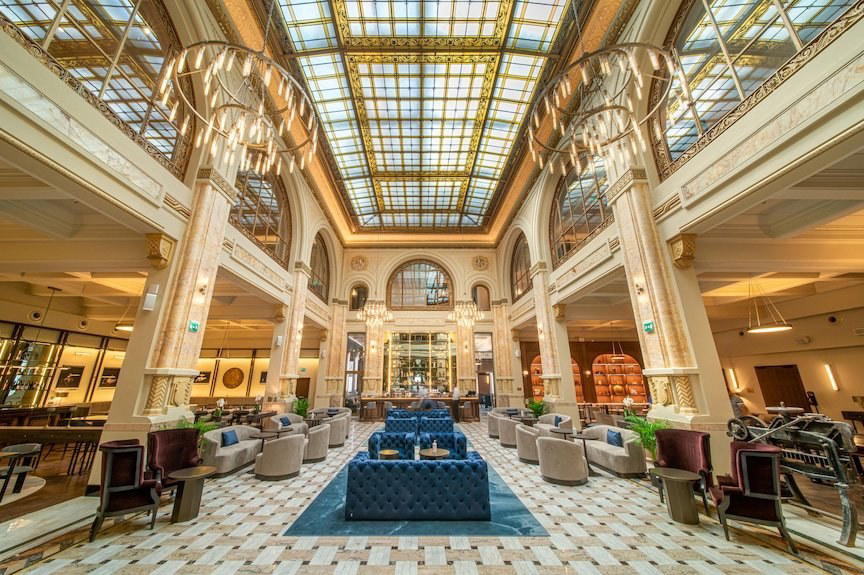
A Banking Palace Becomes Bucharest's Architectural Statement
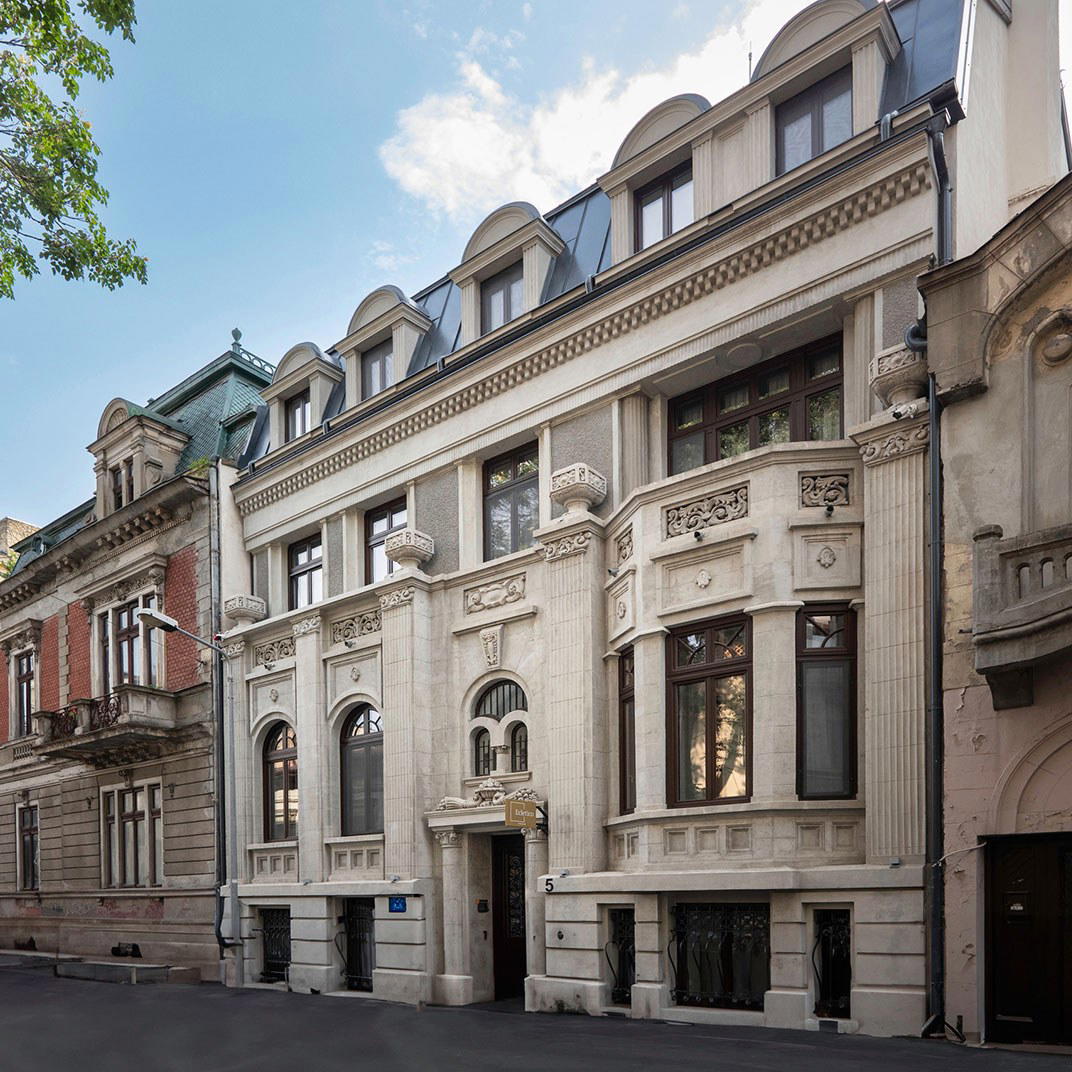
Bucharest's premium hotel tier has long been anchored by international flags operating large conference properties: the JW Marriott Bucharest Grand Hotel, the InterContinental Athenee Palace Bucharest by IHG, the Radisson Blu Hotel, Bucharest. In the past decade, a smaller cohort of heritage-conversion properties has emerged alongside them, betting on architectural identity rather than floor-count. The Marmorosch Bucharest, part of Marriott's Autograph Collection, belongs firmly to this second group. The building at Strada Doamnei 2 was the headquarters of the Marmorosch-Blank bank, one of Romania's most important financial institutions in the late 19th and early 20th centuries. The conversion has preserved, amplified, and in places theatrically reinterpreted that origin.
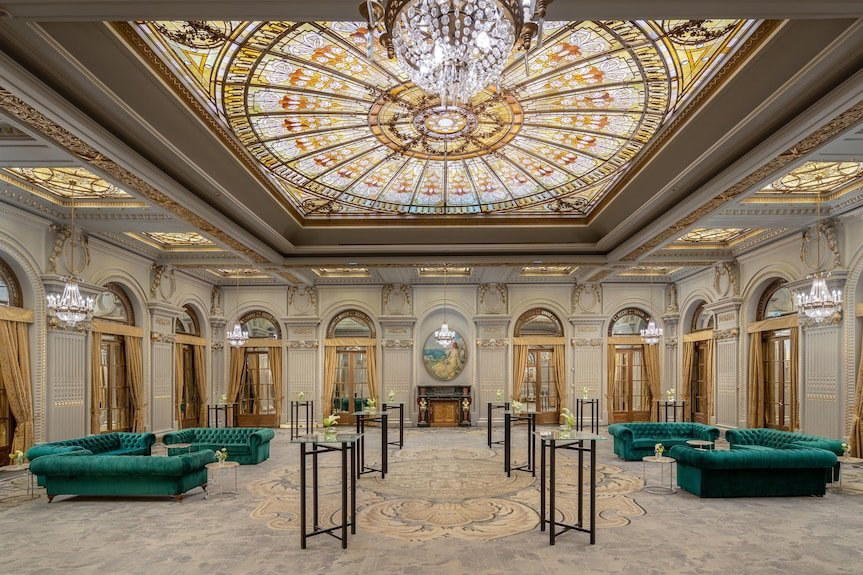
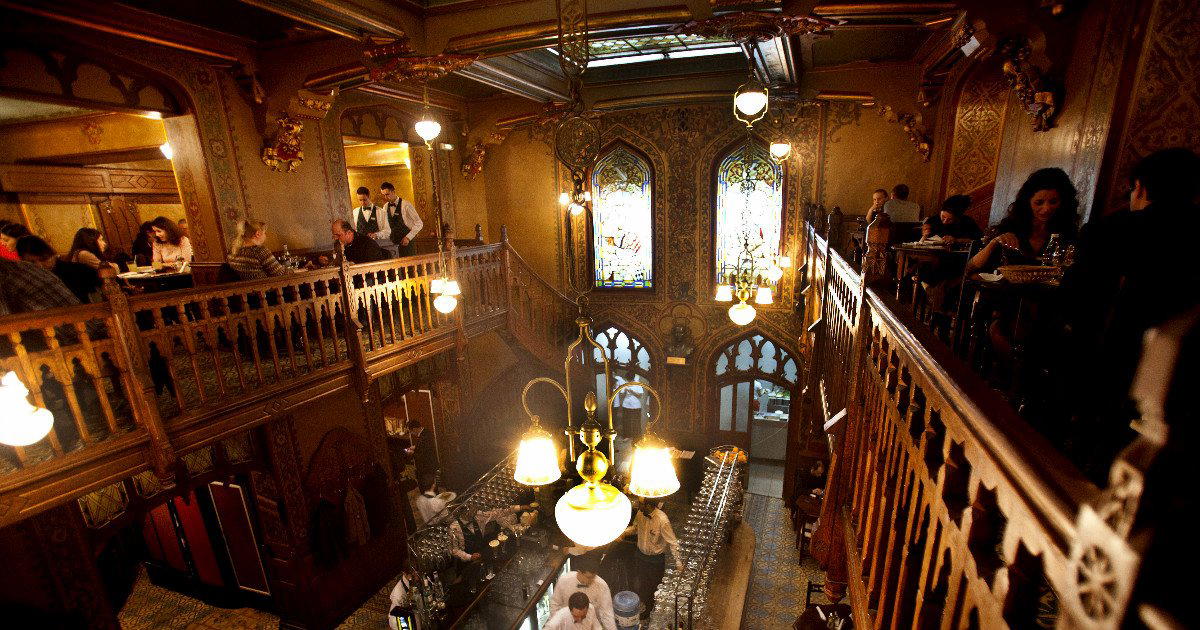
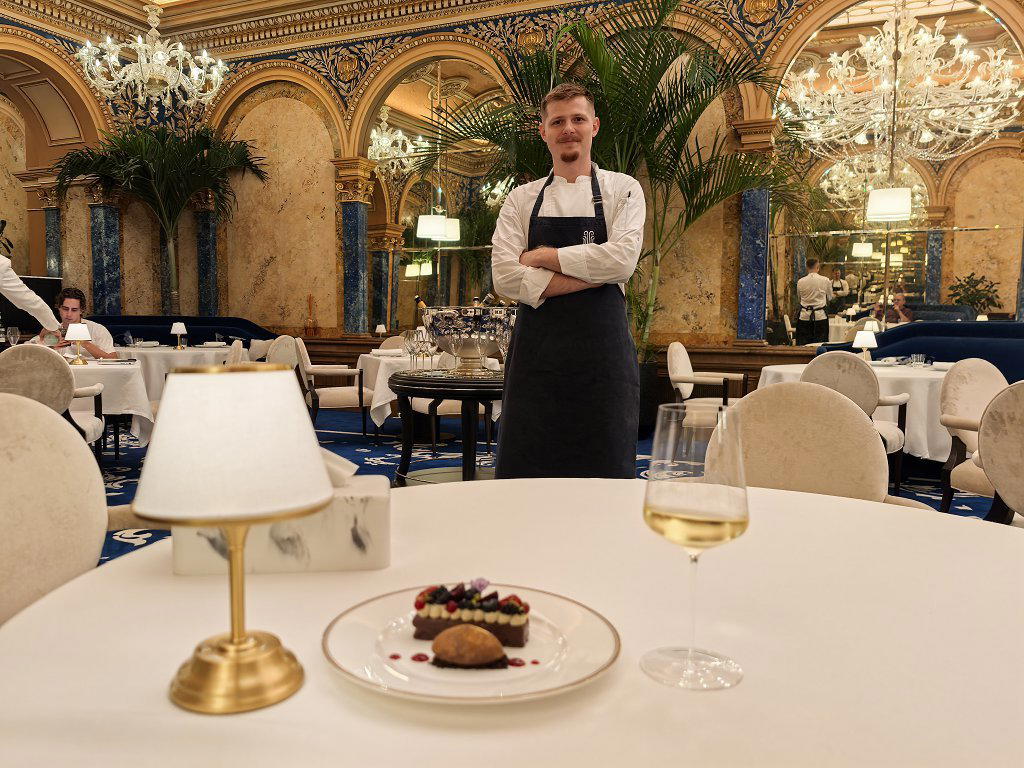
Walking into the main hall, the vocabulary is immediately clear: high ceilings, period ornament, the weight of a building that once held serious money. The interiors move between Art Deco and Art Nouveau registers, not choosing between them but allowing both to coexist across 217 rooms and a sequence of public spaces that feel more like rooms in a private club than a hotel lobby. This approach to heritage conversion, where the architect's brief is to intensify rather than sanitize the original character, has become a distinguishing feature of the Autograph Collection across its global portfolio. In Bucharest, it produces one of the more convincing results in Central and Eastern Europe.
The Spaces That Define the Stay
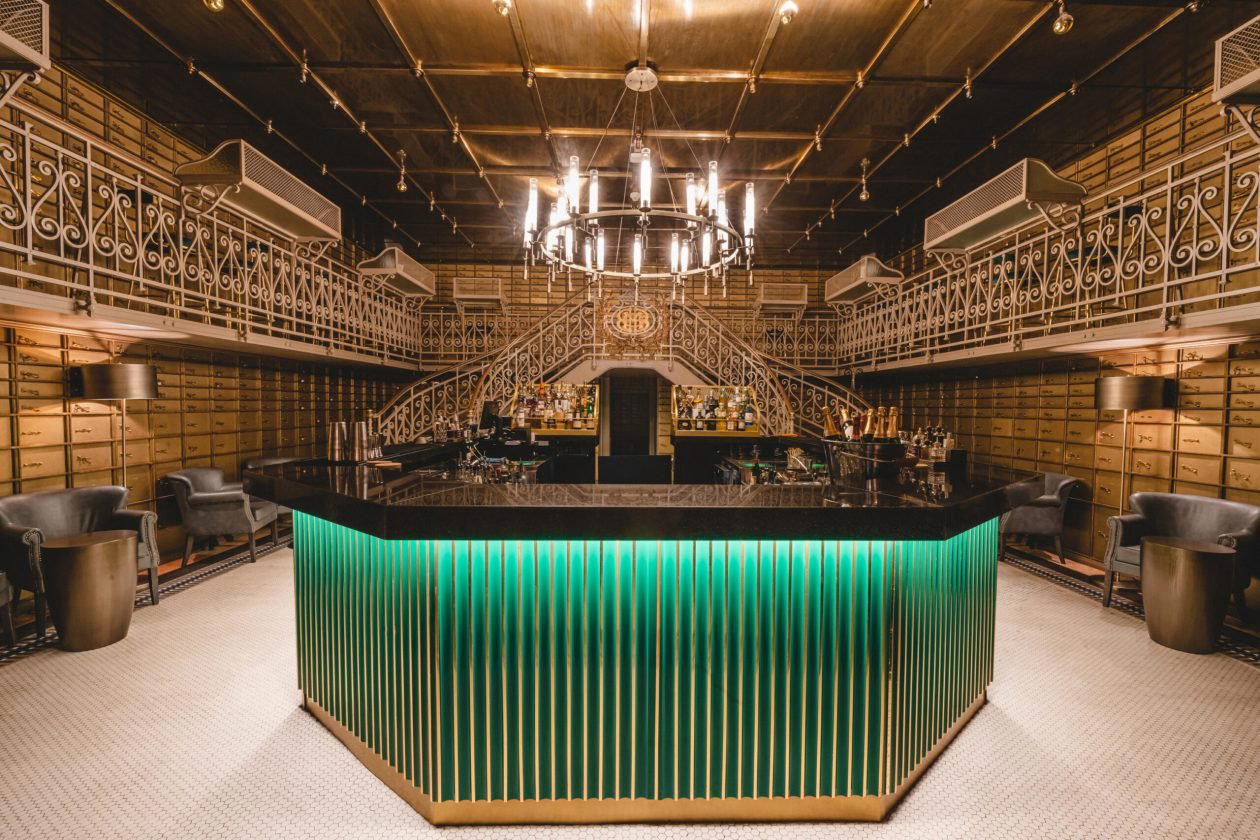
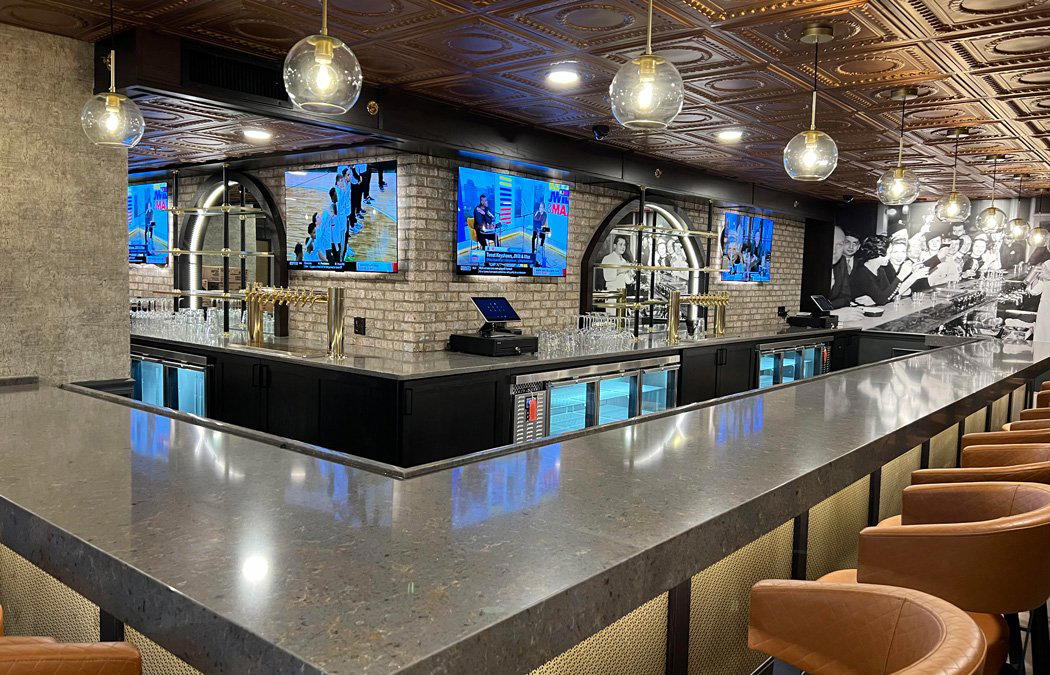
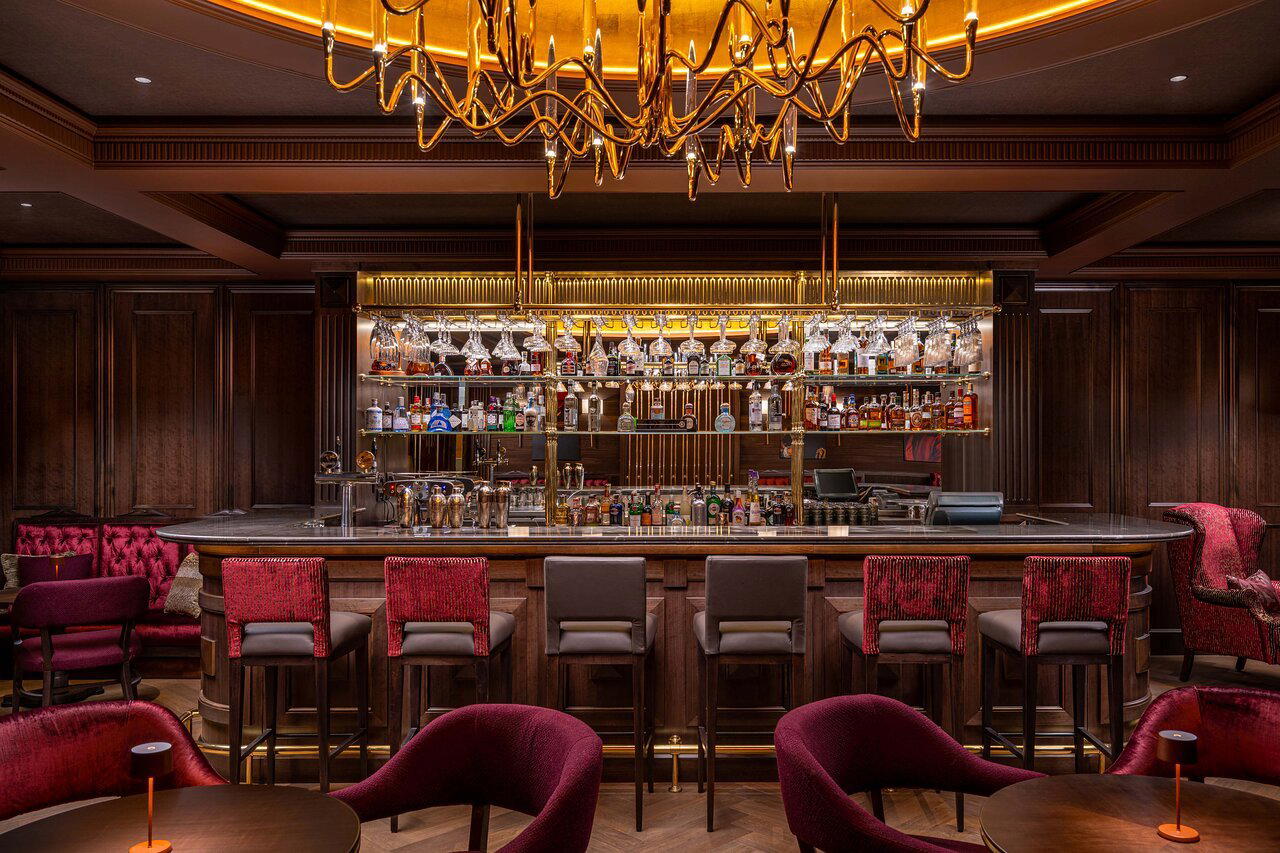
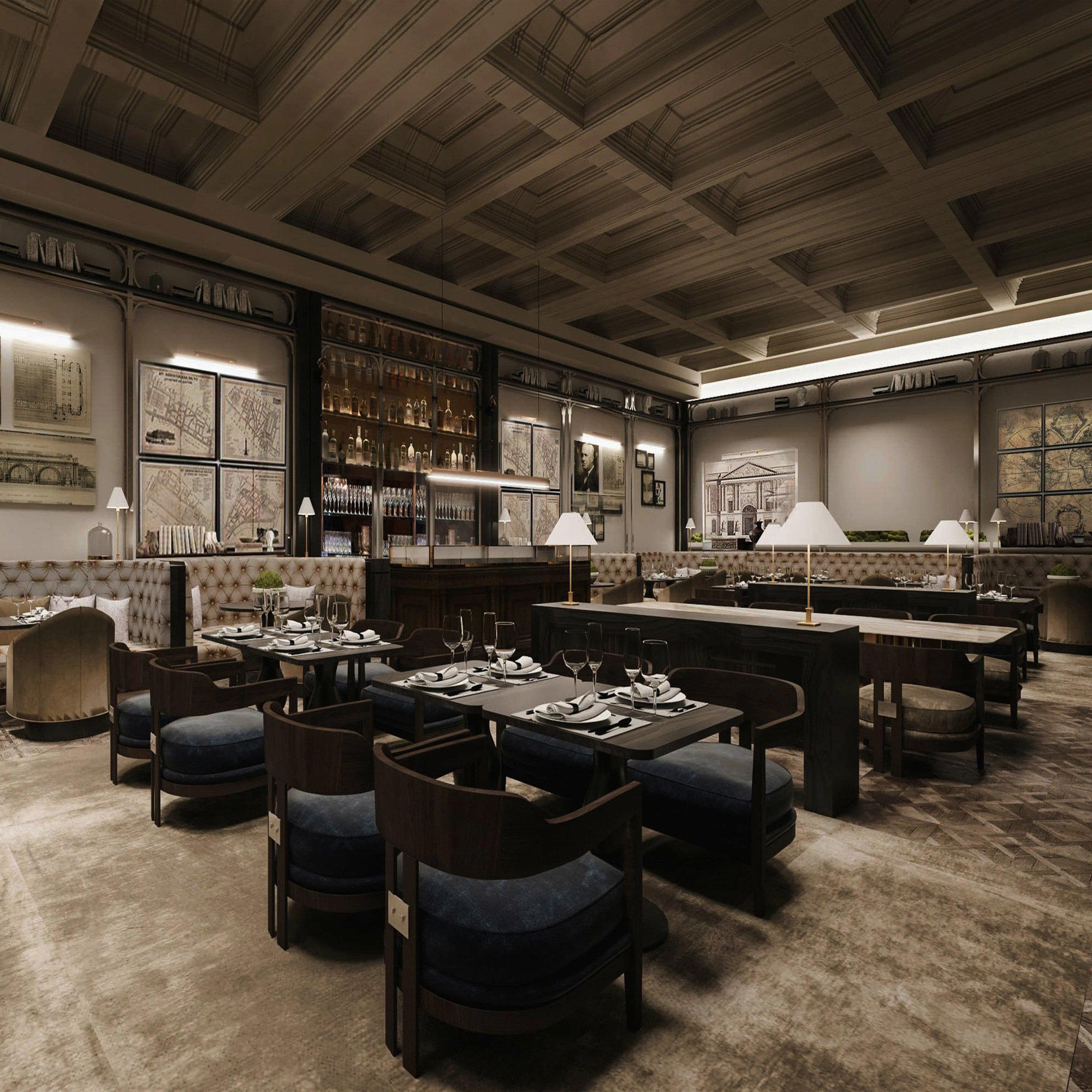
The hierarchy of public spaces tells the hotel's story more clearly than any room category. The Blank Bar & Lounge occupies what feels like the operational heart of the building: vast, ornate, and calibrated to function as a social anchor for a certain segment of Bucharest's professional and creative class. The name connects back directly to the original banking concern, specifically the Blank family who were partners in Marmorosch-Blank, so the nomenclature is documentary rather than decorative. The restaurant Blank carries the same reference. In cities where heritage hotels often give their food-and-beverage outlets generic international names, the Marmorosch's decision to root its naming convention in local financial history gives the property a legibility that holds up under scrutiny.
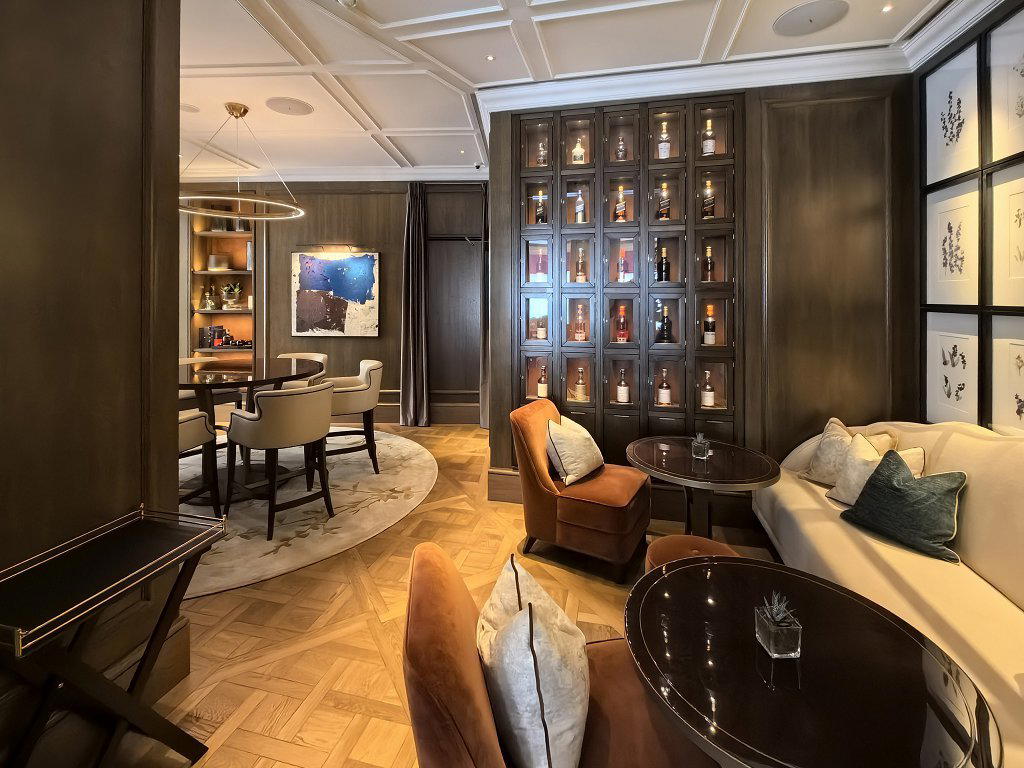
The Vault operates on a different register: smaller, more contained, less performative. Where the Blank Bar reads as a place to be seen in, the Vault rewards guests who seek atmosphere over audience. Both spaces benefit from the building's original construction logic, where thick walls and deliberate proportions produce acoustic and visual conditions that contemporary builds rarely achieve without expensive intervention.
Subterranean spa is carved from dark stone, a material choice that separates it clearly from the gilded grandeur above. This kind of tonal contrast, moving from the social display of the bar floors to something more elemental below ground, is a feature of the better heritage conversions in European luxury hospitality. It gives the property range without incoherence.
Rooms, Architecture, and the Logic of Scale
At 217 keys, the Marmorosch occupies a middle position in Bucharest's hotel scale. It is larger than the boutique-tier properties like the Epoque Hotel but does not approach the conference-hotel footprint of the Marriott or InterContinental. That scale matters because it shapes what the property can and cannot do. It has the critical mass to sustain multiple food-and-beverage concepts and a full spa program, while remaining small enough that the architectural character is not diluted across too many corridors of undifferentiated guest rooms.
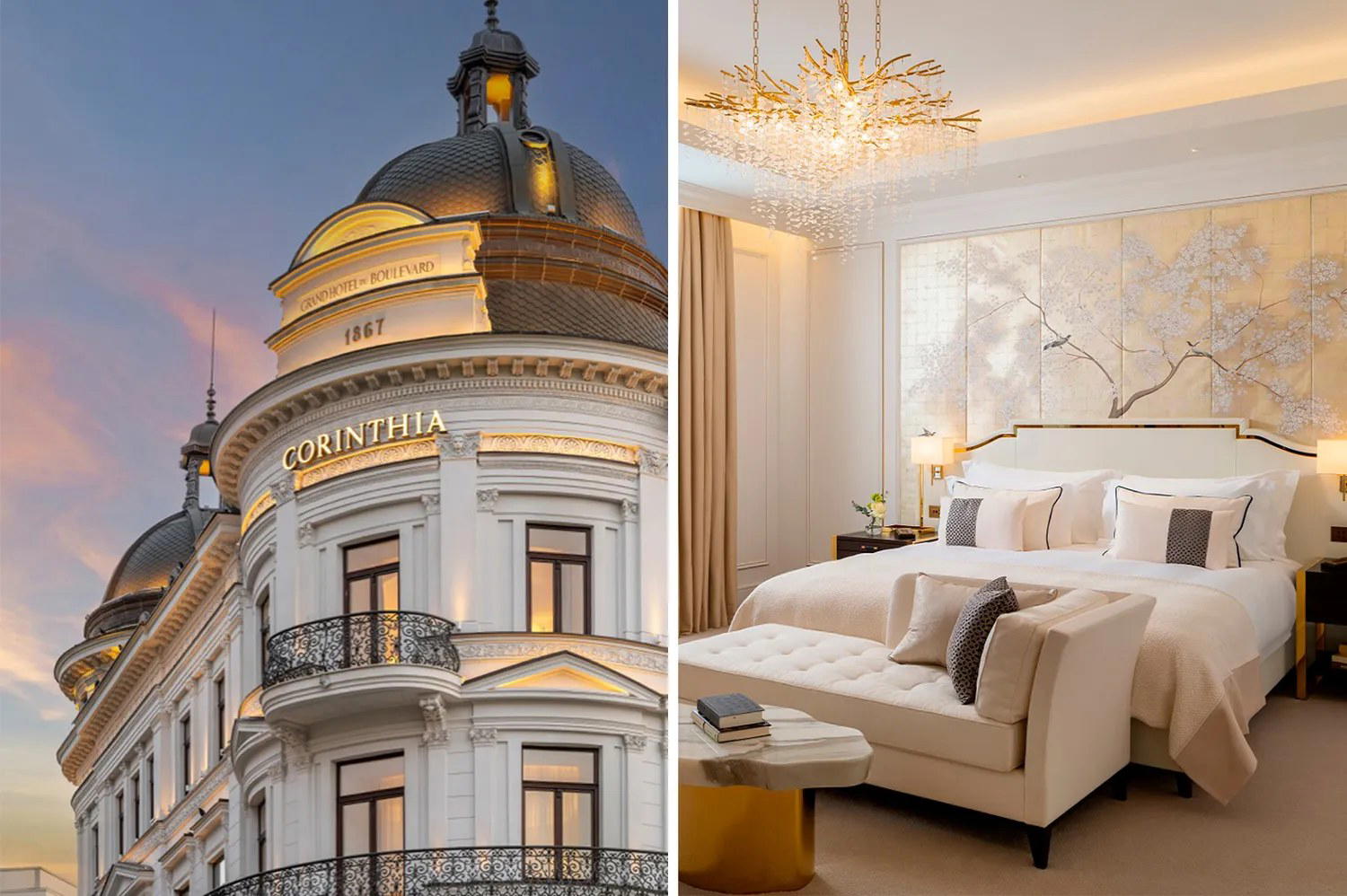
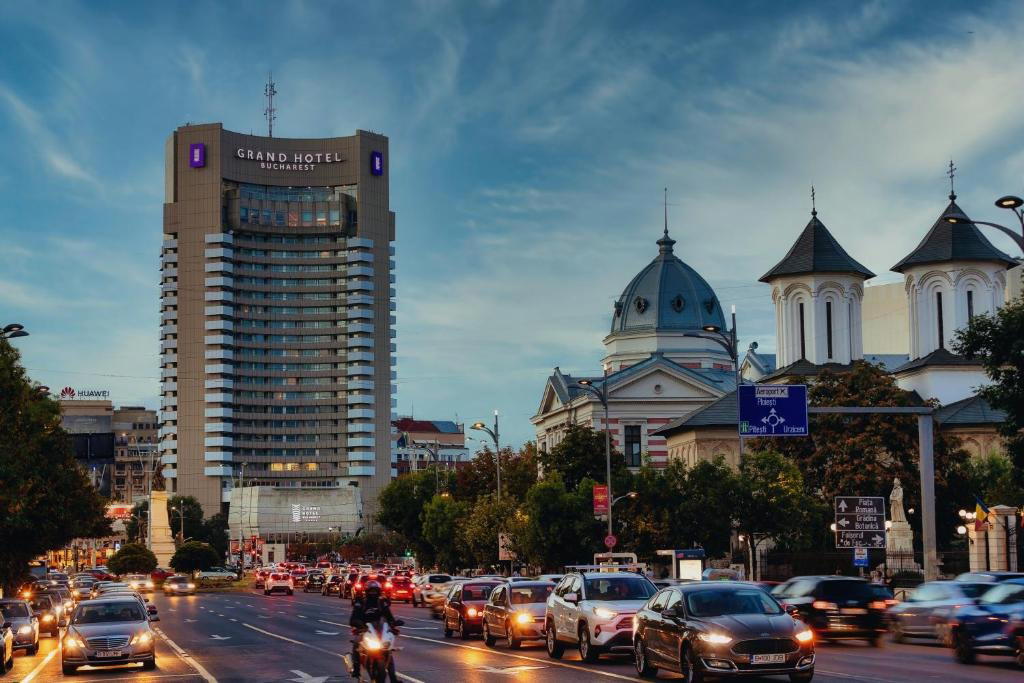
The wood-paneled Marmorosch Palace Suite represents the ceiling of the room hierarchy, where the period architecture is most concentrated and most legible. Below that, rooms mix contemporary comfort with varying degrees of original architectural detail, depending on location within the building. For travelers comparing the Marmorosch against similarly priced options, the Corinthia Grand Hotel du Boulevard Bucharest and the Grand Hotel Bucharest offer points of reference within the heritage-conversion category, each with a different relationship to their original building fabric.
Rates from $292 per night place the Marmorosch at the upper end of the Bucharest market but below the pricing of comparable heritage-conversion properties in Vienna, Prague, or Budapest. For travelers benchmarking against global addresses in this architectural category, properties like Cheval Blanc Paris or Hôtel de Paris Monte-Carlo sit in an entirely different pricing bracket, which clarifies the Marmorosch's position: serious architectural intent at a price point that still reflects Bucharest's relative position in the European luxury market.
Responsible Luxury and the Heritage Argument
The sustainability argument for heritage conversion is structural rather than rhetorical. Retaining and restoring an existing building of this quality, rather than demolishing and rebuilding, preserves embodied carbon at a scale that no amount of green-certified new construction easily matches. The Marmorosch's decision to work within the original envelope of the Marmorosch-Blank headquarters, adapting its spaces rather than replacing them, is a form of material conservation that carries more weight than a recycling program or a rooftop garden. This is the version of responsible luxury that the heritage-hotel sector rarely articulates clearly but that informed travelers increasingly understand.
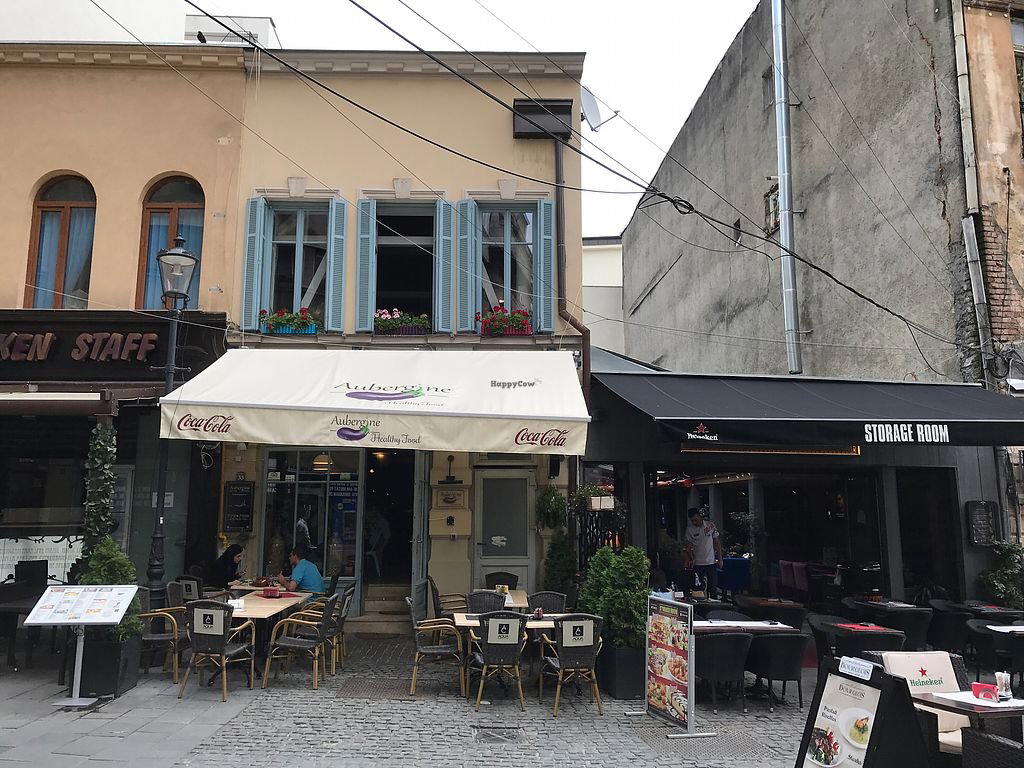
Beyond the building itself, a hotel of this profile anchored in the historic center of Bucharest contributes to the economic case for maintaining rather than demolishing the city's Belle Époque fabric. Strada Doamnei sits in a part of central Bucharest where 19th-century architecture and post-communist development exist in close, sometimes uncomfortable proximity. A high-profile occupant investing in the restoration of a significant heritage building shifts the commercial logic for neighboring properties in ways that urban planning incentives alone rarely achieve.
Travelers interested in Romania's broader heritage hospitality offer can look further afield: Bethlen Estates Transylvania in Cris takes a rural manor approach, while Matca Hotel in Simon works within a different Transylvanian context. For those extending a Romanian trip toward the Danube, Lebada Luxury Resort & Spa in Crisan offers a waterway-adjacent alternative. Day-trip range from Bucharest also includes Hotel Snagov Club in Snagov, and for those looking toward the ski season, Swissôtel Poiana Brașov in Brasov covers the mountain tier. For more context on dining and hotels across the capital, the full Bucharest restaurants and hotels guide maps the wider scene.
Planning Your Stay
The Marmorosch is on Strada Doamnei 2, placing it within walking distance of the historic center and the main commercial arteries of central Bucharest. At 217 rooms and rates from $292, it books differently from the city's smaller boutique properties; demand peaks during the warmer months and around major cultural events, so advance reservation is advisable for the higher room categories. Travelers comparing peer properties in similarly priced heritage hotels in Eastern Europe, from Singureni Manor Equestrian Retreat on the rural edge to globally positioned addresses like Aman Venice or Badrutt's Palace Hotel in St. Moritz, will find the Marmorosch occupying a credible position: architecturally serious, historically grounded, and priced to reflect Bucharest's place in the European market rather than trying to price ahead of it.
Budget and Context
Comparable venues nearby, for context on price, style, and recognition.
| Venue | Price | Awards | Notes |
|---|---|---|---|
| The Marmorosch Bucharest, Autograph CollectionThis venue — the venue you are viewing | Not listed | 1 Michelin Key | Not listed |
| InterContinental Athenee Palace Bucharest by IHG | $200–300 | 1 Michelin Key · World Luxury Hotel Awards WLHA Continent Winner | City Center, Historic luxury palace hotel with Art Deco architecture |
| Epoque Hotel | Not listed | 1 Michelin Key · Relais Chateaux Award | near Cișmigiu Park, neo-Romanian architecture with contemporary clarity and generous suite layouts |
| Radisson Blu Hotel, Bucharest | Not listed | Michelin Selected · World Luxury Hotel Awards WLHA Regional Winner | downtown Bucharest, Contemporary luxury hotel with modern design elements and sophisticated finishes, positioned as an upscale urban destination. |
| JW Marriott Bucharest Grand Hotel | Not listed | Michelin Selected · Forbes Recommended | Old Town, Modern luxury blending international standards with Romanian traditions |
| Singureni Manor Equestrian Retreat | $200–300 | 1 Michelin Key | Singureni, Contemporary reconstruction of antique hunting-lodge with modern luxury comforts |
Recognition history
Dated appearances from independent guides and award organizations, with the underlying list record or original source where available.
Michelin 1 Key
Michelin
Full recognition history (2 entries)
Michelin 1 Key
Michelin
Details
- Elegant
- Sophisticated
- Classic
- Ornate
- Romantic Getaway
- Business Trip
- Anniversary
- Weekend Escape
- Historic Building
- Wi Fi
- Pool
- Spa
- Fitness Center
- Room Service
- Concierge
- Business Center
- Restaurant
- Street Scene
- Wheelchair Accessible
- Elevator
- Step Free Entrance
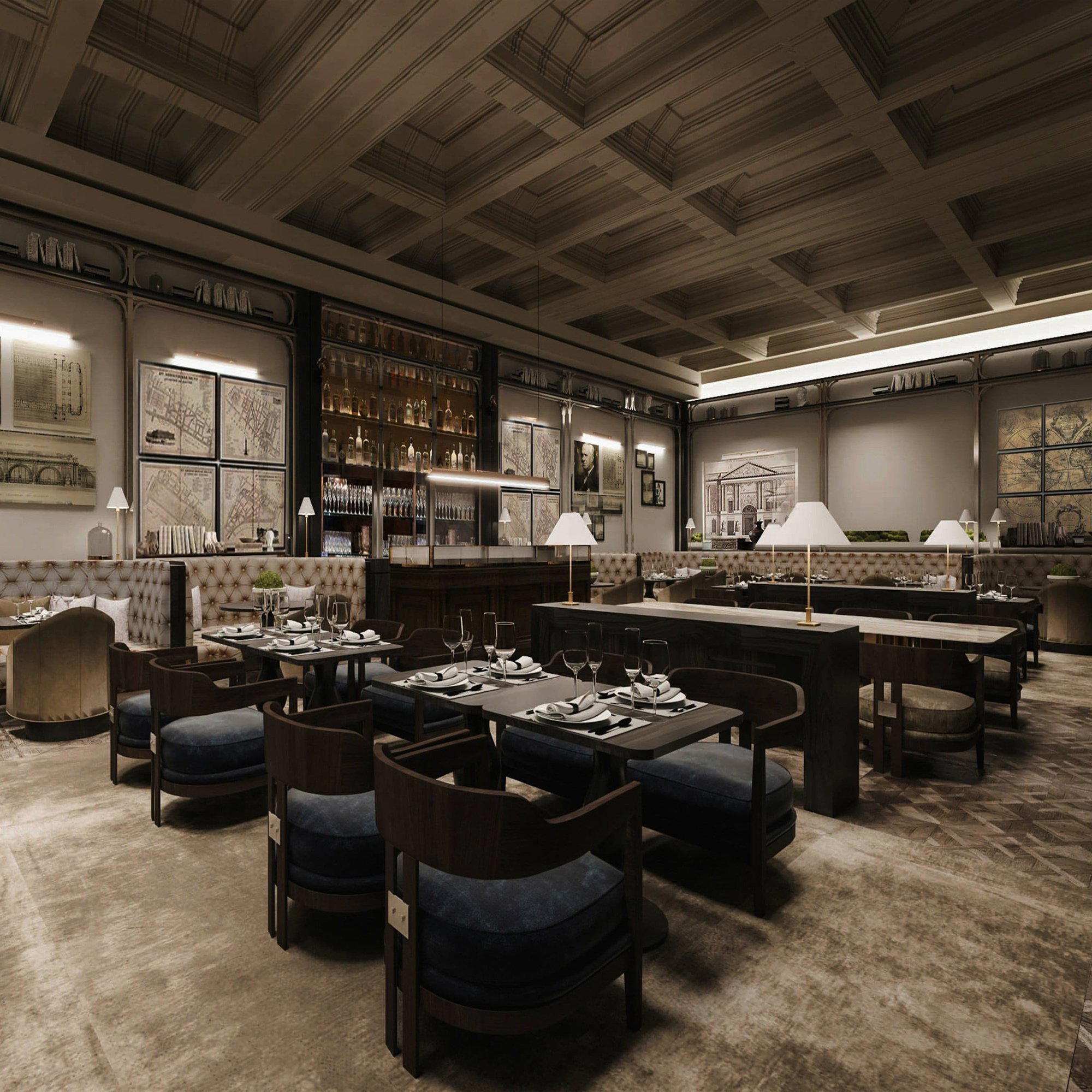
Elegant and enchanting atmosphere with polished cleanliness, ballroom-like lobby, and a sense of historical grandeur blended with modern luxury.