The Lobby Café at Tivoli Maiorana Belém occupies a considered position within Belém's hotel café scene, where Amazonian food culture and Portuguese culinary heritage converge. Sitting inside one of the city's established hotel addresses, it offers a grounded entry point into the flavors that define Pará state. See our full Belém dining guide for broader context on the city's café and restaurant options.
 Discover on Pearl
Pearl is the En Primeur Club membership app — saves, bookings, and concierge access live there. Same editors, same standards.
Where the Amazon Meets the Lobby: Café Culture in Belém
Belém operates at a different frequency from Brazil's southern cities. The heat is equatorial, the light off the Baía do Guajará is flat and white by mid-morning, and the food culture draws from a pantry that São Paulo and Rio de Janeiro can only approximate. Tucurnaré, açaí in its unsweetened, savory form, jambu leaves that induce a faint numbing sensation on the tongue, pupunha palm hearts — these are not imported ingredients here but daily staples sold at the Ver-o-Peso market before dawn. For a hotel café to sit credibly inside that tradition, it needs to do more than offer espresso and pastries. The Lobby Café at the Tivoli Maiorana Belém addresses that challenge from an advantageous position: a Tivoli address carries both international service expectations and, in Belém's hotel market, a degree of local standing that smaller independents often lack.
The Setting and What It Says About Belém's Hotel Café Tier
Hotel lobbies in cities with strong street food and market cultures occupy an interesting middle ground. In Belém, where the Mercado Ver-o-Peso draws locals and visitors from before sunrise and açaí stalls operate on nearly every corner, a hotel café is not competing with those institutions on price or authenticity. It occupies a different register: climate-controlled, reliably staffed, positioned for visitors who want legible Amazonian flavors in a format that doesn't require navigating an unfamiliar open-air market at 6am. The Lobby Café fits that profile within the Tivoli Maiorana Belém, a property that anchors itself in the city's upper accommodation tier. For travelers arriving from other Brazilian cities or internationally, the café functions as an orienting space — a first encounter with the region's food vocabulary before the city itself takes over.
Belém's broader hospitality infrastructure has been shaped by its role as the gateway to the eastern Amazon. The city receives a steady flow of business travelers connected to agribusiness and port commerce, as well as cultural visitors drawn to the Círio de Nazaré, one of the largest Catholic processions in the world, held each October. That dual audience , corporate and cultural , defines the demand that hotel cafés in the city serve. See our full Belém hotels guide for a broader map of where the Tivoli Maiorana sits within the city's accommodation options.
Amazonian Café Culture and What It Means to Eat Well in Pará
The culinary tradition of Pará is among the most regionally distinct in Brazil, shaped by indigenous Tupinambá techniques, Portuguese colonial influence, and ingredients that simply do not grow anywhere else. Café culture here carries that weight: a proper Belém breakfast might include tapioca crepes, pão de queijo adapted with regional cheeses, or açaí served thick with farinha and fish rather than in the frozen, sweetened form exported to southern Brazil's juice bars. The question for any café operating in this context is how faithfully it draws from that tradition versus how far it leans toward the familiar international café format that hotel guests traveling for business often expect.
That tension is not unique to Belém. Across Brazil, the gap between regional culinary identity and hotel-format hospitality has narrowed over the past decade, driven partly by the international recognition earned by restaurants like D.O.M. in São Paulo and Lasai in Rio de Janeiro, both of which have made the sourcing of Brazilian regional ingredients a central editorial argument. That shift in fine dining has filtered down to hotel café formats, where offering a regionally grounded menu has become less of a differentiator and more of a baseline expectation for properties positioning themselves as premium. In the North, venues like Orixás North Restaurant in Itacaré have built their identity around exactly this kind of regional specificity. In Belém itself, Must Restaurant and Bar represents the more ambitious end of that spectrum, with regional ingredients treated through a modern lens.
Where the Lobby Café Sits in Belém's Dining Picture
Within Belém's café and casual dining tier, the Lobby Café at the Tivoli Maiorana occupies a position defined primarily by its hotel context rather than by standalone culinary ambition. That is not a criticism , it is a category distinction. The cafés and snack bars around the Basílica de Nossa Senhora de Nazaré or along the Avenida Presidente Vargas operate with a different economic logic and a different clientele. The Lobby Café serves guests who are already inside the hotel ecosystem, as well as visitors to the city who want a reliable, unhurried space to work, meet, or recover from Belém's demanding heat. In that context, consistency and comfort are not secondary values but primary ones.
For visitors spending more time in the city, the broader restaurant scene rewards exploration. Our full Belém restaurants guide covers the range from street-level tacacá stalls to the city's more considered dining rooms. Those interested in Belém's drinking culture will find relevant context in our Belém bars guide, while travelers curious about regional experiences beyond the table can consult our Belém experiences guide.
Brazil's café culture more broadly has been influenced by the same forces reshaping the country's restaurant scene. From Manu in Curitiba to Manga in Salvador, the appetite for regionally grounded, carefully sourced food has grown consistently among Brazilian urban diners over the past decade. In cities further from the Amazon, that regional sourcing requires supply chain investment. In Belém, the ingredients are already present , the question is execution and intent.
Planning Your Visit
The Lobby Café at Tivoli Maiorana Belém is accessible to both hotel guests and outside visitors, as is standard for lobby café formats at properties of this tier in Brazil. Belém's climate runs hot and humid year-round, with the rainy season concentrated between December and May , the café's interior setting makes it a practical refuge during afternoon downpours. The Círio de Nazaré in October draws significant visitor numbers to the city, which typically affects room availability across Belém's hotel stock; if your visit coincides with that period, planning ahead is advisable. For comparable café formats in other Brazilian hotel contexts, the dynamic is similar to what you find at properties like Castelo Saint Andrews in Gramado or the café programming attached to design-led properties in destinations like Mina in Campos do Jordão. Our Belém wineries guide covers regional drink options for those extending their stay.
Price Lens
A compact peer snapshot based on similar venues we track.
| Venue | Price | Awards | Notes |
|---|---|---|---|
| Lobby Café (Tivoli Maiorana Belém) | This venue | ||
| D.O.M. | $$$$ | Michelin 2 Star | Modern Brazilian, Creative, $$$$ |
| Evvai | $$$$ | Michelin 2 Star | Contemporary Italian, Modern Cuisine, $$$$ |
| Lasai | $$$$ | Michelin 2 Star | Regional Brazilian, Modern Cuisine, $$$$ |
| Maní | $$$ | Michelin 1 Star | Brazilian - International, Creative, $$$ |
| Oteque | $$$$ | Michelin 1 Star | Modern Brazilian, Modern Cuisine, $$$$ |
At a Glance
- Elegant
- Sophisticated
- Casual Hangout
- Business Dinner
- Hotel Restaurant
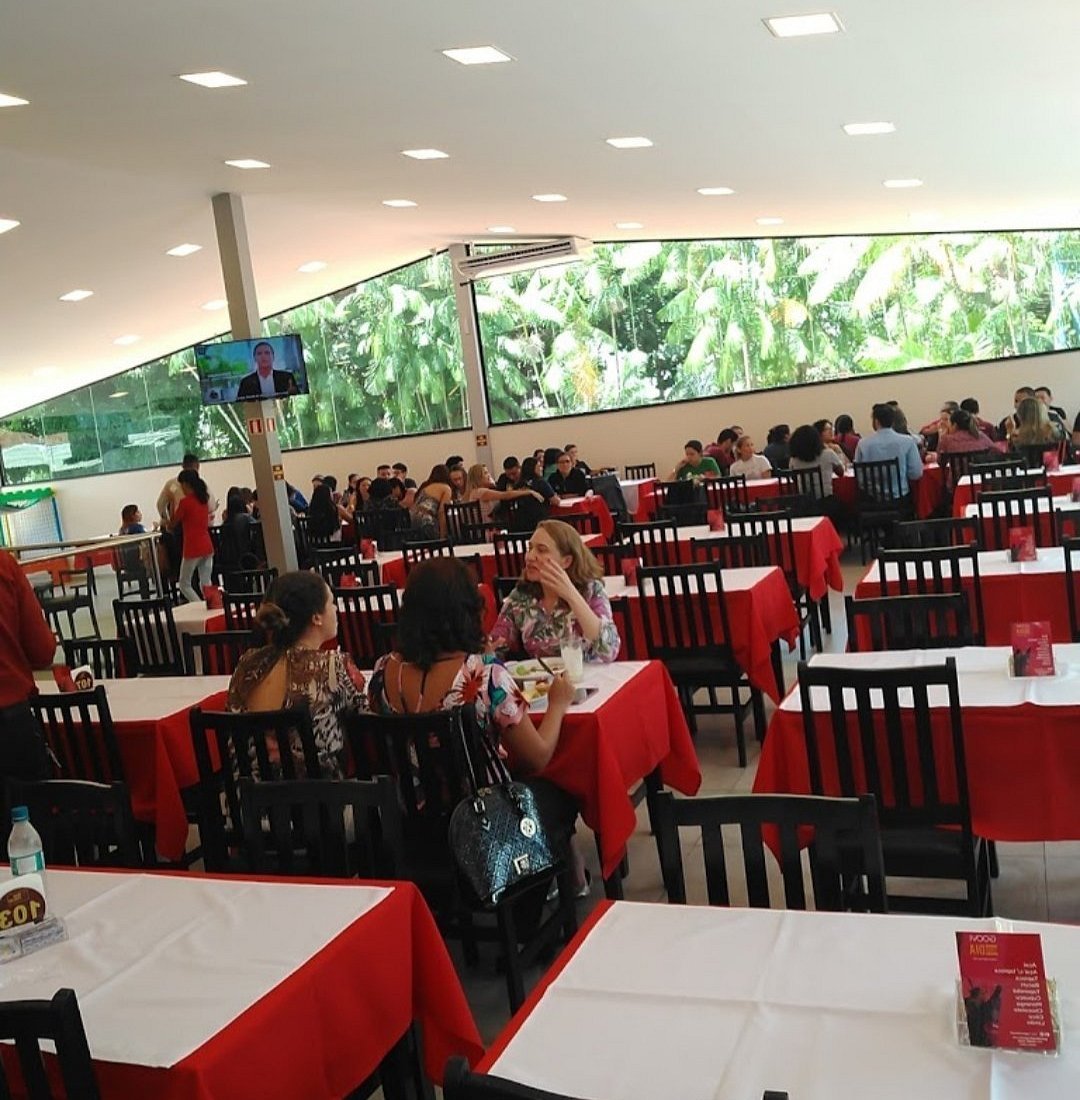
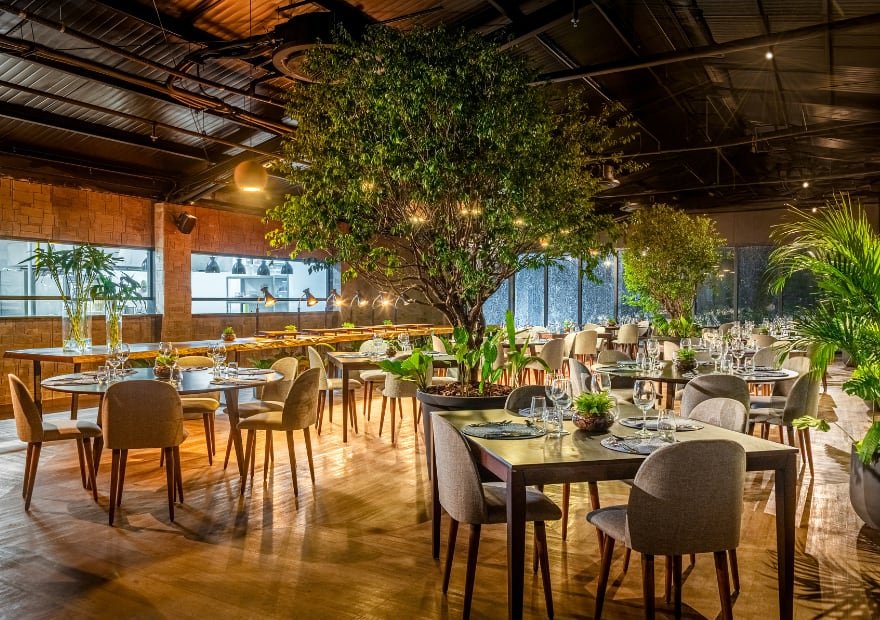
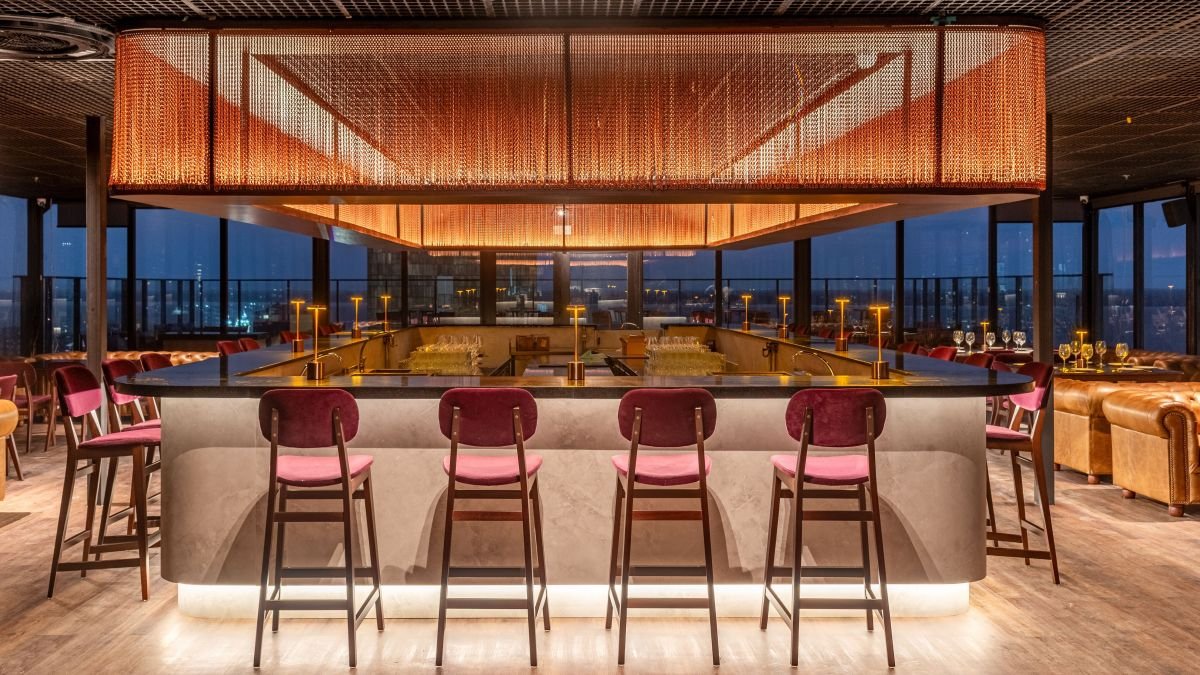
Elegant hotel lobby atmosphere with comfortable seating and attentive service.