Our verdict
A neighbourhood churrascaria in Belém's São Brás district, Boi Novo sits within a city whose food culture runs far deeper than Amazonian fine dining. For visitors who want to understand how Pará's grilling traditions intersect with everyday Brazilian meat culture, this is a practical and grounded starting point in a city that rewards curiosity at every price tier.

Pearl is the En Primeur Club membership app, where members save venues, book tables and use the concierge.
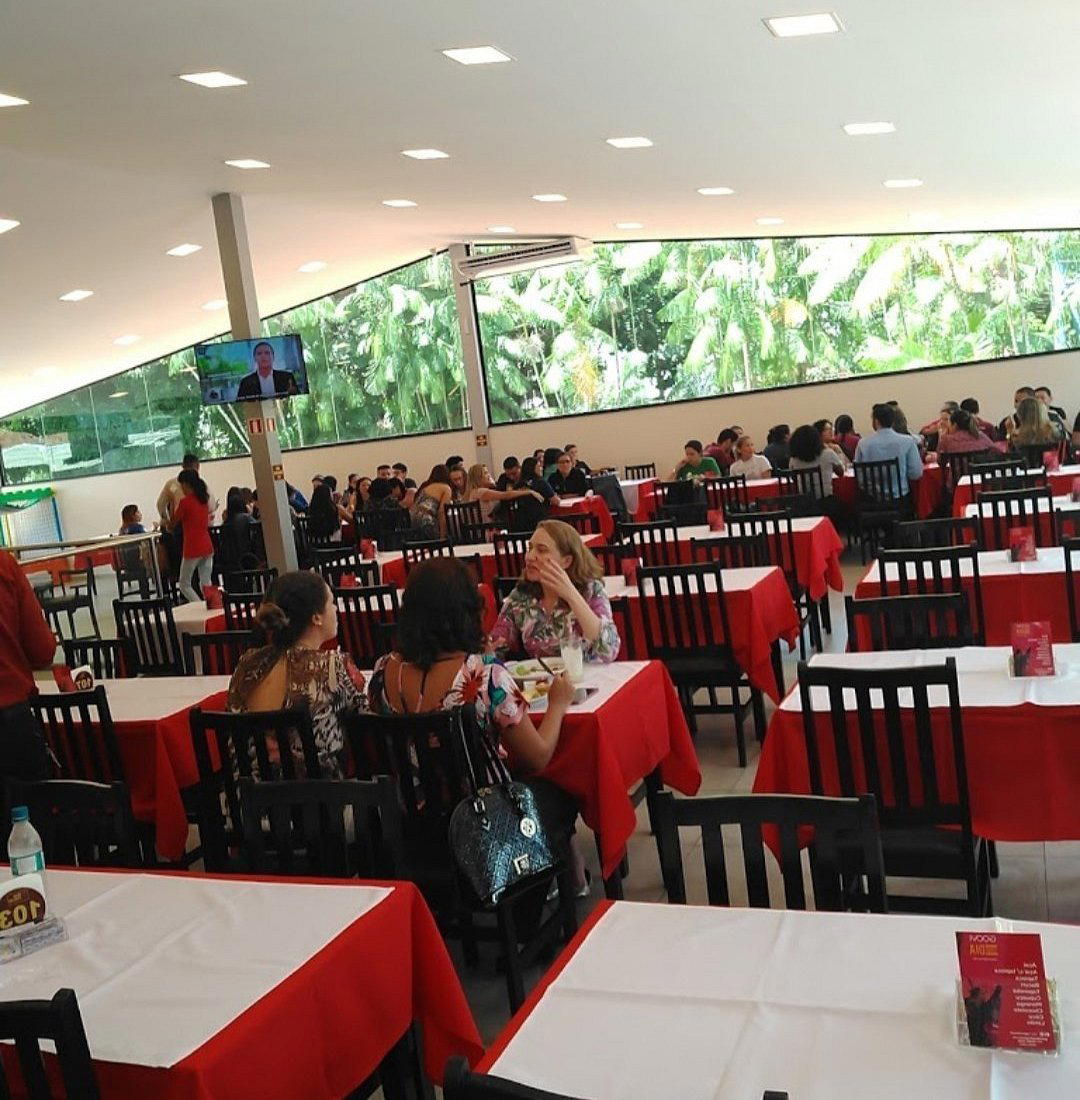
Where Belém Eats Meat: The Churrasco Tradition in an Amazonian City
Belém occupies a singular position in Brazilian food culture. The city is better known internationally for its açaí bowls, tacacá, and the tucupi-based dishes that have helped put Amazonian ingredients on menus from São Paulo to Copenhagen, at restaurants like D.O.M. in São Paulo and Oteque in Rio de Janeiro. But beneath that fine-dining narrative, Belém is also a city that eats like most of Brazil: around fire, smoke, and slow-cooked beef. The churrascaria format, communal, generous, and built around the rotisserie or the grill, remains one of the most consistent expressions of Brazilian food culture across every region and price tier.
Boi Novo Churrascaria operates in São Brás, a working neighbourhood in the western arc of central Belém. The address on Travessa Três de Maio, at its junction with Avenida Governador Magalhães Barata, places the restaurant inside a part of the city that moves at street level rather than behind hotel lobbies. Coming from the Ver-o-Peso market area or from the more polished dining corridor near the Tivoli Maiorana, where Lobby Café (Tivoli Maiorana Belém) and Lobby Café offer the expected hotel-adjacent comfort, São Brás reads as a different register entirely: noisier, less curated, and more representative of how the city actually functions day to day.
The Sourcing Logic Behind Brazilian Churrasco
The churrasco format is built on a premise that begins long before the grill: the cattle. Brazil is the world's largest beef exporter by volume, and the country's grilling culture reflects that abundance. The zebu breeds dominant across the Brazilian interior, Nelore, above all, are bred for heat resistance and pasture efficiency rather than the heavy marbling associated with Japanese wagyu or American grain-finished cattle. The result is leaner, more mineral-driven beef that rewards high heat and precise timing over long resting or low-and-slow preparation.
In Pará state, the sourcing story carries additional weight. Cattle ranching in the Amazon basin has been one of the most politically and ecologically contested supply chains in global food production. For restaurants in Belém, the question of where beef comes from is not abstract. The city sits at the interface of the Amazon and the Atlantic, and the informal markets that supply much of its food system are shaped by geographic realities that no São Paulo or Rio de Janeiro counterpart faces in the same way. Whether a given churrascaria in Belém sources from certified, deforestation-free supply chains or from the broader and less-regulated regional market is a distinction worth asking about, it matters both ethically and, increasingly, in terms of how the city's better dining venues position themselves.
Restaurants like Remanso Do Bosque and Must Restaurant & Bar have built reputations in Belém partly by making sourcing explicit, tracing ingredients to specific Amazonian producers and framing provenance as a menu feature rather than a back-of-house detail. The churrascaria format traditionally operates differently, prioritising volume, accessibility, and price efficiency over the narrative of single-origin supply chains. Boi Novo sits within that more traditional format, which is not a criticism: it represents how the majority of Brazilians encounter grilled meat, and that has its own legitimacy.
São Brás and the Street-Level Dining Character of Belém
Brazilian churrascarias in neighbourhood settings tend to share certain physical characteristics: high ceilings to manage heat from the grill, tables configured for groups rather than couples, and a pace that assumes you are staying for a while. The corner location on Avenida Governador Magalhães Barata gives Boi Novo a position with street visibility on two sides, the kind of exposure that, in Brazilian food culture, functions as its own endorsement, regulars know where it is, and passing trade can find it without a reservation.
The São Brás neighbourhood itself is home to one of Belém's major commercial arteries and sits within walking distance of the Ver-o-Peso market complex, which remains the clearest single expression of Belém's food identity. Coming from Ver-o-Peso, where the morning market trades in river fish, jambu leaves, and medicinal plants alongside açaí in quantities that make supermarket versions look beside the point, to a churrascaria in the early afternoon follows the logic of how locals actually structure their eating day in this city.
For context on what Belém's more destination-oriented dining scene looks like, see our full Belem restaurants guide, which maps the range from neighbourhood institutions to the venues that have drawn international attention. Elsewhere in Brazil, the contrast between neighbourhood grilling culture and high-concept regional cooking plays out in cities like Salvador, where Manga has built a contemporary identity around Bahian ingredients, and Curitiba, where Manu has done the same with southern Brazilian produce. The churrascaria sits at the other end of that spectrum, and that positioning is part of its function.
Planning a Visit
Boi Novo Churrascaria is located on Travessa Três de Maio, 774, at its corner with Avenida Governador Magalhães Barata in São Brás, Belém. The address (CEP 66060-281) is well-mapped on standard navigation apps, and the corner location makes it direct to identify on arrival. As with most neighbourhood churrascarias in Brazil, walk-in is likely the primary mode of access, particularly for lunch, which is typically the busier service in this format. For travellers combining Boi Novo with broader Belém dining, the proximity to São Brás makes it a reasonable stop alongside the market area rather than a dedicated journey from the hotel zones further east.
Frequently asked questions
Does Boi Novo Churrascaria work for a family meal?
The São Brás location on Travessa Três de Maio puts it in a neighbourhood setting typical of Belém's street-level dining culture, where churrascarias tend to run at a relaxed, table-service pace suited to groups. The churrasco format itself, with meat arriving in rounds, accommodates different appetites across a table. It is a practical choice for a family gathering rather than a formal occasion.
What kind of setting is Boi Novo Churrascaria?
Boi Novo sits at the corner of Travessa Três de Maio and Avenida Governador Magalhães Barata in São Brás, one of Belém's more grounded commercial neighbourhoods. The address places it away from the tourist circuit around Ver-o-Peso, giving it the character of a local churrascaria rather than a visitor-facing operation. Expect a utilitarian dining room built around the grill, not décor.
Is Boi Novo Churrascaria a traditional Brazilian rodízio or an à la carte grill house?
Boi Novo operates as a churrascaria in Belém's São Brás district, though the specific service format, rodízio rounds versus à la carte grilled cuts, is best confirmed directly before visiting, as neighbourhood churrascarias in Pará often adapt the format to local custom. What defines the experience either way is the primacy of wood-fired or charcoal beef, which is the consistent logic of the Brazilian churrasco tradition. The corner address on Travessa Três de Maio signals a local, non-tourist operation where the meat is the point.
What should I order at Boi Novo Churrascaria?
The format is Brazilian churrasco, so the focus falls on cuts from the grill rather than an à la carte menu. In Belém, churrascarias often carry regional accompaniments alongside standard southern Brazilian sides, reflecting the city's position at the intersection of Amazonian and broader Brazilian food traditions. Arriving with an appetite for beef is the baseline expectation.
Quick Comparison
Comparable venues nearby, for context on price, style, and recognition.
| Venue | Cuisine | Price | Notes |
|---|---|---|---|
| Boi Novo ChurrascariaThis venue (the venue you are viewing) | Brazilian Churrascaria | $20–30 | Not listed |
| Lobby Café | Brazilian Café | $10–20 | Belem |
| Remanso Do Bosque | Traditional Amazonian Regional Cuisine | Not listed | Marco |
| Lobby Café | Hotel Lobby Café | Not listed | Campina |
| Must Restaurant & Bar | Modern Brazilian with Indigenous Flavors | Not listed | Belem |
Continue exploring
More in Belem
Restaurants in Belem
All restaurants in Belem →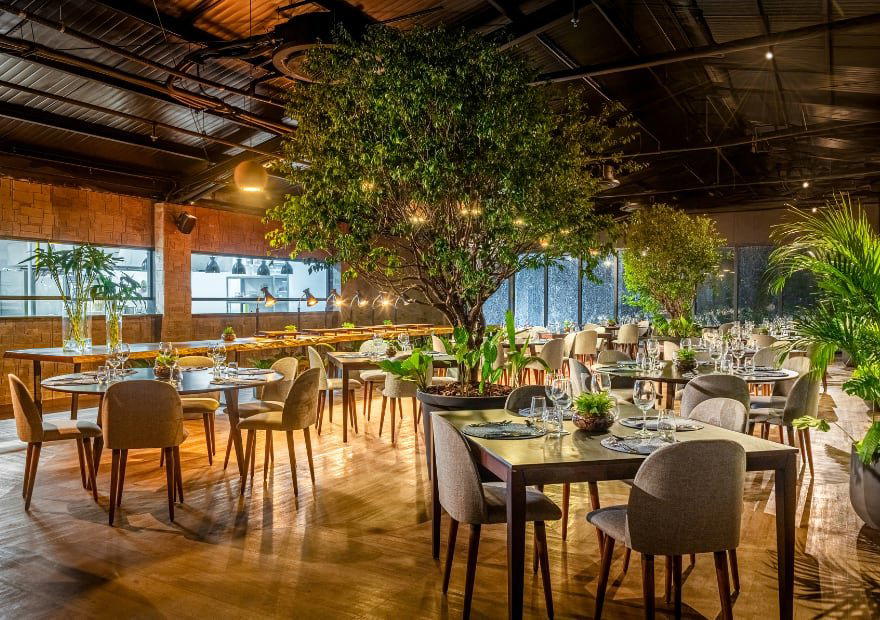
Bars in Belem
All bars in Belem →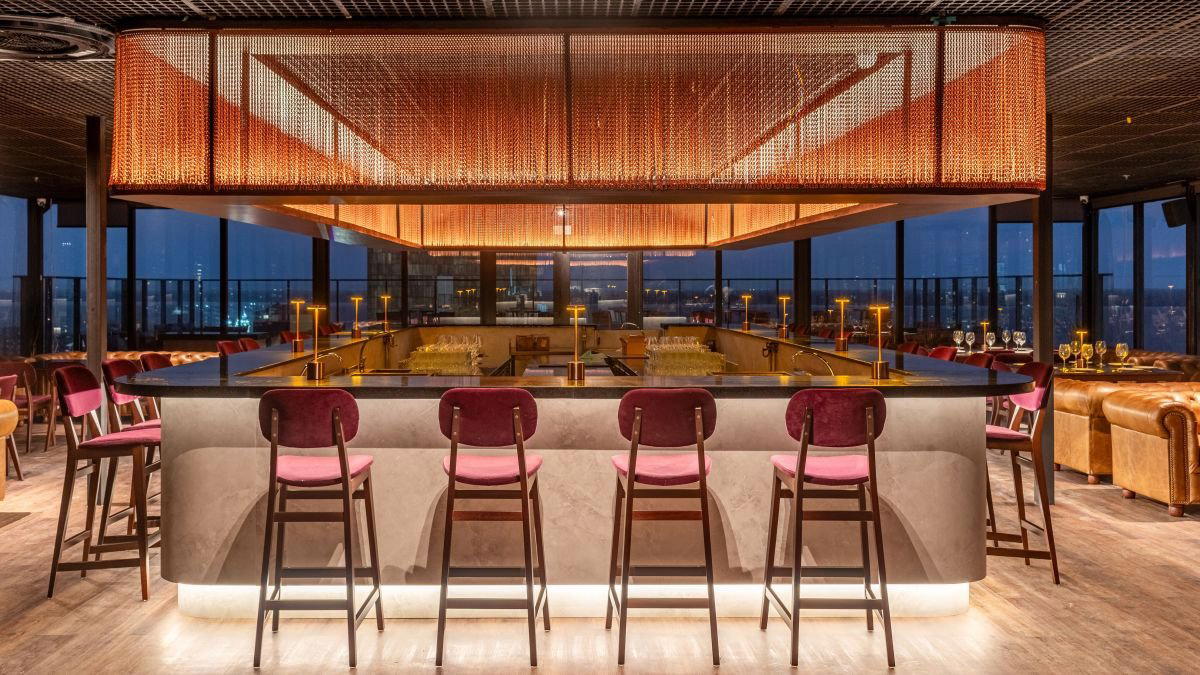
Details
- Cozy
- Rustic
- Family
- Group Dining
- Celebration
- Open Kitchen
- A La Carte
- Buffet
Current opening hours
- Monday
- 11 AM–3 PM
- Tuesday
- 11 AM–3 PM
- Wednesday
- 11 AM–3 PM
- Thursday
- 11 AM–3 PM
- Friday
- 11 AM–3:30 PM
- Saturday
- 11 AM–3:30 PM
- Sunday
- 11 AM–3:30 PM
Hours can change for holidays and private events. Hours as of .
Acolhedor welcoming atmosphere with family-friendly playroom for children.