
Loa occupies a measured position in New Orleans' fine-dining tier, sitting at 221 Camp St in the Central Business District where the city's contemporary ambitions meet its deep Creole and Cajun traditions. The address places it within easy reach of the French Quarter yet in a neighbourhood that runs at a different register, quieter, more deliberate, oriented toward a dinner-focused crowd rather than a walk-in tourist circuit.
Pearl is the En Primeur Club membership app — saves, bookings, and concierge access live there. Same editors, same standards.
- Address
- 221 Camp St, New Orleans, LA 70130
- Phone
- +15045539550
- Website
- ihhotel.com
- Directions
- Get directions
 Saves & bookings on Pearl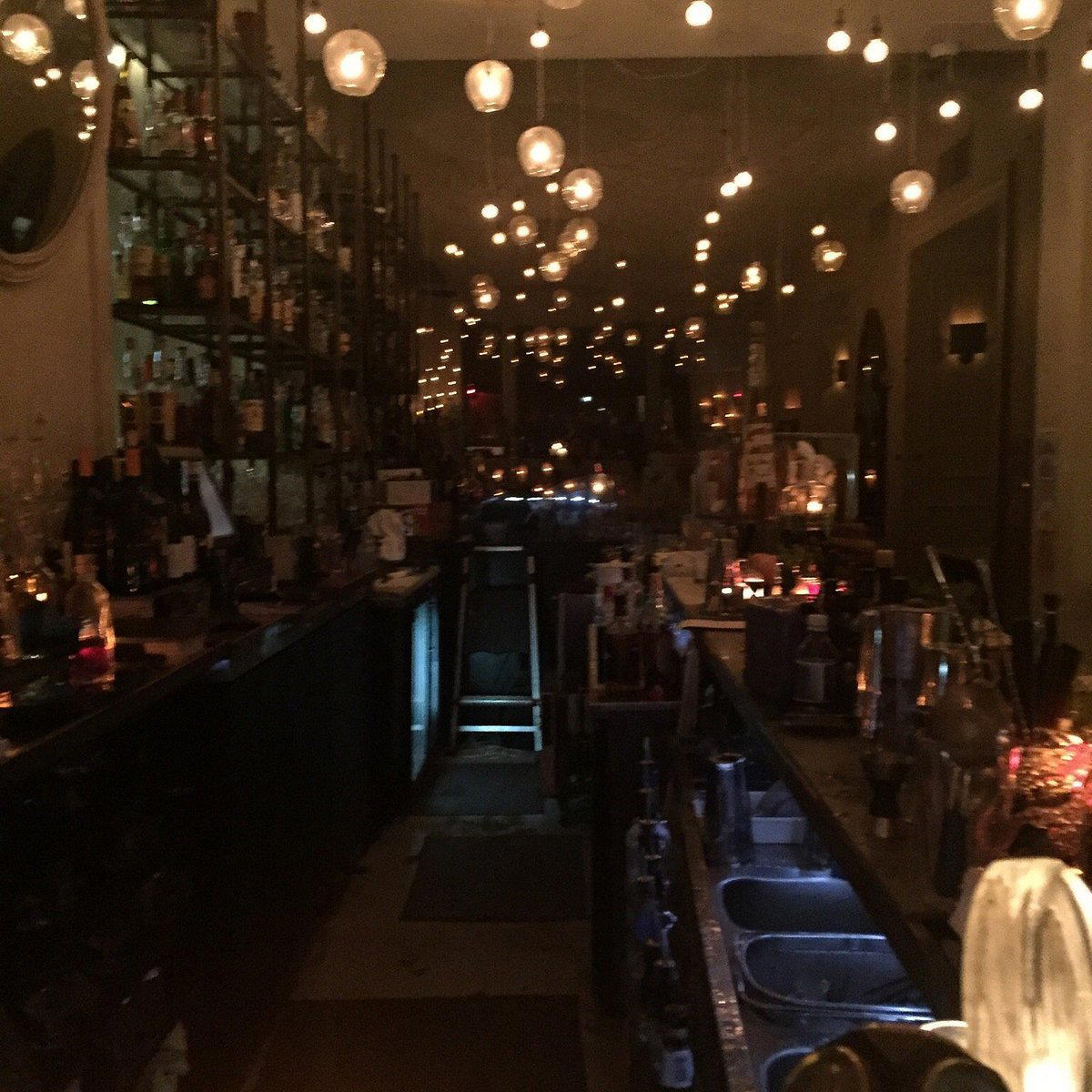
Entering the Room
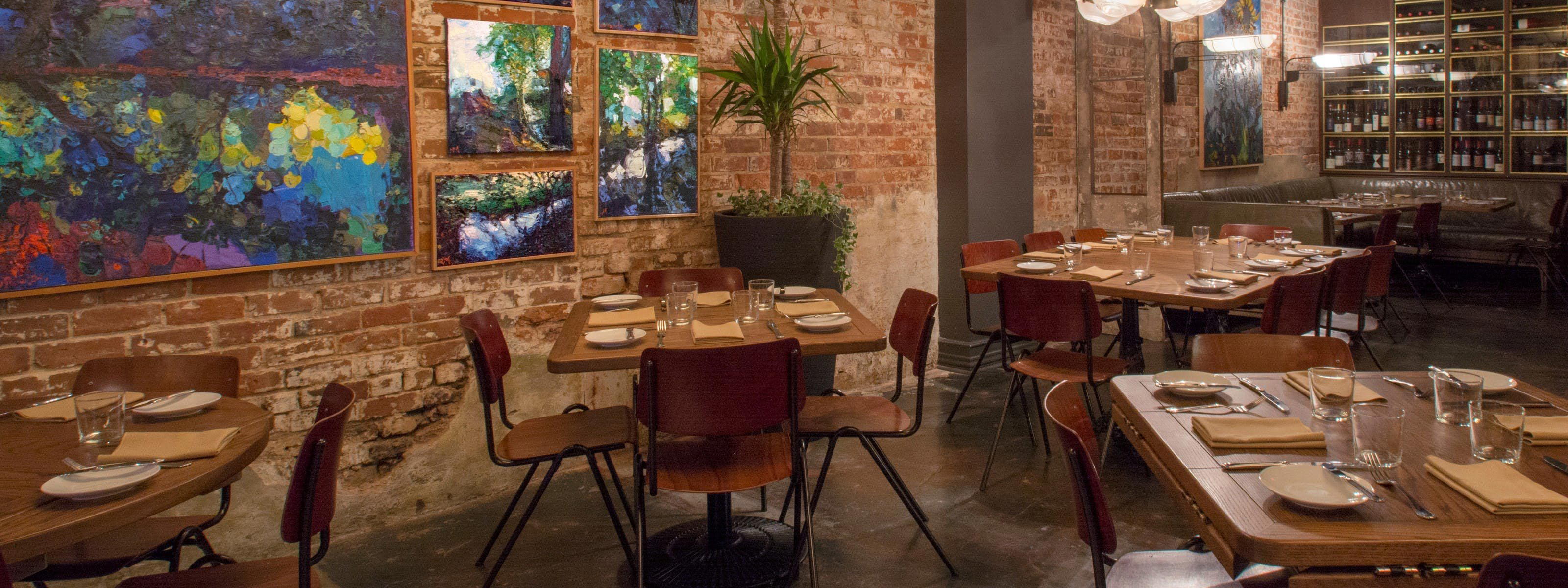
There is a particular quality to dining rooms in New Orleans' Central Business District that separates them from the French Quarter's more performative spaces. The neighbourhood runs quieter after dark, and restaurants that survive here do so on the strength of a returning local clientele and out-of-town visitors who have done their research. The address at 221 Camp St places Loa in that category: a casual, walk-in-friendly restaurant in a part of the city where the architecture still carries the weight of nineteenth-century commerce and the dining rooms inside tend to play against that formality rather than amplifying it.
New Orleans has always staged its fine dining against a backdrop of layered history. The city's serious restaurant scene spans the Creole tradition embodied by Commander's Palace, the Cajun-inflected register of Emeril's, and the contemporary American direction visible at addresses like Saint-Germain and Re Santi e Leoni. Loa sits somewhere in that broader picture, and understanding it means understanding how a certain tier of New Orleans dining has evolved away from the tourist-circuit model and toward something more considered.
How the Meal Moves
The architecture of a multi-course meal in this city carries specific expectations. New Orleans diners arrive with a working knowledge of gumbo's depth, of the way a proper bisque should coat the spoon, of the difference between a roux made with patience and one made with shortcuts. A kitchen operating at a serious level in this market has to engage those reference points honestly, either by delivering on them with rigour or by departing from them with clear purpose.
The surrounding culinary culture in New Orleans provides an unusually rich set of ingredients and techniques for a kitchen to work with, Gulf seafood, Creole spice layering, French classical technique imported through centuries of Louisiana history, and a produce calendar that runs long and warm.
Central Business District positioning also shapes the pace at which meals happen here. The crowd that finds its way to Camp Street on a weekday evening is generally willing to let a meal take its time.
Where Loa Sits in the New Orleans Fine-Dining Field
Upper tier of New Orleans dining has contracted and clarified over the past decade. The post-Katrina rebuilding period brought a surge of ambitious openings, and the market has since sorted into a smaller set of addresses that hold serious attention. Bayona represents the long-established New American end of that spectrum. Zasu occupies the accessible contemporary tier. The tasting-menu and fine-dining bracket is narrower, and it competes nationally against programs at The French Laundry in Napa, Single Thread Farm in Healdsburg, Providence in Los Angeles, and Blue Hill at Stone Barns in Tarrytown for a category of traveller who plans meals as carefully as they plan flights.
What New Orleans offers that most of those addresses cannot is a culinary tradition dense enough to sustain genuine dialogue between classical and contemporary. A kitchen drawing on Creole technique while working in a modern fine-dining format is doing something structurally different from a California farm-to-table program or a Korean-American tasting counter like Atomix in New York City. The flavour vocabulary is distinct, the local sourcing story is specific to Gulf waters and Louisiana farmland, and the expectation from a knowledgeable local table is calibrated differently. That combination creates the conditions for cooking that travels well as a narrative while remaining rooted in place.
For context on where serious American fine dining operates at the highest tier, addresses like Le Bernardin in New York City, Addison in San Diego, The Inn at Little Washington, and Bacchanalia in Atlanta define a range of approaches, from classical French precision to regional American rootedness, that New Orleans' serious kitchens sit alongside rather than beneath. And internationally, programs like 8½ Otto e Mezzo Bombana in Hong Kong demonstrate how a kitchen can sustain a European classical tradition inside a city with its own distinct culinary identity, which maps usefully onto what the better New Orleans addresses attempt with Creole and French foundations.
Know Before You Go
| Address | 221 Camp St, New Orleans, LA 70130 |
|---|---|
| Neighbourhood | Central Business District |
| Reservations | Walk-in friendly |
| Dress Code | Casual |
| Price Range | About $12 per person |
| Hours | Mon to Thu 5 to 10 PM, Fri to Sat 4 to 11 PM, Sun 5 to 10 PM |
| Contact |
Price Lens
Comparable venues nearby, for context on price, style, and recognition.
| Venue | Cuisine | Price | Notes |
|---|---|---|---|
| LoaThis venue — the venue you are viewing | Not listed | $$ | Not listed |
| New Orleans Creole Cookery | French Quarter, Traditional Creole | $$ | Not listed |
| Petite Amelie | Not listed | $$ | French Quarter, French Quarter Bakery Cafe |
| Deanie's Sea Food Kitchen | Not listed | $$ | Lower Garden District, New Orleans Seafood |
| Mona's Cafe | Mid-City, Lebanese Middle Eastern | $$ | Not listed |
| Monday | Mid-City, American with Cajun & Creole | $$ | Not listed |
Recognition history
Dated appearances from independent guides and award organizations, with the underlying list record or original source where available.
James Beard Award Semi Finalist
James Beard Award
Continue exploring
More in New Orleans
Restaurants in New Orleans
Browse all →
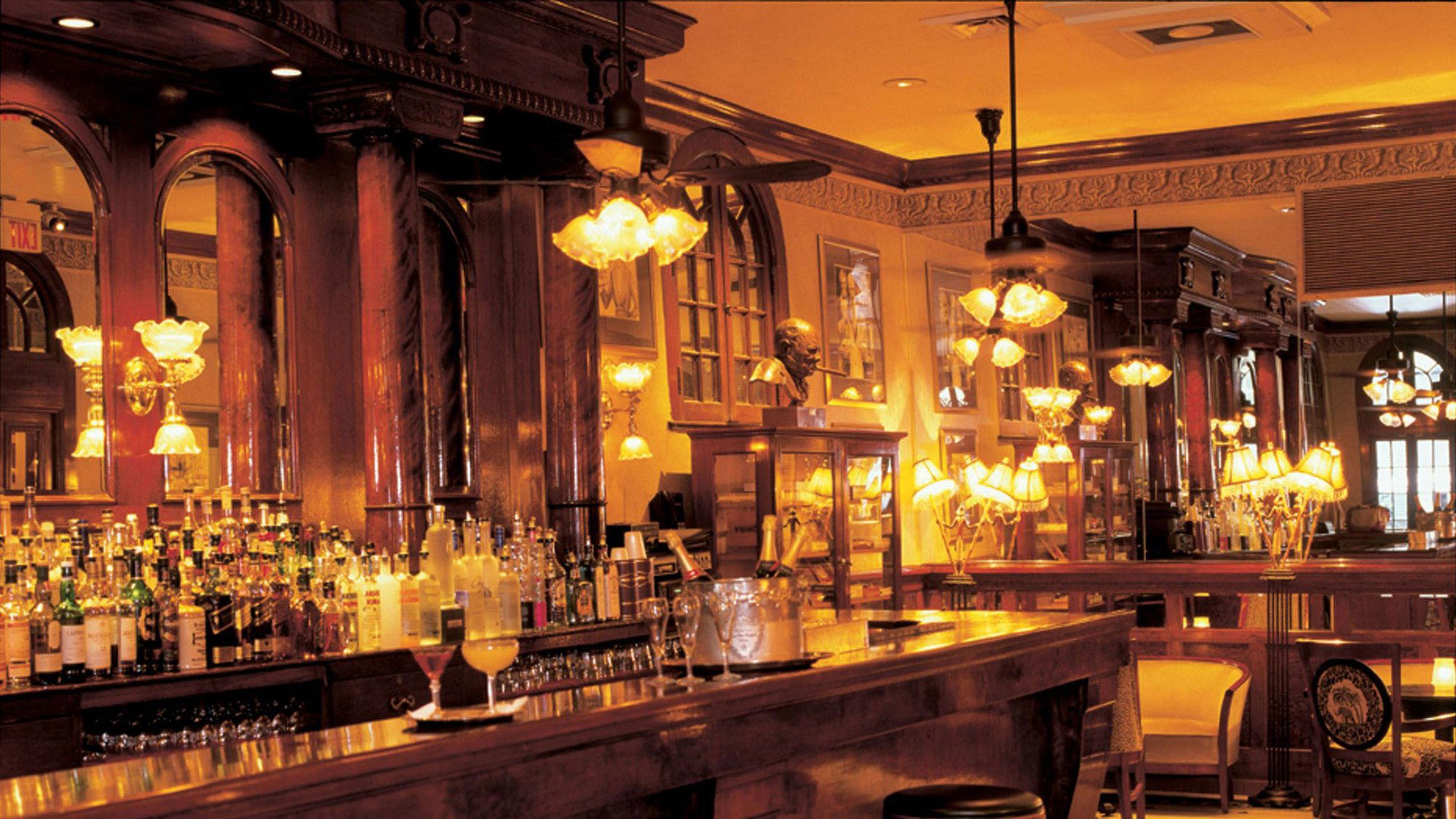
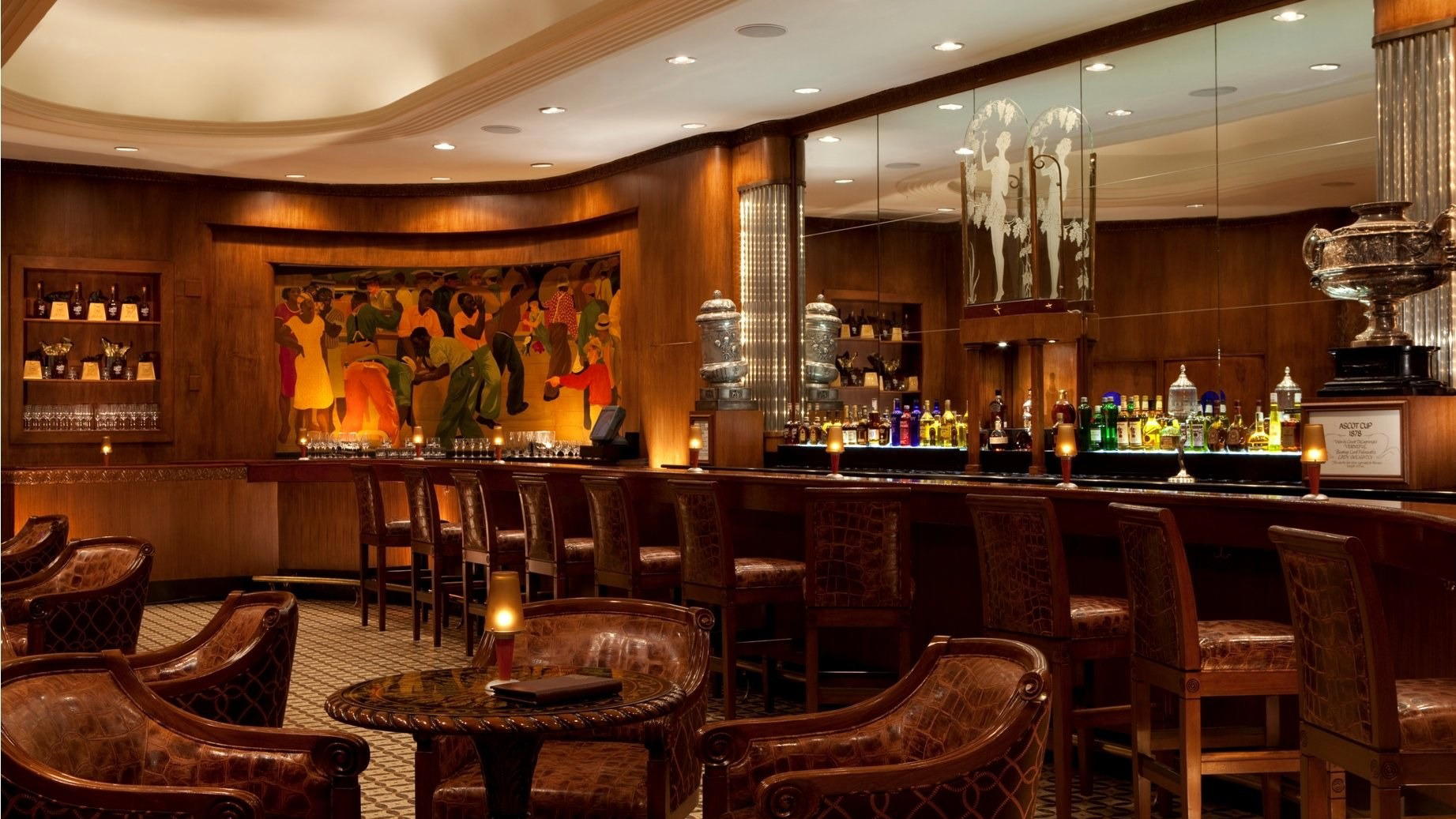
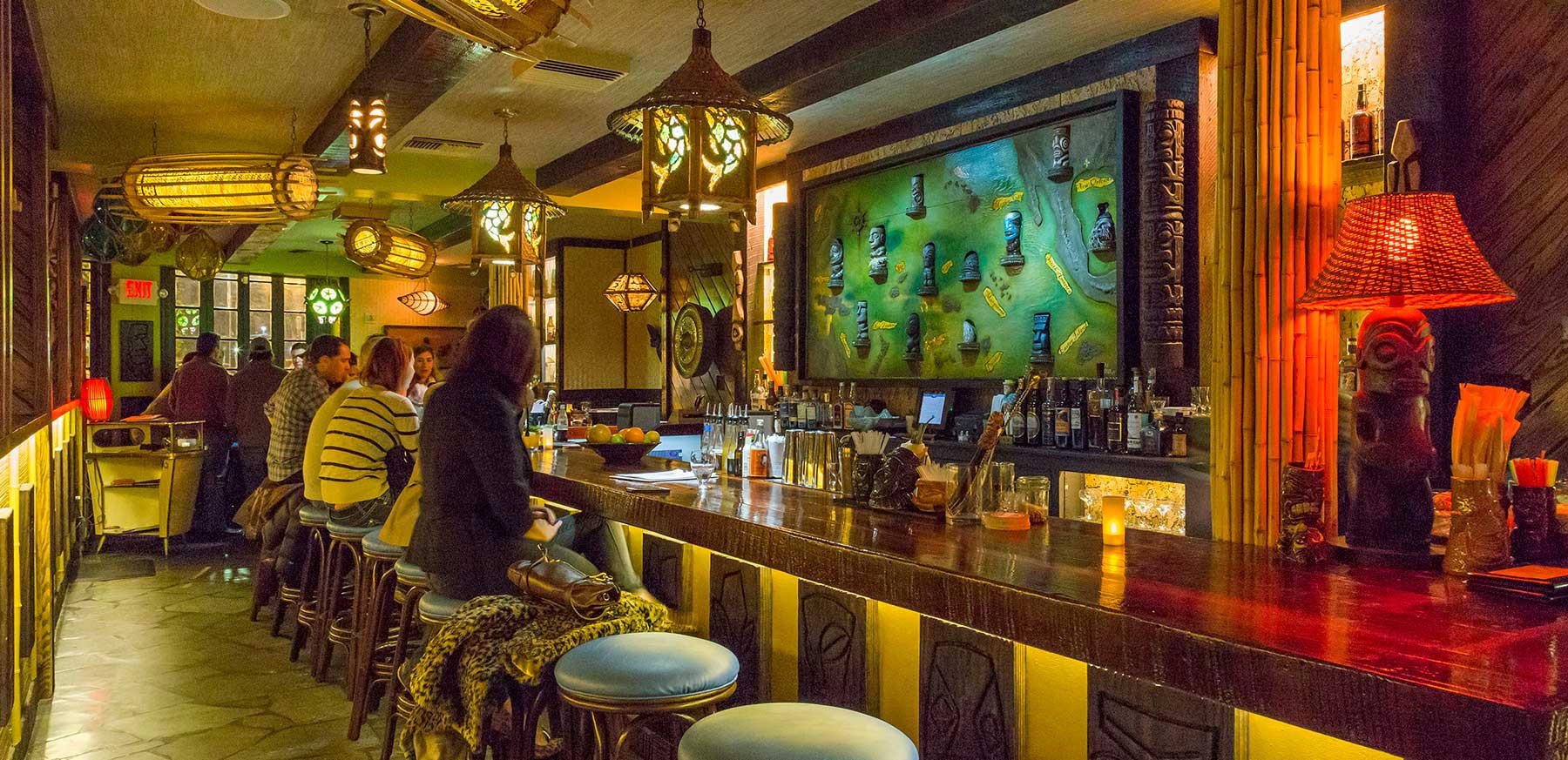
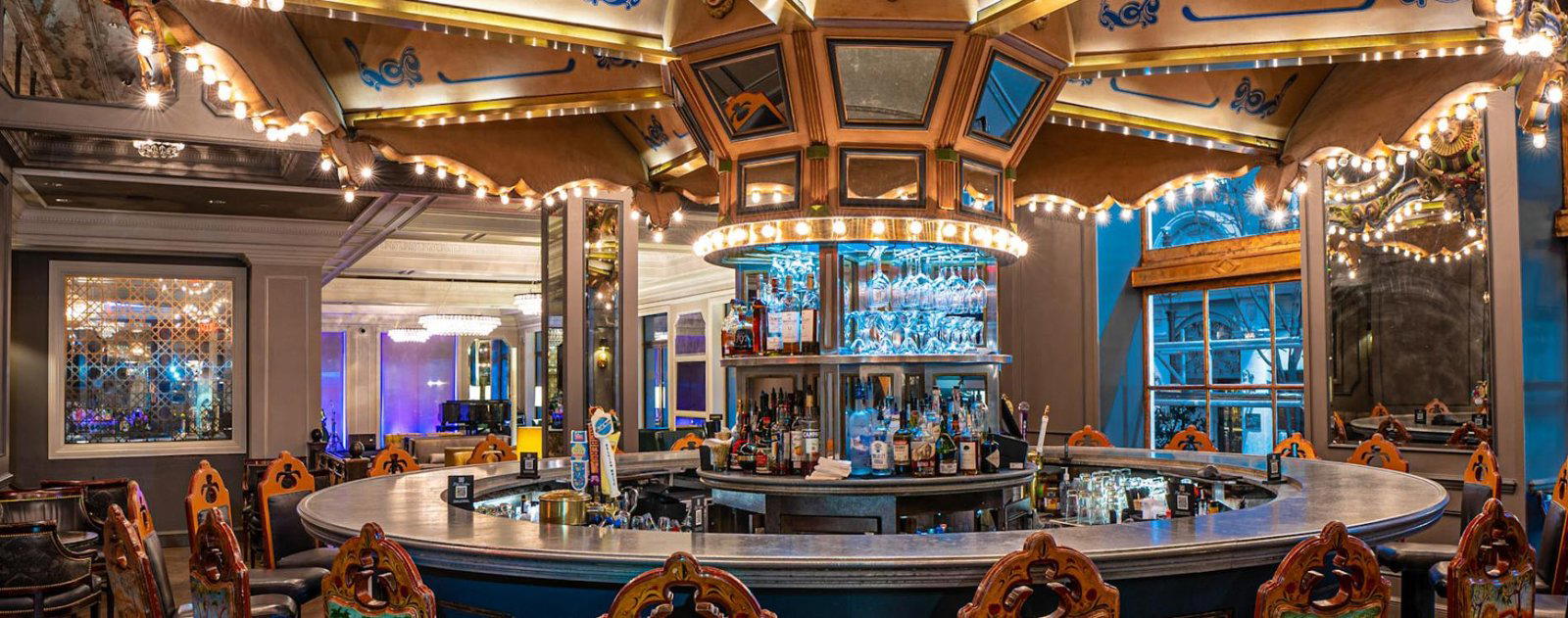
Bars in New Orleans
Browse all →
At a Glance
- Minimalist
- Trendy
- Casual Hangout
- Zero Proof
- Local Sourcing
Current opening hours
- Monday
- 5–10 PM
- Tuesday
- 5–10 PM
- Wednesday
- 5–10 PM
- Thursday
- 5–10 PM
- Friday
- 4–11 PM
- Saturday
- 4–11 PM
- Sunday
- 5–10 PM
Hours can change for holidays and private events. Last verified .
Minimalistic interior with a casual, welcoming atmosphere focused on quick, healthy dining.