
Notos brings contemporary Greek cooking to the Ixelles-adjacent streets of Brussels, grounding its menu in the childhood food memories of owner Constantin Erinkoglous. Vegetables anchor most plates, Greek wines feature on a thoughtfully assembled list, and the restaurant runs regular themed dinners and cooking workshops alongside standard service. It occupies a specific niche in the Belgian capital's dining scene: Mediterranean in origin, personal in execution.
Pearl is the En Primeur Club membership app — saves, bookings, and concierge access live there. Same editors, same standards.
- Address
- Rue de Livourne 154, 1000 Bruxelles, Belgium
- Phone
- +32 2 524 03 30
- Website
- notos.be
- Directions
- Get directions
 Saves & bookings on Pearl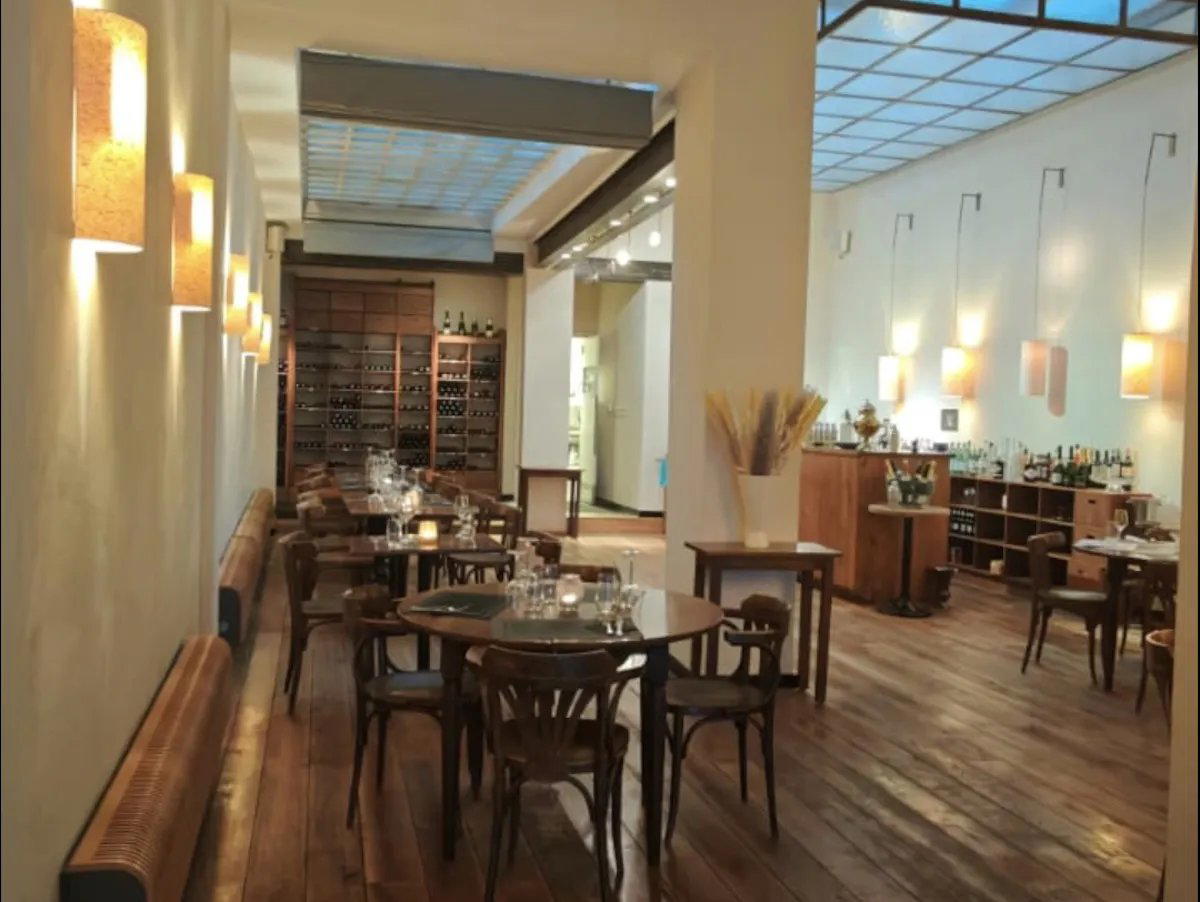
A Different Mediterranean Current in Brussels
Brussels has long processed southern European cooking through a Franco-Belgian filter, producing versions of Mediterranean cuisine that sit comfortably within the city's classical dining tradition. Greek food, specifically, has rarely been given serious restaurant treatment in the capital — the category tends to occupy the casual end of the spectrum, where lamb souvlaki and shared mezze define the offer. Notos, on Rue de Livourne in the southern arc of the city, operates from a different premise. The cooking here is rooted in Greek culinary tradition but shaped by contemporary technique and a considered point of view about what vegetables can do on a plate.
The address sits within a residential stretch that rewards the walk. The neighbourhood has the unhurried quality of a part of Brussels that doesn't trade on foot traffic, which sets the tone before you reach the door. Dining rooms in this part of the city tend to feel purposeful rather than casual — guests arrive with intention, not impulse. That context matters at Notos, where the format rewards attention.
Where the Food Comes From, and Why That Shapes the Menu
Greek cooking at its source is one of the most vegetable-forward traditions in Mediterranean Europe. The mezze table, the horta (wild greens), the legume stews of winter, these are not concessions to modern dietary preference but structural elements of a centuries-old agricultural diet. Notos draws directly on that inheritance. Vegetables are not a supporting act here; they appear across the menu in configurations that reflect both the Greek pantry and a contemporary sensibility about texture and layering.
The sourcing logic behind this approach matters in Brussels as much as anywhere. Belgium's proximity to the market gardens of the Flemish interior and the produce networks running through the city's wholesale infrastructure means that a kitchen committed to vegetables has real material to work with across seasons. Spring delivers asparagus and young alliums; summer brings the nightshades and herbs that Greek cooking has always relied on; autumn and winter turn the menu toward roasted roots, dried pulses, and preserved formats, all consistent with the regional Greek traditions the kitchen draws from.
This is the thread that connects Notos to a broader shift visible across European cities: the rehabilitation of Greek cuisine as a serious culinary tradition rather than a tourist-facing simplification. Athens' dining scene has driven much of this reframing internationally, but the conversation is now arriving in northern European capitals. In Brussels, where the premium dining scene has historically been defined by Belgian-French formalism, see the enduring reputation of Comme chez Soi and the Michelin-facing ambition of houses like Bozar Restaurant in Brussels, a Greek kitchen working at this register occupies a distinct position.
The Format: Themed Evenings, Wine, and Hands-On Sessions
Beyond the core dinner service, Notos runs a programme of themed dinners, Greek wine tastings, and cooking workshops focused on techniques including the preparation of Greek puff pastry. This format, venue as culinary education platform alongside restaurant, has become more common in European cities over the past decade, particularly among restaurants with a strong regional identity to communicate. It allows a kitchen to go deeper into sourcing and tradition than a single tasting menu permits.
The Greek wine component deserves specific attention. Greece's wine production has undergone significant critical reappraisal since the early 2000s, with indigenous varieties like Assyrtiko from Santorini, Xinomavro from Naoussa, and Agiorgitiko from Nemea now appearing on serious wine lists across Europe. A restaurant in Brussels that organises formal tastings around these wines is making an editorial statement about the category, and giving guests a point of access that most restaurant wine lists don't provide. For context on how seriously wine programming can be integrated into a dining experience, the Belgian fine dining circuit, from Boury in Roeselare to Zilte in Antwerp, sets a high bar. Notos approaches its Greek wine offer with comparable seriousness, if from a very different regional angle.
Memory as Source Material
The menu's reference point is the food memory of owner Constantin Erinkoglous. This is worth framing carefully: in a city where the premium dining circuit tends to foreground technique and credential, the lineage of training, the count of Michelin stars, a kitchen organised around personal memory is a different kind of authority claim. It positions the food within lived experience rather than culinary hierarchy, which tends to produce a specific register: familiar in flavour logic, unexpected in form.
Cooking at Notos has been described as contemporary reinterpretation of traditional Greek dishes, with an emphasis on flavour contrast, textural variety, and the kind of vegetable-forward abundance that characterises Greek home cooking at its most generous. That framing places it closer to the creative European independents, restaurants like Castor in Beveren or Cuchara in Lommel, than to the classical Greek taverna model.
Planning Your Visit
Notos is located at Rue de Livourne 154, in a part of Brussels that sits south of the city centre and east of the Ixelles commune. The workshop and themed dinner programme makes advance planning worthwhile: these events tend to have limited capacity and are likely to require booking well ahead. Standard dinner reservations should also be made in advance given the restaurant's specific niche and the relatively small scale typical of restaurants running this kind of programming. No pricing or hours data is available in current records, so checking directly with the restaurant before visiting is advisable.
For a wider picture of where Notos fits within Brussels' restaurant scene, our full Bruxelles restaurants guide maps the capital's dining offer from classical Belgian houses to the growing number of kitchens working with non-European traditions. Additional planning resources include our full Bruxelles hotels guide, our full Bruxelles bars guide, our full Bruxelles wineries guide, and our full Bruxelles experiences guide. For comparison with what serious Greek-influenced or vegetable-forward cooking looks like at the highest level of European fine dining, Le Bernardin in New York City and Hof van Cleve in Kruishoutem offer useful reference points for what sustained culinary commitment produces over time. Regional Belgian kitchens including Willem Hiele in Oudenburg, Bartholomeus in Heist, De Jonkman in Sint-Kruis, L'Eau Vive in Arbre, d'Eugénie à Emilie in Baudour, and Emeril's in New Orleans complete the broader picture of what committed independent restaurants can build around a specific culinary identity.
How Notos Bruxelles compares with similar nearby venues.
| Venue | Cuisine | Price | Awards |
|---|---|---|---|
| Notos | Not listed | Not listed | We're Smart World 2025, 2 Radishes |
| Odette en Ville | Modern French | €€€ | Not listed |
Recognition history
Dated appearances from independent guides and award organizations, with the underlying list record or original source where available.
We're Smart World 2 Radishes
We're Smart World
Continue exploring
More in Brussels
Restaurants in Brussels
Browse all →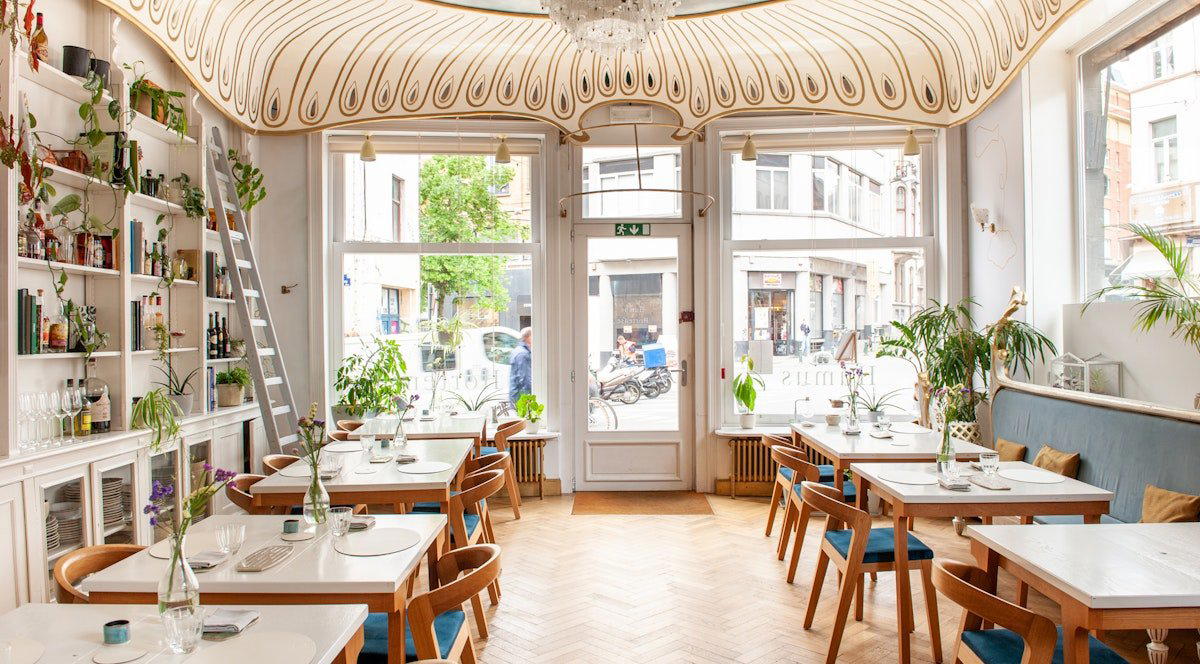
Bars in Brussels
Browse all →
Hotels in Brussels
Browse all →
Wineries in Brussels
Browse all →
At a Glance
- Elegant
- Sophisticated
- Modern
- Intimate
- Date Night
- Business Dinner
- Celebration
- Special Occasion
- Private Dining
- Standalone
- Design Destination
- Extensive Wine List
- Organic
- Local Sourcing
Current opening hours
- Monday
- 12 PM–1 AM
- Tuesday
- 12 PM–1 AM
- Wednesday
- 12 PM–1 AM
- Thursday
- 12 PM–1 AM
- Friday
- 12 PM–1 AM
- Saturday
- 12 PM–1 AM
- Sunday
- 12 PM–1 AM
Hours can change for holidays and private events. Last verified .
Elegant, light and airy contemporary interior with warm, bright, sophisticated design; modern and plain but cosy setting with lounges resembling a boudoir or private dining room.
Know Before You Go
- Getting there
- Rue de Livourne 154, 1000 Bruxelles, Belgium