The Produce-First Kitchen and What It Signals
The American farm-to-table movement has matured considerably since its early-2000s emergence, when the phrase itself carried more novelty than discipline. Today, the operations that carry it credibly are those whose menus shift noticeably by season, whose vegetable sides are not afterthoughts, and whose sourcing decisions are legible to a reasonably informed diner. Westville's model falls within that frame. The kitchen is known for its rotating market vegetables, presented as sides that diners often construct into a full meal, a format that mirrors the approach taken at more formally acclaimed ingredient-driven restaurants like Blue Hill at Stone Barns in Tarrytown, though operating at a very different price point and formality level.
What makes sourcing-first kitchens editorially interesting is the discipline they require from operators. A produce calendar forces the kitchen to hold positions on quality over convenience. When a specific squash or green is no longer in peak condition, it comes off. That kind of rotation, applied consistently across a casual format, is harder to sustain than it appears. Restaurants at the fine dining level, places like Single Thread Farm in Healdsburg or The French Laundry in Napa, build entire menu architectures around seasonal procurement. Westville imports that logic into a neighbourhood-casual register, which is a different kind of ambition.
Brooklyn has been a particularly active environment for this kind of cooking. The borough's dining identity shifted meaningfully between 2010 and 2020, moving from destination-worthy novelty into a settled, neighbourhood-anchored scene. Dumbo specifically attracts a professional and tourist-adjacent crowd that expects food with provenance, not just price. A restaurant in this zip code that does not communicate something about where its ingredients come from is increasingly out of step with local expectations.
Dumbo's Dining Position Within Brooklyn's Broader Map
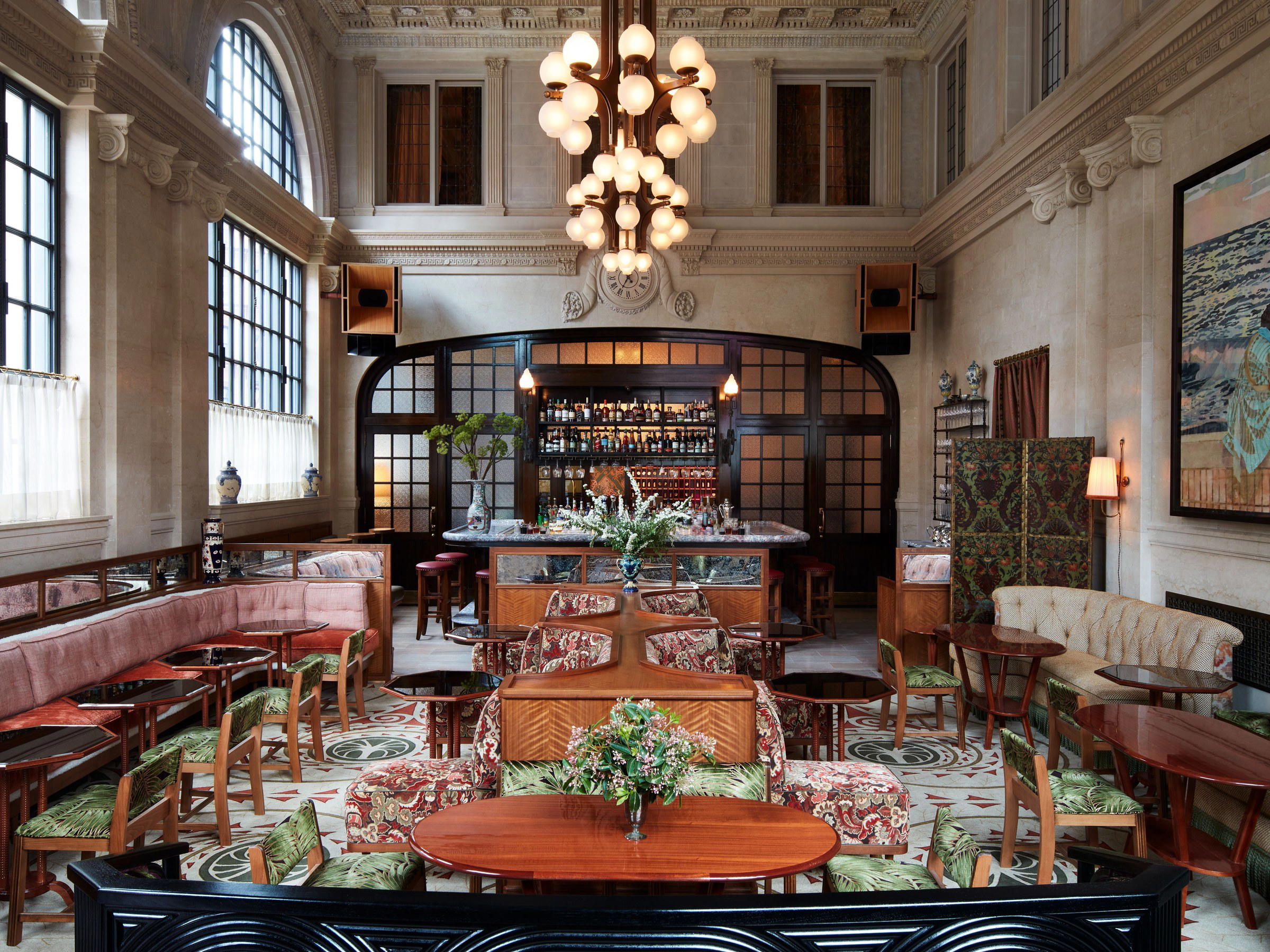
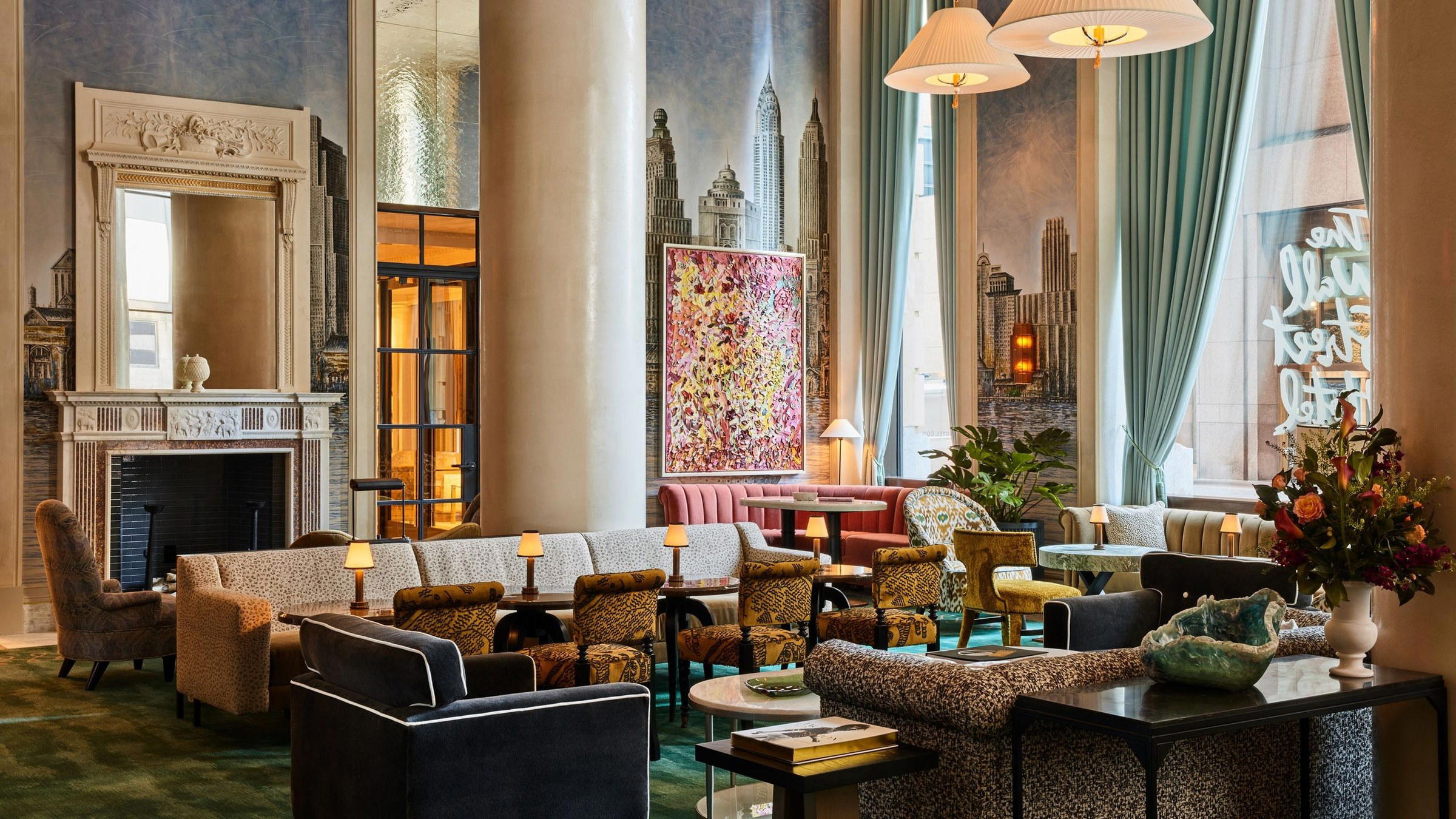
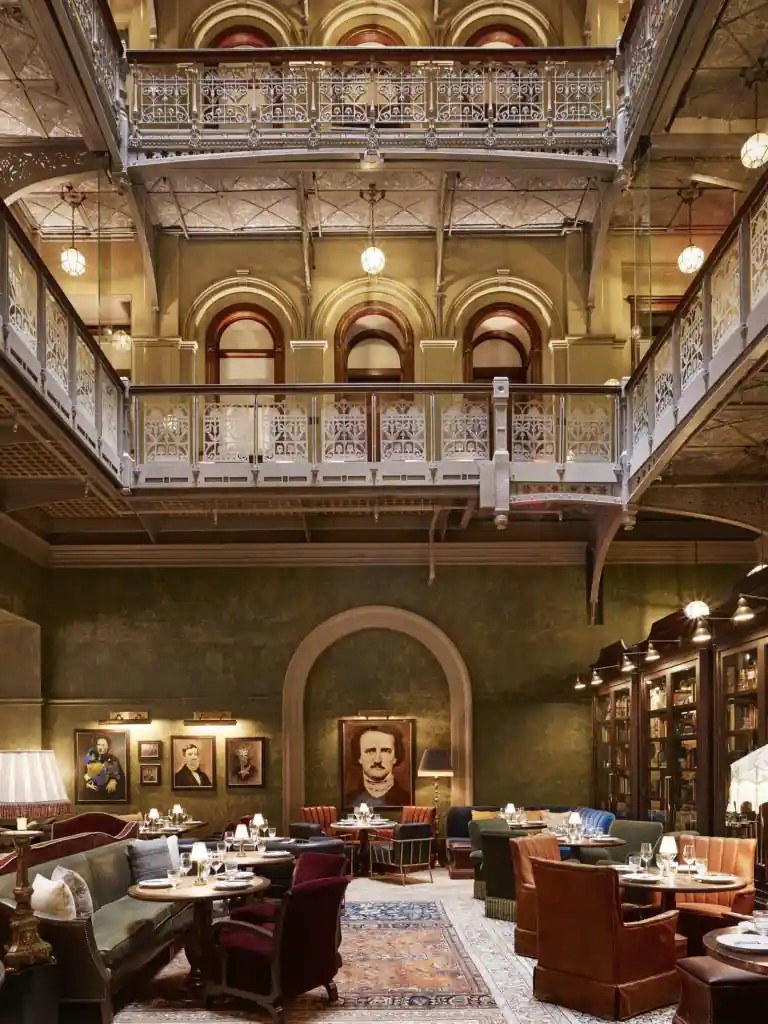
Dumbo occupies a specific niche in the Brooklyn dining geography. It is not the late-night creative cooking of Bushwick, nor the settled neighbourhood authority of Park Slope, nor the destination-restaurant density of Williamsburg. It is a neighbourhood that runs on a mix of tech-sector lunch traffic, weekend tourists drawn to the bridge views, and a resident base with disposable income and a preference for quality without ceremony. Restaurants here tend to do well with formats that are accessible at lunch and considered at dinner, where the physical space does some of the environmental work that elaborate tasting menus do elsewhere.
For readers calibrating where Westville Dumbo sits relative to New York's broader dining spectrum, the comparison is not with Atomix or Jungsik New York. Those are multi-course progressive kitchens operating in a different competitive tier entirely. Westville is closer in spirit to the neighbourhood-anchor model that cities like San Francisco and New Orleans do well: a place with a point of view about sourcing that shows up consistently across a broad, accessible menu. Emeril's in New Orleans built its early reputation on a similar principle of regional sourcing within a broader American frame, though at a different scale and formality. Bacchanalia in Atlanta holds a comparable position in the South. For our full context on where Westville Dumbo fits within the city's dining ecosystem, see our full New York City restaurants guide.
Format and Atmosphere on Washington Street
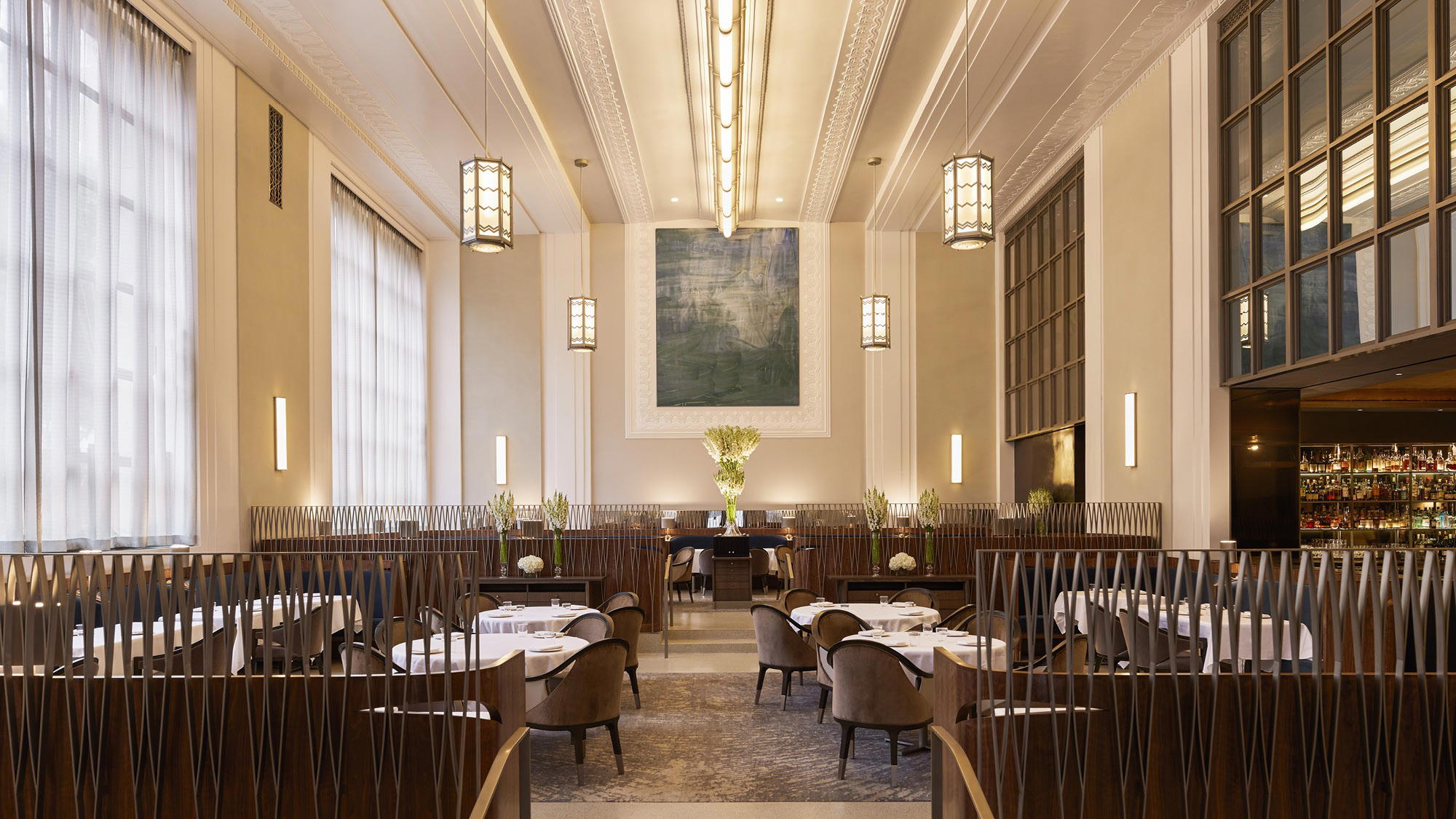
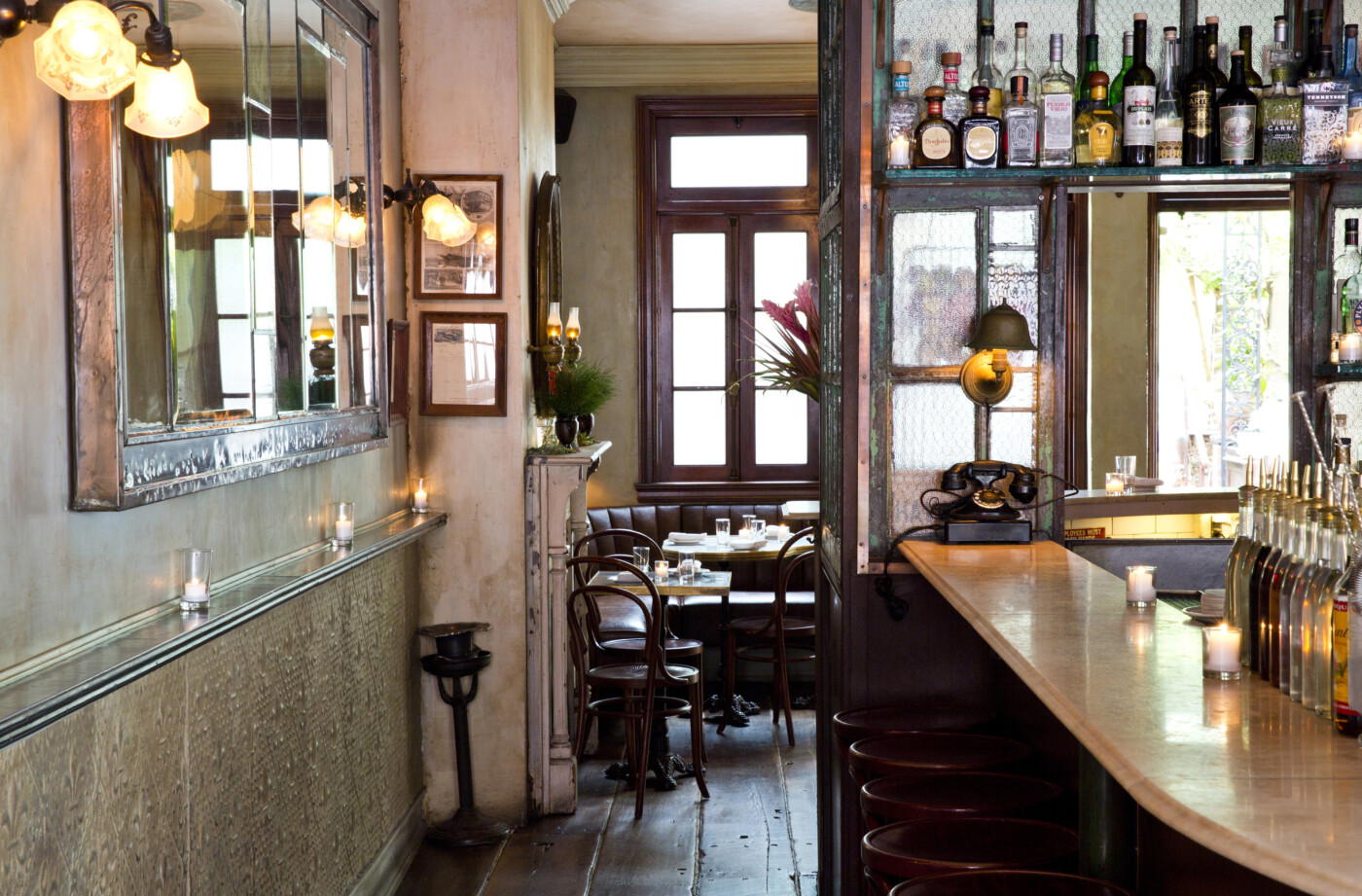
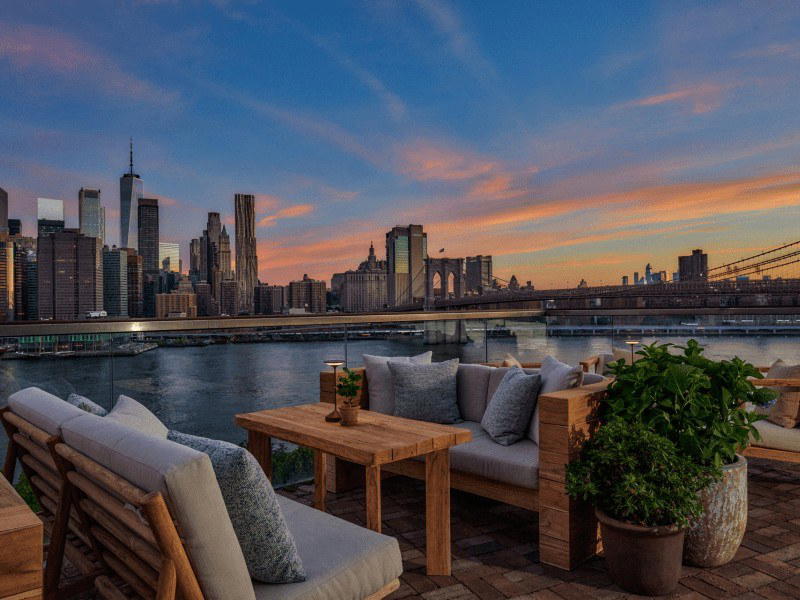
The physical environment in Dumbo does considerable work for restaurants that occupy it well. The neighbourhood's cobblestone streets, converted warehouse buildings, and bridge-framed sightlines create an atmosphere that feels distinct from Manhattan without requiring interior design to manufacture a mood. A well-run casual kitchen in this setting benefits from the neighbourhood's existing texture in a way that comparable formats in less characterful blocks cannot. Westville's Washington Street address places it inside that ambient advantage.
The format, vegetable sides as a central offering rather than supporting cast, works well for the Dumbo demographic. Groups that include non-meat eaters, families navigating different dietary needs, and solo diners building a plate from market components all find the format workable. This is not incidental. Restaurants that succeed across those use cases in a single sitting are solving a logistical problem that many kitchens at higher price points sidestep by controlling the format entirely, as tasting-menu-only rooms like Alinea in Chicago or Lazy Bear in San Francisco do. Westville operates without that structural control and still delivers a coherent offer.
Know Before You Go
How does Westville Dumbo handle allergies?
Given the vegetable-forward format, the kitchen already operates with a wider range of plant-based options than many comparable casual restaurants in New York. For venues with documented dietary protocols in New York, our New York City guide notes which kitchens publish explicit allergy policies.
Is Westville Dumbo a good option for a weekday lunch in Brooklyn?
The Dumbo location sits within walking distance of several major Brooklyn tech and creative offices, which makes it a natural weekday lunch draw for the neighbourhood's working population. The casual format, composed plates, and produce-led menu work well for a lunch that is considered but not slow-paced. For visitors to Brooklyn arriving via the A/C at High Street or the F at York Street, the Washington Street address is a short walk from both stops, making it a practical midday option when touring the neighbourhood or the Brooklyn Bridge Park area nearby.
For broader context on what New York's dining scene offers across price tiers and formats, including fine dining rooms like The Inn at Little Washington and European reference points like Alain Ducasse at Louis XV in Monte Carlo or 8½ Otto e Mezzo Bombana in Hong Kong, see our full editorial coverage at EP Club New York City.