Little Havana
On Collins Avenue in Miami Beach's South of Fifth corridor, Little Havana sits at the intersection of Cuban cultural identity and a broader Miami dining scene that increasingly prizes authenticity over spectacle. The address at 1051 Collins Ave places it within walking distance of the Art Deco district, making it a natural stop for visitors who want substance alongside scenery.
Pearl is the En Primeur Club membership app — saves, bookings, and concierge access live there. Same editors, same standards.
- Address
- 1051 Collins Ave, Miami Beach, FL 33139
- Phone
- +17869072644
- Website
- littlehavanamiamibeach.com
- Directions
- Get directions
 Saves & bookings on Pearl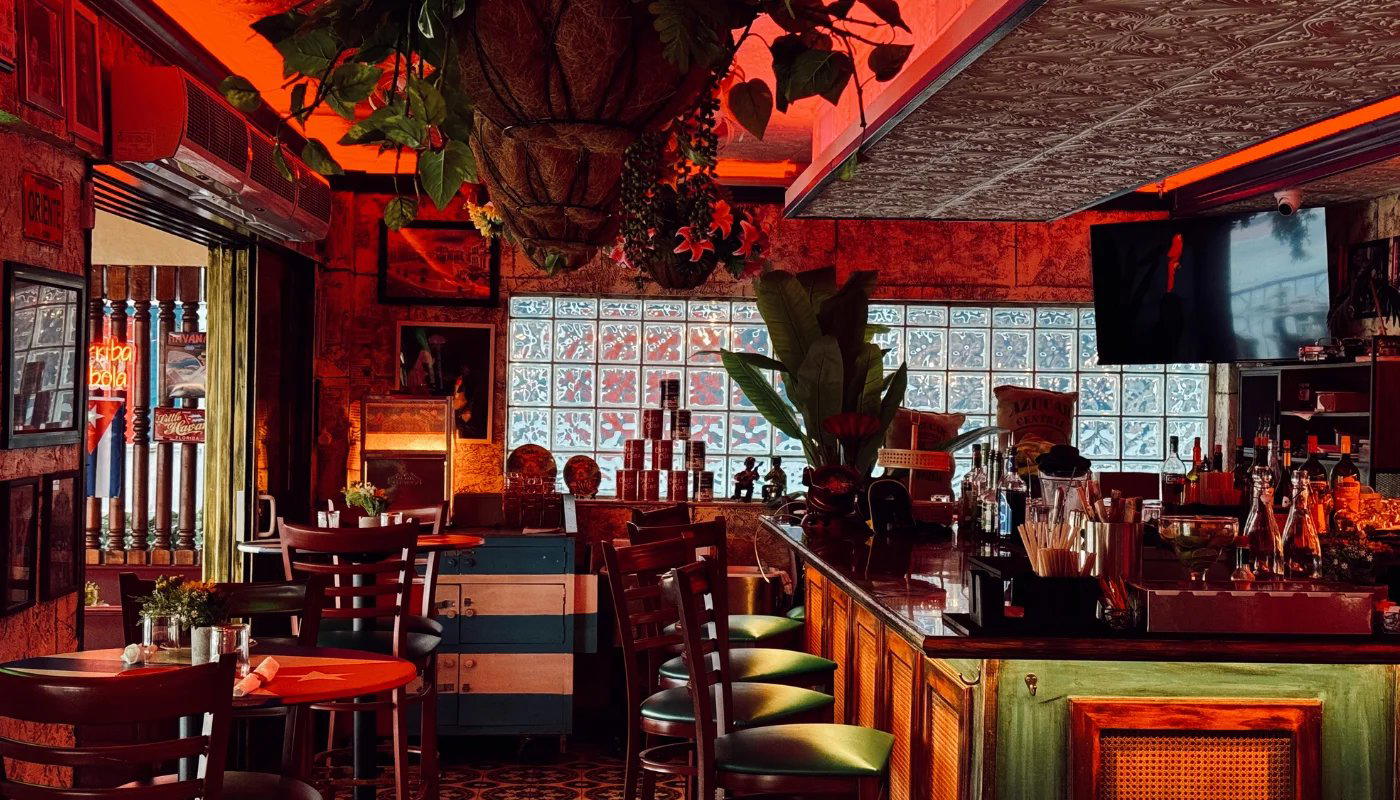
Collins Avenue and the Cuban Dining Tradition in Miami Beach
Miami Beach's restaurant scene has long operated in two registers: the high-gloss Ocean Drive circuit, built for visibility and volume, and a quieter tier of neighbourhood-rooted venues that hold their ground through consistency rather than spectacle. Little Havana, at 1051 Collins Ave, occupies a stretch of South Beach where those two registers occasionally converge. Collins Avenue at this latitude sits close enough to the Art Deco Historic District to draw foot traffic from visitors, yet far enough from the main tourist drag that the clientele tends to skew toward residents and return visitors rather than first-timers looking for a photo opportunity.
Cuban cuisine in Miami carries particular weight. The city's Cuban-American community represents one of the largest and most culturally cohesive in the United States, and that presence has shaped restaurant expectations in ways that parallel how Cantonese communities in Hong Kong or Vietnamese communities in Ho Chi Minh City have made authenticity a baseline rather than a selling point. Venues that serve Cuban food in Miami are measured against a memory, a grandmother's kitchen or a neighbourhood spot in Little Havana proper, the district in Miami that gives this Collins Avenue address its name. That comparison matters: proximity to a diaspora with deep culinary literacy is both an asset and a form of scrutiny.
Sustainability and Sourcing in Miami's Tropical Context
The broader American dining conversation around ethical sourcing and reduced waste has arrived unevenly in Florida. Coastal cities face particular pressures: seafood supply chains are frequently opaque, tropical climates create spoilage challenges that temperate markets don't face at the same scale, and the sheer volume of tourism-driven hospitality makes systemic sourcing discipline harder to maintain. Restaurants in Miami Beach that commit to regional ingredient relationships are working against structural headwinds rather than with them.
Cuban culinary tradition, however, contains its own version of environmental consciousness, one that predates the current sustainability discourse by generations. The Cuban kitchen historically built around what was available, not what was aspirational. Root vegetables, citrus, plantains, and pork were central because they were abundant and durable, not because they were on trend. Slow-cooked dishes like ropa vieja or black bean stews functioned as whole-animal and whole-vegetable approaches before those phrases entered the vocabulary of fine dining. Venues that draw honestly from that tradition are, in effect, operating within a framework that aligns with modern sustainability thinking without requiring the vocabulary of a farm-to-table press release.
For context on how seriously the American fine dining sector has engaged with these questions, properties like Blue Hill at Stone Barns in Tarrytown and Single Thread Farm in Healdsburg have built their entire competitive positioning around integrated sourcing and agricultural relationships. At the other end of the spectrum, urban restaurants in dense markets operate differently, relying on distributor relationships and market proximity rather than owned land. Little Havana's Collins Avenue location places it firmly in the urban category, where the ethical sourcing story, if there is one, lives in supplier relationships and menu discipline rather than on-site farming.
Miami Beach's dining options across the South of Fifth and Collins Avenue corridor have diversified considerably. A Fish Called Avalon brings a seafood-forward approach tied to the Avalon Hotel's Art Deco setting. a'Riva represents the Italian end of the spectrum. Alma Cubana is the most direct comparative: another Miami Beach venue working within Cuban culinary reference points, and the overlap in positioning makes the contrast instructive. Where Alma Cubana leans into a particular interpretation of the Cuban tradition, Little Havana's name stakes a broader claim, invoking the cultural district itself as a frame of reference.
The name carries implicit editorial weight. Little Havana, the Miami neighbourhood, is one of the most culturally documented Cuban-American communities in the Western Hemisphere. Using that name for a Collins Avenue restaurant sets a standard of expectation that the address alone cannot satisfy. It signals an intent to represent something beyond a single dish or format, and it invites the kind of comparison that a more neutral name would deflect. Whether the kitchen honours that signal is the central question for any visitor approaching the address for the first time.
For those exploring the broader Miami Beach dining map, Amalia and the all-day format of 11th Street Diner sit nearby in the neighbourhood's dining ecosystem. The full picture of what Collins Avenue and its surrounding blocks offer is mapped in our full Miami Beach restaurants guide.
American Fine Dining Comparisons and What They Tell You About This Category
Understanding where a venue like Little Havana fits requires situating it within the wider American dining spectrum. At the formal end, restaurants like Le Bernardin in New York City, Alinea in Chicago, and The French Laundry in Napa represent the apex of the category, built around extended tasting formats, sourcing transparency, and culinary credentials that are publicly verifiable. Providence in Los Angeles and Addison in San Diego anchor the West Coast equivalent. Emeril's in New Orleans and The Inn at Little Washington in Washington hold analogous positions in the South and Mid-Atlantic respectively.
Cuban-American cuisine occupies a different tier by design: the food is built around accessibility, generosity of portion, and flavour intensity rather than restraint and precision. That is not a limitation; it is a different set of values. Venues like Lazy Bear in San Francisco and Atomix in New York City have demonstrated that deeply cultural cuisine can reach the best of critical recognition when executed with rigour. The Cuban tradition in Miami has the cultural depth to support that kind of ambition; the question is always whether individual venues choose to reach for it.
Planning Your Visit
Little Havana is located at 1051 Collins Ave, Miami Beach, FL 33139, in the South Beach corridor. Collins Avenue is walkable from the main South Beach transit stops, and street parking along the avenue varies by time of day, with evening arrivals typically finding more competition for spots. Miami Beach's peak dining season runs from November through April, when seasonal visitors compress demand across the neighbourhood; mid-week visits during shoulder months offer a more measured experience of any venue on this stretch.
Continue exploring
More in Miami Beach
Restaurants in Miami Beach
Browse all →
Bars in Miami Beach
Browse all →
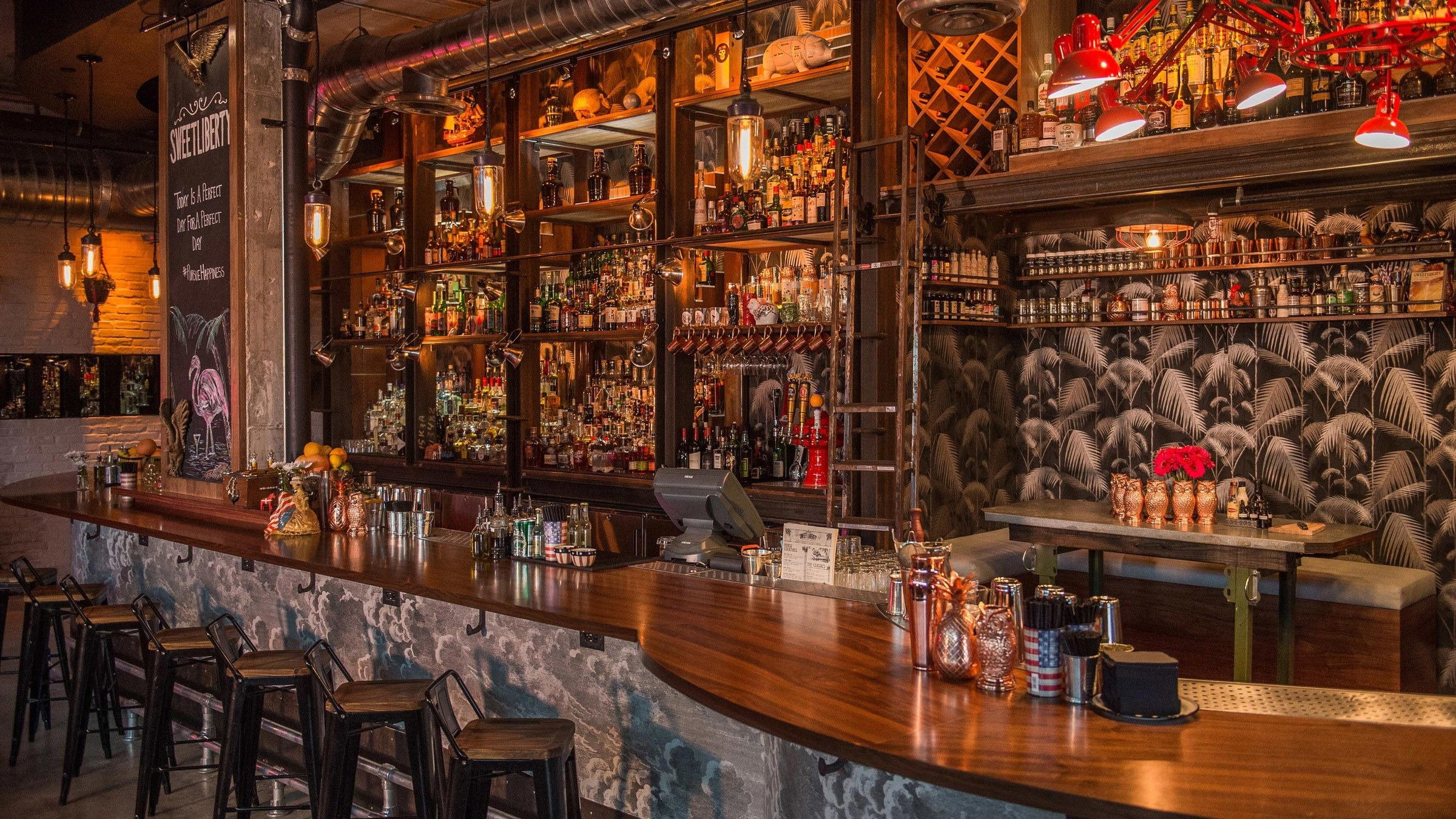
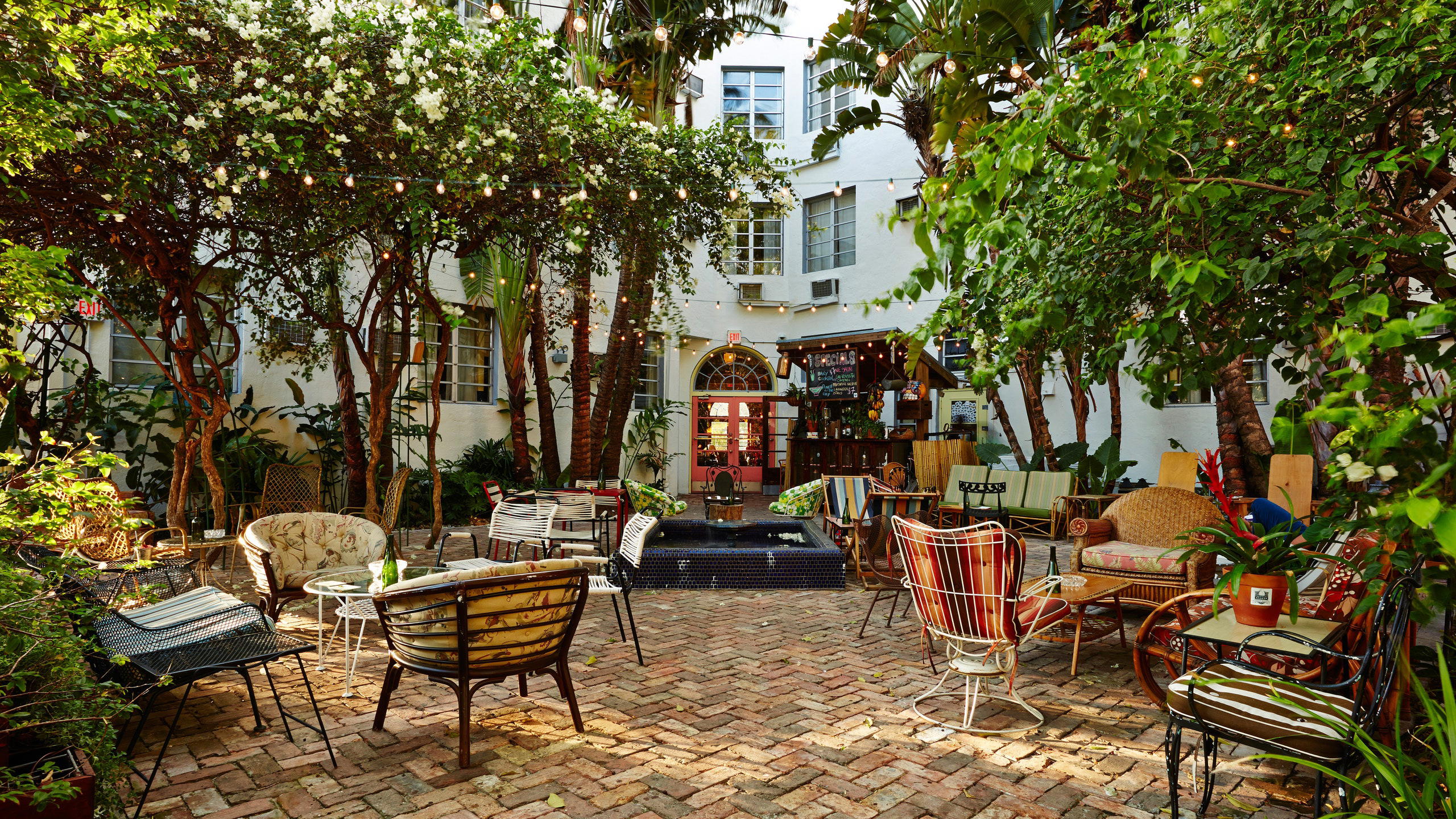
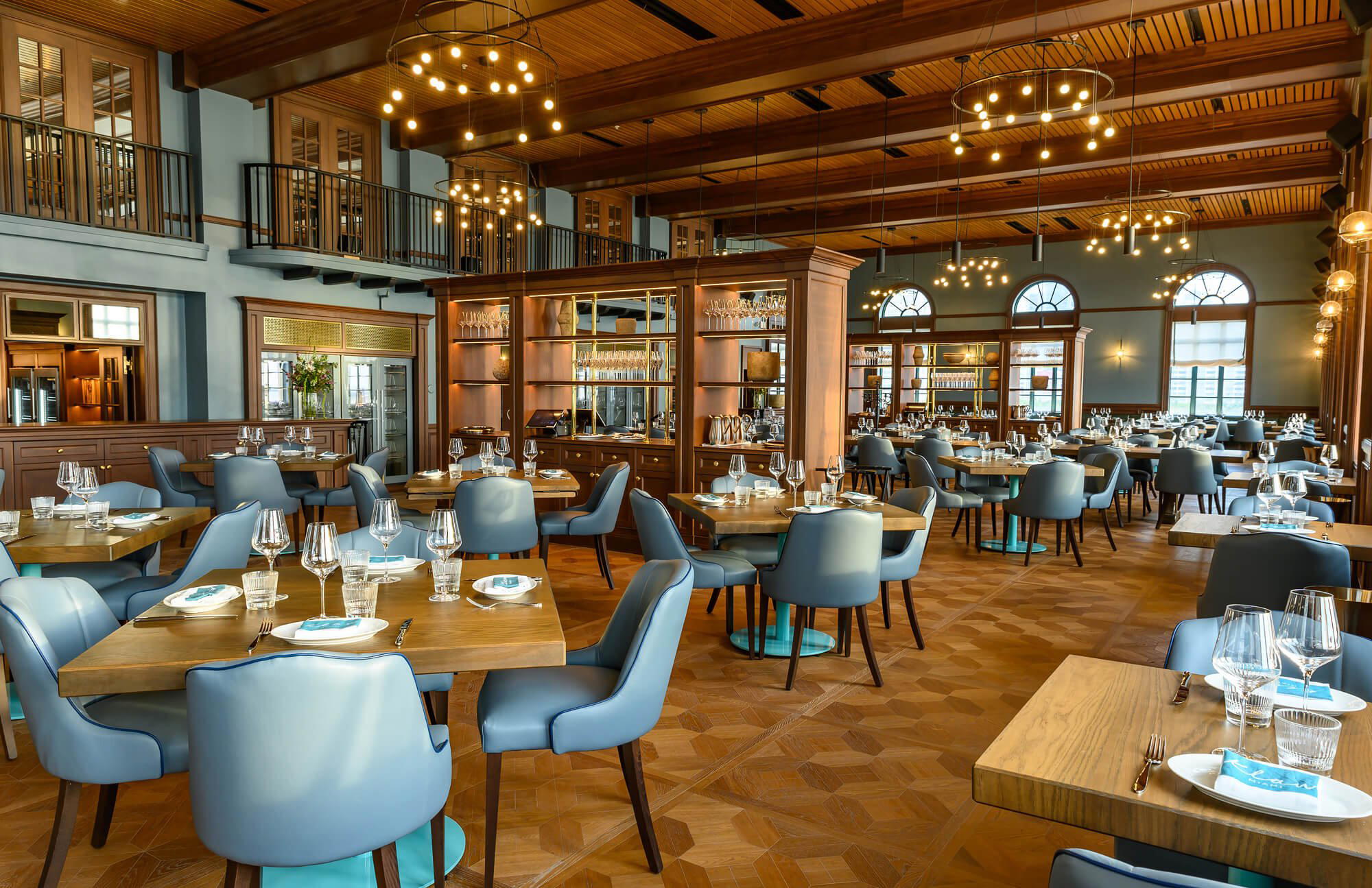
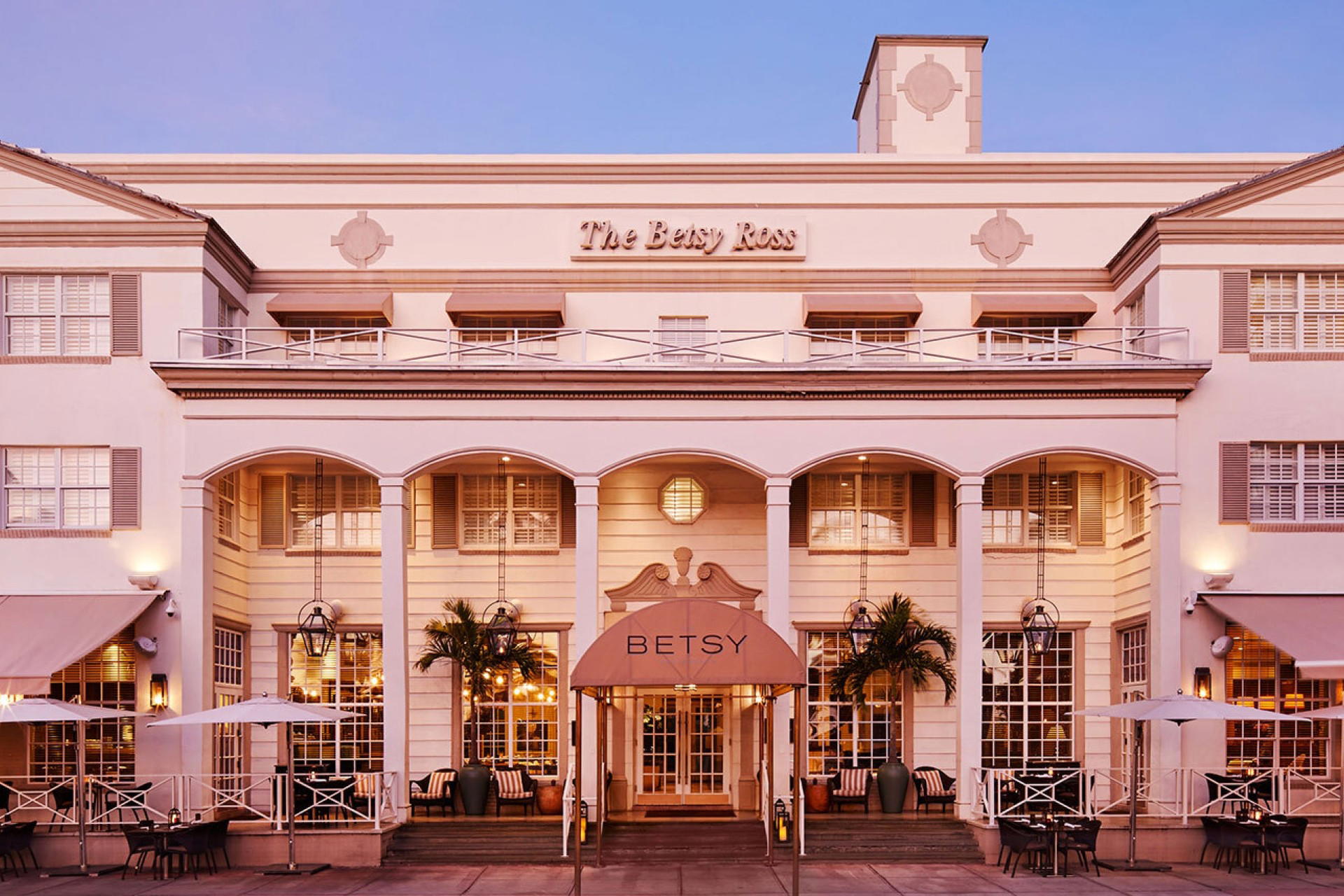
At a Glance
- Lively
- Energetic
- Casual Hangout
- Group Dining
- Live Music
- Craft Cocktails
Current opening hours
- Monday
- 11 AM–11 PM
- Tuesday
- 11 AM–11 PM
- Wednesday
- 11:30 AM–11 PM
- Thursday
- 11:30 AM–11 PM
- Friday
- 9 AM–12 AM
- Saturday
- 9 AM–12 AM
- Sunday
- 9 AM–11 PM
Hours can change for holidays and private events. Last verified .
Festive and lively atmosphere with opportunities for dancing and socializing amid warm Cuban hospitality.
Know Before You Go
- Getting there
- 1051 Collins Ave, Miami Beach, FL 33139