Andrés Carne de Res Miami
The Miami Beach outpost of Colombia's storied Andrés Carne de Res brings its carnival-inflected, meat-forward cooking to Lincoln Road, where the original Bogotá institution's reputation for theatrical abundance translates into a setting that runs loud, late, and unapologetically festive. The kitchen leans on South American sourcing traditions, and the result is a room that reads as distinctly foreign to Miami's usual Latin dining register.
Pearl is the En Primeur Club membership app — saves, bookings, and concierge access live there. Same editors, same standards.
- Address
- 455 Lincoln Rd, Miami Beach, FL 33139
- Phone
- +17868435910
- Website
- andresmiami.us
- Directions
- Get directions
 Saves & bookings on Pearl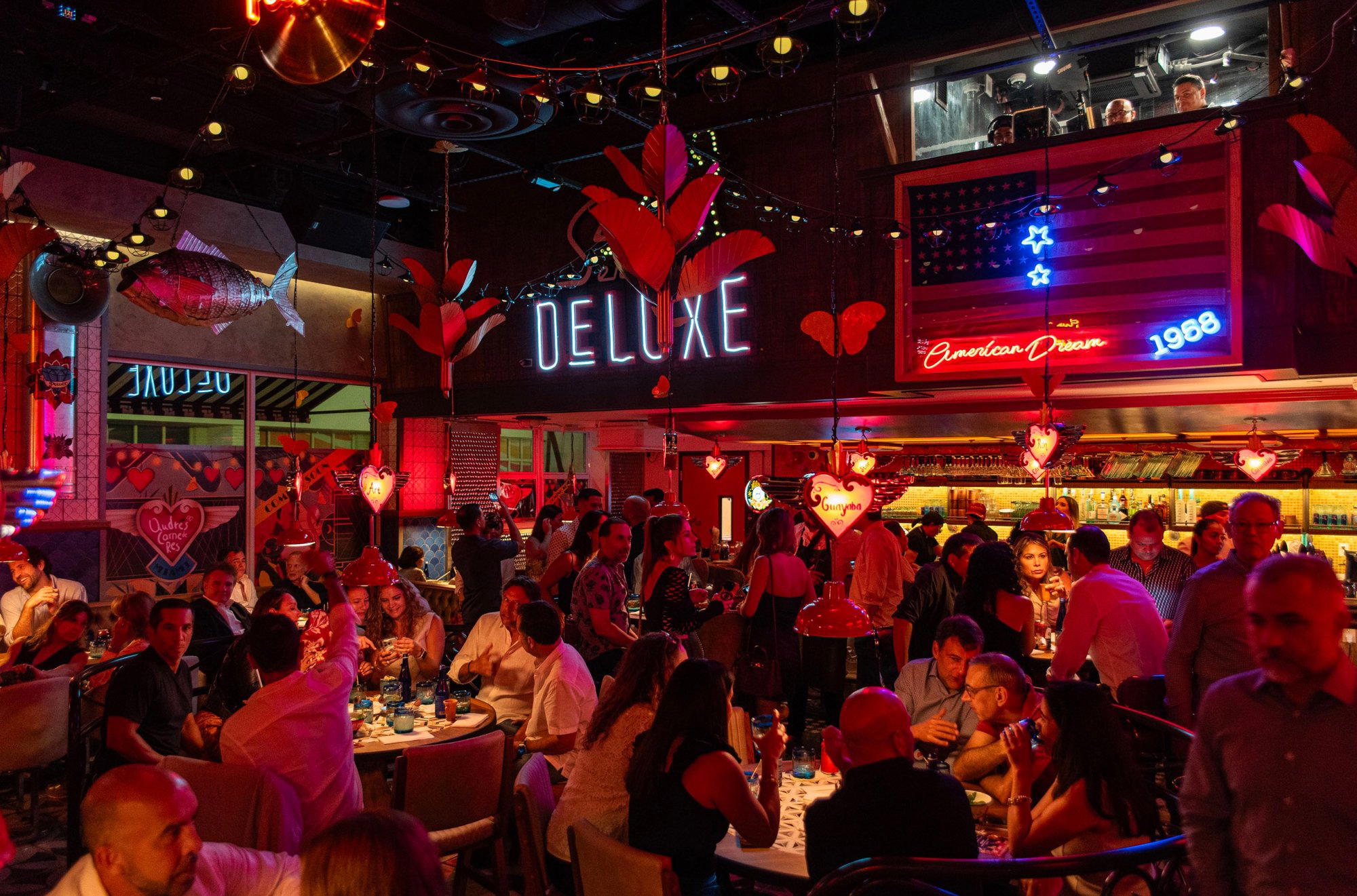
Where South American Abundance Lands on Lincoln Road
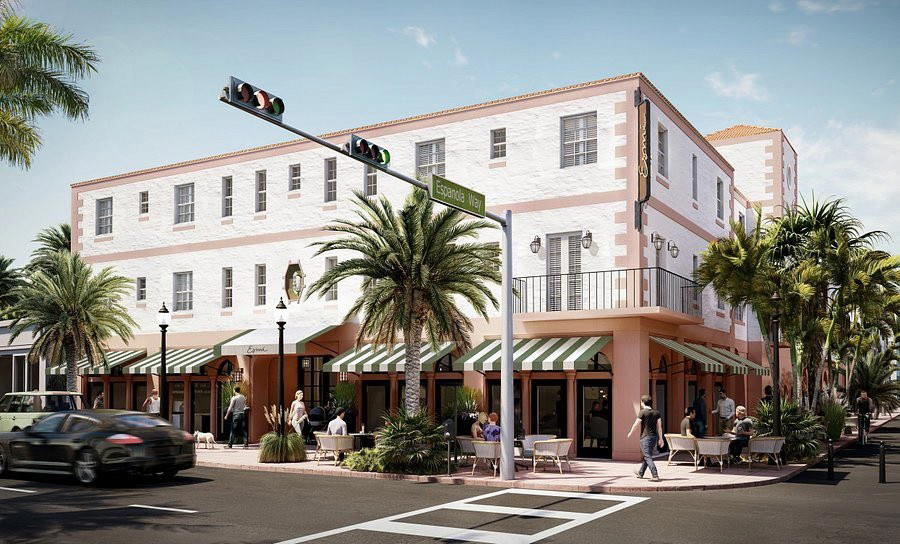
Lincoln Road in Miami Beach operates as a kind of open-air theatre: tourists circling, locals cutting through, restaurant terraces bleeding into the pedestrian mall. Into this already-charged environment, Andrés Carne de Res Miami inserts a dining sensibility that feels borrowed from a different continent entirely. The original Andrés Carne de Res, opened in Chia outside Bogotá, became one of Latin America's most discussed restaurant experiences because of deliberate excess: music that shifts registers mid-evening, décor that accumulates rather than edits, and a meat program that treats the cow as the central subject of the meal. The Miami address at 455 Lincoln Rd, Miami Beach, FL 33139 carries that DNA into a city already fluent in Latin hospitality but less accustomed to the specific Colombian register it represents.
The Sourcing Logic Behind the Meat
The Colombian steakhouse tradition differs from the Argentine parrilla model in ways that matter to anyone paying attention. Where Argentine grilling culture prioritizes grass-fed Pampas beef and a relatively austere approach to seasoning, Colombian beef culture has historically centered on breeds like the Blanco Orejinegro and Normande crosses adapted to Andean conditions, with marinades and preparation styles that reflect a different agricultural history. At the original Chia location, the sourcing of beef has been central to the restaurant's identity since its founding decades. The Miami kitchen operates within that same framework, where the provenance and preparation of the meat is central to what the restaurant is.
This places Andrés Carne de Res Miami in a specific niche within South Florida's Latin dining scene. Miami's steakhouse market skews Argentine, La Leña, Coya, and similar addresses dominate the premium beef conversation, while Colombian restaurants in the city have traditionally operated at lower price points and with less emphasis on sourcing narrative. The arrival of a Colombian address with an internationally recognized name shifts that positioning somewhat, introducing a third model into a market accustomed to two.
Atmosphere as Infrastructure
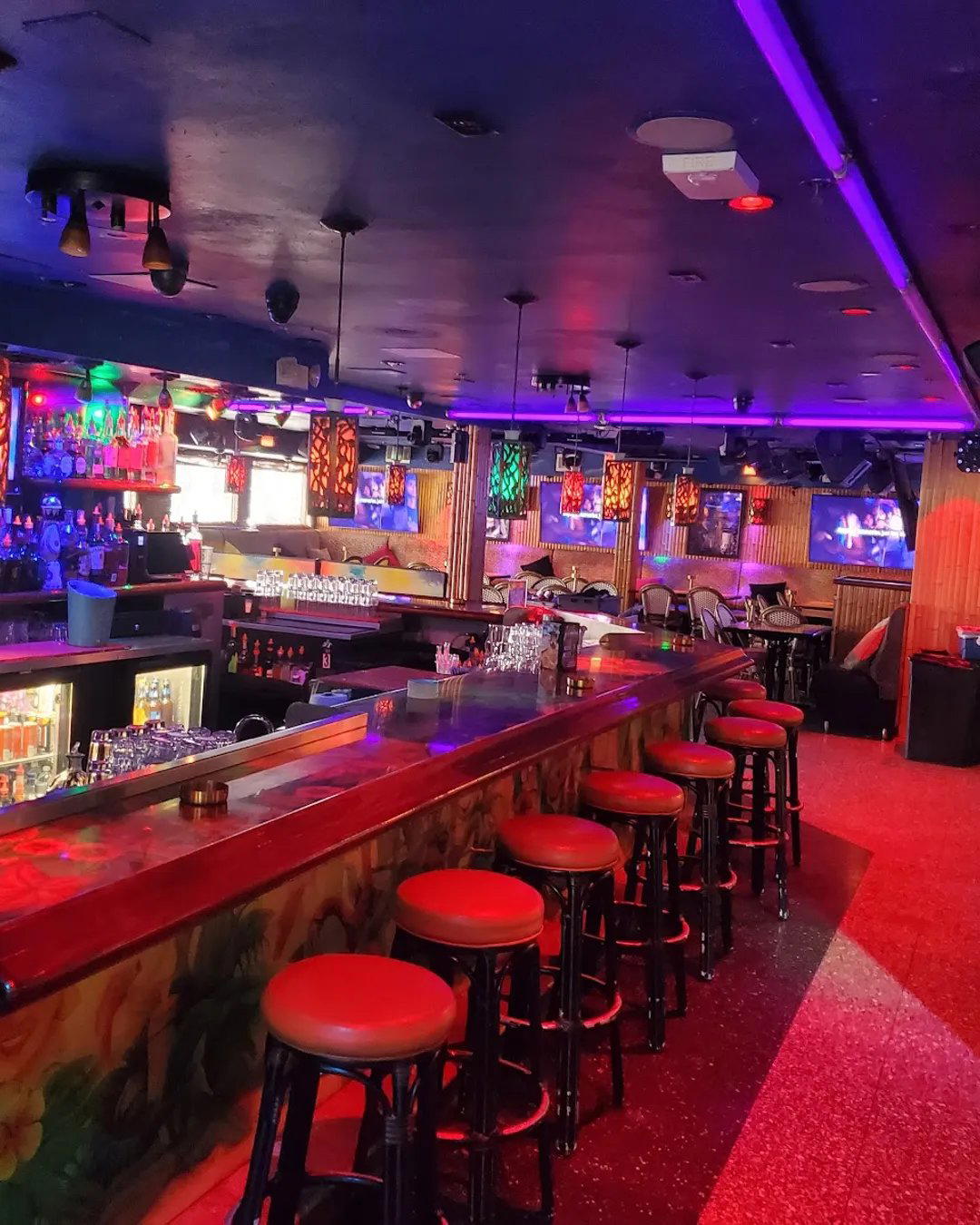
In the broader evolution of experiential dining, the line between restaurant and event venue has become increasingly porous. Venues like Lazy Bear in San Francisco or Smyth in Chicago have built reputations on the deliberate curation of the full evening arc, not just the plate. The original Andrés in Colombia operates on a similar logic, though the execution is entirely different in register: where those American addresses tend toward controlled intimacy, Andrés operates through controlled chaos. The evening escalates, with music volume and energy climbing across service.
Miami Beach, with its appetite for late-night programming and its tolerance for theatrical environments, is a logical transplant destination for that format. Venues along Lincoln Road and the surrounding blocks already compete on atmosphere as much as cuisine, and a Colombian address that treats the room as an entertainment space enters a conversation the neighbourhood has been having for decades.
Comparing the Colombian Model to American Farm-to-Table
The conversation around ingredient sourcing in American fine dining has been shaped primarily by institutions like Blue Hill at Stone Barns in Tarrytown and Single Thread Farm in Healdsburg, where the agricultural relationship is explicit and central to the menu's identity. The sourcing logic at Andrés operates from a different cultural starting point: the emphasis is less on transparency toward the diner and more on the internal discipline of working within a defined protein tradition. It is a distinction worth noting for anyone who arrives expecting the vocabulary of the American farm-to-table movement, the Colombian model communicates differently, through abundance and preparation rather than through provenance labeling.
That contrast becomes useful when placing Andrés Carne de Res Miami against the broader canon of American restaurants where sourcing is the primary editorial. The French Laundry in Napa, Providence in Los Angeles, and Addison in San Diego each construct sourcing arguments through restraint and documentation. Andrés constructs the same argument through volume and variety: the sheer range of preparations across a long evening makes its own case for engagement with the source ingredient.
Miami Beach's Latin Dining Register
South Florida's Latin restaurant scene is segmented in ways that visitors sometimes flatten into a single category. Cuban cooking, which shaped the region's food identity across decades, operates through Alma Cubana and similar addresses with their own sourcing traditions and preparation logic. Italian and Mediterranean addresses like a'Riva occupy a different register entirely. Colombian cooking, even in its most recognized national export, sits adjacent to but distinct from all of these, sharing the festive energy of Cuban hospitality but organized around different proteins and a different relationship to the evening's structure.
Internationally, the sourcing-driven restaurant conversation at the highest tier includes addresses like Atelier Moessmer Norbert Niederkofler in Brunico, where Alpine ingredient regionality is the governing principle. The comparison is instructive: regionality in sourcing does not require the fine-dining format to be meaningful. Andrés makes its sourcing argument through a populist, high-volume model that the European tasting-menu tradition would not recognize, but the underlying logic, cook from a defined territory's ingredients, is the same.
Comparable Spots
Comparable venues nearby, for context on price, style, and recognition.
| Venue | Cuisine | Price | Notes |
|---|---|---|---|
| Andrés Carne de Res MiamiThis venue — the venue you are viewing | Colombian Caribbean Grill | $$ | Not listed |
| La Mulata | Modern Cuban | $$ | South Beach |
| La Ventana Miami Beach | Authentic Colombian | $$ | South Beach |
| Paya | Island-Inspired Caribbean Fusion | $$$ | South Beach |
| Call Me Cuban | Contemporary Cuban | $$ | South Beach |
| Backyard Miami | American Cafe | $$ | South Beach |
Continue exploring
More in Miami Beach
Restaurants in Miami Beach
Browse all →
Bars in Miami Beach
Browse all →

At a Glance
- Lively
- Energetic
- Trendy
- Well Known
- Group Dining
- Celebration
- Late Night
- Family
- Live Music
- Rooftop
- Terrace
- Private Dining
- Craft Cocktails
- Street Scene
Current opening hours
- Monday
- Closed
- Tuesday
- 4–11 PM
- Wednesday
- 4–11 PM
- Thursday
- 12–11 PM
- Friday
- 12 PM–2 AM
- Saturday
- 11 AM–2 AM
- Sunday
- 12–11 PM
Hours can change for holidays and private events. Last verified .
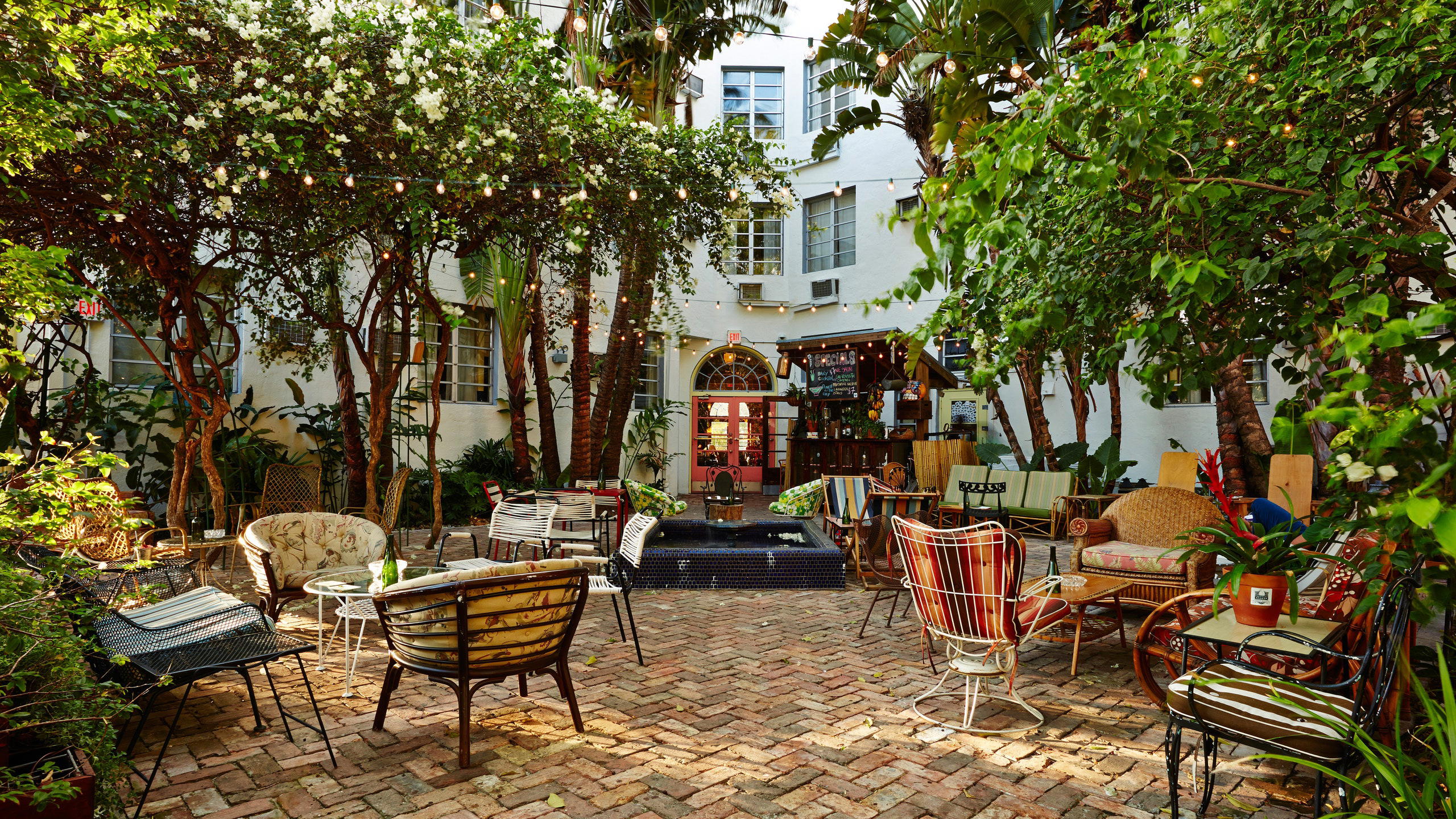
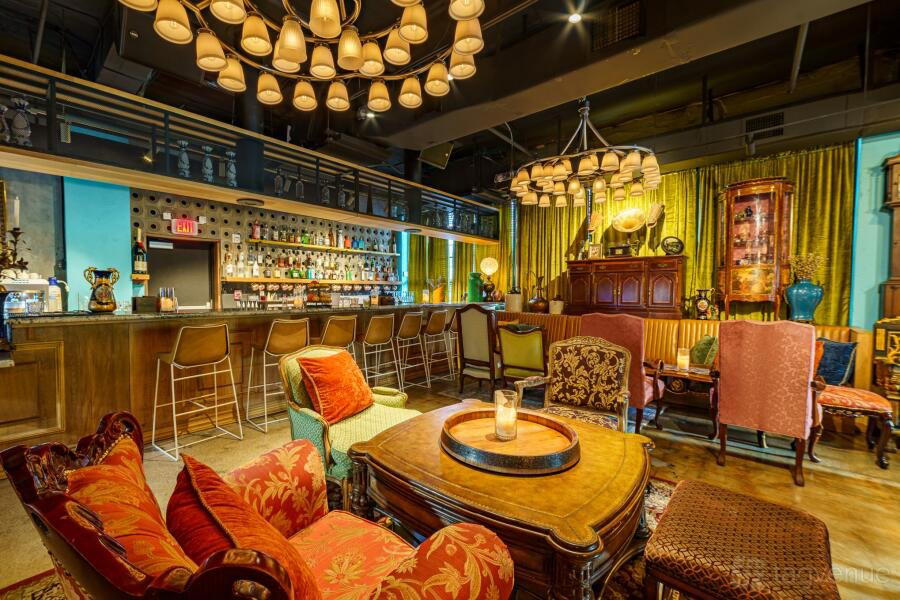
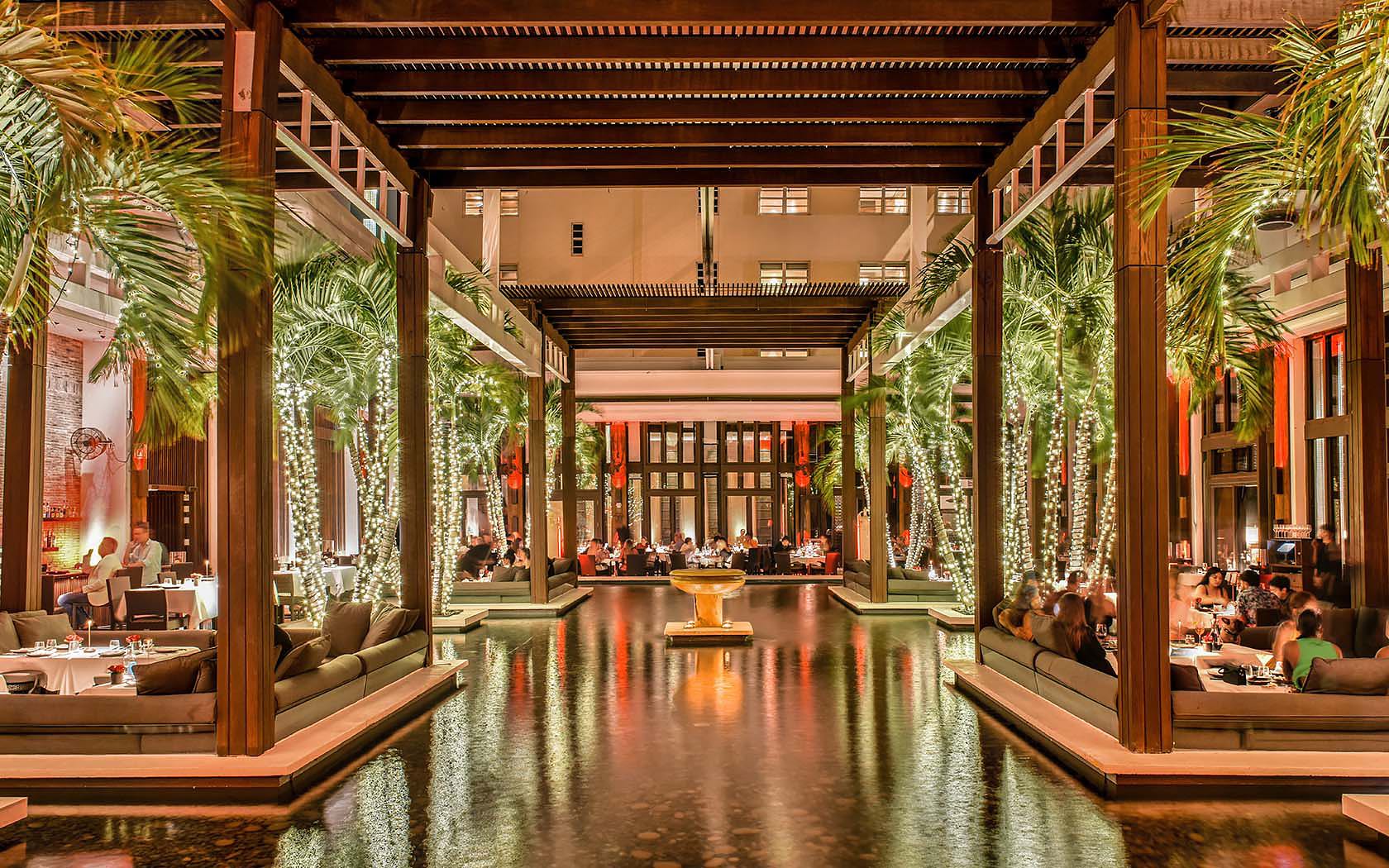
Energetic and festive atmosphere with colorful murals, handcrafted details, live entertainment, and electrifying entertainment that turns dining into a full celebration.