TAP TAP RESTAURANT
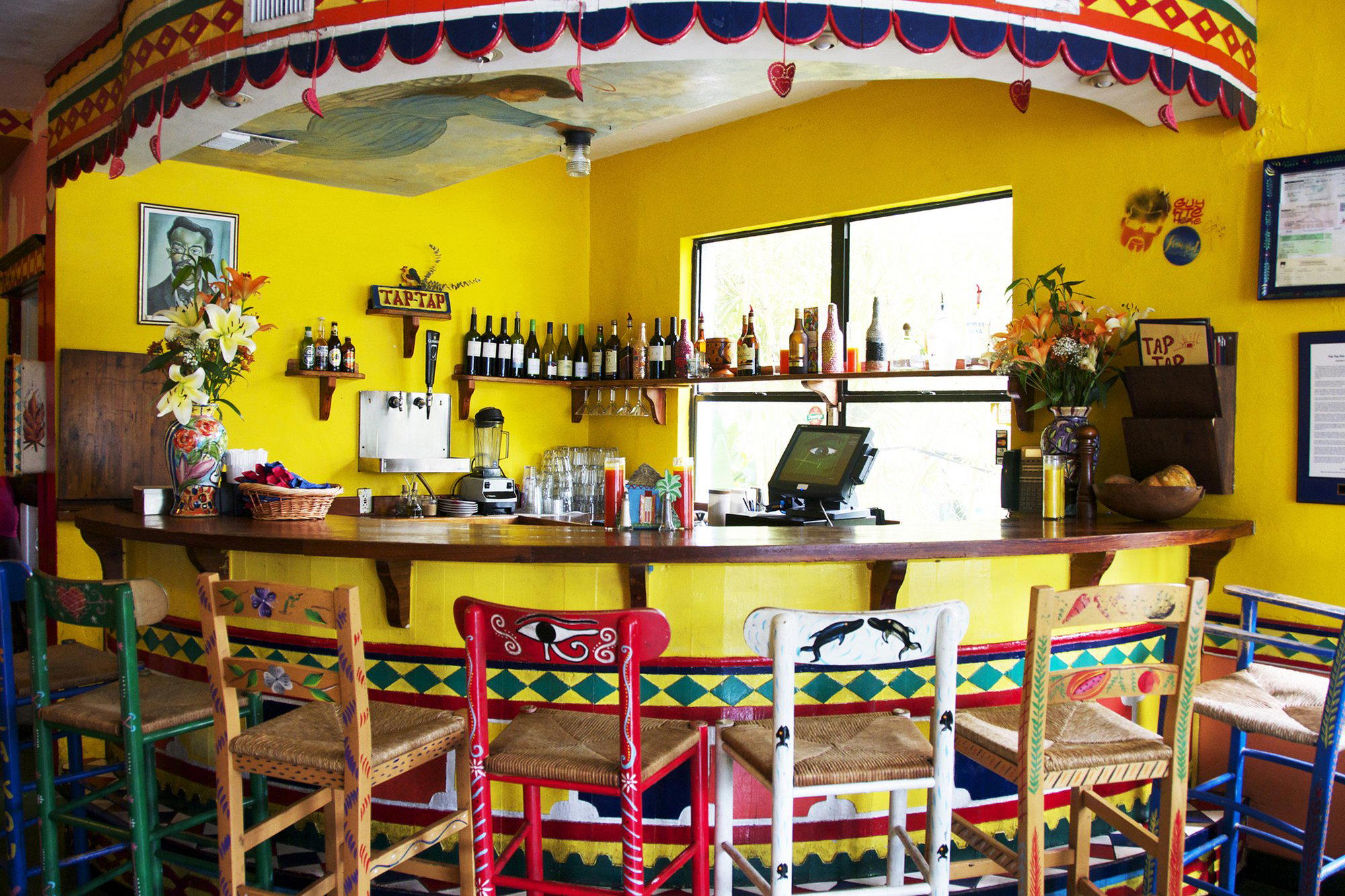
On 5th Street in Miami Beach's SoBe district, Tap Tap Restaurant has long anchored the city's Haitian dining conversation, bringing Caribbean ingredients and cooking traditions to a neighborhood better known for Art Deco facades than island kitchens. The setting reads as much cultural outpost as dining room, with a menu rooted in Haitian staple produce and preparation methods that rarely surface elsewhere on the Beach.
- Address
- 819 5th St, Miami Beach, FL 33139
- Directions
- Get directions
Where the Caribbean Table Holds Its Ground
Fifth Street in Miami Beach runs through a stretch of South Beach that has cycled through waves of reinvention, from midcentury decline to neon-soaked revival to the current accommodation of luxury condominiums and boutique hotels. Amid that churn, Tap Tap Restaurant at 819 5th St has maintained a different kind of presence — one rooted not in the neighborhood's aesthetic cycles, but in a culinary tradition that predates them all. Walking toward it, you feel the shift before you arrive: the exterior signals something apart from the surrounding hospitality machinery, more community anchor than destination-dining apparatus.
That distinction matters in Miami Beach, where the restaurant landscape trends heavily toward international brand extensions, hotel dining rooms, and seafood concepts priced for visitors. Haitian cuisine occupies a narrower band of the city's public dining life than its demographic footprint in greater Miami would suggest. Tap Tap has historically been one of the few places on the Beach itself where that gap closes — a room where the cooking draws on Haitian staple ingredients and preparation techniques rather than approximating them for a tourist palate.
The Logic of Local Ingredients, Applied Somewhere Else
The broader conversation about local sourcing and indigenous ingredients has dominated American fine dining for the better part of two decades. Operations like Blue Hill at Stone Barns in Tarrytown, Single Thread Farm in Healdsburg, and Smyth in Chicago have built their reputations on hyper-regional sourcing matched to evolved technique. What Tap Tap represents is a different application of the same principle: Haitian cooking already carries a deep logic of place-specific ingredients, plantains, black mushrooms, pikliz (the pickled vegetable condiment), griyo (fried pork), and legim, a dense braised vegetable preparation with West African structural roots, and the question is how faithfully a restaurant translates those building blocks to a non-Haitian address.
This is the tension at the center of any diaspora cuisine operating in a city like Miami Beach. The techniques are not imported from culinary academies. They come from household practice, from the particular way fat renders in a Haitian kitchen, from the proportion of scotch bonnet to lime in a marinade that has no written recipe. Restaurants that execute this well function less like restaurants and more like preservation systems. The comparison set is not other Miami Beach dining rooms but rather the broader category of kitchens, from Emeril's in New Orleans to Providence in Los Angeles, that have found durable audiences by committing seriously to a single culinary tradition rather than hedging toward the middle.
Miami Beach's Caribbean Dining Context
Miami Beach's dining identity has historically split between the spectacle-driven Ocean Drive corridor and the quieter, more resident-facing blocks west of Washington Avenue. The 5th Street address places Tap Tap in a transitional zone, accessible enough to capture visitors, embedded enough to serve a local clientele that includes Miami's sizable Haitian-American community. That dual audience is a practical challenge for any restaurant: the cooking has to hold its integrity while remaining legible to diners encountering it for the first time.
Other restaurants in the immediate South Beach area cover adjacent cultural ground. Alma Cubana approaches Caribbean cooking through a Cuban lens on the Beach, while A Fish Called Avalon and a'Riva occupy different tiers of the seafood-forward segment that dominates much of South Beach's mid-range dining. For a different register entirely, the all-day American diner format at 11th Street Diner illustrates how narrow the window for culturally specific Caribbean cooking really is on the Beach, relative to volume. Tap Tap fills a gap that few others attempt.
Beyond South Beach, the Haitian diaspora in Little Haiti and parts of North Miami sustains a denser ecosystem of Haitian restaurants, many informal, most cheaper, some more technically accomplished in specific preparations. Tap Tap's proposition is geographic convenience and a setting more suited to the occasion dining that Miami Beach attracts, not a claim to being the definitive Haitian table in the city.
What to Know Before You Go
Miami Beach's peak dining season runs from late November through April, when the northward migration of winter visitors coincides with Art Basel, the South Beach Wine and Food Festival, and a general compression of table availability across the neighborhood. During that window, even restaurants outside the luxury tier see stronger demand and shorter patience for walk-ins. A reservation, where available, is the more reliable approach. The shoulder months, particularly May and September, offer a version of Miami Beach that locals recognize and visitors sometimes underestimate: the heat becomes the price of admission, but the restaurants breathe easier and staffing levels tend to reflect a steadier, less harried service pace.
For visitors using Tap Tap as part of a broader South Beach itinerary, the 5th Street location is walkable from the southern end of Ocean Drive and accessible from the Lincoln Road area with minimal transit. The surrounding blocks have enough casual dining and coffee options to build a half-day around, making it a practical anchor for a midday or early evening meal rather than a standalone destination requiring significant logistical planning. Those building a longer Miami Beach restaurant sequence should consult our full Miami Beach restaurants guide for broader context on how the neighborhood's dining options cluster by price, cuisine, and occasion type.
The cultural specificity of Haitian cooking also rewards some advance reading. Understanding the distinction between a restaurant serving Haitian food to a Haitian clientele versus one translating it for a mixed audience is useful context before sitting down. The former prioritizes fidelity; the latter involves a calibration that affects seasoning levels, portion framing, and menu language. Knowing which you're entering shapes your expectations in ways that affect whether the meal lands as intended.
Tap Tap in the Wider Conversation About Caribbean Cooking's Place in American Dining
Haitian cuisine has not received the same mainstream editorial and institutional attention as, say, the tasting-menu formats documented at Atomix in New York City, Addison in San Diego, or The French Laundry in Napa. The award architecture that drives visibility in American dining, from Michelin stars to James Beard recognition, has historically concentrated on European-derived technique and its American offshoots. Restaurants like Le Bernardin in New York City, Lazy Bear in San Francisco, or The Inn at Little Washington in Washington operate within that recognized framework. Places rooted in Haitian, West African, or other Caribbean traditions often hold equivalent technical and cultural depth while remaining largely outside the award conversation, a structural imbalance that has begun to attract more critical commentary but has not yet materially shifted the recognition apparatus.
Tap Tap's longevity at its 5th Street address is itself a form of credentialing. In a neighborhood where restaurant turnover tracks closely with real estate cycles and seasonal cash flow, duration signals something about community relevance that no single award can fully replicate. That context, rather than any specific accolade, is what earns the restaurant a place in any honest account of Miami Beach's dining identity. You can find more ambitious individual preparations at fine dining rooms that reference Atelier Moessmer Norbert Niederkofler in Brunico in their philosophical approach to regional ingredients, but fewer places on the Beach that have held a specific cultural line as consistently or as plainly.
For anyone treating Miami Beach's dining scene as more than its Art Deco backdrop suggests, Tap Tap is worth the detour. Pair it with a visit to A La Folie for a sense of the Beach's French café register, and the contrast tells you something true about how many culinary traditions this particular zip code quietly contains.
Comparable Spots
A short peer table to compare basics side-by-side.
| Venue | Cuisine |
|---|---|
| TAP TAP RESTAURANTThis venue — the venue you are viewing | Not listed |
| Yue Chinese | Northern Chinese |
| Las’ Lap | Afro-Caribbean lounge / cuisine |
Continue exploring
More in Miami Beach
Restaurants in Miami Beach
Browse all →
Bars in Miami Beach
Browse all →
At a Glance
- Lively
- Rustic
- Whimsical
- Casual Hangout
- Craft Cocktails
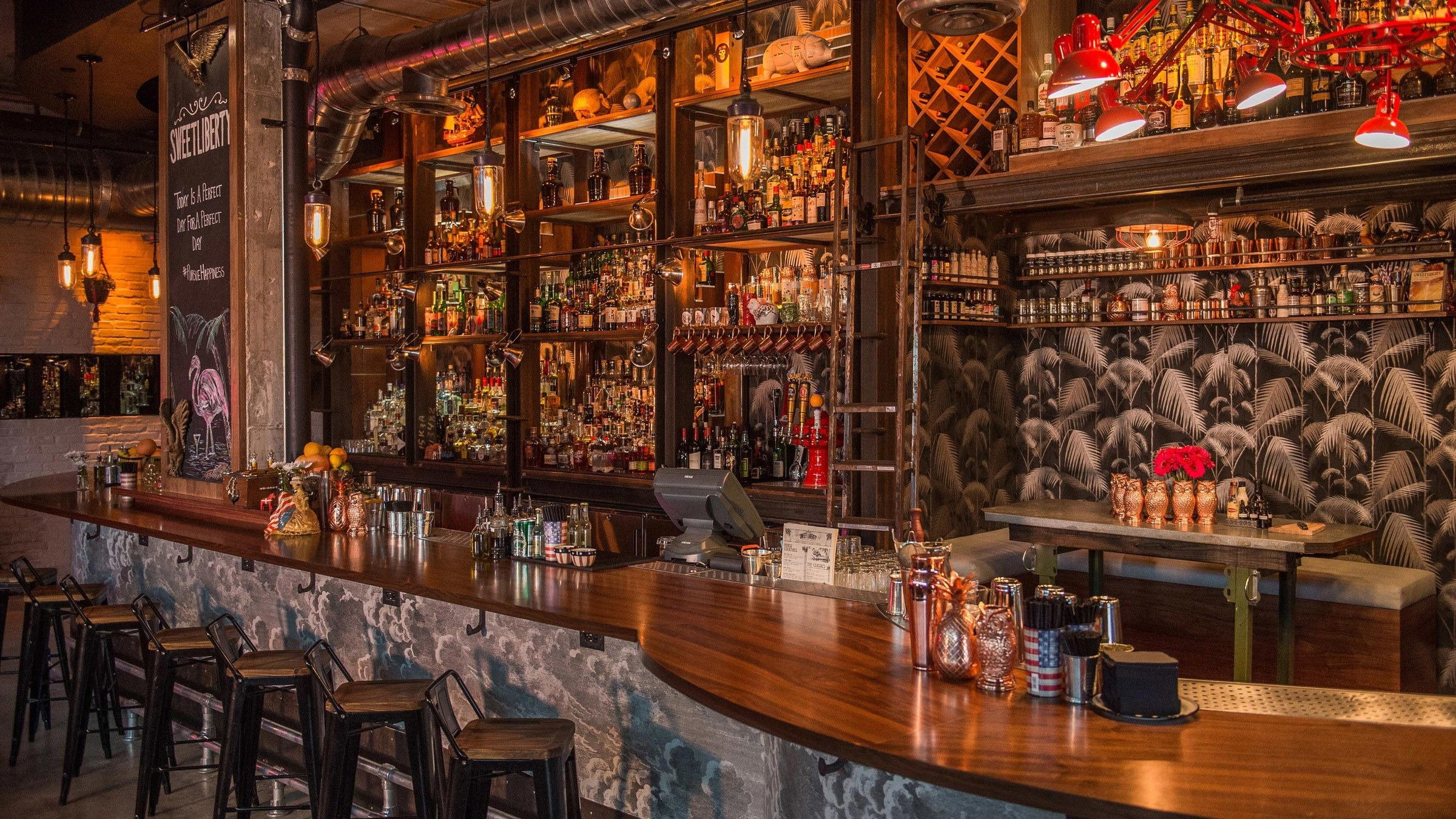
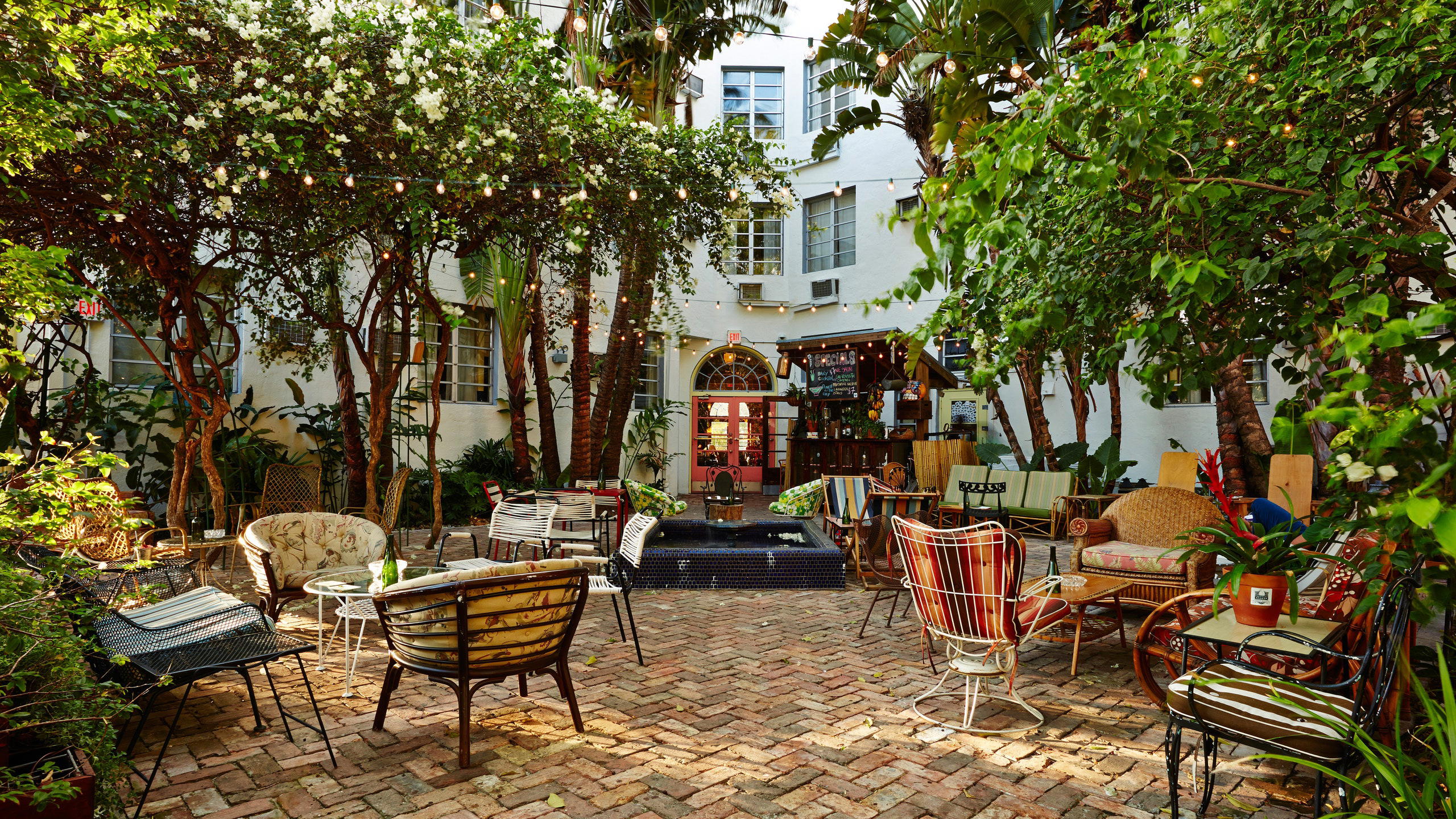
Brightly painted rooms with Caribbean motifs and multicolored murals depicting local life scenes, offering a friendly and lively setting.
Know Before You Go
- Getting there
- 819 5th St, Miami Beach, FL 33139