Little Africa Restaurant on Victoria Street in West Melbourne brings African cuisine to a city that has historically underrepresented the continent's cooking traditions. Sitting at the intersection of Melbourne's multicultural dining identity and its growing appetite for lesser-known regional food cultures, the restaurant occupies a specific and underserved position in the city's eating scene. For diners looking beyond the established European and Asian pillars of Melbourne's restaurant world, it offers a different reference point entirely.
Pearl is the En Primeur Club membership app — saves, bookings, and concierge access live there. Same editors, same standards.
- Address
- 223 Victoria St, West Melbourne VIC 3003, Australia
- Phone
- +61393298018
- Website
- littleafrica.com.au
- Directions
- Get directions
 Saves & bookings on Pearl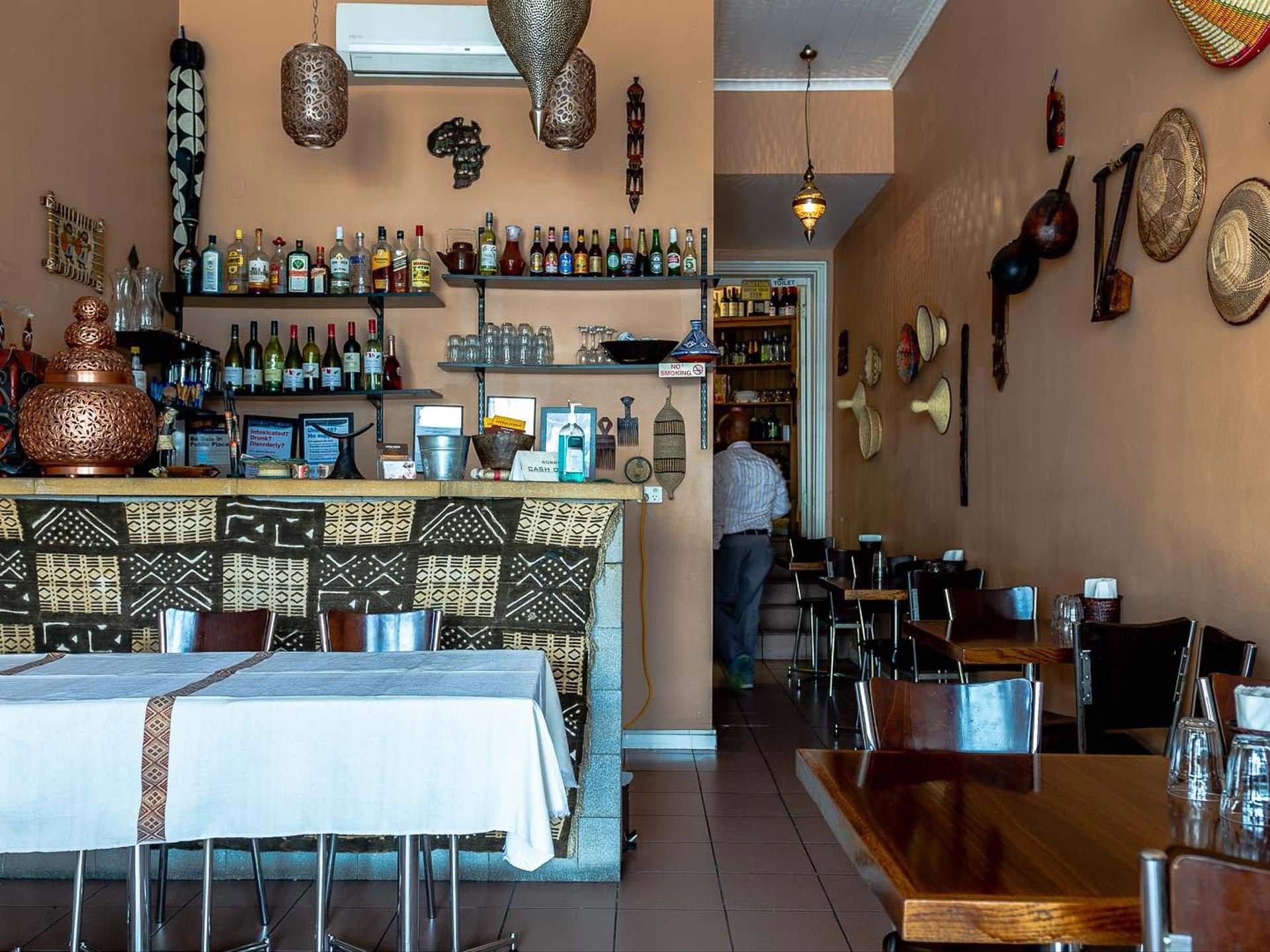
Victoria Street and the Geography of Melbourne's Multicultural Dining
West Melbourne's Victoria Street corridor has long operated as one of the city's more utilitarian dining strips, a stretch where working neighbourhoods and immigrant communities have historically shaped what gets cooked and served. It sits at a remove from the design-led precincts that draw most international attention, places like the CBD blocks around Flower Drum or the inner-south neighbourhoods that have produced venues like Attica. That distance from the premium dining circuit is precisely what makes addresses like Little Africa Restaurant on Victoria Street worth understanding on their own terms.
Melbourne's identity as a dining city rests significantly on the density and diversity of its migrant food cultures. The city has well-established Vietnamese, Chinese, Ethiopian, Eritrean, and West African communities, yet the formal restaurant representation of African cuisines has remained thin relative to the size of those communities and the depth of the cooking traditions they carry. Where Korean, Japanese, and Italian cuisines have moved from community staples to mainstream and then to premium tiers in Australian dining, African cooking largely has not followed that arc. Little Africa Restaurant at 223 Victoria Street sits inside that gap, serving a cuisine category that remains structurally underrepresented in the city's broader dining conversation.
The Cultural Weight of African Cuisine in a Western Dining Context
African cuisine is not one thing. The continent contains more distinct food traditions than Europe, with sub-Saharan, East African, North African, and West African cooking sharing almost no common grammar beyond the centrality of communal eating. What tends to reach Western cities first are the most recognisable ambassadors: Ethiopian injera-based meals with shared platters of stewed legumes and spiced meats, North African tagines and couscous dishes filtered through French colonial influence, and West African rice and stew traditions that have quietly shaped Southern American and Caribbean food without receiving the attribution. Each of these traditions carries specific fermentation techniques, spice vocabularies, and service formats that have no close equivalent in European cooking.
In Melbourne, the Ethiopian and Eritrean traditions have the strongest restaurant foothold, partly because of established community size and partly because the shared-platter injera format translates relatively cleanly to a sit-down restaurant model that Western diners already understand. Other African traditions are represented more sparsely, through informal venues, market stalls, and community events rather than through formal restaurant settings. This is the context Little Africa occupies: a formal restaurant address for a cuisine category that still relies heavily on informal and community channels in this city.
For comparison, cities like London and Washington D.C. have seen African restaurants move through distinct phases, from community-serving canteens to more considered mid-range operations to, in a small number of cases, venues that draw serious critical attention. Melbourne is at an earlier stage of that curve, which means restaurants like Little Africa on Victoria Street are doing foundational work in terms of how the cuisine gets introduced and understood by a broader dining public.
West Melbourne as a Dining Address
The immediate neighbourhood around 223 Victoria Street is a mixed-use area with a density of small independent restaurants, cafes, and food retailers that reflects the area's working-class and multicultural residential character. It does not generate the foot traffic of Carlton, Fitzroy, or Collingwood, and it does not appear on most curated dining itineraries for visitors. That positioning is worth naming directly: the address self-selects for diners who are specifically seeking the restaurant rather than passing it by chance. For a cuisine category that depends on word-of-mouth within a community before it reaches wider audiences, a destination model rather than a high-traffic-strip model is not necessarily a disadvantage.
Visitors coming from the CBD will find the address accessible without being immediately convenient. The restaurant is close enough to central Melbourne to serve as a deliberate dinner option without requiring significant travel, but distant enough from the main dining precincts that it operates largely outside the comparison set that includes 48h Pizza e Gnocchi Bar or 7 Alfred. It is a different category of outing.
Where This Fits in Melbourne's Wider Restaurant Picture
Melbourne's restaurant scene has matured to a point where the most formally recognised venues, Attica at the top of the Australian Modern tier, Flower Drum as the long-standing reference point for Cantonese in Australia, and regional destinations like Brae in Birregurra, tend to dominate the editorial conversation. Below that layer, the city has a dense and largely underdocumented mid-tier of community and specialist restaurants that serve specific cuisines with far more authenticity and depth than the formal restaurant circuit would suggest. Little Africa occupies this tier: not chasing awards recognition, not positioned as a premium experience, but filling a specific gap in the city's food map that the more celebrated addresses do not touch.
For diners interested in the full range of what Melbourne's multicultural food culture actually contains, rather than the curated version of it that appears in most travel guides, venues like this one are the more instructive visit. See our full Melbourne restaurants guide for the broader context of how the city's dining tiers relate to one another.
It is also worth placing this in a national frame. Sydney has its own version of this gap, where venues like Rockpool define the formal high end while African and other underrepresented cuisine traditions remain largely outside the documented dining conversation. Across Australia, the formal restaurant infrastructure for African cuisines is at an early stage relative to the size and depth of the communities sustaining it.
Planning Your Visit
Little Africa Restaurant is located at 223 Victoria Street, West Melbourne, VIC 3003. Pricing for this category of restaurant in Melbourne's west typically sits at the accessible end of the mid-range, making it a reasonable option for a group or family meal without the advance booking complexity that higher-profile city venues require. For context on how this part of the dining scene compares to more formally documented Melbourne addresses, see also Above Board and Bar Carolina in South Yarra for a sense of how different formats and price tiers operate across the city.
Continue exploring
More in Melbourne
Restaurants in Melbourne
Browse all →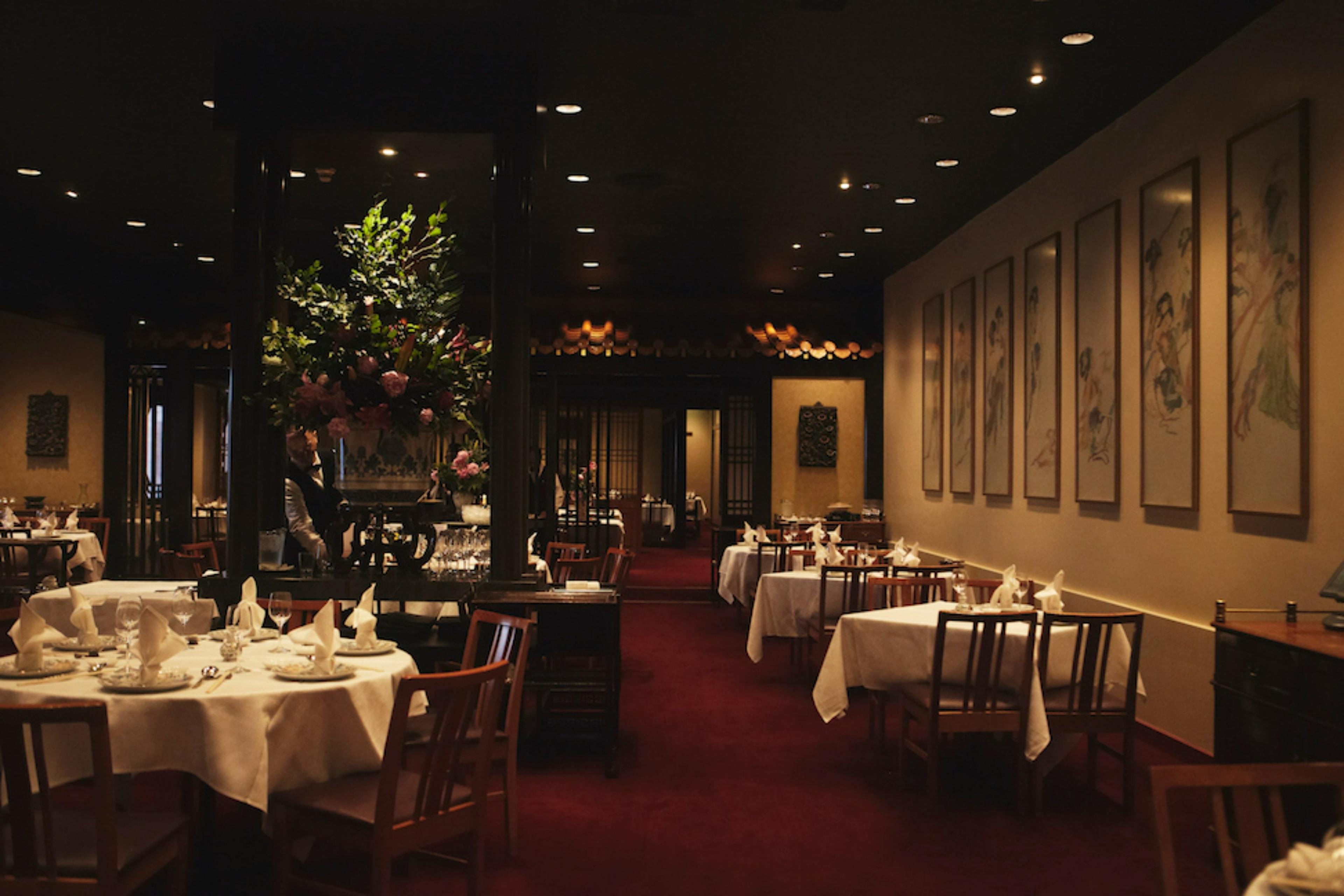
Bars in Melbourne
Browse all →
Hotels in Melbourne
Browse all →
At a Glance
- Cozy
- Rustic
- Warm
- Intimate
- Group Dining
- Casual Hangout
- Date Night
- Standalone
Current opening hours
- Monday
- Closed
- Tuesday
- 5–10 PM
- Wednesday
- 5–10 PM
- Thursday
- 5–10 PM
- Friday
- 5–10 PM
- Saturday
- 5–10 PM
- Sunday
- 5–10 PM
Hours can change for holidays and private events. Last verified .
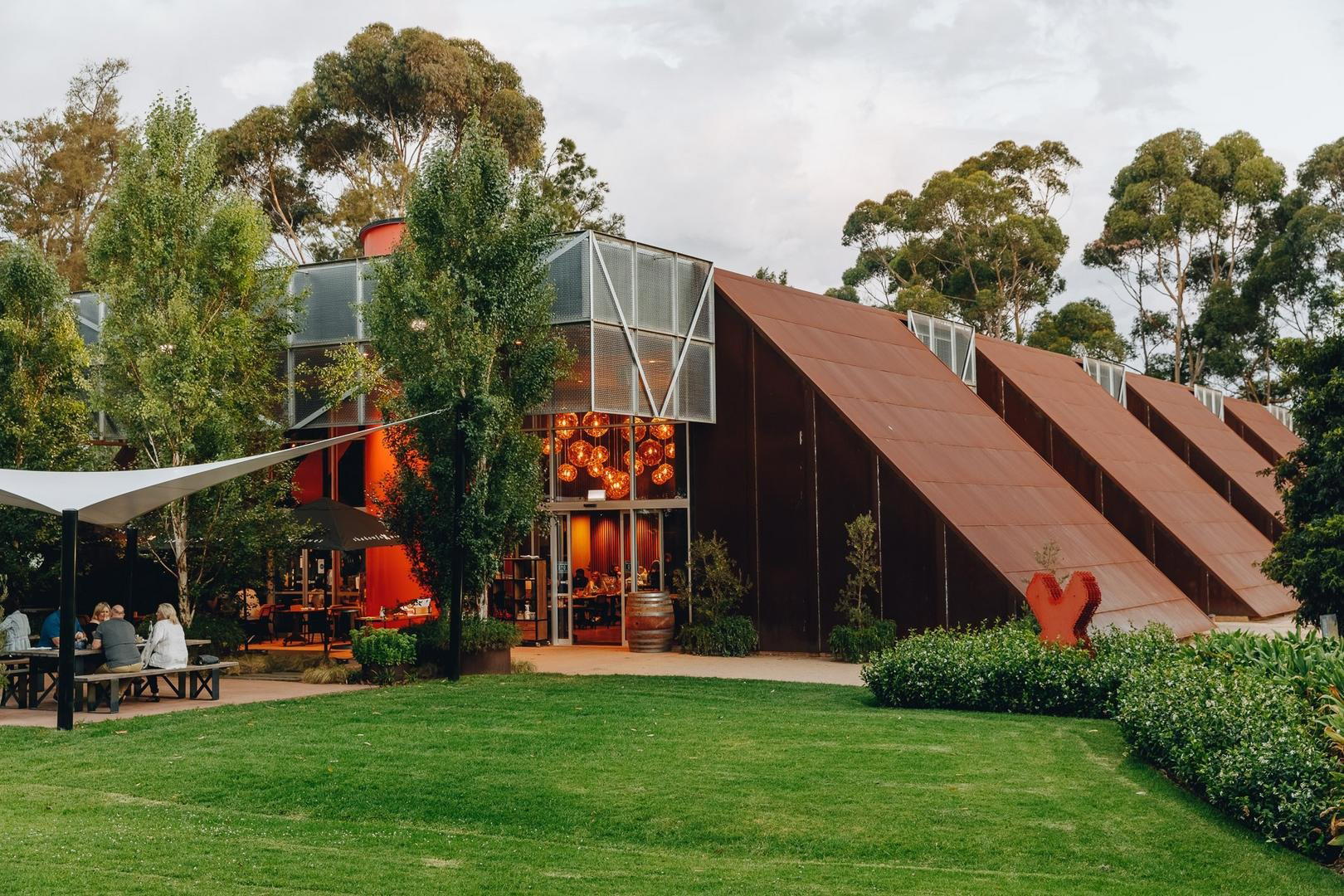
Dusky lighting with mellow aroma of spices; warm and cozy lit dining room with authentic African décor, artwork, and artifacts creating a friendly, welcoming environment.
Know Before You Go
- Getting there
- 223 Victoria St, West Melbourne VIC 3003, Australia