Cancino Pedregal
Our verdict
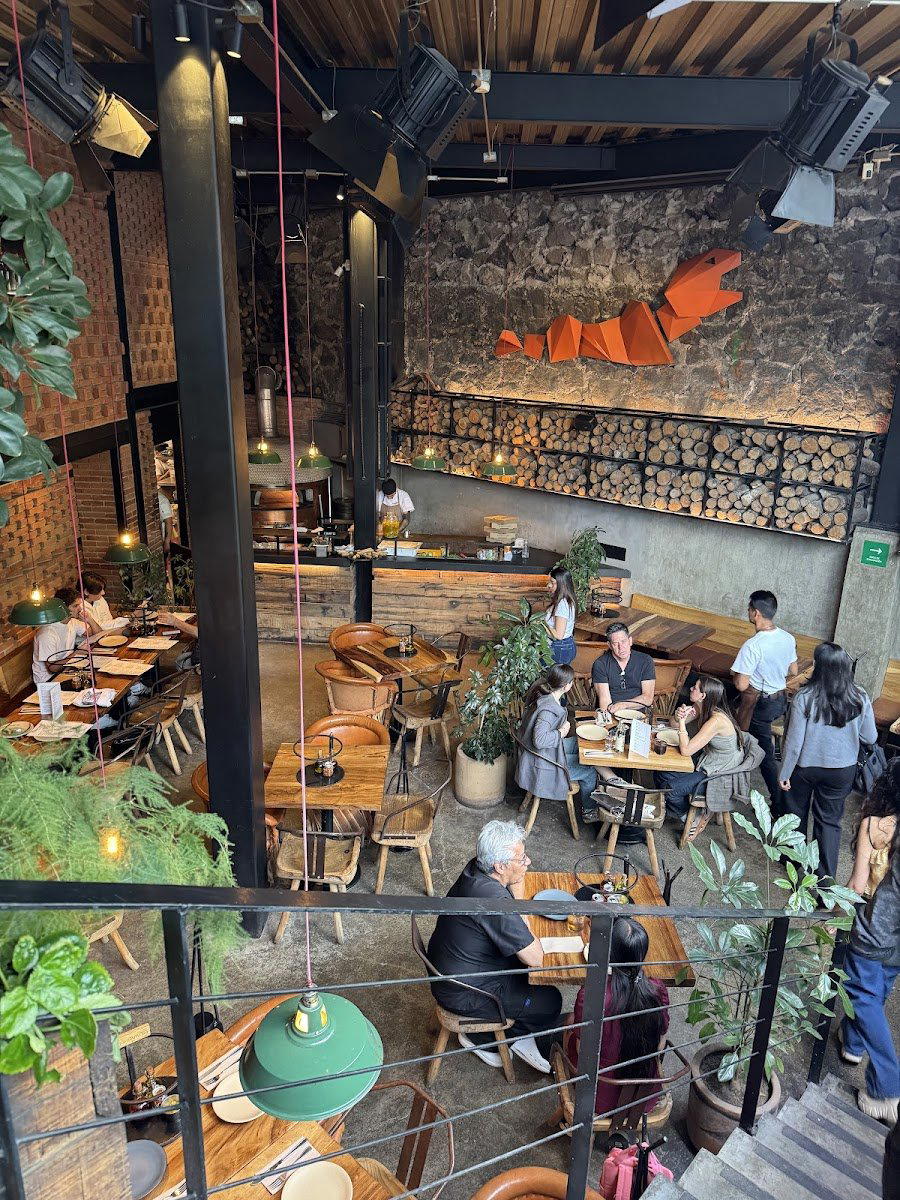
Cancino Pedregal brings the brand's wood-fired approach to the southern residential district of Jardines del Pedregal, a neighbourhood better known for quiet streets than destination dining. The format fits a broader Mexico City pattern: imported technique meeting local produce, in a setting calibrated for the surrounding community rather than the tourist circuit. For the Pedregal resident, it functions as a reliable neighbourhood anchor; for visitors, it offers a window into how Mexico City's pizza-and-fire cooking culture has spread well beyond the centro.

Pearl is the En Primeur Club membership app, where members save venues, book tables and use the concierge.
Where Jardines del Pedregal Eats
Mexico City's serious dining conversation tends to loop through the same corridor: Polanco for high-concept tasting menus, Roma and Condesa for chef-driven neighbourhood restaurants, Santa Fe for corporate expense accounts. Jardines del Pedregal, the volcanic-rock residential district spreading south toward the Periférico, rarely enters that loop. It is primarily a place where people live, not a place people travel to eat. That asymmetry is worth naming, because it shapes everything about what a venue like Cancino Pedregal is and is not trying to do. This is a neighbourhood restaurant in the proper sense: its competition is the surrounding suburb, not the roster of Michelin-tracked addresses that includes Pujol, Quintonil, or Em.
The Cancino Format and What It Means
Cancino as a brand has built its identity around wood-fired cooking, with pizza as the anchor product. That format sits at an interesting intersection in Mexico City's current dining culture. Wood-fire technique arrived largely through Italian and American influence, but in Mexican hands it tends to absorb local produce: regional chiles worked into sauces, Mexican cheeses substituted for or layered alongside European ones, masa-adjacent thinking applied to dough hydration and fermentation. The result is a category that reads as familiar in format but distinctly local in flavour profile when executed with any seriousness.
That intersection of imported method and indigenous product is not unique to Cancino; it describes a broader shift visible across Mexico's cooking scene. At the higher end, restaurants like Sud 777 and Rosetta have long worked this seam, using European culinary frameworks as a chassis for Mexican ingredients. In regional destinations, you see the same logic at Animalón in Valle de Guadalupe and Le Chique in Puerto Morelos. Cancino operates lower on the price register than those addresses, which means the technique-meets-terroir conversation happens in a more casual register, but the underlying impulse is the same.
Reading the Pedregal Location
The address at Blvd de la Luz 270, Distrito Pedregal, places this branch inside a commercial strip that serves the dense residential blocks around it. Pedregal developed mid-century on lava fields from the Xitle volcano, and the neighbourhood retains a particular character: wide streets, private homes set back behind walls, and a general sense of self-containment. Dining options in that corridor tend to serve residents who prefer not to travel north for every meal. A wood-fired pizza and casual dining brand fits that ecosystem without friction.
For context on how southern Mexico City dining has developed differently from the Roma-Condesa-Polanco triangle, it helps to compare the density of restaurant openings per neighbourhood over the last decade. The north-central districts have absorbed the bulk of both investment and critical attention. Southern districts like Pedregal, Coyoacán, and Tlalpan have developed more slowly, with anchors that serve locals rather than attract destination diners. Cancino's presence in Pedregal is consistent with that pattern: the brand is expanding its footprint into underserved residential zones rather than stacking branches in already-saturated dining districts.
How This Fits Mexico's Wider Restaurant Moment
Mexico's restaurant culture has internationalised its technique faster than almost any other Latin American food scene over the past fifteen years. The concentration of serious kitchens in Mexico City means that French, Japanese, and Italian methods have become baseline literacy for a generation of cooks, and those methods have filtered down from tasting-menu counters into casual formats. You can trace the trajectory from the best of the market, where KOLI Cocina de Origen in Monterrey or Levadura de Olla in Oaxaca treat indigenous ingredients with fine-dining rigour, down through mid-market restaurants where wood-fire technique and fermentation-forward thinking have become standard rather than exceptional.
Wood-fire pizza in Mexico City now occupies that middle tier convincingly. It is no longer a novelty import but a naturalised format, and Cancino has been part of that naturalisation. The brand's expansion across the city reflects demand from a dining public that has absorbed the format and wants access to it across all neighbourhoods, not just the ones that attracted the first wave of openings. Comparable dynamics are visible in other markets: Lazy Bear in San Francisco and Le Bernardin in New York City operate at the upper end of markets where technique has filtered through the whole price spectrum, producing a restaurant culture that is technically sophisticated at multiple price points. Mexico City is in the middle of that transition.
For a fuller picture of where Cancino Pedregal sits within the city's dining options across neighbourhoods and price points, the EP Club Mexico City restaurants guide maps the full range. Elsewhere in Mexico, Alcalde in Guadalajara, Pangea in San Pedro Garza García, Arca in Tulum, Olivea Farm to Table in Ensenada, HA' in Playa del Carmen, and Lunario in El Porvenir each represent the same global-technique, local-ingredient logic applied in their own regional contexts.
Know Before You Go
| Address | Blvd de la Luz 270, Distrito Pedregal, Jardines del Pedregal, Álvaro Obregón, 01900 Ciudad de México |
|---|---|
| Neighbourhood | Jardines del Pedregal, southern Mexico City |
| Phone | Not publicly listed |
| Website | Not publicly listed |
| Hours | Confirm locally before visiting |
| Price range | Not confirmed; comparable Cancino branches sit in the mid-range tier |
| Reservations |
Frequently asked questions
What's the signature dish at Cancino Pedregal?
How far ahead should I plan for Cancino Pedregal?
What makes Cancino Pedregal worth seeking out?
Do they accommodate allergies at Cancino Pedregal?How does Cancino Pedregal compare to other Cancino branches across Mexico City?
Comparable Venues
Comparable venues nearby, for context on price, style, and recognition.
| Venue | Cuisine | Price | Awards | Notes |
|---|---|---|---|---|
| Cancino PedregalThis venue (the venue you are viewing) | Italian Pizzeria | $20–30 | Not listed | Not listed |
| Septimo | Italian Pizza and Pasta | $20–30 | Not listed | Villa Coyoacan |
| Liona | Modern Italian Pizza | Not listed | Not listed | Juarez |
| Ardente | Authentic Neapolitan Pizza | $30–50 | 50 Top Pizza Latin America #19 | multiple |
| 7 osteria | Italian Osteria with Pizza and Pasta | $30–50 | Not listed | San Ángel Inn |
| Osteria Mattea Condesa | Authentic Italian Osteria with Pizza and Pasta | Not listed | Not listed | Hipodromo |
Continue exploring
More in Mexico City
Restaurants in Mexico City
All restaurants in Mexico City →
Bars in Mexico City
All bars in Mexico City →

Details
- Cozy
- Lively
- Relaxed
- Casual Hangout
- Group Dining
- Open Kitchen
- Craft Cocktails
- A La Carte
- Wine
- Mezcal
Current opening hours
- Monday
- 1–11 PM
- Tuesday
- 1–11 PM
- Wednesday
- 1–11 PM
- Thursday
- 1–11 PM
- Friday
- 1–11 PM
- Saturday
- 1–11 PM
- Sunday
- 1–11 PM
Hours can change for holidays and private events. Hours as of .
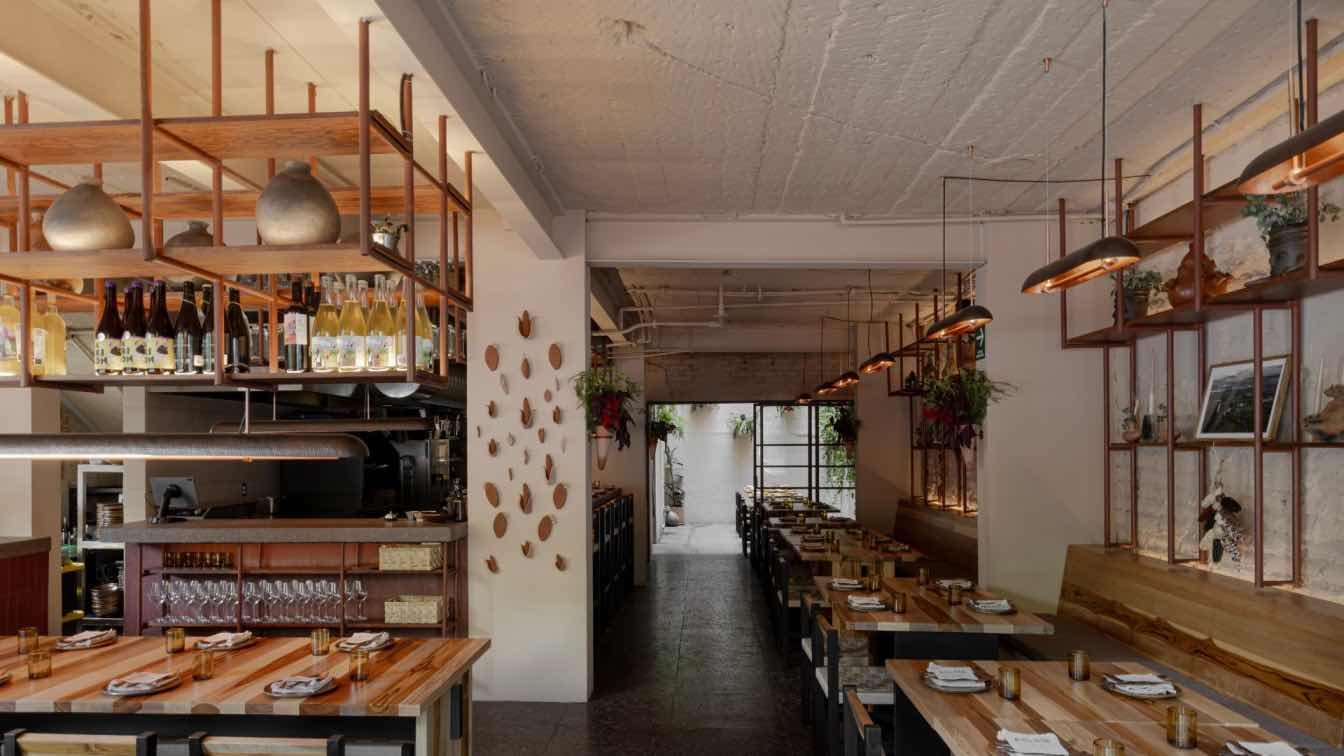
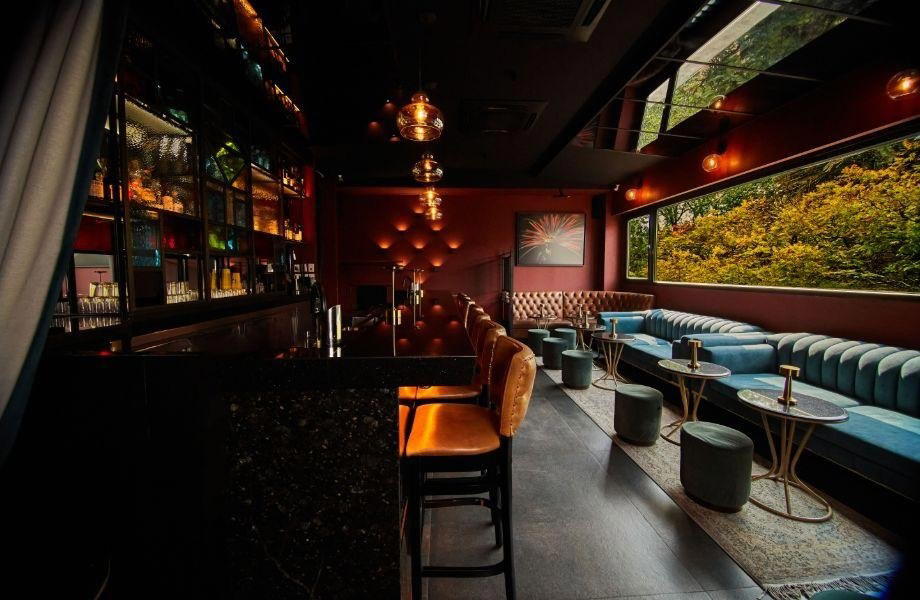
Warm and relaxed atmosphere that feels like home, ideal for casual gatherings.