Limapulo

Michelin Plate
Our verdict
Vintage charm and Michelin recognition define Limapulo in Kuala Lumpur, where soulful Nyonya laksa and star fruit–pineapple sate lead a refined, shareable Peranakan menu in a warmly lit, nostalgia-rich setting.

Pearl is the En Primeur Club membership app — saves, bookings, and concierge access live there. Same editors, same standards.
- Address
- 27, Jln Tong Shin, Bukit Bintang, 50200 Kuala Lumpur, Wilayah Persekutuan Kuala Lumpur, Malaysia
- Phone
- +60 10-383 3238
- Hours
- Mon ClosedTue–Sun 11:30 AM–9 PM
- Website
- facebook.com
- Directions
- Get directions
- Booking
- Book on the venue's website
The menu
What to order
- Nyonya Laksa
- Nyonya Sate
- Ayam Pongteh
- Pai Tee
The Room Before the Food
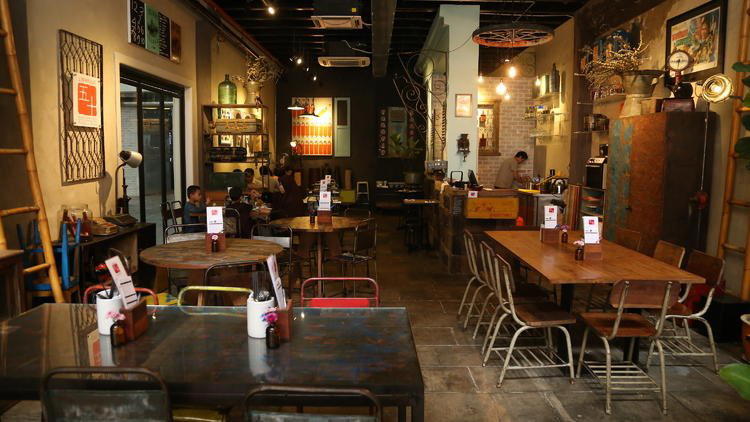
On Jalan Tong Shin, a short walk from the commercial centre of Bukit Bintang, the street furniture shifts and the pace slows. Limapulo occupies a shophouse that wears its age openly: vintage canteen-style chairs, surfaces that catch the low light in amber, and a dimness that feels deliberate rather than atmospheric by accident. The name translates simply as fifty in Malay. You arrive knowing you are not in a modern dining room engineered for Instagram geometry. The physical cues direct the meal before a single dish arrives.
Peranakan Cooking and Where KL Sits in It
Peranakan cuisine, the cooking tradition that emerged from centuries of Chinese immigrant life along the Straits Settlements, holds strong nodes in Penang, Malacca, and Singapore. In Kuala Lumpur, dedicated Peranakan tables are comparatively few, and most visitors seeking the tradition tend to head north toward George Town, where venues like Auntie Gaik Lean's Old School Eatery and Bibik's Kitchen carry deeply embedded local lineages. Across the causeway in Singapore, Candlenut and Pangium represent different ends of the same tradition, one Michelin-starred and modernist, the other rooted in classical Nonya technique. That distinction matters in a city where the cuisine's complexity is often diluted into something more accessible and less interesting.
In Penang, you can also find Richard Rivalee offering a contemporary take on Straits heritage. The contrast with Limapulo is instructive: where some addresses reframe Peranakan cooking through a fine-dining lens, Limapulo stays closer to the format of a traditional family meal, translated into a compact urban setting.
The Logic of Sharing
Peranakan meals are not designed for individual plates ordered in sequence. The tradition is communal: multiple dishes arrive at the table simultaneously, rice is central, and the flavour logic depends on contrast across a spread rather than progression through courses. Limapulo is organised around this rhythm. Choosing plates for sharing is not a recommendation so much as the structural premise of the meal. A table that orders a single dish and works through it sequentially will miss the point. The right approach is to assemble a spread, let dishes overlap, and treat the table as a collaborative effort.
This stands in deliberate contrast to the tasting-menu format that dominates KL's higher price brackets. Restaurants like Dewakan, Beta, DC. by Darren Chin, Molina, and Ling Long operate within a controlled sequence that places the kitchen in charge of pacing. Limapulo inverts that dynamic. At a single-dollar price tier, the meal is directed by the table, and the social choreography of ordering is part of the experience itself.
The Dishes That Define the Meal
Two preparations carry enough weight to anchor any table order. The Nyonya laksa is the reference point: a coconut-based broth with the layered spice profile that distinguishes the Nonya variant from the lighter, asam-forward Penang version. Laksa is one of those dishes where the quality of the rempah, the spice paste, determines everything, and the version here has earned its reputation as the kitchen's defining preparation. Ordering it is less a suggestion than a structural requirement for understanding what the kitchen is doing.
The sate operates on a different register. Where most sate comes with standard peanut sauce, the signature here uses a house-made preparation incorporating star fruit and pineapple. The acidity shifts the flavour dynamic considerably, and this is the detail that separates it from the generic version available at hawker stalls across the city. For comparison, the Peranakan approach to sate and its condiments reflects the same Chinese-Malay synthesis that runs through the whole cuisine: ingredients that arrived through trade and migration, recomposed into something that belongs entirely to the Straits.
It is worth noting that some menu items rotate on a day-specific basis, which means the full spread available on a Friday evening may differ from what is on offer mid-week. The implication for planning: if specific dishes are a priority, checking availability in advance is sensible. This is not an unusual practice at Peranakan kitchens, where certain preparations require long preparation times or seasonal ingredients.
For those who find the Nyonya laksa format compelling in its own right, 328 Katong Laksa in Singapore and Bee See Heong in Seberang Perai offer useful comparative reference points across the broader regional tradition.
Bukit Bintang as Context
The Bukit Bintang address places Limapulo inside KL's most commercially active dining district, but Jalan Tong Shin sits at a slight remove from the loudest end of it. The street has historically drawn a mix of budget accommodation and older food businesses, which means the vintage character of the room does not feel engineered for contrast. It fits the neighbourhood's own rhythm. Visitors staying in the area or moving between the Bukit Bintang corridor and the older Chinatown district will find it on a logical path. For more on the full range of dining available across KL, our full Kuala Lumpur restaurants guide covers the city's categories in detail. Those planning a broader trip can also consult our Kuala Lumpur hotels guide, bars guide, wineries guide, and experiences guide.
For Peranakan cooking outside KL, the range extends to resort settings as well. The Planters at The Danna in Langkawi reflects how the tradition travels into luxury hospitality contexts.
Planning the Visit
Limapulo sits at the single-dollar price tier, which positions it as one of the more accessible Michelin-recognised tables in the city. The combination of low price point and back-to-back Michelin Plate recognition from 2024 and 2025 means the room fills. The managed-by-Malaysian-chefs team structure suggests continuity in execution. The practical approach: arrive early or expect a wait, build a sharing order of at least three or four plates, and treat the Nyonya laksa and the star fruit sate as non-negotiable anchors for the meal.
Frequently asked questions
What's the must-try dish at Limapulo?
The Nyonya laksa is the kitchen's defining preparation, a coconut-spice broth that anchors the Nonya tradition rather than defaulting to the lighter Penang style. Alongside it, the signature sate with its house-made star fruit and pineapple sauce offers a clear departure from standard peanut-based versions and is the clearest expression of what the kitchen does differently. Both dishes sit within the Michelin Plate-recognised framework across 2024 and 2025. Note that some menu items are available only on specific days, so confirming ahead is worth doing if you have a fixed target dish.
Reputation Context
| Venue | Cuisine | Price | Awards | Notes |
|---|---|---|---|---|
| LimapuloThis venue — the venue you are viewing | Authentic Peranakan / Nyonya | $10–20 | Michelin Plate | Not listed |
| Dewakan | Modern Malaysian Fine Dining | $150–200 | 2 Michelin Stars · World's 50 Best #62 | Malaysian |
| Beta | Modern Malaysian Fine Dining | $100–150 | 1 Michelin Star · La Liste Top Restaurants | Malaysian |
| Molina | Avant-Garde European Fine Dining | $150–200 | 1 Michelin Star | Innovative |
| DC. by Darren Chin | French Contemporary Fine Dining | Not listed | 1 Michelin Star · La Liste Top Restaurants | French Contemporary |
| Ah Hei Bak Kut Teh | Traditional Herbal Bak Kut Teh | $10–20 | Michelin Bib Gourmand | Not listed |
Recognition history
Dated appearances from independent guides and award organizations, with the underlying list record or original source where available.
Michelin Plate
Michelin
Full recognition history (3 entries)
Michelin Plate
Michelin
Michelin Plate
Michelin
Continue exploring
More in Kuala Lumpur
Restaurants in Kuala Lumpur
Browse all →
Bars in Kuala Lumpur
Browse all →


Details
- Cozy
- Rustic
- Classic
- Intimate
- Casual Hangout
- Family
- Date Night
- Historic Building
- Local Sourcing
- A La Carte
- Small Plates
- Vegetarian Friendly
Current opening hours
- Monday
- Closed
- Tuesday
- 11:30 AM–9 PM
- Wednesday
- 11:30 AM–9 PM
- Thursday
- 11:30 AM–9 PM
- Friday
- 11:30 AM–9 PM
- Saturday
- 11:30 AM–9 PM
- Sunday
- 11:30 AM–9 PM
Hours can change for holidays and private events. Last verified .
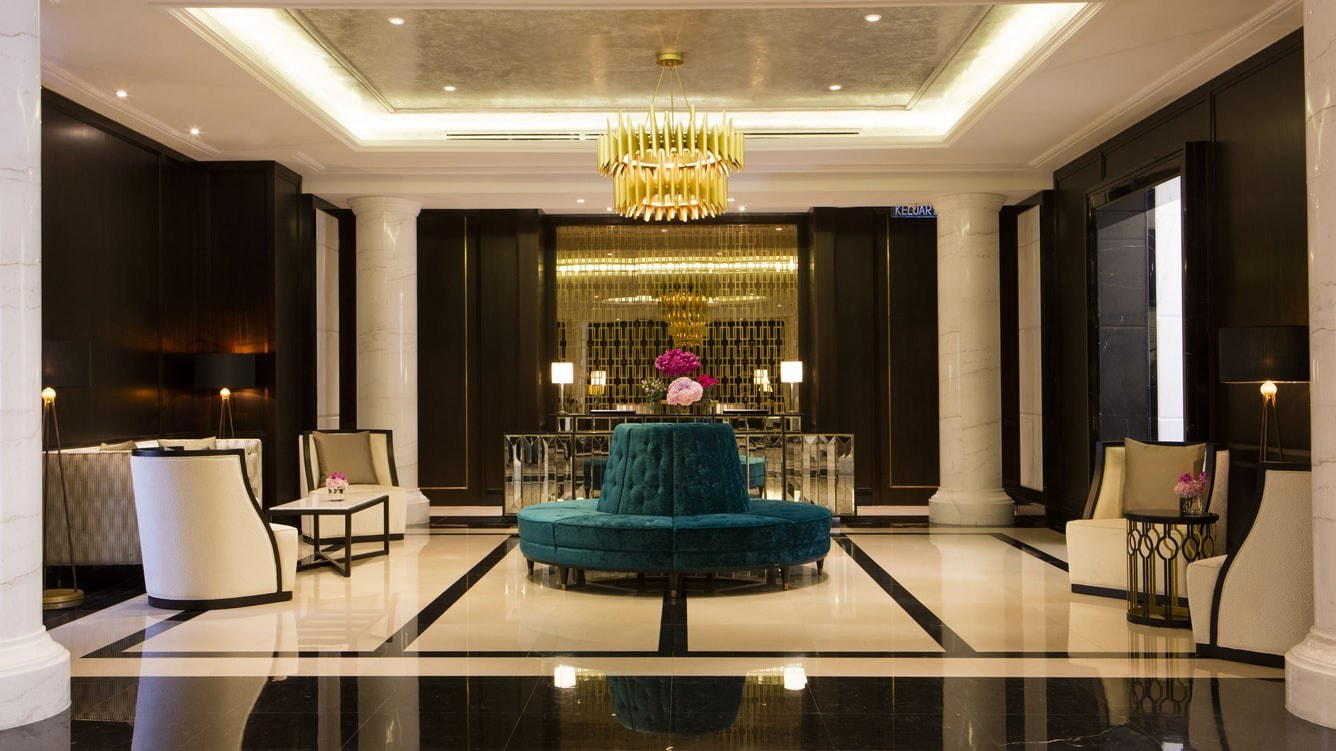
Dimly lit with vintage canteen-style furniture, distressed chairs, nostalgic decor evoking retro Malaysia.