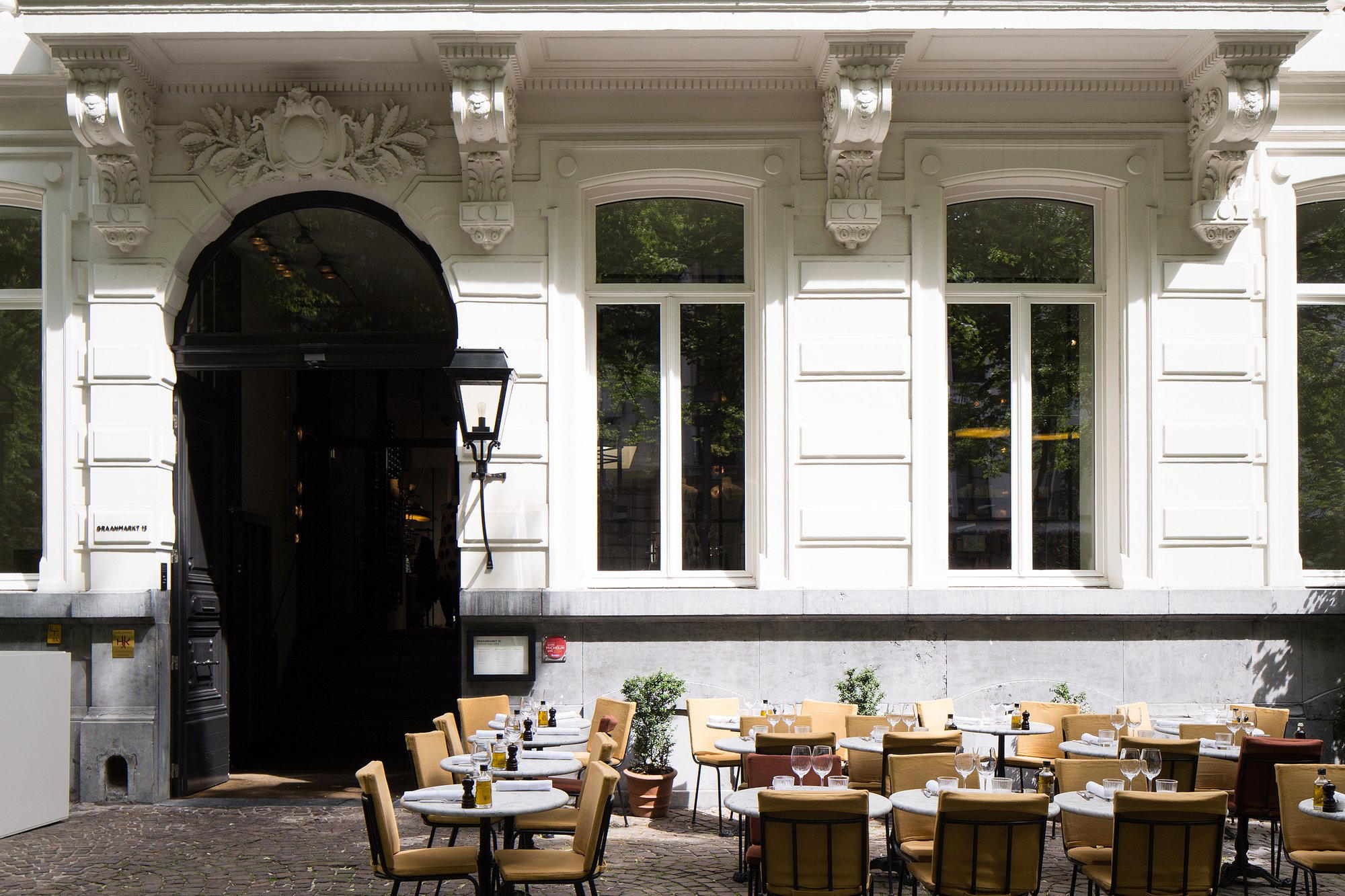
Graanmarkt 13 occupies a restored 18th-century townhouse in Antwerp's historic grain market district, combining a restaurant, boutique, and apartment under one roof. The format positions it firmly within the city's broader turn toward hybridised cultural spaces rather than standalone dining rooms. For visitors who want to read Antwerp through a single address, few places encode the city's design-forward sensibility as precisely.
 Discover on Pearl
Pearl is the En Primeur Club membership app — saves, bookings, and concierge access live there. Same editors, same standards.
- Address
- Graanmarkt 13, 2000 Antwerpen, Belgium
- Phone
- +3233377992
- Website
- graanmarkt13.com
Where the Grain Market Meets the Dining Room
Antwerp's Graanmarkt square carries centuries of commercial weight. The name alone, grain market, signals a district built on trade, on the movement of goods between Flemish hinterland and the port, and on the kind of mercantile pragmatism that shaped Belgium's second city into something harder and more self-possessed than its Brussels counterpart. The address at number 13 sits inside that history without treating it as décor. The building is 18th-century, the bones are there in the proportions and the stonework, but what happens inside belongs to a recognisably contemporary Antwerp logic: the idea that a well-considered space should function on several registers at once.
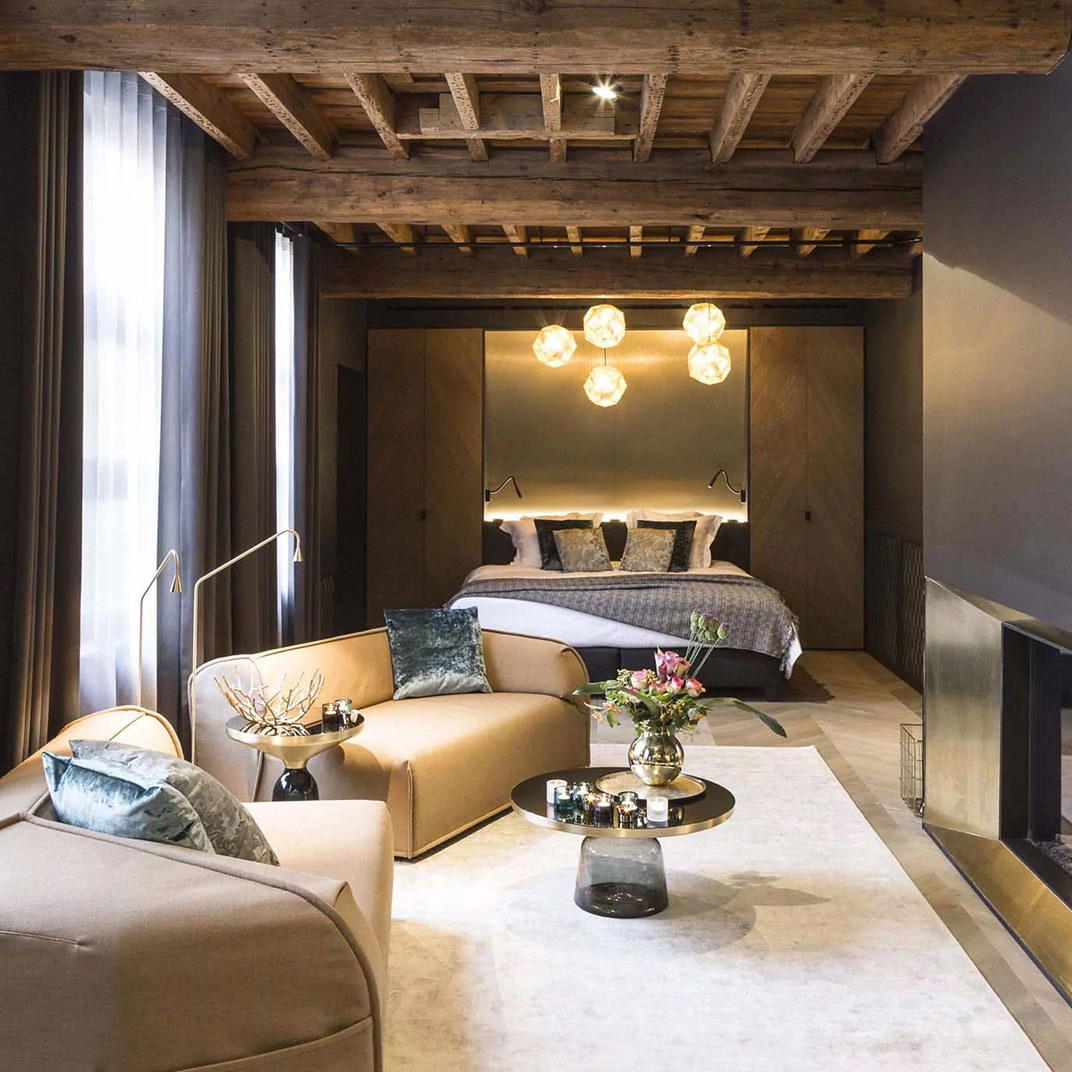
The format combines restaurant, concept store, and a single private apartment available for short stays. That hybrid model is not unique to Antwerp, but it has taken particular hold here, in a city where the fashion and design industries have long pressed against the boundaries of conventional retail. Graanmarkt 13 belongs to a cohort of addresses, globally, think the early Merci model in Paris, or certain Tokyo lifestyle formats, that treat curation as the primary discipline and everything else, including the food, as an expression of that curatorial position. Whether that framing flatters or slightly diminishes the restaurant depends on how seriously you take the cooking, which, by most informed accounts, you should.
The Flemish Table and Its Current Tensions
Belgian fine dining sits in an interesting position in the broader European conversation. Michelin density per capita is high, Belgium consistently ranks among the leading countries in Europe on that measure, and the Flemish kitchen in particular has developed a distinct vocabulary over the past two decades. It draws on classical French technique, on hyperlocal ingredient sourcing, and on a willingness to apply northern European minimalism to dishes that in earlier generations would have been considerably richer. Addresses like Hertog Jan at Botanic and 't Fornuis in Antwerp represent poles of that tradition: the former pushing toward creative modern Flemish, the latter anchoring a more classical European-Flemish position.
Graanmarkt 13 sits somewhere between those poles and slightly outside the formal fine-dining tier, which is itself an editorial choice. The restaurant is not competing on Michelin terms; it is competing on atmosphere, coherence of concept, and the quality of a particular dining experience that does not require a lengthy tasting menu to make its point. That positioning has become more common in Antwerp and in Belgian cities more broadly, as a generation of diners, and operators, has grown sceptical of the formality that starred dining often still imposes.
But Graanmarkt 13 is not trying to be Zilte, and the distinction matters. The question this address answers is different: not how far can Belgian cooking be pushed technically, but how completely can a single building embody an Antwerp sensibility at the table.
What the Space Asks of You
Arriving at Graanmarkt 13, the experience begins before you sit down. The concept store occupies part of the ground floor, curating a rotating selection of design objects, fashion, and books that functions as an argument about taste, the same argument the restaurant then continues through the menu. This sequencing is deliberate. Cities like Antwerp, Copenhagen, and Tokyo have produced the most coherent versions of this total-environment approach, where the gap between what you buy, what you eat, and where you sleep is compressed into a single address.
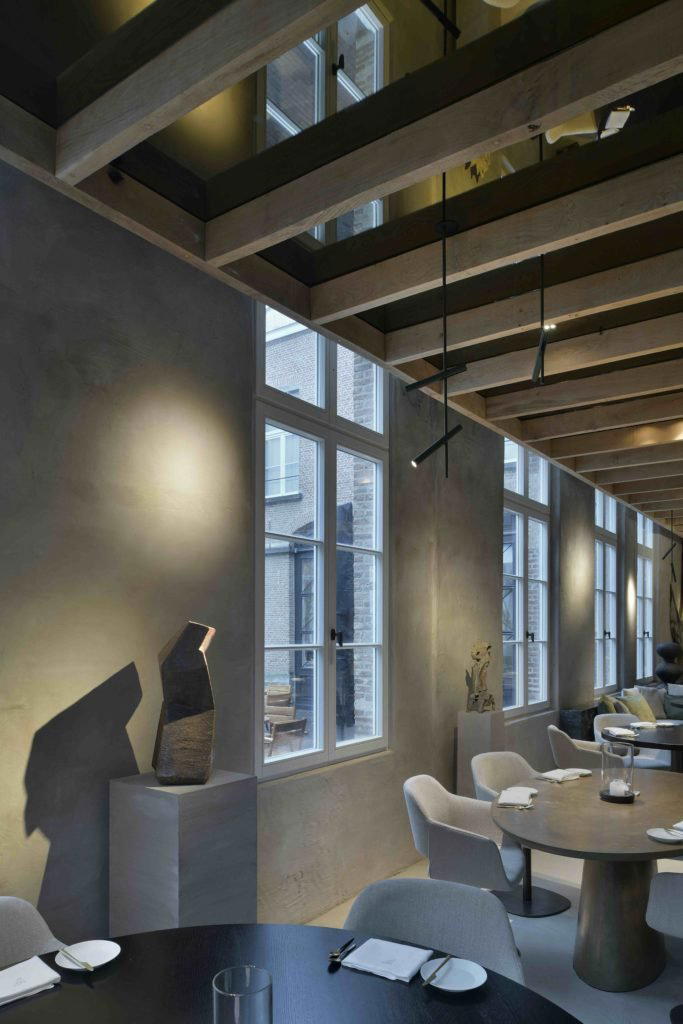
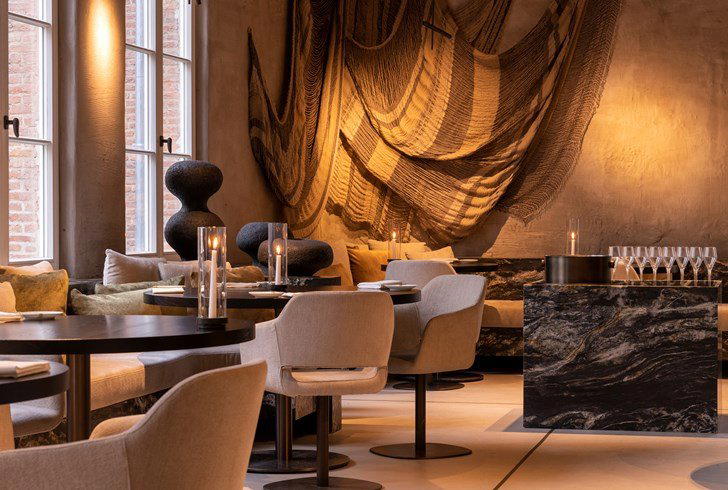
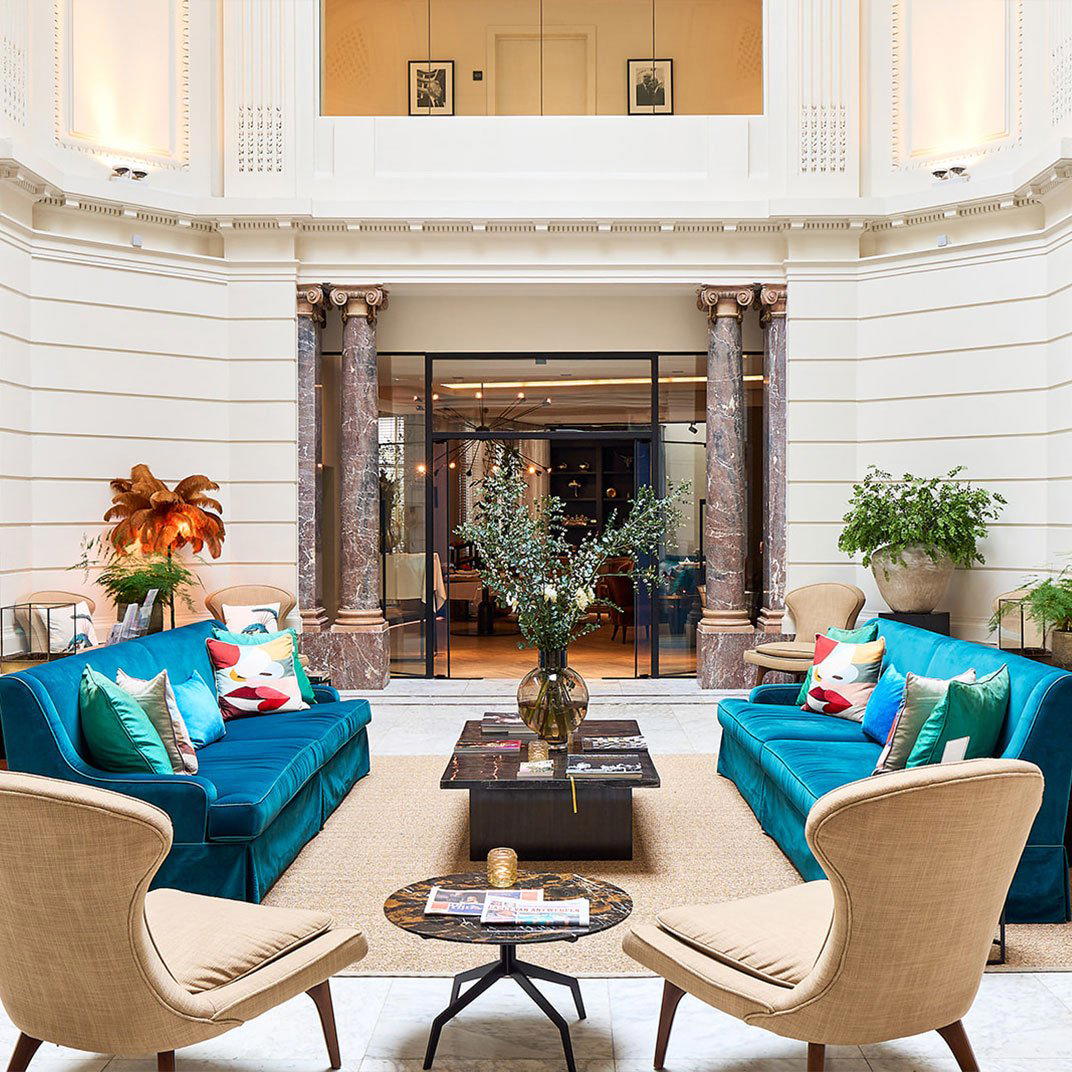
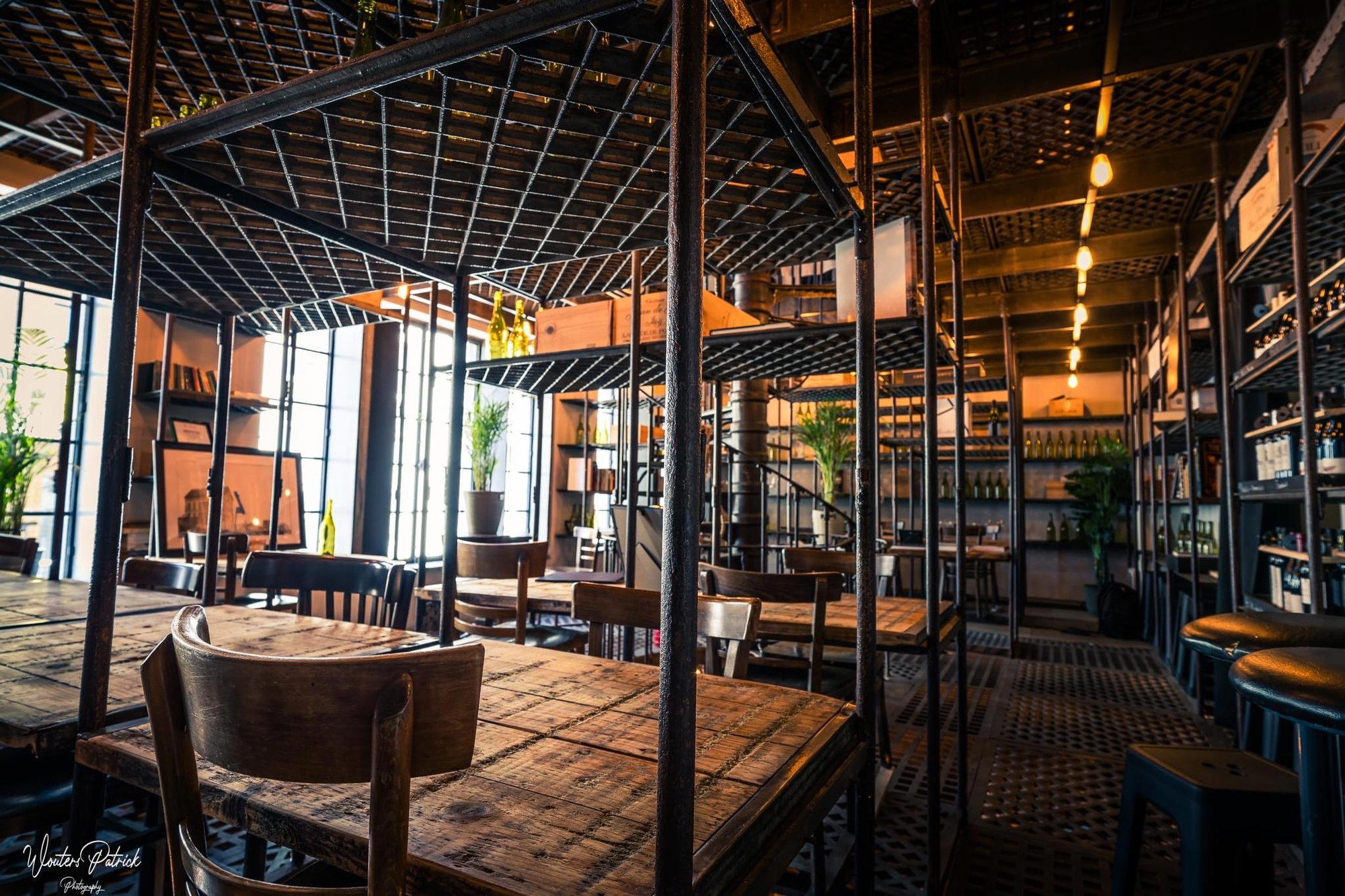
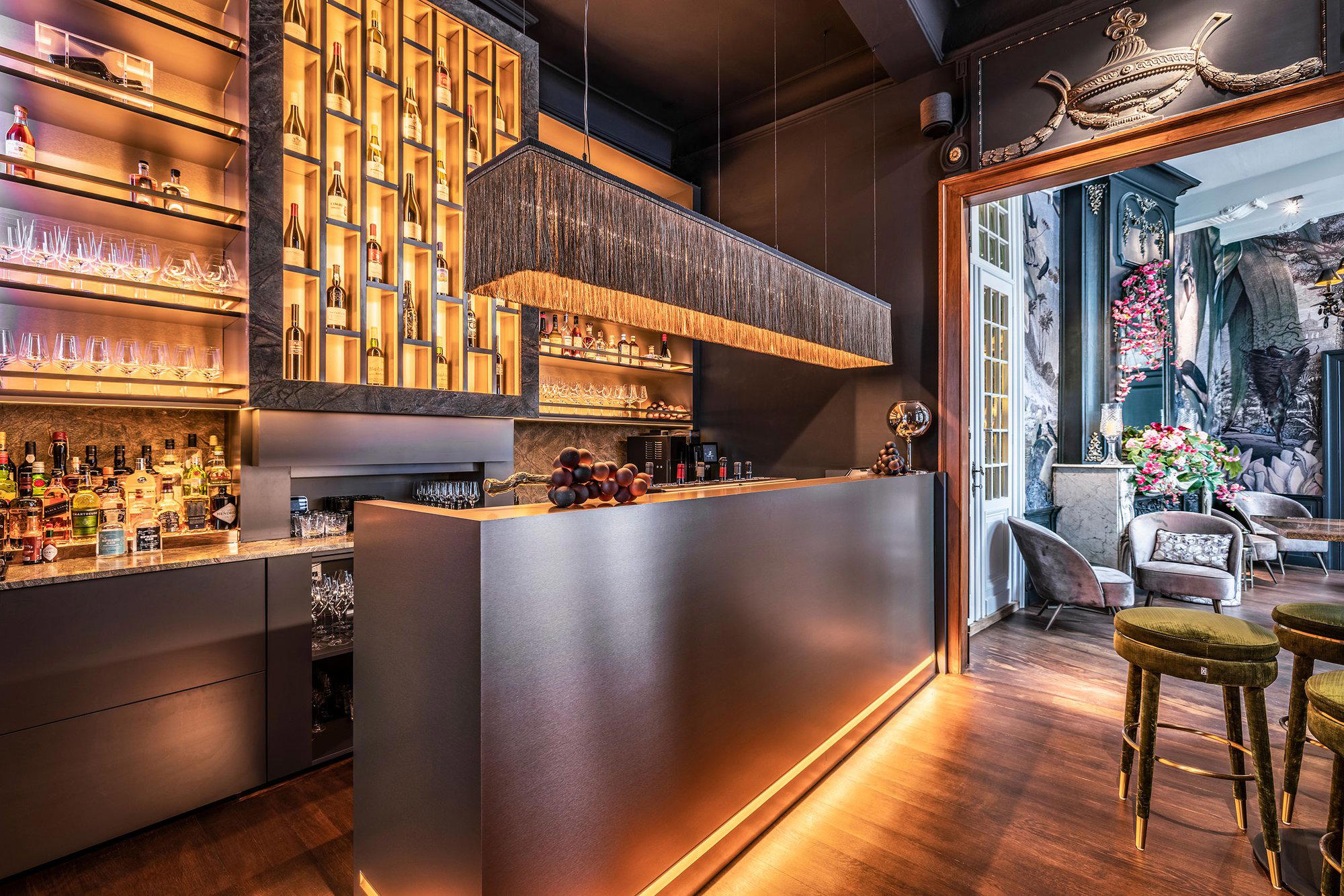
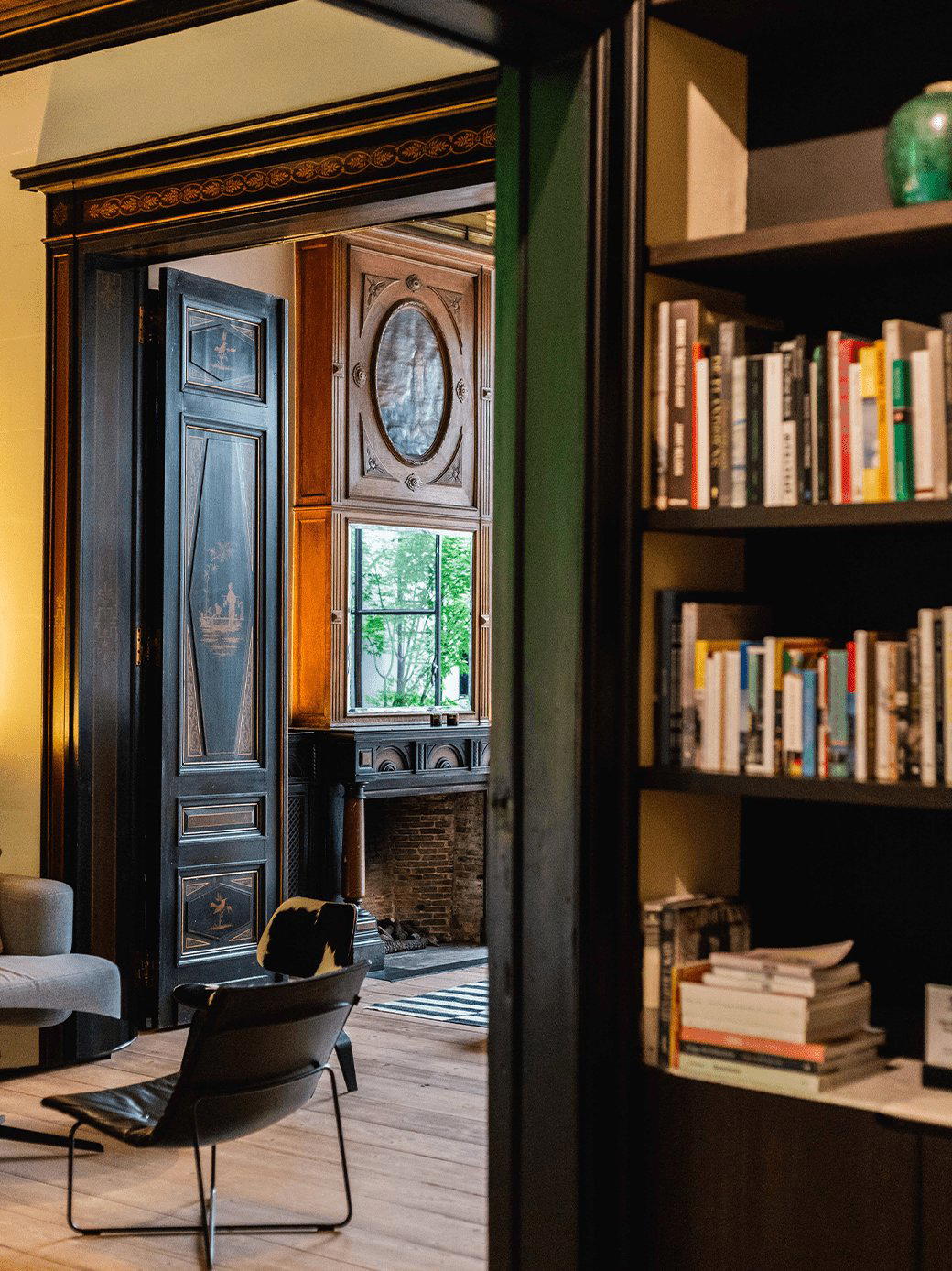
For dining specifically, the restaurant occupies a space with the kind of atmosphere that results from good architecture being left largely to speak for itself. Warm materials, considered light, the texture of a building that has been used for a long time. Antwerp's design culture tends toward this register: nothing that shouts, everything that rewards attention.
Antwerp's Wider Dining Map
Graanmarkt 13 is one coordinate in a dining city that rewards sustained exploration. The old city centre and the district around the Meir anchor the more accessible end of the market, while addresses scattered across Zurenborg, the Eilandje, and the neighbourhoods south of the ring reward more deliberate navigation. DIM Dining represents the Japanese-Asian strand of the city's premium offer; Bistrot du Nord covers the traditional French register. The full Antwerp restaurants guide maps these patterns across price tiers and styles.
Antwerp also sits within convenient reach of some of Belgium's most discussed restaurants outside Brussels. Hof van Cleve in Kruishoutem and Boury in Roeselare are under two hours by road, as are Willem Hiele in Oudenburg and Bartholomeus in Heist. Further afield, Belgium's dining geography extends to addresses like Castor in Beveren, d'Eugénie à Emilie in Baudour, De Jonkman in Sint-Kruis, L'air du temps in Liernu, and La Durée in Izegem. In Brussels, Bozar Restaurant represents a comparable intersection of cultural institution and serious cooking. For international comparison, the hybridised-concept model Graanmarkt 13 employs finds echoes in how Atomix in New York operates as both a dining experience and a cultural statement, while the commitment to sourcing rigour at addresses like Le Bernardin reflects how seriously the top tier of restaurant culture treats ingredient provenance.
Planning Your Visit
Graanmarkt 13 is located at Graanmarkt 13, 2000 Antwerp, Belgium. Given the hybrid format, it is worth arriving with time to move through the store before or after eating. Reservations for the restaurant are advisable, particularly on weekends and during Antwerp's fashion and design calendar peaks. The apartment represents a more intimate and logistically specific commitment; enquire directly with the venue for availability and terms. Antwerp's compact centre makes it practical to combine a meal here with the broader design and fashion district that has developed around the Nationalestraat and the Kammenstraat.
Comparable Venues
Comparable venues nearby, for context on price, style, and recognition.
| Venue | Cuisine | Price | Awards | Notes |
|---|---|---|---|---|
| Graanmarkt 13This venue — the venue you are viewing | Modern Belgian Vegetable-Focused Bistro | $$$ | , | |
| Harvest | Sustainable European Farm-to-Table | $$$ | 1 recognition | city center |
| V Modern Italian | Modern Italian | $$$ | , | Fashion District |
| The Chocolate Line | Artisanal Belgian Chocolatier | $$$ | , | Meir |
| La Terrazza | Authentic Italian & Mediterranean | $$$ | , | Wilrijk |
| Millésime | Wine Bar | $$$ | , | Antwerp |
At a Glance
- Modern
- Cozy
- Elegant
- Minimalist
- Date Night
- Special Occasion
- Open Kitchen
- Historic Building
- Design Destination
- Extensive Wine List
- Local Sourcing
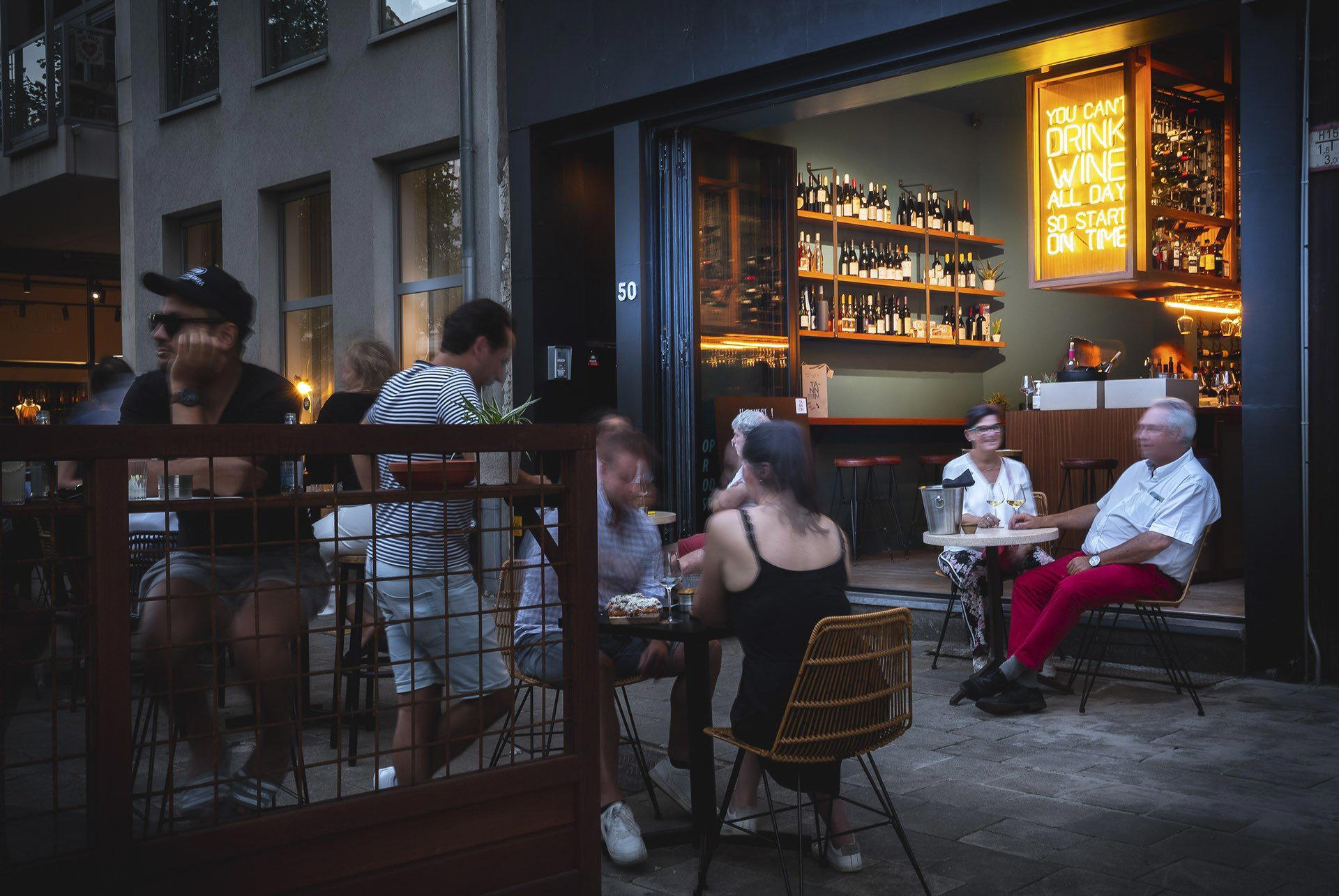
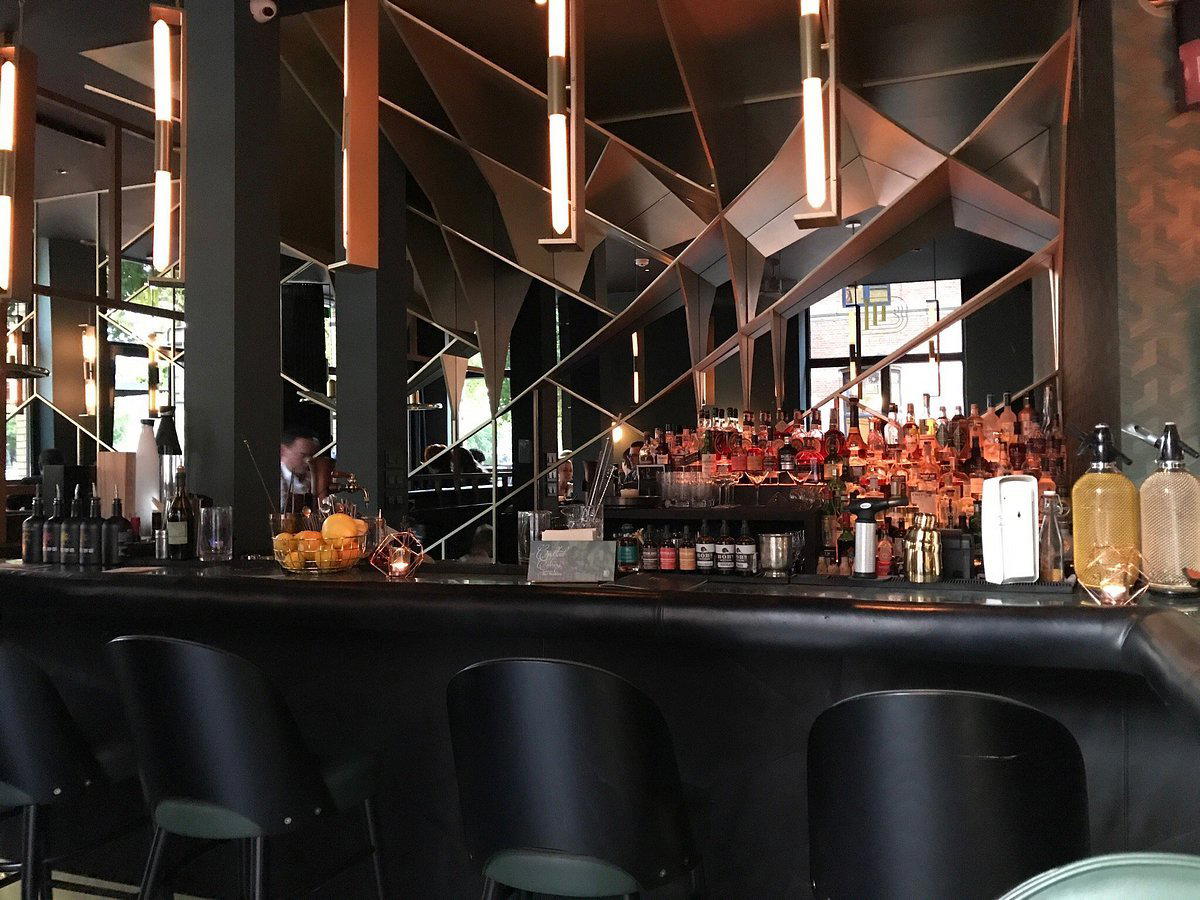
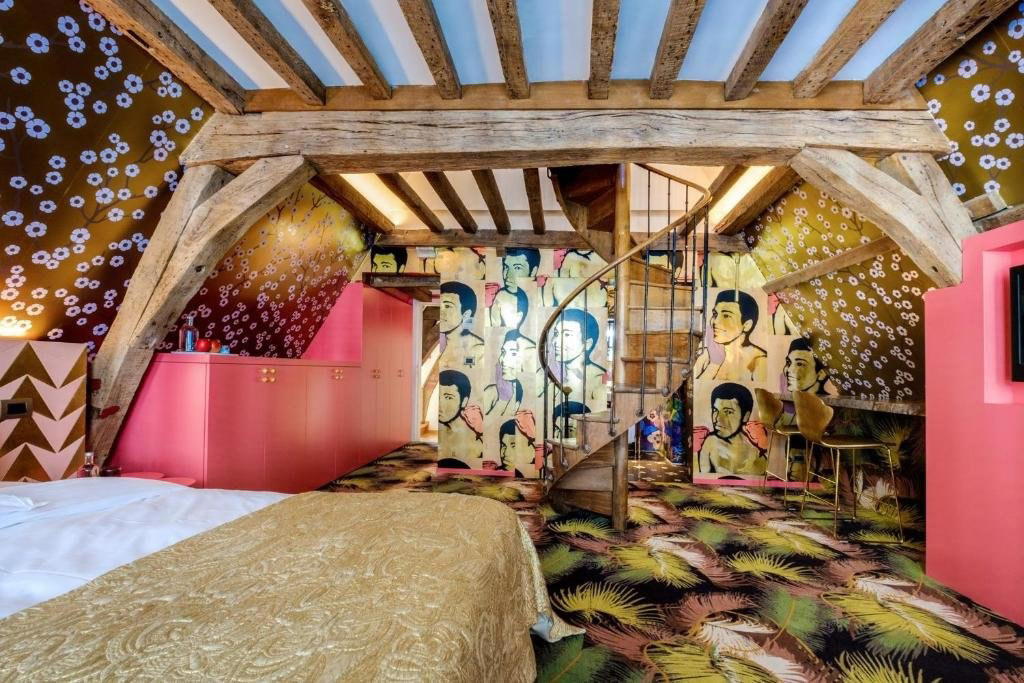
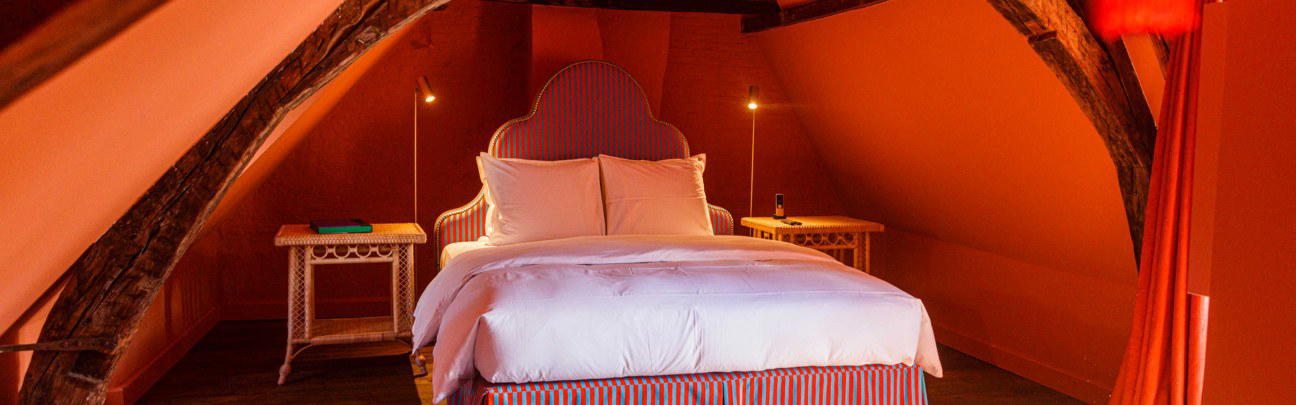
Cozy and comfortable interior with warm, exciting atmosphere in a historic building.