Located on Avenue Duquesne in the 7th arrondissement, Lily Wang occupies a corner of Paris where Chinese culinary tradition meets one of the city's most quietly residential districts. The address places it in conversation with some of the capital's most serious dining rooms, raising immediate questions about how the menu is constructed and what it is actually trying to say.
Pearl is the En Primeur Club membership app — saves, bookings, and concierge access live there. Same editors, same standards.
- Address
- 40 Av. Duquesne, 75007 Paris, France
- Phone
- +33153860909
- Website
- lilywangparis.com
- Directions
- Get directions
 Saves & bookings on Pearl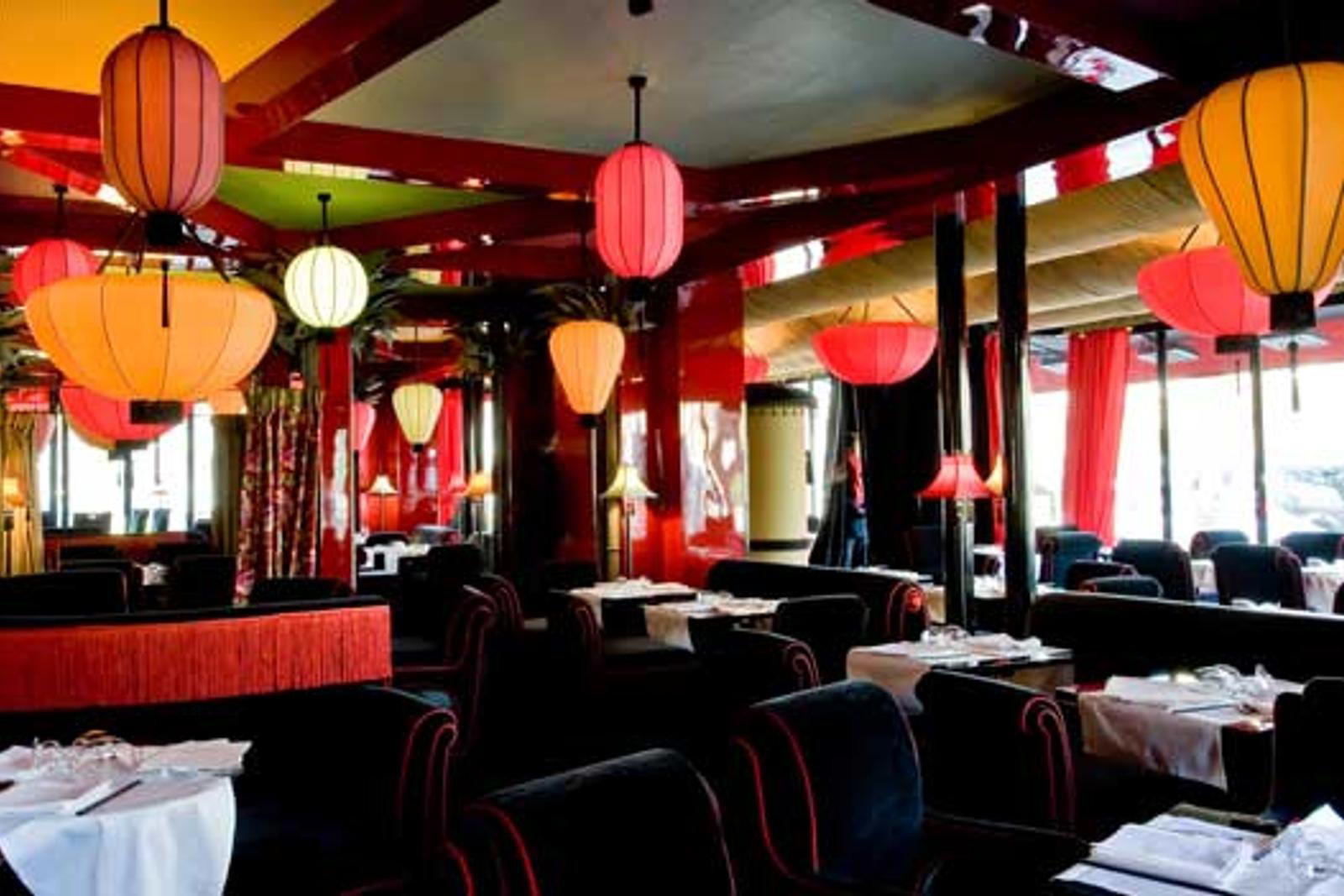
A Chinese Table in the 7th: Reading the Room Before the Menu
Avenue Duquesne runs through one of the more composed stretches of the 7th arrondissement, a neighbourhood whose dining identity is shaped less by foot traffic and more by intention. The streets here sit between Les Invalides and the Champ de Mars, and the restaurants that survive in this pocket tend to do so on the strength of a defined point of view rather than tourist volume. It is the kind of address that makes you ask, before you have read a single dish description, what a Chinese restaurant is saying by choosing to be here — and what the neighbourhood is saying by accepting it.
Paris has a long and sometimes underexamined relationship with Chinese cooking. The city's Chinese restaurant scene spans from the dense cluster of Cantonese and Vietnamese-inflected houses in the 13th arrondissement to a smaller tier of higher-register operations that have positioned themselves against the city's French fine dining establishment rather than against each other. Lily Wang at 40 Avenue Duquesne sits at this second address — a placement that signals ambition before any other detail does. The 7th is home to Arpège and a short distance from the grand boulevard dining of the 8th, where Alléno Paris au Pavillon Ledoyen and Le Cinq at the Four Seasons George V set the tone for what the city's most formal tables expect of a guest and a menu.
How the Menu Architecture Frames the Experience
The most revealing thing about any serious restaurant is not a single dish but the logic that connects one course to the next. In Paris, this question of menu structure has been central to the city's dining evolution for decades. Classic houses like L'Ambroisie built their reputations on menus where every element was in deliberate conversation with a larger seasonal and classical grammar. Contemporary operations like Kei, which grafted Japanese precision onto a French tasting format, demonstrated that menu architecture could itself become a critical statement about cultural synthesis.
Chinese cooking, at its most considered, operates on a different structural logic than the European progression of amuse-bouche to mignardise. The traditional banquet format prioritises simultaneity, texture contrast, and the interplay of hot and cold, light and rich, across a shared table. How a Chinese restaurant in a city shaped by classical French sequencing chooses to resolve that tension, whether it adopts a Western progression, preserves a Chinese banquet grammar, or constructs something in between, is the central editorial question any serious review of Lily Wang would need to answer.
Comparable cross-cultural fine dining operations elsewhere in France, from AM par Alexandre Mazzia in Marseille to the regional anchors of Troisgros in Ouches and Bras in Laguiole, each resolved their structural identity through a specific and legible point of view. For a Chinese table in the 7th, the same expectation applies.
The question of how Chinese cooking sits within French fine dining is not unique to Paris, but the city gives it a particular intensity. Paris has for decades been a proving ground for non-French chefs working in a French culinary register, see the trajectory of Kei Kobayashi's operation on Rue Coq Héron, which earned Michelin recognition by positioning Japanese technique inside a rigorous French tasting format. New York has done something similar with operations like Atomix, where Korean culinary logic was reframed through a high-end tasting menu structure that earned it a place among the city's most recognised dining rooms. The global template for this kind of cross-cultural fine dining is now well established; what changes from city to city is which culinary tradition is doing the negotiating, and with whom.
In Paris, a Chinese fine dining address in the 7th is negotiating with one of the most demanding peer sets in the world. The classics of the French canon, from the long-running prestige of Paul Bocuse's Auberge du Pont de Collonges to the focused regional expression of Auberge de l'Ill in Illhaeusern and Assiette Champenoise in Reims, define a standard of coherence that extends beyond cuisine type. The question is never simply whether the food is accomplished but whether the entire format, from the room to the menu logic to the service cadence, reads as a complete and considered statement.
Internationally, the template is also being tested in cities where high-end Chinese cooking has developed its own institutional weight. Le Bernardin in New York established decades ago that non-French kitchens could occupy the top tier of a European-inflected fine dining city; the more recent success of cross-cultural operations confirms that the format is now genuinely open. Where Lily Wang positions itself within that conversation, whether as a Chinese table that speaks French fluently or as a French table that thinks in Chinese, is the distinction that will define how it is remembered.
Planning a Visit: What to Know
Lily Wang is located at 40 Avenue Duquesne, 75007 Paris. The address is in the 7th arrondissement, within walking distance of Les Invalides and well-served by the École Militaire metro station on Line 8. The neighbourhood is residential and moves at a quieter pace than the Right Bank dining districts, which shapes the atmosphere on arrival and departure.
Prospective diners should verify current operating details through a direct search or a reliable Paris dining reservation platform before planning. For a broader orientation to the city's dining scene, see our full Paris restaurants guide. Those interested in comparable high-register addresses outside Paris may also wish to consider Mirazur in Menton, Flocons de Sel in Megève, or Auberge du Vieux Puits in Fontjoncouse for a sense of how France's most considered regional tables approach format and menu logic.
Quick reference: 40 Av. Duquesne, 75007 Paris. Nearest metro: École Militaire (Line 8). Confirm hours, pricing, and reservations directly before visiting.
How Lily Wang Paris compares with similar nearby venues.
| Venue | Cuisine | Price |
|---|---|---|
| Gemellus | Modern Cuisine | €€€ |
| L'Escudella | Modern Cuisine | €€ |
Continue exploring
More in Paris
Restaurants in Paris
Browse all →
Bars in Paris
Browse all →
Hotels in Paris
Browse all →



At a Glance
- Elegant
- Cozy
- Sophisticated
- Intimate
- Business Dinner
- Date Night
- Special Occasion
- Terrace
- Local Sourcing
Current opening hours
- Monday
- 12–2:30 PM, 7–10:30 PM
- Tuesday
- 12–2:30 PM, 7–10:30 PM
- Wednesday
- 12–2:30 PM, 7–10:30 PM
- Thursday
- 12–2:30 PM, 7–10:30 PM
- Friday
- 12–2:30 PM, 7–10:30 PM
- Saturday
- 12–3 PM, 7–10:30 PM
- Sunday
- 12–3 PM, 7–10 PM
Hours can change for holidays and private events. Last verified .
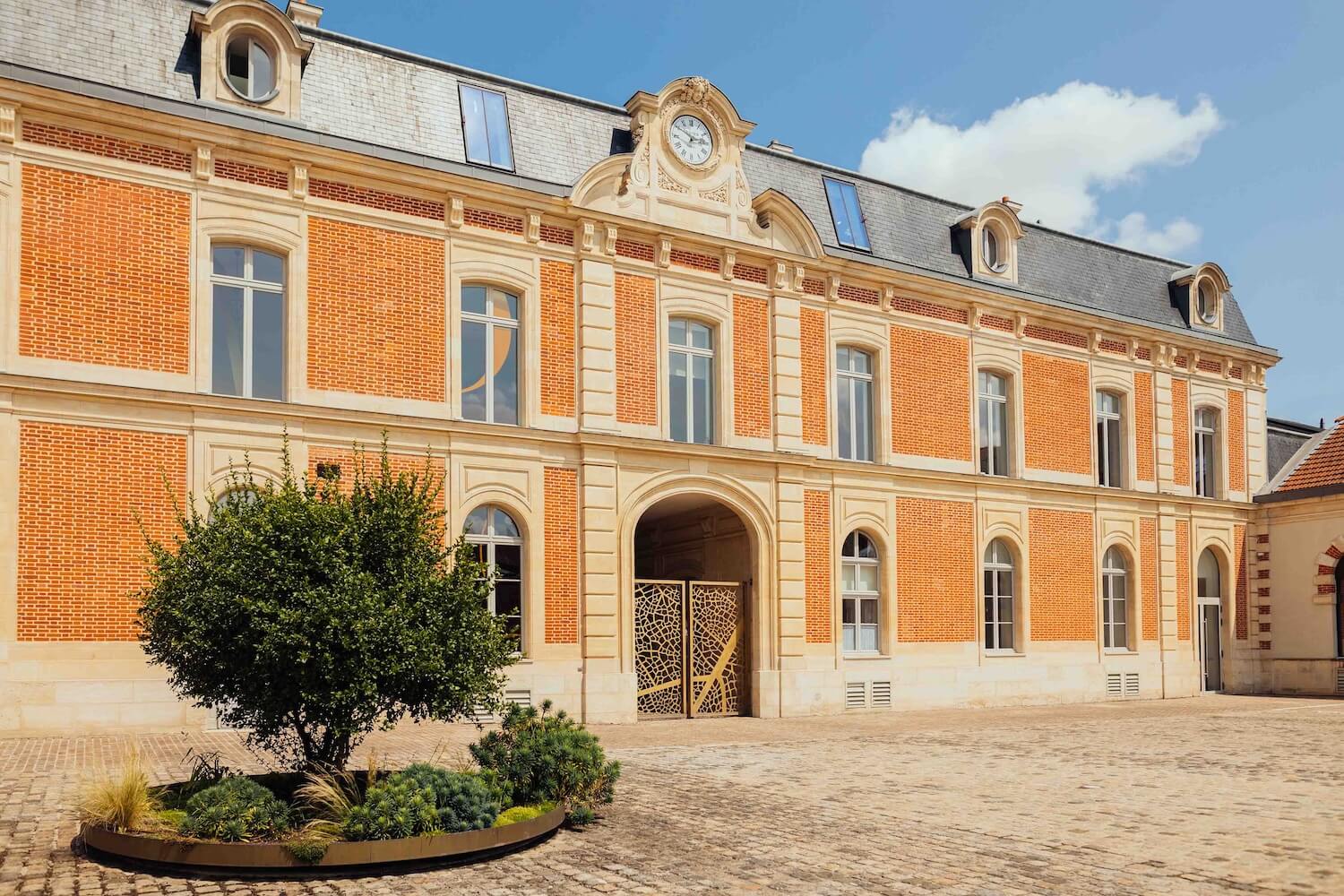
Dimmed lights, warm decor with imperial red and Chinese lanterns, cozy nooks creating an intimate and hushed bourgeois atmosphere.
Know Before You Go
- Getting there
- 40 Av. Duquesne, 75007 Paris, France