Lil'a Restaurant

A Göreme-road address in Cappadocia's tourist corridor, Lil'a Restaurant sits within one of Turkey's most dramatic volcanic landscapes, where the regional tradition of slow-cooked, clay-pot cookery has defined local tables for centuries. Visitors eating along the Tekelli district find a dining scene shaped as much by Anatolian pantry depth as by the surrounding rock-cut geography.
Pearl is the En Primeur Club membership app — saves, bookings, and concierge access live there. Same editors, same standards.
- Address
- Eski, Tekelli, Göreme Cd. No
- Phone
- +903842192220
- Website
- lil-a.com.tr
- Directions
- Get directions
 Saves & bookings on Pearl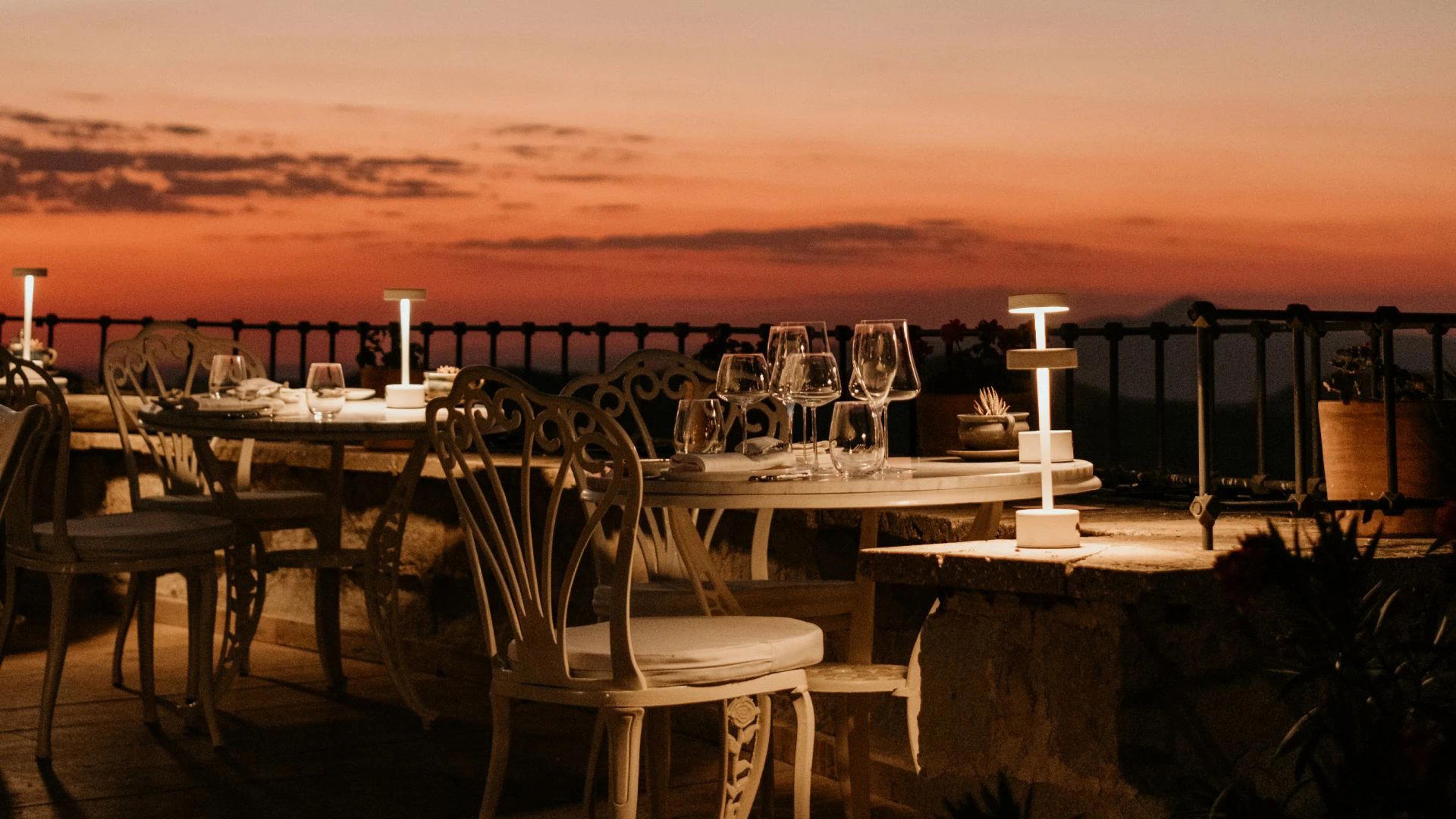
Eating in the Caldera: What Cappadocia's Dining Scene Actually Looks Like
The restaurant corridor running along Göreme Caddesi in the Tekelli quarter of Nevşehir sits at the intersection of two different pressures: an ancient Anatolian food culture rooted in testi kebabı, slow-braised lamb, and dried legume cookery, and a tourism economy that has, over the past two decades, pushed English-language menus and panoramic terraces to the front of nearly every dining room in the region. Understanding where a given table sits within that tension is the first useful question to ask before booking. Lil'a Restaurant occupies a Göreme Caddesi address in that Tekelli district context, placing it physically close to the main visitor arteries of one of Turkey's most-visited landscapes.
The Anatolian Pantry That Defines Cappadocian Cooking
Cappadocian cuisine is not a marketing invention. The volcanic plateau of central Anatolia has produced a distinct food culture for millennia, shaped by what the high-altitude, semi-arid terrain yields: dried peppers and eggplants strung across village facades each autumn, chickpeas and lentils stored against hard winters, lamb from the surrounding steppe, and the earthenware pot that functions as both cooking vessel and serving theatre. The testi kebabı, sealed in a clay pot and broken tableside, has become the region's most internationally recognised dish, but it represents a broader logic of enclosed, long-duration cooking that appears across the local repertoire. That same tradition of patient, enclosed heat explains why wood-fired and clay preparations dominate serious Cappadocian menus in a way they no longer do in Istanbul's more technique-restless dining rooms.
Across Turkey's modern dining circuit, the regional contrasts are sharp. Turk Fatih Tutak in Istanbul and Asitane in Fatih approach Anatolian culinary heritage through research-led, fine-dining frames. Maçakızı in Bodrum and Narımor in Izmir anchor themselves in Aegean coastal traditions. Cappadocia's leading tables sit in a different category entirely: the ingredients are inland and pastoral, the cooking methods are older, and the landscape itself acts as a kind of framing device that no coastal or urban restaurant can replicate. That framing is not just aesthetic. The altitude, the mineral character of the local water, and the drying traditions tied to the plateau's climate all have a material effect on flavour.
How Göreme Caddesi Fits Into the Wider Dining Map
The Tekelli district is not where Nevşehir's most local-facing eating happens. That territory belongs to the market-adjacent lokanta culture closer to the town centre, where set-lunch plates of braised vegetables and slow-cooked meat are portioned by weight and eaten fast. Göreme Caddesi, running toward the valley and its fairy chimneys, has developed as the visitor-facing tier, with restaurant addresses here drawing heavily from the balloon-flight and jeep-tour tourist circuit. The better tables along this corridor tend to distinguish themselves not by departing entirely from that tourism context but by maintaining honest fidelity to the regional ingredient set: local lamb, Cappadocian wine from the Emir and Öküzgözü grapes grown on the surrounding plateau, and seasonal vegetables preserved according to tradition rather than airfreighted in. Cappadocian Cuisine and Cappadocia Sunrise Breakfast are two other area addresses worth examining as reference points for this corridor's range. For a different register entirely, Quick China Kapadokya shows how the international tourist volume has also produced demand for non-Turkish options. Lilith Restaurant is another Göreme-area address that operates in a broadly comparable visitor-facing category.
The Broader Turkish Restaurant Conversation
Cappadocia's position within Turkey's dining conversation is sometimes underestimated by travellers who associate serious Turkish eating primarily with Istanbul or the Aegean coast. That framing misses what the inland plateau does that neither coast can: it preserves a cooking logic that preceded Ottoman court refinement and survived largely intact through the agricultural continuity of rural Anatolia. The legume-heavy meze, the clay-pot preparations, the wood-grilled skewers cut from animals raised on the surrounding steppe, these are not rustic approximations of something more sophisticated. They are the source material. Istanbul addresses like Dürümzade in Beyoglu and regional specialists like Kocak Baklava in Gaziantep each represent different branches of the same Anatolian root system. Further afield, Kısmet Etliekmek ve Lahmacun Salonu in Karaman and Hiç Lokanta in Urla illustrate how deeply regional the Turkish table becomes once you move beyond the major cities. Internationally, the comparison that occasionally surfaces in travel writing places Cappadocian cooking alongside other high-altitude agricultural traditions: think less of the precision-driven formats at Le Bernardin in New York City or the fermentation-intensive approach at Atomix in New York City, and more of the slow, ingredient-led logic that terrain-bound cuisines tend to produce wherever geography has limited and focused a pantry over centuries.
Planning Your Visit
The Tekelli district and Göreme Caddesi are most comfortably reached from central Nevşehir or the village of Göreme by car or taxi; the road is well-signed and the journey from either Göreme village or Uçhisar is short. The area's dining scene peaks between April and October, when balloon flights operate at full volume and tourist numbers are highest; travelling in shoulder months (March or November) typically means shorter waits and more attentive service across the corridor. Lil'a Restaurant is open daily from 11 AM to 10 PM, and reservations are recommended. For the broader Nevşehir and Göreme area, dinner reservations during high season are advisable at any address that operates with a set menu or limited covers.
Price and Positioning
Comparable venues nearby, for context on price, style, and recognition.
| Venue | Cuisine | Price | Notes |
|---|---|---|---|
| Lil'a RestaurantThis venue — the venue you are viewing | Uchisar, Traditional Turkish Anatolian | $$$$ | Not listed |
| Cappadocian Cuisine | Not listed | $$ | Nevsehir Merkez, Authentic Cappadocian Turkish |
| Cappadocia Sunrise Breakfast | Göreme, Traditional Turkish Breakfast | $$ | Not listed |
| Lilith Restaurant | Göreme, Turkish-Italian Fusion | $$ | Not listed |
| Quick China Kapadokya | Göreme, Chinese-Japanese Fusion | $$ | Not listed |
| Kocak Baklava | Şehitkamil, Authentic Gaziantep Baklava | $$ | Not listed |
Recognition history
Dated appearances from independent guides and award organizations, with the underlying list record or original source where available.
Relais Chateaux Award
Relais Chateaux
Continue exploring
More in Nevsehir Merkez
Restaurants in Nevsehir Merkez
Browse all →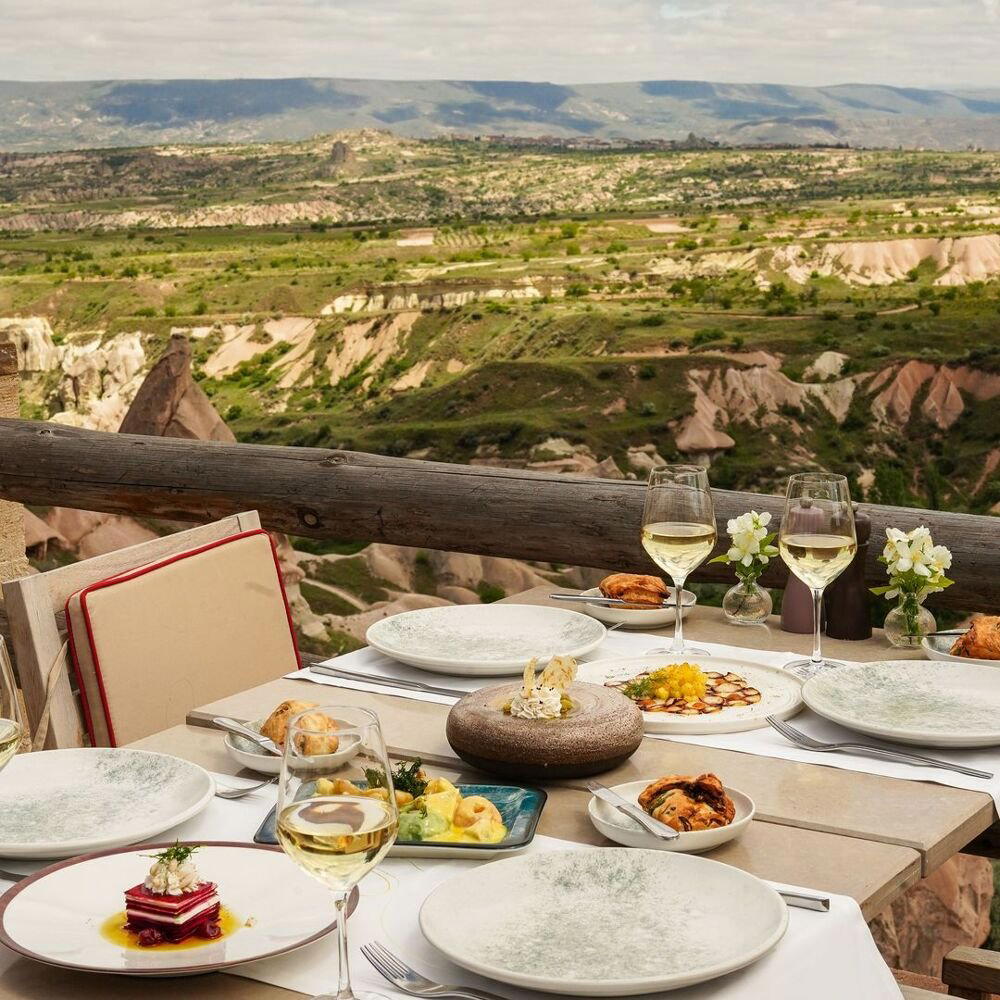
Bars in Nevsehir Merkez
Browse all →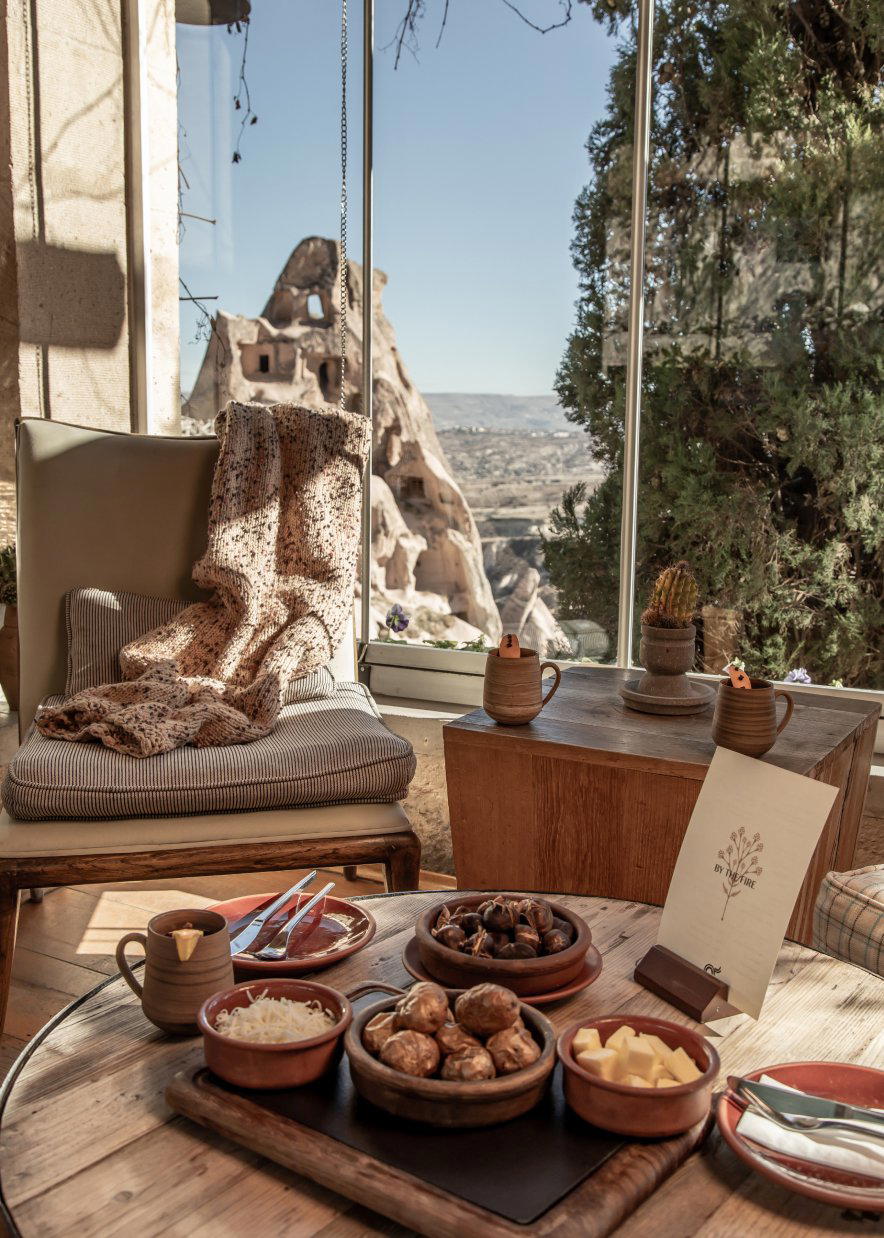
At a Glance
- Elegant
- Romantic
- Scenic
- Sophisticated
- Date Night
- Special Occasion
- Celebration
- Historic Building
- Hotel Restaurant
- Panoramic View
- Extensive Wine List
- Farm To Table
- Local Sourcing
- Mountain
Current opening hours
- Monday
- 11 AM–10 PM
- Tuesday
- 11 AM–10 PM
- Wednesday
- 11 AM–10 PM
- Thursday
- 11 AM–10 PM
- Friday
- 11 AM–10 PM
- Saturday
- 11 AM–10 PM
- Sunday
- 11 AM–10 PM
Hours can change for holidays and private events. Last verified .
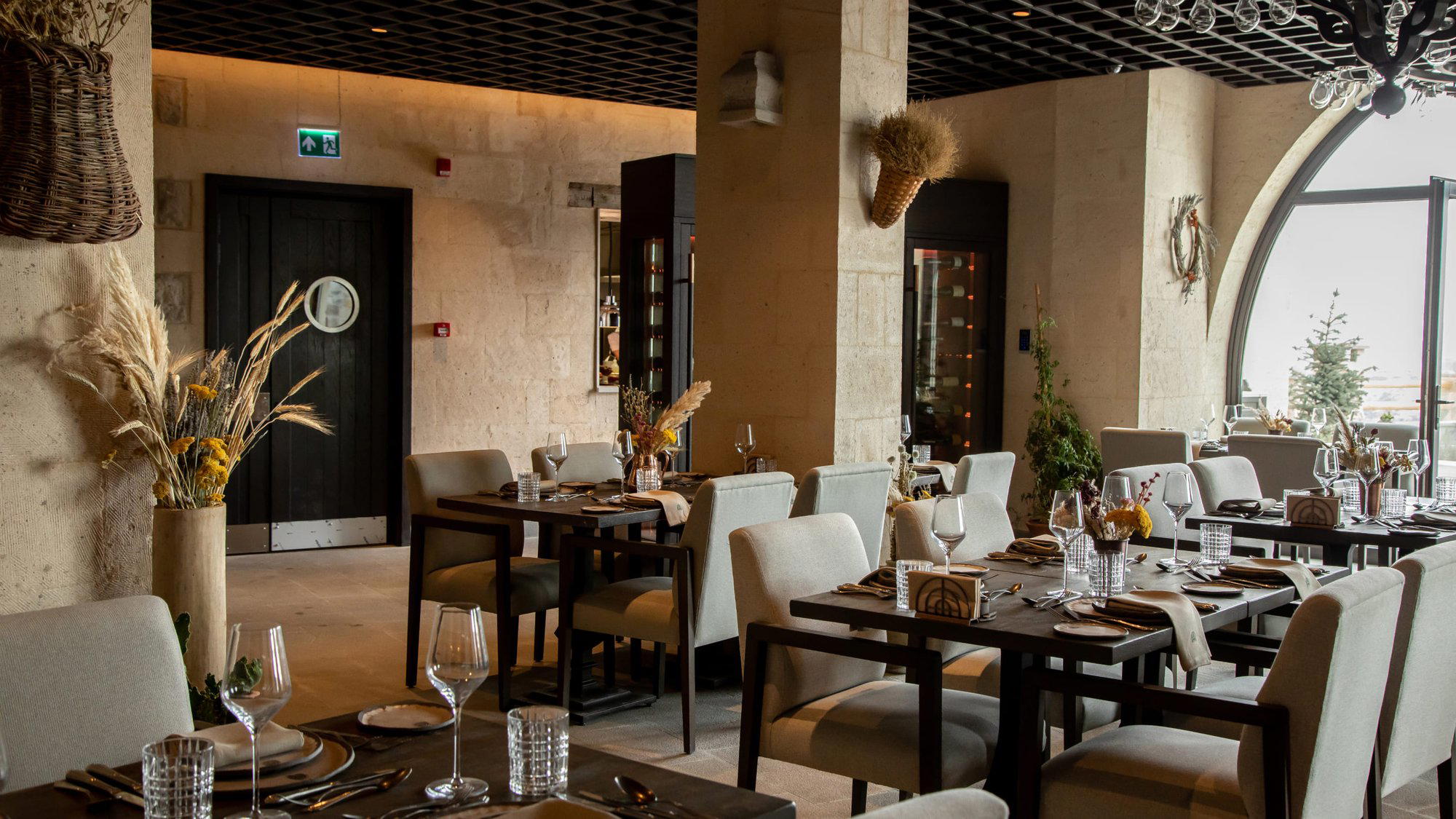
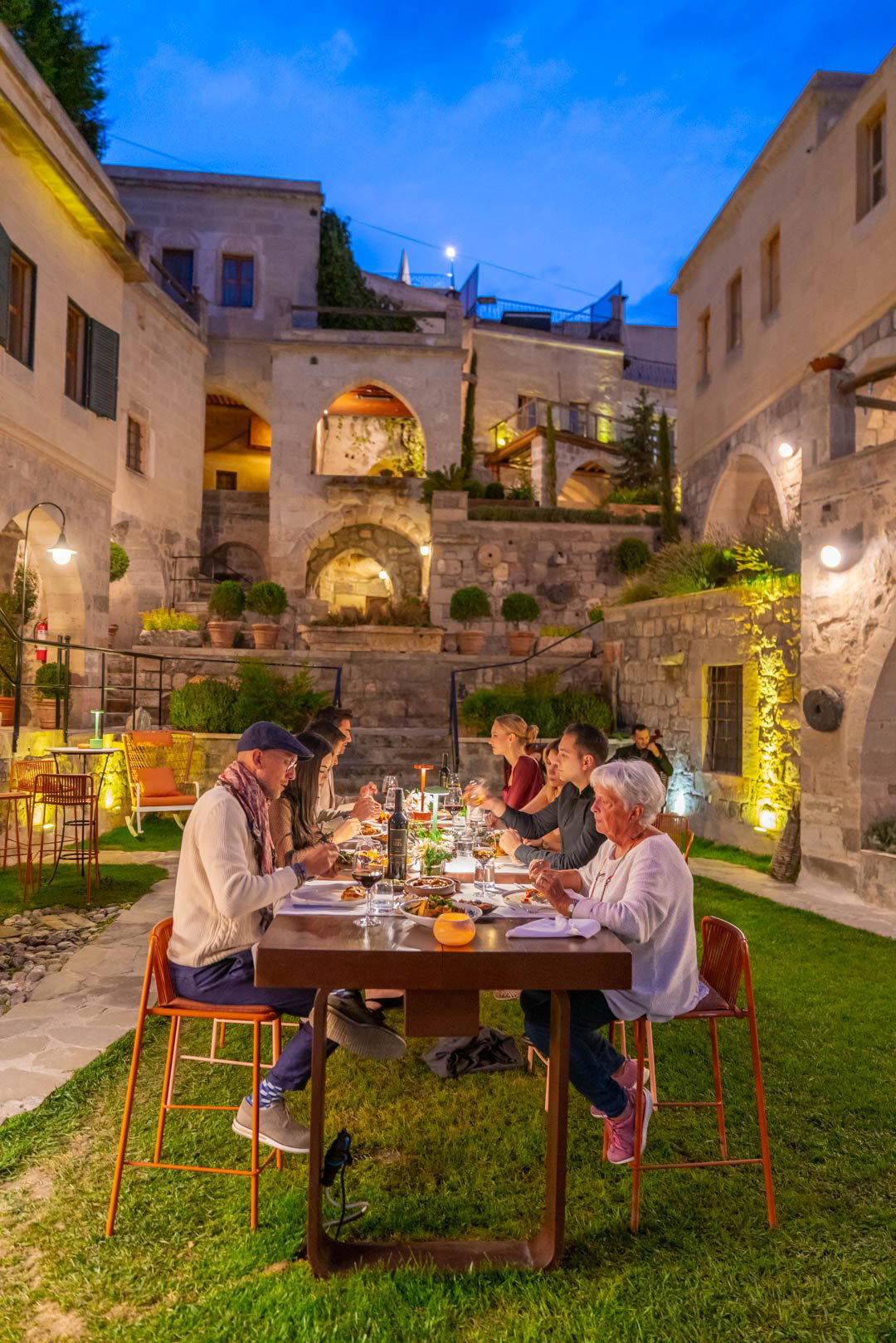
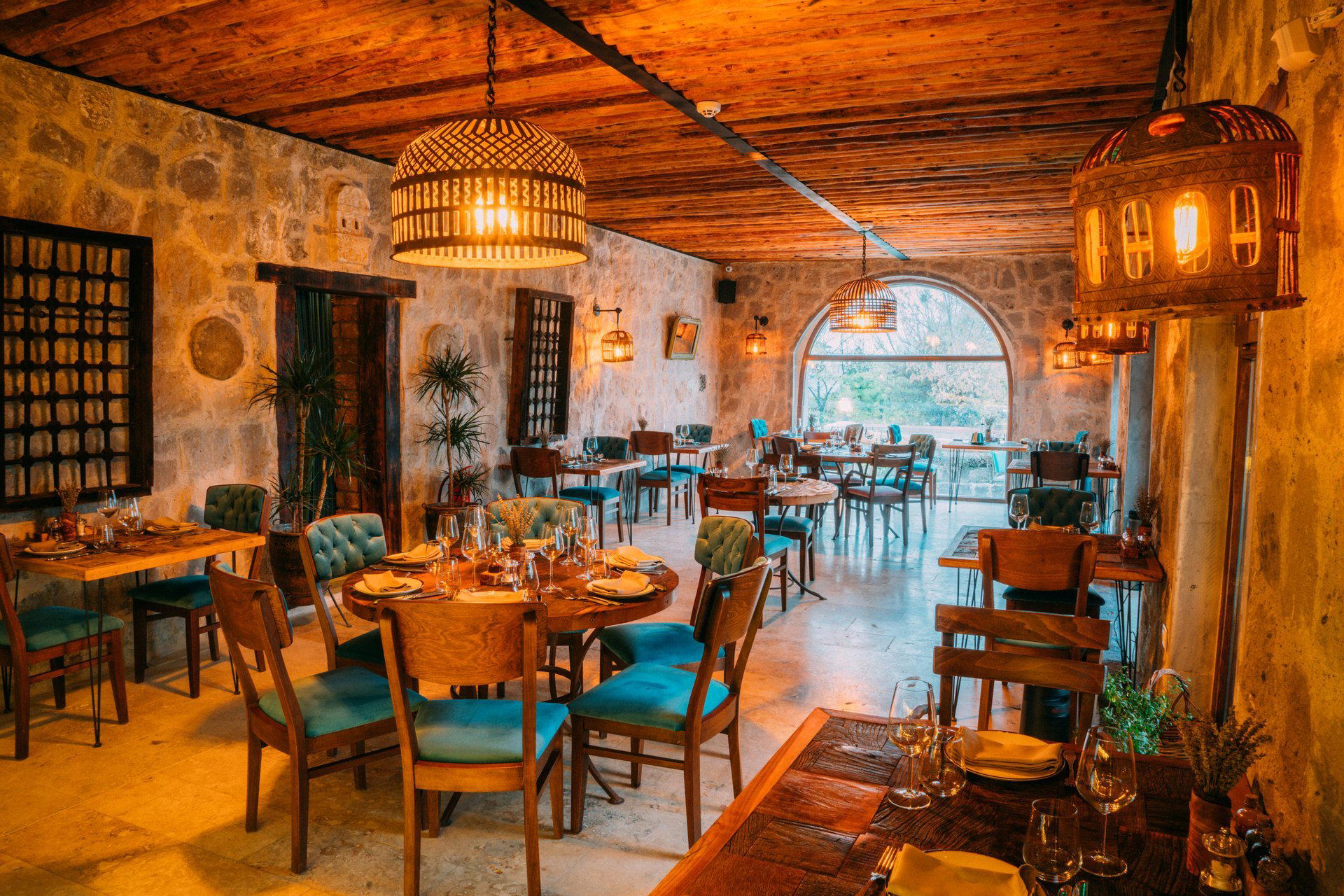
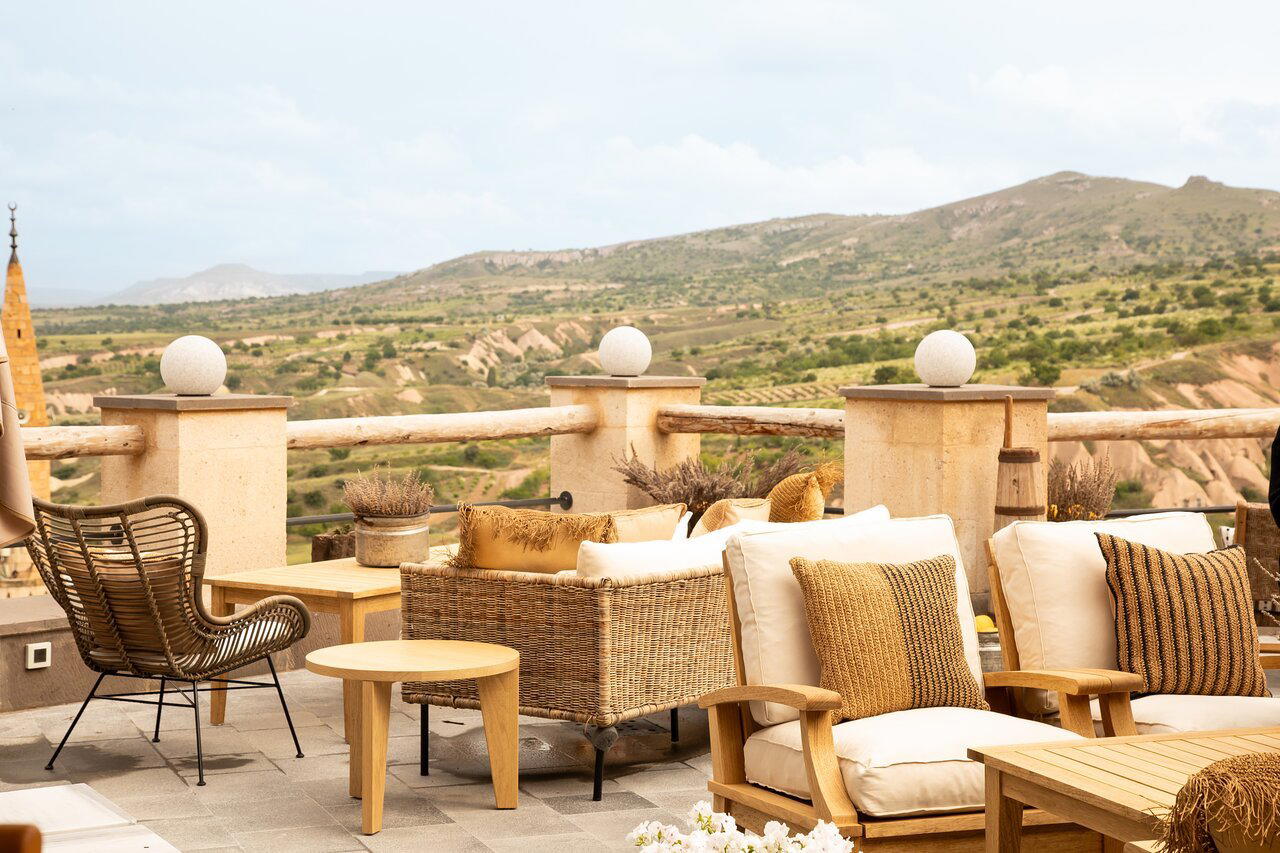
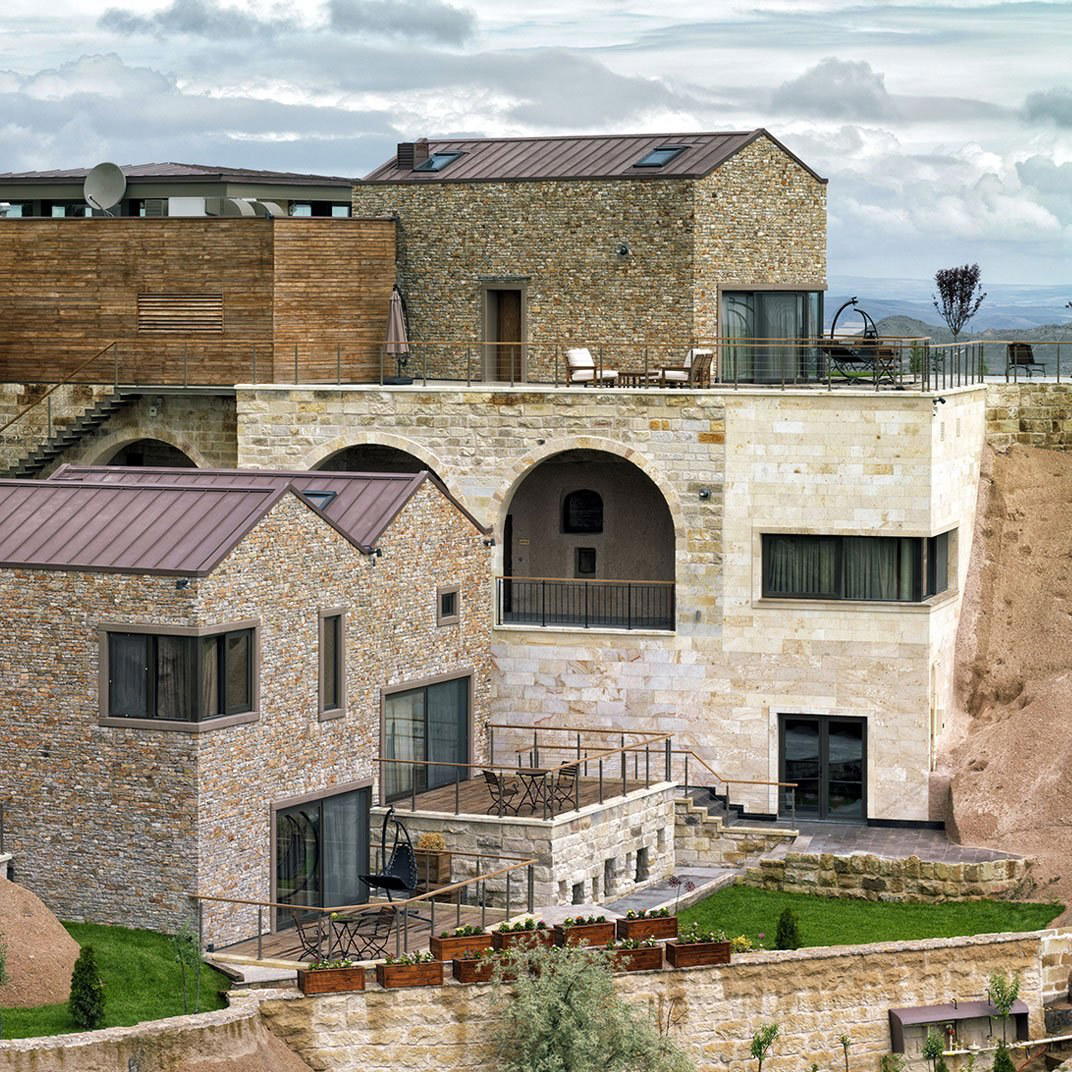
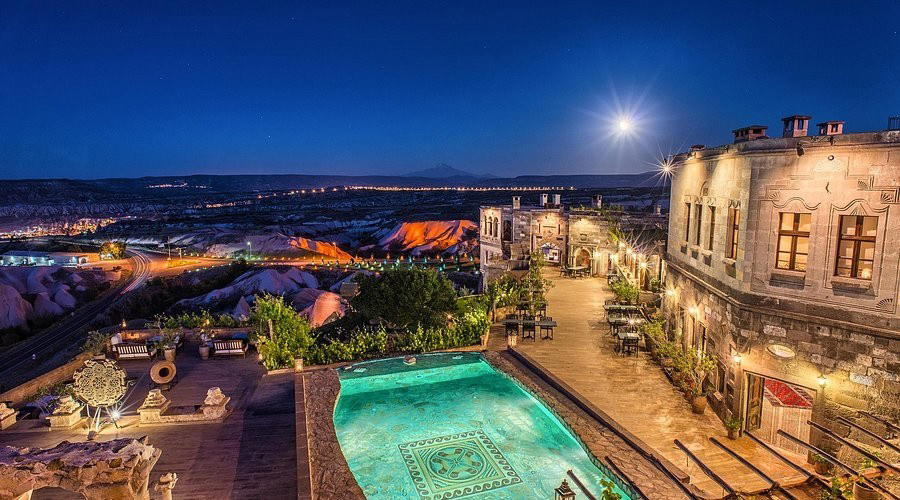
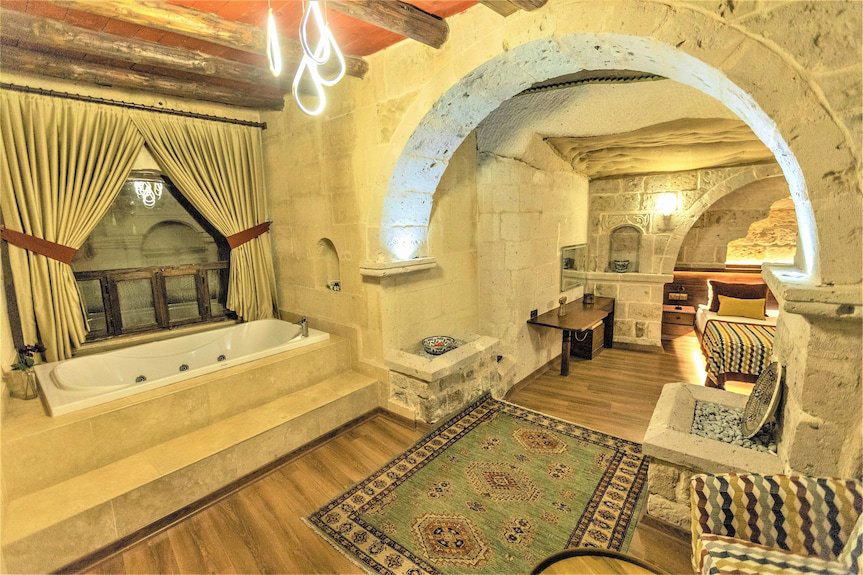
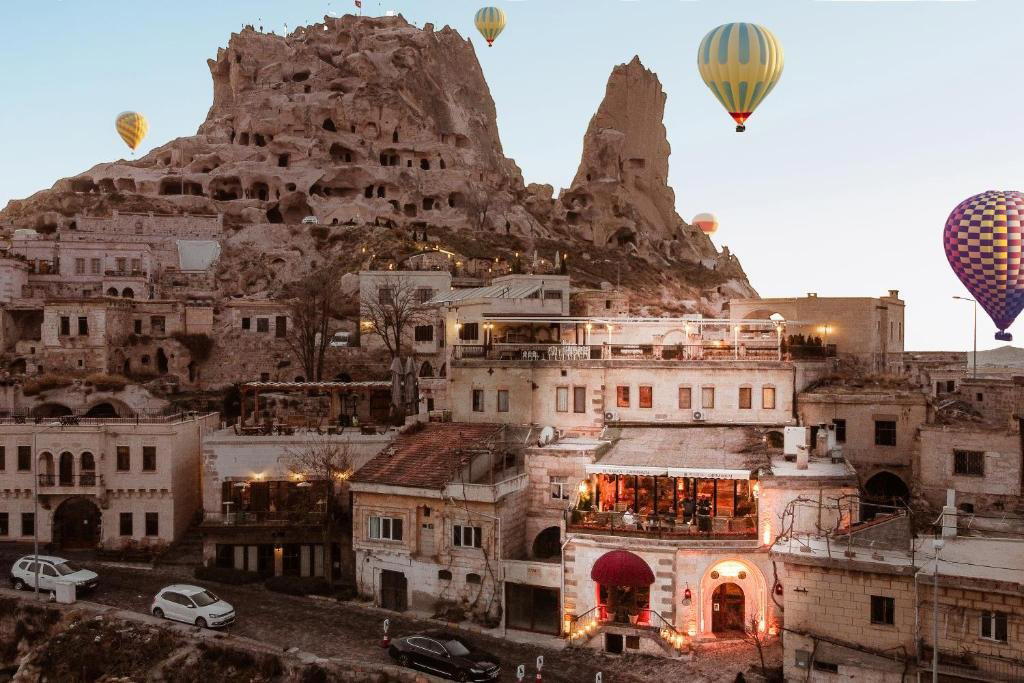
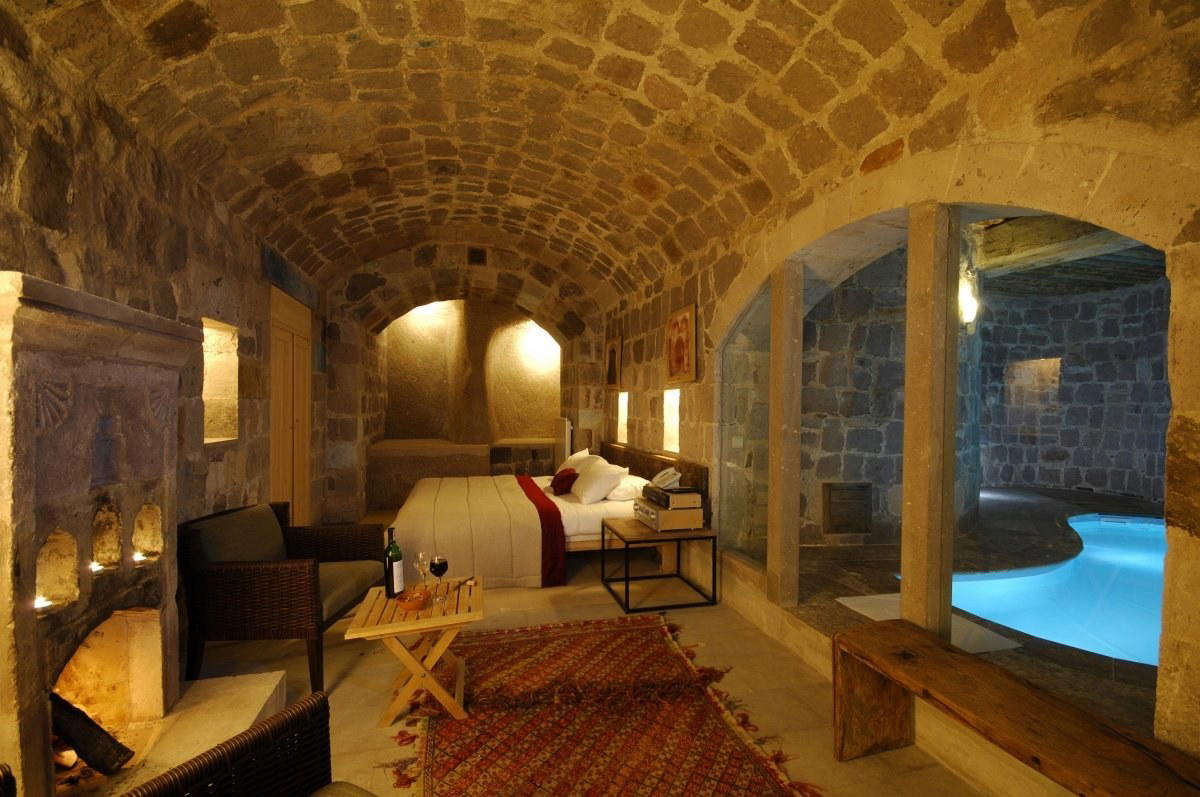
Elegant atmosphere with dramatic Cappadocian views, polished service, and a focus on refined, traditional flavors.