
Michelin Plate
Our verdict
LiLi holds a Michelin Plate in consecutive years (2024 and 2025), placing it among a small group of Chinese restaurants in Paris that draw serious critical attention. Positioned on Avenue Kléber in the 16th arrondissement at a €€€€ price point, it represents one of the more formally structured Chinese dining experiences in a city where that format remains rare.

Pearl is the En Primeur Club membership app, where members save venues, book tables and use the concierge.
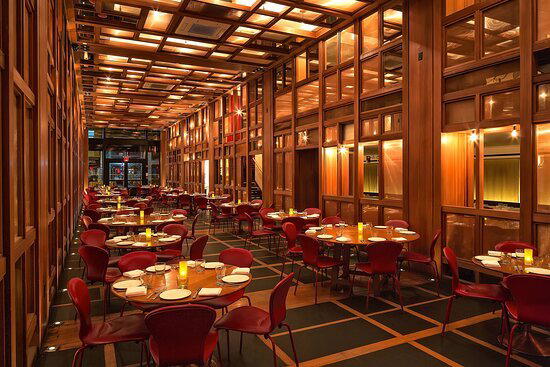
Avenue Kléber and the Architecture of Chinese Fine Dining in Paris
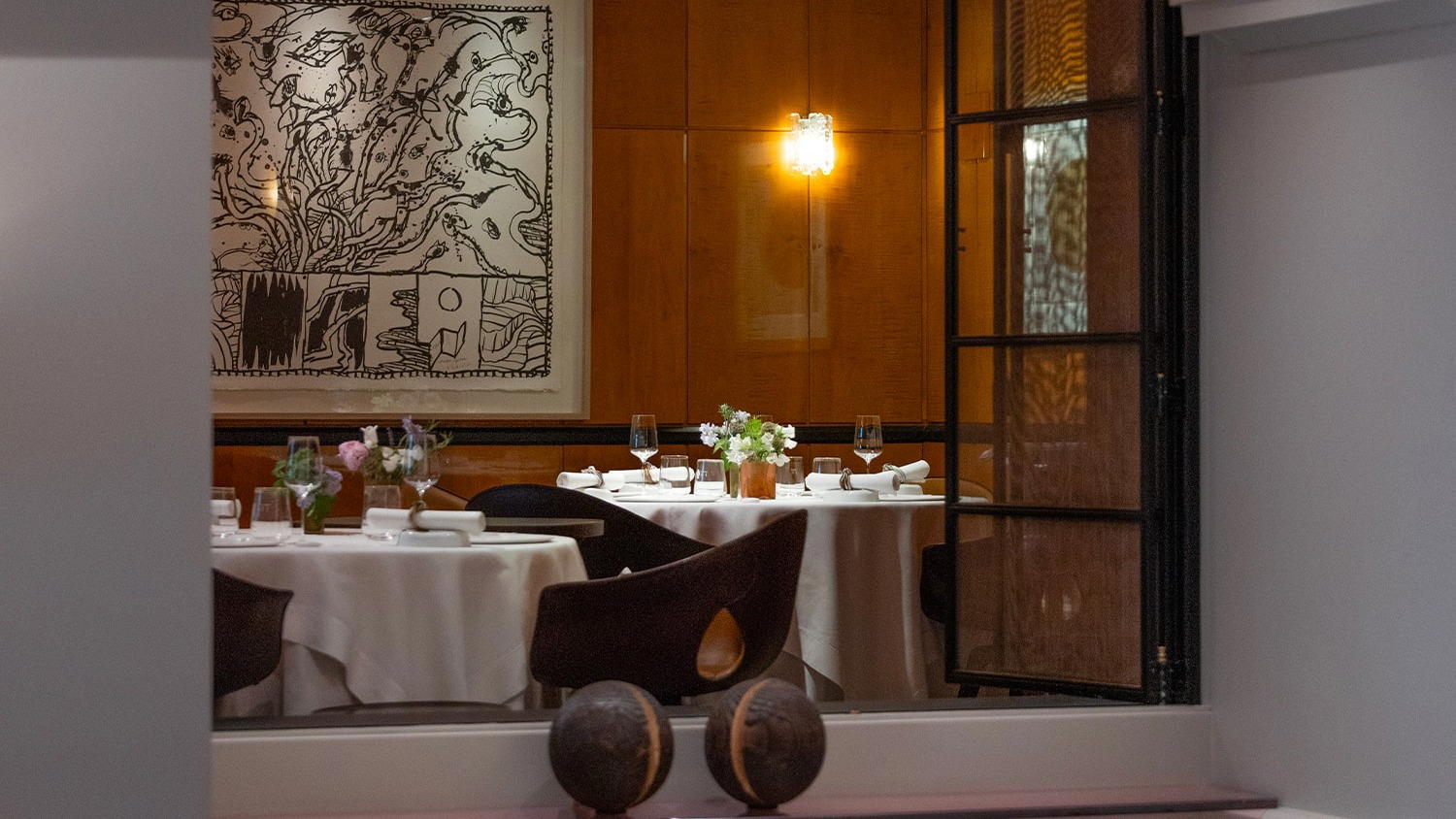
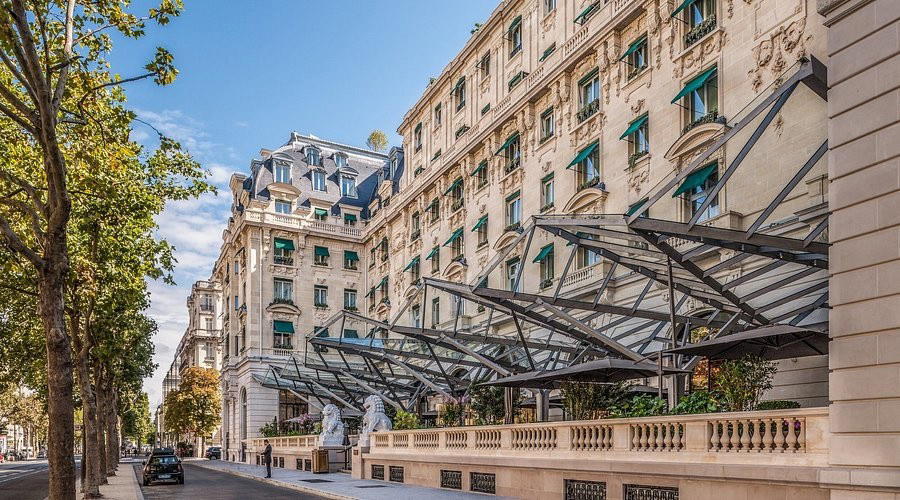
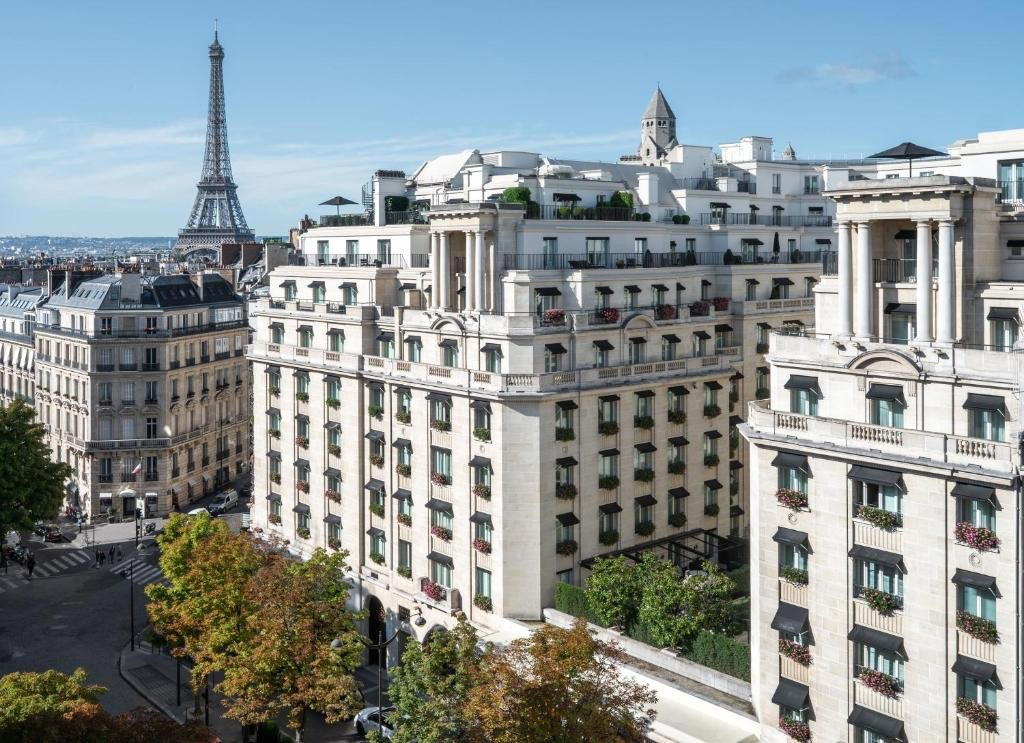
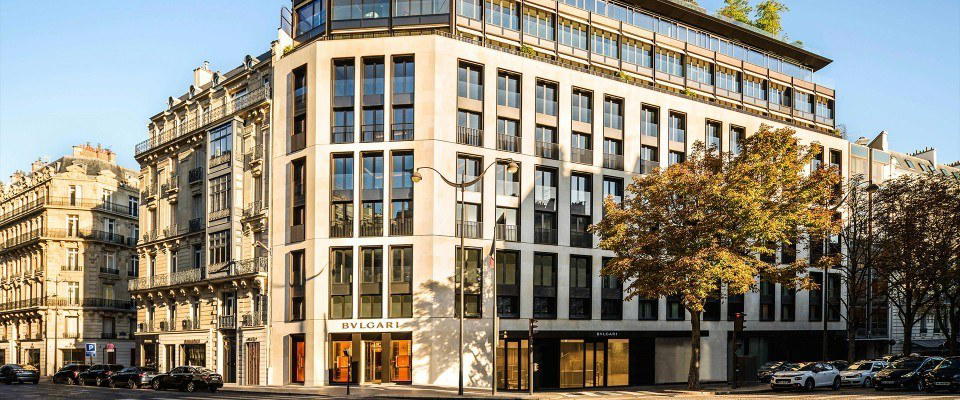
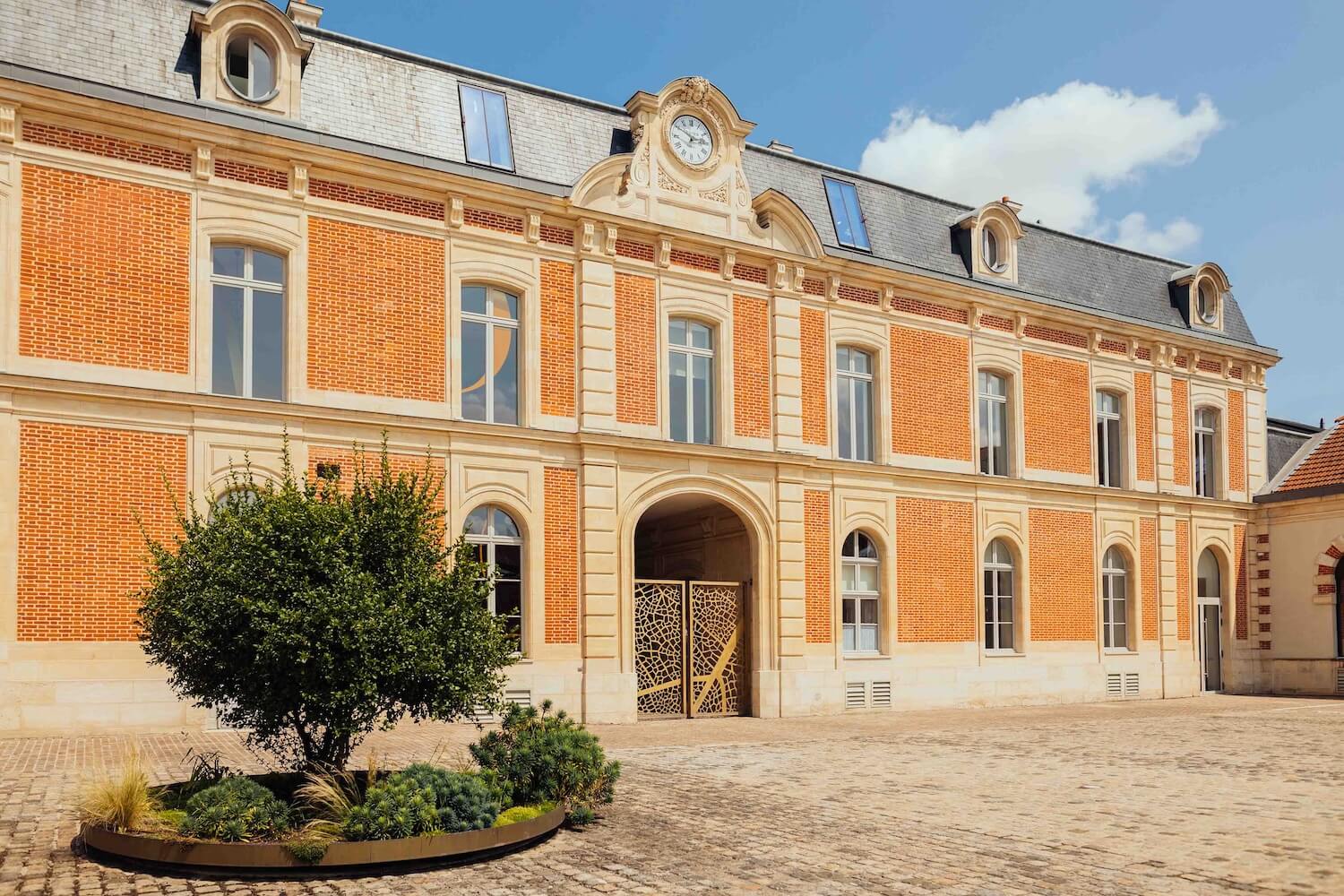
The 16th arrondissement operates at a particular register. Along Avenue Kléber, the buildings run wide and pale, the streets stay quiet even at lunch, and the restaurants that survive here do so by meeting a very specific expectation: serious food, serious setting, serious price. LiLi occupies that territory. The address at 19 Av. Kléber places it in a neighbourhood more accustomed to French haute cuisine than to the regional Chinese cooking traditions that have, over the past decade, begun earning sustained critical recognition in the French capital.
That tension between setting and cuisine is part of what makes LiLi worth examining. Paris has a long history of absorbing foreign culinary traditions and gradually formalising them, from the Vietnamese restaurants of the 13th arrondissement through to the Japanese counters that now populate Saint-Germain. Chinese cooking at the fine-dining tier is a later development, and the handful of restaurants working in that space occupy genuinely distinct positions. LiLi's Michelin Plate in both 2024 and 2025 signals it belongs in that smaller, more scrutinised cohort.
What the Michelin Plate Signals in This Context
Michelin's Plate designation marks restaurants where the inspectorate considers the cooking good enough to warrant attention without yet meeting the threshold for a star. For Chinese restaurants in Paris, even reaching the Plate level represents a form of critical legitimacy that relatively few achieve. When you look at the broader field, Madame FAN and Imperial Treasure are among the other addresses in the city drawing comparable attention at the formal end of Chinese dining, while restaurants like Taokan and Impérial Choisy serve different purposes in a different price bracket.
The consecutive nature of the recognition matters too. A single-year Plate can reflect a strong moment; a second year suggests the kitchen is operating with consistency rather than just ambition. At €€€€ pricing, consistency is what justifies the spend. You are not here for a casual weeknight bowl of noodles. You are here because the setting, the service structure, and the cooking have aligned into something that Michelin's inspectors felt warranted a second visit and a second recommendation.
For comparison, the French restaurants operating at the same price tier in Paris include addresses like Alléno Paris au Pavillon Ledoyen, where three Michelin stars and decades of accumulated prestige define the proposition. LiLi is not in competition with that tier, but it draws from a similar segment of diner: someone who expects the room, the service cadence, and the cooking to function as a complete formal experience. The difference is that Chinese fine dining at this level in Paris is still a relatively short tradition, which means the restaurants working in it are, by definition, shaping the category as they go.
The Value Question at €€€€
At the leading price band, every restaurant in Paris faces the same question from the diner: what am I getting here that I cannot get for less? For LiLi, the answer sits in a combination of factors. The 16th arrondissement address, the critical recognition, and the positioning within a small peer group of formally structured Chinese restaurants all contribute. But the more interesting value argument is contextual: Paris has accumulated extraordinary depth in its French fine-dining tradition, from Paul Bocuse - L'Auberge du Pont de Collonges to Troisgros - Le Bois sans Feuilles and Bras in Laguiole, and among Alsatian institutions like Auberge de l'Ill.
The comparison across cities is also instructive. In Berlin, Restaurant Tim Raue has built a sustained reputation for formally structured Chinese-influenced cooking at premium prices. In San Francisco, Mister Jiu's sits in a different tradition, working with Cantonese heritage in a Chinatown setting. Both demonstrate that Chinese cooking at the fine-dining tier can hold its position in cities with deep and competitive restaurant cultures. LiLi is the Paris entry in that conversation, and its location on one of the 16th's main axes reinforces rather than contradicts its formal positioning.
Placing LiLi in the Paris Chinese Dining Scene
Paris's Chinese restaurant scene is more stratified than it might appear from the outside. The 13th arrondissement's Chinatown operates at volume and value, serving a function that is entirely different from what happens on Avenue Kléber. The mid-tier has a number of solid Cantonese and Sichuan options scattered across the city. And then there is the small group of restaurants working at the top of the market, where the ambition is to be taken seriously alongside the French institutions that define the city's dining identity.
LiLi's consecutive Michelin recognition places it firmly in that upper tier. For a diner choosing between multiple €€€€ options in Paris, the relevant comparators are not the brasseries or the neighborhood bistros but the other formally structured restaurants that sit in the same critical conversation. If you are putting together a Paris dining itinerary and want one meal that reflects something other than the city's French heritage, LiLi makes a coherent case for that slot. For broader context on what else the city offers across every category, our full Paris restaurants guide covers the range, alongside our Paris hotels guide, Paris bars guide, Paris wineries guide, and Paris experiences guide. And if you want to understand how mountain-region fine dining compares to the capital's pace, the contrast with Flocons de Sel in Megève or Mirazur in Menton on the Côte d'Azur offers useful perspective on how geography shapes expectation and price.
Planning Your Visit
LiLi sits at 19 Av. Kléber in the 16th arrondissement, within walking distance of the Arc de Triomphe and well-served by the Charles de Gaulle-Étoile metro junction. The €€€€ price tier means this is a planned meal rather than a spontaneous one, and at that price point, booking ahead is the sensible approach.
Quick reference: LiLi, 19 Av.
Frequently asked questions
What kind of setting is LiLi?
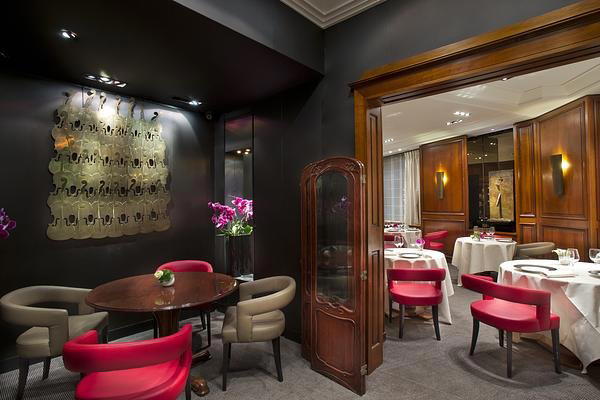
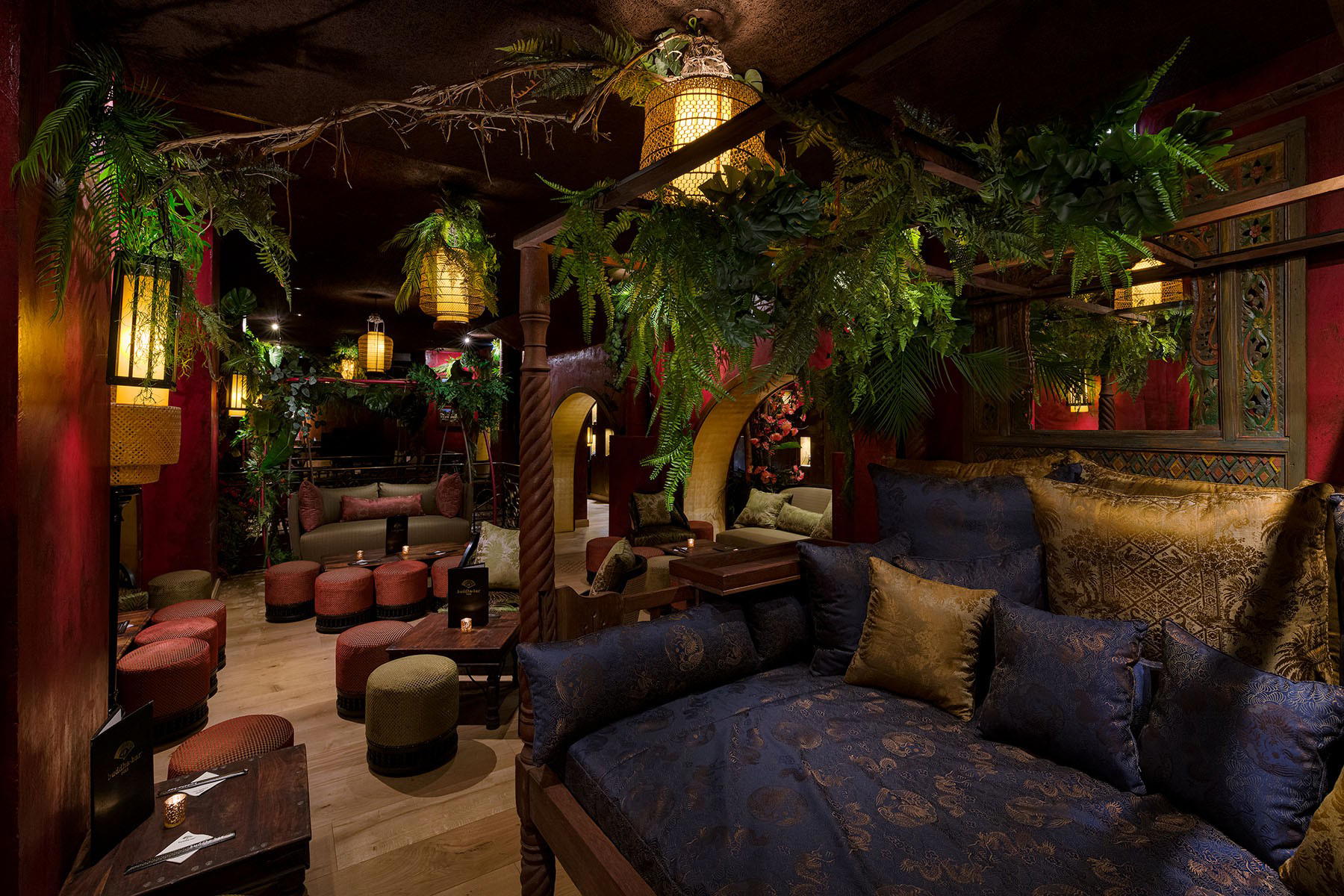
LiLi operates in the 16th arrondissement on Avenue Kléber, one of the avenues radiating from the Arc de Triomphe. The address and the €€€€ price point place it in a formally structured dining context, comparable in register to other Chinese fine-dining addresses in the city. Its consecutive Michelin Plate recognition in 2024 and 2025 confirms it is taken seriously at the critical level, not simply at the neighbourhood prestige level.
What dish is LiLi famous for?
What is documented is the Michelin Plate recognition across two consecutive years, which indicates the kitchen is producing cooking of consistent quality. For a Chinese restaurant operating at €€€€ in Paris, that level of sustained critical attention is itself a signal about the seriousness of the food programme. Contacting the restaurant directly or reviewing current menus before visiting is the most reliable way to understand what the kitchen is currently emphasising.
Can I walk in to LiLi?
At €€€€ pricing in the 16th arrondissement, LiLi attracts a clientele that typically books in advance. Walk-ins are not impossible at a Michelin Plate-level restaurant, but given the price tier, the neighbourhood, and the critical recognition it carries, reserving ahead is the practical approach.
Fast Comparison
| Venue | Cuisine | Price | Awards | Notes |
|---|---|---|---|---|
| LiLiThis venue (the venue you are viewing) | Refined Cantonese | $100–150 | Michelin Plate | Not listed |
| Alléno Paris au Pavillon Ledoyen | Modern French Fine Dining | $150–200 | 3 Michelin Stars · World's 50 Best #79 | Creative |
| Kei | Modern French with Japanese Influences | $300–500 | 3 Michelin Stars · World's 50 Best #93 | Contemporary French, Modern Cuisine |
| L'Ambroisie | Classic French Haute Cuisine | $300–500 | 2 Michelin Stars · World's 50 Best #23 | French, Classic Cuisine |
| Le Cinq - Four Seasons Hôtel George V | Modern French Fine Dining | $300–500 | 3 Michelin Stars · World's 50 Best #24 | French, Modern Cuisine |
| Plénitude | Modern French Sauce-Led Fine Dining | $300–500 | 3 Michelin Stars · World's 50 Best #14 | Contemporary French |
Recognition history
Dated appearances from independent guides and award organizations, with the underlying list record or original source where available.
Michelin Plate
Michelin
Full recognition history (3 entries)
Michelin Plate
Michelin
Michelin Plate
Michelin
Continue exploring
More in Paris
Restaurants in Paris
All restaurants in Paris →
Bars in Paris
All bars in Paris →

Details
- Elegant
- Sophisticated
- Intimate
- Ornate
- Date Night
- Business Dinner
- Special Occasion
- Family
- Hotel Restaurant
- Extensive Wine List
- A La Carte
Current opening hours
- Monday
- Closed
- Tuesday
- 7–11 PM
- Wednesday
- 12–2:30 PM, 7–11 PM
- Thursday
- Closed
- Friday
- Closed
- Saturday
- Closed
- Sunday
- Closed
Hours can change for holidays and private events. Hours as of .
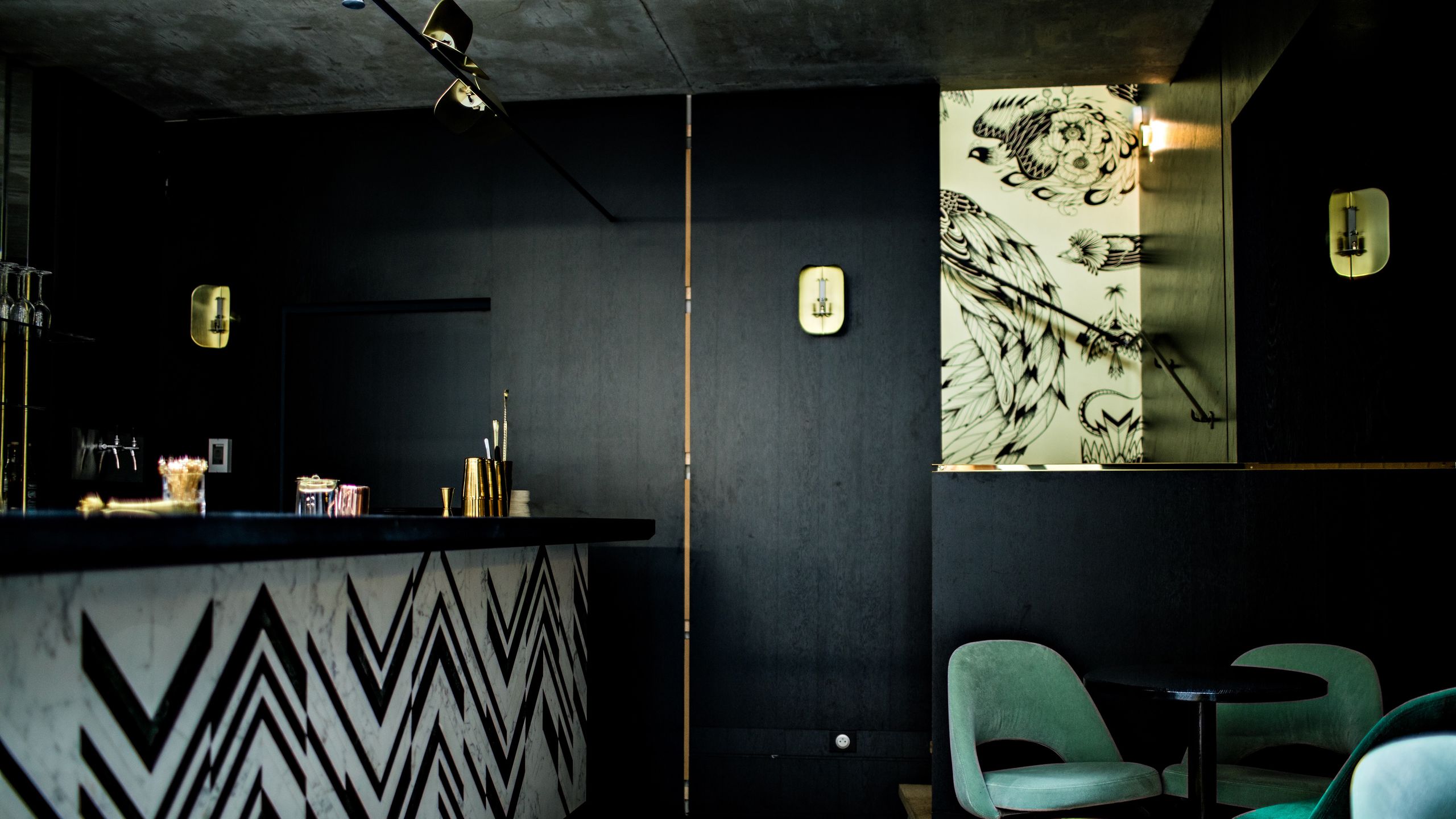
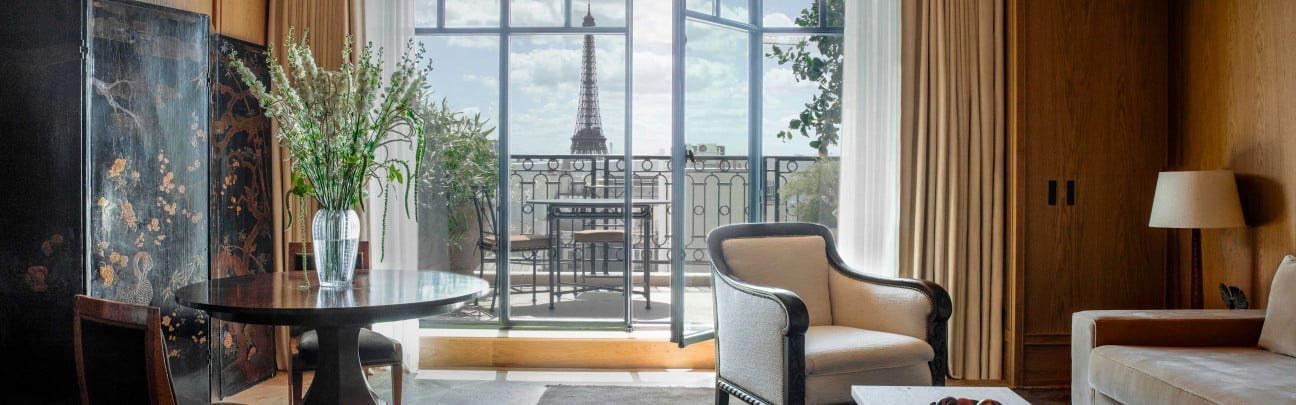
Classy and elegant decor blending East and West with Jing Opera influences, featuring mood music from a DJ that creates a lively yet sophisticated atmosphere.