L'église

Set inside a converted church space on Bethlehemkerkplein, L'église operates at the intersection of neighbourhood wine bar and considered modern dining. Chef Niek's cooking draws on a short list of precisely chosen ingredients, adding international accents, vadouvan, ceviche technique, citrus-forward acidity, without overcrowding the plate. Hostess Kira's wine list sharpens the case for making a full evening of it.
Pearl is the En Primeur Club membership app — saves, bookings, and concierge access live there. Same editors, same standards.
- Address
- Bethlehemkerkplein 42, 8011 PH Zwolle, Netherlands
- Phone
- +31 38 303 2531
- Website
- restaurantleglise.nl
- Directions
- Get directions
 Saves & bookings on Pearl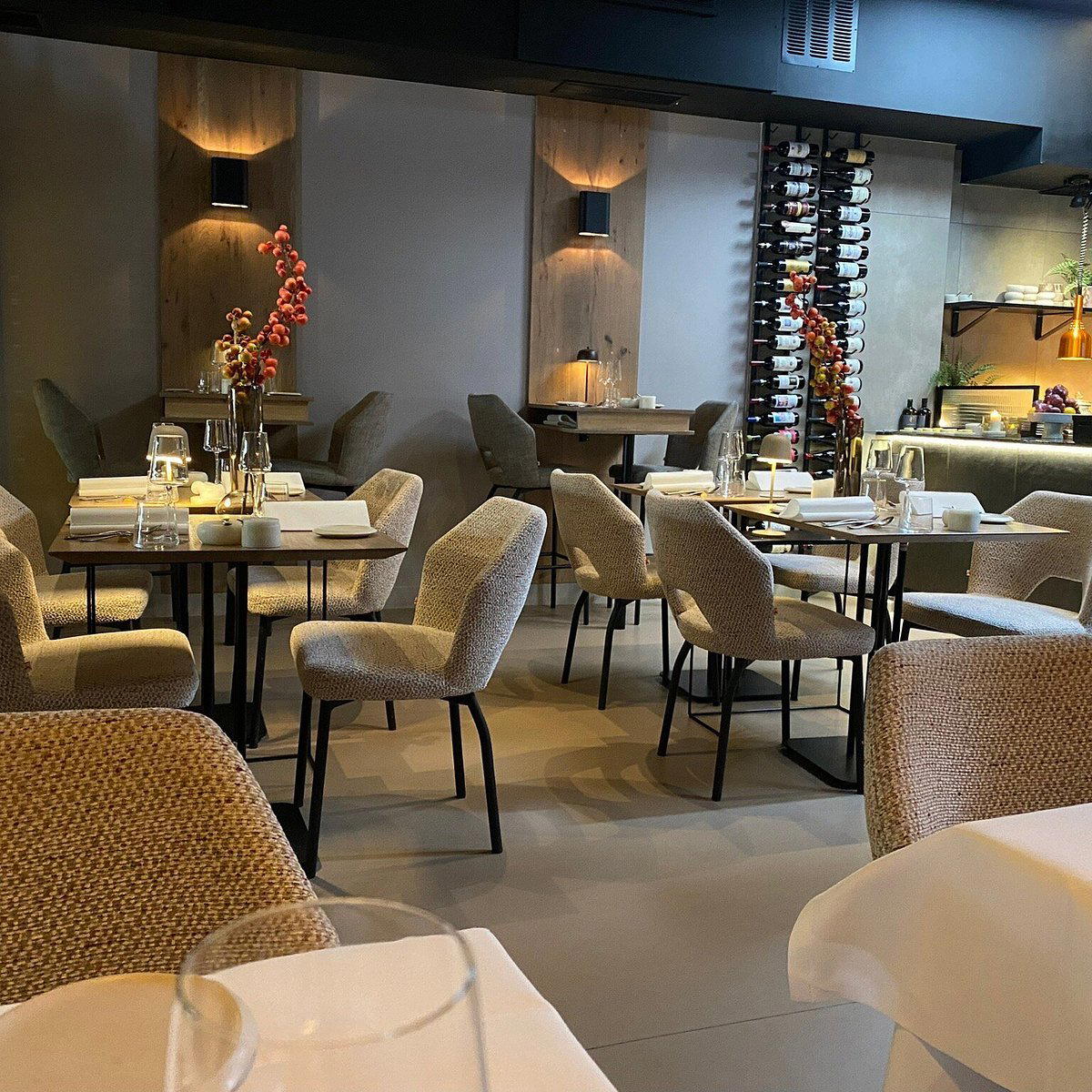
A Church Square Address and What It Says About Zwolle's Dining Scene
Zwolle has spent the past decade assembling a restaurant culture that runs deeper than many visitors expect. The city sits in Overijssel at the edge of the Dutch flatlands, closer to Germany than to Amsterdam, and its dining scene reflects that remove: less trend-chasing than the Randstad, more rooted in the kind of cooking that earns regulars rather than algorithm clicks. The square outside L'église, Bethlehemkerkplein, a modest church forecourt in the older part of the city centre, is exactly the kind of address that signals this dynamic. It is a destination you go to because someone told you about it.
That neighbourhood positioning matters. Zwolle's fine dining is spread thin across a compact city, which means venues like L'église operate without the density of competitors that might otherwise sharpen or commodify the offer. The pressure here comes from peer reputation rather than proximity: De Librije (€€€€ · Modern Cuisine) holds three Michelin stars and sets the ceiling for what Zwolle dining can mean, while Restaurant Affect and Brass Boer Thuis (€€€ · Regional Cuisine) occupy the Michelin one-star tier at the €€€ price point. L'église sits in that same price bracket, operating as modern cuisine at three euro signs.
The Room: Wine Bar Logic in a Fine Dining Frame
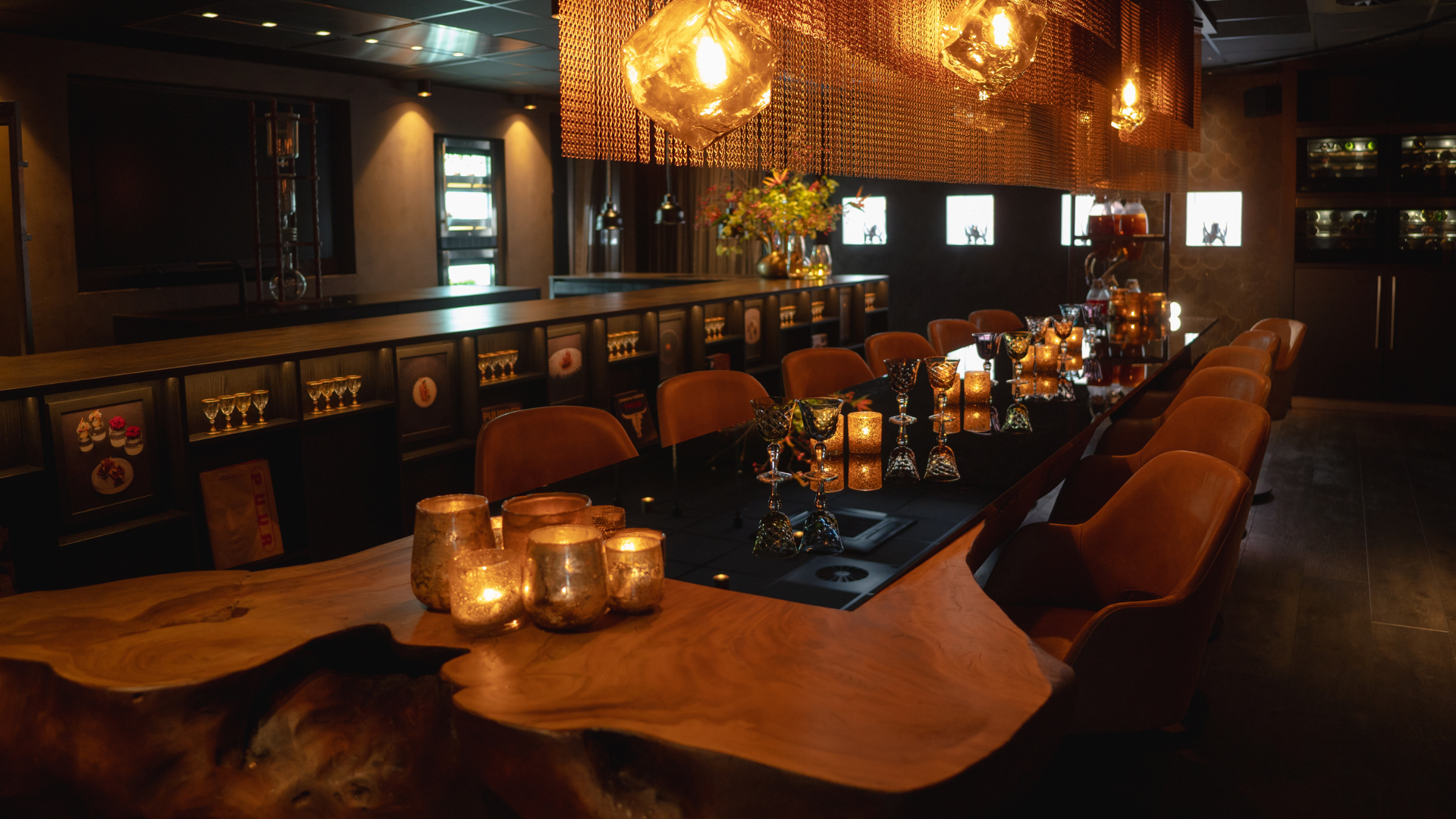
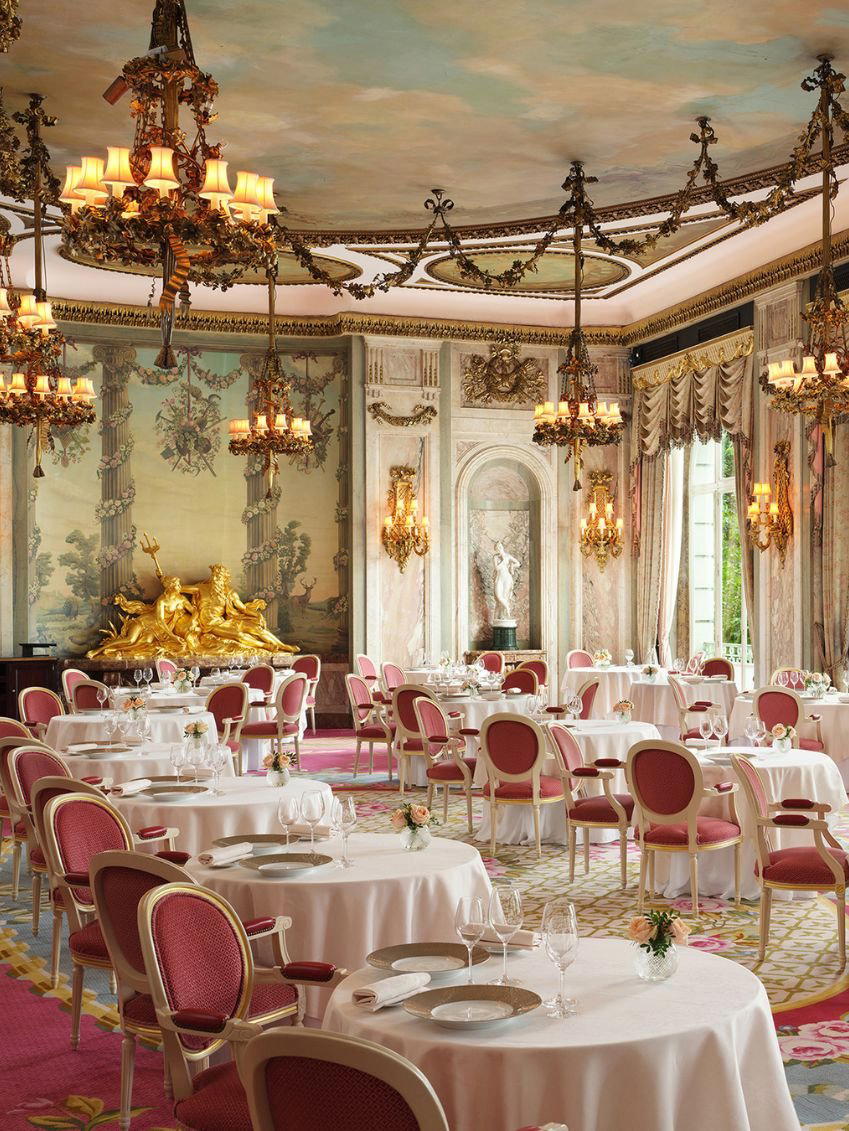
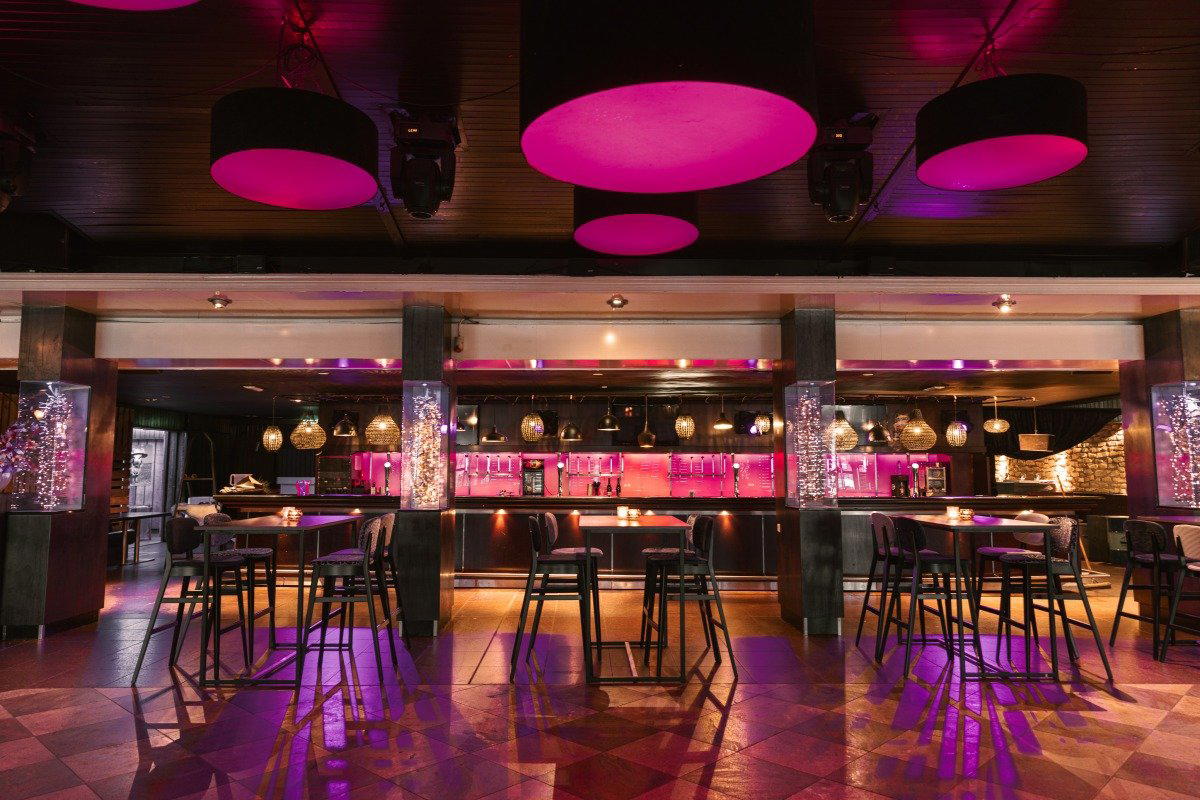
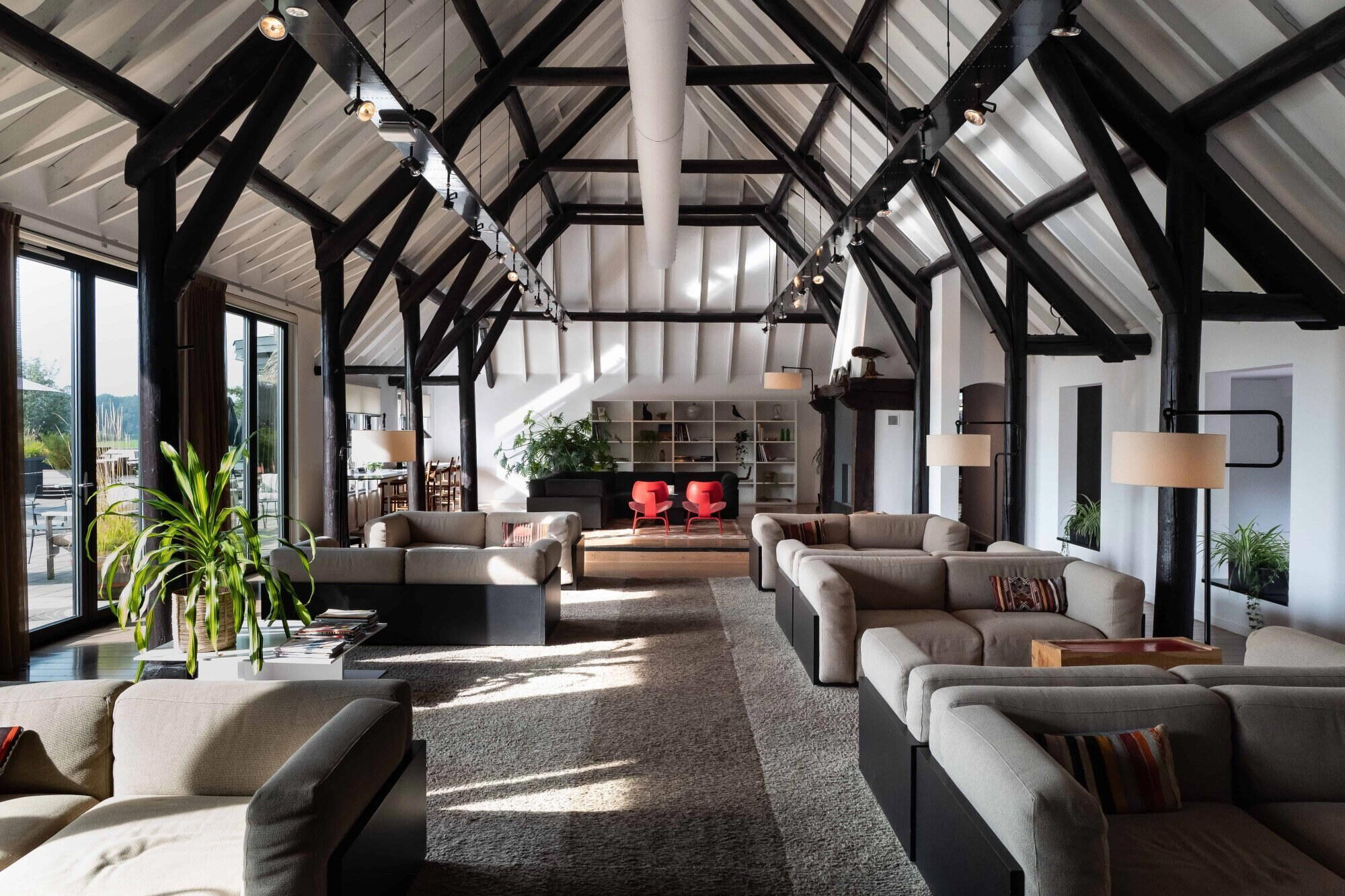
The converted church architecture does something specific to the atmosphere here. High ceilings and stone surfaces that absorb rather than amplify sound, original structural details left visible, these are conditions that most restaurant designers spend significant money trying to simulate. L'église has them by circumstance, and the effect is an intimacy that feels arrived at rather than engineered. The room reads as a wine bar first and a restaurant second, which is a deliberate positioning: guests are welcome to stop in for a single glass and something small from the nibbles selection without committing to the full experience. That permeability between casual and formal is not common at this price tier in the Netherlands, where modern cuisine restaurants tend toward the ceremonial.
The wine list is the anchoring element in this casual-formal balance. The list is described as a selection of excellent options, curated with attention rather than assembled by category obligation. In a room that looks like a wine bar, the wine program needs to carry weight, and by all accounts it does. For guests arriving without a booking or intending only a brief visit, the list provides a reason to linger. For those committed to the full evening, it becomes the through-line of the meal. The restaurant operates at a more approachable scale, which suits its register.
The Cooking: Economy of Elements, International Accents
Dutch modern cuisine at the €€€ level has converged around a recognisable set of instincts: seasonal produce, Nordic-adjacent restraint in plating, and a respect for technique that stops short of showing off. What distinguishes Chef Niek's approach at the restaurant is a willingness to reach outside that register for flavour contrast without abandoning the underlying economy of elements. A ceviche built around watermelon and pickled radish uses fruit sweetness and preserved acidity to do the work that fish alone cannot, with a citrus jus providing the structural sharpness. A lamb rump takes vadouvan, the French-inflected spice blend derived from curry masala, as a single accent note rather than a flavour profile. These are not fusion moves; they are seasoning decisions made with confidence about where the dish is going.
The result is cooking that feels technically considered without demanding much from the diner. This is a specific skill, and a genuinely rare one in the fine dining tier, where the temptation to demonstrate craft can overwhelm the imperative to deliver satisfaction. Comparable modern cuisine addresses in the wider Netherlands region, including 't Nonnetje in Harderwijk, Basiliek in Harderwijk, and De Bokkedoorns in Overveen, tend toward more elaborate multi-course formats. The restaurant's willingness to let a few elements carry a dish signals a different priority: directness over elaboration.
The menu offers both a set format and à la carte selection, giving guests control over the depth of the experience. For a venue that also functions as a wine bar, this flexibility is sensible. Farm-to-table addresses like 't Pestengasthuys in Zwolle take a more produce-led, fixed-format approach; the restaurant's dual format places it in a slightly different part of the market, more hospitable to spontaneous visits.
Where L'église Sits in Zwolle's Broader Scene
Zwolle is often bypassed in favour of larger Dutch cities for dining itineraries, which means the scene here operates with less external validation than it probably deserves. De Groene Lantaarn in Staphorst, just outside the city, and Brut172 in Reijmerstok represent the kind of destination cooking in the Dutch provinces that rewards the effort of the detour. The restaurant occupies a different position: it is the kind of address that serves the city's own regulars as much as visitors, and the atmosphere reflects that. There is no performance for the out-of-towner; the room functions on its own terms.
For visitors building a broader picture of what Zwolle offers, NOÏS rounds out the modern dining picture at a comparable tier. For dining specifically, our full Zwolle restaurants guide maps the scene across price tiers. Those curious about how modern cuisine at this level compares internationally might also look at Borkonyha Winekitchen in Budapest, which operates a similarly approachable register within a recognized fine dining frame.
Planning a Visit
The restaurant is located at Bethlehemkerkplein 42, 8011 PH Zwolle, on the church square in the older part of the city centre. The venue works both as a drop-in wine bar and as a full dinner destination, so the commitment required is genuinely flexible. For evenings when the à la carte or set menu is the intention, an advance reservation is recommended. The wine list, curated by hostess Kira, is worth exploring independently of the food, and the ceviche and lamb rump dishes represent the kitchen's instincts in their clearest form. The €€€ pricing sits at the same tier as Zwolle's Michelin-recognised addresses, making the restaurant a comparable spend for a markedly different atmosphere.
What Regulars Order at L'église
Two dishes represent the kitchen's cooking philosophy: a ceviche that uses watermelon, pickled radish, and citrus jus to build contrast around the fish, and a lamb rump with vadouvan as an accent spice. Both illustrate the kitchen's approach of restraint with international reach. The wine selection curated by hostess Kira is consistently noted as a draw in its own right, and the nibbles menu makes the bar area a viable destination for guests not committed to a full sitting. The set menu remains the format most likely to show the kitchen at full range, but the à la carte route reflects the same priorities in a more modular form.
The Short List
Comparable venues nearby, for context on price, style, and recognition.
| Venue | Cuisine | Price | Notes |
|---|---|---|---|
| L'égliseThis venue — the venue you are viewing | Bethlehemkerkplein, Modern French | $$$ | Not listed |
| Waber | Zwolle Centrum, Modern Indonesian | $$$ | Not listed |
| Salty Seafood Restaurant | city center, Modern Seafood Tasting | $$$ | Not listed |
| Sukerieje | Not listed | $$$ | city center, Modern Vegetable-Focused Fine Dining |
| Coperto Restobar | Not listed | $$ | Stationsbuurt, Modern Italian-Dutch Bistro |
| Os en Peper | Not listed | $$$ | Ossenmarkt, Contemporary French-Dutch Fine Dining |
Recognition history
Dated appearances from independent guides and award organizations, with the underlying list record or original source where available.
Michelin Plate
Michelin
Continue exploring
More in Zwolle
Restaurants in Zwolle
Browse all →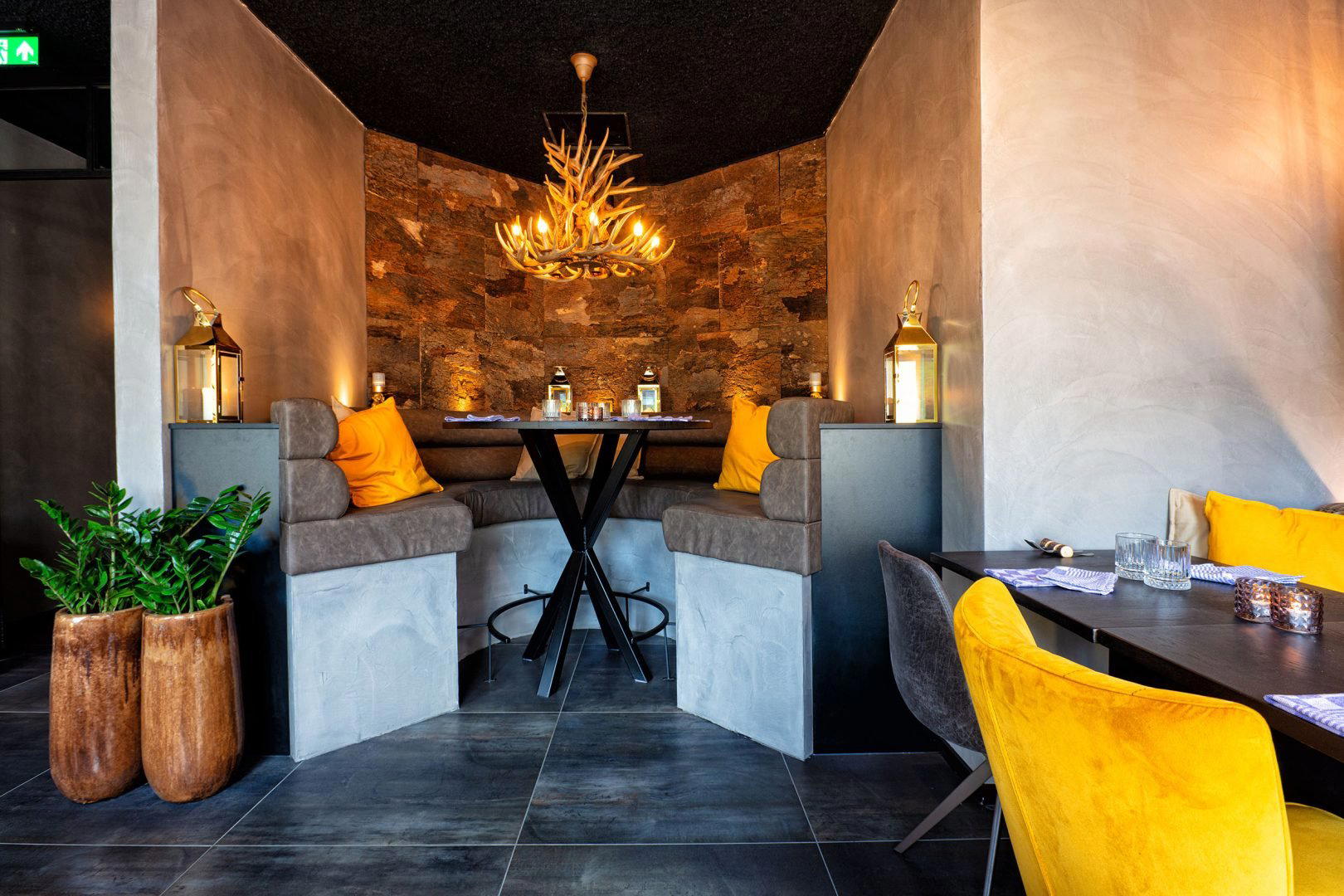
At a Glance
- Cozy
- Intimate
- Elegant
- Sophisticated
- Date Night
- Special Occasion
- Solo
- Open Kitchen
- Extensive Wine List
Current opening hours
- Monday
- Closed
- Tuesday
- 5:30 PM–12 AM
- Wednesday
- 5:30 PM–12 AM
- Thursday
- 5:30 PM–12 AM
- Friday
- 5:30 PM–12 AM
- Saturday
- 5:30 PM–12 AM
- Sunday
- Closed
Hours can change for holidays and private events. Last verified .
Low lighting with a relaxed, welcoming wine bar feel, soft music, and open kitchen view fostering intimate conversation.