't Pestengasthuys

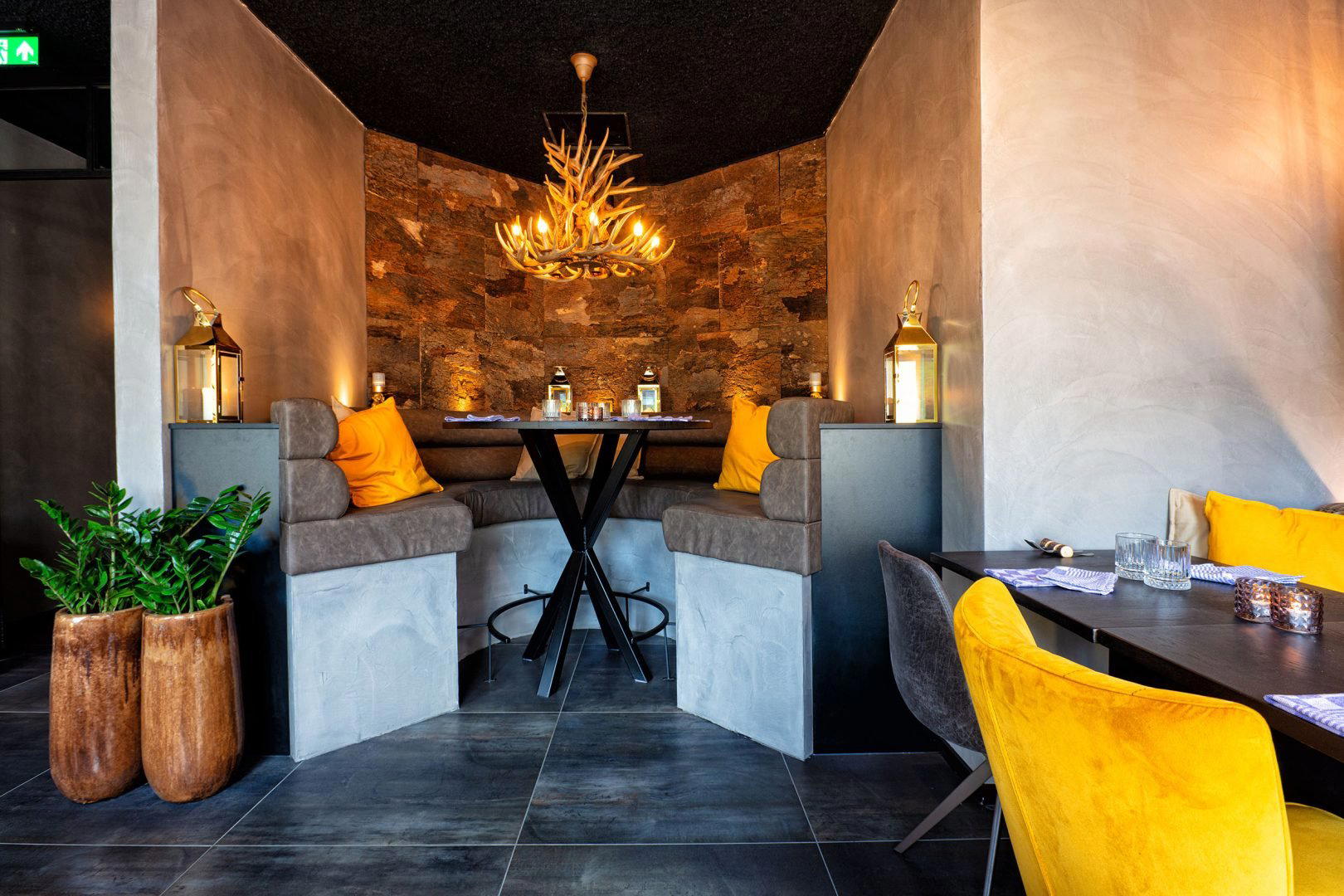
Inside a building dating to 1450 on Zwolle's Weversgildeplein, 't Pestengasthuys occupies one of the city's most characterful dining rooms, red brick, timber beams, and a mezzanine that rewards those who look up. The kitchen works with local, organic ingredients and treats humbler produce, rabbit among them, with the same care as premium cuts.8 across 333 reviews signals consistent delivery rather than occasional brilliance.
Pearl is the En Primeur Club membership app — saves, bookings, and concierge access live there. Same editors, same standards.
- Address
- Weversgildeplein 1, 8011 XN Zwolle, Netherlands
- Phone
- +31 38 423 3986
- Website
- pestengasthuys.nl
- Directions
- Get directions
 Saves & bookings on Pearl
A Fifteenth-Century Frame for Twenty-First-Century Sourcing
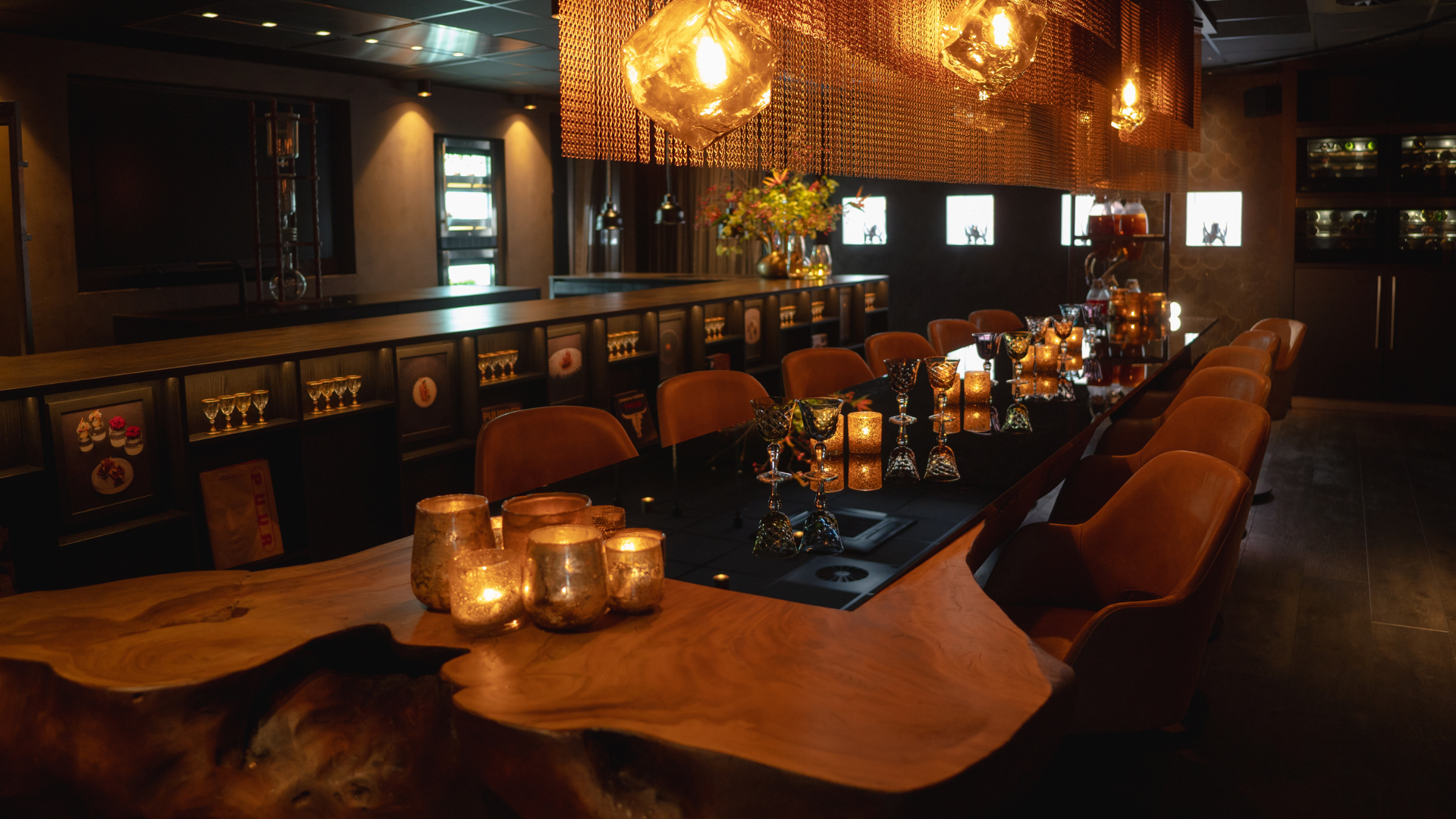
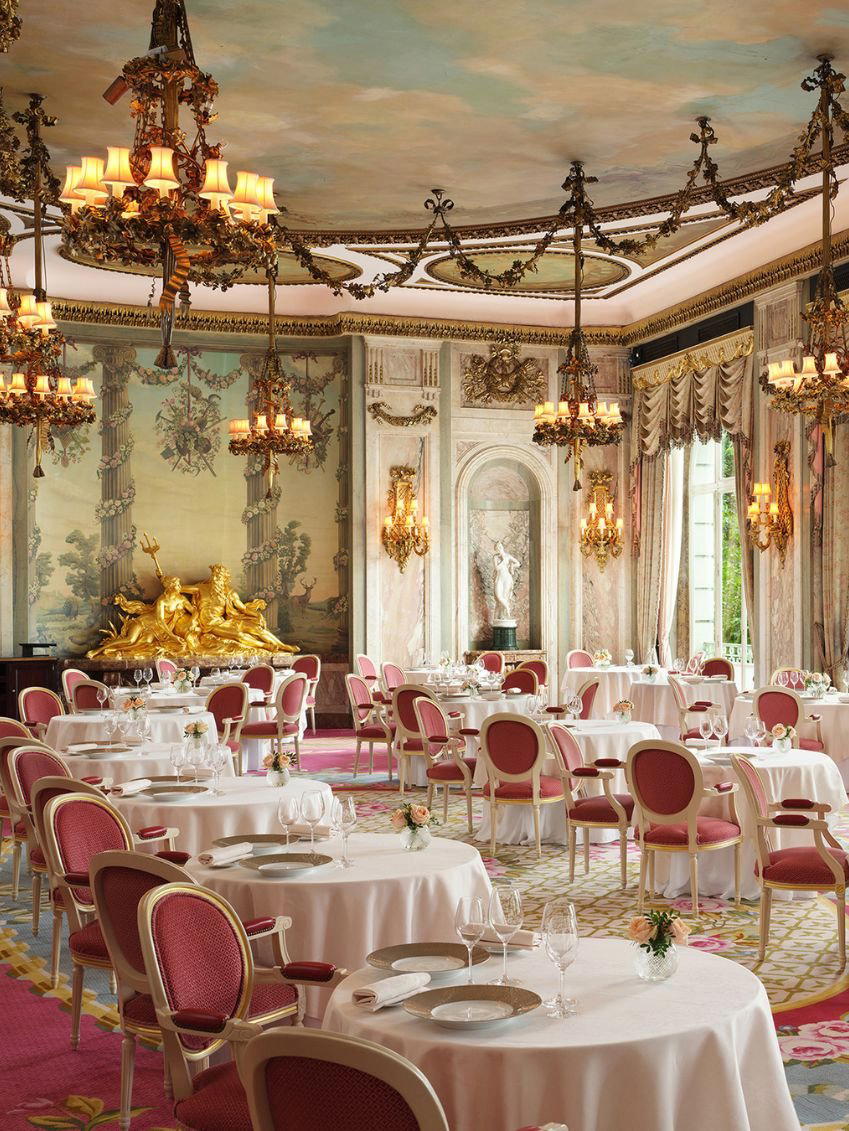
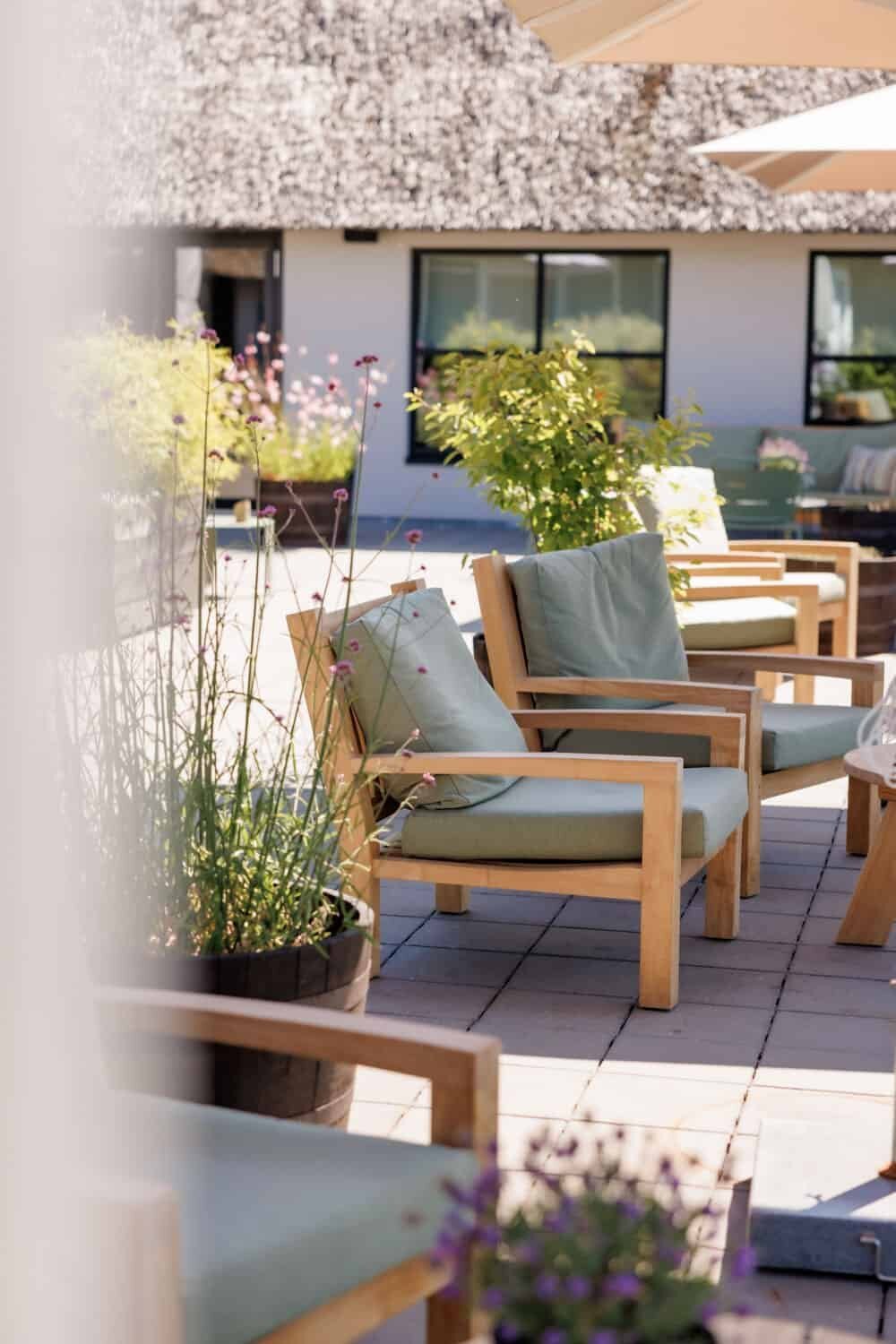
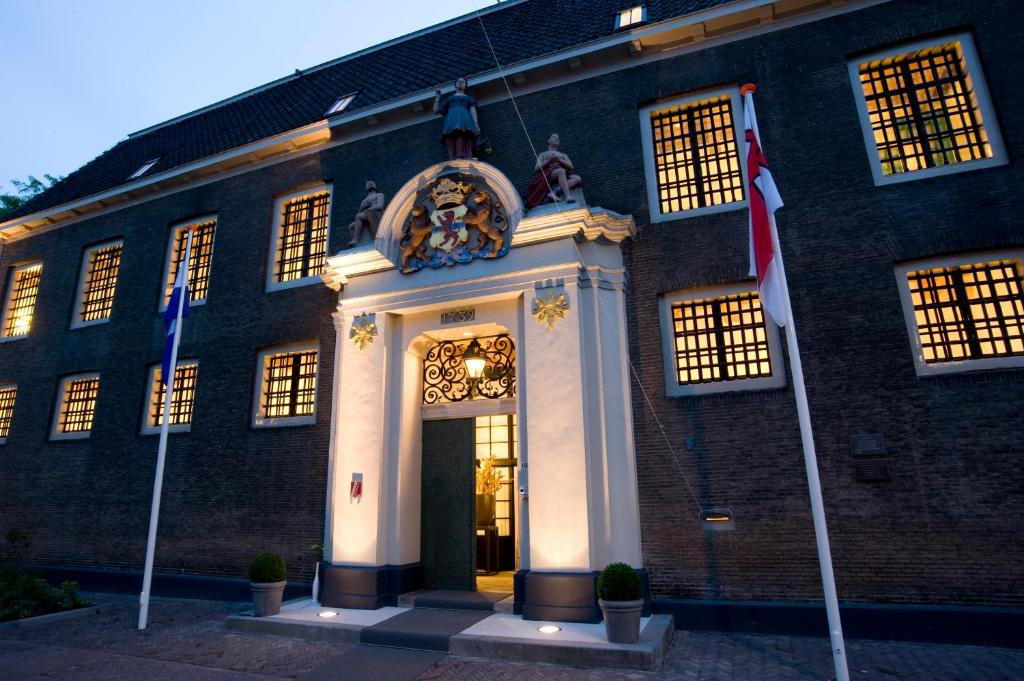
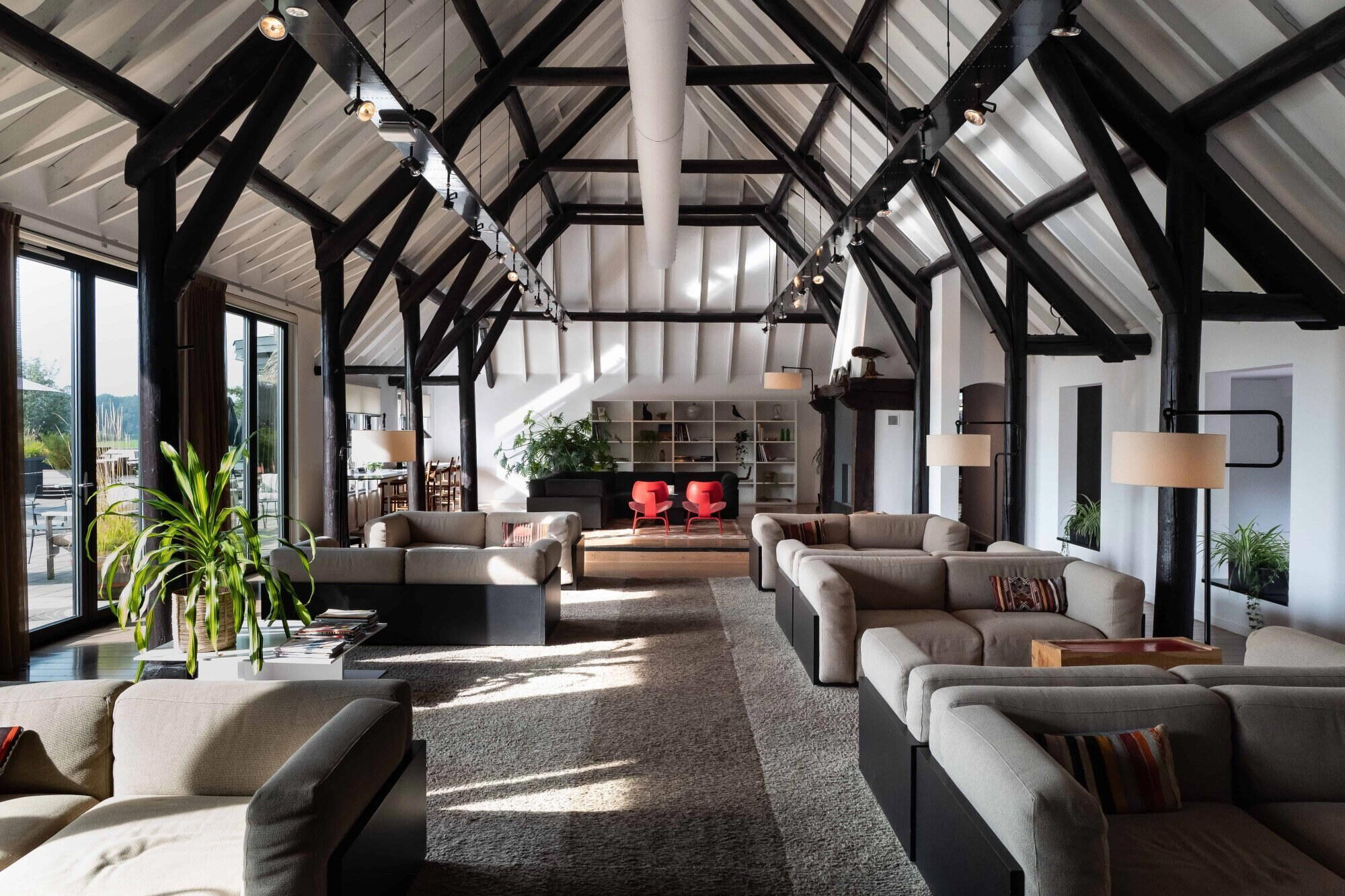
Weversgildeplein sits in the older quarter of Zwolle, where the city's medieval fabric is still legible in facades and gable lines. The address at number one belongs to a building raised in 1450, and the exterior's red brick carries the density of something that has absorbed five centuries of Dutch winters. Step inside and the architecture continues to do editorial work: a mezzanine floor overlooks the main room, timber beams run above a high-ceilinged space, and the combination produces the kind of atmosphere that no amount of interior design budget can manufacture from scratch. When the summer calendar allows, a table under the tree in the courtyard shifts the register entirely, quieter, slower, better suited to a meal that isn't in a hurry.
Farm-to-table cooking occupies a crowded space in the Netherlands right now, with restaurants at every price point claiming regional provenance. What separates the more credible operations from the marketing ones is the willingness to extend the sourcing logic beyond prestige ingredients. At 't Pestengasthuys, that means rabbit appears on the menu alongside whatever the local and organic supply chain is producing at a given moment, a signal that the kitchen's commitment to the region isn't conditional on whether the ingredient photographs well. That approach places the restaurant in a smaller cohort of producers-first operations working at the €€€ tier, alongside venues like Au Gré du Vent in Seneffe and BOK Restaurant Brust oder Keule in Münster, where the sourcing logic is the cuisine rather than a footnote to it.
Why Provenance Matters More at This Price Point
At the €€€ level in Zwolle, diners are choosing between meaningfully different culinary propositions. Brass Boer Thuis holds a Michelin star and works a regional cuisine brief with the weight of a well-known name behind it. Restaurant Affect, also Michelin-starred, operates a modern cuisine format at the same price tier. L'église occupies similar ground with a contemporary approach. Where the starred competition tends toward precision and formal structure, this kitchen applies contemporary technique to an ingredient philosophy rooted in local, organic supply rather than classical hierarchy. The distinction matters: one approach starts with technique and finds ingredients to match; the other starts with what the region offers and finds technique to honour it.
Dutch farm-to-table cooking has its own logic that differs from the Scandinavian model often cited as a reference point. The Netherlands lacks the dramatic seasonal contrasts and wild-foraged abundance of Norway or Sweden, but it compensates with dense agricultural infrastructure, a long tradition of market gardening, and proximity to North Sea produce. Restaurants working within these constraints, and treating rabbit, root vegetables, and field-grown produce as the main story rather than supporting cast, are making an argument about what Dutch cooking can be when it stops apologising for not being French. Zwolle, sitting in Overijssel with direct access to both IJssel valley produce and the broader Salland agricultural region, is a practical location for this kind of kitchen. The local supply chain is real rather than aspirational.
The Room, the Service, and the Measure of a Meal
The service dynamic at 't Pestengasthuys is worth addressing directly, because the description of a hostess who wins over diners with a jovial manner is not hospitality-brochure language, it is a specific claim about what kind of evening this produces. Dutch fine dining has historically veered toward formality, sometimes at the cost of warmth. The pairing of a front-of-house presence that disarms with directness and a kitchen that sends out generous contemporary cooking creates an atmosphere closer to the better Flemish restaurant model: technically serious but not ceremonially stiff. That register suits the room, which, despite its medieval bones, reads as a dining space rather than a museum.
Zwolle's broader restaurant scene offers context for where 't Pestengasthuys sits in the hierarchy. At the leading end, De Librije holds three Michelin stars and sets the ceiling for what serious cooking in this city looks like, it belongs to a different competitive set entirely, pricing and formatting against national peers. Below that summit, the mid-to-upper tier is where the restaurant operates, alongside restaurants making a case for regional identity through different lenses. For a broader map of the city's options,
Beyond Zwolle, the farm-to-table argument is being made with similar seriousness at De Groene Lantaarn in Staphorst, close enough that a comparative visit is practical. Further afield, 't Nonnetje in Harderwijk, De Bokkedoorns in Overveen, Aan de Poel in Amstelveen, Brut172 in Reijmerstok, and Ciel Bleu in Amsterdam represent the range of what serious Dutch dining looks like across the country's geography.
Planning a Visit
The restaurant is at Weversgildeplein 1, 8011 XN Zwolle, a central location in the old city that is reachable on foot from the main rail station in under fifteen minutes. The building dates to 1450 and the exterior is unmistakable in the square. Summer visits should factor in the courtyard option; the tree-shaded table is not a side offering but a material change in the quality of the experience for an evening meal. Given the restaurant's, advance booking is the sensible approach rather than a walk-in strategy. The price range of €€€ positions this as a considered-spend meal rather than a casual stop, plan accordingly. The visit is centered on the restaurant itself, which in a room this old is reason enough.
Comparable Venues
Comparable venues nearby, for context on price, style, and recognition.
| Venue | Cuisine | Price | Awards | Notes |
|---|---|---|---|---|
| 't PestengasthuysThis venue — the venue you are viewing | Modern French-Dutch Fine Dining | $$$ | Michelin Plate | Not listed |
| L'église | Modern French | $$$ | Michelin Plate | Bethlehemkerkplein |
| Salty Seafood Restaurant | Modern Seafood Tasting | $$$ | Michelin Plate | city center |
| Sukerieje | Modern Vegetable-Focused Fine Dining | $$$ | Michelin Plate | city center |
| Cafe Alberto | Dutch Fast Food Snacks | $ | Not listed | V Vechtstraat |
| Os en Peper | Contemporary French-Dutch Fine Dining | $$$ | Not listed | Ossenmarkt |
Recognition history
Dated appearances from independent guides and award organizations, with the underlying list record or original source where available.
Michelin Plate
Michelin
Continue exploring
More in Zwolle
Restaurants in Zwolle
Browse all →
At a Glance
- Cozy
- Elegant
- Historic
- Intimate
- Classic
- Date Night
- Special Occasion
- Business Dinner
- Historic Building
- Extensive Wine List
- Local Sourcing
- Organic
Current opening hours
- Monday
- Closed
- Tuesday
- 5:30–10 PM
- Wednesday
- 5:30–10 PM
- Thursday
- 5:30–10 PM
- Friday
- 6–10 PM
- Saturday
- 6–10 PM
- Sunday
- 1–6:30 PM
Hours can change for holidays and private events. Last verified .
Intimate and cozy historic atmosphere with timber beams, high ceilings, and a welcoming, jovial service.