
Relais Chateaux Award
Our verdict
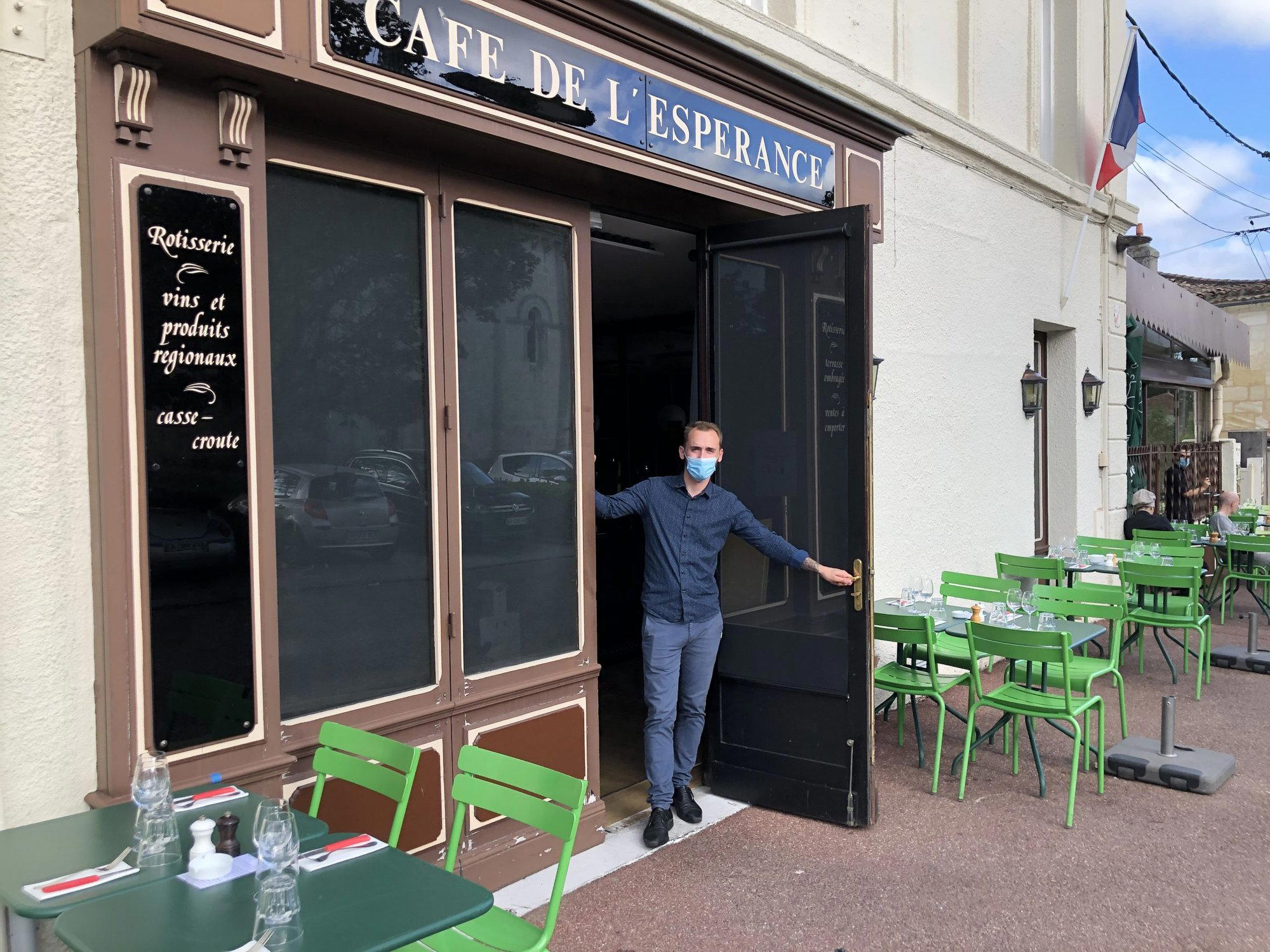
L'Espérance occupies a quiet address on the esplanade in Bouliac, the hillside commune that sits directly above Bordeaux's right bank. The restaurant draws on southwest France's deep pantry of seasonal produce, game, and Atlantic seafood, positioning itself within a regional fine dining tradition where what arrives on the plate traces back to specific farms, rivers, and forests rather than anonymous supply chains.

Pearl is the En Primeur Club membership app, where members save venues, book tables and use the concierge.
The menu
What to order
- Cuisse de canard fermier
- Cote de boeuf
- Foie-Gras de Canard
Where Bouliac's Hillside Sets the Table
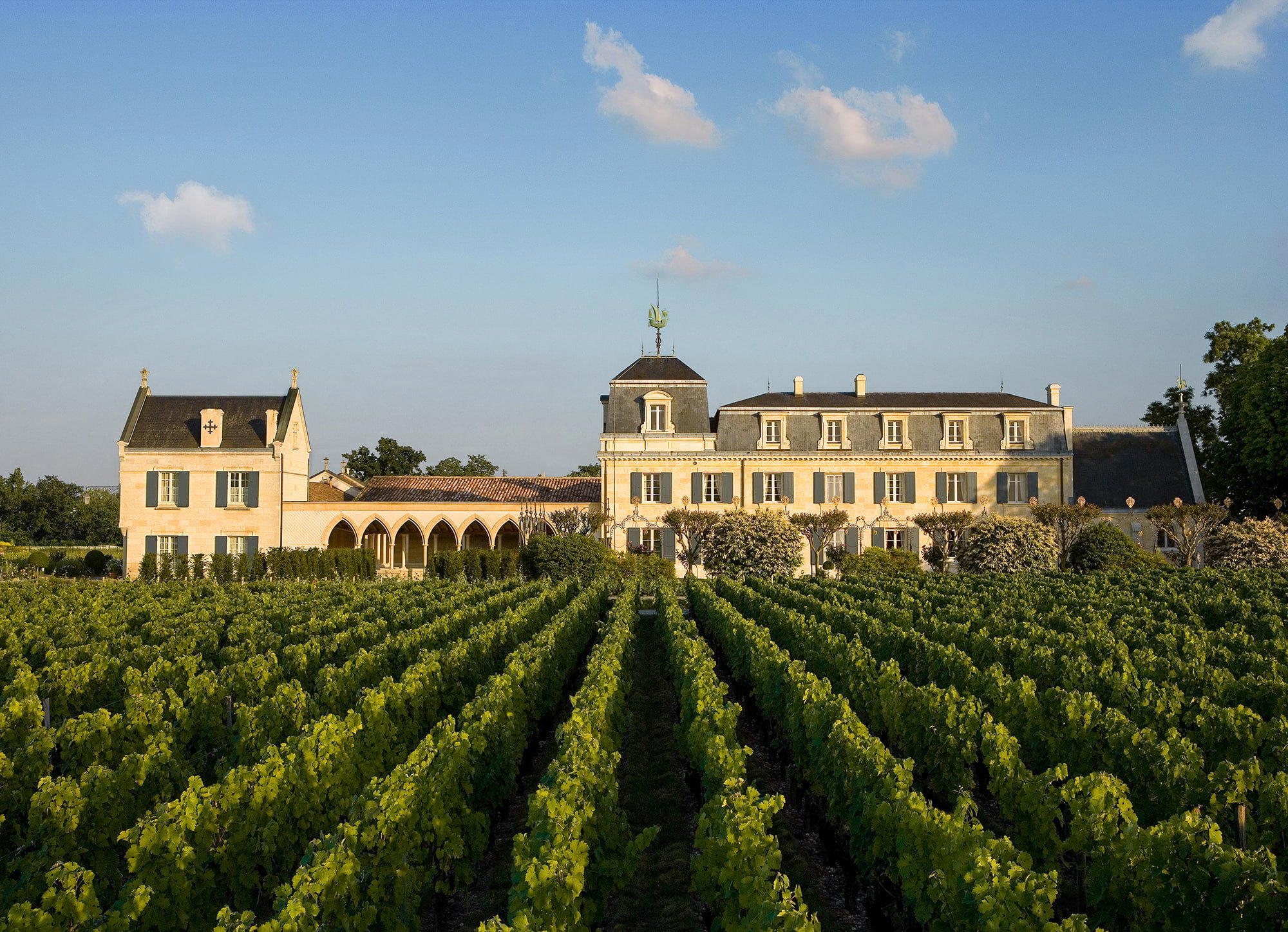
There is a particular kind of French restaurant that announces itself not through grand facades or valet lines but through elevation and stillness. Bouliac, perched on the limestone escarpment above the Garonne's eastern bend, operates in precisely that register. From the esplanade, the vine-stitched horizon of the Bordeaux appellation stretches south and west, and the village retains the composed quiet of a place that has never needed to market itself to the city below. L'Espérance, at 10 Rue de l'Esplanade, sits inside that geography, its address as deliberate a statement as any tasting menu format.
The commune itself has been a serious dining destination for decades, anchored by the profile of Le Saint-James, whose Michelin recognition placed Bouliac on the international fine dining map. That precedent matters for understanding how a second address here positions itself: Bouliac does not attract restaurants looking for passing trade. Every table here is a destination choice, and kitchens in the village know their guests have made a specific decision to travel up the hill. That self-selecting dynamic tends to raise the quality floor. For a fuller picture of what the commune offers, the EP Club Bouliac restaurants guide covers the range.
Southwest France's Ingredient Geography
The southwest's pantry is unusually dense for a region its size. Within a two-hour radius of Bouliac, you have Périgord black truffles, Arcachon oysters, Basque salt-marsh lamb, Landes foie gras, Gironde river lamprey in season, and cèpe mushrooms from the pine forests of the Landes. This is not culinary abundance in the abstract, it is a tightly mapped landscape where chefs who work within it tend to develop sourcing relationships over years, building menus around what specific producers and foragers can reliably deliver at peak condition.
That sourcing tradition is what separates the southwest's serious kitchens from those that merely reference regional ingredients on a menu. The difference shows up in specificity: a kitchen genuinely embedded in its terroir knows which Arcachon oyster bed produces the mineral, copper-tinged variety suited to service raw, and which deeper-water source delivers the fattier, cream-forward oyster better suited to a warm preparation. It knows which Périgord truffle supplier harvests to order rather than holding stock. Restaurants operating at this level in France, from Bras in Laguiole to Auberge du Vieux Puits in Fontjoncouse, have made ingredient provenance the organising principle of their cooking rather than an afterthought applied at the menu-writing stage.
L'Espérance operates within this tradition. Its position in Bouliac places it at the convergence of Atlantic coast, river estuary, forest, and plateau: each of those zones produces something the kitchen can draw on depending on season and availability. That geographic breadth is a structural advantage, and it tends to produce menus with pronounced seasonal shifts rather than year-round consistency in specific dishes.
The Regional Fine Dining Tier in Context
France's provincial fine dining has fragmented into several distinct tiers over the past decade. At the highest end, destination restaurants in small towns draw international visits on the strength of their recognition alone, Flocons de Sel in Megève, Mirazur in Menton, and Troisgros in Ouches each pull guests who have planned a journey around a single meal. Below that tier, a second layer of serious regional tables serves both destination visitors and a local clientele of urban professionals willing to travel within their region for a special occasion. Bouliac, given its proximity to Bordeaux's wine trade and the city's established fine dining audience, places L'Espérance firmly in that second tier.
Southwest and Atlantic France alone contains addresses like Christopher Coutanceau in La Rochelle and L'Oustau de Baumanière in Les Baux, each with long track records and recognised producers behind them. The broader French provincial tradition stretches further: Auberge de l'Ill in Illhaeusern, Georges Blanc in Vonnas, and Paul Bocuse's Auberge du Pont de Collonges represent the older generation of addresses where regional identity and culinary ambition became inseparable. More recently, restaurants like AM par Alexandre Mazzia in Marseille and Assiette Champenoise in Reims have pushed that model into more technically adventurous territory. At the Paris end of the spectrum, addresses like Alléno Paris au Pavillon Ledoyen represent the most technically elaborate version of contemporary French cuisine. Au Crocodile in Strasbourg rounds out the picture of how France's serious regional tables operate outside the capital.
The comparison is useful not to rank these addresses against one another but to clarify what kind of cooking a restaurant in Bouliac is likely to represent: grounded, ingredient-led, and shaped by the specific produce calendar of its region rather than the more abstracted technical vocabulary of Paris's grand tables.
Planning a Visit
Bouliac sits approximately six kilometres southeast of central Bordeaux, reachable by car in under fifteen minutes from the city's right bank or by a slightly longer drive from Saint-Émilion for those combining wine country visits with a serious lunch or dinner. The village is quiet after dark, and the esplanade setting means early evening offers the added dimension of watching the light shift over the Garonne plain before a meal. Given Bordeaux's position as a major wine tourism hub, tables at the village's serious restaurants tend to fill with a mix of local regulars and wine trade visitors, particularly during the autumn harvest season and the en primeur week in spring. Booking ahead is advisable for weekend visits and strongly recommended during those peak periods. For international visitors, Bordeaux-Mérignac airport is roughly twenty minutes by road.
Frequently asked questions
Is L'Espérance child-friendly?
Bouliac's fine dining tier tends toward unhurried, multi-course formats that suit adults more than young children. L'Espérance sits on the Rue de l'Esplanade in a residential hillside village, so the setting is calm rather than casual. Families with older children who are comfortable at a composed table will fare better than those with toddlers.
Is L'Espérance better for a quiet night or a lively one?
Bouliac is a hilltop commune six kilometres from central Bordeaux, and the village pace is deliberate. L'Espérance on Rue de l'Esplanade reflects that register, this is a destination for conversation and concentration on food, not a backdrop for a raucous evening. Guests seeking energy should look to Bordeaux's right bank; those wanting stillness with serious cooking will find Bouliac more fitting.
What makes L'Espérance worth the drive from Bordeaux rather than dining in the city centre?
The argument for Bouliac over central Bordeaux is elevation in both the literal and culinary senses, the hillside removes you from city-centre foot traffic and the restaurant operates at a pace that a busy urban room rarely sustains. At six kilometres from the right bank, the drive is under fifteen minutes, which makes the distance a minor commitment for a substantially different dining register. Southwest France's ingredient geography, from Périgord truffles to Arcachon oysters, is the kitchen's structural advantage over many city-centre competitors working the same price tier.
What do regulars order at L'Espérance?
The southwest's larder is what draws committed diners back to Bouliac's table: Périgord black truffles, Arcachon oysters, and regional produce sourced within a two-hour radius represent the kitchen's core material. Without a published current menu on record, the standing assumption for this tier of French provincial dining is that seasonal availability governs the plate. Contacting the restaurant directly via its Rue de l'Esplanade address will confirm current offerings.
How It Stacks Up
Comparable venues nearby, for context on price, style, and recognition.
| Venue | Cuisine | Price | Awards | Notes |
|---|---|---|---|---|
| L'EspéranceThis venue (the venue you are viewing) | French Brasserie | $30–50 | Relais Chateaux Award | Not listed |
| Orama | Modern French bistronomic restaurant | $50–100 | Relais Chateaux Award | Bouliac |
| Le Saint-James | Modern French Fine Dining | $150–200 | 1 Michelin Star · Relais Chateaux Award | Bouliac |
| L’aventure | French Mountain Grill | $30–50 | Not listed | Oz en Oisans |
| La Belle Saison | Seasonal French Bistronomic | $30–50 | Not listed | La Bastide |
| La table de Joce | French Bistro | Not listed | Not listed | Grand Rue |
Recognition history
Dated appearances from independent guides and award organizations, with the underlying list record or original source where available.
Relais Chateaux Award
Relais Chateaux
Continue exploring
More in Bouliac
Restaurants in Bouliac
All restaurants in Bouliac →
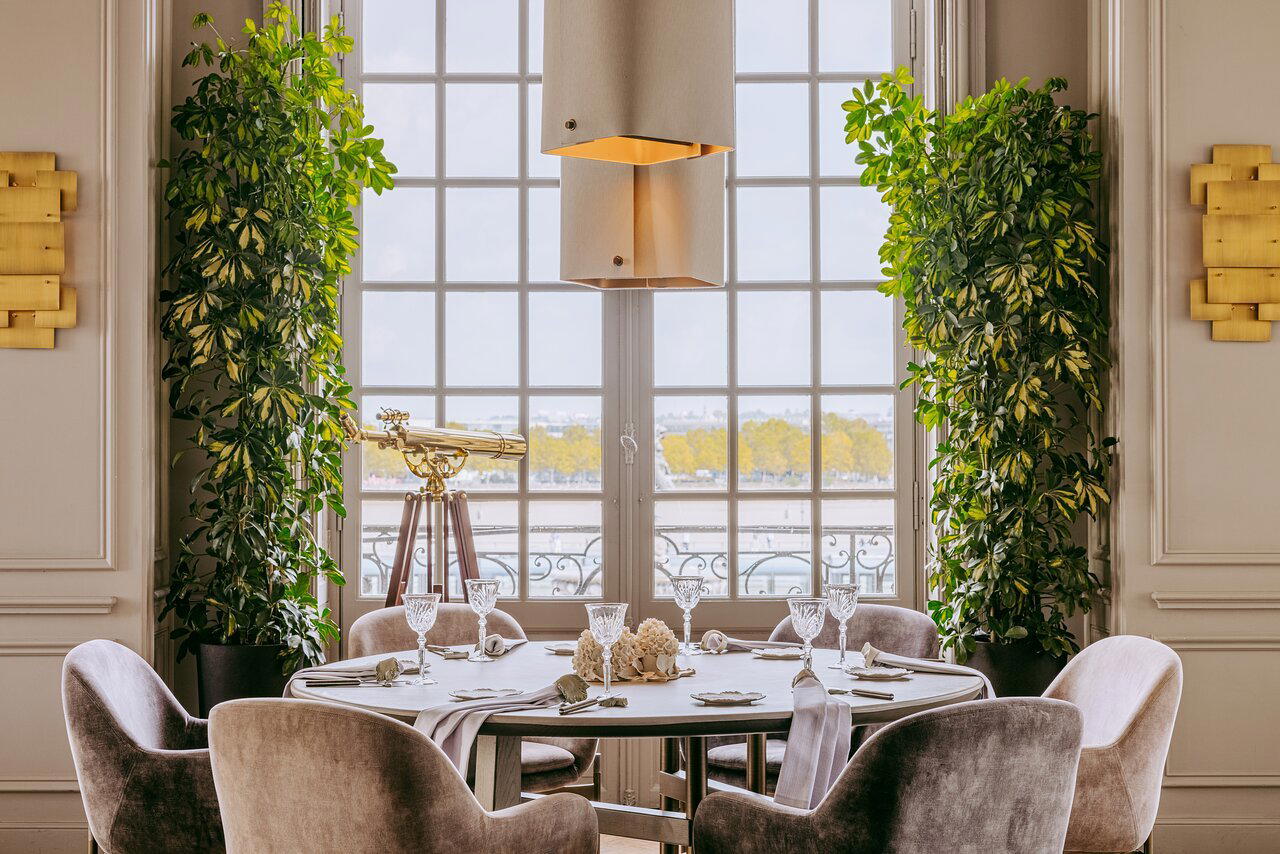
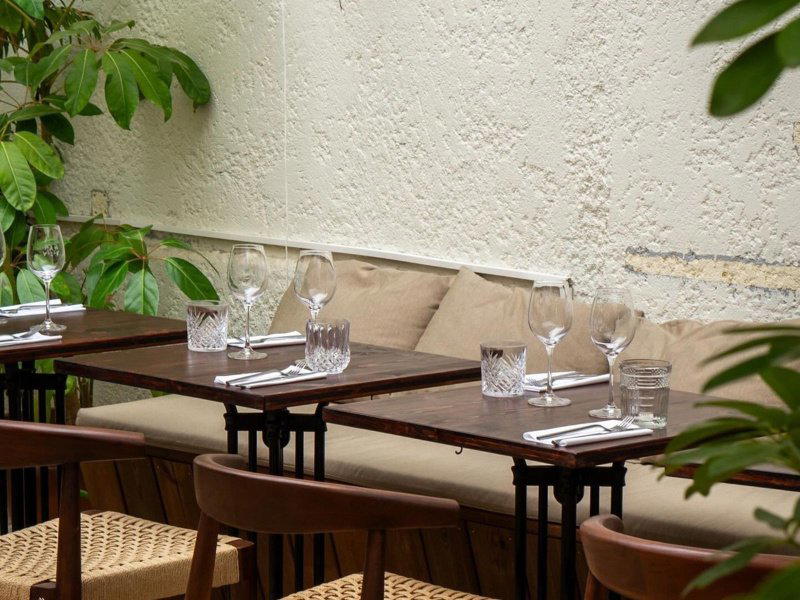
Bars in Bouliac
Browse all →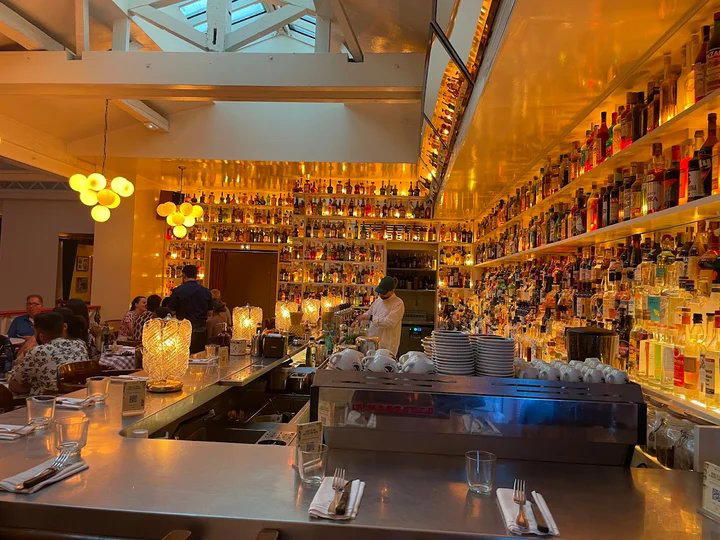
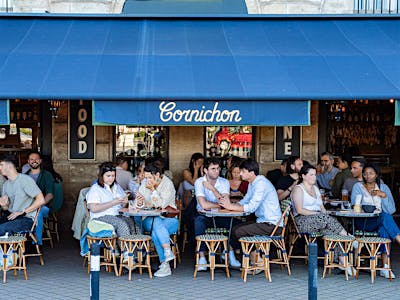
Details
- Cozy
- Classic
- Elegant
- Family
- Group Dining
- Casual Hangout
- Terrace
- Local Sourcing
- A La Carte
- Vegetarian Friendly
Current opening hours
- Monday
- 12–1:30 PM, 7:30–9:30 PM
- Tuesday
- 12–1:30 PM, 7:30–9:30 PM
- Wednesday
- 12–1:30 PM, 7:30–9:30 PM
- Thursday
- 12–1:30 PM, 7:30–9:30 PM
- Friday
- 12–1:30 PM, 7:30–9:30 PM
- Saturday
- Closed
- Sunday
- Closed
Hours can change for holidays and private events. Hours as of .
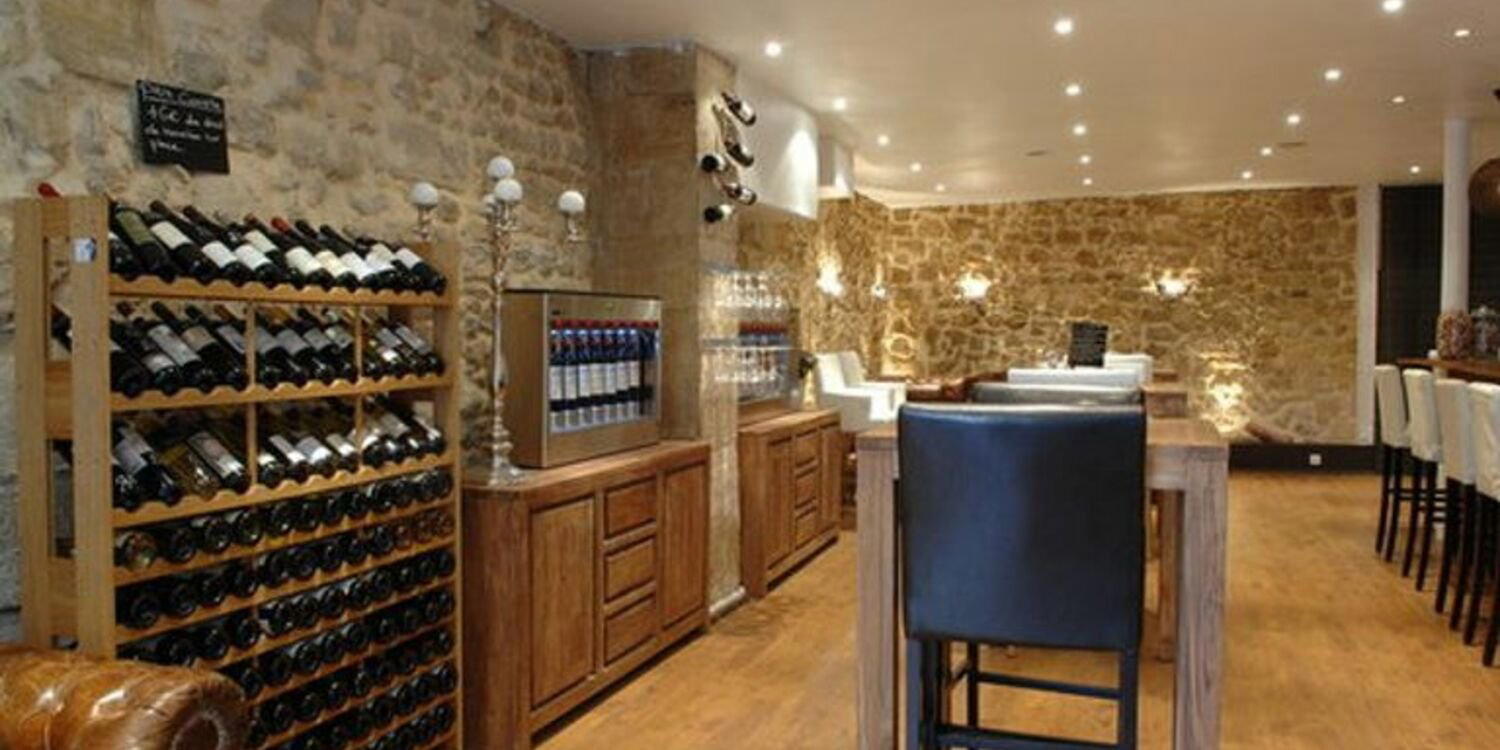
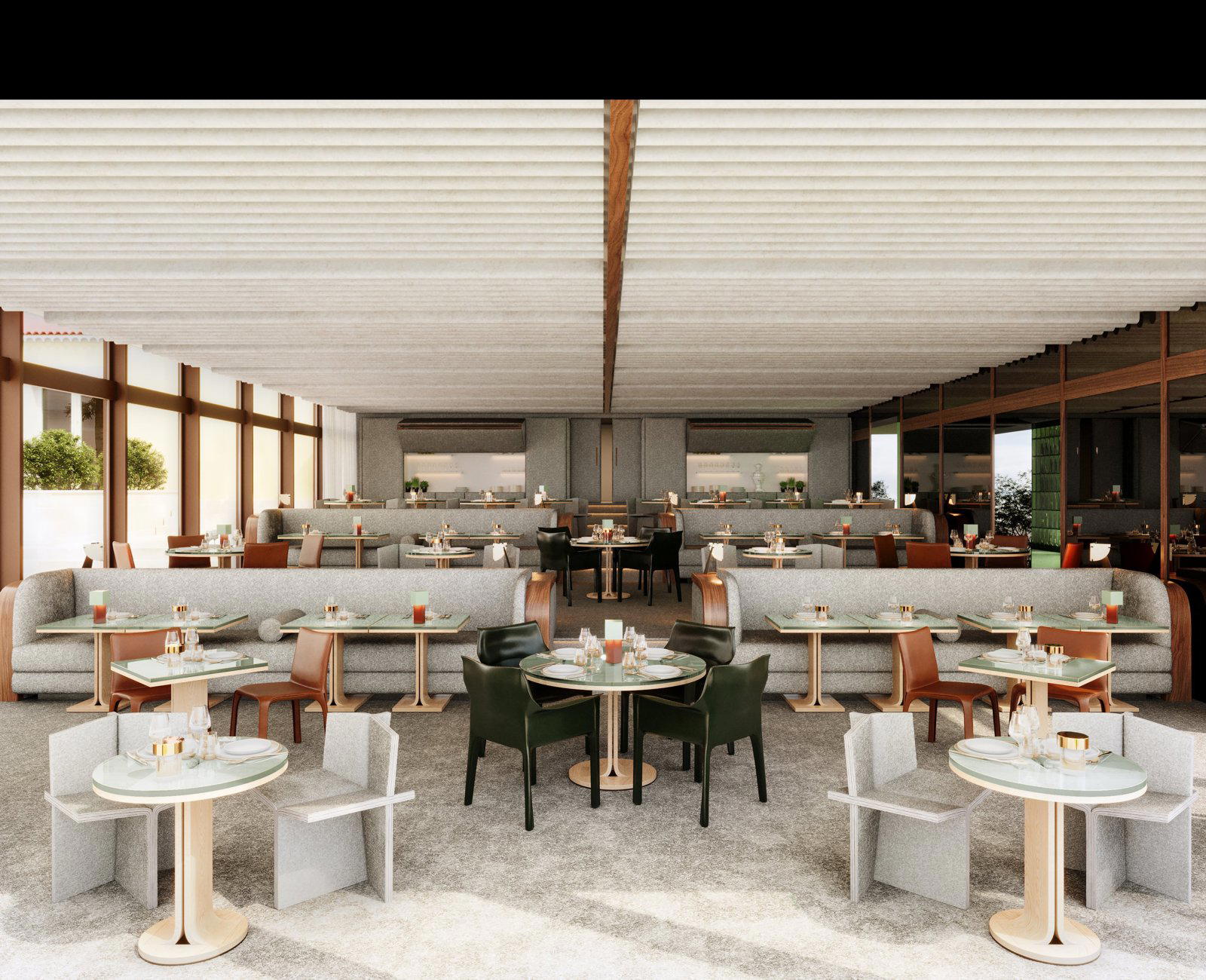
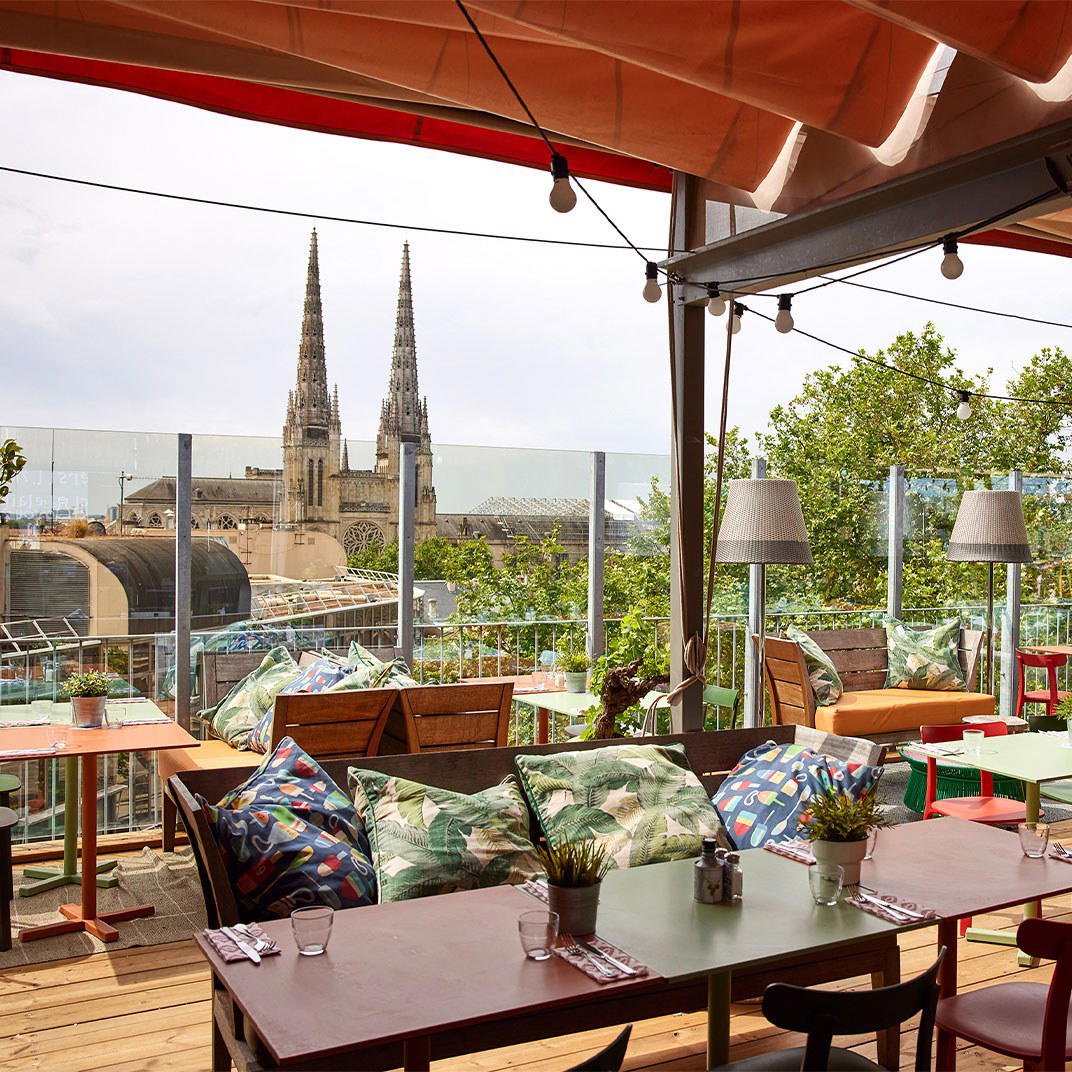
Chaleureuse ambiance with comfortable wooden tables and chairs, heated pergola in winter, and large terrace.