Google: 4.2 · 372 reviews

Set on a 6-hectare cooperative farm at the edge of the Sonian Forest, Les Terres D'ici runs its kitchen from the vegetable garden outward. The restaurant, housed in a converted barn, serves honest seasonal plates built around produce harvested steps away, with a grocery store on site selling direct from the field. It is one of Belgium's more coherent expressions of farm-to-table dining.
 Discover on Pearl
Pearl is the En Primeur Club membership app — saves, bookings, and concierge access live there. Same editors, same standards.
Where the Kitchen Starts Outside
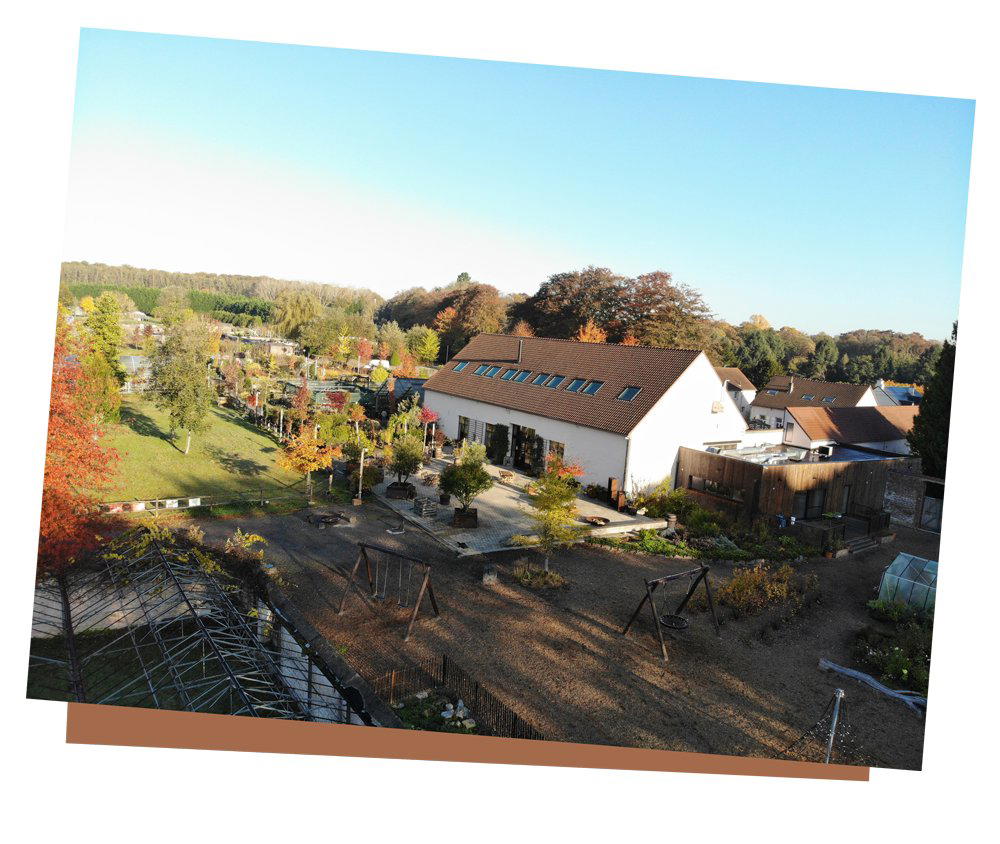
Approaching Les Terres D'ici along the Chaussée de Bruxelles in La Hulpe, the Sonian Forest presses in on both sides — one of the largest beech forests in Western Europe, its canopy thick enough to muffle the Brussels traffic that lies less than 20 kilometres north. The farm sits at the edge of this green corridor, and the old barn that houses the restaurant announces itself without ceremony: stone walls, working agricultural land behind it, a vegetable garden that is clearly a production site rather than a decorative gesture. The scene is less rustic theatre and more honest infrastructure.
That distinction matters. A lot of European farm restaurants dress the part without closing the loop between soil and plate. Here, the 6-hectare cooperative plantation is the operational centre of the kitchen. The vegetables grown on site are primarily intended for the restaurant rather than for market sale, which inverts the economics that most farm-adjacent restaurants quietly depend on. The grocery element — where visitors can buy produce directly from the field , is a secondary channel, not the main revenue logic.
The Case for Ingredient-Led Cooking in the Sonian Corridor
Belgium's most decorated restaurant tier tends toward intensive technique: see the creative Flemish kitchens at Boury in Roeselare or the precision-driven menus at De Jonkman in Sint-Kruis, or the modern European ambition at Castor in Beveren and Cuchara in Lommel. These are kitchens where the ingredient is often a starting point for transformation. Les Terres D'ici operates from a different premise: the ingredient is the argument, and technique serves to clarify rather than to elaborate.
That positioning is not a retreat from ambition. It reflects a coherent philosophy that has gained traction across northern European food culture, particularly in Denmark, the Netherlands, and the Flemish-speaking parts of Belgium, where farm-direct sourcing has moved from ethical statement to culinary method. When a kitchen controls its own supply chain at the level of a 6-hectare working plantation, the menu becomes a record of what the land is doing in a given week rather than what a supplier catalogue can provide year-round.
The menu at Les Terres D'ici runs across vegetarian plates, fish, and meat, with vegetables consistently given structural weight rather than supporting roles. Colour and taste are delivered through the produce itself rather than through sauce architecture. This is not a restrictive approach; it is a calibration toward what the farm can deliver at its peak.
La Hulpe and Its Position Between Two Worlds
La Hulpe occupies a particular position in Belgian geography: close enough to Brussels to function as a day-trip destination for urban diners, but connected to the Walloon countryside in ways that distinguish it from the city's suburban fringe. The Sonian Forest, a UNESCO-recognised site shared between the Brussels Capital Region and Wallonia, provides both the ecological backdrop and the practical reality of a microclimate that supports year-round kitchen gardening at a meaningful scale.
This location gives Les Terres D'ici a dual audience. Visitors from Brussels treat it as an escape from the city's dining density , a counter-programme to the technical ambition of places like Bozar Restaurant. Those travelling from further afield, perhaps combining Belgium's restaurant circuit with stops at Hof van Cleve in Kruishoutem, Zilte in Antwerp, or Willem Hiele in Oudenburg, will find something here that sits outside the decorated-kitchen circuit without being a lesser version of it. It is a different category of experience entirely.
For context on the broader La Hulpe and Terhulpen area, our full Terhulpen restaurants guide covers the range of dining options, while hotels in Terhulpen, bars, wineries, and experiences are catalogued separately if you are planning a longer stay.
The Farm-as-Restaurant Format
The converted barn format is a deliberate spatial choice. Across Belgium and in comparable farm-restaurant models in France and the UK, the barn conversion signals something specific to diners: that the building was originally built for agricultural work and has been adapted rather than rebuilt. It keeps the hierarchy clear. The kitchen does not occupy a purpose-built dining destination; it inhabits the working fabric of the farm.
The grocery component reinforces this logic. Being able to take vegetables home directly from the field closes the experience loop for visitors who want to engage with the produce beyond the meal itself. It is also an honest commercial arrangement: a cooperative plantation that sells what it grows through multiple channels rather than constructing a mystique around scarcity. Internationally, farm-direct retail attached to a restaurant is a format that has proved durable from Provence to coastal California , but in the specific context of the Sonian Forest corridor, it carries a particular coherence given the soil quality and the protected agricultural land that surrounds it.
Planning Your Visit
Les Terres D'ici sits at Chaussée de Bruxelles 117, 1310 La Hulpe, making it accessible from Brussels by car in under 30 minutes. For visitors combining the restaurant with a walk in the Sonian Forest, the timing works well as a late-morning or early-afternoon outing, with the grocery on site available for those wanting to extend the visit into a market-style browse. Booking information and current hours are leading confirmed directly through the venue, as the cooperative format means seasonal adjustments to service are likely. Those travelling to Belgium specifically for its restaurant circuit may also want to note the work of Bartholomeus in Heist, d'Eugénie à Emilie in Baudour, and L'Eau Vive in Arbre for a fuller picture of the country's farm-influenced and ingredient-led kitchens. For those arriving from further afield with broader reference points, the farm-to-table discipline here has more in common philosophically with the sourcing rigour at Le Bernardin in New York or the regional produce focus at Emeril's in New Orleans than it does with the decorated Flemish tasting-menu circuit.
Quick Comparison
These are the closest comparables we have in our database for quick context.
| Venue | Cuisine | Price | Awards | Notes |
|---|---|---|---|---|
| Les Terres D’ici | This 6-hectare cooperative plantation is located in the heart of the Sonian Fore… | This venue | ||
| Boury | Modern Frlemish, Creative French | €€€€ | Michelin 3 Star | Modern Frlemish, Creative French, €€€€ |
| Comme chez Soi | French - Belgian, Classic Cuisine | €€€€ | Michelin 1 Star | French - Belgian, Classic Cuisine, €€€€ |
| Castor | Modern European, Modern French | €€€€ | Michelin 2 Star | Modern European, Modern French, €€€€ |
| Cuchara | Modern European, Creative | €€€€ | Michelin 2 Star | Modern European, Creative, €€€€ |
| De Jonkman | Modern Flemish, Creative | €€€€ | Michelin 2 Star | Modern Flemish, Creative, €€€€ |
Continue exploring
More in Terhulpen
Restaurants in Terhulpen
Browse all →
Bars in Terhulpen
Browse all →
At a Glance
- Rustic
- Cozy
- Scenic
- Family
- Brunch
- Garden
- Beer Program
- Farm To Table
- Local Sourcing
- Garden
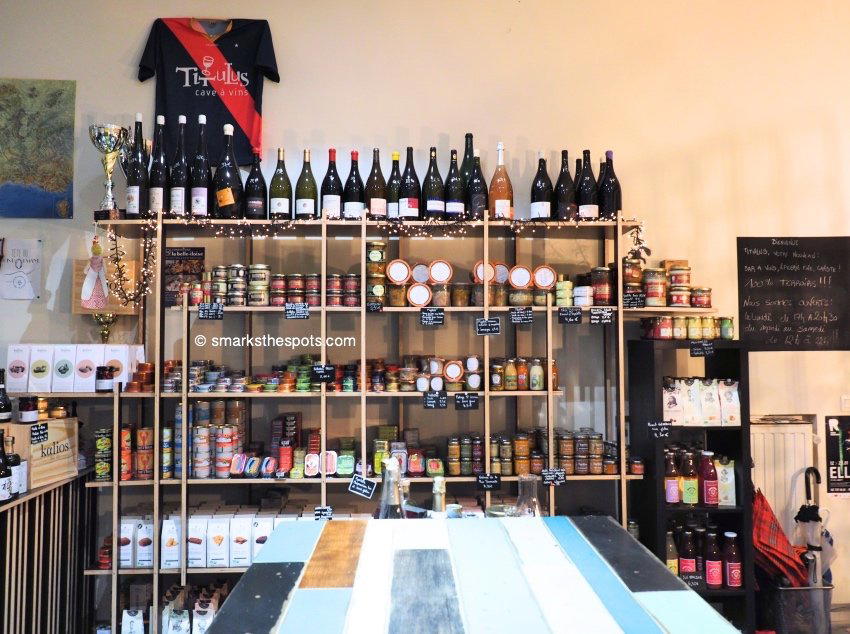
Charming barn-like interior with high ceilings, open fire, and peaceful garden terrace overlooking pond and nursery.