Les Pyrénées



Michelin Plate · Gault & Millau Remarkable Restaurant
Our verdict
An institution on the Camino de Santiago's most storied gateway, Les Pyrénées has earned a Michelin Plate and back-to-back Opinionated About Dining recognition for its fidelity to classical Basque-French cooking. Chef Philippe Arrambide oversees a kitchen rooted in the land and produce of the Pyrenean foothills, in a dining room where the decor and the menu speak the same regional dialect.

Pearl is the En Primeur Club membership app — saves, bookings, and concierge access live there. Same editors, same standards.
- Address
- 19 Plāce Chārles de Gāulle, 64220 Saint-Jean-Pied-de-Port, France
- Phone
- +33 5 59 37 01 01
- Website
- hotel-les-pyrenees.com
- Directions
- Get directions
- Booking
- Book on the venue's website
The menu
What to order
- Foie gras de canard
- Agneau de lait des Pyrénées
- Soufflé chaud aux fruits de la passion
Where the Pyrenees Meet the Plate
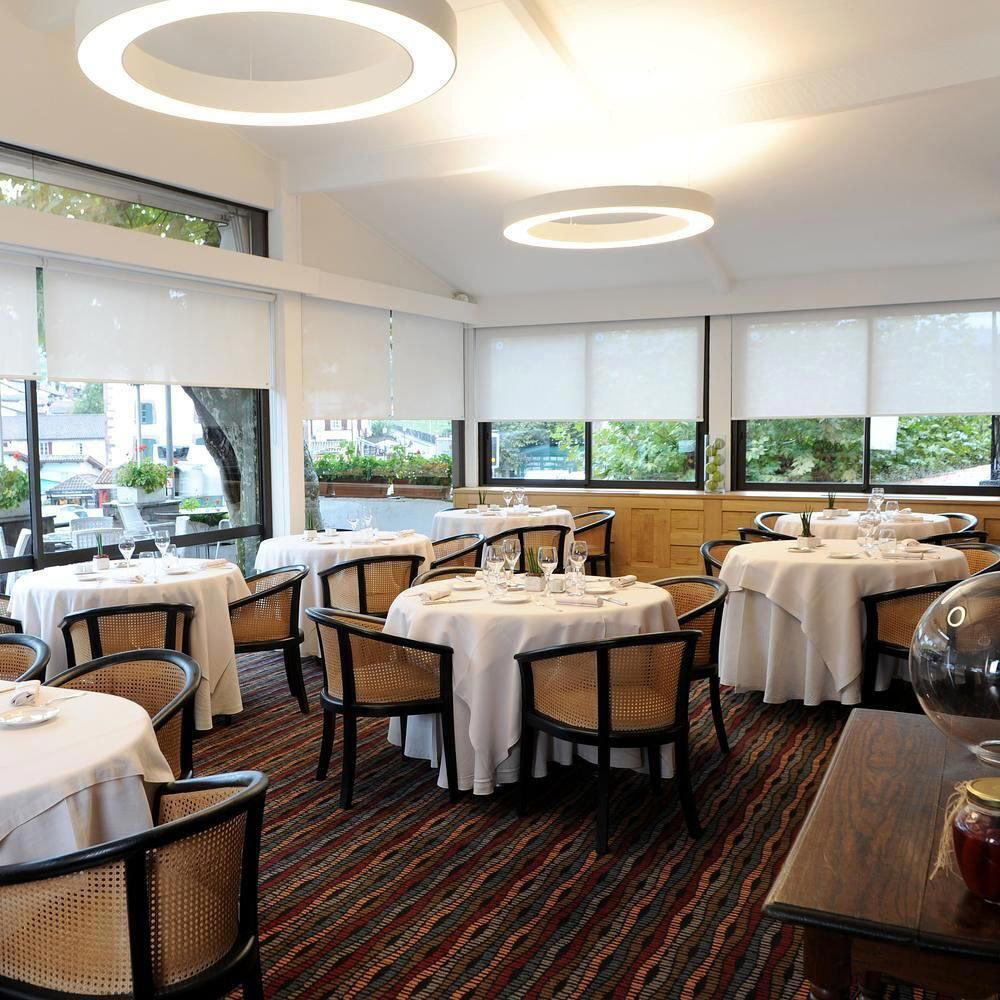
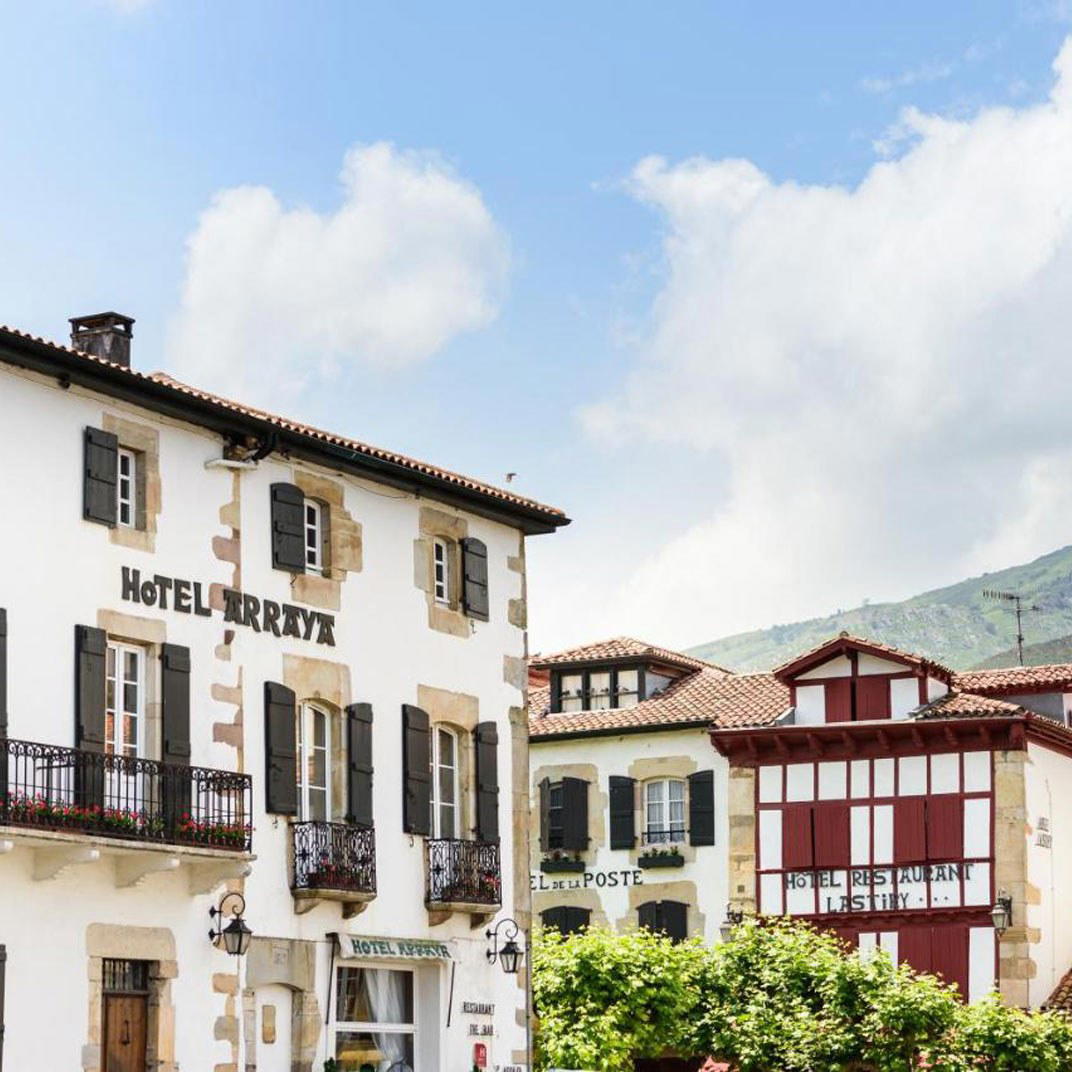
Saint-Jean-Pied-de-Port sits at the foot of the Roncevaux Pass, the mountain gateway through which hundreds of thousands of pilgrims have crossed into Spain on the Camino de Santiago. The town's stone streets and fortified walls create a specific kind of gravity: history weighs on every corner, and the restaurants that survive here do so not by chasing trends but by becoming part of the place itself. Les Pyrénées, at 19 Place Charles de Gaulle, occupies exactly that position. The building reads as an extension of the town rather than a destination within it, and stepping inside confirms the impression: the decor pays deliberate homage to Basque classicism, with the kind of material continuity that takes decades to accumulate rather than weeks to install.
This is the dining register that France's provincial auberge tradition does better than almost anywhere else in Europe. While Paris's leading tables — think Alléno Paris au Pavillon Ledoyen or the grand brasseries of the 8th — compete on innovation and spectacle, places like Les Pyrénées operate on a different axis entirely. The measure of quality here is fidelity: to the land, to the produce that comes down from the mountains and in from the Atlantic coast, and to the cooking traditions that have defined this corner of France for generations.
Basque Country on the Plate
The Basque Country, straddling the Franco-Spanish border with a culture and a cuisine that answer to neither nation completely, produces some of the most ingredient-forward cooking in Europe. The region's larder is genuinely distinct: Espelette pepper, grown in the nearby village of the same name under an AOC designation since 2000, provides heat without the blunt force of chilli; Ossau-Iraty sheep's milk cheese ages slowly in mountain caves; piperade brings together tomato, onion, and pepper in a preparation that predates modern French cuisine's vocabulary for such things. Txakoli and Irouléguy wines, grown in steep Atlantic-facing slopes, carry the mineral acidity that suits the local seafood perfectly.
Chef Philippe Arrambide's kitchen draws on this larder with the confidence of someone who has grown up alongside it. The restaurant has passed from father to son, and that continuity matters: it means the sourcing relationships, the seasonal knowledge, and the cooking instincts are embedded over time rather than imported wholesale. Opinionated About Dining, which ranked Les Pyrénées #288 in its Classical Europe list for 2024 and moved it to #360 in 2025 while maintaining its recognition, describes the restaurant as an institution in Saint-Jean-Pied-de-Port where both decor and cuisine pay homage to Basque classicism and quality produce. That framing captures something real: this is a restaurant where terroir is not a marketing concept but a structural principle.
The Michelin Plate awarded in 2025 places Les Pyrénées in the category of restaurants Michelin inspectors consider worth noting for quality cooking, without the additional theatre of starred distinction. In the context of a small Pyrenean market town, that recognition carries weight. Comparable French regional auberges with deep local identity, Auberge de l'Ill in Illhaeusern in Alsace, or Auberge du Vieux Puits in Fontjoncouse in the Aude, show how powerfully a kitchen rooted in a specific landscape can sustain long-term critical attention without chasing the ambitions of more metropolitan restaurants.
The Regional Dining Conversation
The French Basque coast and its hinterland have developed one of France's more coherent regional dining identities, in part because the Basque cultural project has always insisted on distinctiveness. Biarritz and Saint-Jean-de-Luz to the north attract visitors and have developed more contemporary dining formats to match. But Saint-Jean-Pied-de-Port remains relatively contained, a small walled town whose character is shaped more by its role as a pilgrimage starting point than by tourism infrastructure. That means the restaurants here serve a specific kind of visitor: one who arrives on foot or by car having sought the town out deliberately, often with an understanding of where they are.
For those wanting to cross the border and explore the Spanish side of this culinary tradition, or to compare notes with other Basque-influenced kitchens in the French interior, Ithurria in Ainhoa, a classified village just south along the foothills, offers a useful point of comparison. The two restaurants share a regional vocabulary but approach it from slightly different angles. Further afield in the French regional canon, mountain-rooted cooking takes different forms: Flocons de Sel in Megève in the Alps represents the starred end of altitude-driven cuisine, while Bras in Laguiole on the Aubrac plateau has made landscape itself the primary ingredient. Les Pyrénées sits in a less celebrated but no less coherent position within that tradition. For context on France's full range of classically-minded regional restaurants, see also Troisgros - Le Bois sans Feuilles in Ouches, Paul Bocuse - L'Auberge du Pont de Collonges, and Au Crocodile in Strasbourg.
Planning Your Visit
Les Pyrénées operates at the €€ price point, which in the context of Basque-French cuisine with dual award recognition represents reasonable value. The restaurant opens seven days a week, with long hours Monday through Saturday (8am to 12:30am) and a shorter Sunday service running from noon to 11pm, a schedule that reflects its role serving pilgrims, day visitors, and local residents across different rhythms. Given that capacity and booking details are not published through standard channels, contacting the restaurant directly via its Place Charles de Gaulle address is the appropriate first step.
Saint-Jean-Pied-de-Port is most easily reached by train from Bayonne on the SNCF line, a journey of around 45 minutes that deposits you at the town's small station a short walk from the old town. If you're building a wider itinerary in the region, our full Saint-Jean-Pied-de-Port restaurants guide covers the broader dining scene, while our guides to hotels, bars, wineries, and experiences in Saint-Jean-Pied-de-Port provide additional context. Those planning a more extended tour of southern France's regional tables might also consider Mirazur in Menton, AM par Alexandre Mazzia in Marseille, or Assiette Champenoise in Reims. For an international point of comparison on classical French technique applied in a very different context, Le Bernardin in New York City remains a useful reference.
Frequently asked questions
Is Les Pyrénées suitable for children?
Is Les Pyrénées better for a quiet evening or a lively one?
What is the signature dish at Les Pyrénées?
Comparable Spots, Quickly
| Venue | Cuisine | Price | Awards |
|---|---|---|---|
| Les PyrénéesThis venue — the venue you are viewing | Modern Basque French | $50–100 | Michelin Plate · Gault & Millau Remarkable Restaurant |
| Alléno Paris au Pavillon Ledoyen | Creative | Not listed | Michelin 3 Star |
| Kei | Contemporary French, Modern Cuisine | Not listed | Michelin 3 Star |
| L'Ambroisie | French, Classic Cuisine | Not listed | Michelin 3 Star |
| Le Cinq - Four Seasons Hôtel George V | French, Modern Cuisine | Not listed | Michelin 3 Star |
| Plénitude | Contemporary French | Not listed | Michelin 3 Star |
Recognition history
Dated appearances from independent guides and award organizations, with the underlying list record or original source where available.
Michelin Plate
Michelin
Gault & Millau Remarkable Restaurant
Gault & Millau
Opinionated About Dining Classical in Europe Ranked #360
Opinionated About Dining
Full recognition history (7 entries)
Michelin Plate
Michelin
Michelin Plate
Michelin
Opinionated About Dining Classical in Europe Ranked #288
Opinionated About Dining
Opinionated About Dining Classical in Europe Recommended
Opinionated About Dining
Continue exploring
More in Saint-Jean-Pied-de-Port
Restaurants in Saint-Jean-Pied-de-Port
Browse all →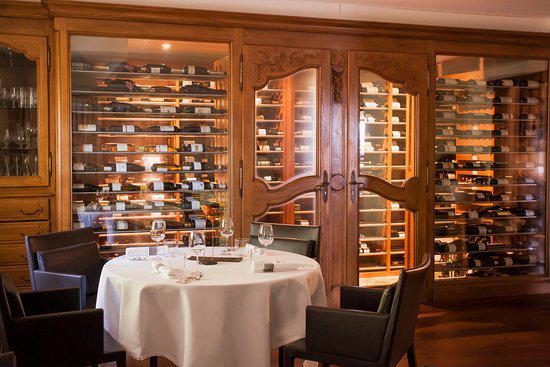
Bars in Saint-Jean-Pied-de-Port
Browse all →
Hotels in Saint-Jean-Pied-de-Port
Browse all →
Wineries in Saint-Jean-Pied-de-Port
Browse all →
Details
- Classic
- Rustic
- Elegant
- Cozy
- Special Occasion
- Date Night
- Celebration
- Historic Building
- Terrace
- Extensive Wine List
- Local Sourcing
- Mountain
- Street Scene
- A La Carte
- Prix Fixe
- Local Wines
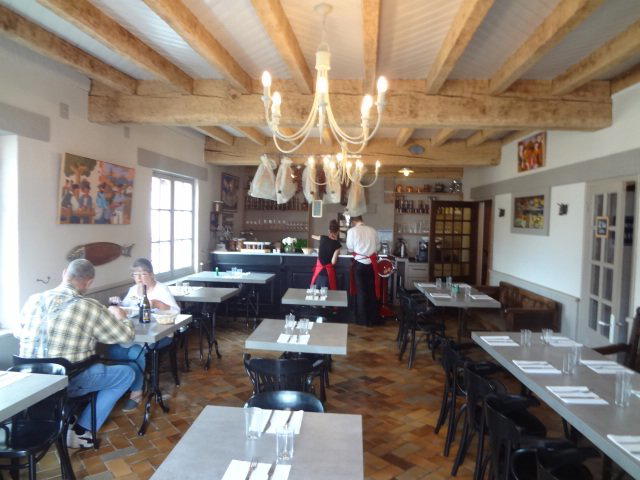
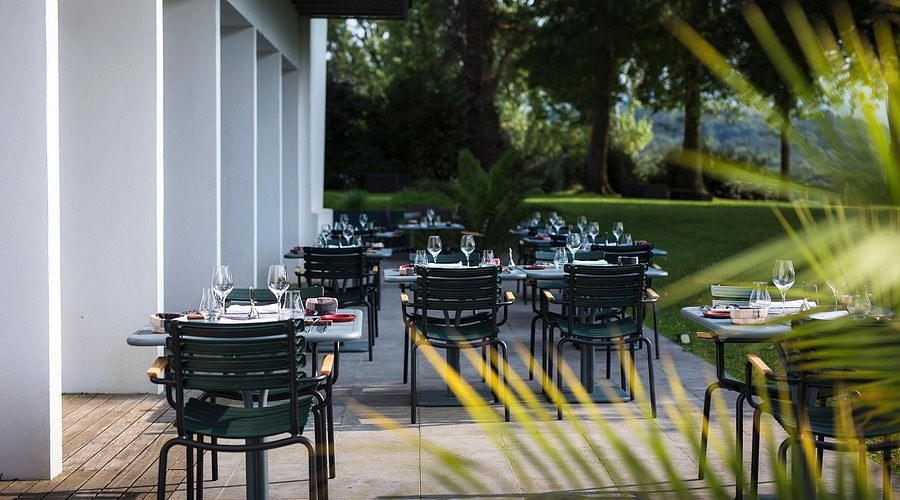
Classic decor evoking Basque heritage with crisp starched linens, comfortable chairs, and an elegant, welcoming atmosphere praised for its relaxed yet refined service.