
1 Michelin Star
Our verdict
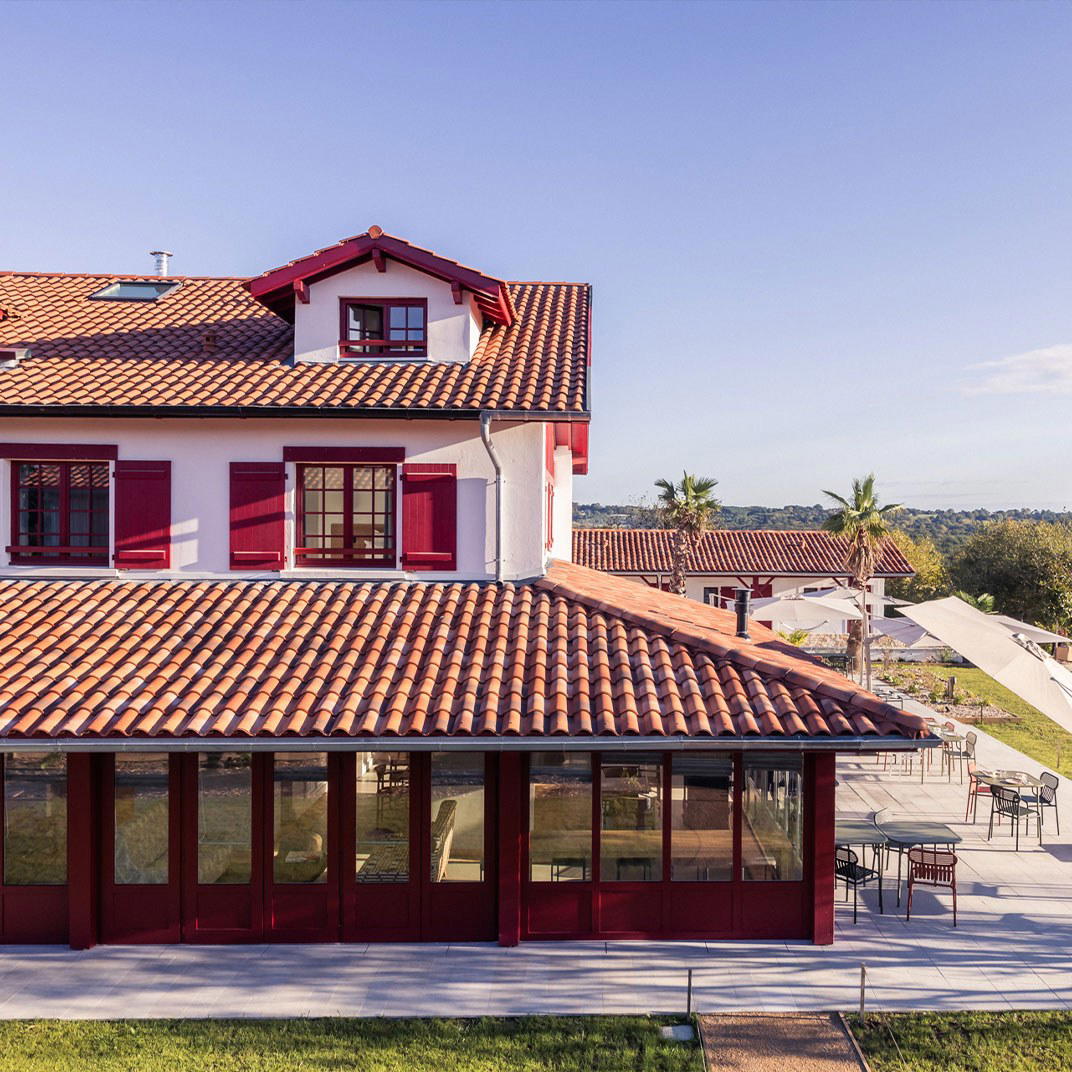
Set within a 17th-century farmstead on the heights of Bidarray, Lore Ttipia at Auberge Ostape earns its Michelin Plate recognition through a tight focus on Basque Country produce, with some ingredients finished over embers or on hot stone. Chef John Argaud, trained at Le Meurice and across the Basque region's most serious kitchens, delivers food that is precise without being remote, and the panoramic countryside views frame every meal.

Pearl is the En Primeur Club membership app, where members save venues, book tables and use the concierge.
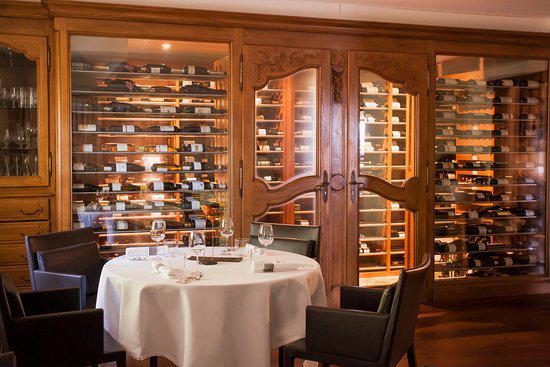
Where the Pyrenean Foothills Set the Menu
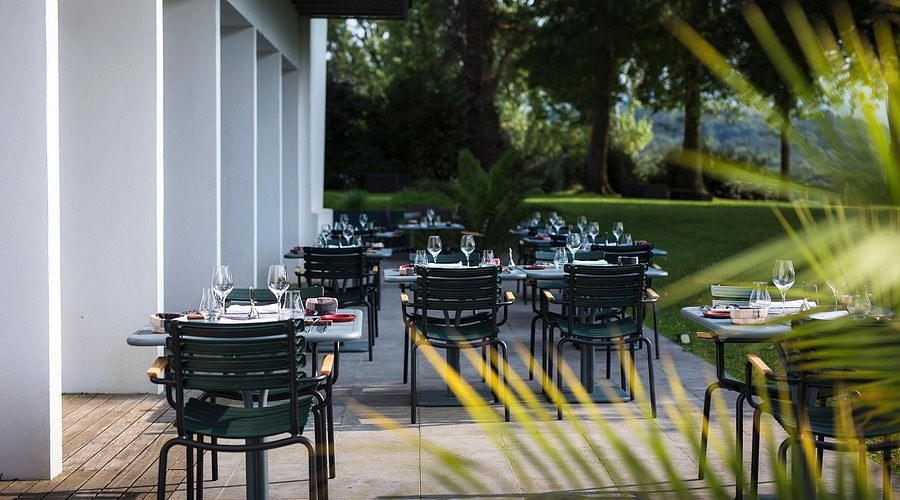
The road up to Bidarray climbs through a countryside that looks painted rather than real: steep green ridgelines, scattered farmsteads, and the kind of silence that makes cities feel like a different species. The Basque interior has always fed itself from these hills, and the dining tradition here reflects that geography directly. Auberge Ostape occupies a 17th-century farmstead on the heights between Bidarray and Itxassou, and its restaurant, Lore Ttipia, operates inside that same agricultural logic. The panoramic terrace commands an uninterrupted view of the rolling countryside below, which is less a scenic bonus than a statement of intent: the ingredients visible in the distance are the ones arriving in the kitchen.
This is the kind of terroir-anchored cooking that a growing number of French regional tables are returning to after decades of cosmopolitan drift. From the broader field of Basque-influenced Modern Cuisine, Lore Ttipia sits in the strand that treats landscape and produce as a fixed constraint rather than an aesthetic choice. It earns comparison not with the grand urban temples of the €€€€ tier in Paris, such as Alléno Paris au Pavillon Ledoyen, but with France's auberge tradition: destination restaurants where the countryside itself is the argument. Tables like Bras in Laguiole and Auberge du Vieux Puits in Fontjoncouse established the model: a chef, a region, a commitment to the ingredient above all else.
The Ingredient Logic of the Basque Interior
The Basque Country is one of France's most coherent gastronomic zones, with a supply chain that has been running long enough to develop its own reputation. Txakoli, Espelette pepper, Bayonne ham, the seafood of the Bay of Biscay, the sheep's milk of the Ossau-Iraty uplands: these are not trend items but structural components of a cuisine that has been building institutional confidence for generations. Chef John Argaud, whose training spans La Table des Frères Ibarboure and Ithurria in the Basque Country as well as Le Meurice in Paris under Alain Ducasse, operates from this supply base with the authority of someone who has studied it from multiple angles. His Parisian formation at one of France's most technically demanding kitchens sits alongside his Basque regional grounding, and the result is cooking described in Michelin's own assessment as crisp, legible, and delicate.
The technique of finishing ingredients over embers or on hot stone is worth noting in context. Across the Basque region, wood-fire cooking is not a trend borrowed from Scandinavia but a practice with deep local roots, running from the txokos of San Sebastián to the asadors of the Navarrese interior. When Lore Ttipia applies it, the gesture connects the kitchen to a regional grammar rather than a global one. The stuffed courgette flowers with grilled cuttlefish, cited in the Michelin record, illustrate that balance: a classic French preparation technique applied to a distinctly coastal Basque pairing. For context on how other destination restaurants in France have built similar produce-to-plate arguments, Flocons de Sel in Megève and Auberge de l'Ill in Illhaeusern represent comparable regional commitments at different points on the Michelin scale.
Format and Frequency: The Weekly Menu Logic
One of the more considered structural choices at Lore Ttipia is the weekly format split. From Monday to Wednesday, the kitchen runs a bistronomic menu: simpler in scope but, according to Michelin's description, no less satisfying in execution. Thursday through the weekend, the fuller menu is available. This is a pragmatic response to the realities of running a serious kitchen in a remote location with a variable weekly flow of guests. It also functions as a genuine entry point for diners who want the kitchen's sourcing and technique without the full ceremony of a destination-tasting format.
The bistronomic structure has precedent across France's serious regional tables. It allows a kitchen to maintain produce standards without overextending on days when covers are lighter, and it gives the team a sustainable rhythm over a full week. For a table at the €€€€ price point, it also signals that Lore Ttipia is not trying to perform prestige at every moment, but to deliver cooking that earns its standing through consistency rather than occasion. The Michelin Plate recognition, awarded in 2024, reflects exactly that kind of sustained, honest kitchen work.
Placing Lore Ttipia in the French Auberge Tradition
The auberge format, a restaurant within or attached to an inn, in a location that demands a journey to reach it, has produced some of France's most significant cooking. Troisgros in Ouches, Paul Bocuse in Collonges-au-Mont-d'Or, and Mirazur in Menton each built their reputations partly on the commitment required to reach them. The destination itself becomes part of the dining proposition. Lore Ttipia at Auberge Ostape operates in that register, though at an earlier stage of recognition. The 17th-century farmstead, the elevation, the terrace view: none of this is incidental. It creates the conditions under which food sourced from these hills is most legibly itself.
Bidarray sits in French Basque Country, roughly between Bayonne and Saint-Jean-Pied-de-Port, in a pocket of the Pyrenean foothills that sees far fewer visitors than the coast. For those exploring what the region offers across all categories, our full Bidarray restaurants guide, Bidarray hotels guide, bars guide, wineries guide, and experiences guide provide a full picture. For reference points across France's broader field of destination Modern Cuisine, AM par Alexandre Mazzia in Marseille, Assiette Champenoise in Reims, Au Crocodile in Strasbourg, and internationally, Frantzén in Stockholm and FZN by Björn Frantzén in Dubai illustrate the range of what serious Modern Cuisine looks like at different scales.
Planning Your Visit
Lore Ttipia sits at the €€€€ price tier, positioning it among France's upper-bracket destination tables. The address at 1135 Xahatoeneko bidea, Bidarray 64780, places it on the heights above the village, reached by car. Given its rural setting and the bistronomic menu structure from Monday to Wednesday, it is worth confirming which format is available on your chosen date before travelling.
Frequently Asked Questions
- Is Lore Ttipia - Auberge Ostape good for families?
- The auberge setting and the bistronomic menu available earlier in the week make this more accessible for families than a pure tasting-menu format would be. That said, the €€€€ price point places it at the higher end of what most families would consider a casual outing. The countryside location, with open space and a terrace, suits those travelling with older children who can engage with a longer, more considered meal.
- What's the vibe at Lore Ttipia - Auberge Ostape?
- The atmosphere here follows from the setting rather than from any deliberate mood-making. A 17th-century Basque farmstead on an refined site with panoramic views of the Pyrenean foothills creates a particular kind of calm. The Michelin Plate recognition and €€€€ pricing place it in serious-restaurant territory, but the auberge format keeps it grounded rather than ceremonious. The food is precise; the room earns its standing from what surrounds it.
- What do regulars order at Lore Ttipia - Auberge Ostape?
- The kitchen's Michelin citation calls out stuffed courgette flowers with grilled cuttlefish as representative of the style: technically composed, locally sourced, and lighter in touch than the setting might suggest. Chef Argaud's training across both Basque regional kitchens and Le Meurice in Paris produces a register that is neither rustic nor urban, but something specific to this place and its produce. Dishes finished over embers or on hot stone are part of the kitchen's grammar and tend to anchor the fuller menus available later in the week.
Frequently asked questions
Is Lore Ttipia - Auberge Ostape more mid-range or high-end?
Pricing at Lore Ttipia - Auberge Ostape is listed as €€€€.
How do I find Lore Ttipia - Auberge Ostape?
Lore Ttipia - Auberge Ostape is located at 1135 Xahatoeneko bidea, 64780 Bidarray, France, Bidarray.
Side-by-Side Snapshot
| Venue | Cuisine | Price | Awards | Notes |
|---|---|---|---|---|
| Lore Ttipia - Auberge OstapeThis venue (the venue you are viewing) | Modern Basque Fine Dining | $150–200 | 1 Michelin Star | Not listed |
| Alléno Paris au Pavillon Ledoyen | Modern French Fine Dining | $150–200 | 3 Michelin Stars · World's 50 Best #79 | Creative |
| Kei | Contemporary French, Modern Cuisine | Not listed | Michelin 3 Star | Not listed |
| L'Ambroisie | Classic French Haute Cuisine | $300–500 | 2 Michelin Stars · World's 50 Best #23 | French, Classic Cuisine |
| Le Cinq - Four Seasons Hôtel George V | Modern French Fine Dining | $300–500 | 3 Michelin Stars · World's 50 Best #24 | French, Modern Cuisine |
| Plénitude | Modern French Sauce-Led Fine Dining | $300–500 | 3 Michelin Stars · World's 50 Best #14 | Contemporary French |
Recognition history
Dated appearances from independent guides and award organizations, with the underlying list record or original source where available.
Michelin 1 Star
Michelin
Full recognition history (3 entries)
Michelin 1 Star
Michelin
Michelin Plate
Michelin
Continue exploring
More in Bidarray
Restaurants in Bidarray
All restaurants in Bidarray →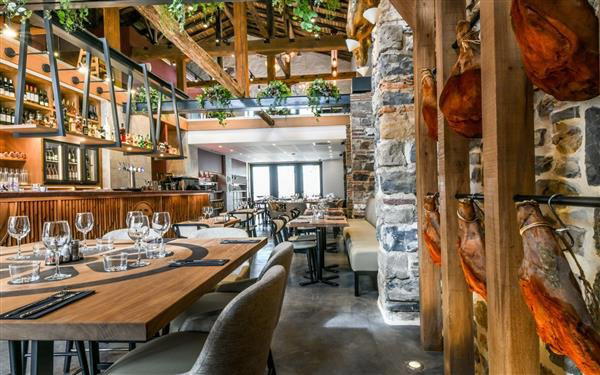
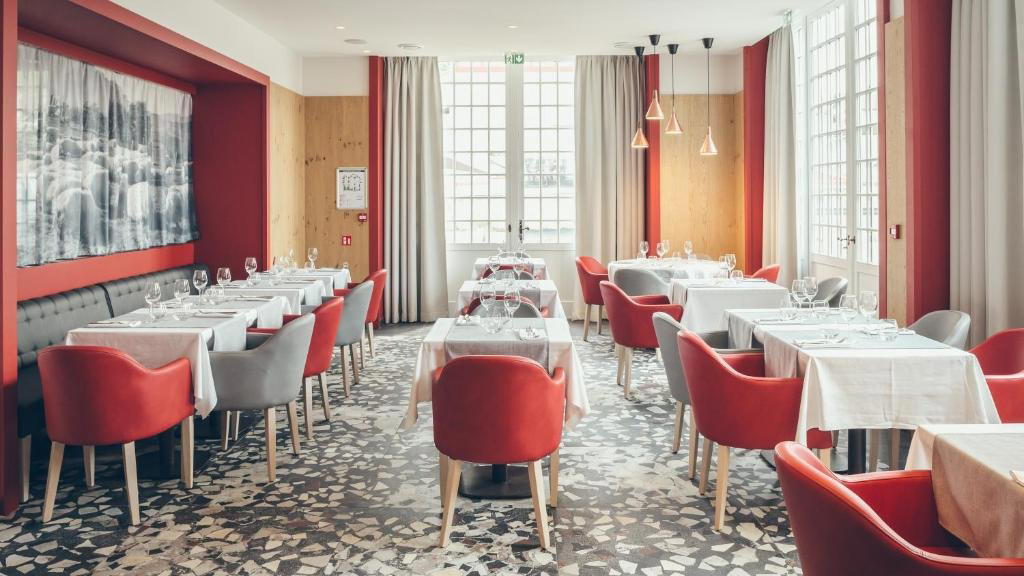
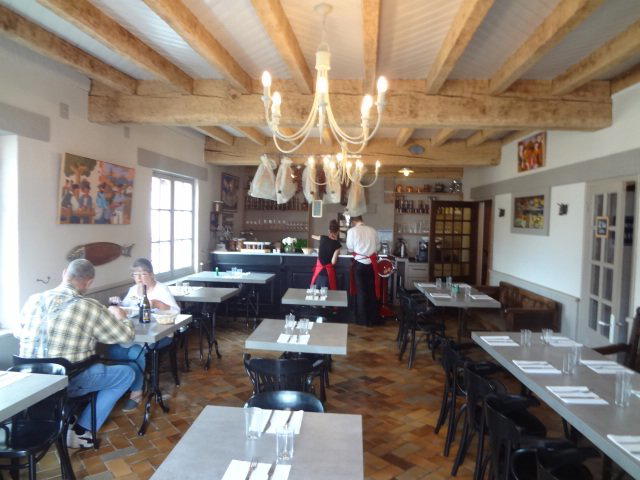
Bars in Bidarray
Browse all →
Hotels in Bidarray
Browse all →
Wineries in Bidarray
Browse all →
Lore Ttipia - Auberge Ostape
The wine
- Wine program
- Deep wine list
- Extensive wine list
Details
- Rustic
- Elegant
- Cozy
- Scenic
- Sophisticated
- Special Occasion
- Date Night
- Terrace
- Historic Building
- Hotel Restaurant
- Extensive Wine List
- Local Sourcing
- Farm To Table
- Mountain
- Garden
- Tasting Menu
- Prix Fixe
- Wine
Elegant but warm décor in a bucolic setting with an oak wine cellar open to the dining room and terrace overlooking mountains.