
Michelin Plate
Our verdict
In the quiet Basque village of Briscous, Maison Joanto holds both a Michelin Plate (2025) and a Bib Gourmand (2024), positioning it among the Pays Basque's most consistent addresses for traditional cuisine at a price point that makes weekly visits plausible.

Pearl is the En Primeur Club membership app, where members save venues, book tables and use the concierge.
The menu
What to order
- Pâté en croûte
- Agneau de lait des Pyrénées
- Baba du Sud-Ouest
A Basque Village Table With Michelin Credentials
The Pays Basque interior is not a region that needs a fine-dining showcase to prove its culinary seriousness. The farmlands between Bayonne and the Pyrenean foothills have been producing some of France's most characterful raw ingredients for centuries: Manech ewes grazing on Atlantic-facing pastures, piment d'Espelette growing in tight rows on south-facing plots, free-range Basque pigs fattened on acorns and whey. What those ingredients need is a kitchen that treats provenance as structure rather than decoration. That is the operating logic of traditional Basque cuisine at its most grounded, and it is the logic on which Maison Joanto, set along the village lane in Briscous, quietly operates.
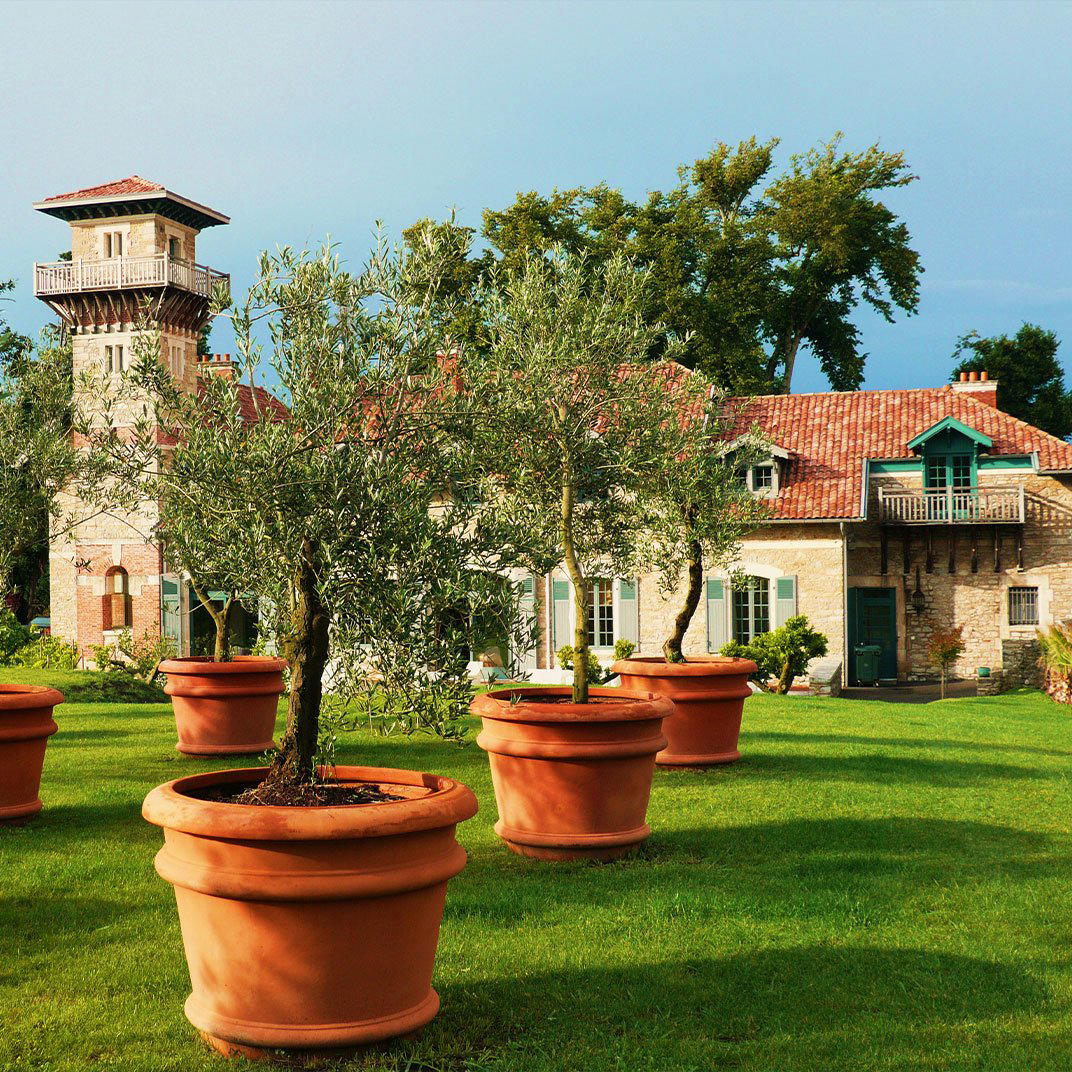
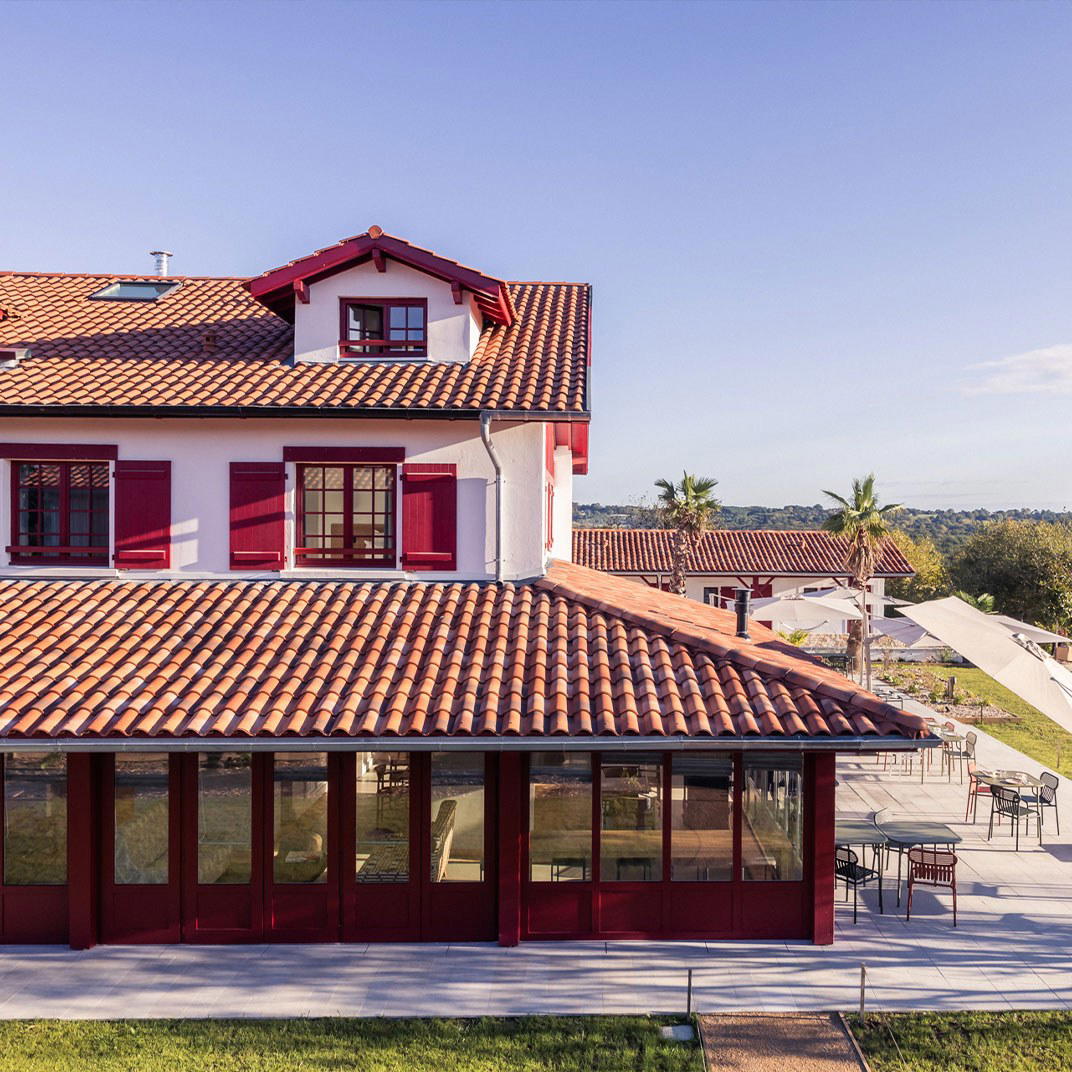
Briscous itself sits a short drive inland from Bayonne, the kind of small commune that appears on few tourist itineraries but sits at the centre of a dense agricultural network. Arriving along the Chemin du village, the visual register is emphatically domestic: the house, the garden, the unhurried rhythm of a village still organised around its fields rather than its visitors. It is a setting that frames expectations before the first course arrives. For context on where Briscous sits within France's broader dining ecosystem, see our full Briscous restaurants guide.
Where the Ingredient Story Starts
Traditional cuisine in the Basque Country operates within a tight geography of ingredients. The piment d'Espelette, which carries its own AOC designation, is grown in a demarcated zone of ten communes and harvested in autumn before being dried and ground into the rust-red powder that appears across the region's cooking. Txakoli vineyards a short distance over the Spanish border contribute the sharp, low-alcohol white that has become the aperitif of choice along the Basque coast. Aged sheep's milk cheese from the Ossau-Iraty appellation, produced in the valley systems to the south, forms part of the dessert logic on tables across the region. These are not background details; they are the architecture of Basque cooking.
Maison Joanto's positioning within the €€ price tier is significant in this context. Some of the region's most ingredient-driven kitchens operate at price points that exclude the local populations whose food culture they reference. A Bib Gourmand from Michelin, awarded in 2024 and followed by a Plate distinction in 2025, is precisely the framework Michelin uses to signal good cooking at accessible prices. The 2025 Plate arrival alongside the retained Bib Gourmand suggests a kitchen in motion rather than one coasting on earlier recognition.
The Bib Gourmand Framework in Regional France
France's Bib Gourmand cohort includes some of the country's most interesting eating: addresses where the local market drives the menu rather than the other way around. In the Basque Country, that means kitchens answering to seasonal rhythms that outsiders rarely track, the appearance of fresh cèpes from the Basque hills in September and October, the transition from spring lamb to summer vegetables, the preserved and pickled preparations that bridge the leaner months. Comparing the Bib Gourmand tier to the full-starred restaurants in France's portfolio puts the distinction in relief: a table like Mirazur in Menton or Troisgros in Ouches operates at an entirely different register of ambition and expenditure. The Bib tier is about something else: the everyday seriousness of French cooking outside the trophy circuit. Addresses such as Auberge Grand'Maison in Mûr-de-Bretagne demonstrate that this tier produces compelling regional cooking across France's most distinct food cultures, and Auga in Gijón shows the same logic operating on the Spanish side of the Basque geography.
For a point of contrast at the other end of France's dining hierarchy, Alléno Paris au Pavillon Ledoyen represents the kind of multi-starred institutional ambition against which the Bib Gourmand tier defines its own value. Rural Basque cooking is not competing with that tradition; it is answering a different question entirely.
Dining in the Basque Interior: What to Know Before You Go
Planning a meal at Maison Joanto requires understanding the rhythm of French village restaurants. Lunch is typically the primary service in communes like Briscous, with the midday meal functioning as the main event in the daily schedule. The kitchen works within traditional cuisine parameters, which in this region means dishes shaped by proximity to specific producers and seasonal availability rather than by imported luxury ingredients. The €€ price classification places it clearly within the accessible-to-locals tier rather than the destination-splurge category, making it a credible option for travellers building a broader itinerary through the Pays Basque interior.
The restaurant's address on the Chemin du village in Briscous (64240) indicates a genuinely village-scale setting. Bayonne, with its train connections from Bordeaux and Paris via TGV, is the logical base for exploring the region, and Briscous sits within easy reach by car. Travellers combining the meal with wider regional exploration can extend their itinerary through the Basque restaurant scene; the rest of the area's dining addresses are covered in our Briscous restaurants guide, and the broader travel picture including accommodation and bars is available through our Briscous hotels guide, our bars guide, and our wineries guide. There is also a growing offer of cultural and outdoor programming in the region detailed in our Briscous experiences guide.
For further reference points within French traditional cuisine at the regional level, Auberge de l'Ill in Illhaeusern and Auberge du Vieux Puits in Fontjoncouse represent the kind of rooted, place-specific cooking that shares a philosophical common ground with what Maison Joanto represents in the Basque context. At the more experimental end of French regional cooking, AM par Alexandre Mazzia in Marseille, Flocons de Sel in Megève, Assiette Champenoise in Reims, Au Crocodile in Strasbourg, Paul Bocuse in Collonges-au-Mont-d'Or, and Bras in Laguiole map the width of France's regional restaurant tradition across very different terrains and price brackets.
Frequently asked questions
Does Maison Joanto work for a family meal?
At the €€ price tier in a village setting in the Basque Country, yes, it is a practical family option without the formality or cost that would make some diners hesitate.
How would you describe the vibe at Maison Joanto?
If you are arriving from a city restaurant culture expecting polished urban service, recalibrate: the Michelin Bib Gourmand and Plate recognitions here signal a kitchen taken seriously within an unpretentious, village-scale setting.
What dish is Maison Joanto famous for?
The Michelin recognition speaks to consistent execution across the range rather than a single showpiece preparation.
In Context: Similar Options
| Venue | Cuisine | Price | Awards | Notes |
|---|---|---|---|---|
| Maison JoantoThis venue (the venue you are viewing) | Basque French Bistro | $30–50 | Michelin Plate | Not listed |
| Alléno Paris au Pavillon Ledoyen | Modern French Fine Dining | $150–200 | 3 Michelin Stars · World's 50 Best #79 | Creative |
| Kei | Contemporary French, Modern Cuisine | Not listed | Michelin 3 Star | Not listed |
| L'Ambroisie | Classic French Haute Cuisine | $300–500 | 2 Michelin Stars · World's 50 Best #23 | French, Classic Cuisine |
| Le Cinq - Four Seasons Hôtel George V | Modern French Fine Dining | $300–500 | 3 Michelin Stars · World's 50 Best #24 | French, Modern Cuisine |
| Plénitude | Modern French Sauce-Led Fine Dining | $300–500 | 3 Michelin Stars · World's 50 Best #14 | Contemporary French |
Recognition history
Dated appearances from independent guides and award organizations, with the underlying list record or original source where available.
Michelin Plate
Michelin
Full recognition history (3 entries)
Michelin Plate
Michelin
Michelin Bib Gourmand
Michelin
Continue exploring
More in Briscous
Details
- Cozy
- Rustic
- Elegant
- Family
- Casual Hangout
- Terrace
- Private Dining
- Extensive Wine List
- Local Sourcing
- A La Carte
Current opening hours
- Monday
- Closed
- Tuesday
- Closed
- Wednesday
- 12–1:30 PM
- Thursday
- 12–1:30 PM
- Friday
- 12–1:30 PM, 7:30–9 PM
- Saturday
- 12–1:30 PM, 7:30–9 PM
- Sunday
- 12–1:30 PM
Hours can change for holidays and private events. Hours as of .
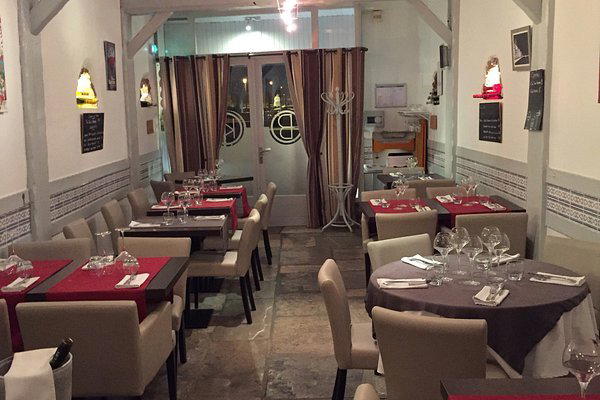
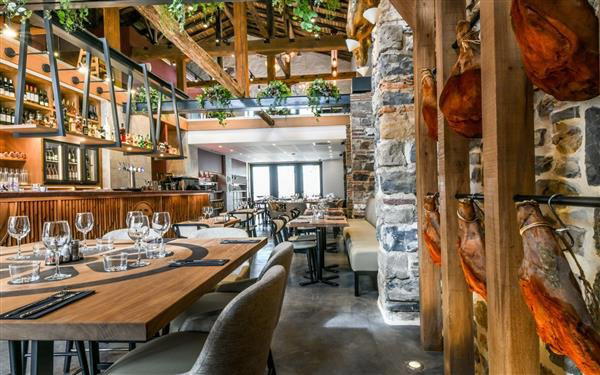
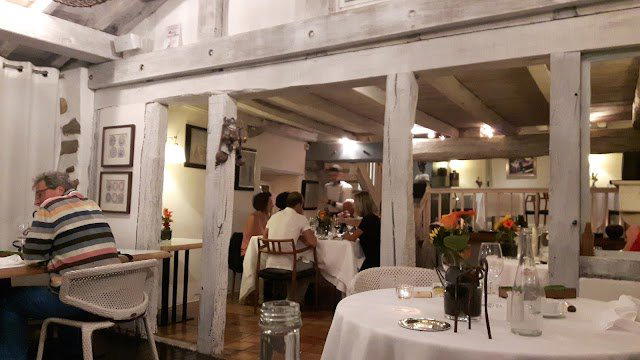
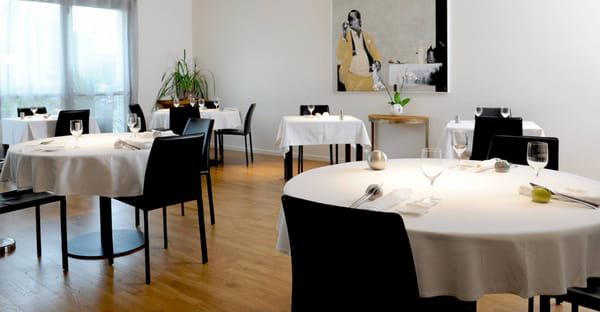
Chaleureuse et conviviale with traditional architecture, simple and welcoming decor focusing on quality dishes.