
Falstaff Bar - 93 Falstaff Points
Bar Napoléon III sits on Avenue de l’Impératrice, a Biarritz address that immediately places it in the city’s grand-hotel drinking tradition rather than the surf-bar circuit. With no public awards, chef, hours, prices, or published cocktail list in the record, the draw is contextual: a formal hotel-bar setting where aperitif culture, Atlantic resort history, and polished service codes matter more than novelty.

Pearl is the En Primeur Club membership app — saves, bookings, and concierge access live there. Same editors, same standards.
- Address
- 1 Av. de l'Impératrice, 64200 Biarritz, France
- Phone
- +33 5 59 41 12 34
- Hours
- Daily 4 PM–12 AM
- Website
- hyatt.com
- Directions
- Get directions
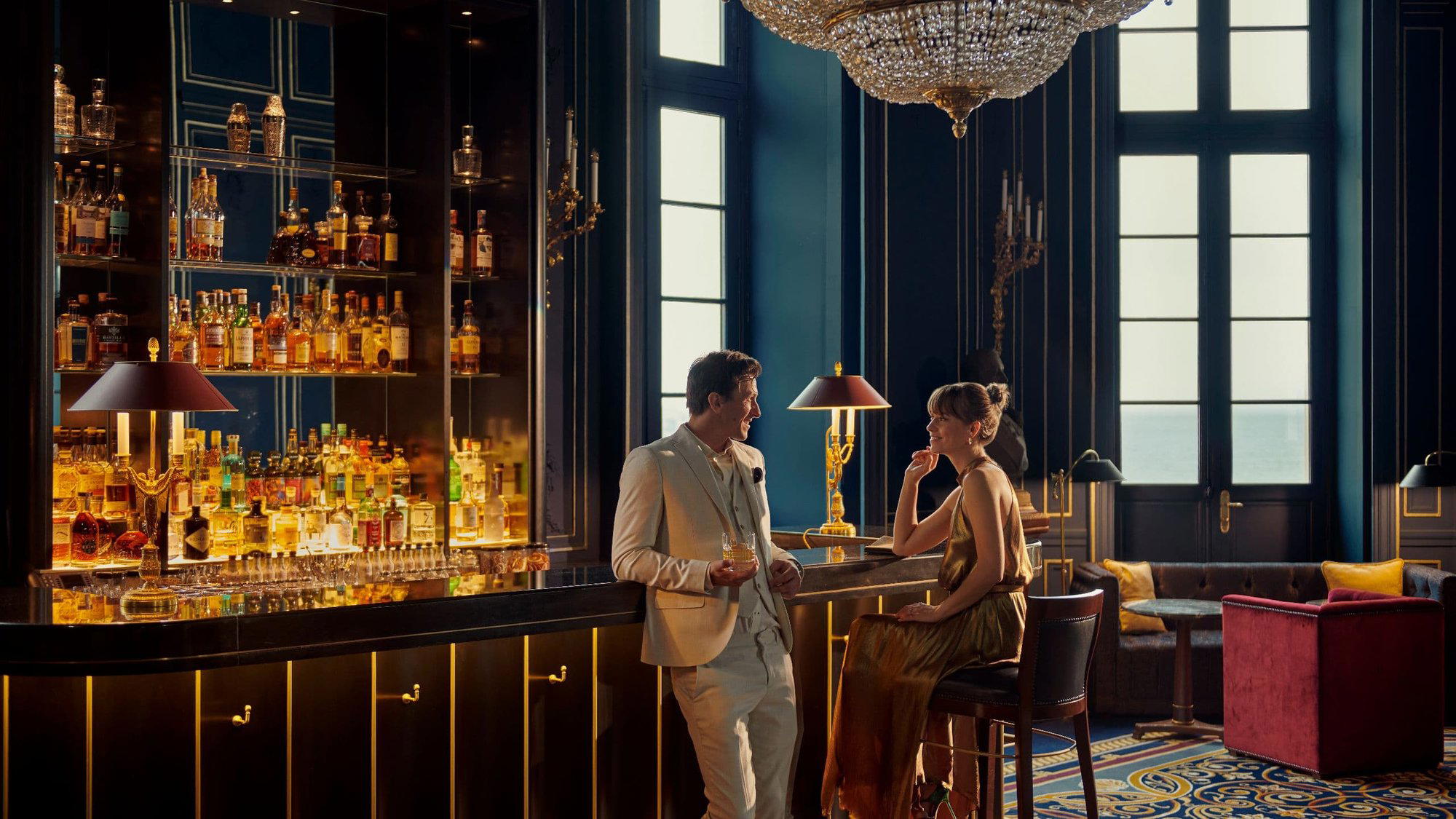
Where Biarritz Drinks When It Wants Ceremony
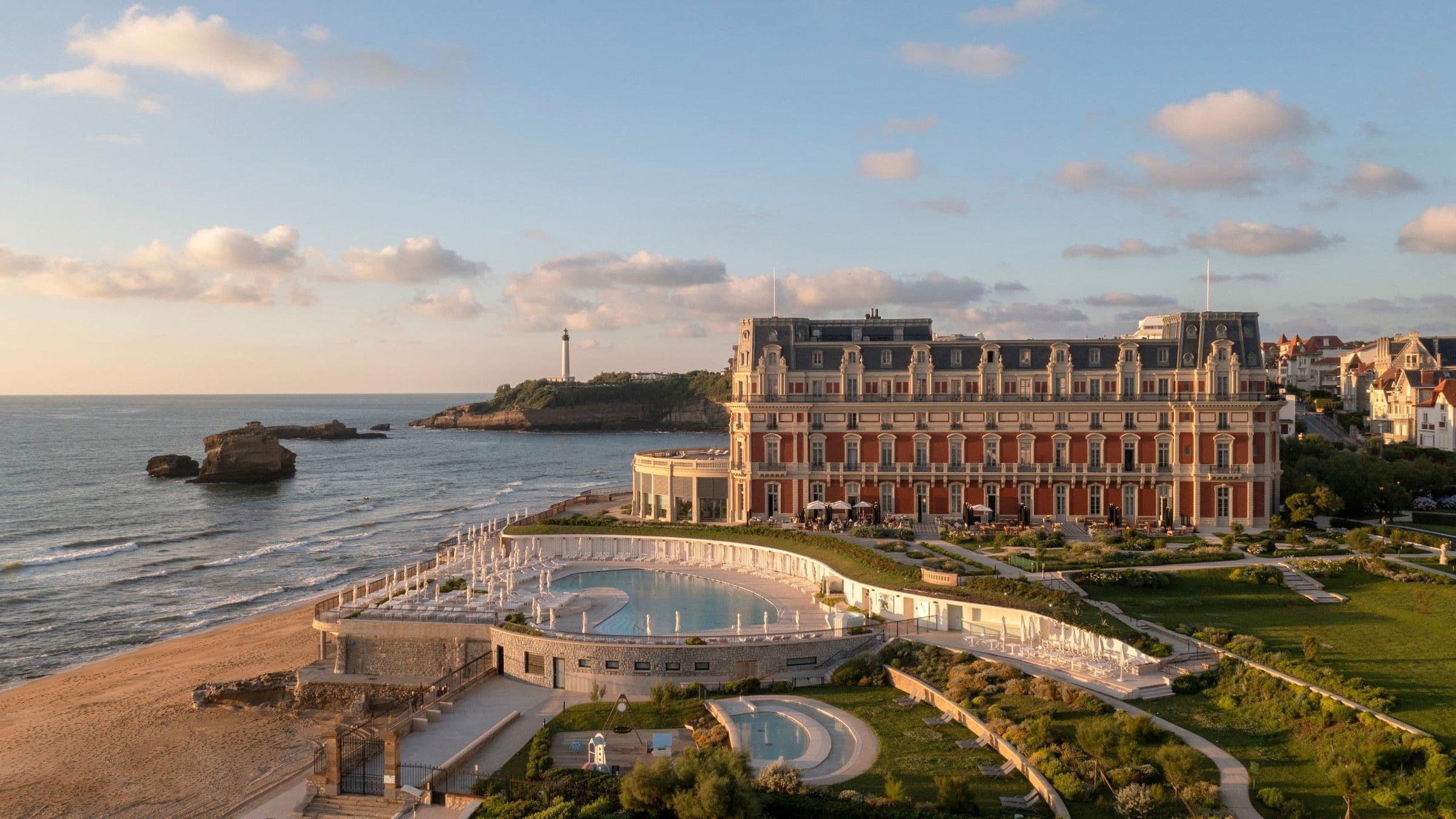
Approaching 1 Av. de l’Impératrice changes the rhythm of Biarritz. The city’s beach noise, surf shops, and café terraces give way to a more composed register: sea air, broad Atlantic light, and the kind of address that belongs to resort France rather than casual nightlife. Bar Napoléon III sits inside that mood. This is not the Biarritz of sandy espadrilles and quick beers after the Côte des Basques. It belongs to the older Atlantic ritual of the hotel bar, where the first drink of the evening is part of the architecture of a stay.
That distinction matters because Biarritz has two drinking cultures running in parallel. One is informal, shaped by surf travel, pintxo routes, and the Basque coast’s cross-border appetite for late evenings. The other is grand-hotel drinking, a quieter tradition tied to arrival halls, aperitifs, and guests who treat a bar as a room for conversation rather than a prelude to a club. Bar Napoléon III falls into the second camp.
For travellers comparing Biarritz bars, that makes it a useful counterpoint to Biarritz Bonheur, which sits in a different register of the city’s bar map. It also explains why a drink here should be judged less against neighbourhood cocktail dens and more against the broader French hotel-bar tradition. For the wider city context, Our full Biarritz bars guide is the better starting point before narrowing into this more ceremonial lane.
The Cocktail Programme Is About Restraint, Not Noise
The useful point is structural: hotel bars of this type tend to prize clarity, consistency, and service pacing. The bartender’s work is often less about theatrical intervention and more about reading the room, preparing classic formats cleanly, and maintaining the tempo of an aperitif hour. In a city where many drinks are taken in open-air, weather-driven spaces, an address-led bar offers another kind of pleasure: containment.
French cocktail culture has been pulled in several directions over the past decade. Paris pushed technical hotel bars into international conversation, while regional cities developed smaller programmes built around local spirits, vermouths, fruit, and wine-adjacent drinking. Bar Napoléon III should be read through the first thread: the hotel bar as a controlled stage. Its name and address point toward imperial-era Biarritz, a city whose resort identity was shaped by 19th-century aristocratic travel. That does not tell the reader what is in the shaker, but it does tell the reader how to frame expectations: classic service codes, polished pacing, and a room where the drink is part of a larger social ritual.
The comparison with Paris is useful but not exact. La Bar du Plaza Athénée in Paris operates in a capital-city luxury environment with a different competitive pressure and a deeper international cocktail audience. Biarritz is smaller and more seasonal, and that changes how a bar functions. The serious guest is not looking for a Paris copy on the Basque coast. The point is a coastal hotel-bar expression: fewer urban theatrics, more attention to the hour, the room, and the transition from beach day to evening.
Why the Address Carries So Much Weight
In sparse venue data, the address becomes a primary clue. 1 Av. de l’Impératrice is not a neutral location in Biarritz. The avenue name itself carries the city’s Second Empire memory, and the surrounding district is associated with the resort’s grander hospitality identity rather than the compact drinking lanes nearer the market. That is a Tier E trust signal: contextual authority rooted in neighbourhood and city reputation, not a fabricated award.
This is also where the bar differs from cocktail rooms that earn their identity through a visible bartender biography, competition medals, or a heavily publicised list. That absence should not be papered over. It tells the traveller to treat the venue as an address-led experience rather than a data-rich destination with a published programme to analyse in advance.
The same logic applies across French drinking cities. Papa Doble in Montpellier belongs to a more bar-forward urban category, where identity often sits in the room’s independent cocktail culture. La Vertu in Reims is shaped by Champagne country’s own drinking grammar. Papillon in Bordeaux inevitably exists in conversation with a wine city. Biarritz, by contrast, asks the cocktail bar to respond to resort tempo, weather, and hotel life. Bar Napoléon III is interesting because it represents that local form rather than chasing the same signals as a metropolitan speakeasy.
Grand-Hotel Drinking on the Atlantic Coast
The Atlantic coast produces a particular kind of evening. Daytime is physical: swimming, walking, surfing, salt, wind. By early evening, the city divides between terraces that keep the beach mood going and interiors that reset the tone entirely. The grand-hotel bar exists for that reset. It is the room where clothes change, voices drop, and the first drink does not need a loud concept to justify itself.
That tradition is not limited to Biarritz. Aquarium Bar and Charcot Lounge in Dinard shows how another French seaside town uses hotel-bar atmosphere to frame the coast through architecture and ritual rather than nightlife volume. The comparison helps place Bar Napoléon III in a French resort lineage. These bars are not competing with beach shacks; they compete with the idea of an old resort evening executed with discipline.
Internationally, the same category can look different. Café La Trova in Miami connects cocktail culture with music, Cuban-American bar craft, and high-energy performance. Biarritz does not need that script. Its stronger register is composure. For travellers who value technique, the important question is not whether the programme is louder than its peers; it is whether it can handle classics, pacing, glassware, temperature, and service sequence with the kind of quiet competence that hotel bars are built to deliver.
How to Read the Room Before Ordering
A bar with no public menu data demands a different ordering strategy. Rather than arriving with a fixed expectation of a house drink, the sharper approach is to read the format. If the room is operating in a formal aperitif mode, a classic cocktail, a precise martini-style order, a Champagne aperitif, or a low-intervention pre-dinner drink may fit better than a maximalist request. If the bar team presents a house list, use that as the primary evidence. If not, the safest editorial stance is to order within the classics and judge execution by balance, temperature, dilution, and service timing.
This is where the bartender’s creative vision, if visible on the night, is likely to show itself through adaptation rather than spectacle. In grand-hotel bars, creativity often hides in small decisions: a spirit substitution that suits the guest’s preference, a lighter aperitif before seafood, a bitter-leaning drink before dinner, or a digestif paced after a long meal.
Travellers building a wider Biarritz itinerary should connect the bar decision with the rest of the day. For dining context, Our full Biarritz restaurants guide helps identify whether the drink belongs before a formal dinner, after seafood, or as an evening in itself. For accommodation context, Our full Biarritz hotels guide is useful because hotel geography strongly affects how a Biarritz night feels. The city is compact in spirit but not uniform in mood; the market streets, Grande Plage, and imperial-facing addresses produce different evenings.
Formality, Seasonality, and the Visitor's Decision
Bar Napoléon III reads as more formal than casual because of its address, name, and grand-hotel category. That does not mean stiff. It means the room likely rewards restraint in dress and behaviour more than beach informality. Smart casual clothing will usually align better with the setting than post-surf wear.
Seasonality also matters in Biarritz. Summer changes the city’s volume, while shoulder months often restore a slower rhythm. If staying nearby, confirm directly through the property or in person rather than assuming walk-in ease. If visiting from another part of town, avoid building an entire evening around access unless current opening details have been checked independently.
The absence of a phone number and website in the record is a logistical signal. In premium travel writing, uncertainty should be stated plainly. For readers mapping a full coastal programme, Our full Biarritz experiences guide can help place an aperitif here after a spa, beach, or cultural afternoon, while Our full Biarritz wineries guide is useful for travellers thinking beyond cocktails toward the wine culture of southwest France.
Who Should Put It on the Biarritz List
The strongest case for Bar Napoléon III is for travellers who enjoy hotel bars as a genre. That means people who care about room tone, service rhythm, and the social architecture of an aperitif. It is less suited to anyone hunting for a documented award winner, a published signature-drink canon, or a bartender-led story with public credentials.
Its value is comparative. In Biarritz, many strong evenings are informal by design: pintxos, terraces, seafood counters, and late drinks that spill into the street. A formal address-led bar gives the city another register. It is the choice when the evening needs a clean hinge between day and dinner, or when the Atlantic resort setting is part of the drink’s appeal. The editorial recommendation is narrow but firm: use it for atmosphere-led aperitif drinking, not as a research-heavy cocktail pilgrimage.
Planning Notes
Bar Napoléon III is listed at 1 Av. de l’Impératrice, 64200 Biarritz, France. Those gaps matter for planning. Confirm current access through reliable local channels before arranging a time-sensitive evening, particularly in summer or during holiday periods. In the absence of published price data, expect the economics of a polished hotel bar rather than a casual neighbourhood counter, but do not treat that as a quoted price range.
Recognition history
Dated appearances from independent guides and award organizations, with the underlying list record or original source where available.
Falstaff Bar - 93 Falstaff Points
Falstaff
Details
- Elegant
- Classic
- Cozy
- Sophisticated
- Romantic
- Date Night
- After Work
- Celebration
- Special Occasion
- Casual Hangout
- Waterfront
- Terrace
- Historic Building
- Design Destination
- Hotel Bar
- Seated Bar
- Lounge Seating
- Outdoor Terrace
- Classic Cocktails
- Craft Cocktails
- Conventional Wine
- Gin
- Zero Proof
- Waterfront
Current opening hours
- Monday
- 4 PM–12 AM
- Tuesday
- 4 PM–12 AM
- Wednesday
- 4 PM–12 AM
- Thursday
- 4 PM–12 AM
- Friday
- 4 PM–12 AM
- Saturday
- 4 PM–12 AM
- Sunday
- 4 PM–12 AM
Hours can change for holidays and private events. Last verified .
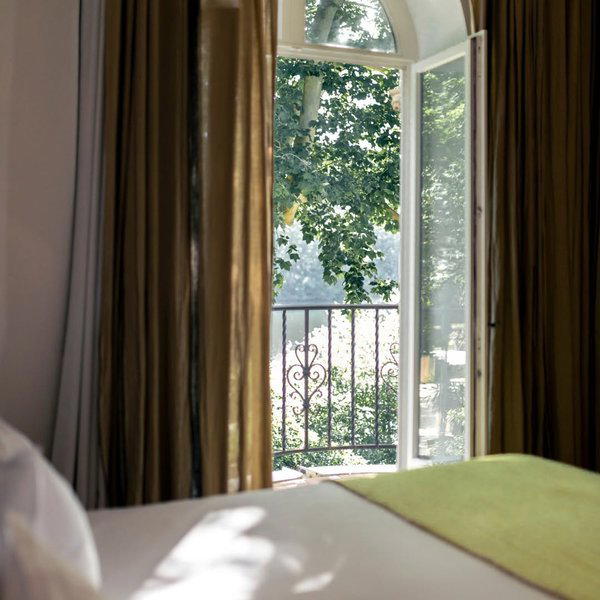
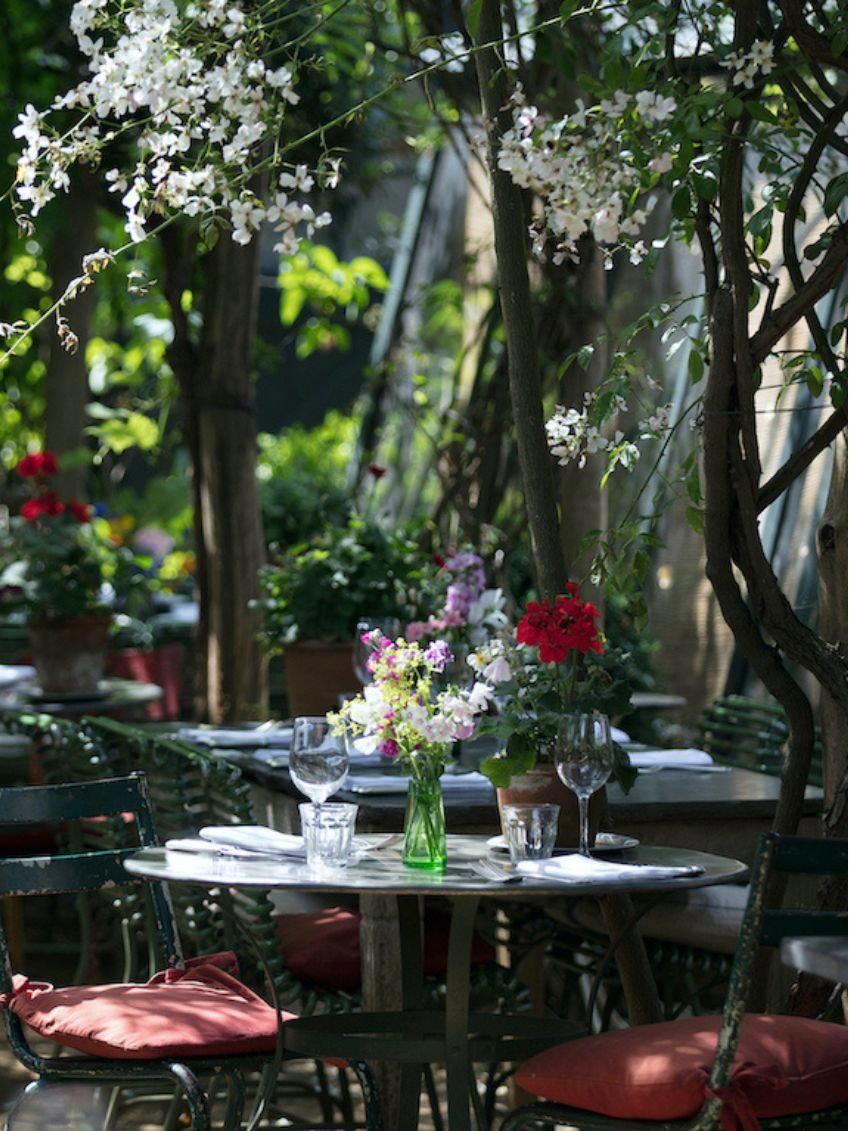
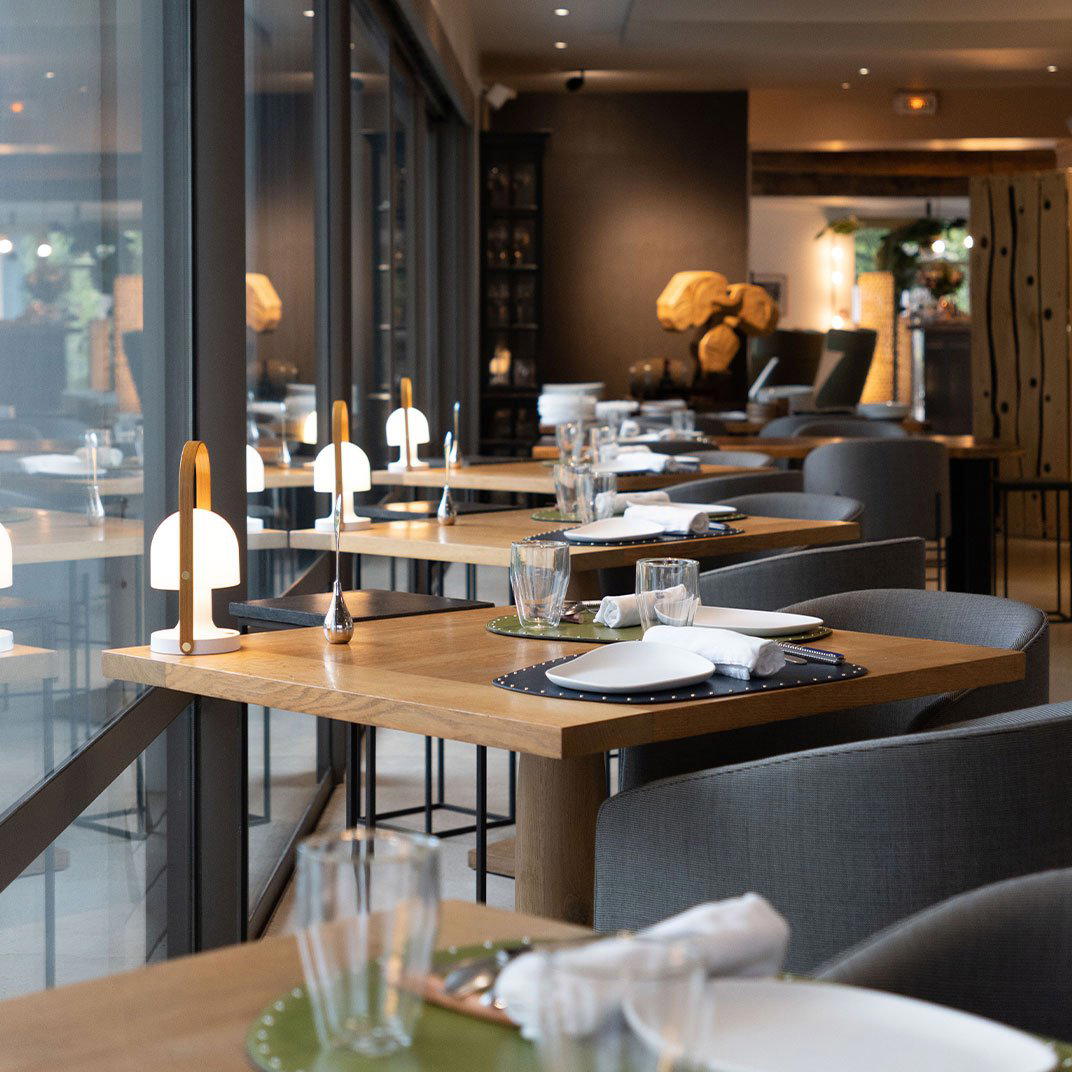
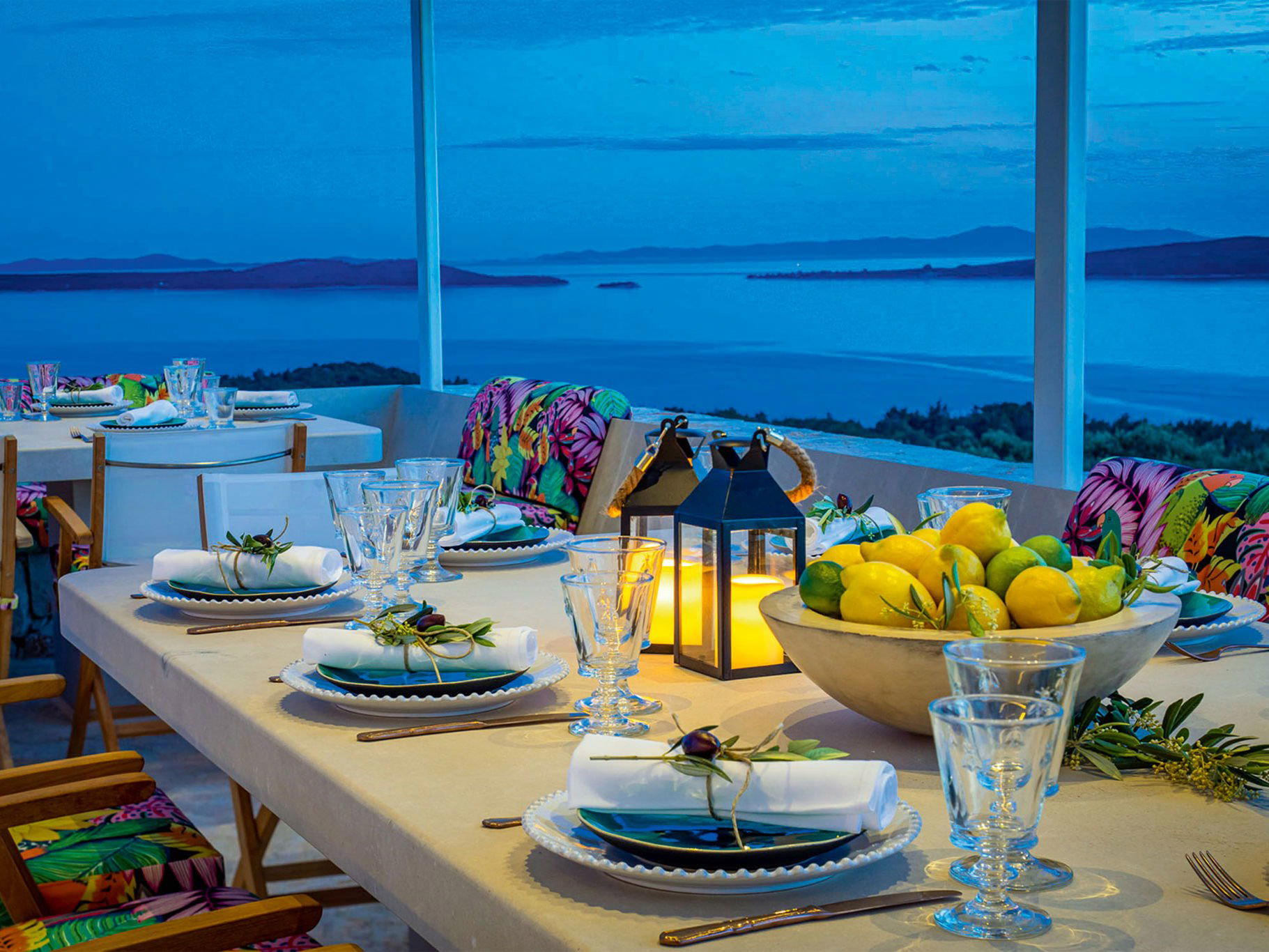
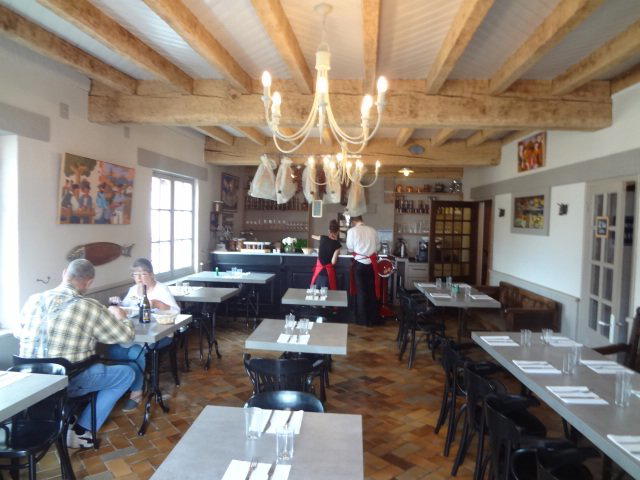
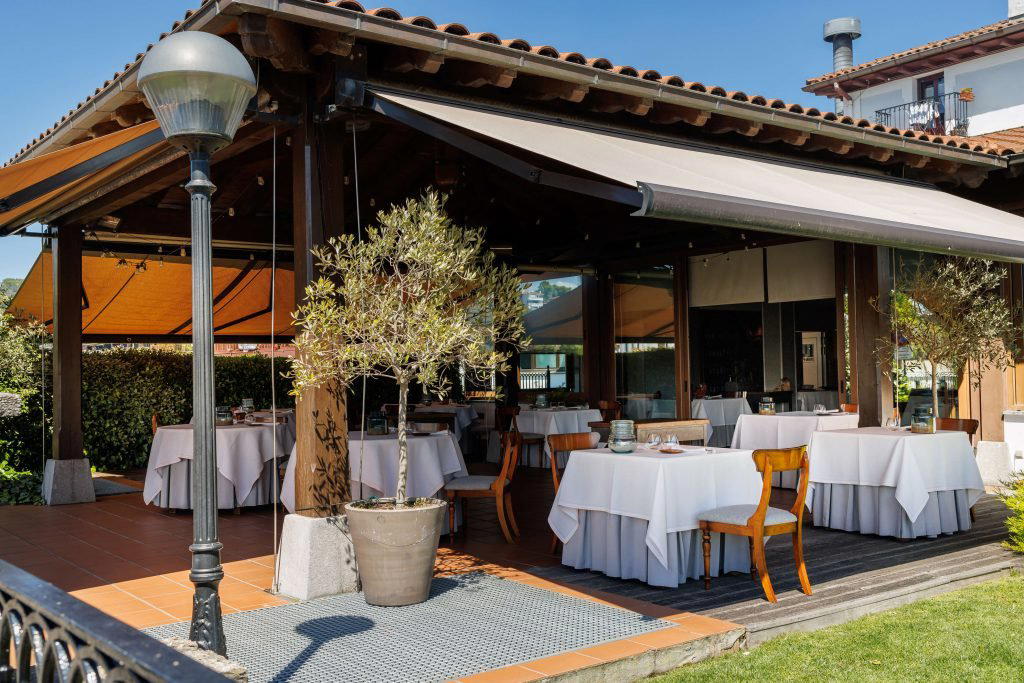
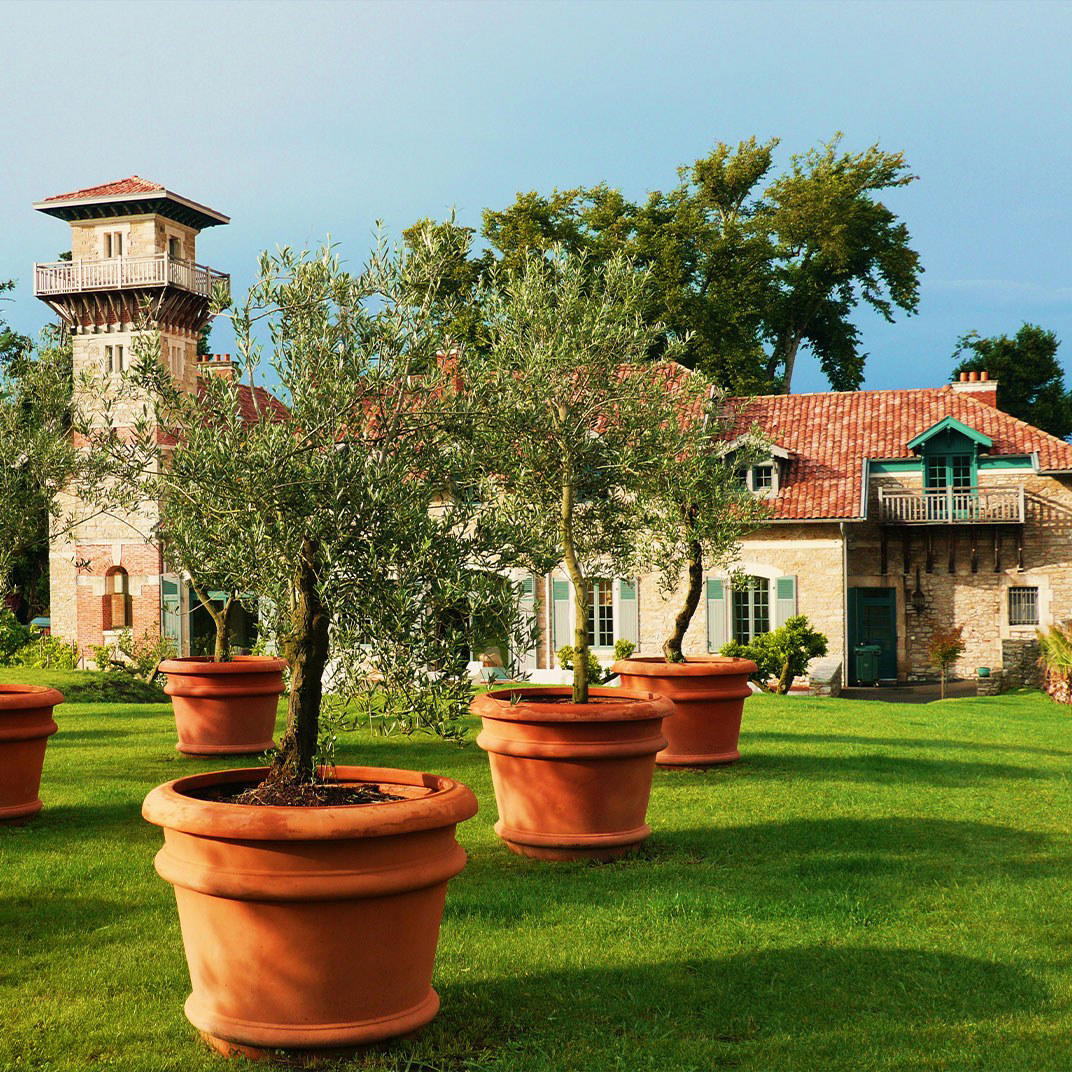
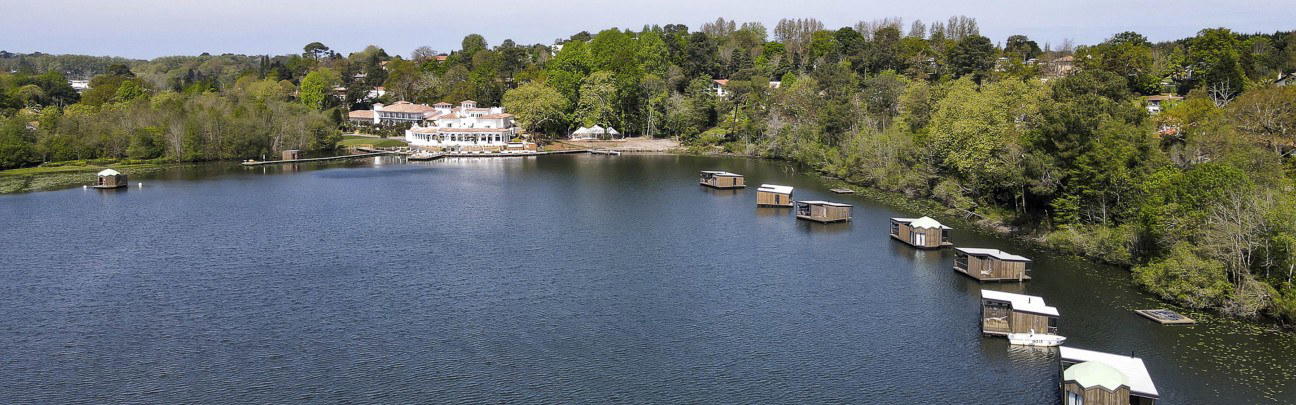
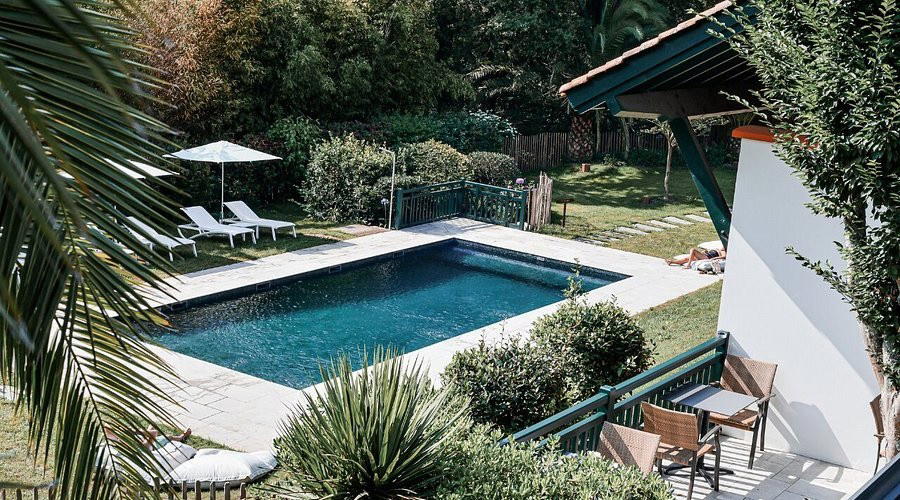
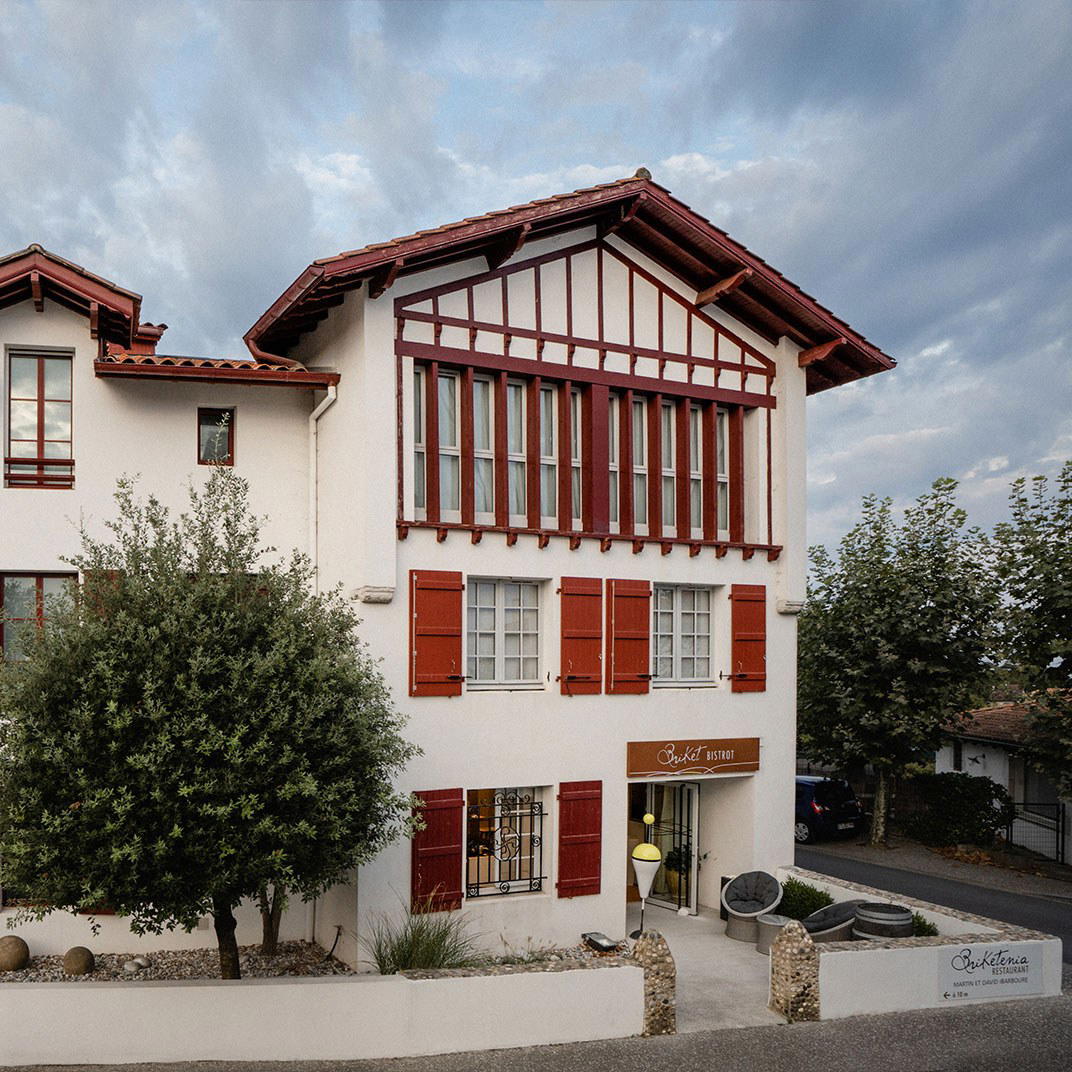
A warm, softly lit and plush imperial-style lounge with wood and period details, offering a cozy yet refined atmosphere that feels intimate and luxurious while looking out toward the Atlantic.