Les Deux

Michelin Plate
Our verdict
A converted villa in rural Herenthout where Anke and Jan have turned their living room into one of Belgium's more quietly serious dining rooms. The monthly-changing set menu follows a pared-back precision, with a signature langoustine and girolle dish that signals the kitchen's range. The front-of-house habit of offering seconds on the main course tells you something important about how the evening is calibrated.

Pearl is the En Primeur Club membership app — saves, bookings, and concierge access live there. Same editors, same standards.
- Address
- Astridlaan 2
- Phone
- +32 473 27 97 24
- Hours
- Mon 12–2 PM, 7–11:30 PMTue–Wed ClosedThu 7–11:30 PMFri 12–2 PM, 7–11:30 PMSat 7–11:30 PMSun 12–6 PM
- Website
- restaurantlesdeux.be
- Directions
- Get directions
- Booking
- Book on Zenchef
A Villa, a Living Room, and a Monthly-Changing Menu
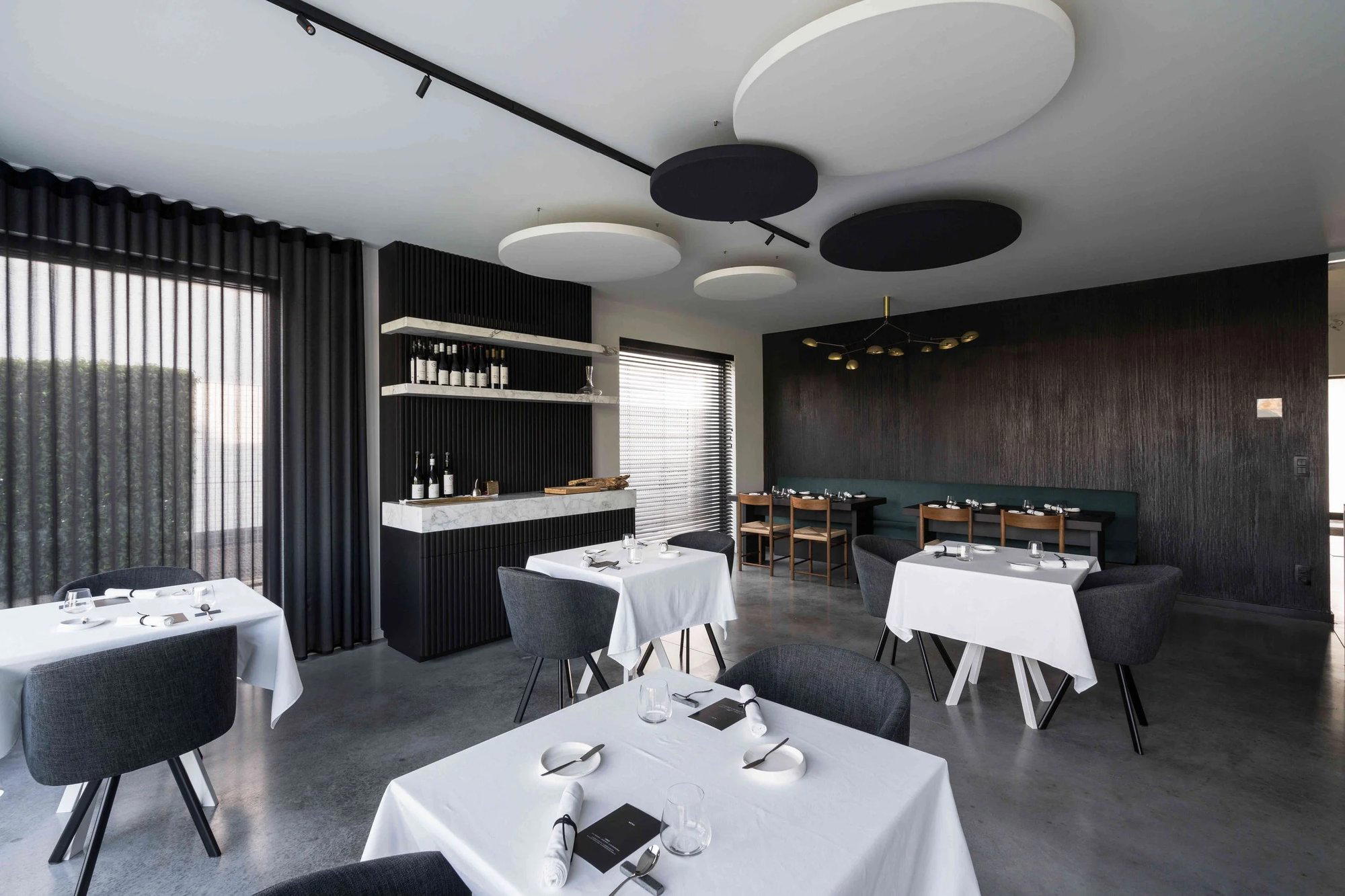
The approach to certain Belgian restaurants in the Kempen region tells you a great deal before you sit down. Herenthout is a quiet municipality southeast of Antwerp, the kind of town that doesn't announce itself as a dining destination. When the address leads to a splendid villa on Astridlaan, and the dining room turns out to be a converted living space where the domestic proportions have been kept rather than gutted, you understand the register immediately. This is not the kind of room designed to signal ambition through scale or spectacle. The interior has retained warmth and proportion; the terrace in the garden provides a natural pause for aperitifs before the meal begins. The setting itself is the first editorial statement: intimate, residential, deliberately unhurried.
That context matters because it shapes expectations correctly. Les Deux, run by Anke and Jan as a collaborative front-of-house and kitchen operation, belongs to a specific Belgian tradition of small villa or manor restaurants where the scale is kept deliberately low and the attention concentrated on what arrives at the table. For broader context on what's happening across the country's serious dining rooms, our full Herenthout restaurants guide covers the local scene in detail.
Ingredient-Led Cooking and the Logic of the Monthly Menu
Belgium's finest kitchens have long operated within a sourcing culture shaped by proximity to northern French produce networks, the North Sea, and a deep agricultural hinterland. The Kempen region, flat and forested, has its own foraging and farming character that surfaces in kitchens willing to follow what's available rather than impose a fixed structure on the seasons. A set menu that changes every month is a logistical commitment of real weight: it requires supplier relationships that are responsive rather than transactional, and it demands a kitchen that can rebuild its thinking on a regular cycle.
At Les Deux, that monthly rotation is the structural commitment around which everything else organises. Chef Jan's approach is described as one of knife-edged precision and pared-back vision, which in practice means the menu doesn't attempt to cover every register of taste or impress through accumulation. It narrows its range and pursues each dish with exacting focus. The sourcing logic that drives a dish like langoustine with girolles, bisque, and black truffle is worth reading carefully: langoustines from the cold Atlantic margins, wild girolles from the forest floor, truffle adding depth and aromatic weight to a bisque that consolidates the flavours beneath. This is not a dish that sources its ingredients from a single region, but one that assembles them according to an internal logic of flavour compatibility and seasonal availability. The result, according to recognition from Michelin, carries what the guide describes as big-boned flavour, which is a way of saying the cooking has architectural intent rather than decorative instinct.
This approach connects Les Deux to a wider cohort of Belgian fine dining rooms that prioritise produce clarity over technique demonstration. Places like Willem Hiele in Oudenburg and Bartholomeus in Heist operate within similar sourcing philosophies along the coast, while De Jonkman in Sint-Kruis and Castor in Beveren show how the same instincts play out in different geographical contexts. At the higher-profile end of the Belgian spectrum, Boury in Roeselare, Zilte in Antwerp, and Hof van Cleve in Kruishoutem represent the country's most decorated tier; Les Deux operates with a quieter profile but a recognisable membership of the same ingredient-first sensibility.
The Front-of-House as Editorial Position
One detail in how Les Deux conducts itself at the table deserves specific attention. The front-of-house team, led by Anke, has a habit of offering guests a second helping of the main course. In the context of Michelin-tier fine dining, where portion calibration is typically an inviolable architectural decision, this is a deliberately transgressive gesture. It signals that the evening is not being run on the logic of restraint-as-statement, but on a genuine hospitality reflex. The meal is designed to satisfy rather than impress through scarcity.
That combination, a kitchen committed to precise, pared-back cooking and a dining room that runs on generosity, gives Les Deux a particular character within its category. Comparable rooms in the region tend to tip either toward austerity or abundance; the balance here is less common and worth noting as a primary reason to book.
Planning the Visit
Les Deux is in Herenthout, which sits in the Kempen province of Antwerp. The restaurant operates from a villa address at Astridlaan 2, making it a destination visit rather than a walk-in proposition. Given the intimate residential scale of the space and the monthly-changing set menu format, tables are finite and advance booking is advisable, particularly for weekends and the weeks surrounding seasonal ingredient transitions, when the menu is likely to reflect the most deliberate sourcing decisions of the year. The garden terrace functions as a pre-dinner space for aperitifs, which suggests arriving with enough time to use it rather than treating it as incidental.
For those planning a longer stay in the area, our full Herenthout hotels guide covers accommodation options nearby. If you want to extend the evening's scope, our Herenthout bars guide and our Herenthout experiences guide are useful reference points, and our Herenthout wineries guide may be relevant if the surrounding region's wine culture is part of your planning.
For comparative reference on the broader Belgian fine dining circuit, Cuchara in Lommel, d'Eugénie à Emilie in Baudour, and L'Eau Vive in Arbre offer points of contrast across different regions. Further afield, kitchens like Bozar in Brussels sit in a different urban register entirely, while international reference points such as Le Bernardin in New York and Emeril's in New Orleans show how ingredient sourcing logic translates across very different culinary cultures.
Frequently asked questions
Is Les Deux okay with children?
The venue is a converted villa with an intimate, home-like dining room and a garden terrace, which suits a quieter, unhurried pace. The monthly-changing set menu format means the evening follows a fixed structure, so it works best for children who are comfortable sitting through a multi-course meal.
What is the atmosphere like at Les Deux?
Anke and Jan have kept the interior of their Herenthout villa deliberately uncluttered, preserving the warm, residential feel of the original living room. It reads more like a considered private house than a formal restaurant, with a garden terrace that works well for aperitifs before the meal begins. The front-of-house approach, including offering second helpings of the main course, reinforces that domestic generosity throughout.
What awards or recognition does Les Deux have?
Les Deux has received recognition including: Anke and Jan have transformed the living room of this splendid villa into an intimate dining room. The uncluttered interior has retained a warm, homely feel, while the terrace in the garden is just the ticket for an aperitif. Chef Jan rolls….
What dish is Les Deux famous for?
Chef Jan's signature is langoustine with girolles, an aromatic bisque, and black truffle, a combination built around contrasting textures and concentrated, direct flavour rather than elaborate plating. It is one of the few constants in a menu that otherwise rotates each month. The dish reflects the kitchen's wider approach: high-quality sourcing shaped into something precise and spare.
What part of town is Les Deux in?
Les Deux is located at Astridlaan 2, Herenthout.
How hard is it to get a table at Les Deux?
Les Deux operates from a converted villa dining room, which limits covers to a small number of seats per service. Small-room restaurants in Belgium's Kempen region with a fixed monthly menu and a reputation for generosity tend to fill quickly, particularly on weekends. No booking lead-time data is publicly documented, but reserving as far ahead as possible is the sensible approach for any planned visit.
What has Les Deux built its reputation on?
The restaurant's reputation rests on three things: Jan's knife-edged culinary precision executed within a pared-back idiom, a menu that changes every month to reflect seasonal availability, and a front-of-house culture under Anke that actively encourages second helpings of the main course. That last detail is not incidental; it signals a set of values about hospitality that runs counter to the more austere register common in rooms of this calibre. The villa setting at Astridlaan 2 in Herenthout reinforces the domestic, non-performative character of the whole operation.
Comparison Snapshot
Comparable venues nearby, for context on price, style, and recognition.
| Venue | Cuisine | Price | Awards | Notes |
|---|---|---|---|---|
| Les DeuxThis venue — the venue you are viewing | Modern French Seasonal Cuisine | Not listed | Michelin Plate | Not listed |
| La Ligne Rouge | Modern French Gastronomic | $50–100 | Michelin Plate | Hoeilaart |
| Clash | Classic French Brasserie with Asian Influences | $50–100 | Michelin Plate | Brussegem |
| Oltra | Modern French-Belgian | Not listed | Michelin Plate | Outer |
| Brasserie Bijgaarden | Classic French Brasserie | $50–100 | Michelin Plate | Groot-Bijgaarden |
| Potiron | Modern French Farm-to-Table | $50–100 | Michelin Plate · We're Smart World 2 Radishes | Kasterlee |
Recognition history
Dated appearances from independent guides and award organizations, with the underlying list record or original source where available.
Michelin Plate
Michelin
Continue exploring
More in Herenthout
Restaurants in Herenthout
Browse all →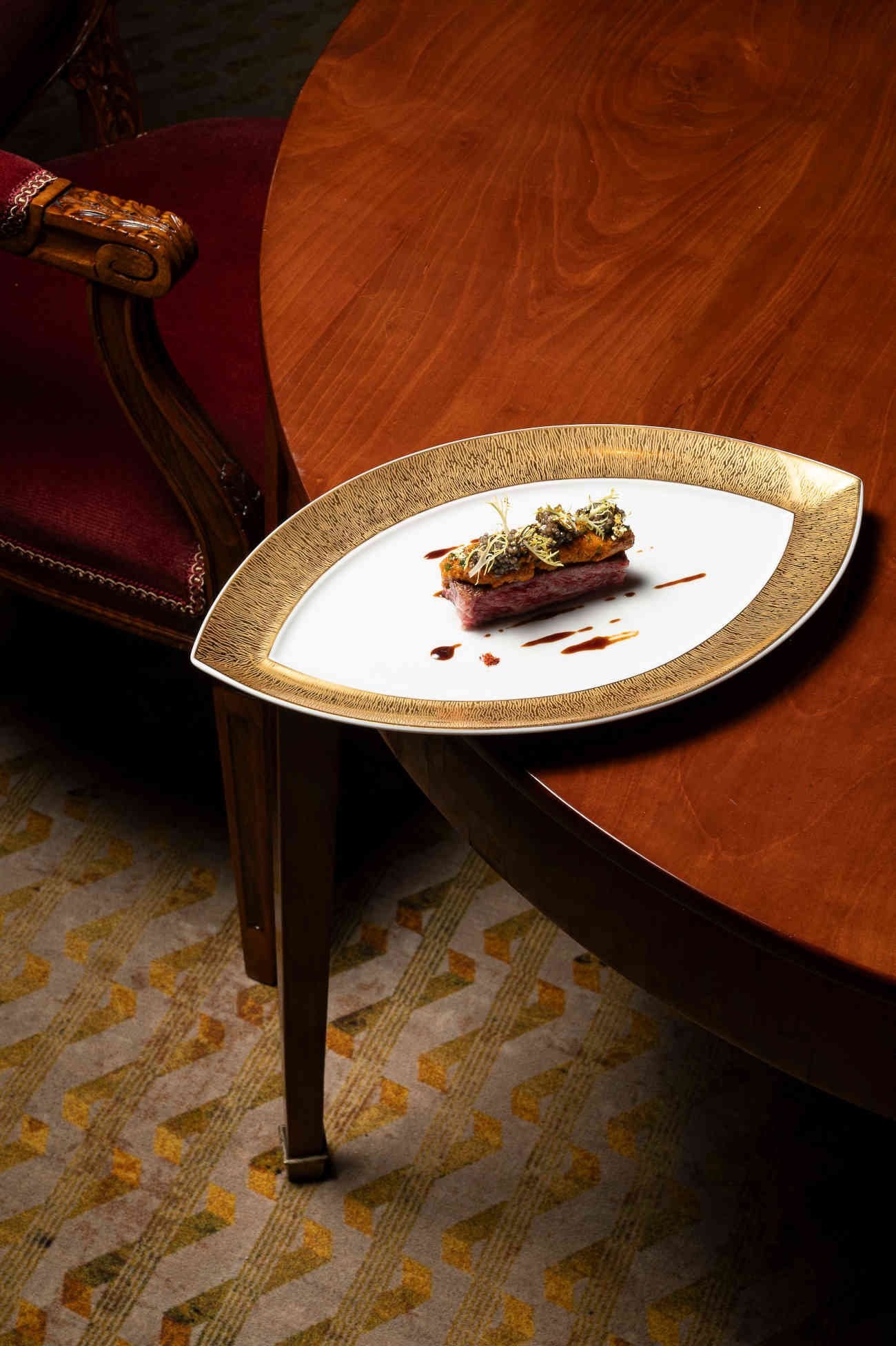
Bars in Herenthout
Browse all →
Hotels in Herenthout
Browse all →
Wineries in Herenthout
Browse all →
Details
- Intimate
- Cozy
- Elegant
- Date Night
- Special Occasion
- Open Kitchen
- Garden
- Set Menu
- Vegetarian Friendly
- Allergy Accommodating
Current opening hours
- Monday
- 12–2 PM, 7–11:30 PM
- Tuesday
- Closed
- Wednesday
- Closed
- Thursday
- 7–11:30 PM
- Friday
- 12–2 PM, 7–11:30 PM
- Saturday
- 7–11:30 PM
- Sunday
- 12–6 PM
Hours can change for holidays and private events. Last verified .
Warm homely uncluttered interior with cozy intimate atmosphere and garden terrace for aperitifs