
Michelin Plate
Our verdict
Clash holds a Michelin Plate for 2024 and 2025, placing it among the more consistent classic cuisine addresses in Flemish Brabant. Located on Nieuwelaan in Brussegem, the restaurant draws a steady local following. At the €€€ price point, it sits a tier below Belgium's starred heavyweights while maintaining the kind of kitchen discipline that earns repeated Michelin recognition.

Pearl is the En Primeur Club membership app — saves, bookings, and concierge access live there. Same editors, same standards.
- Address
- Nieuwelaan 127, 1785 Merchtem, Belgium
- Phone
- +32 2 569 05 90
- Hours
- Mon–Tue ClosedWed–Thu 12–2:30 PM, 6–10 PMFri–Sat 12–2:30 PM, 6–11 PMSun 12–2:30 PM, 6–10 PM
- Website
- restoclash.be
- Directions
- Get directions
- Booking
- Book on Zenchef
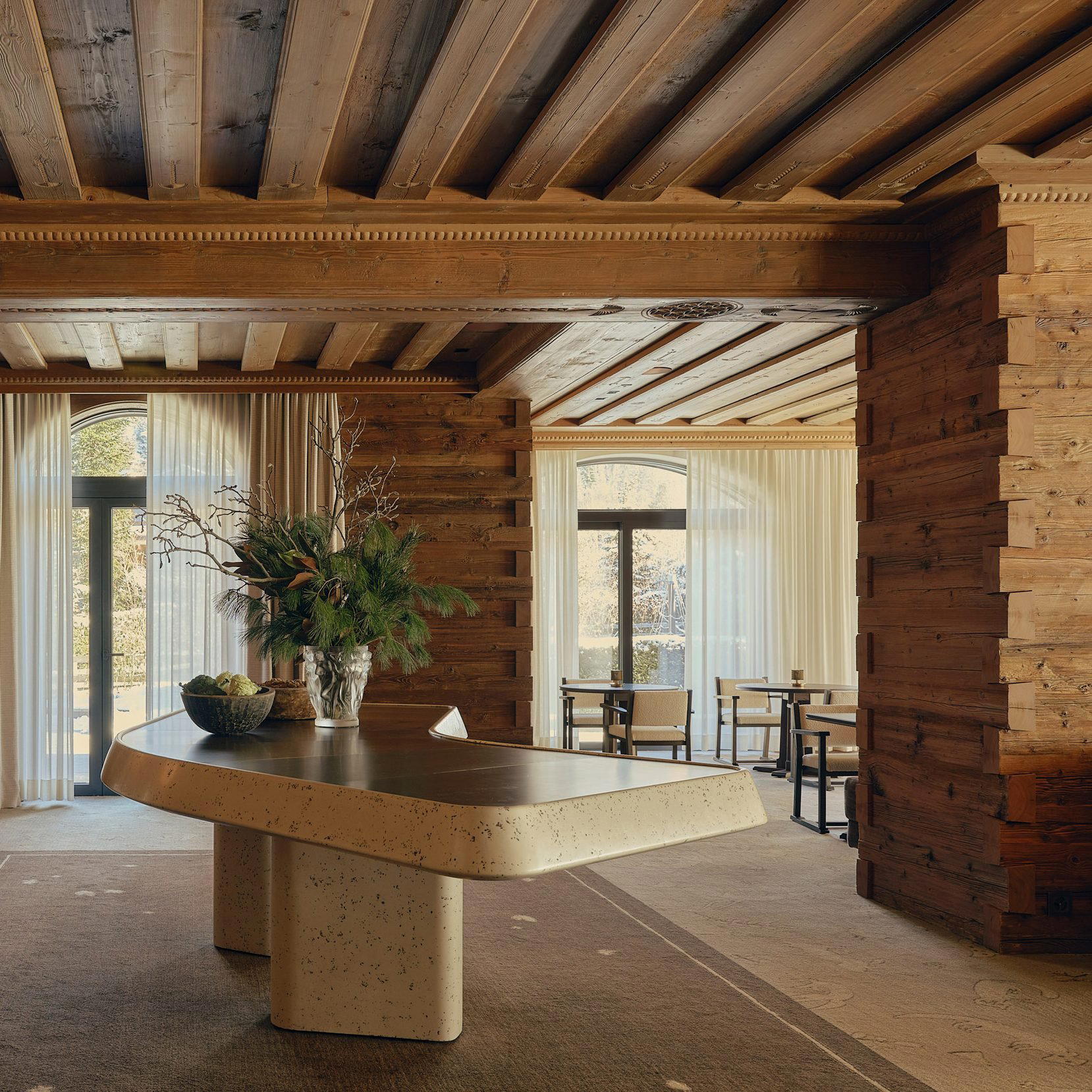
The menu
What to order
- Tiger qui pleure
- Crispy shrimp croquettes
- Pheasant roasted on the bone à la brabançonne
- Brussels waffle
- Matured wagyu beef
- Zeetongtje with homemade fries
Where Flemish Brabant Eats Classically
The villages between Brussels and the Flemish countryside do not always make headlines in the Belgian fine dining conversation, which tends to anchor itself to Ghent, Antwerp, and the coast. But a certain kind of restaurant has always operated in these quieter communes: the serious, neighbourhood-anchored table that earns its recognition not through spectacle but through consistency. Clash, on Nieuwelaan in Brussegem, occupies that position. The road into Merchtem is agricultural and unhurried, the kind of approach that signals you are leaving the city's orbit for something more grounded. The restaurant itself reflects that register: not a destination designed for Instagram pilgrimage, but a room where the food is the reason to be there.
Classic Cuisine in a Belgian Context
Belgium's fine dining map is unusually dense for a country its size. At the upper end, restaurants like Boury in Roeselare operate at three Michelin stars with creative Flemish menus priced at €€€€. Castor in Beveren and Cuchara in Lommel hold two stars apiece at the same price tier. Clash operates differently: at €€€, it sits a full price bracket below those starred peers, yet has held a Michelin Plate in both 2024 and 2025. That sustained recognition matters. The Michelin Plate is not a consolation category; it marks restaurants where the inspectorate finds cooking good enough to single out, even without the star that might follow. Consecutive Plate distinctions across two guide years suggest a kitchen that is not merely surviving but developing.
Classic cuisine, as a category, carries specific obligations. It implies French technique as the structural backbone, a commitment to sauce work and primary ingredient quality, and a certain restraint in concept that keeps the focus on flavour rather than narrative. In Belgium, that tradition runs through addresses like Bozar Restaurant in Brussels and, at its most formal, the long-standing French-Belgian lineage of Comme chez Soi. Clash belongs to a less rarified but equally disciplined expression of that tradition: the regional classic table that sources from its agricultural surroundings and applies classical method without the ceremony of a tasting menu temple.
The Sourcing Logic of a Rural Classic Kitchen
The editorial angle that most illuminates a restaurant like Clash is not its awards count but where the food starts. Flemish Brabant, the province in which Brussegem sits, sits within reach of some of Belgium's most productive agricultural land. The region supplies root vegetables, dairy, pork, and poultry to kitchens across the country, and a classic cuisine operation in this geography has a material advantage: proximity to primary producers that Brussels or Antwerp kitchens have to work harder to access.
Classic cuisine at this level is built on product logic more than concept logic. A good beurre blanc depends on butter quality. A braise depends on the breed and age of the animal. These are not abstract principles; they are the practical reason why regional restaurants with agricultural access can outperform urban peers on the fundamentals even when they operate at a lower price point. Clash's €€€ positioning, read through this lens, is less a sign of ambition withheld and more a reflection of a kitchen that understands where its value proposition lies: in translating good regional product through sound classical technique, at a price that allows for repeat visits rather than annual celebrations.
For comparison, Willem Hiele in Oudenburg and Bartholomeus in Heist both demonstrate how deep regional sourcing and a specific coastal geography can anchor a distinct cooking identity. Inland Flemish Brabant offers a different palette, one that leans toward the terrestrial rather than the maritime, but the sourcing principle is the same: the kitchen's authority derives from its relationship with local producers, not from imported prestige ingredients.
How Clash Compares in the Regional Tier
Belgium's Michelin Plate restaurants occupy a curious position in the broader dining hierarchy. They are recognised by the same inspectorate that awards stars to De Jonkman in Sint-Kruis and Hof van Cleve in Kruishoutem, yet they sit outside the star tier that dominates international coverage. That gap creates a useful category for travellers: restaurants with verified kitchen quality, at accessible prices, without the advance booking pressure that three-month waitlists impose.
A volume that high, spread across a restaurant in a village of Brussegem's scale, signals a local following that extends beyond special-occasion traffic. These are repeat visitors, regulars who find the cooking reliable enough to return. That kind of review base is harder to sustain than a spike of enthusiastic early reviews; it reflects accumulated experience over time.
Classic cuisine addresses in comparable European towns, such as KOMU in Munich or Maison Rostang in Paris, tend to anchor themselves to tradition as a deliberate positioning strategy in markets crowded with creative and fusion concepts. The same logic applies in Belgium. As the country's creative-Flemish and modern-European restaurants cluster at €€€€ and above, a disciplined classic kitchen at €€€ fills a specific gap: technically serious cooking that does not require a special-occasion budget.
Planning Your Visit
Clash is located at Nieuwelaan 127 in Merschtm, a short drive from Brussels via the A12 or N211 corridor. For those coming from Antwerp, the route through Mechelen keeps the journey under an hour. The address is suburban-rural rather than urban, which means a car is the practical approach; public transport options to Brussegem are limited and add significant time to the journey. Brussegem itself offers little in the way of overnight accommodation, so most visitors pair a dinner here with a Brussels hotel base and treat it as an evening excursion from the city. For accommodation and other planning resources in the area, our full Brussegem hotels guide covers the available options. Those looking to build a wider day around the area can also consult our Brussegem restaurants guide, alongside resources for bars, wineries, and local experiences.
Frequently asked questions
What's the price range at Clash?
Pricing at Clash is listed as €€€.
What's the address for Clash?
Clash is located at Nieuwelaan 127, 1785 Merchtem, Belgium, Brussegem.
Comparison Snapshot
| Venue | Cuisine | Price | Awards |
|---|---|---|---|
| ClashThis venue — the venue you are viewing | Classic French Brasserie with Asian Influences | $50–100 | Michelin Plate |
| Boury | Modern Frlemish, Creative French | Not listed | Michelin 3 Star |
| Comme chez Soi | French - Belgian, Classic Cuisine | Not listed | Michelin 1 Star |
| Hertog Jan at Botanic | Modern Flemish, Creative | Not listed | Michelin 2 Star |
| L'Eau Vive | French, Modern French | Not listed | Michelin 2 Star |
| La Durée | French-Belgian, Creative | Not listed | Michelin 2 Star |
Recognition history
Dated appearances from independent guides and award organizations, with the underlying list record or original source where available.
Michelin Plate
Michelin
Full recognition history (3 entries)
Michelin Plate
Michelin
Michelin Plate
Michelin
Continue exploring
More in Brussegem
Restaurants in Brussegem
Browse all →
Bars in Brussegem
Browse all →
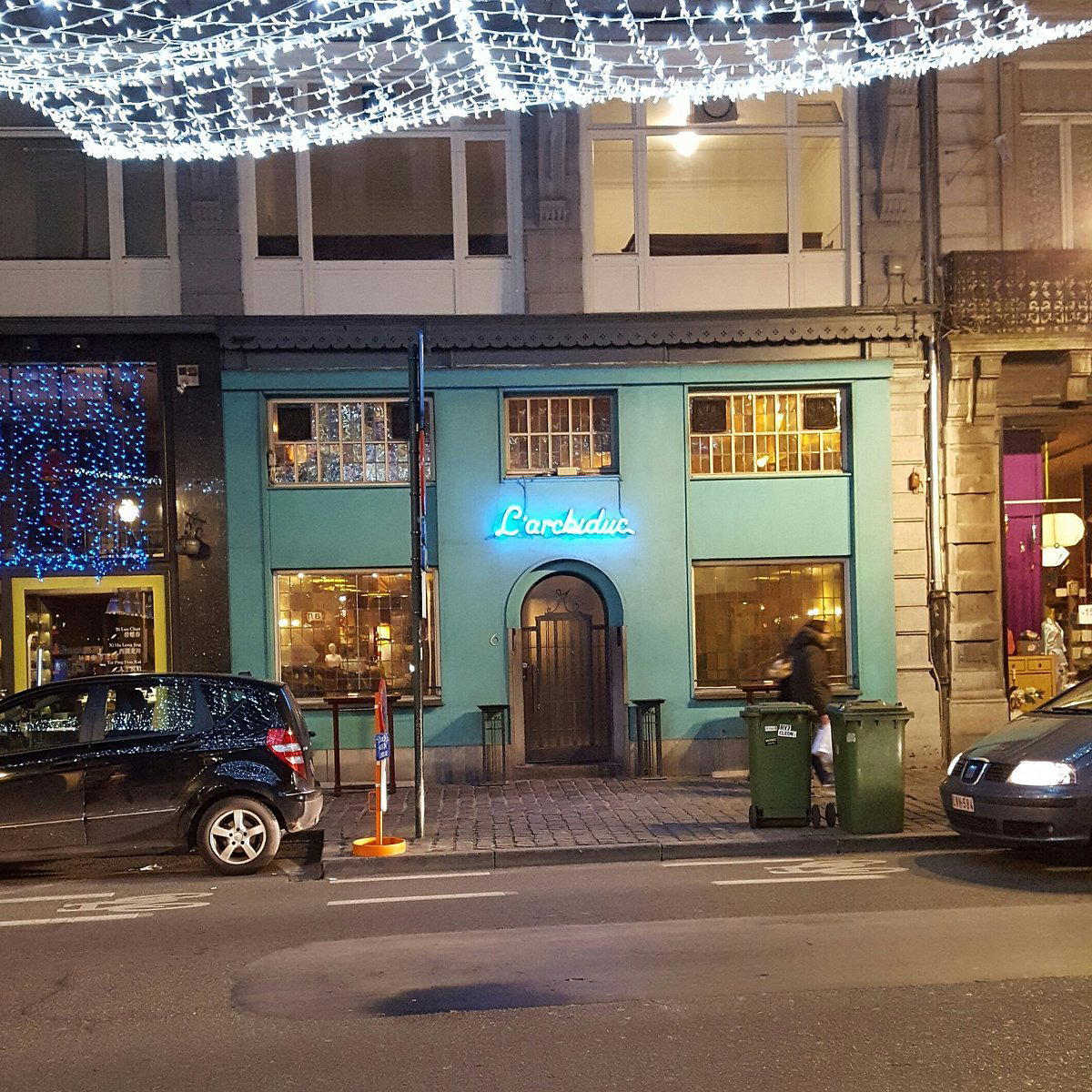
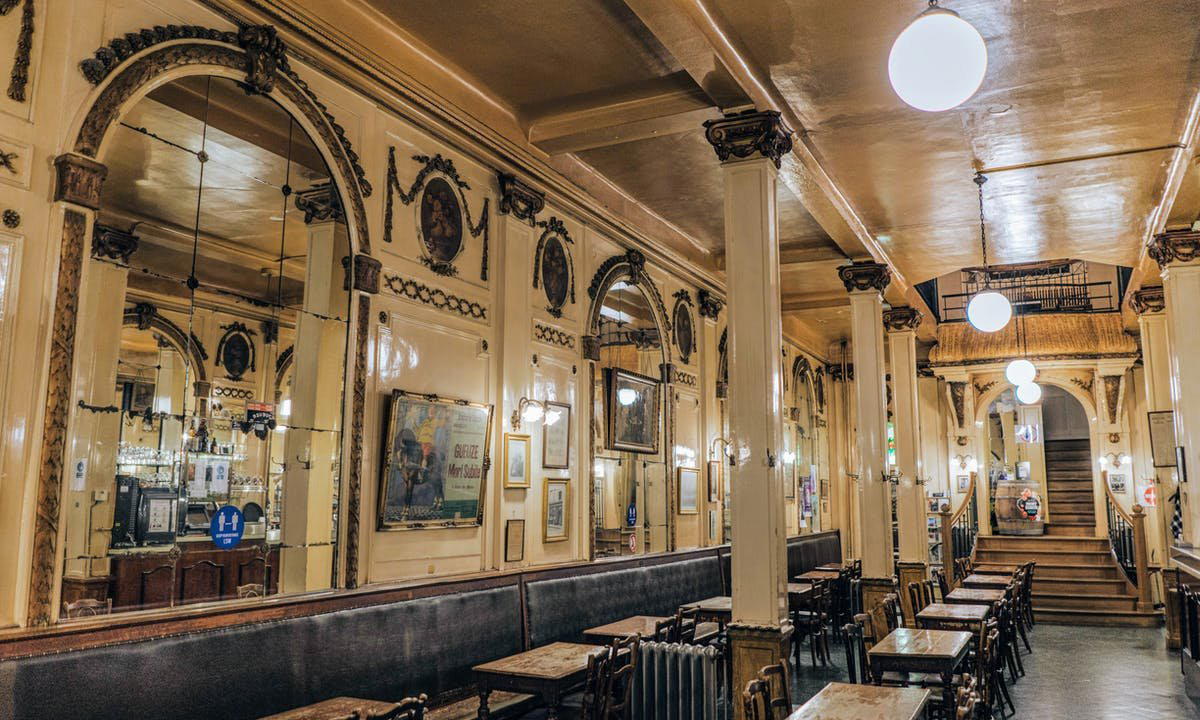
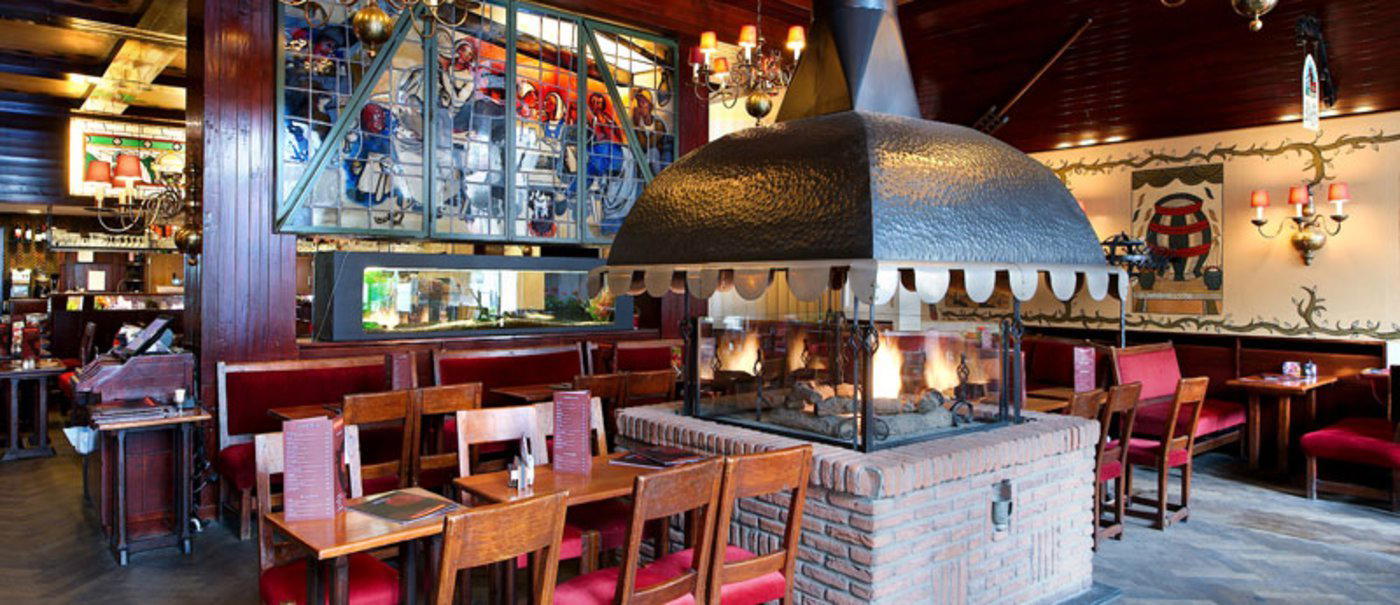
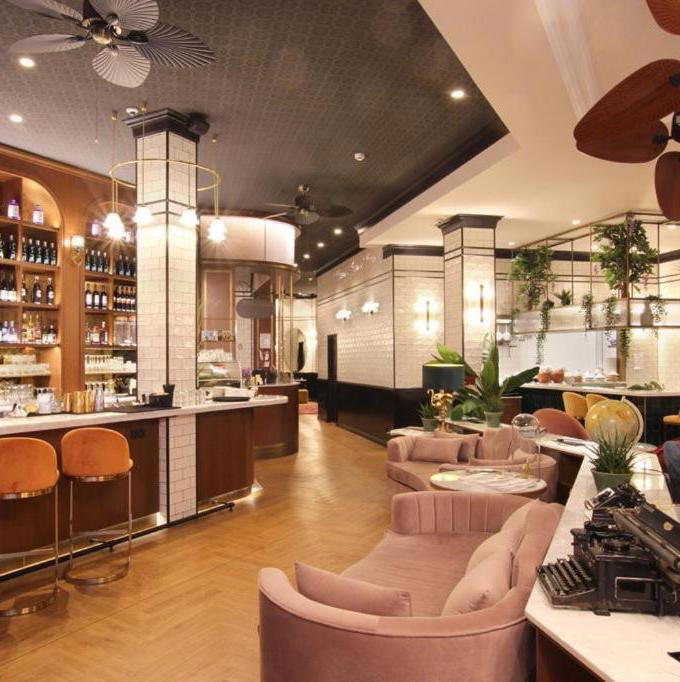
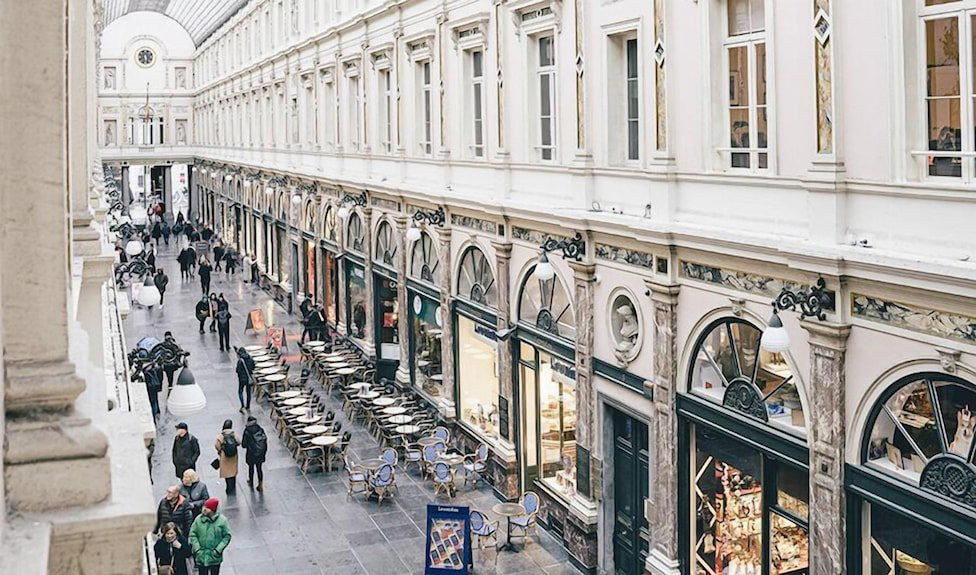
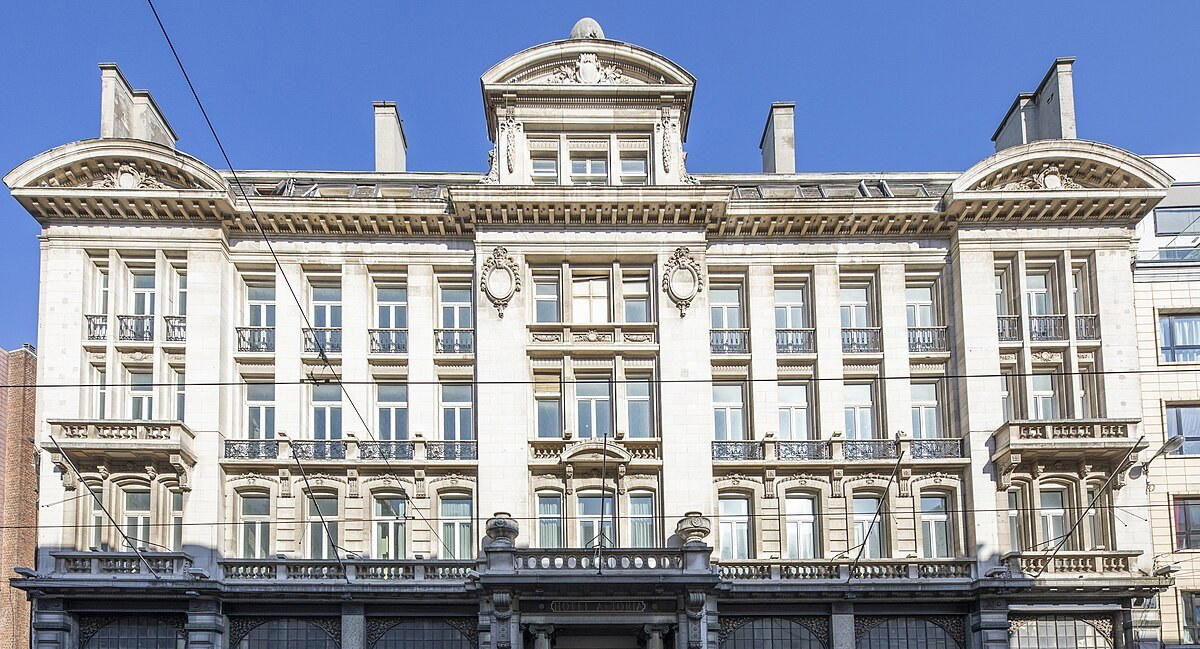
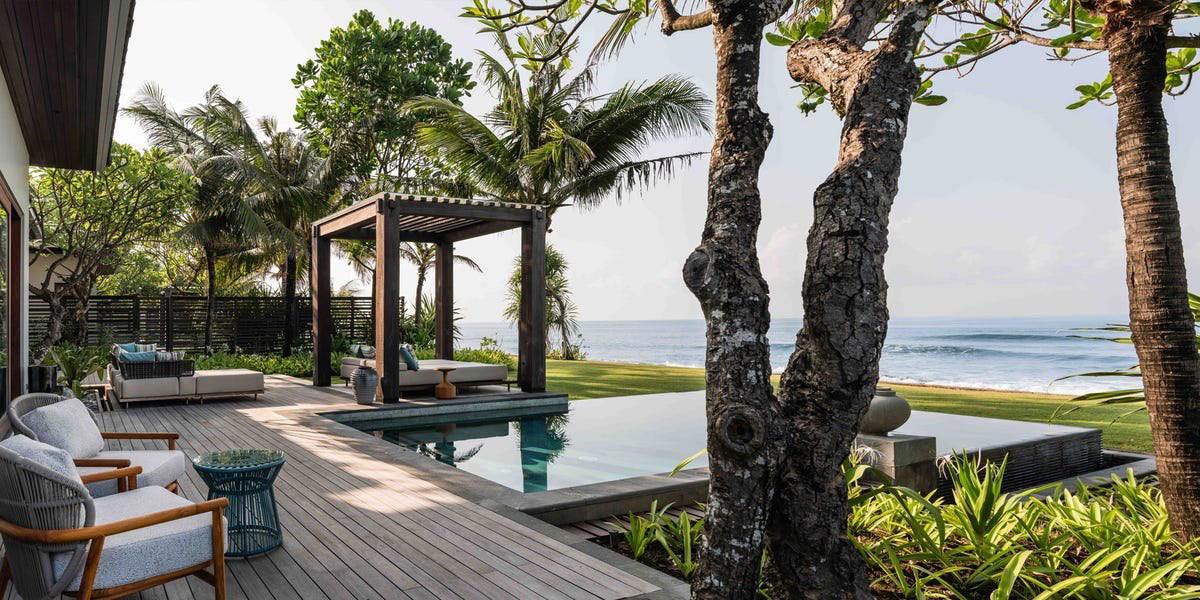
Clash
The wine
- Wine program
- Curated wine list
- Extensive wine list
- Sommelier-led
Details
- Trendy
- Lively
- Elegant
- Sophisticated
- Date Night
- Business Dinner
- Group Dining
- Celebration
- Special Occasion
- Private Dining
- Terrace
- Open Kitchen
- Extensive Wine List
- Sommelier Led
- Local Sourcing
- Waterfront
- A La Carte
- Wine
- Vegetarian Friendly
- Vegan Options
- Gluten Free Options
- Allergy Accommodating
Current opening hours
- Monday
- Closed
- Tuesday
- Closed
- Wednesday
- 12–2:30 PM, 6–10 PM
- Thursday
- 12–2:30 PM, 6–10 PM
- Friday
- 12–2:30 PM, 6–11 PM
- Saturday
- 12–2:30 PM, 6–11 PM
- Sunday
- 12–2:30 PM, 6–10 PM
Hours can change for holidays and private events. Last verified .