On the Rue du Cardinal Lemoine in Paris's 5th arrondissement, narro occupies a corner of the Left Bank where the neighbourhood's scholarly quietude gives way to something more considered at the table. The address sits within a few blocks of the Seine and the Jardin des Plantes, positioning it inside a dining district that rewards those who look past the well-worn brasserie circuit for something with sharper editorial intent.
Pearl is the En Primeur Club membership app — saves, bookings, and concierge access live there. Same editors, same standards.
- Address
- 72 Rue du Cardinal Lemoine, 75005 Paris, France
- Phone
- +33973240795
- Website
- restaurantnarro.fr
- Directions
- Get directions
 Saves & bookings on Pearl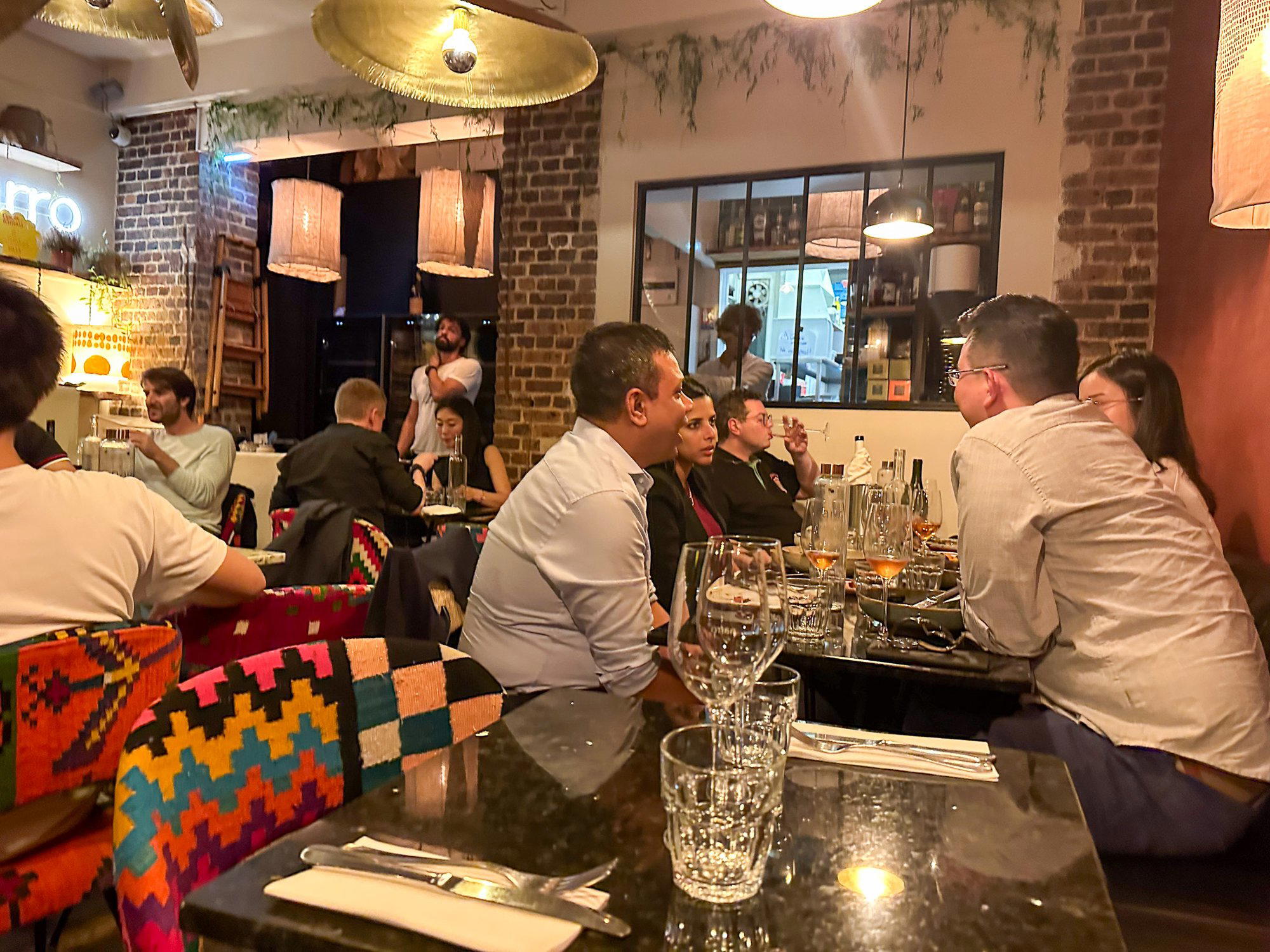
The 5th Arrondissement's Quieter Register
The Rue du Cardinal Lemoine runs south from the quays of the Seine through the heart of the 5th arrondissement, a stretch of Paris where the density of bookshops, university buildings, and courtyard apartments creates a particular kind of street-level quiet. This is not the 5th of tourist itineraries. It is a residential and intellectual neighbourhood that has historically supported a different category of eating place: the kind where the room is small, the clientele returns on habit, and the cooking carries an assumption of curiosity from the diner rather than a need to perform.
narro is a French-Japanese Bistronomic restaurant at 72 Rue du Cardinal Lemoine, 75005 Paris, France. The address places it a short walk from the Jussieu campus and within a neighbourhood whose dining scene operates at a different register than the grand rooms of the 8th arrondissement. Where Le Cinq at the Four Seasons Hôtel George V and Alléno Paris au Pavillon Ledoyen anchor a formal, monument-adjacent tier, the 5th is built around a more compressed scale. The rooms are typically smaller, the booking dynamics more personal, and the relationship between kitchen and regular table more direct.
Approaching the Address
Walking the Rue du Cardinal Lemoine toward number 72, the sensory register is specific to this part of Paris: the smell of stone-washed courtyards, the occasional waft from a boulangerie, the particular acoustic flatness of a street that absorbs rather than amplifies. The 5th's residential side streets share little with the performance-oriented dining corridors of Saint-Germain further west. What you are walking toward, at this address, is a space shaped by its neighbourhood's character as much as by anything on the menu.
That neighbourhood character matters as a frame. Paris's Left Bank dining scene has long sustained a counterpoint to the formal institutions: smaller kitchens, less elaborate service architecture, and a stronger gravitational pull toward the regulars who carry the room from week to week. The 5th, with its academic population and its density of long-standing residents, has been particularly hospitable to this format. narro at Rue du Cardinal Lemoine operates in that inherited context.
The Sensory Argument for This Part of the Left Bank
There is a case to be made that particularly consistent eating in Paris happens in rooms you would not photograph for a lifestyle magazine. The 5th arrondissement has several of them. The light tends toward warm incandescence rather than designed atmospheric lighting; the acoustics run to convivial clatter rather than engineered quiet; the service is more likely to be navigated by a small team who know the room than by a structured brigade. These are not complaints. They describe a mode of dining that the grands restaurants of the right bank, from L'Ambroisie to Kei, deliberately move away from in pursuit of ceremony.
At the level of sensory experience, what distinguishes a room in this part of Paris is the compression. Tables closer together than a room designer would choose by default, which creates a lateral awareness of other diners' meals: the particular smell of a sauce arriving at the next table, the sound of a carafe being set down, the visual shorthand of what the kitchen is prioritising that evening. This is a dining environment that requires engagement. It is not designed for retreat.
For comparison points in the French fine dining register more broadly, the EP Club covers significant kitchens outside Paris: Mirazur in Menton, Flocons de Sel in Megève, and Bras in Laguiole each represent a different regional mode of the same national tradition. Understanding where a Paris address sits requires knowing how it relates not just to its immediate street but to that wider spectrum. At one end sit the historical institutions: Paul Bocuse's Auberge du Pont de Collonges, Auberge de l'Ill in Illhaeusern, Troisgros in Ouches. At another sit newer precision kitchens like Assiette Champenoise in Reims or Auberge du Vieux Puits in Fontjoncouse. A 5th arrondissement address occupies neither pole.
Context: Paris Against Its International Peers
Paris remains a reference city in global dining partly because it sustains a vertical range. The same city holds Arpège's vegetable-driven haute cuisine and the kind of neighbourhood bistro format that a street like Rue du Cardinal Lemoine has historically supported. That range is increasingly rare: cities that move toward premium tend to hollow out the middle. Paris, because of its residential density and its population's attachment to the table as a daily ritual rather than an occasion, has retained more of that middle register than comparable capitals.
For international comparison, kitchens like Le Bernardin in New York City or Atomix in New York City show what the premium end of a competitive international city looks like when it consolidates around formal tasting formats. The Paris neighbourhood restaurant operates from a different set of assumptions: shorter menus, a closer relationship between what is available at the market that morning and what arrives at the table, and a business model that depends on return visits rather than destination bookings. In southern France, a kitchen like AM par Alexandre Mazzia in Marseille or Au Crocodile in Strasbourg shows how regional France maintains its own distinct rhythm within the same national culinary frame.
Planning Your Visit
The Rue du Cardinal Lemoine is accessible from the Cardinal Lemoine Métro station on line 10, which also connects to Jussieu. The street runs in a quiet residential zone with parking limited and evening foot traffic predominantly local. The restaurant is open Tuesday to Friday from 12 to 3 PM and 7 PM to 12 AM, Saturday from 12 to 4 PM and 7 PM to 12 AM, and Sunday from 12 to 3 PM; it is closed on Monday. The address alone confirms this is a Left Bank room shaped by its immediate neighbourhood rather than by destination positioning.
Quick reference: 72 Rue du Cardinal Lemoine, 75005 Paris. Reservations are recommended.
A Lean Comparison
Comparable venues nearby, for context on price, style, and recognition.
| Venue | Cuisine | Price | Notes |
|---|---|---|---|
| narroThis venue — the venue you are viewing | Not listed | $$$ | Not listed |
| Le Flore en l'Île | Not listed | $$$ | Île Saint-Louis, Traditional French Brasserie |
| Place de l'Odéon | Odéon, Traditional French Bistro | $$$ | Not listed |
| La Coupole | Montparnasse, Classic French Brasserie | $$$ | Not listed |
| Bistrot Vivienne | Not listed | $$$ | 2nd arrondissement, Classic French Bistro |
| Chez Santa | Republique, Offal-Focused French Bistro | $$$ | Not listed |
Continue exploring
More in Paris
Restaurants in Paris
Browse all →
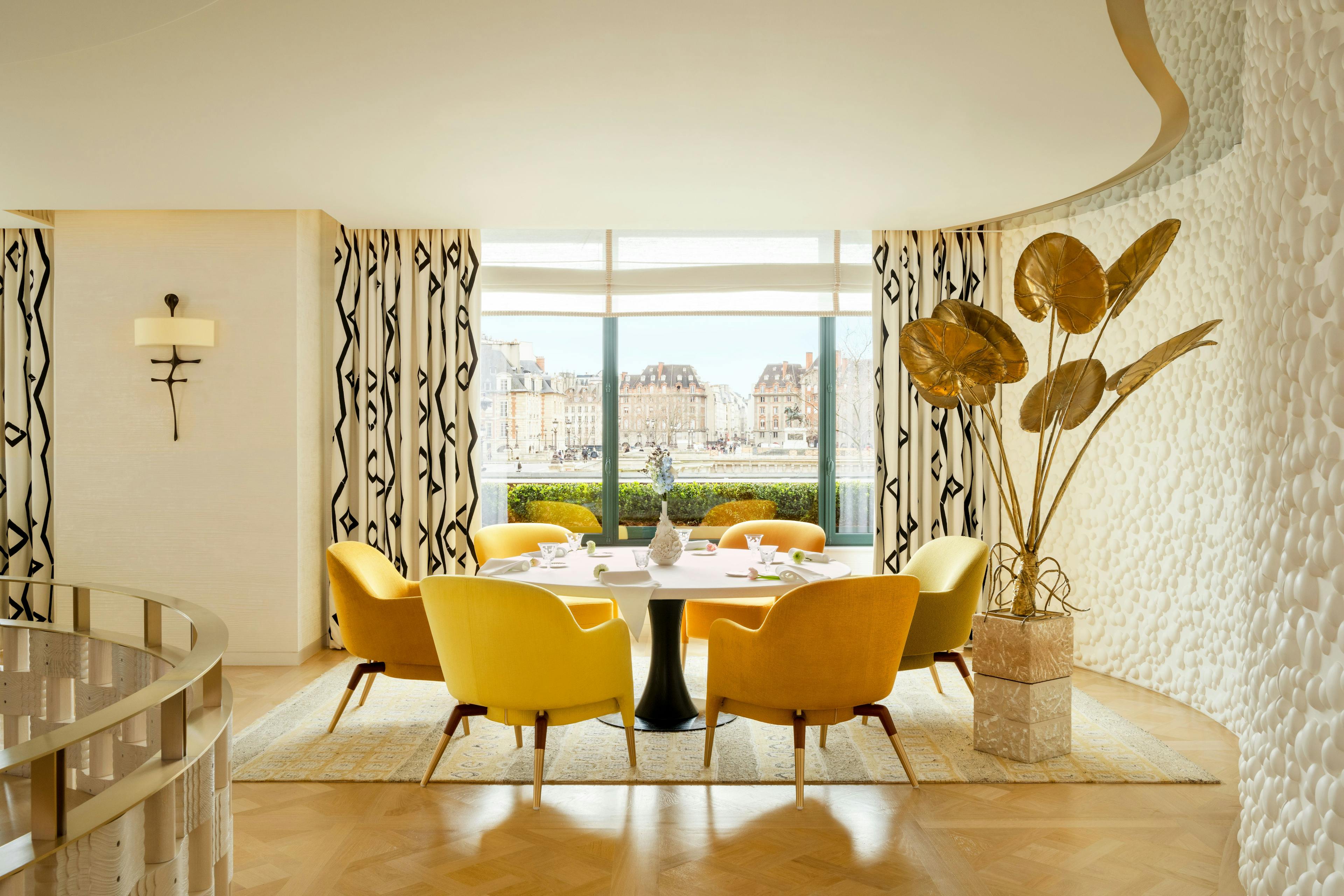
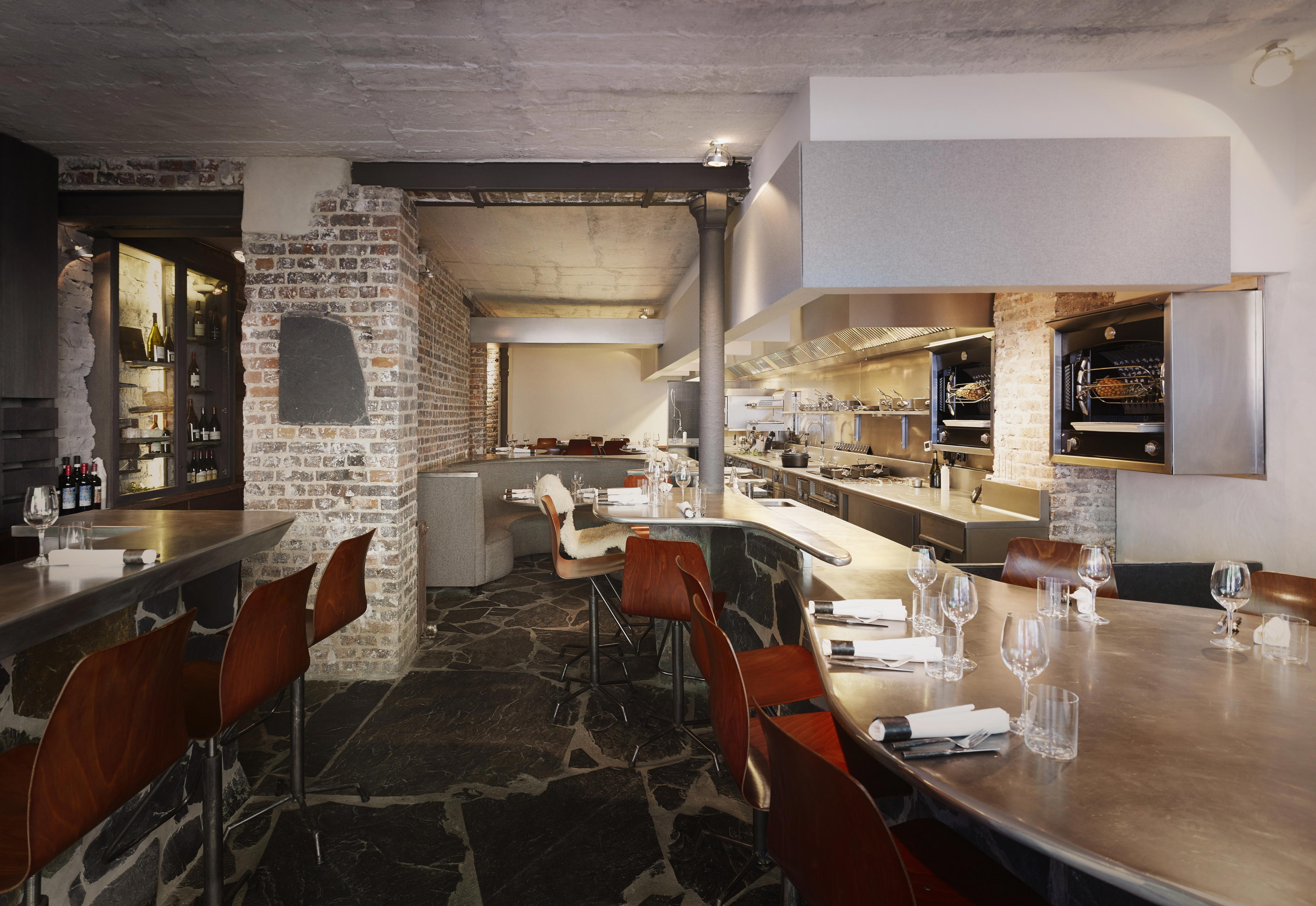
Bars in Paris
Browse all →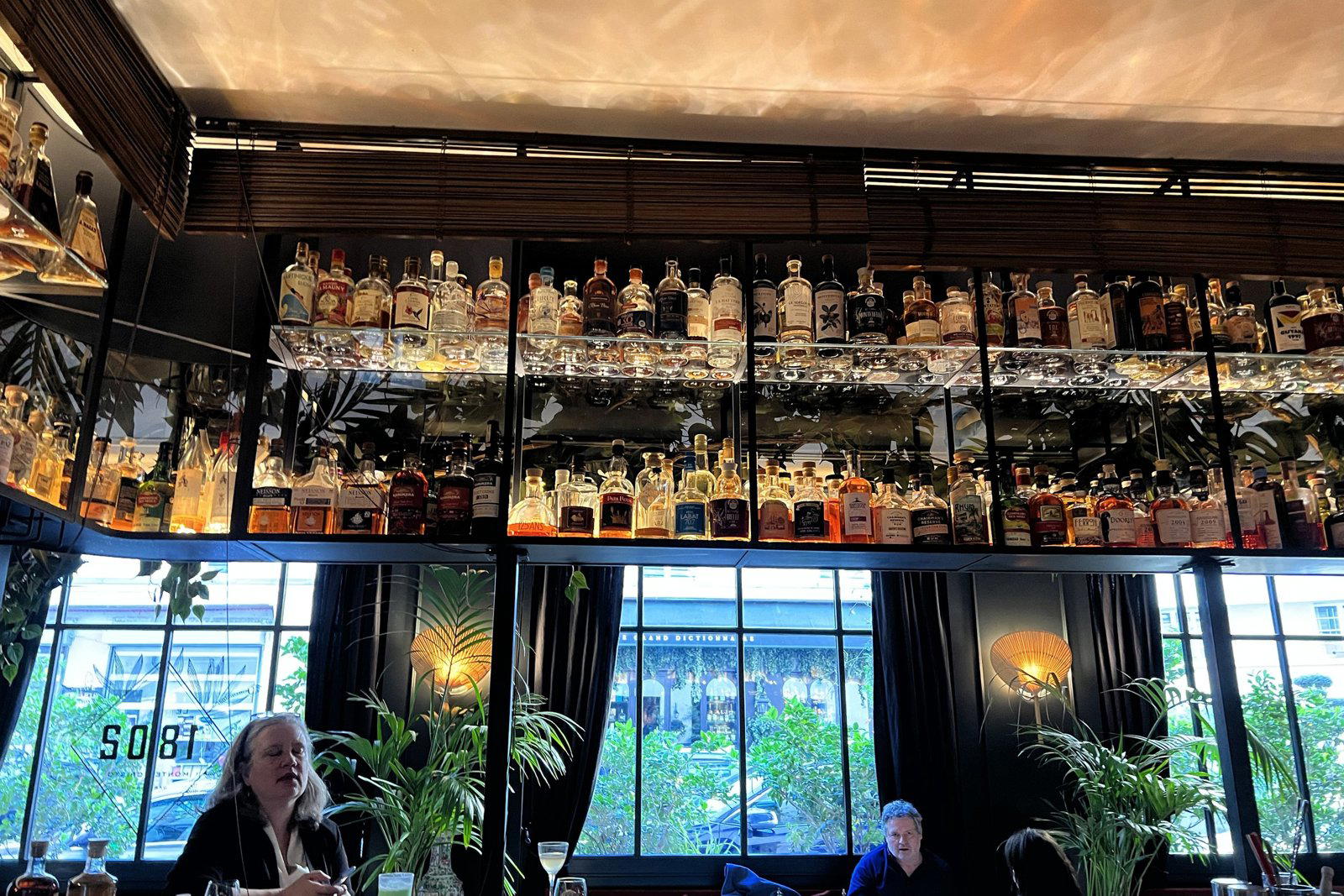
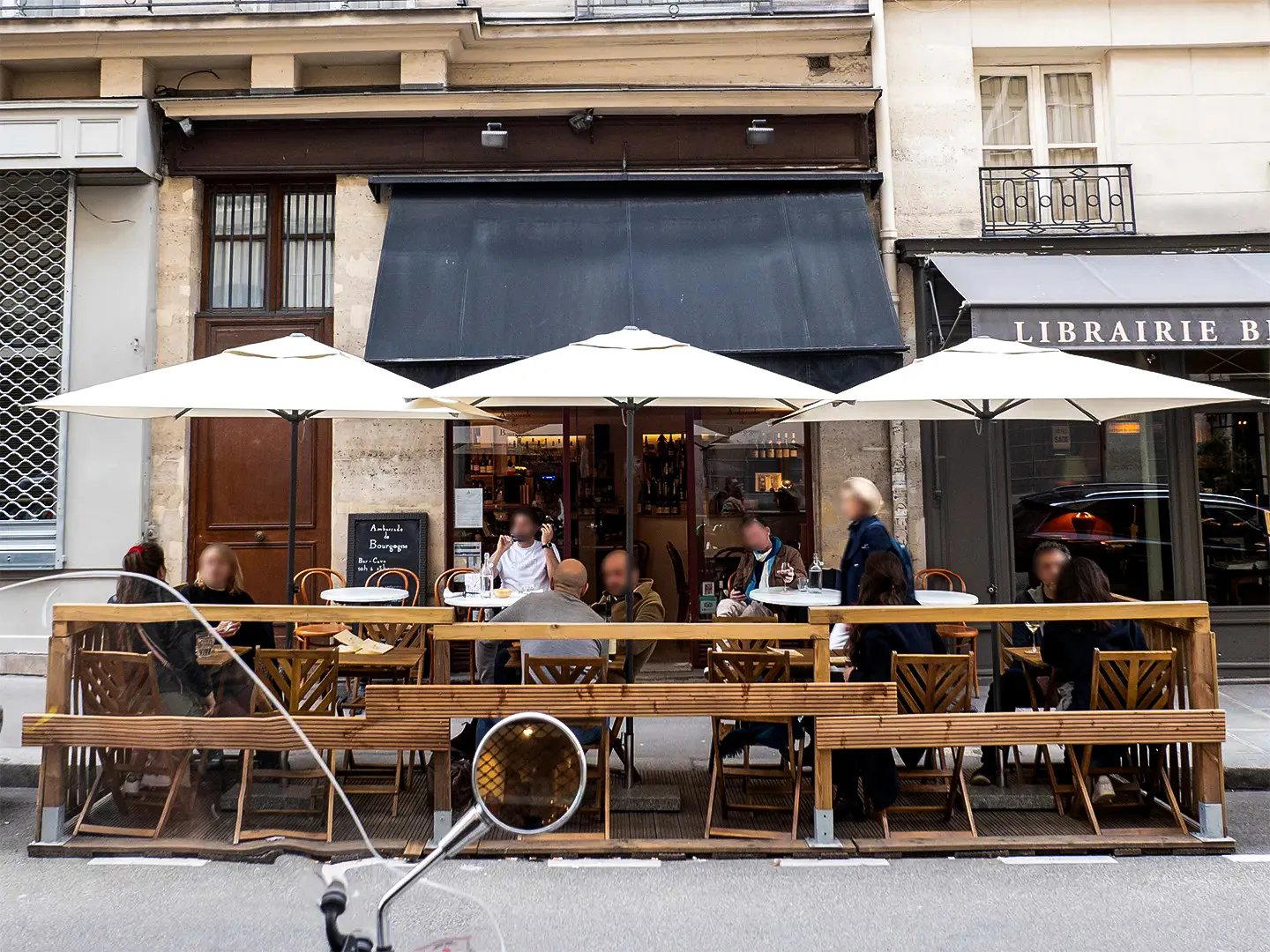
Hotels in Paris
Browse all →



At a Glance
- Elegant
- Modern
- Intimate
- Cozy
- Date Night
- Business Dinner
- Group Dining
- Special Occasion
- Private Dining
- Terrace
- Open Kitchen
- Natural Wine
- Sommelier Led
- Farm To Table
- Local Sourcing
- Organic
- Biodynamic
- Natural Wine
Current opening hours
- Monday
- Closed
- Tuesday
- 12–3 PM, 7 PM–12 AM
- Wednesday
- 12–3 PM, 7 PM–12 AM
- Thursday
- 12–3 PM, 7 PM–12 AM
- Friday
- 12–3 PM, 7 PM–12 AM
- Saturday
- 12–4 PM, 7 PM–12 AM
- Sunday
- 12–3 PM
Hours can change for holidays and private events. Last verified .
Soft, textured colors with exposed brick, wood, glass, and vegetation creating a warm, sophisticated loft-like atmosphere with tasteful kilim armchairs.