L'Ecrin de Mirwart
Set in the Ardennes village of Saint-Hubert, L'Ecrin de Mirwart sits at the address of Rue du Château 29, a location that places it deep in one of Belgium's most ingredient-rich rural corridors. The surrounding forests and farmland define what ends up on the plate here, situating the restaurant within a broader Belgian tradition of territory-driven cooking that connects landscape directly to kitchen.
Pearl is the En Primeur Club membership app — saves, bookings, and concierge access live there. Same editors, same standards.
- Address
- Rue du Château 29, 6870 Saint-Hubert, Belgium
- Phone
- +3284450020
- Website
- chateaudemirwart.com
 Saves & bookings on Pearl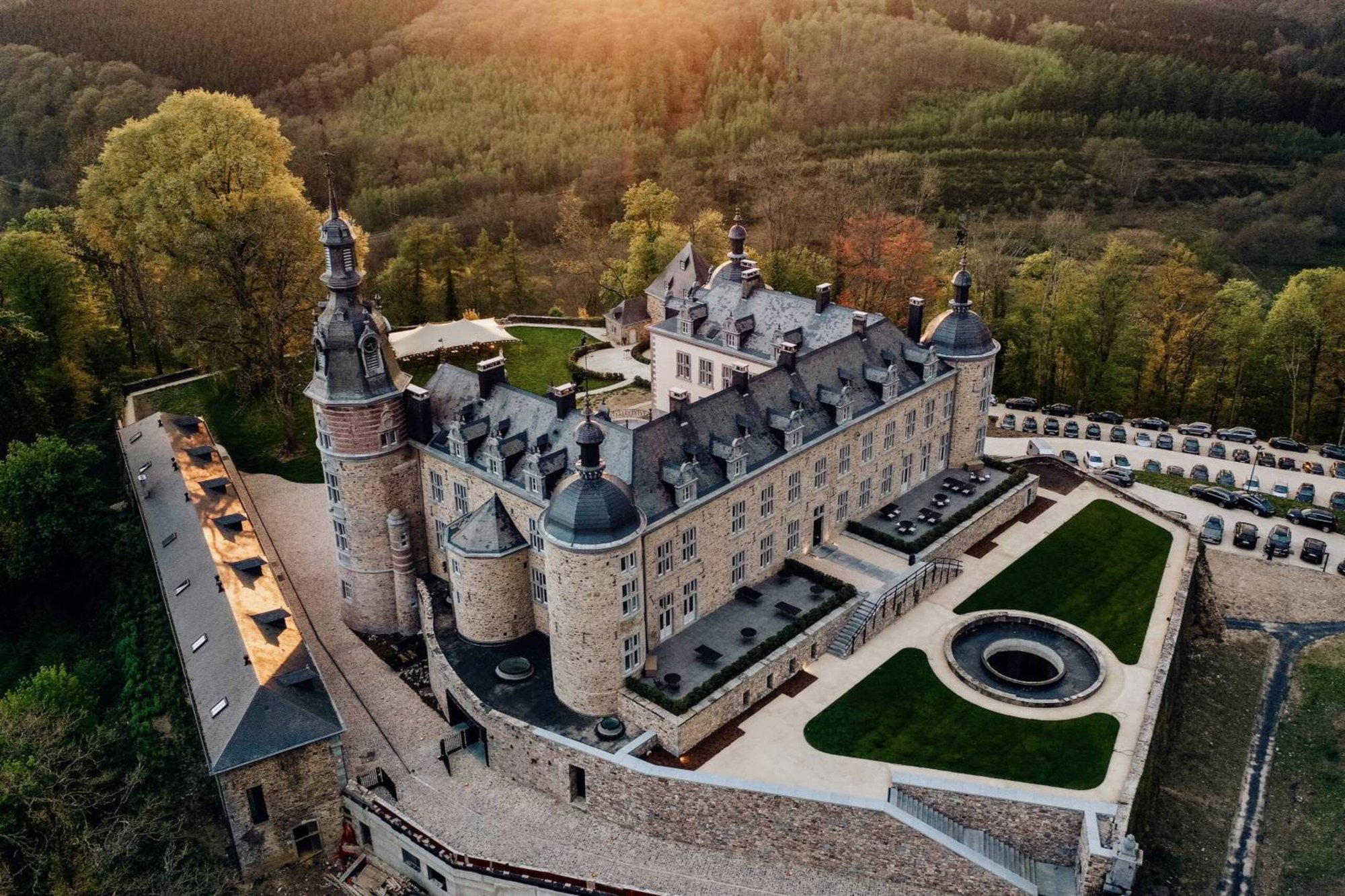
Where the Ardennes Forest Feeds the Kitchen
L'Ecrin de Mirwart is a restaurant in Saint-Hubert, Belgium, serving Modern French Fine Dining at about $100 per person. While attention gravitates toward Brussels flagships like Bozar Restaurant or coastal addresses such as Bartholomeus in Heist, the Ardennes region has quietly maintained a tradition of ingredient-led cooking rooted in what the surrounding forest and farmland actually produce. L'Ecrin de Mirwart, at Rue du Château 29 in Saint-Hubert, sits within that tradition. The address alone signals something: Mirwart is a hamlet adjacent to Saint-Hubert, a small Walloon town known primarily as a hunting and forestry centre. The kitchen's raw material list comes from the surrounding forest and farmland.
Saint-Hubert's culinary identity is inseparable from the Ardennes forest economy. Wild boar, venison, and game birds have been the region's protein backbone for centuries, and the dense spruce and beech woodland that surrounds the town also yields foraged mushrooms, herbs, and berries across the warmer months. The river systems feeding into the Lesse and Lomme valleys produce freshwater fish that rarely appear on urban menus. A restaurant operating in this geography with any seriousness about its sourcing has access to a supply chain that most urban kitchens in Belgium, or anywhere in Western Europe, cannot replicate.
The Logic of Cooking from a Place Like This
The broader pattern in territory-driven European dining is that proximity to raw material creates a different kind of discipline in the kitchen. It is not simply about freshness, though that matters. It is about the constraint of cooking with what the land produces seasonally, rather than constructing a menu and sourcing backward. Belgian restaurants that operate this way, from Willem Hiele in Oudenburg, where coastal ecology defines the plate, to Castor in Beveren, tend to develop stronger regional identities than their city counterparts.
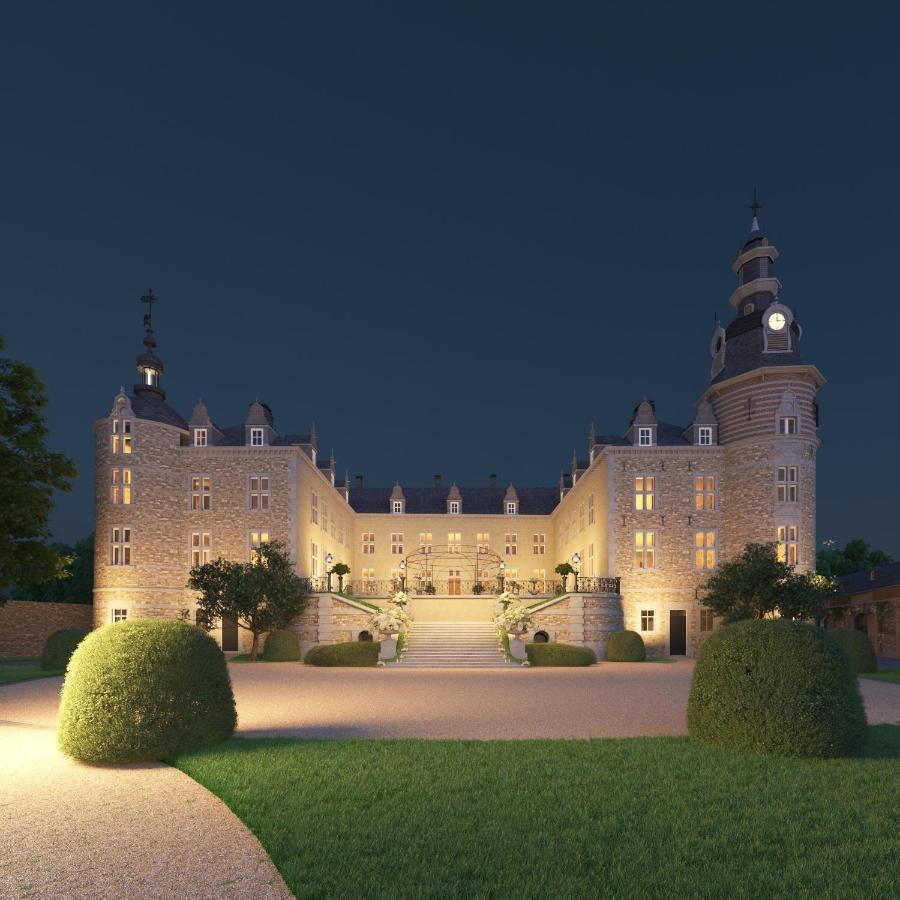
L'Ecrin de Mirwart's location in the orbit of the Château de Mirwart positions it within a micro-geography that has historically been associated with aristocratic estate dining: the kind of cooking where proximity to private hunting grounds and estate gardens shaped what arrived at the table. That context has contemporary relevance. The Ardennes still produces game under formal management, and the estate-adjacent nature of the address suggests sourcing relationships that differ from a restaurant simply ordering from a regional distributor.
This positions the restaurant differently from Belgian peers operating in the creative French or modern Flemish idiom. A restaurant like Boury in Roeselare or De Jonkman in Sint-Kruis operates against an urban or peri-urban supply chain, where the chef's creativity drives menu construction. In the Ardennes, the supply chain itself imposes a seasonal and territorial logic that the kitchen either respects or fights. The strongest cooking in this region respects it.
The Ardennes as a Dining Destination
Saint-Hubert is not a place you arrive at accidentally. The town sits in the Province of Luxembourg, roughly equidistant between Namur and Luxembourg City, and the drive from Brussels takes approximately two hours. That travel requirement means the audience for the restaurant skews toward deliberate visitors: those combining the meal with a longer Ardennes stay, or those making a specific excursion from the capital. This dynamic is familiar across rural fine dining in Belgium and France. La Table de Maxime in Our operates on a similar logic: destination dining that rewards the journey with a level of territorial specificity unavailable in the city.
Visiting the restaurant works most naturally as part of a broader Ardennes itinerary rather than a standalone day trip. The region has sufficient draw in its own right, hiking, cycling, and the historic town centre of Saint-Hubert itself, to justify an overnight stay. The autumn hunting season, running roughly from September through January, represents the period when Ardennes game cooking reaches its most concentrated expression. That is when the regional larder is fullest and when the distinction between cooking here and cooking in Brussels is most legible on the plate.
Where This Fits in the Belgian Fine Dining Picture
Belgium's fine dining tier is benchmarked against a cohort of restaurants that have accumulated significant international recognition. Hof van Cleve in Kruishoutem, Zilte in Antwerp, and L'air du temps in Liernu represent the country's presence in the European fine dining conversation at its most decorated. The restaurant operates in a different register: not a restaurant chasing international awards circuits, but one whose value proposition is rooted in place rather than technique. The relevant comparison is less with multi-starred urban flagships and more with territory-anchored addresses like d'Eugénie à Emilie in Baudour or Maison Colette in Tongerlo, where the kitchen's identity is drawn from its specific geography.
The Walloon fine dining circuit, less globally profiled than its Flemish counterpart, has historically been stronger in this territory-first mode. Le Chalet de la Forêt in Uccle and La Durée in Izegem represent different expressions of Belgian fine dining ambition. The restaurant's Ardennes address places it at one pole of that range: as grounded in local ecology as a restaurant can be. Internationally, the model of cooking from a specific rural territory has produced particularly significant restaurants of the past two decades, from Noma's foraging framework to Le Bernardin's seafood sourcing discipline in New York or the vegetable-forward precision of Atomix. At a different scale and in a different idiom, the Ardennes kitchen operates on the same underlying logic: sourcing as the foundation of identity.
For visitors to the region, our full Saint-Hubert restaurants guide maps the broader dining options across the town and surrounding area.
Planning Your Visit
The restaurant is located at Rue du Château 29 in Saint-Hubert, making it easiest to reach by car. Saint-Hubert is accessible from Brussels via the E411 motorway, with the drive running approximately two hours depending on conditions. Parking is generally available in the surrounding area. Booking ahead is essential. The village setting and unhurried pace of the Ardennes suit an evening format.
In Context: Similar Options
Comparable venues nearby, for context on price, style, and recognition.
| Venue | Cuisine | Price | Notes |
|---|---|---|---|
| L'Ecrin de MirwartThis venue — the venue you are viewing | Modern French Fine Dining | $$$$ | Not listed |
| Château de Mirwart | French Gastronomic Fine Dining | $$$$ | Mirwart |
| La Frairie | French Gastronomic | $$$$ | Perwez |
| En Face de L'Ile | Locavore French-Belgian | $$$$ | Les Sorbiers |
| Table Roberti | Belgian-French Seasonal Bistro | $$$$ | Chaumont-Gistoux |
| Nic's | Contemporary French-Belgian Fine Dining | $$$$ | Hageland |
Continue exploring
More in Saint-Hubert
Restaurants in Saint-Hubert
Browse all →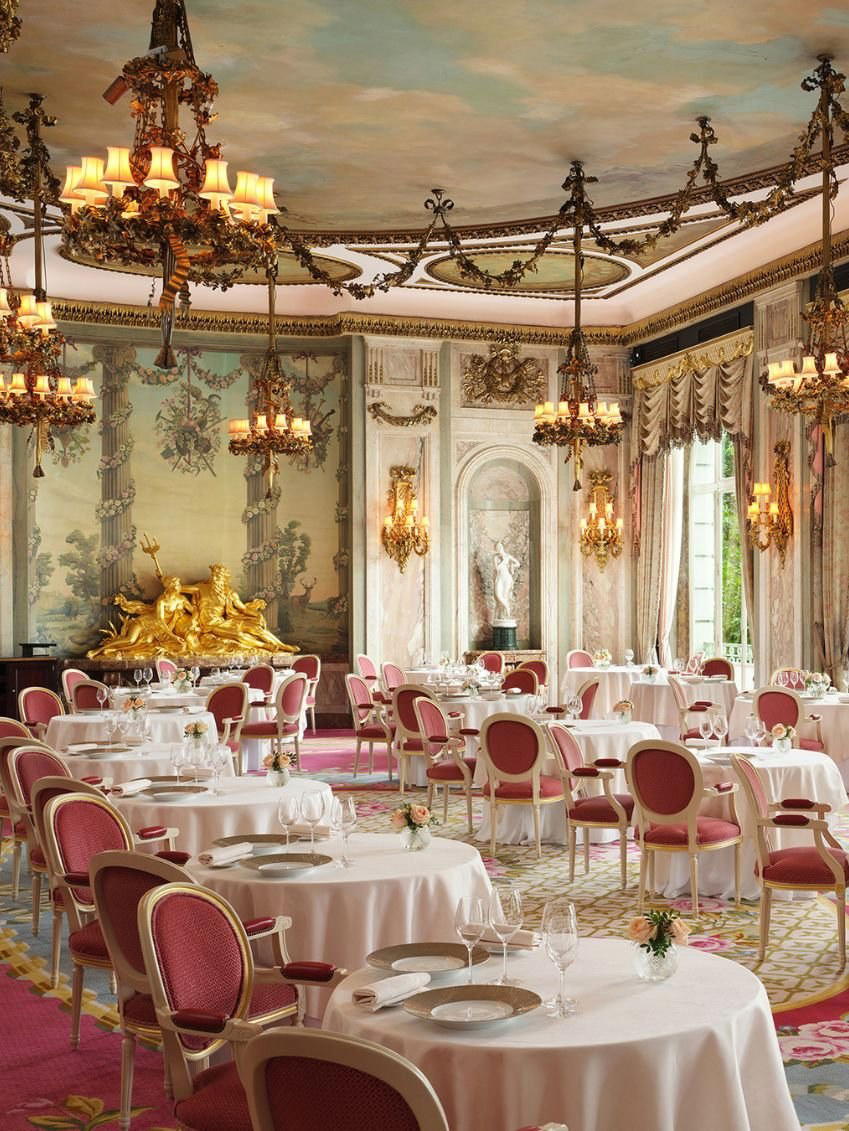
Bars in Saint-Hubert
Browse all →
At a Glance
- Elegant
- Romantic
- Intimate
- Sophisticated
- Scenic
- Date Night
- Special Occasion
- Historic Building
- Hotel Restaurant
- Extensive Wine List
- Local Sourcing
Current opening hours
- Monday
- Closed
- Tuesday
- Closed
- Wednesday
- Closed
- Thursday
- 7–8 PM
- Friday
- 7–8 PM
- Saturday
- 7–8 PM
- Sunday
- Closed
Hours can change for holidays and private events. Last verified .
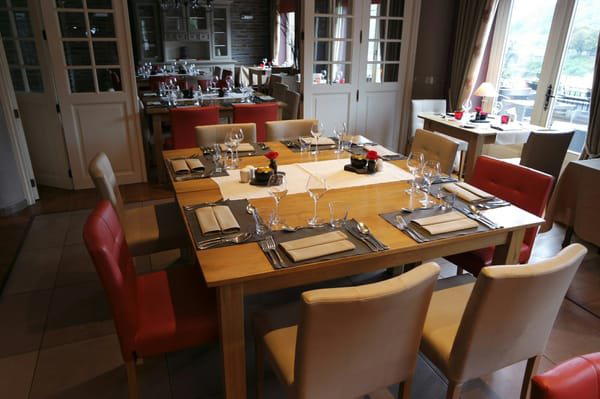
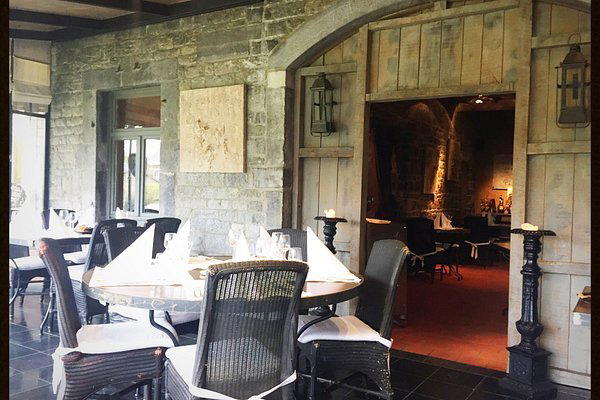
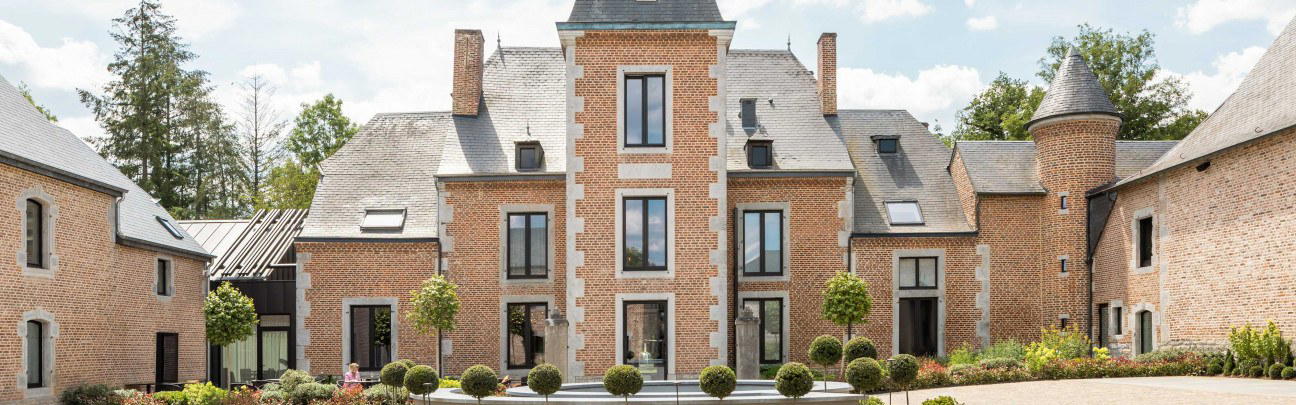
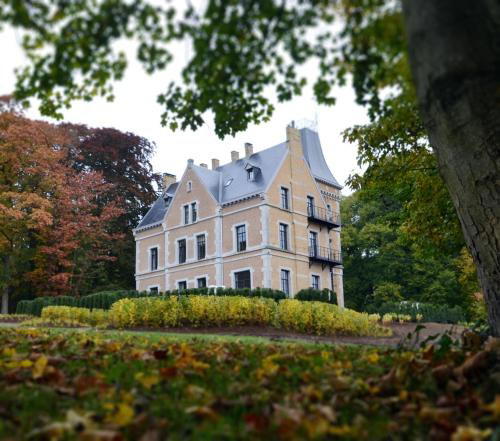
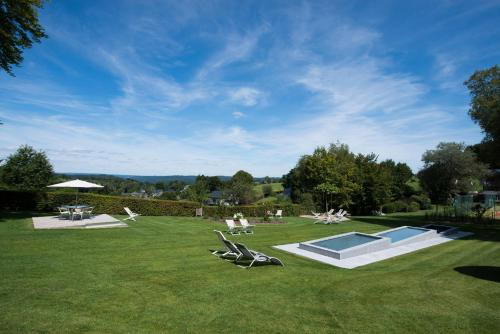
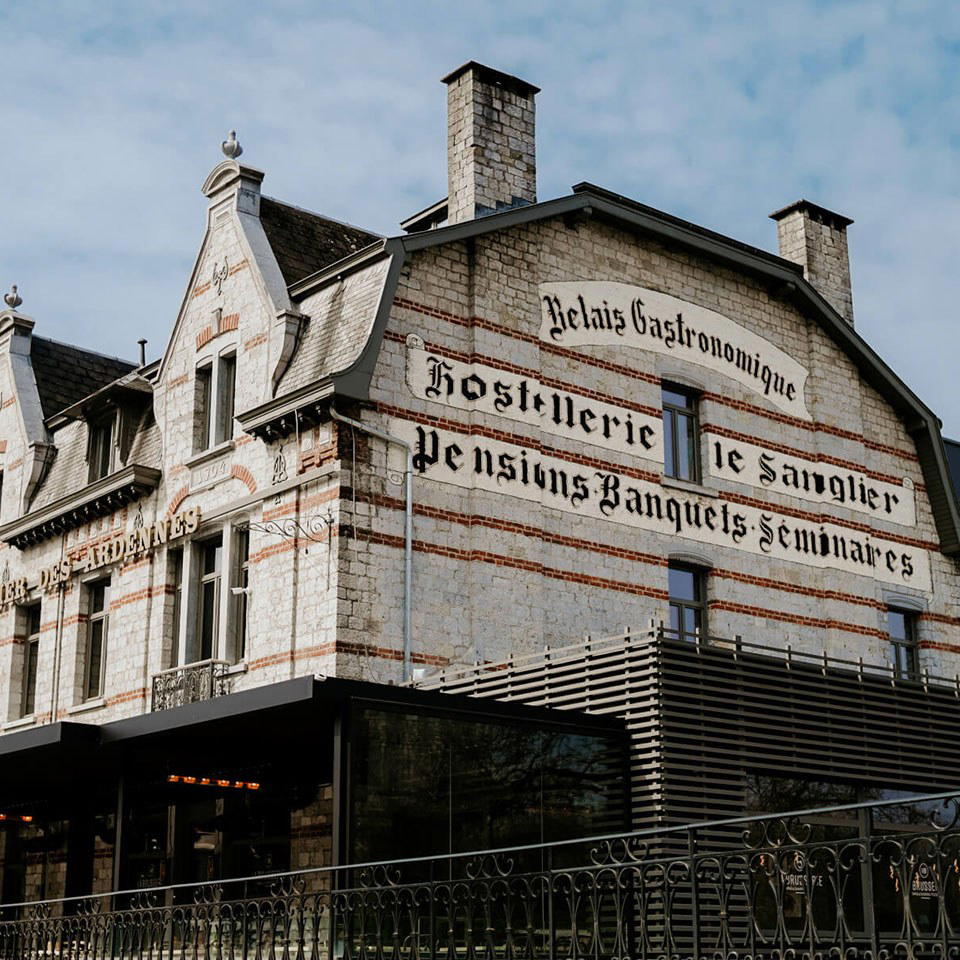
Elegant and serene atmosphere in a beautifully restored historic castle, with sophisticated presentation and a sense of rustic luxury amid the forest.