Château de Mirwart

Set within a historic château in the Ardennes, Château de Mirwart places regional produce and plant-forward cooking at the centre of its menu, with Chef Jimmy Boniface working under Smart Green Guide recognition for sustainability. The setting alone warrants the drive from Brussels or Luxembourg, but the kitchen's commitment to local sourcing gives the experience genuine culinary weight beyond the architecture.
Pearl is the En Primeur Club membership app — saves, bookings, and concierge access live there. Same editors, same standards.
- Address
- Rue du Château 29, 6870 Saint-Hubert, Belgium
- Website
- chateaudemirwart.be
 Saves & bookings on Pearl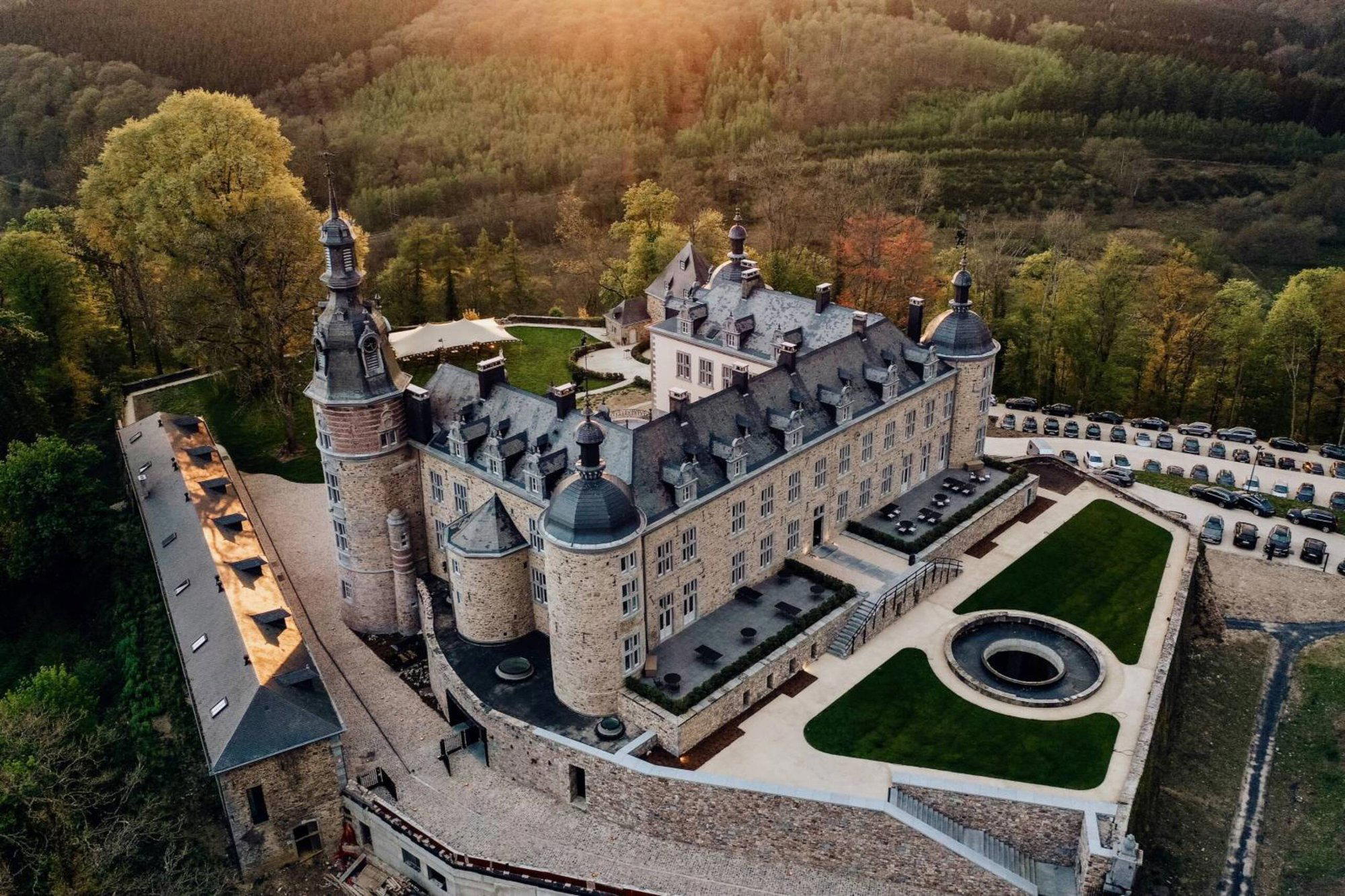
Stone Walls and Seasonal Roots: Dining in the Ardennes
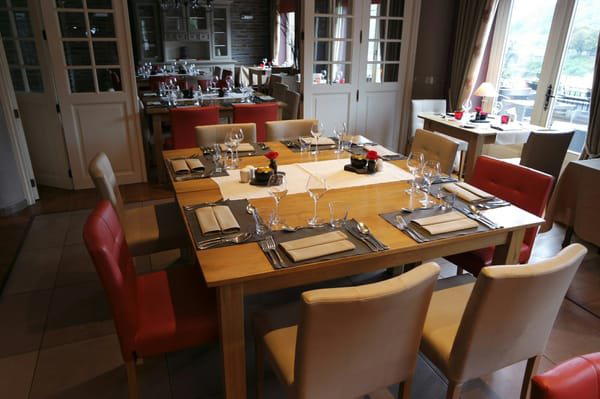
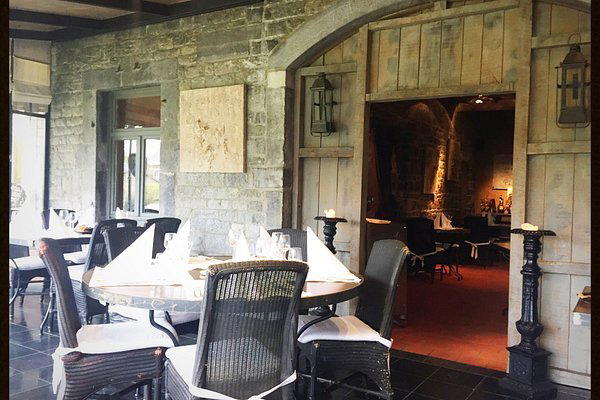
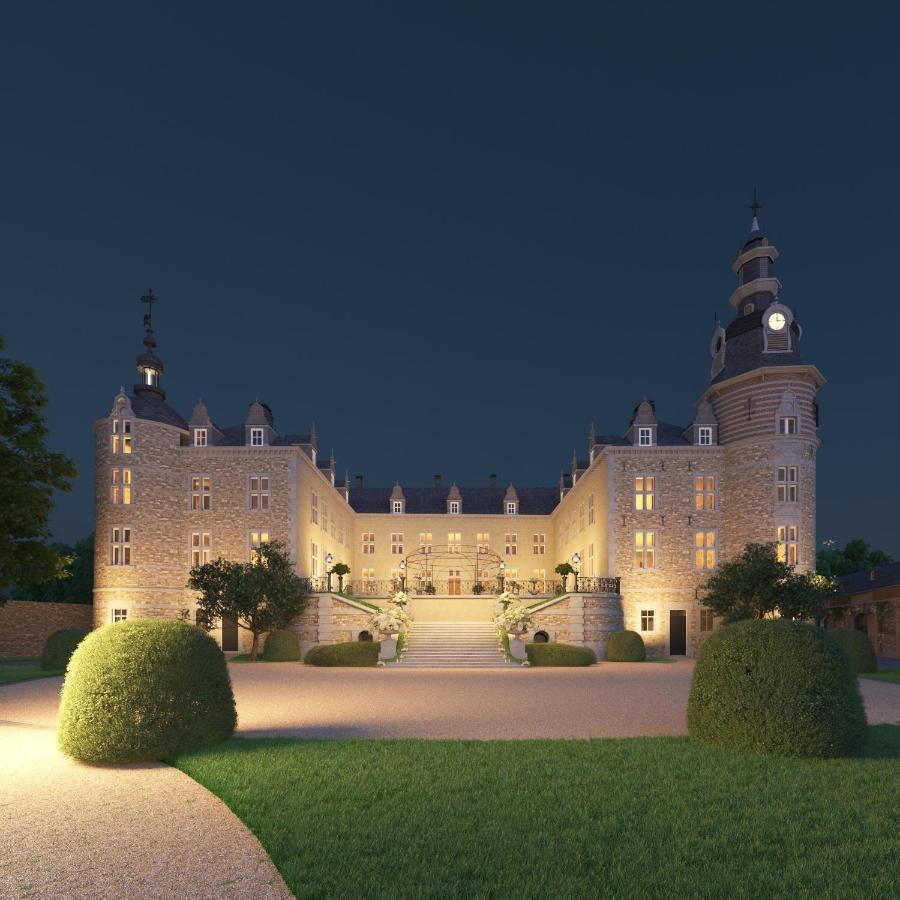
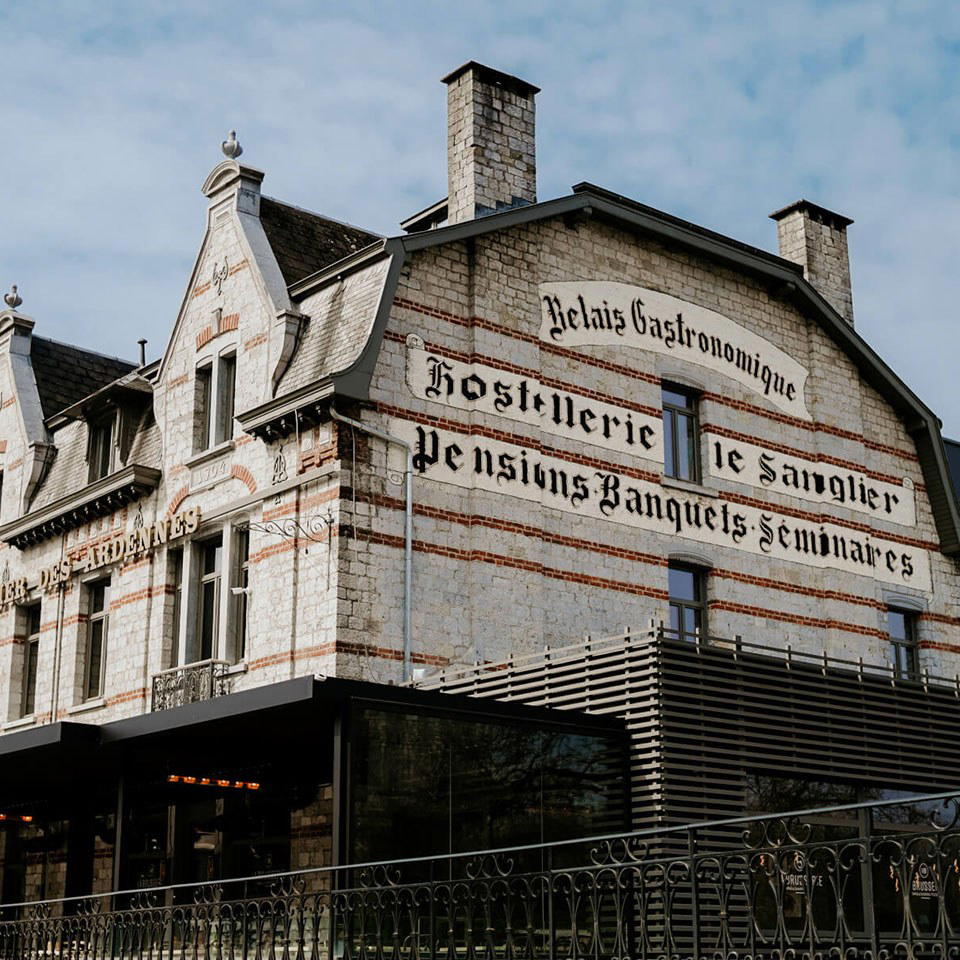
Château de Mirwart is a restaurant in Saint-Hubert, Belgium, known for French gastronomic fine dining. The Ardennes is not Belgium's most discussed dining region. The conversation tends to cluster around Antwerp, Brussels, and the Flemish coast, where venues like Zilte in Antwerp and Boury in Roeselare absorb most of the critical attention. But the province of Luxembourg, with its forests, game traditions, and agricultural producers working at a slower pace than the urban north, has always offered a different kind of table. Château de Mirwart, located in the village of Saint-Hubert at Rue du Château 29, belongs to that quieter register. The building is a historic château; the dining room sits inside it. Before a single dish arrives, the physical context is doing considerable editorial work.
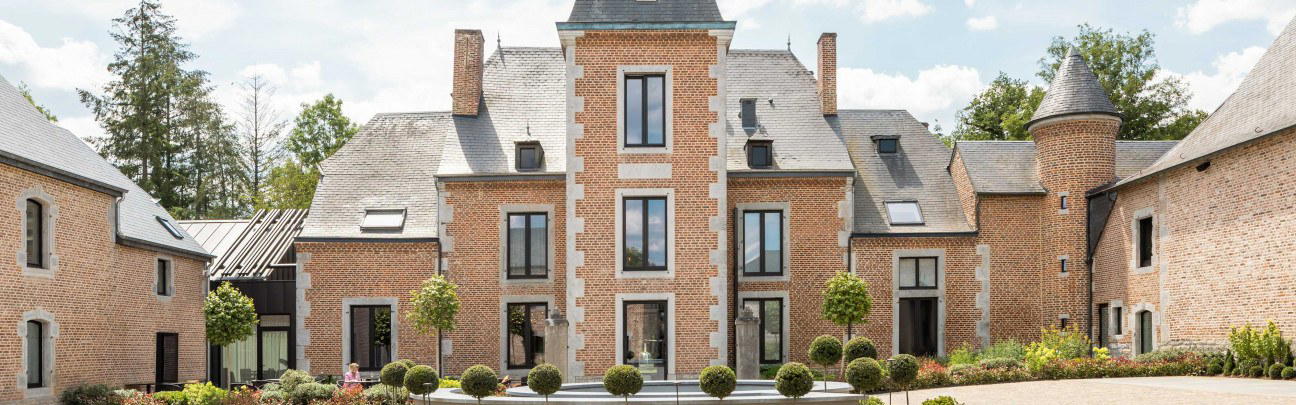
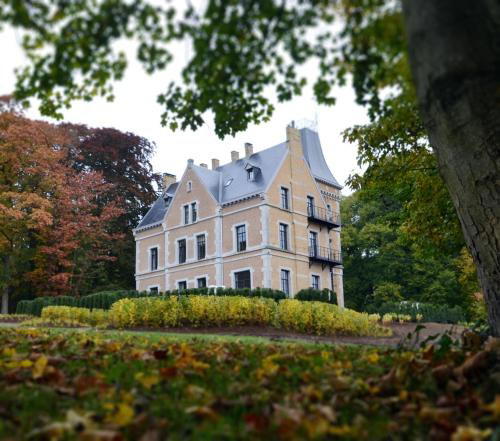
Approaching the property, the architecture sets a clear expectation: this is not a converted farmhouse or a countryside bistro operating in a rustic register. The château format places it alongside a small cohort of Belgian destination restaurants where the building and the table are equally part of the proposition. That comparable set in Belgium, properties where heritage architecture and serious cooking coincide, is limited, which partly explains why Château de Mirwart draws visitors from beyond the immediate region.
Where the Produce Comes From
The editorial case for the restaurant as a dining destination rests substantially on ingredient sourcing. Chef Jimmy Boniface works with regional produce and vegetables as the structural core of the menu, a positioning that the Smart Green Guide has formally recognised. That recognition matters because it places the kitchen inside a specific framework for sustainability rather than simply making general claims about locality. The Smart Green Guide's criteria assess sourcing practices, seasonal discipline, and food waste reduction.
Belgium's Ardennes region provides a particular kind of sourcing environment. The landscape here supports market gardening, wild herb gathering, game, and dairy at a scale that larger Belgian cities cannot replicate from their immediate surroundings. A kitchen committed to regional produce in Saint-Hubert is drawing from a genuinely different ingredient pool than its counterparts in Brussels or Ghent. That distinction shows up in the cooking's character: the emphasis on vegetables in the main is not a dietary accommodation but a reflection of what the region grows and what the season offers. For comparison, Willem Hiele in Oudenburg has built a similar reputation on hyper-local coastal sourcing in West Flanders; the restaurant occupies an analogous position in the Ardennes, rooted in a different terroir entirely.
The high-end plant food menu, developed at least in part through dialogue with the Smart Green Guide's recommendations, represents a deliberate extension of that sourcing logic. Plant-forward cooking at this price tier in Belgium remains a minority position. Most €€€€-tier Belgian restaurants, from Castor in Beveren to De Jonkman in Sint-Kruis, anchor their prestige menus around protein-centred courses. Boniface's willingness to build a parallel high-end vegetable menu signals that the kitchen is treating plants as primary rather than supporting material, which is a meaningful distinction at this level.
The Competitive Context
Saint-Hubert is a small town, better known as the patron saint's city of hunters and dogs than as a dining destination. That context shapes how the restaurant functions in the broader Belgian restaurant geography. It is not competing for covers with the density of Brussels restaurants, including places like Bozar Restaurant, or with the tight cluster of Flemish fine dining exemplified by Hof van Cleve in Kruishoutem. Instead, it operates as a destination in the proper sense: guests travel to Saint-Hubert specifically, often combining the meal with time in the forests, the International d'Art en Nature festival, or the Basilica of Saint-Hubert nearby. The restaurant's value proposition is therefore partly architectural, partly culinary, and partly geographical, the Ardennes itself is the context that makes the sourcing story legible.
For visitors approaching from Brussels, the drive takes roughly ninety minutes south into the province of Luxembourg, passing through the forested corridor that separates the Flemish economic belt from the quieter Walloon south. From Luxembourg City, the distance is comparable. Neither journey is casual, which means the guest profile at the restaurant skews toward those making a considered choice rather than a spontaneous one. That self-selection tends to produce an atmosphere calibrated to the setting: quieter, more deliberate, with the kind of focus on the table that a château dining room in a small Ardennes town invites rather than enforces.
Planning the Visit
Given the distance from major Belgian cities and the château's positioning as a destination rather than a neighbourhood restaurant, advance planning is the practical norm here. Reservations are recommended. The restaurant sits at Rue du Château 29 in Saint-Hubert; a car is the practical requirement for most visitors, as the village is not served by direct high-frequency rail connections from Brussels or Liège.
At-a-Glance Comparison
Comparable venues nearby, for context on price, style, and recognition.
| Venue | Cuisine | Price | Notes |
|---|---|---|---|
| Château de MirwartThis venue — the venue you are viewing | French Gastronomic Fine Dining | $$$$ | Not listed |
| L'Ecrin de Mirwart | Modern French Fine Dining | $$$$ | Mirwart |
| Folies Gourmandes | Classic French Haute Bistro | $$$$ | Quartier Centre |
| Aux Etangs | Modern French Gastronomic | $$$$ | Herve |
| Table Roberti | Belgian-French Seasonal Bistro | $$$$ | Chaumont-Gistoux |
| Anobesia | French-Belgian Seasonal Fine Dining | $$$$ | Affligem |
Recognition history
Dated appearances from independent guides and award organizations, with the underlying list record or original source where available.
We're Smart World 3 Radishes
We're Smart World
Continue exploring
More in Saint-Hubert
Restaurants in Saint-Hubert
Browse all →
Bars in Saint-Hubert
Browse all →
At a Glance
- Romantic
- Elegant
- Scenic
- Historic
- Intimate
- Sophisticated
- Date Night
- Special Occasion
- Celebration
- Historic Building
- Terrace
- Hotel Restaurant
- Extensive Wine List
- Local Sourcing
- Garden
- Mountain
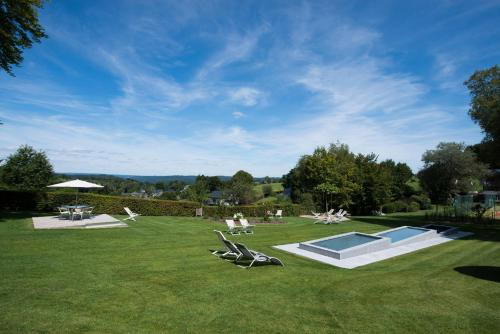
Charming dining room with beautiful renovation evoking 1960s cinema style, terrace for breakfast with scenic forest views, cozy and sophisticated atmosphere.