On a quiet street in the 15th arrondissement, Le Troquet occupies a position in Paris's bistro tradition that larger, more celebrated rooms rarely manage: intimate scale, serious cooking, and a room that rewards attention. The 15th has long operated below the radar of trophy-restaurant circuits, making Le Troquet a reference point for the kind of neighbourhood dining that defines how Parisians actually eat.
Pearl is the En Primeur Club membership app — saves, bookings, and concierge access live there. Same editors, same standards.
- Address
- 21 Rue François Bonvin, 75015 Paris, France
- Phone
- +33145668900
- Website
- restaurantletroquet.fr
- Directions
- Get directions
 Saves & bookings on Pearl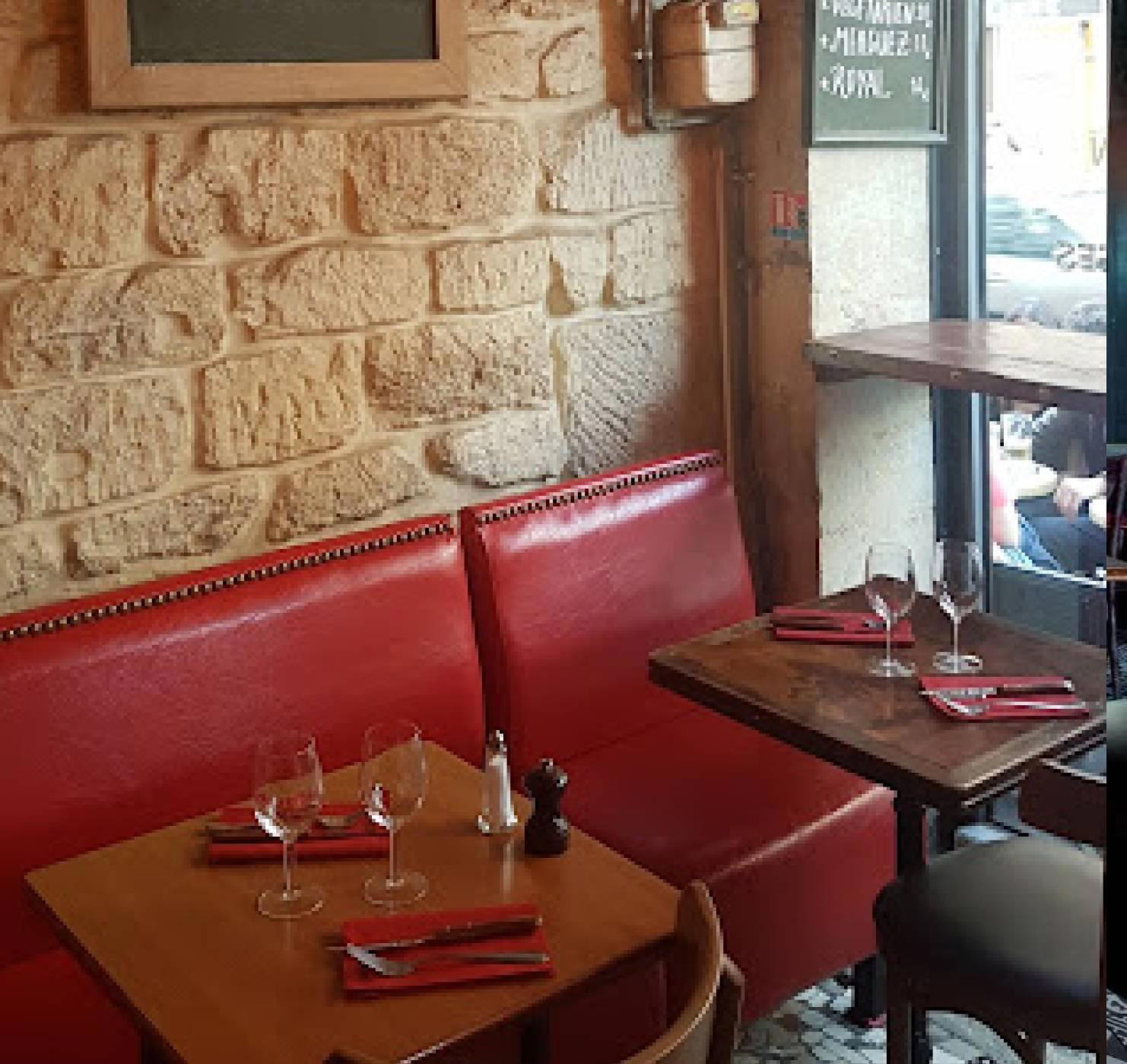
A Room That Sets the Terms
The 15th arrondissement does not announce itself. It is one of Paris's most populous districts and, by the standards of the city's dining press, one of its least documented. Rue François Bonvin sits within that quieter residential register, and Le Troquet reads the street correctly: the dining room is compact, the proportions human, the logic closer to a Basque-inflected neighbourhood counter than to the grand salon format that defines rooms like Le Cinq at the Four Seasons George V or Alléno Paris au Pavillon Ledoyen. The physical container here is the argument. Where those addresses use scale to communicate authority, Le Troquet uses compression: a room small enough that every table is close to the kitchen's rhythm, close to the wine being poured, close to the particular hum that a well-run small restaurant generates by mid-service.
This is a format with deep roots in French dining culture. The bistro-with-serious-cooking template has been the proving ground for some of the country's most consequential chefs. At Bras in Laguiole or Auberge du Vieux Puits in Fontjoncouse, ambition scaled up over decades from modest origins. In Paris, the same trajectory has played out repeatedly: a small room, a fixed-price menu with limited choices, cooking that takes the season as its primary constraint. Le Troquet sits inside that tradition.
The Logic of Small Rooms
In contemporary Parisian dining, the gap between the €€€€ palace-restaurant tier and the neighbourhood bistro has widened considerably. At the leading, rooms like Arpège and L'Ambroisie operate with ceremony and price points that position them as occasion destinations. Below that, a more interesting middle tier exists: restaurants where the cooking is technically serious but the format refuses ceremony. Le Troquet belongs to this second category, and the 15th is a plausible address for it precisely because the neighbourhood exerts no pressure toward showmanship.
The design logic of a room like this carries meaning. Bare or simply dressed tables, zinc or wood surfaces, close-set seating: these are not economies but choices that signal the food should do the talking. Compare this to the studied grandeur of a hotel dining room or the precise minimalism of Kei in the 1st arrondissement, and the contrast clarifies what Le Troquet is aiming at. The architecture here is social rather than theatrical: a room designed for the kind of long, wine-forward dinner that Parisians regard as a default setting rather than a special event.
This format has international reference points too. The serious neighbourhood counter that France has long exported as a cultural form shows up in places like Le Bernardin in New York, though there the scale and formality differ sharply. More recently, Atomix in New York City demonstrates how a small, tightly controlled room can sustain a high level of ambition without spatial theatrics. The underlying argument is the same: physical restraint directs attention toward the plate.
Basque Roots and the Fixed-Menu Tradition
Le Troquet's Basque-country culinary orientation places it in a specific stream of French regional cooking that has maintained consistent critical relevance. Basque cuisine, with its emphasis on product quality, char, and the anchovy-and-pepper flavour vocabulary of the Pays Basque, translates well to a Paris context because it is inherently ingredient-driven rather than technique-driven. The fixed-price format, common across this category, is a structural commitment to the same principle: the chef decides what is worth cooking today, and the diner's job is to trust that decision.
This is not universally the Parisian norm. Across the city's broader restaurant offer, à la carte dining remains dominant, and restaurants at the level of AM par Alexandre Mazzia in Marseille or Assiette Champenoise in Reims demonstrate how tasting-menu formats can be used to build highly controlled experiences at the leading end. Le Troquet's fixed-price structure sits between those poles: more disciplined than à la carte, less ceremonial than a full tasting progression.
The French regional tradition this draws on is not limited to Paris. Houses like Auberge de l'Ill in Illhaeusern, Troisgros in Ouches, and Paul Bocuse outside Lyon have each built enduring reputations on deeply rooted regional cooking delivered with consistent rigour. At those addresses, scale and history have accumulated over generations. Le Troquet operates at a more compressed register, but the underlying relationship to place and product connects to the same tradition. Further afield, Flocons de Sel in Megève and Mirazur in Menton show how terrain-rooted cooking can sustain serious ambition at different price tiers and scales. And across France's Alsatian tradition, Au Crocodile in Strasbourg demonstrates how a regional house with deep institutional roots maintains relevance through consistent identity rather than reinvention.
The 15th and What It Tells You About Paris
Understanding Le Troquet requires understanding the 15th. This arrondissement does not function as a destination on the international dining circuit the way the 1st, 6th, or 8th do. Its restaurants serve its residents first. That residential pressure produces a specific dining culture: value is expected, cooking must be honest rather than showy, and the room must sustain a regular clientele rather than a parade of first-time visitors. Restaurants that survive in this context tend to be structurally sound in a way that marquee-address restaurants do not always need to be.
Le Troquet's address on Rue François Bonvin, a side street in the southern part of the 15th, deepens this point. There is no foot traffic to rely on, no tourist circuit that deposits diners at the door. The restaurant's audience finds it deliberately. That audience self-selects for the kind of diner who has done the research, which in practice shapes the room's atmosphere as much as any design decision. For a fuller picture of where Le Troquet sits within the city's wider dining offer, our full Paris restaurants guide maps the competitive terrain across arrondissements and price tiers.
Planning Your Visit
Given the room's size and the neighbourhood's low walk-in culture, advance booking is the sensible approach. Reservations made several weeks ahead are reasonable for a restaurant of this format and scale, though demand varies by season. Reservations: book well in advance given the compact capacity; specific booking method not confirmed. Dress: smart casual is appropriate for the bistro register; this is not a room that rewards or requires formality. Budget: fixed-price menus at addresses in this category in Paris typically run in the €40–€60 range per person for food, with wine additional; confirm current pricing directly. Getting there: the 15th is well served by Paris Metro lines, with Cambronne and Volontaires among the nearest stations to this part of the arrondissement.
How Le Troquet Paris compares with similar nearby venues.
| Venue | Cuisine | Price |
|---|---|---|
| Le Radis Beurre | Traditional Cuisine | €€ |
| L'Antre Amis | Modern Cuisine | €€ |
| Neige d’Eté | Contemporary French | €€€€ |
Continue exploring
More in Paris
Restaurants in Paris
Browse all →
Bars in Paris
Browse all →
Hotels in Paris
Browse all →
At a Glance
- Cozy
- Classic
- Rustic
- Intimate
- Casual Hangout
- Group Dining
- Business Dinner
- Standalone
- Terrace
- Beer Program
- Local Sourcing
Current opening hours
- Monday
- Closed
- Tuesday
- 12–2 PM, 7:30–10:15 PM
- Wednesday
- 12–2 PM, 7:30–10:15 PM
- Thursday
- 12–2 PM, 7:30–10:15 PM
- Friday
- 12–2 PM, 7:30–10:15 PM
- Saturday
- 12–2 PM, 7:30–10:15 PM
- Sunday
- Closed
Hours can change for holidays and private events. Last verified .
Warm and welcoming with retro tiling, wooden tables, red moleskin benches, and a large chalkboard menu; nostalgic, cozy Parisian bistro aesthetic with classic decor.
Know Before You Go
- Getting there
- 21 Rue François Bonvin, 75015 Paris, France