Le Train Bleu
Le Train Bleu occupies a storied position in Monte Carlo's casino district, where the weight of Belle Époque architecture sets expectations before a single dish arrives. The menu reads as a document of classical French discipline meeting the principality's appetite for theatre. For visitors working through Monaco's dense fine-dining circuit, it offers a register that the city's more contemporary rooms deliberately step away from.
Pearl is the En Primeur Club membership app — saves, bookings, and concierge access live there. Same editors, same standards.
- Address
- Pl. du Casino, 98000 Monaco
- Phone
- +37798062424
- Website
- montecarlosbm.com
- Directions
- Get directions
 Saves & bookings on Pearl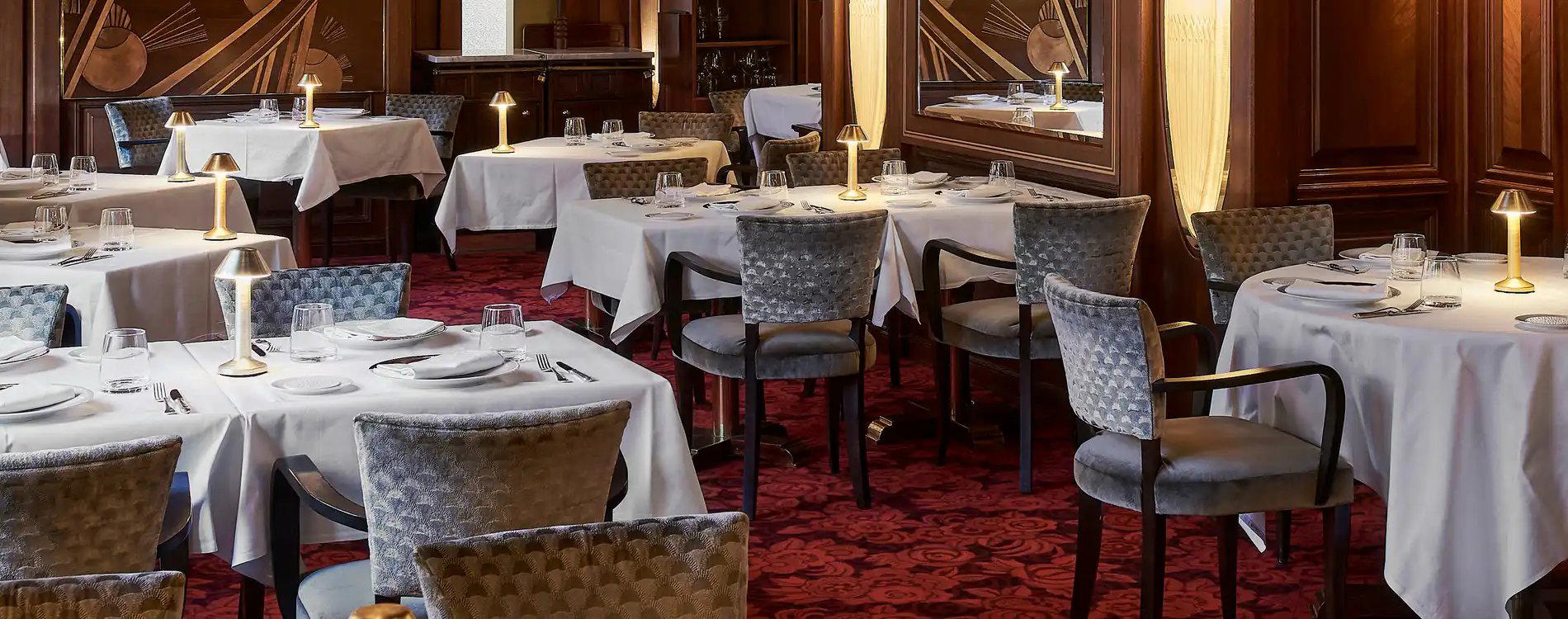
Where the Room Is the Opening Argument
In Monte Carlo's casino quarter, around the Place du Casino, the architecture does a particular kind of work. Grand interiors here are not decoration applied to a building but the structural argument for why the meal costs what it does and why you dress accordingly. Le Train Bleu belongs to this tradition: a traditional Italian fine dining restaurant in Monaco at Pl. du Casino, 98000 Monaco, where gilding, velvet, and painted ceilings constitute the first course in any meaningful reading of the dining experience. That framing is not incidental. It is, in fact, the editorial lens through which the entire menu and format should be understood.
The first, represented by rooms such as Alain Ducasse's Louis XV and Blue Bay Marcel Ravin, stakes its authority on named-chef credentials and contemporary technique. The second operates through the force of place itself, where heritage architecture and classical French service conventions carry as much weight as any individual kitchen signature. Le Train Bleu sits squarely in that second register, and understanding which register you are entering shapes how you should read the experience.
Menu Architecture and What It Reveals
Classical French menu structure has a grammar that many Monaco restaurants have deliberately moved away from. The tasting menu format now dominates the city's highest-price tier, from L'Abysse Monte-Carlo's Japanese-inflected progression to the modern cuisine sequencing at Les Ambassadeurs by Christophe Cussac. A room built around Belle Époque ceremony pushes back against that drift, favouring a structure in which the diner exercises more agency: starters, mains, and desserts chosen from a composed carte rather than submitted to a kitchen's singular narrative arc.
That structural choice is a statement of intent. It signals confidence in the classical repertoire and in the room's ability to carry the meal without the scaffolding of a progressive tasting format. The menu at this price point in Monaco is not a listing of dishes; it is a position paper on what formal French dining should look like in a principality that has otherwise sprinted toward the contemporary. Where La Table d'Antonio Salvatore au Rampoldi offers a high-end Italian alternative and newer rooms experiment with global technique, Le Train Bleu maintains a Francophone authority that fewer Monaco addresses attempt.
The comparison to similarly positioned restaurants elsewhere is instructive. In New York, Le Bernardin has sustained classical authority through relentless precision rather than format innovation. In Chicago, Alinea represents the opposite pole: format as the primary vehicle of meaning. The restaurant's approach aligns far closer to the Le Bernardin model, where the measure of quality is execution depth within an established tradition rather than the novelty of the tradition itself.
The Casino Quarter Context
The Place du Casino address locates the restaurant at the centre of Monte Carlo's original luxury gravity. This is not the quieter residential atmosphere of Monaco City, where La Montgolfière-Henri Geraci operates at a more intimate scale, nor the waterfront register of Larvotto, where Avenue 31 draws a different seasonal crowd. The casino district functions on spectacle and density: hotel towers, the Casino de Monte-Carlo's baroque facade, a concentration of luxury marques, and the year-round traffic of high-net-worth visitors who treat the principality as a fixture rather than a destination.
Within that context, a formal French restaurant with a heritage interior serves a specific function. It provides the kind of meal that visitors from this segment associate with occasion: predictable in format, high in ceremony, and legible across multiple nationalities without the specialist knowledge that a more avant-garde room requires. That is not a criticism. It is a recognition that the casino quarter's dining ecosystem has room for, and depends on, an anchor of this type.
For those willing to move a few kilometres, the surrounding area extends Monaco's dining geography considerably. Hostellerie Jerome in La Turbie sits above the principality and offers a markedly different register, while the Fontvieille quarter brings a more local cadence through places like Amici Miei. Il Pacchero in Condamine and Nobu Monte Carlo complete a picture in which the principality, despite its small footprint, sustains genuine diversity of format and price.
8½ Otto e Mezzo Bombana in Hong Kong occupies a similar position to the restaurant in its market: a formally structured, heritage-weighted room in a city otherwise racing toward innovation. Lazy Bear in San Francisco and Atomix in New York represent the opposite end of that spectrum, where format disruption is the primary creative act. Emeril's in New Orleans offers yet another version of established-name authority within a regional culinary tradition. The restaurant's comparable set is not the avant-garde rooms; it is the formally positioned anchors that cities of this type require.
Planning a Visit
The Place du Casino address means the restaurant benefits from Monaco's compact geography: the casino itself, the Hotel de Paris, and the principal luxury hotels are all within a short walk. Visitors staying in the casino quarter can arrive on foot; those coming from Nice or Cannes along the Côte d'Azur corridor should factor in the principality's limited parking and consider arrival by train to Monaco-Monte Carlo station, which is walkable to the square. Given the restaurant's positioning within what is effectively a grand hotel and casino ecosystem, reservation lead times for peak periods, particularly the Formula 1 Grand Prix week in May and the high summer months of July and August, are likely to require advance planning. Dress expectations align with the room's formality: the casino quarter maintains one of the last genuinely enforced dress codes in European fine dining.
A Credentials Check
Comparable venues nearby, for context on price, style, and recognition.
| Venue | Cuisine | Price | Notes |
|---|---|---|---|
| Le Train BleuThis venue — the venue you are viewing | Traditional Italian Fine Dining | $$$$ | Not listed |
| Rampoldi | Modern Monégasque Fine Dining | $$$$ | Place du Casino de l'Opéra |
| Nikki Beach Monte Carlo | Mediterranean Coastal Fusion | $$$$ | Monte Carlo |
| Maya Mia | Authentic Italian Trattoria | $$ | Monte Carlo |
| Amazónico | Latin American Fusion with Asian Influences | $$$$ | Carré d'Or |
| Pulcinella | Traditional Italian & Mediterranean | $$$ | Monte-Carlo |
Continue exploring
More in Monte Carlo
Restaurants in Monte Carlo
Browse all →
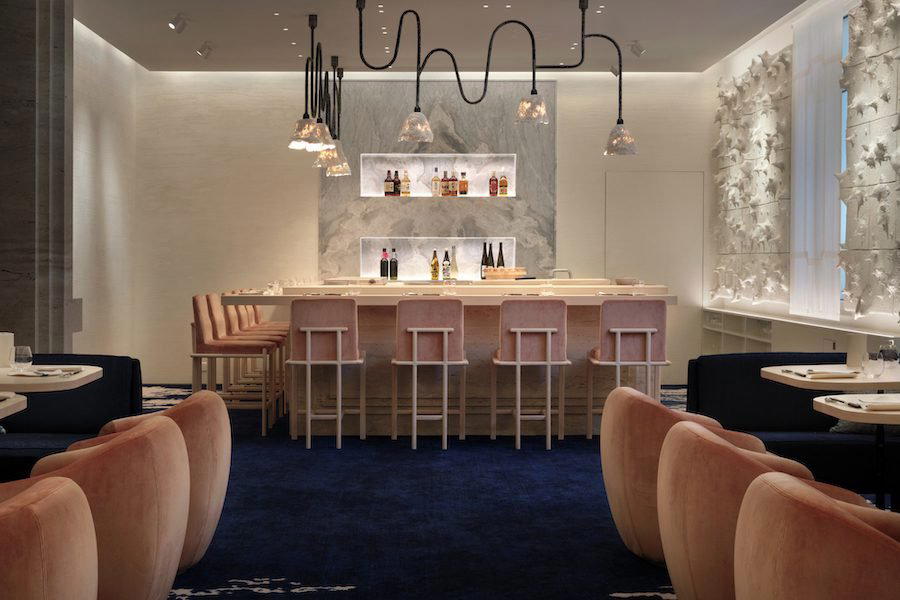
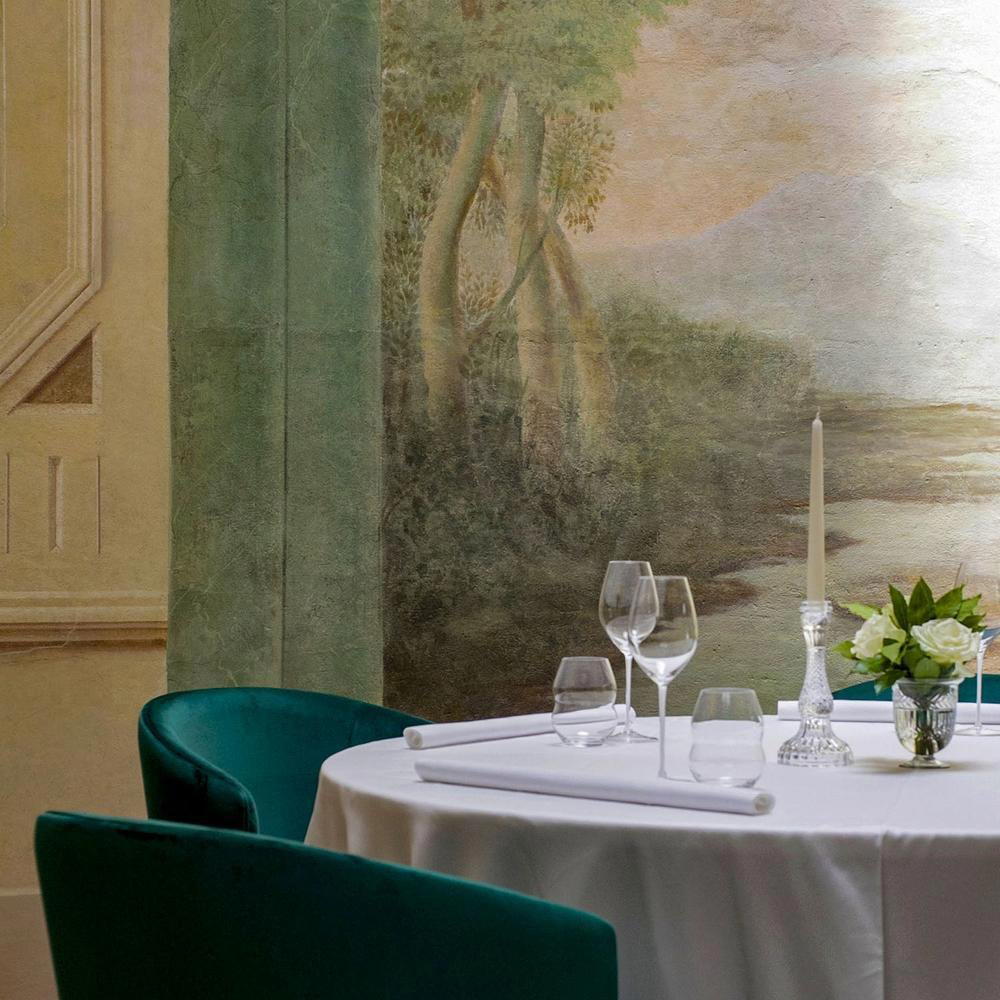
Bars in Monte Carlo
Browse all →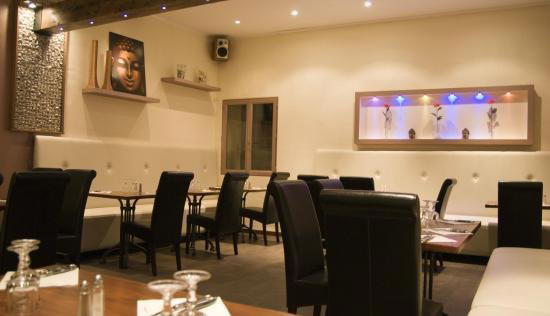
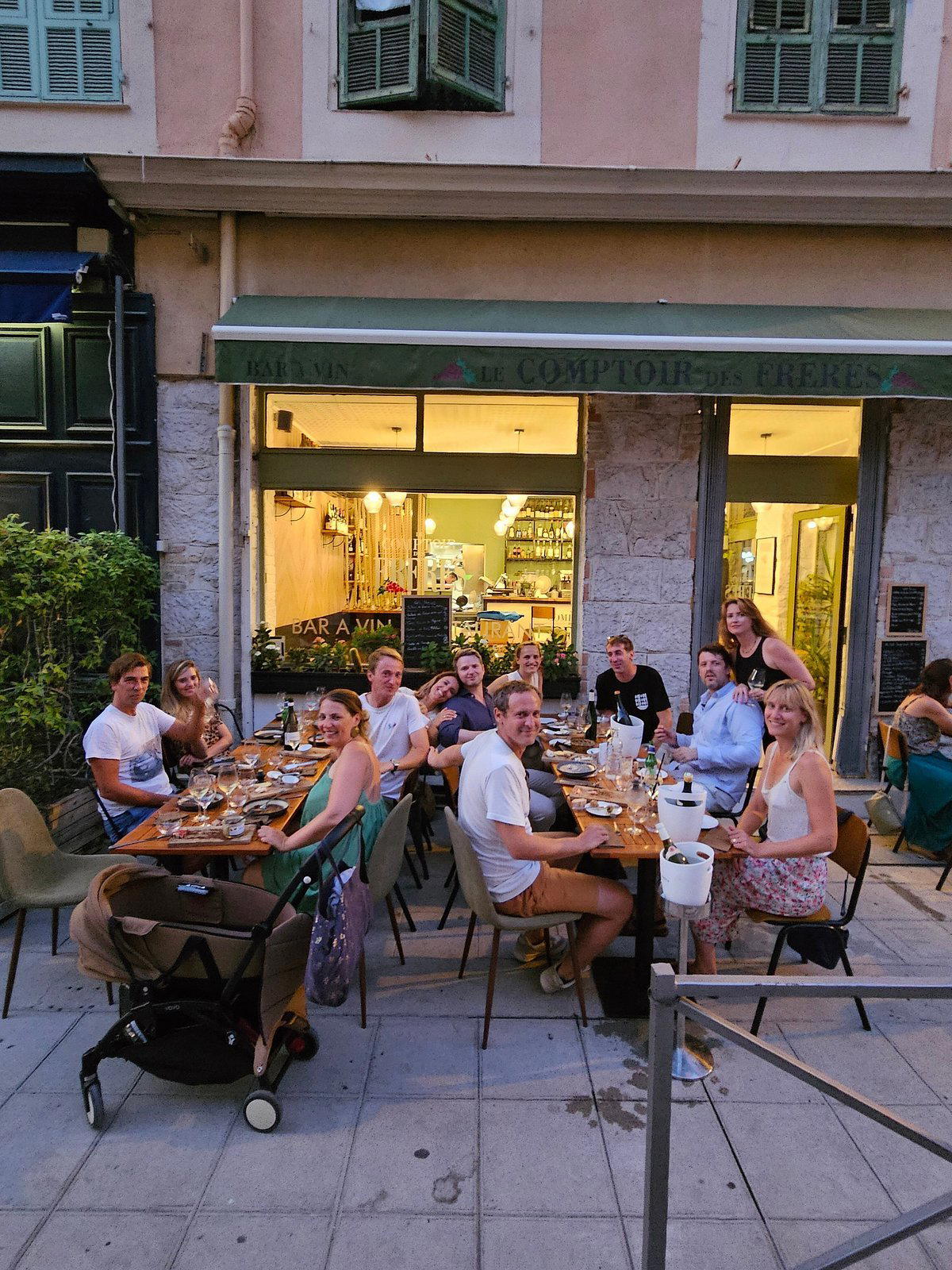
Hotels in Monte Carlo
Browse all →
Wineries in Monte Carlo
Browse all →
At a Glance
- Elegant
- Classic
- Well Known
- Ornate
- Sophisticated
- Date Night
- Special Occasion
- Celebration
- Historic Building
- Hotel Restaurant
- Design Destination
- Extensive Wine List
- Sommelier Led
- Street Scene
Current opening hours
- Monday
- Closed
- Tuesday
- Closed
- Wednesday
- Closed
- Thursday
- 7 PM–2 AM
- Friday
- 7 PM–2 AM
- Saturday
- 7 PM–2 AM
- Sunday
- 7 PM–2 AM
Hours can change for holidays and private events. Last verified .
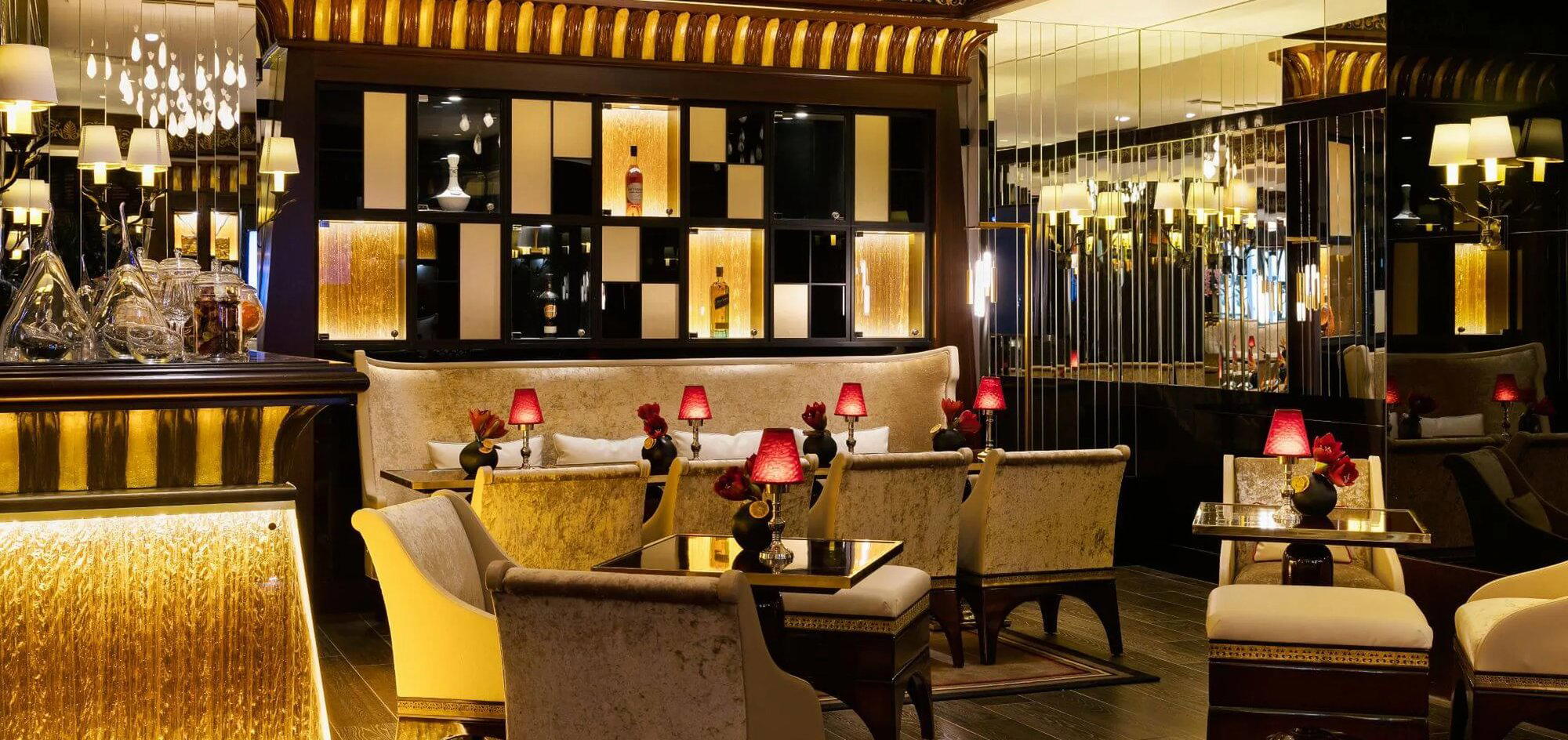
Ornate Belle Époque atmosphere with elegant decor evoking a luxurious passenger train from the golden age.