Pulcinella
Pulcinella occupies a steady address on Rue du Portier in Monte Carlo, drawing a loyal crowd that returns for the kind of Italian cooking Monaco's grander tables rarely bother with. In a principality better known for Michelin-starred French cuisine and theatrical tasting menus, this is the room where residents eat on a Tuesday. The regulars tell you more about it than any award could.
Pearl is the En Primeur Club membership app — saves, bookings, and concierge access live there. Same editors, same standards.
- Address
- 17 Rue du Portier, 98000 Monaco
- Phone
- +37793307361
- Directions
- Get directions
 Saves & bookings on Pearl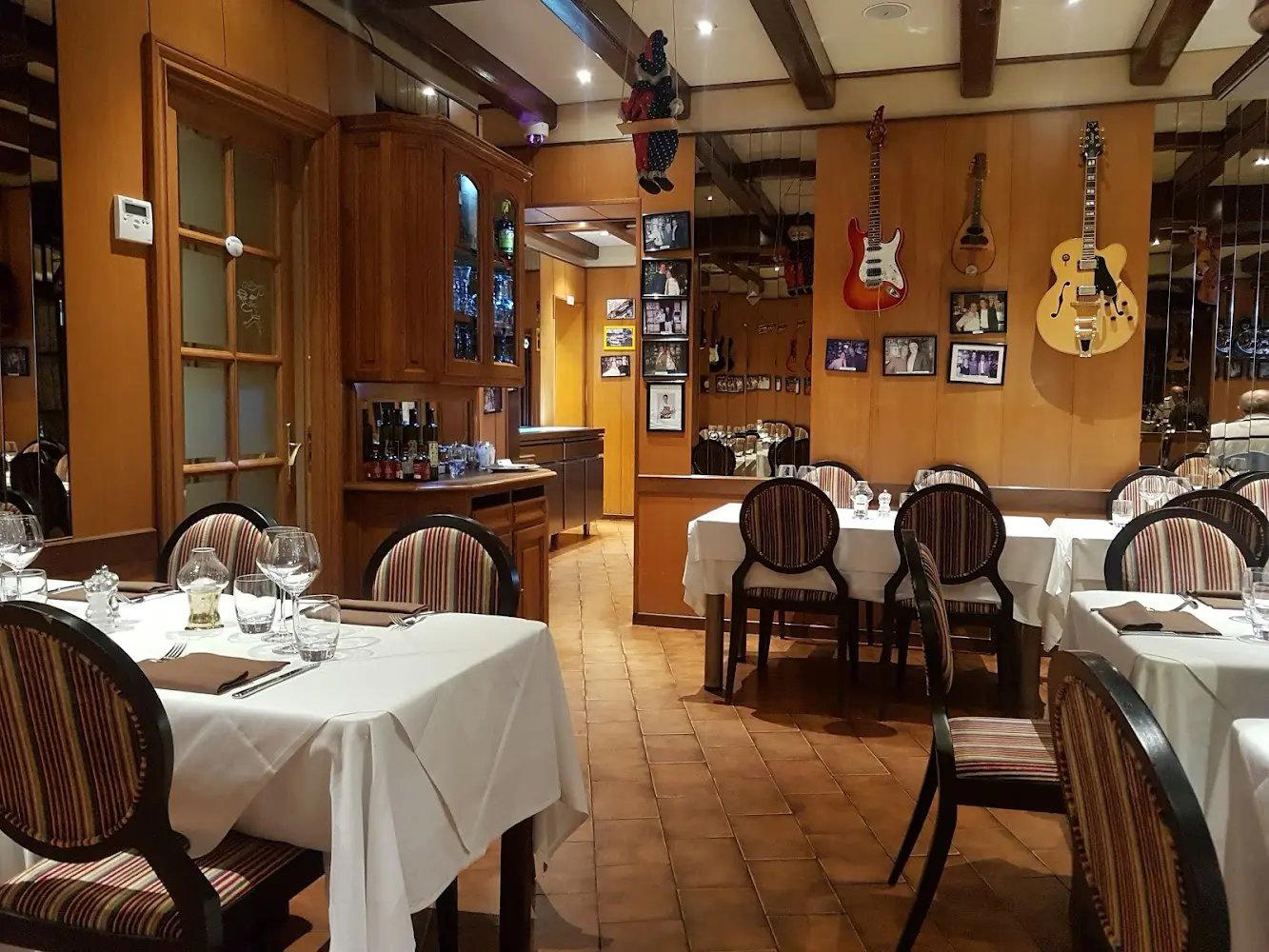
The Room Regulars Choose
Rue du Portier runs quietly behind the casino district's main gravitational pull, and that position defines Pulcinella's place in the local dining scene. Monte Carlo's dining scene splits sharply between the ceremonial and the habitual: on one side, the grand hotel rooms where Alain Ducasse at Louis XV and Les Ambassadeurs by Christophe Cussac perform their formal rituals; on the other, the neighbourhood addresses where Monaco's actual residents, and the expats and workers who form the principality's quieter social fabric, eat without occasion. Pulcinella belongs to the second category, and that positioning matters.
The physical address at 17 Rue du Portier places it within walking distance of the Larvotto seafront without being subject to the tourist-facing pressures that shape dining rooms closer to the port or the Place du Casino. Arriving on foot from the Grimaldi end, the street has the particular stillness of Monaco in the late afternoon, before the evening rush of luxury cars reorganises the neighbourhood's atmosphere entirely. It is the kind of address where you notice who else is eating rather than what the room looks like.
What Keeps Them Coming Back
In any small city with a dense restaurant supply relative to its residential population, the places that survive on repeat custom rather than tourist throughput occupy a specific niche. They are not necessarily particularly technically accomplished rooms, and they are rarely the photographed. What they offer is consistency, legibility, and a familiar social setting. Pulcinella serves Italian cooking in a principality where Italian cuisine has deep practical logic: the French-Italian border sits less than twenty kilometres west, the regional kitchen of Liguria and the Côte d'Azur bleeds easily across the boundary, and Monaco's affluent Italian-born and Italian-adjacent population provides a ready constituency for the familiar rhythms of pasta, seafood, and shared plates done without ceremony.
This stands in contrast to the more architecturally ambitious Italian proposition at La Table d'Antonio Salvatore au Rampoldi, where the format is more formal and the price tier reflects that. Pulcinella operates in a different register: the logic here is the lunch-to-dinner regular, the resident who wants the cooking to feel like an extension of their own kitchen rather than a demonstration of technique. That is a harder thing to maintain than it sounds, and the restaurants that do it well in high-cost environments like Monaco earn a kind of loyalty that Michelin-starred rooms rarely generate.
For comparison points further afield, Italian restaurants that have successfully cultivated this regulars-first identity in expensive urban environments, think of the neighbourhood-anchor model seen at places like 8½ Otto e Mezzo Bombana in Hong Kong, though in a far more formal register, tend to share a common trait: the menu reads as a set of reliable anchors rather than a rotating exploration. The regulars know what they want before they sit down. That unwritten menu, the dishes people return for rather than the dishes the kitchen most wants to cook, is often the truest measure of how embedded a restaurant has become in a city's actual life.
Monaco's Italian Dining Tier
Monaco's restaurant supply has historically skewed French and international at the high end, with Italian kitchens occupying a more varied band of the market. Il Pacchero in Condamine and Amici Miei in Fontvieille represent different expressions of that Italian presence across the principality's distinct quartiers. Fontvieille, in particular, has developed a more residential and less performative dining character than the casino district. Avenue 31 in Larvotto pulls in a different crowd again, shaped by its seafront positioning.
Within this geography, an Italian address on Rue du Portier slots into the fabric of Monte Carlo proper, the centralised and expensive of Monaco's zones, but also the one with the deepest concentration of full-time residents who want eating options that do not require a jacket or a three-week booking lead time. The contrast with Monaco's upper-tier Japanese offering at L'Abysse Monte-Carlo or the creative cooking at Blue Bay Marcel Ravin is not a matter of quality hierarchy so much as function: those rooms serve occasion dining; Pulcinella, at its leading, serves the week.
For broader context on how Italian restaurants find their level in comparable high-density luxury markets, it is worth noting that the regulars-first model has proven durable in cities ranging from New York, where neighbourhood Italians outlast many destination rooms, to the specific social dynamics of principalities and city-states where the permanent population is small enough for a dining room to genuinely know its customers. The institutional memory a restaurant builds with its core clientele is not replicated by critical attention alone, it requires showing up reliably for years.
Eating Here: Practical Notes
Pulcinella sits at 17 Rue du Portier, 98000 Monaco, positioned between the Carré d'Or and the Larvotto residential zone. In a market where several Italian addresses compete for the same weeknight custom, booking ahead for dinner, particularly midweek, when resident dining patterns are most consistent, is prudent. The format of a neighbourhood Italian in Monte Carlo means the room functions across lunch and dinner, with the latter typically drawing a longer, more social table-holding crowd. Reservations are recommended, especially for dinner.
For the fuller picture of what Monaco's restaurant scene offers across cuisine types and price tiers, Monaco's dining scene spans hotel dining rooms and neighbourhood addresses like this one. Nearby alternatives worth considering in the same general category include La Montgolfière-Henri Geraci in Monaco City for a different expression of locally-rooted cooking, and Nobu Monte Carlo for when the occasion calls for something more international in register. For comparison with Italian-rooted dining ambition at the highest international level, the reference points span from Le Bernardin in New York to the community-embedded formats seen at Lazy Bear in San Francisco and the precision-driven tasting culture of Atomix in New York. The restaurants that survive by being exactly what their regulars need occupy a different kind of durability. Also worth noting for the broader regional picture: Hostellerie Jerome in La Turbie, a short drive above Monaco, offers a contrasting style of the French-Italian border kitchen at a remove from the principality's urban density.
Category Peers
Comparable venues nearby, for context on price, style, and recognition.
| Venue | Cuisine | Price | Awards | Notes |
|---|---|---|---|---|
| PulcinellaThis venue — the venue you are viewing | Traditional Italian & Mediterranean | $$$ | Not listed | Not listed |
| Il Terrazzino | Traditional Neapolitan Italian | $$$ | Not listed | Monte-Carlo |
| Zeffirino | Authentic Ligurian Italian - Pesto Genovese Specialist | $$$ | Michelin Plate | Monaco-Ville |
| Cipriani | Classic Venetian Italian | $$$$ | Not listed | Monte-Carlo |
| Le Salon Rose | Mediterranean Bistro with Asian Influences | $$$ | Not listed | Place du Casino |
| Maya Mia | Authentic Italian Trattoria | $$ | Not listed | Monte Carlo |
Continue exploring
More in Monte Carlo
Restaurants in Monte Carlo
Browse all →
Bars in Monte Carlo
Browse all →
Hotels in Monte Carlo
Browse all →

At a Glance
- Intimate
- Cozy
- Classic
- Date Night
- Group Dining
- Casual Hangout
- Terrace
- Live Music
- Local Sourcing
Current opening hours
- Monday
- Closed
- Tuesday
- 12–2 PM, 7–10:30 PM
- Wednesday
- 12–2 PM, 7–10:30 PM
- Thursday
- 12–2 PM, 7–10:30 PM
- Friday
- 12–2 PM, 7–11 PM
- Saturday
- 7–11 PM
- Sunday
- 12–2 PM, 7–10:30 PM
Hours can change for holidays and private events. Last verified .
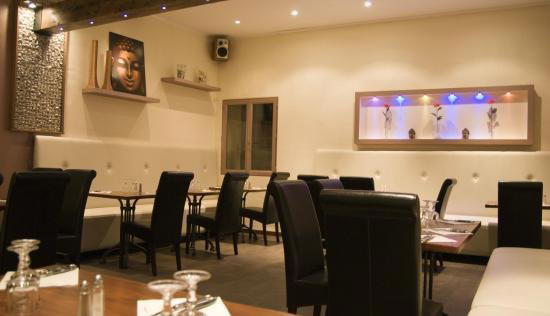
Wood panelled interior with cozy cute decor and covered terrace open year-round creating a warm friendly atmosphere.