Nobu Monte Carlo brings the Japanese-Peruvian framework that defined a generation of luxury dining to one of Europe's most concentrated fine-dining addresses. Positioned on Avenue des Spélugues in the heart of Monte Carlo, it operates within a competitive set that includes Michelin-starred institutions and international marquee names. For visitors already fluent in the Nobu format, Monaco adds a particular edge: the clientele, the setting, and the stakes are all turned up a notch.
Pearl is the En Primeur Club membership app — saves, bookings, and concierge access live there. Same editors, same standards.
- Address
- 12 Av. des Spélugues, 98000 Monaco
- Phone
- +37797707097
- Website
- fairmont.com
- Directions
- Get directions
 Saves & bookings on Pearl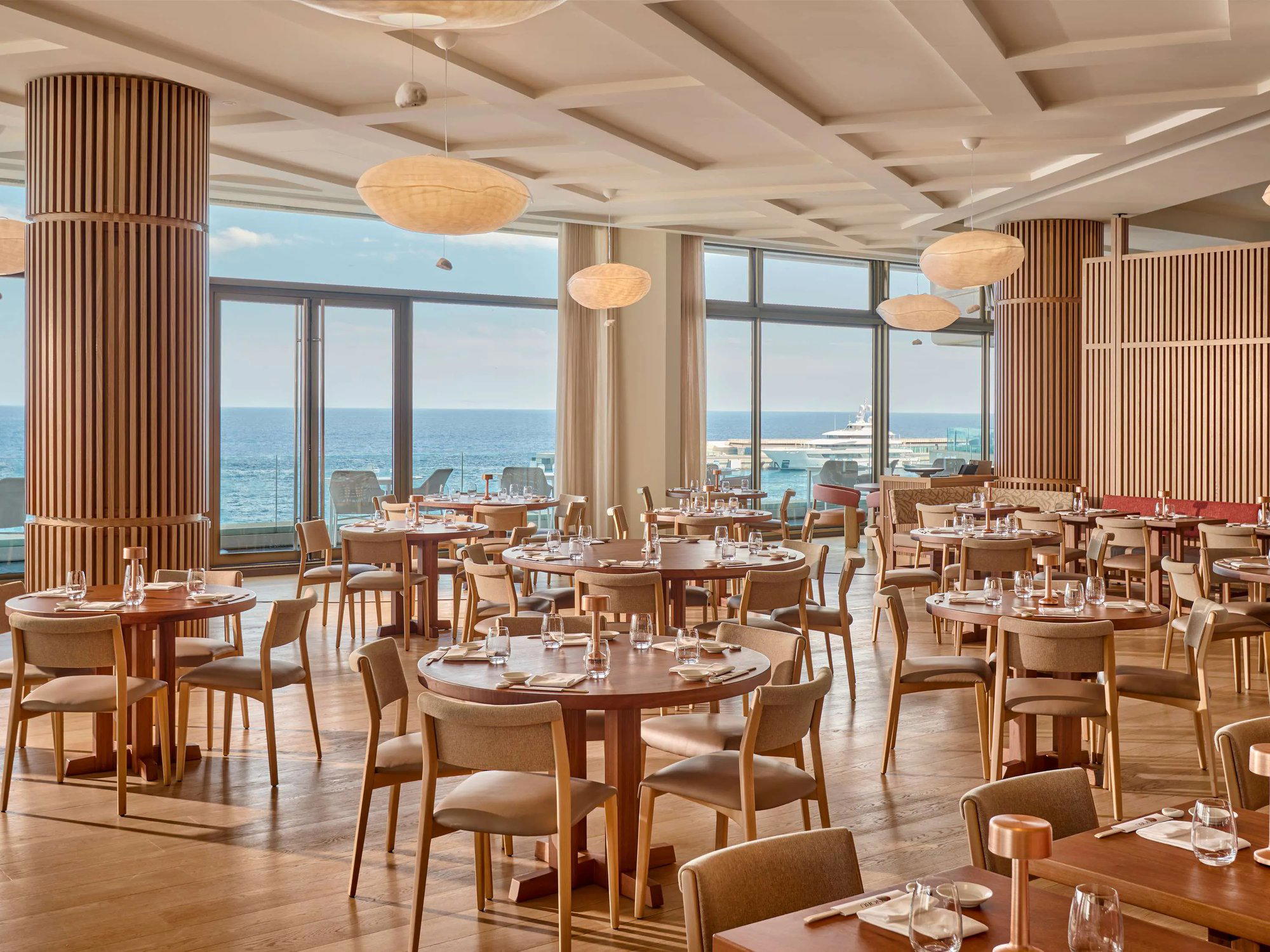
Where the Principality Meets the Pacific Rim
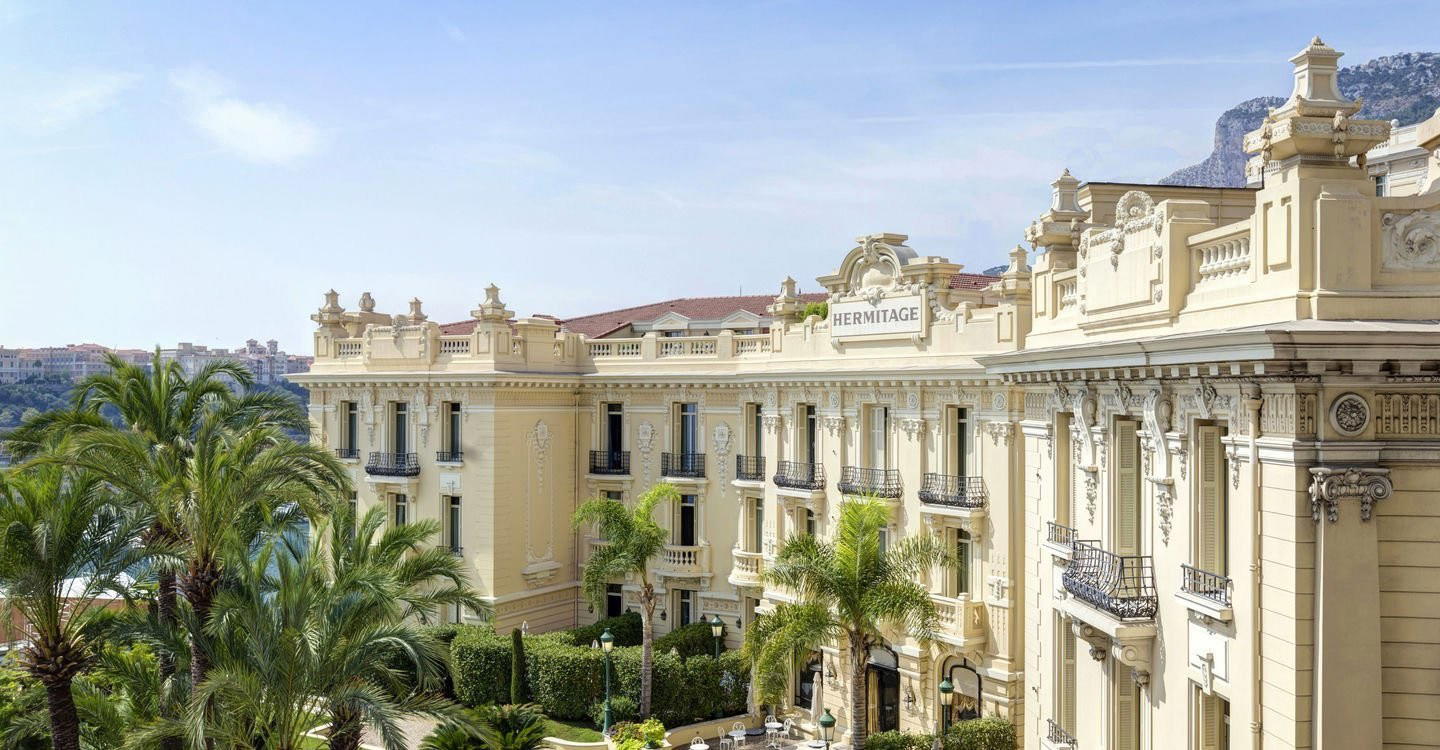
Monte Carlo's dining corridor along Avenue des Spélugues is one of the more concentrated stretches of premium restaurant real estate in Europe. Within a few hundred metres you have Casino Square, the Hôtel de Paris, and a parade of addresses that collectively represent major international dining formats. Nobu Monte Carlo, at number 12, occupies a slot in that corridor that functions as a kind of shorthand for a particular era of global luxury dining: the Japanese-Peruvian idiom that Nobu Matsuhisa developed across decades and continents, now translated into one of the world's most expensive postcodes.
The broader Nobu global network has long operated as a reference point for how a culinary format can scale. Where some international brands dilute over distance, the Nobu model has historically been disciplined about its core technique vocabulary: black cod preparations, tiradito structures, yuzu-led citrus work, and the Nikkei fusion logic that draws Japanese precision into South American ingredient traditions. In Monaco, that vocabulary meets a room and a clientele that expect it to be executed at the same level as the network's most prominent addresses.
The Nikkei Framework and Why Sourcing Is Its Engine
The Nikkei cooking tradition, which emerged from Japanese emigrant communities in Peru during the late nineteenth and early twentieth centuries, is a story about ingredient adaptation. Japanese cooks working in Peru encountered different fish, different citrus, different chilli varieties, and different agricultural rhythms. The cuisine that developed from that encounter is not fusion in the superficial sense, it is a coherent set of techniques applied to a different larder. That origin matters in a city like Monte Carlo because the Mediterranean larder is itself substantial: local seafood from the Ligurian and Tyrrhenian coasts, nearby Provençal produce, and the full weight of northern Italian and French agricultural traditions within an hour's drive.
How a kitchen in Monaco sources against that backdrop, whether it leans on global supply chains or draws from the regional market more aggressively, determines the experience you get. The principality's position between the French and Italian coasts means there is many high-quality raw material available locally. The more interesting question is how much of it finds its way into a format built around specific Pacific-facing ingredients like yuzu, miso, and Peruvian ají amarillo. That tension between a globally consistent brand identity and the richness of a local market is one of the more productive creative pressures in this kind of operation.
Monaco's Competitive Field in Context
To understand where Nobu Monte Carlo sits, it helps to map the dining territory. Alain Ducasse's Louis XV at the Hôtel de Paris represents Monaco's highest formal register, with three Michelin stars and a menu architecture built around Provençal and Ligurian ingredients at their most refined. Blue Bay brings Caribbean-inflected Mediterranean cooking to the Monte-Carlo Bay Hotel. Beef Bar Monaco serves a different function entirely, anchored in premium meat cuts rather than a tasting-menu logic. La Mongolfiere occupies a quieter, more neighbourhood-facing register.
Nobu Monte Carlo sits between the formal Michelin tier and the social dining tier. It is not competing with Louis XV for the guest who wants a long progression through regional French technique. It is competing with the international marquee addresses that attract a global clientele who arrive already knowing the brand. That audience has specific expectations, and it shapes everything from the room's energy to the menu's risk tolerance.
For comparison, consider how similar Nobu outposts in other high-density luxury markets operate. In Hong Kong, the premium Japanese-influenced dining conversation includes addresses like 8½ Otto e Mezzo Bombana and Amber, which sit in different format categories but represent the same refined expectation. In New York, Le Bernardin and Atomix show how far the fine-dining spectrum extends. Monaco's scale compresses these tiers considerably, which means Nobu operates close to both its peers and its competition.
Practical Considerations for Planning Your Visit
Avenue des Spélugues places the restaurant within easy walking distance of Casino Square and the main hotel cluster. For visitors staying along the Larvotto strip or near Larvotto's dining options, it is a short journey. Those arriving from further afield, from La Turbie in the hills above Monaco, for instance, or from the Condamine neighbourhood near Il Pacchero, will find the principality's compact geography works in their favour. Monaco's taxi and private car services are calibrated for this kind of movement.
Given the clientele profile and the location, booking ahead is the default assumption. Monte Carlo's peak season runs through the summer months, with the Grand Prix period in May representing one compressed demand window of the year. Visitors planning around those dates should treat advance reservations as non-negotiable. Outside peak season, the principality quiets considerably, which changes both the room's energy and the relative ease of securing a table. See our full Monaco restaurants guide for broader seasonal context.
Those interested in the wider Monaco dining picture beyond the international marquee tier should also consider Amici Miei in Fontvieille or La Montgolfière-Henri Geraci in Monaco City for a different register. And for those who want to map Nobu's format against other ambitious international kitchens across different cities, addresses like Lazy Bear in San Francisco, Alinea in Chicago, Emeril's in New Orleans, or Alléno Paris au Pavillon Ledoyen each illustrate a different answer to the question of how a strong culinary identity holds up at scale and under sustained scrutiny.
Comparable Spots, Quickly
Comparable venues nearby, for context on price, style, and recognition.
| Venue | Cuisine | Price | Notes |
|---|---|---|---|
| Nobu Monte CarloThis venue — the venue you are viewing | Japanese-Peruvian Fusion | $$$$ | Not listed |
| Beef Bar Monaco | Modern International Steakhouse | $$$$ | Fontvieille |
| La Montgolfière-Henri Geraci | Monegasque-Mediterranean with Asian Fusion | $$$ | Monaco-Ville |
| Castelroc | Traditional Monegasque & Mediterranean | $$$$ | Monaco-Ville |
| La Mongolfiere | Monegasque Fusion with Asian Influences | $$$ | Monaco-Ville |
| MC by Kodera | Authentic Japanese Sushi | $$$ | La Condamine |
Continue exploring
More in Monaco
Restaurants in Monaco
Browse all →
Bars in Monaco
Browse all →
Hotels in Monaco
Browse all →

At a Glance
- Elegant
- Sophisticated
- Ornate
- Date Night
- Special Occasion
- Business Dinner
- Terrace
- Waterfront
- Hotel Restaurant
- Open Kitchen
- Private Dining
- Sake Program
- Craft Cocktails
- Waterfront
Current opening hours
- Monday
- 6:30–11:30 PM
- Tuesday
- 6:30–11:30 PM
- Wednesday
- 6:30–11:30 PM
- Thursday
- 6:30–11:30 PM
- Friday
- 6:30–11:30 PM
- Saturday
- 6:30–11:30 PM
- Sunday
- 6:30–11:30 PM
Hours can change for holidays and private events. Last verified .
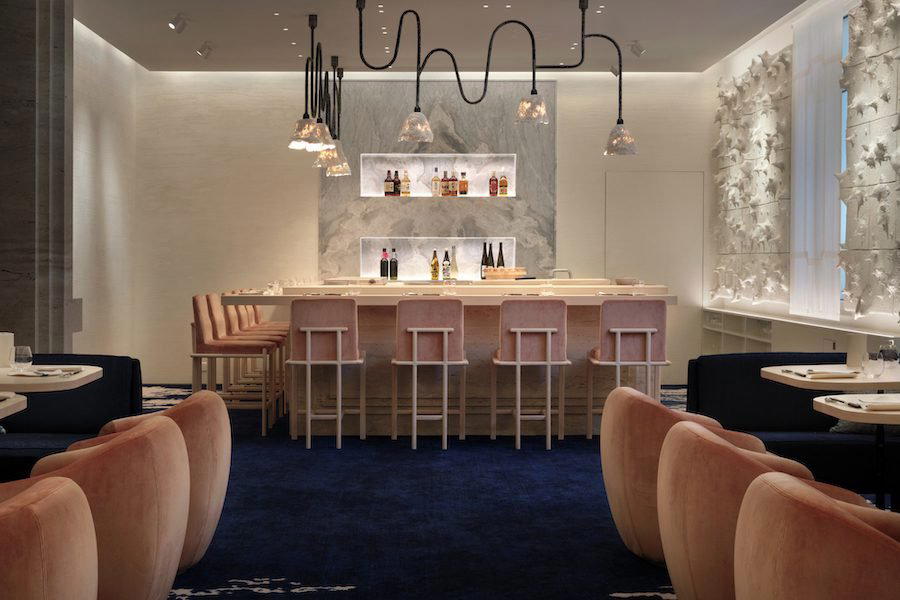
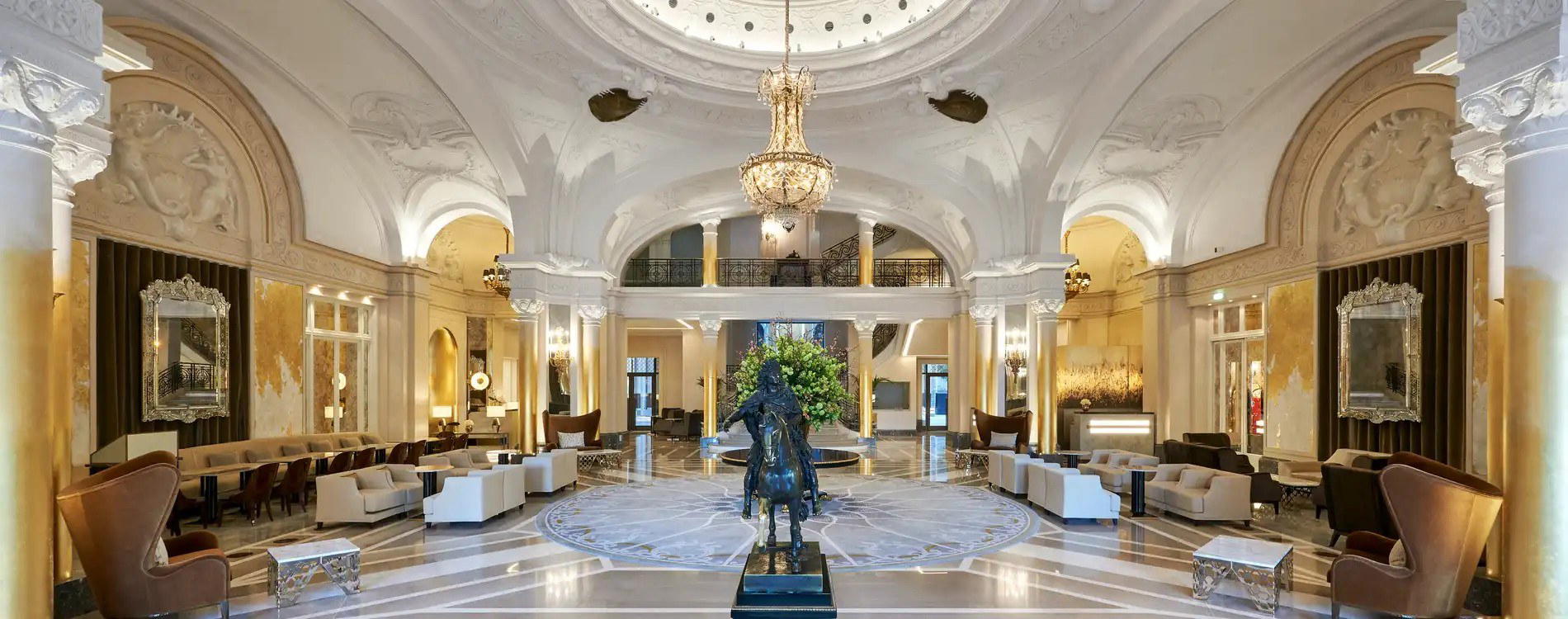
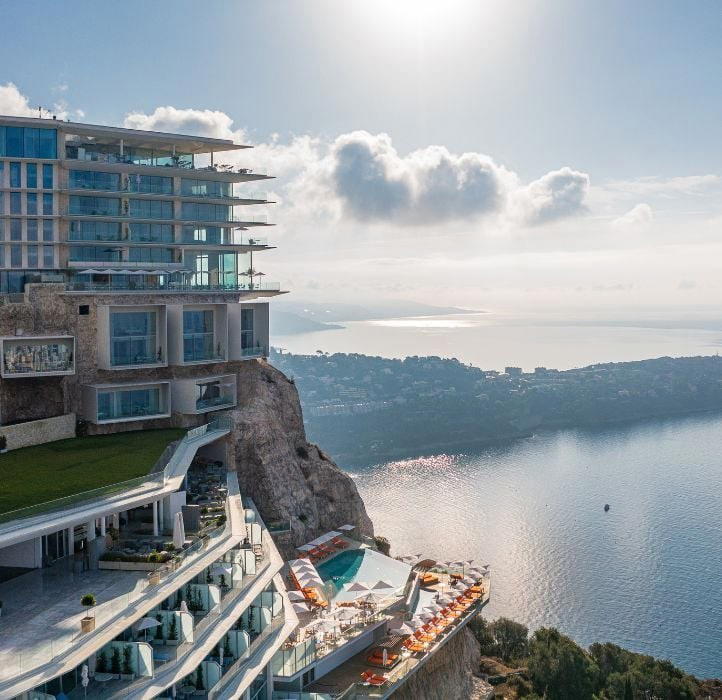
Elegant and refined atmosphere with floor-to-ceiling windows offering sweeping Mediterranean views, blending Scandinavian warmth with Japanese style.