
On a narrow lane in Monaco City's old town, La Montgolfière-Henri Geraci operates at a scale that sets it apart from the principality's grander dining rooms. The cooking draws on regional Provençal and Mediterranean sourcing traditions, placing it firmly in the category of restaurants where the ingredient chain matters as much as the technique. For visitors working through Monaco's dining options, it represents the quieter, more considered end of the spectrum.
Pearl is the En Primeur Club membership app — saves, bookings, and concierge access live there. Same editors, same standards.
- Address
- 16 Rue Basse, 98000 Monaco
- Phone
- +37797986159
- Website
- lamontgolfiere.mc
- Directions
- Get directions
 Saves & bookings on Pearl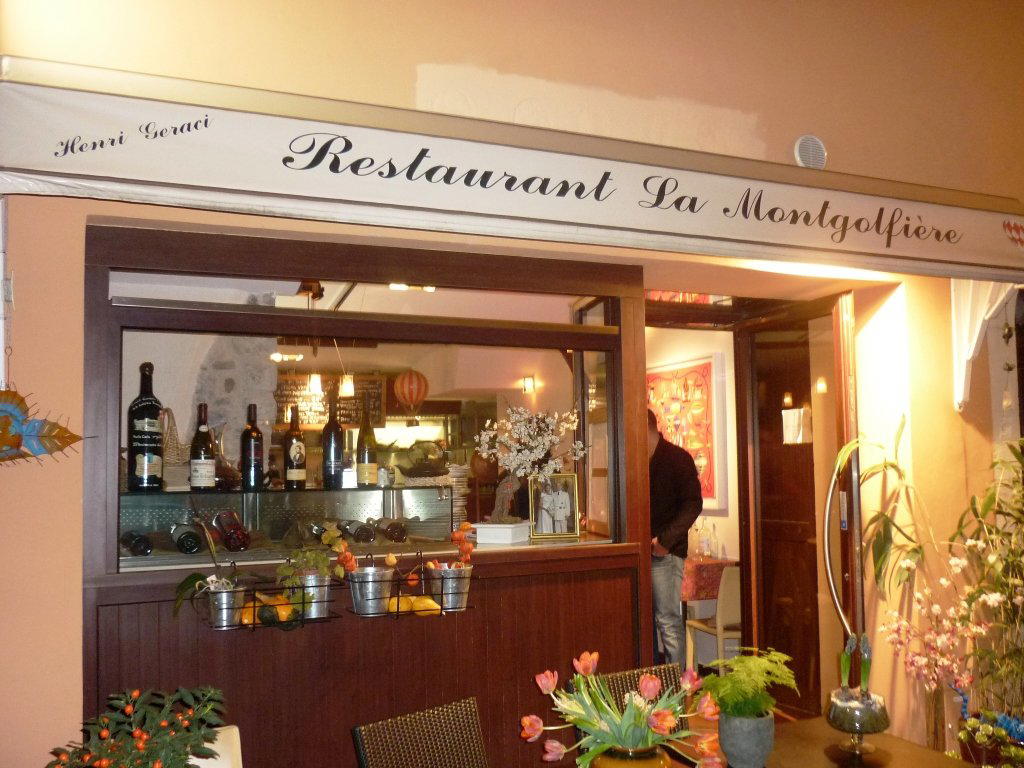
The Old Town as a Dining Argument
Monaco's culinary identity is most legible at its extremes: the grand hotel dining rooms of Monte-Carlo, where Alain Ducasse's Louis XV has set the Provençal fine dining standard for decades, and the compact, neighbourhood-scale restaurants tucked into the medieval lanes of Monaco-Ville. La Montgolfière-Henri Geraci sits firmly in the latter category, on Rue Basse, one of the old town's quieter arteries. That address alone signals something about the intended experience: this is not a restaurant competing on spectacle or on the reflected prestige of a hotel address.
In a principality where restaurant real estate tends to correlate directly with ambition and price point, the choice of Monaco City's historic quarter is a positioning decision. The neighbourhood draws a different crowd from the casino quarter or the port: residents, visitors who have already done the circuit of the marquee addresses, and a certain kind of traveller who treats the old town as the more honest expression of where Monaco actually lives.
Where the Ingredients Come From, and Why That Matters Here
The coastal geography of this stretch of the Riviera has always made ingredient sourcing a structural advantage rather than a marketing posture. Within a short radius, restaurants can access day-boat catch from the fishing ports between Nice and Ventimiglia, market produce from the Cours Saleya in Nice and the Marché de la Condamine in Monaco itself, and the herb-heavy, olive oil-forward pantry of the Ligurian hinterland. These are not abstract provenance claims; they reflect a supply chain that has shaped how kitchens along this coast have cooked for generations.
For a small restaurant like La Montgolfière-Henri Geraci, proximity to that supply chain is a practical reality as much as a culinary philosophy. Smaller operations without central purchasing agreements tend to source more directly, which means the menu is more likely to reflect what is actually available at the market that morning rather than a fixed catalogue. This is the model that has defined honest Mediterranean cooking from Marseille to Genoa: seasonal, market-dependent, and anchored in the specific geography of where the kitchen sits. It places the restaurant in a different conversation from the larger, more programmatic dining rooms at Nobu Monte Carlo or the creative formats at Avenue 31 in Larvotto.
Across the border in the Italian Riviera, this same sourcing logic underpins the cooking at places like Amici Miei in Fontvieille and Il Pacchero in Condamine, where Italian-influenced kitchens along this coast treat the ingredient as the headline and the technique as support. La Montgolfière operates within that same regional tradition, even if the specific Provençal inflection gives it a French rather than Italian character.
Scale, Atmosphere, and What the Room Communicates
Restaurants in Monaco's old town work within physical constraints that the newer districts do not impose: narrow buildings, limited floor space, low ceilings in some cases. These are not disadvantages. The intimacy they produce is something that larger, purpose-built dining rooms spend considerable effort trying to manufacture. A small room on a medieval lane communicates something before the first course arrives: that the operation is not built around volume, that the table count is limited, and that the experience will have a different tempo from a hotel restaurant serving three hundred covers a night.
The atmosphere at addresses like this one tends to be driven more by the room's character and the rhythm of service than by designed theatrical elements. This contrasts sharply with the approach at Monaco's most formally staged dining experiences, and it also differs from the neighbourhood casual format found at Castelroc, which occupies a different position in the old town's dining ecosystem. La Montgolfière sits somewhere between those registers: more considered than a simple local bistro, less theatrical than the principality's formal fine dining tier.
The Wider Context: Monaco's Mid-Tier Dining Gap
Monaco has a well-documented concentration of dining at the extreme end of the price and prestige spectrum. The Michelin-starred rooms, the hotel restaurants, and the celebrity chef addresses absorb a disproportionate share of the city-state's dining discourse. What receives less attention is the set of smaller, independently operated restaurants that serve a more quotidian function: places where the cooking is serious without being ceremonial, and where the sourcing reflects the region rather than a global luxury pantry.
This gap is visible in comparison cities. In Paris, the equivalent tier is well-mapped and well-trafficked; in Lyon, it is the backbone of the city's dining reputation. On the Riviera, the format appears more naturally in Nice and in the villages of the Var than in Monaco itself, where property costs and the economics of the principality push restaurants toward either the high-margin fine dining model or the high-volume tourist trade. Restaurants like La Montgolfière-Henri Geraci occupy the space between those poles, and that positioning is increasingly relevant as travellers look for alternatives to the established marquee circuit.
That is a less glamorous story to tell, but it is often the more durable one.
Planning Your Visit
Rue Basse is accessible on foot from the Place du Palais and the surrounding old town, and the address at number 16 places it within the quieter, residential stretch of Monaco-Ville rather than on the main tourist thoroughfare. Contact the restaurant ahead of any visit, particularly on weekend evenings and during the Monaco Grand Prix period in May. The old town's compact layout makes La Montgolfière easy to combine with other Monaco City stops before or after the meal.
Fast Comparison
Comparable venues nearby, for context on price, style, and recognition.
| Venue | Cuisine | Price | Notes |
|---|---|---|---|
| La Montgolfière-Henri GeraciThis venue — the venue you are viewing | Monegasque-Mediterranean with Asian Fusion | $$$ | Not listed |
| Castelroc | Traditional Monegasque & Mediterranean | $$$$ | Monaco-Ville |
| Nobu Monte Carlo | Japanese-Peruvian Fusion | $$$$ | Monte-Carlo |
| Beef Bar Monaco | Modern International Steakhouse | $$$$ | Fontvieille |
| La Mongolfiere | Monegasque Fusion with Asian Influences | $$$ | Monaco-Ville |
| Neptun Monaco Beach | Mediterranean Coastal | $$$ | Larvotto |
Recognition history
Dated appearances from independent guides and award organizations, with the underlying list record or original source where available.
Star Wine List
Star Wine List
Continue exploring
More in Monaco
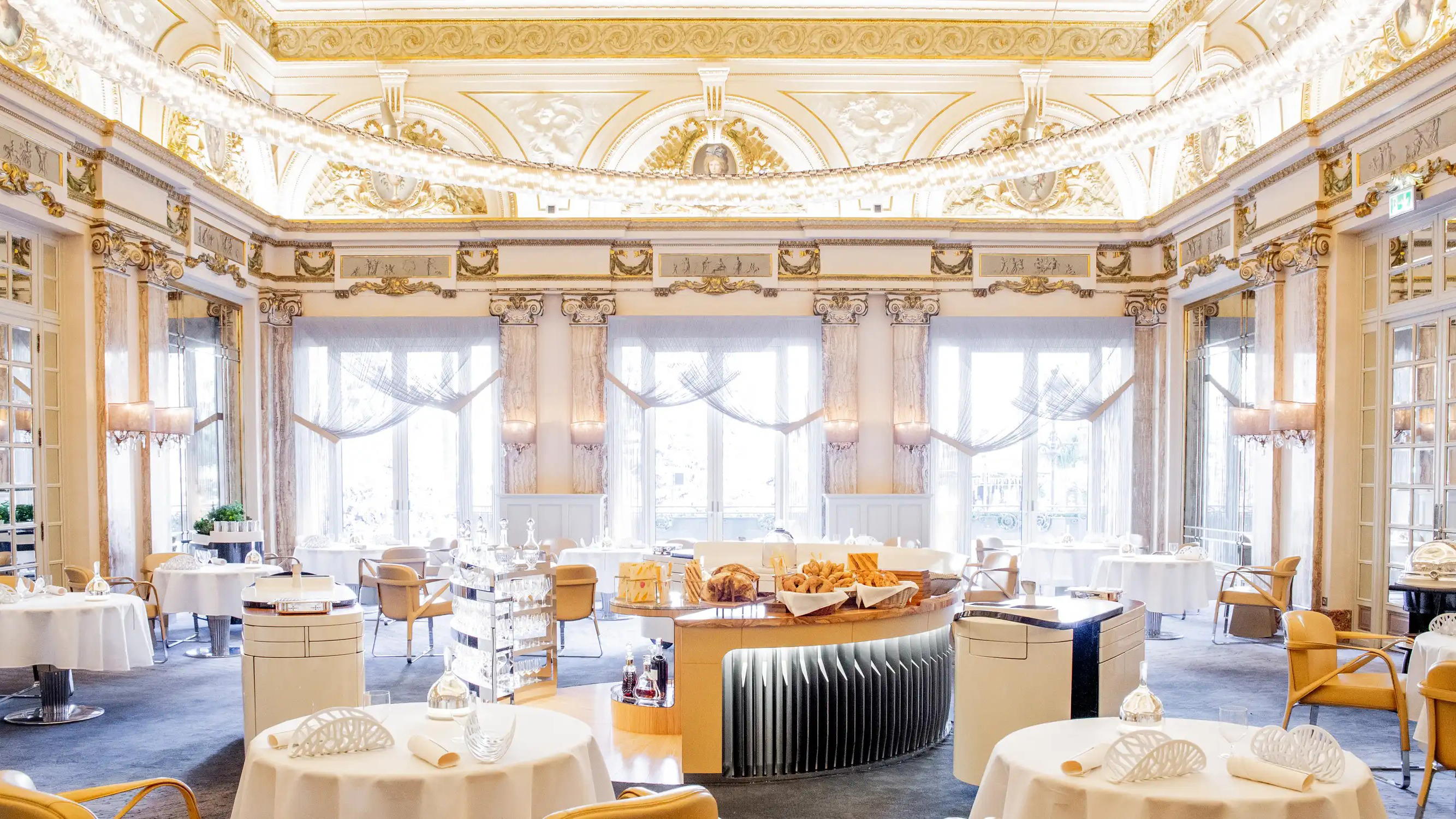
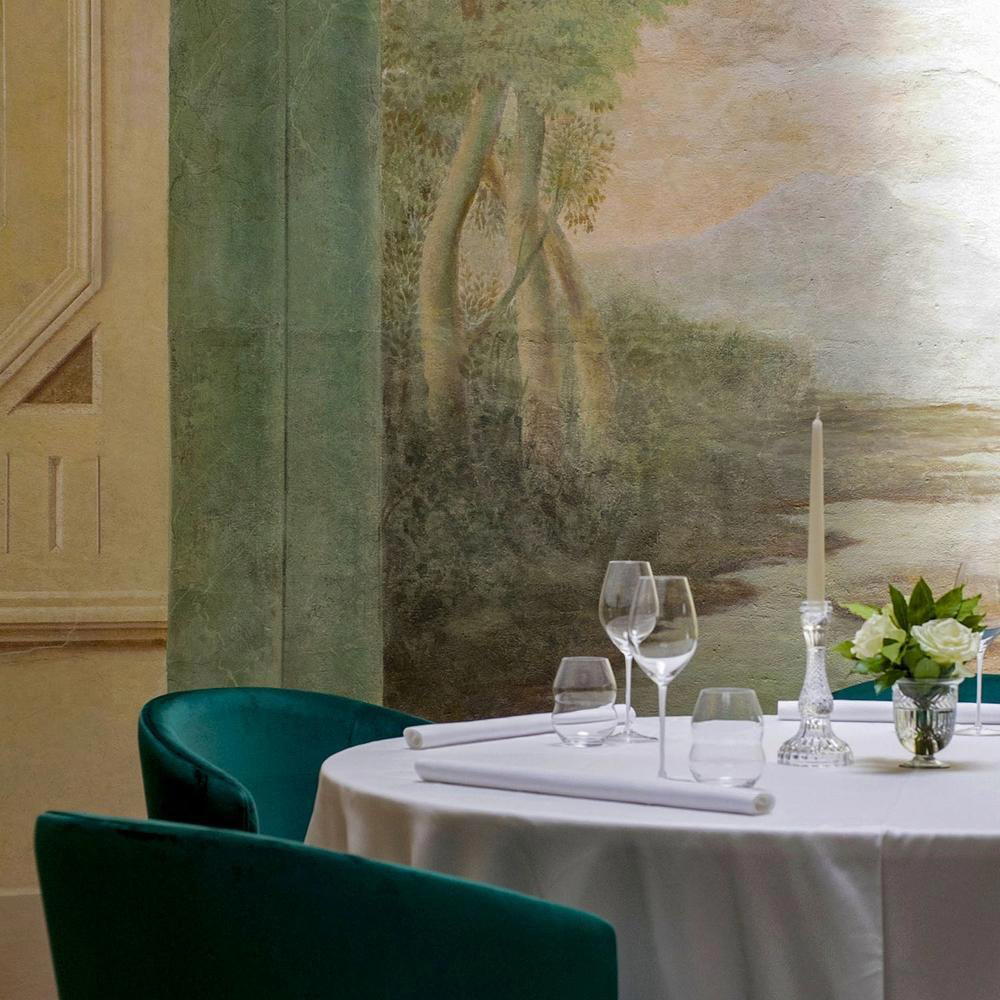
Restaurants in Monaco
Browse all →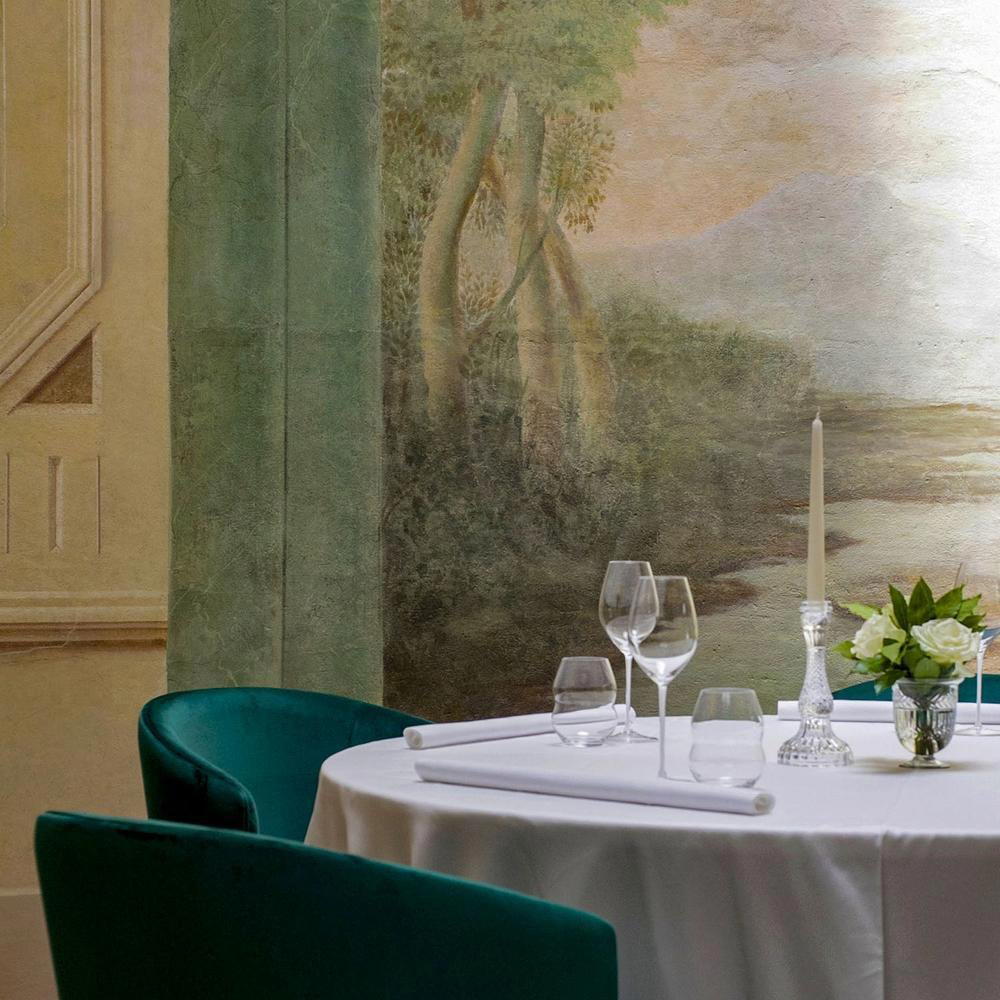
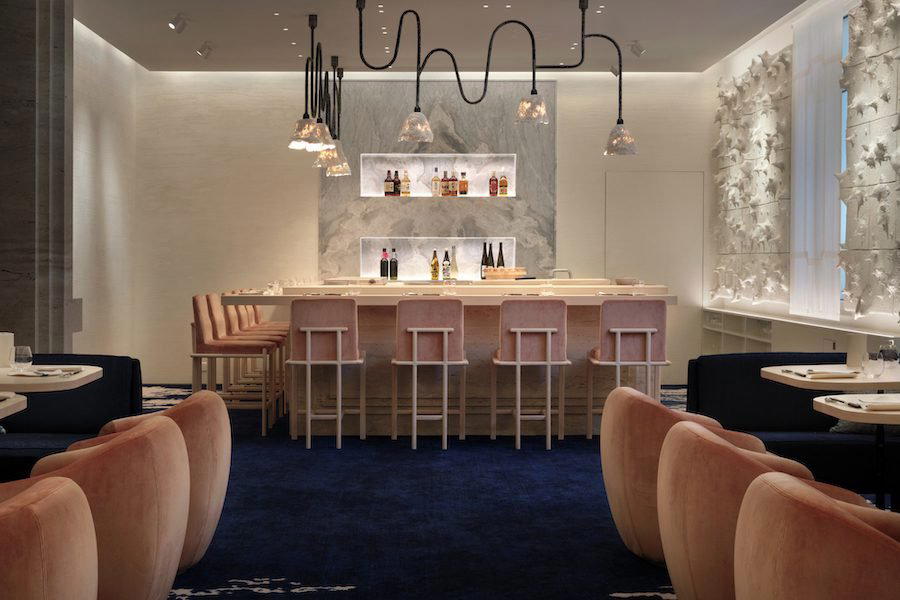
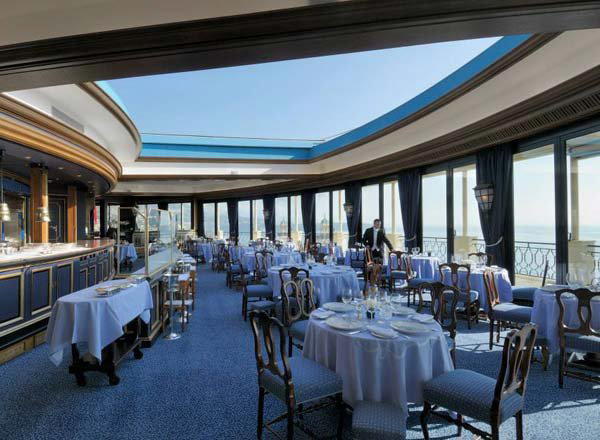
Bars in Monaco
Browse all →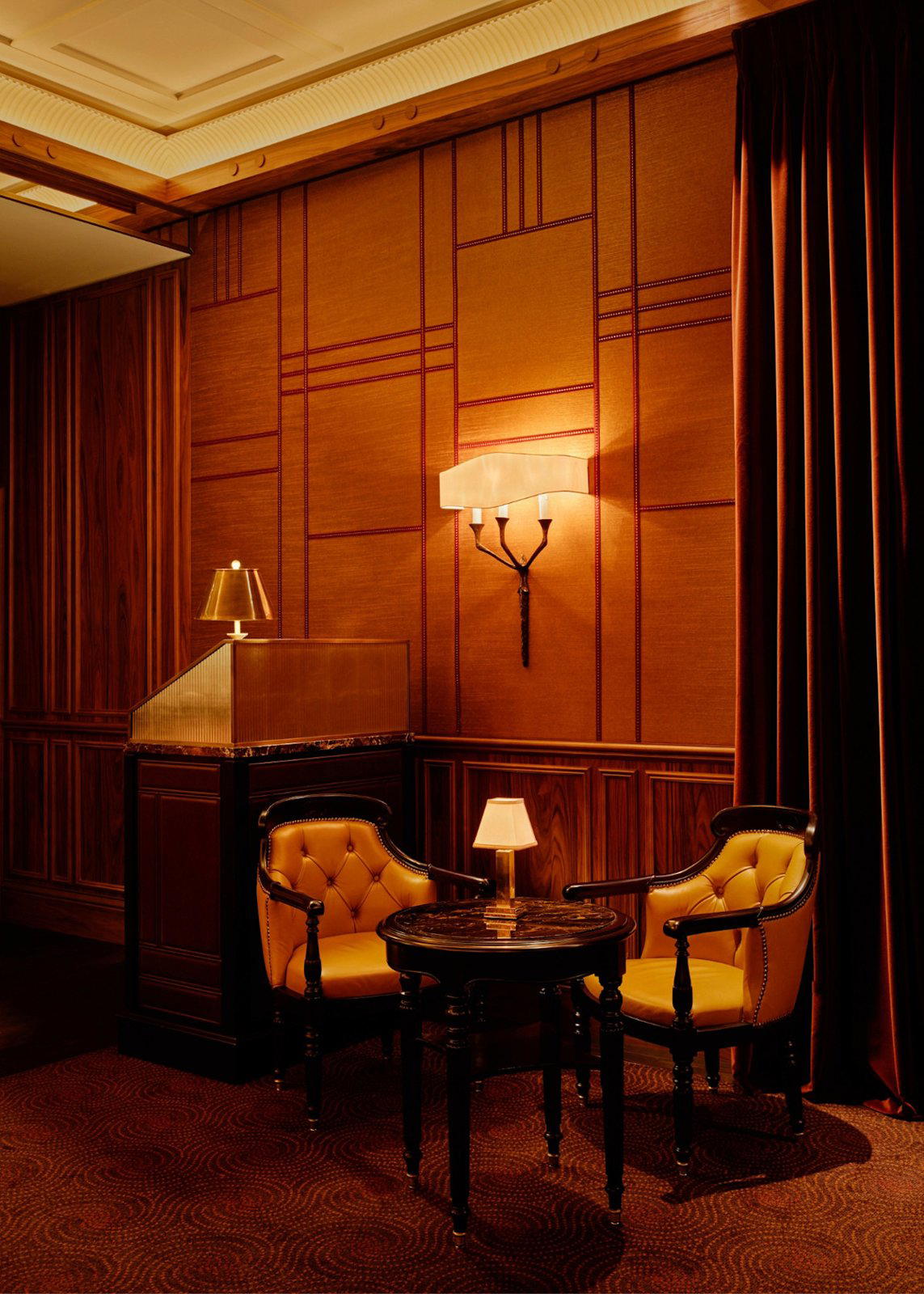
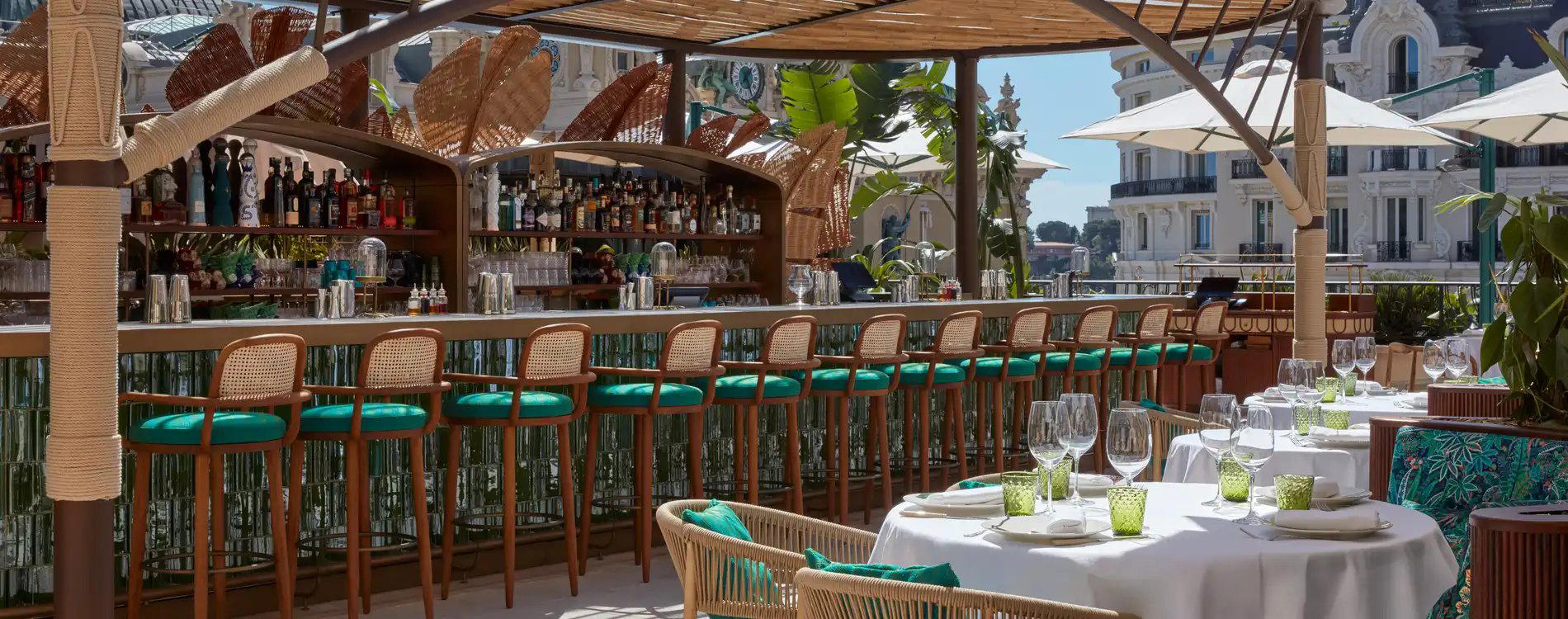
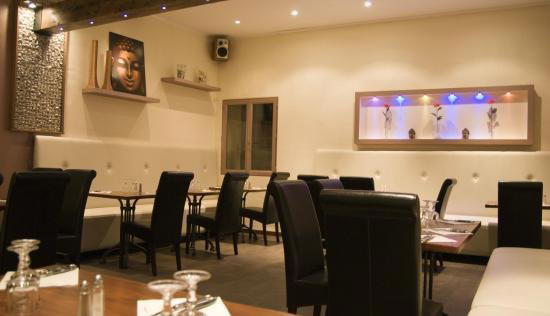
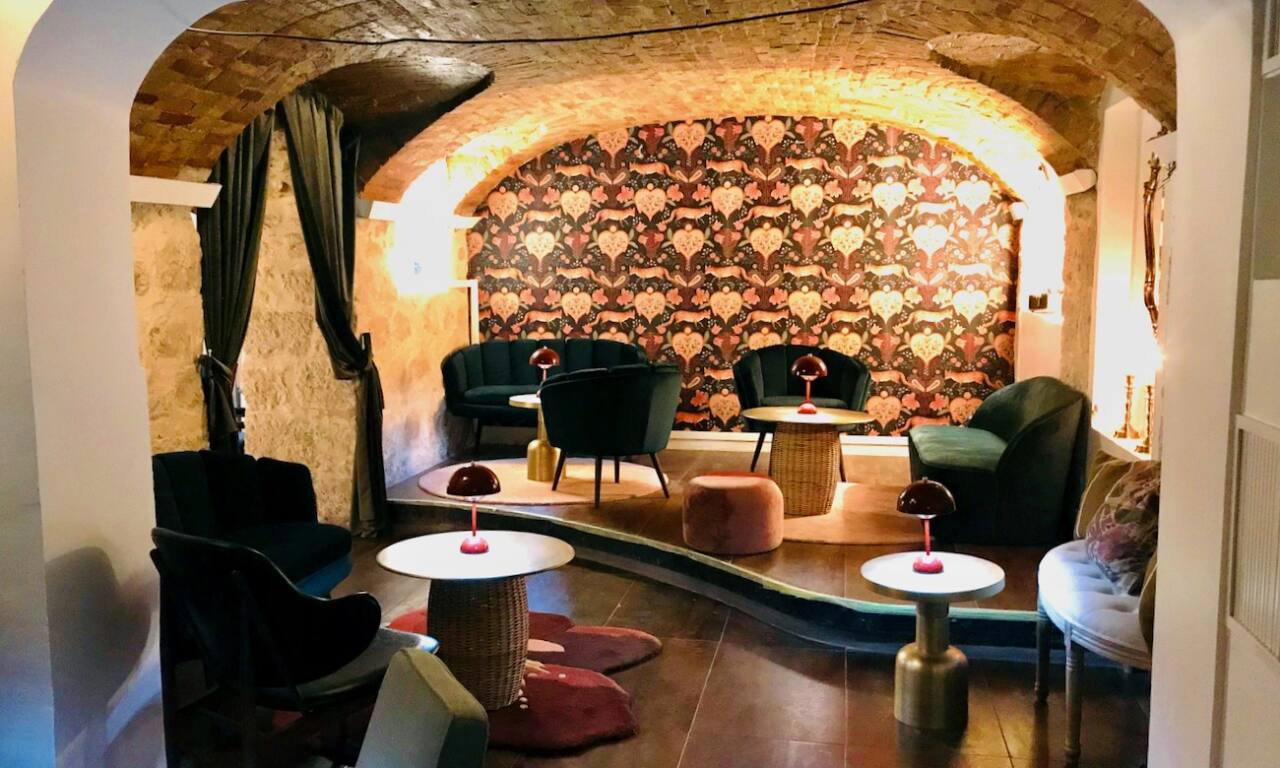
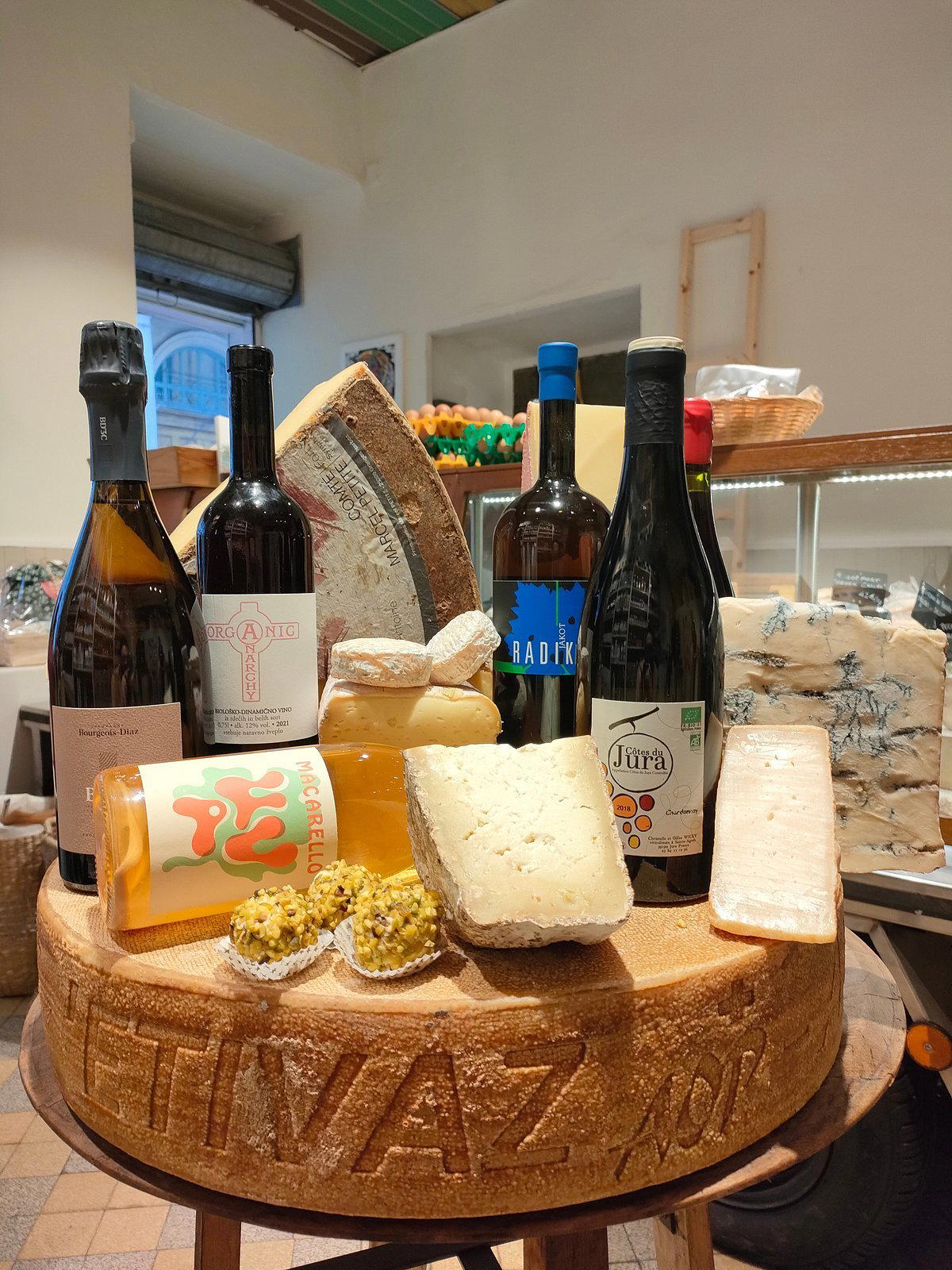
Hotels in Monaco
Browse all →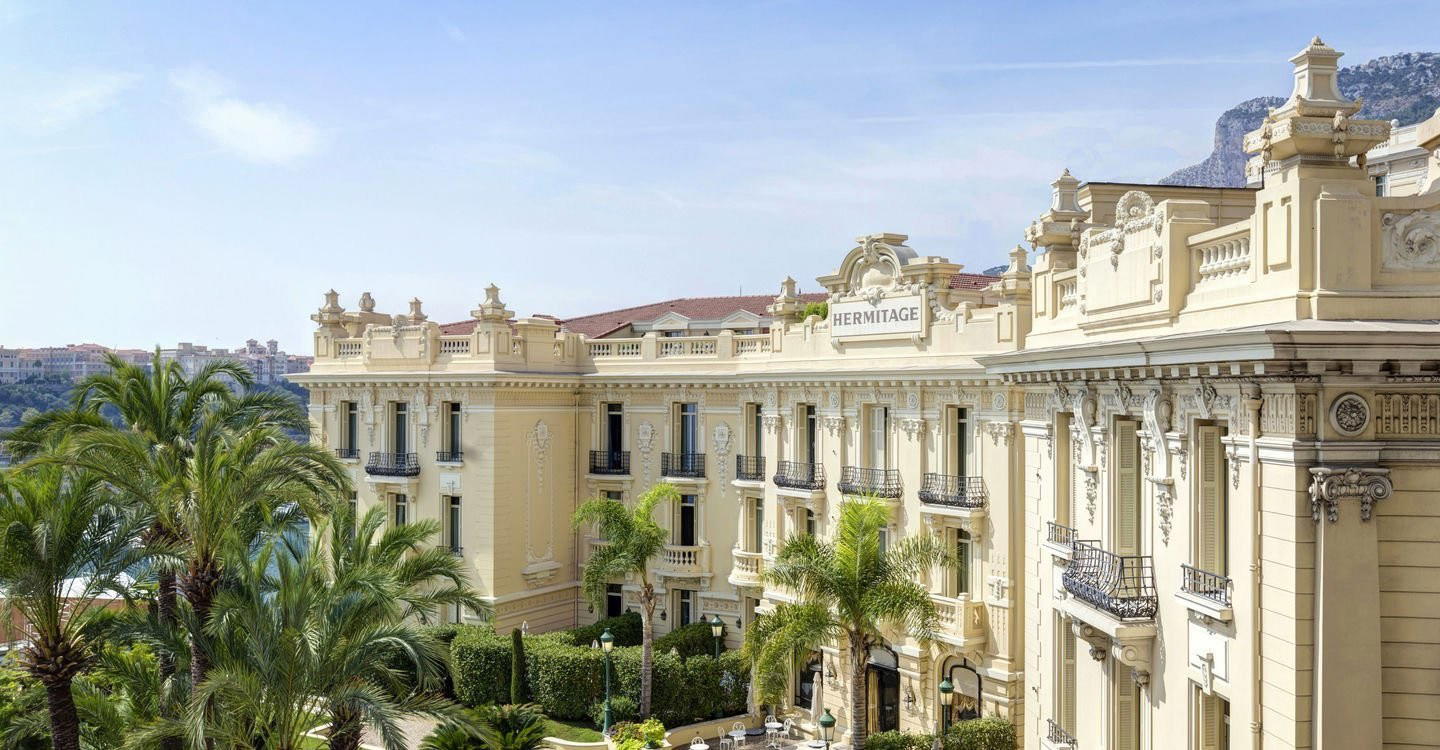

At a Glance
- Intimate
- Cozy
- Classic
- Date Night
- Special Occasion
- Historic Building
- Extensive Wine List
- Local Sourcing
- Street Scene
Current opening hours
- Monday
- 12–1:30 PM, 7:30–9 PM
- Tuesday
- 12–1:30 PM, 7:30–9 PM
- Wednesday
- Closed
- Thursday
- 12–1:30 PM, 7:30–9 PM
- Friday
- 12–1:30 PM, 7:30–9 PM
- Saturday
- 12–1:30 PM, 7:30–9 PM
- Sunday
- Closed
Hours can change for holidays and private events. Last verified .
Intimate and charming old-world atmosphere in a quaint pedestrian street setting near the Prince’s Palace.