Maya Mia
Maya Mia occupies a distinct position in Monte Carlo's crowded dining scene, operating from Place de la Crémaillère in a principality where the gap between neighbourhood trattoria and three-Michelin-star palace dining is often vast. Where Monaco's flagship rooms lean into ceremony and grand gestures, Maya Mia reads as something closer in register to the city's quieter residential rhythms, worth understanding before you book.
Pearl is the En Primeur Club membership app — saves, bookings, and concierge access live there. Same editors, same standards.
- Address
- 1 Pl. de la Crémaillère, 98000 Monaco
- Phone
- +37792052030
- Website
- mayamia.mc
- Directions
- Get directions
 Saves & bookings on Pearl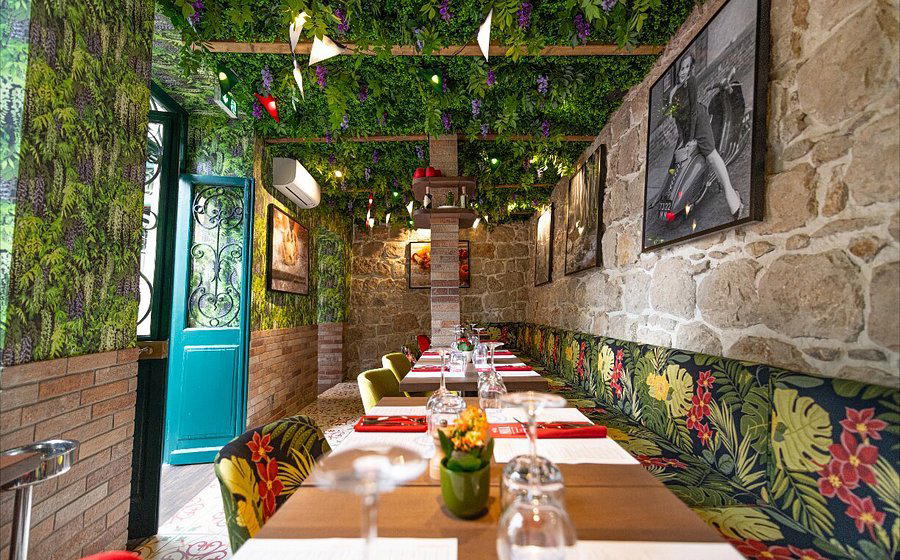
The Physical Container: What Place de la Crémaillère Sets Up
Monaco's dining scene sorts itself geographically in ways that matter. The casino-adjacent quarter runs on spectacle, voluminous rooms, livried staff, tableside theatre calibrated for visitors who arrive expecting the principality to perform. Move away from that axis and the addresses become smaller, more neighbourhood in character, less dependent on the surrounding grandeur to carry the experience. Place de la Crémaillère sits in that second register. It is not a square built for tourism; it functions more as a civic hinge, and the venues that occupy it tend to pitch to residents as much as to the high-season visitor circuit.
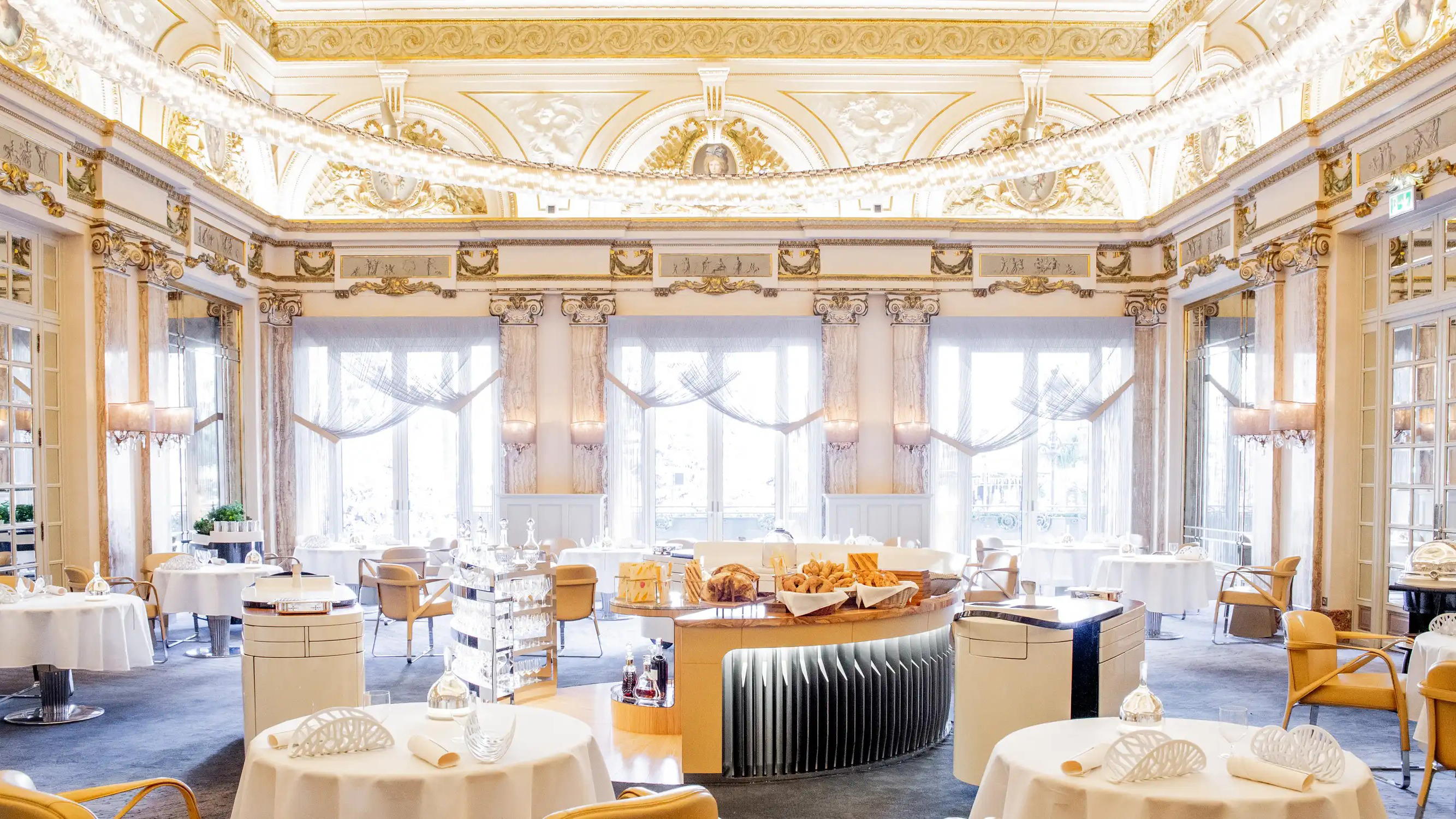
That physical context shapes everything about how Maya Mia is read before you have even sat down. Monaco is a city where interior design frequently signals ambition, Alain Ducasse's Louis XV at the Hôtel de Paris operates from a gilded Belle Époque dining room that is essentially an argument about French civilisation rendered in gold leaf. Blue Bay Marcel Ravin at the Monte-Carlo Bay Hotel uses a lagoon-facing room to situate its Caribbean-inflected creative cooking in something closer to resort luxury. The design choices are not decorative afterthoughts; they determine the ceiling on what kind of cooking and service register is legible in each space.
How the Space Positions the Experience
Among Monaco's smaller, less institutionalised addresses, the physical format of a room tends to allow for a different kind of attention, the kind that works when a table of four can sustain a conversation without competing against the acoustics of a grand hall, or when the lighting does not need to accommodate a photographer's backdrop. This is the competitive logic that venues at the quieter end of Monte Carlo's scene operate within, and it is distinct from the logic governing the palace restaurants.
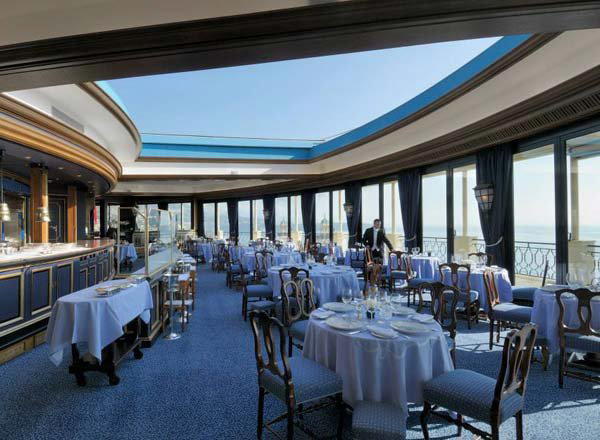
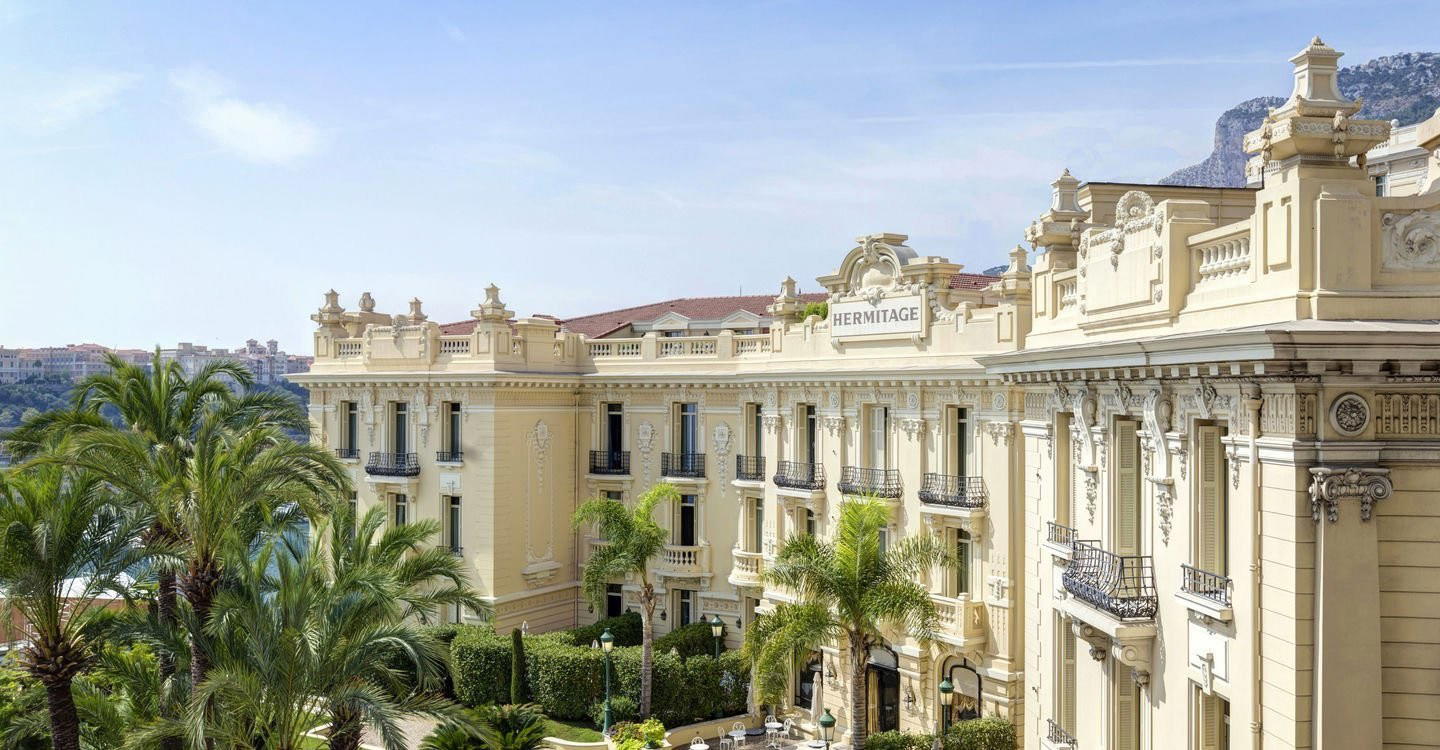
For comparison: Les Ambassadeurs by Christophe Cussac at the Hôtel Hermitage operates from a historic Salle Empire with a glass ceiling that was classified as a historical monument, the room itself is part of the editorial. L'Abysse Monte-Carlo deploys a counter format that creates an entirely different spatial grammar, one oriented around the chef's workspace rather than the guest's tablescape. Each of these is a formal argument made in built form about what kind of dining should happen inside it.
Maya Mia's address on Place de la Crémaillère places it outside the casino quarter's gravitational pull, which in Monaco means something specific: it does not need to justify itself against the backdrop of the Société des Bains de Mer empire, and it does not carry the overhead, financial or theatrical, that comes with operating inside one of the palace hotels. That independence is either an advantage or a constraint depending on what you are looking for.
Where Maya Mia Sits in Monaco's Neighbourhood Dining Pattern
Monaco's micro-geography rewards attention. Fontvieille, the principality's industrial and artisan quarter, has produced restaurants like Amici Miei that operate with a neighbourhood Italian logic entirely separate from the glamour of the central districts. Monaco City, built on the rock above the port, has addresses like La Montgolfière-Henri Geraci that serve a local clientele for whom the palace quarter is simply another part of the principality. Larvotto, the coastal residential strip, has venues like Avenue 31 pitched at beachside leisure rather than grand occasion dining.
The Condamine quarter, which includes the port area and the market, has its own personality: Il Pacchero operates there as a Neapolitan pizzeria that draws a regular local following. This distribution matters because it tells you that Monaco's dining identity is not monolithic, and that the choice of where to eat is also a choice about which version of the principality you want to inhabit for the evening.
Place de la Crémaillère occupies space between these poles, not quite the residential neighbourhood of Fontvieille or Monaco City, not quite the casino-adjacent prestige zone. That intermediate position is where the restaurant sits in the competitive map.
Planning a Visit: Practical Orientation
For visitors who have already worked through Monte Carlo's flagship rooms, or who arrive with a deliberate preference for something outside the palace-hotel circuit, venues like Maya Mia represent a different register of the principality's dining offer. La Table d'Antonio Salvatore au Rampoldi provides a reference point for how an independent Italian address can hold its own in Monaco's premium tier; Nobu Monte Carlo demonstrates that international brand formats can operate credibly in this market. The restaurant's positioning outside those established categories means it is best approached with some flexibility in expectation.
Visitors arriving from further afield with broad comparative frames, whether from Le Bernardin in New York, Atomix, or venues with the design-forward ambition of Alinea in Chicago, will find Monte Carlo's independent scene smaller and less codified than major metropolitan markets. That is partly the function of scale: Monaco's residential population is around 38,000, which means the local regular-diner base for any restaurant is narrow, and venues depend more heavily on the visitor economy than their counterparts in Paris or London. The trade-off is a dining scene that rarely produces the kind of deep independent restaurant culture those larger cities sustain, but does offer consistent quality at the leading end backed by serious hotel and palace infrastructure. For the full picture of what is available across the principality,
For those extending the Riviera itinerary into the surrounding hills, Hostellerie Jerome in La Turbie sits above Monaco with Michelin recognition and a different altitude-influenced character. The cross-regional comparisons are worth making: the cooking intelligence that circulates between Monaco, Nice, and the Var produces a culinary tradition, Provençal technique, Mediterranean produce, Ligurian influence across the border, that is best understood through multiple addresses rather than any single one.
The Short List
Comparable venues nearby, for context on price, style, and recognition.
| Venue | Cuisine | Price | Notes |
|---|---|---|---|
| Maya MiaThis venue — the venue you are viewing | Monte Carlo, Authentic Italian Trattoria | $$ | Not listed |
| Il Terrazzino | Not listed | $$$ | Monte-Carlo, Traditional Neapolitan Italian |
| Rampoldi | Not listed | $$$$ | Place du Casino de l'Opéra, Modern Monégasque Fine Dining |
| La Coupole | Dining | Not listed | Not listed |
| Robuchon Monaco | Dining | Not listed | Not listed |
| Le Salon Rose | Not listed | $$$ | Place du Casino, Mediterranean Bistro with Asian Influences |
Continue exploring
More in Monte Carlo
Restaurants in Monte Carlo
Browse all →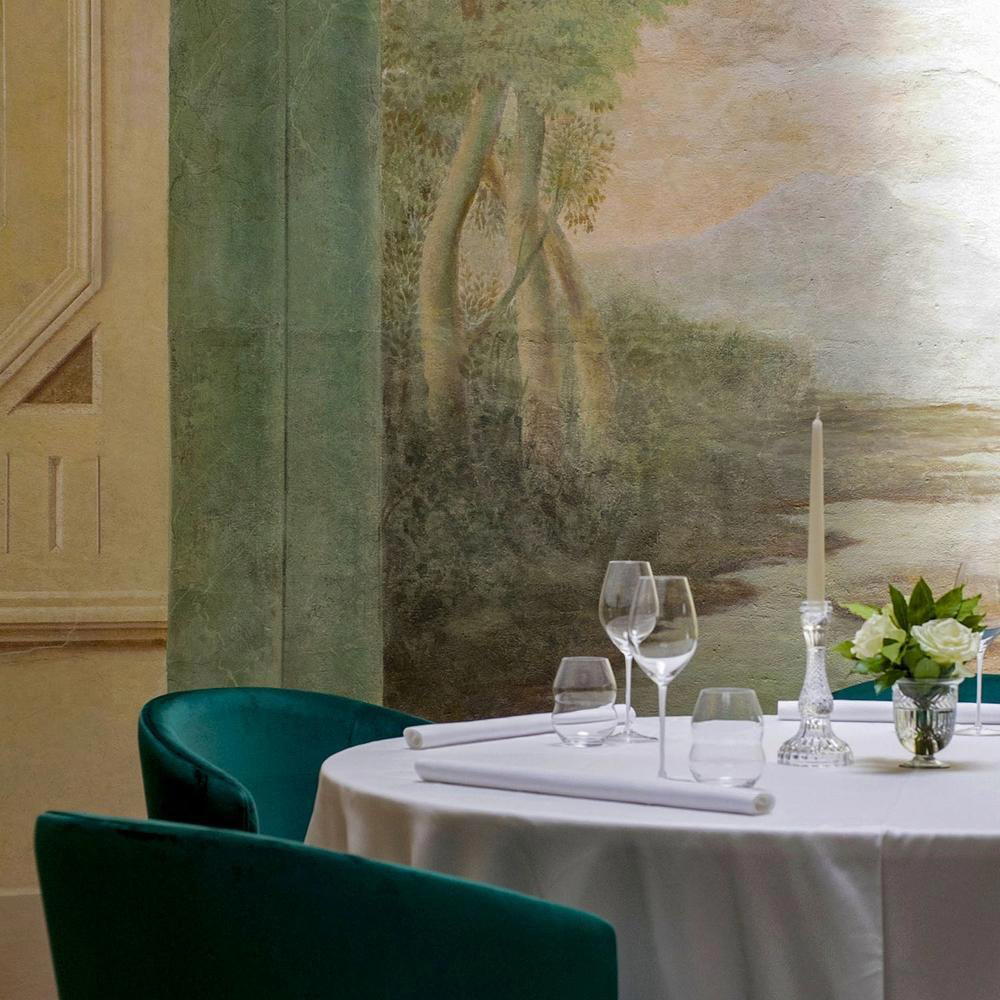
Bars in Monte Carlo
Browse all →
Hotels in Monte Carlo
Browse all →
Wineries in Monte Carlo
Browse all →
At a Glance
- Classic
- Cozy
- Elegant
- Rustic
- Casual Hangout
- Family
- Group Dining
- Standalone
- Beer Program
- Local Sourcing
Current opening hours
- Monday
- 9:30 AM–10:30 PM
- Tuesday
- 9:30 AM–10:30 PM
- Wednesday
- 9:30 AM–10:30 PM
- Thursday
- 9:30 AM–10:30 PM
- Friday
- 9:30 AM–10:30 PM
- Saturday
- 9:30 AM–10:30 PM
- Sunday
- Closed
Hours can change for holidays and private events. Last verified .
Warm, relaxed trattoria atmosphere with colorful décor and convivial tables that evoke traditional Italian dining.