Hostellerie Jerome occupies a quiet corner of La Turbie, the hilltop village that sits above Monaco on the Grande Corniche. The kitchen works in the French-Provençal tradition that defines this stretch of the Côte d'Azur hinterland, and the room's pace and formality place it clearly within the upper register of dining along the French Riviera's inland corridor.
Pearl is the En Primeur Club membership app — saves, bookings, and concierge access live there. Same editors, same standards.
- Address
- Comte de Cessole, La Turbie, Monaco
- Phone
- +31 4 92 41 51 51
- Directions
- Get directions
 Saves & bookings on Pearl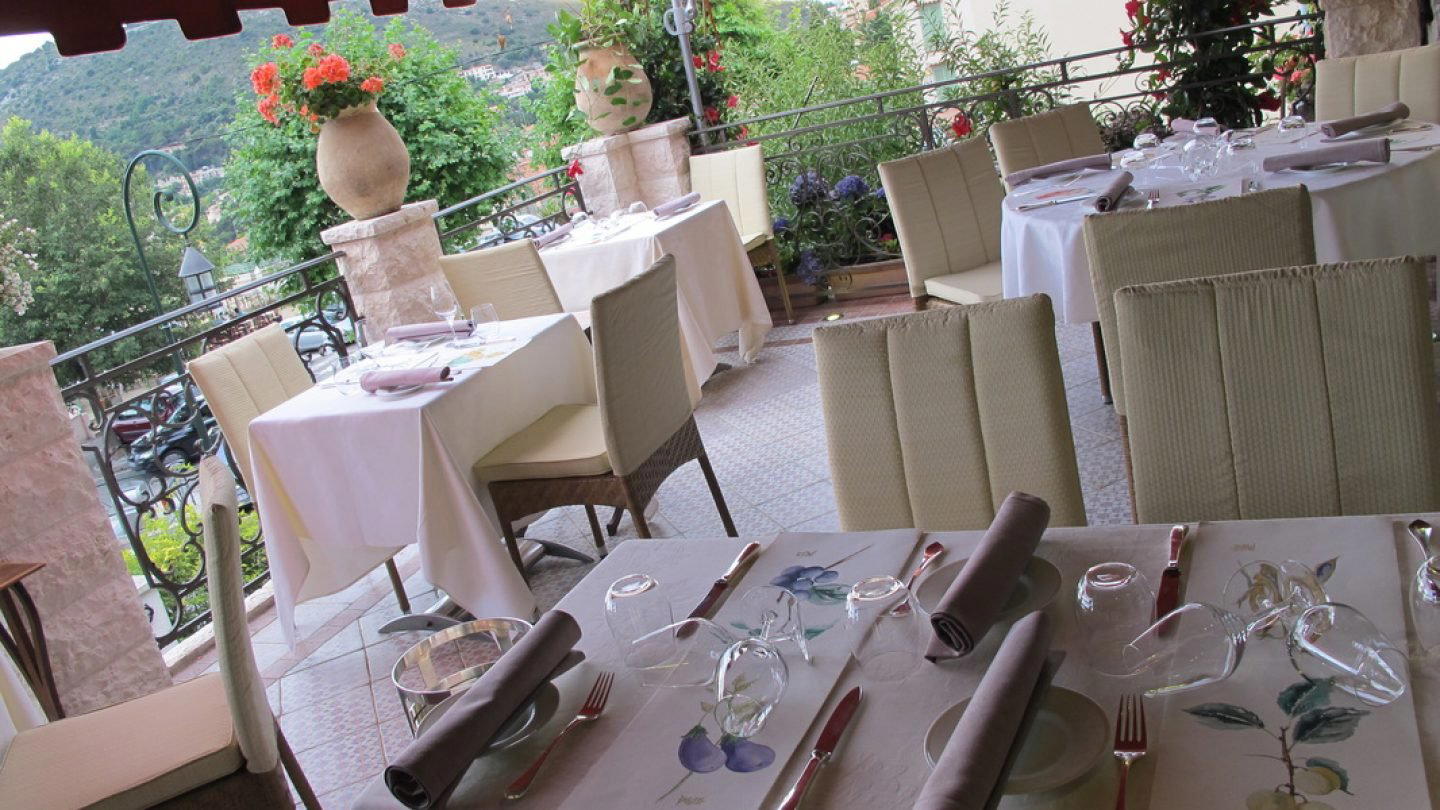
The Village Above the Principality
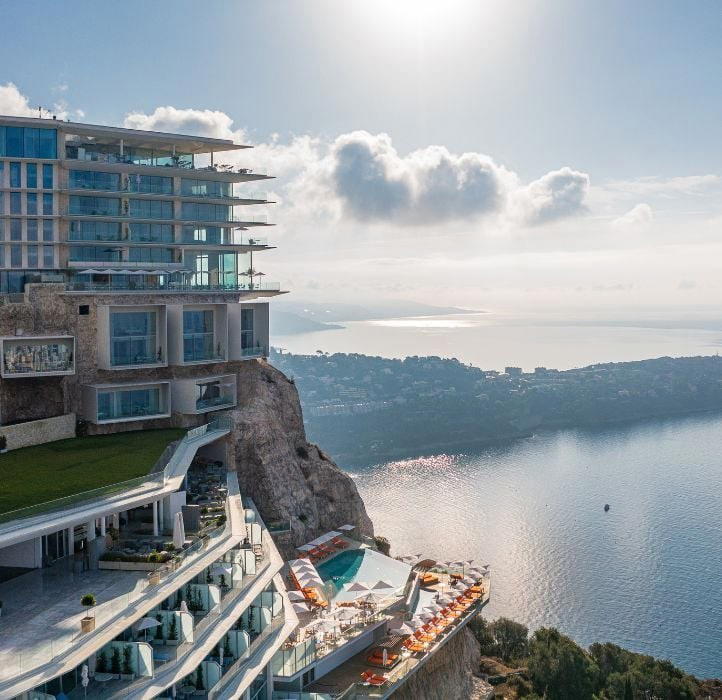
La Turbie sits at roughly 480 metres above sea level on the Grande Corniche, the oldest of the three corniche roads that link Nice to Monaco. From up here, the Principality below reads as a compact geometry of white towers pressed against the Mediterranean. The drive up from Monte Carlo takes under fifteen minutes, but the altitude creates a different register entirely: quieter streets, stone facades, and a dining culture that draws on the Provençal interior rather than the coastal spectacle. This is the context in which Hostellerie Jerome operates.
The upper Riviera hinterland has long supported a tier of formal French-Provençal restaurants that position themselves as counterweights to the grand hotel dining rooms of Monte Carlo. Where Alain Ducasse's Louis XV operates inside the Hotel de Paris with all the ceremony that implies, the hilltop restaurants around La Turbie offer a different kind of formality: smaller rooms, closer connection to local producers, and a meal paced to the rhythms of a village rather than a casino floor.
The Dining Ritual at Hostellerie Jerome
The structure of a serious French-Provençal meal follows a grammar that has changed less in this region than almost anywhere else in contemporary European fine dining. Courses arrive in deliberate sequence. Bread service is attended to. The gap between fish and meat courses is treated as a pause rather than a delay. At Hostellerie Jerome, that grammar is the organizing principle of the experience.
What this means practically is that the meal is long in the way that formal French dining has always been long: not padded with unnecessary courses, but spaced to allow each plate its proper moment. The ritual of such a meal is less about the individual dishes and more about the cumulative effect of sitting in one place, being served with care, and allowing the afternoon or evening to unfold without interruption. For diners accustomed to the compressed tasting menus that now dominate international fine dining, from Atomix in New York to Alinea in Chicago, the pace here can feel almost counter-cultural.
The French-Provençal tradition that shapes the kitchen draws on a larder defined by proximity: olive oil from the Var, herbs from the limestone hills, fish from the nearby Mediterranean coast, lamb from the Provençal interior. This is cooking that locates itself geographically in a way that the more technically abstract fine dining of international city restaurants does not. Venues such as Le Bernardin or 8½ Otto e Mezzo Bombana operate within cosmopolitan frameworks largely detached from the specific soil of their cities. A kitchen in La Turbie has no such ambiguity about where it belongs.
Positioning Within La Turbie's Dining Scene
La Turbie supports a small cluster of serious restaurants, each operating at a distinct register. Café de la Fontaine anchors the Provençal end of the market at a more accessible price point, offering the village bistro experience that functions as a reliable entry into the local food culture. Hostellerie de Plaisance operates at a similar level to the restaurant within the French-Provençal tradition. Between these addresses, the village offers a compact but coherent dining scene, unusual for a settlement of this size.
The restaurant's address on Comte de Cessole places it within the old village core, which concentrates stronger examples from La Turbie's restaurant options within a short walking distance of the Trophée des Alpes, the Roman monument that has defined the village's silhouette for two millennia. The proximity of that monument to the dining room is not incidental: this is a part of France where the density of history is felt rather than curated, and meals here carry the weight of that continuity.
Comparing the comparable set
The French-Provençal fine dining tradition along the Côte d'Azur hinterland operates in a different competitive frame from the destination restaurants that draw international press coverage. This is not the performance-led format of Lazy Bear in San Francisco or the conceptual architecture of Aponiente in El Puerto de Santa María. The reference points are older and more rooted: the Escoffier tradition filtered through the produce of southeastern France, served in a room where the guest is expected to understand the protocol without being guided through it.
That protocol is itself a form of expertise. Knowing when to order the cheese course, how to read a menu structured around the classical sequence, and what a kitchen in this region does with a pistou or a daube is knowledge that the room rewards. Comparable experiences at restaurants like Alléno Paris au Pavillon Ledoyen or Amber in Hong Kong exist within formally defined fine dining frameworks that are well documented. The restaurant belongs to a smaller category: the serious regional French restaurant.
Planning Your Visit
La Turbie is accessible from Monaco by the D53 via the Grande Corniche, and from Nice via the A8 motorway with a short climb on the D2204. Parking in the village is limited but manageable outside summer weekends. For visitors staying in Monaco or along the coast, the drive is part of the appeal: the corniche roads offer particularly dramatic coastal views in southern France, and arriving by car allows for the full sensory shift between the density of the coast and the quiet of the hilltop village.
Given the formality of the dining ritual and the room's size, advance booking is advisable, particularly from May through September when the Riviera corridor is at peak occupancy. The meal is suited to a long evening or a serious weekend lunch rather than a quick stop.
Cuisine and Recognition
Comparable venues nearby, for context on price, style, and recognition.
| Venue | Cuisine | Price | Notes |
|---|---|---|---|
| Hostellerie JeromeThis venue — the venue you are viewing | Modern Mediterranean Fine Dining | $$$$ | Not listed |
| La Môme | Mediterranean Rooftop | $$$$ | Condamine |
| Castelroc | Traditional Monegasque & Mediterranean | $$$$ | Monaco-Ville |
| Le Salon Rose | Mediterranean Bistro with Asian Influences | $$$ | Place du Casino |
| Cipriani | Classic Venetian Italian | $$$$ | Monte-Carlo |
| L'Hirondelle | Healthy Mediterranean | $$$$ | Monte-Carlo |
Continue exploring
More in La Turbie
Restaurants in La Turbie
Browse all →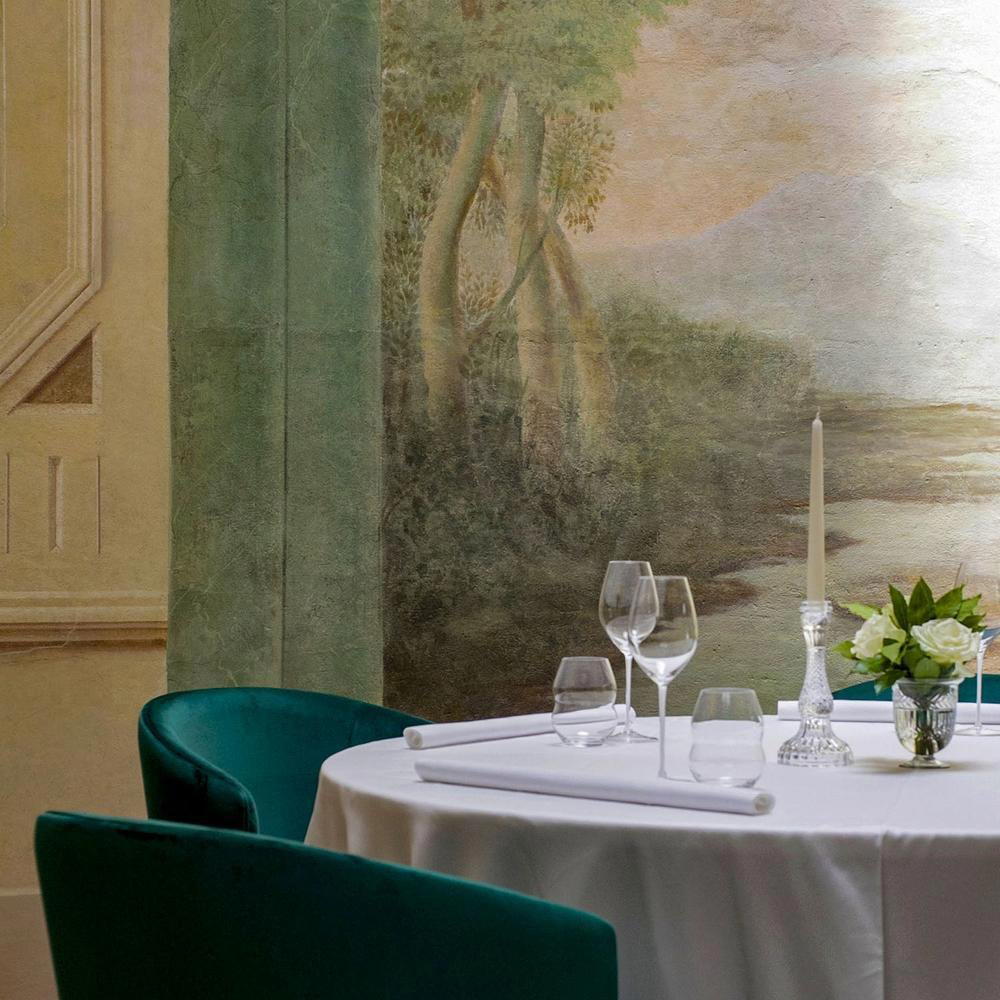
Bars in La Turbie
Browse all →
Hotels in La Turbie
Browse all →

At a Glance
- Intimate
- Cozy
- Elegant
- Classic
- Date Night
- Special Occasion
- Terrace
- Historic Building
- Hotel Restaurant
- Extensive Wine List
- Local Sourcing
- Mountain
- Street Scene
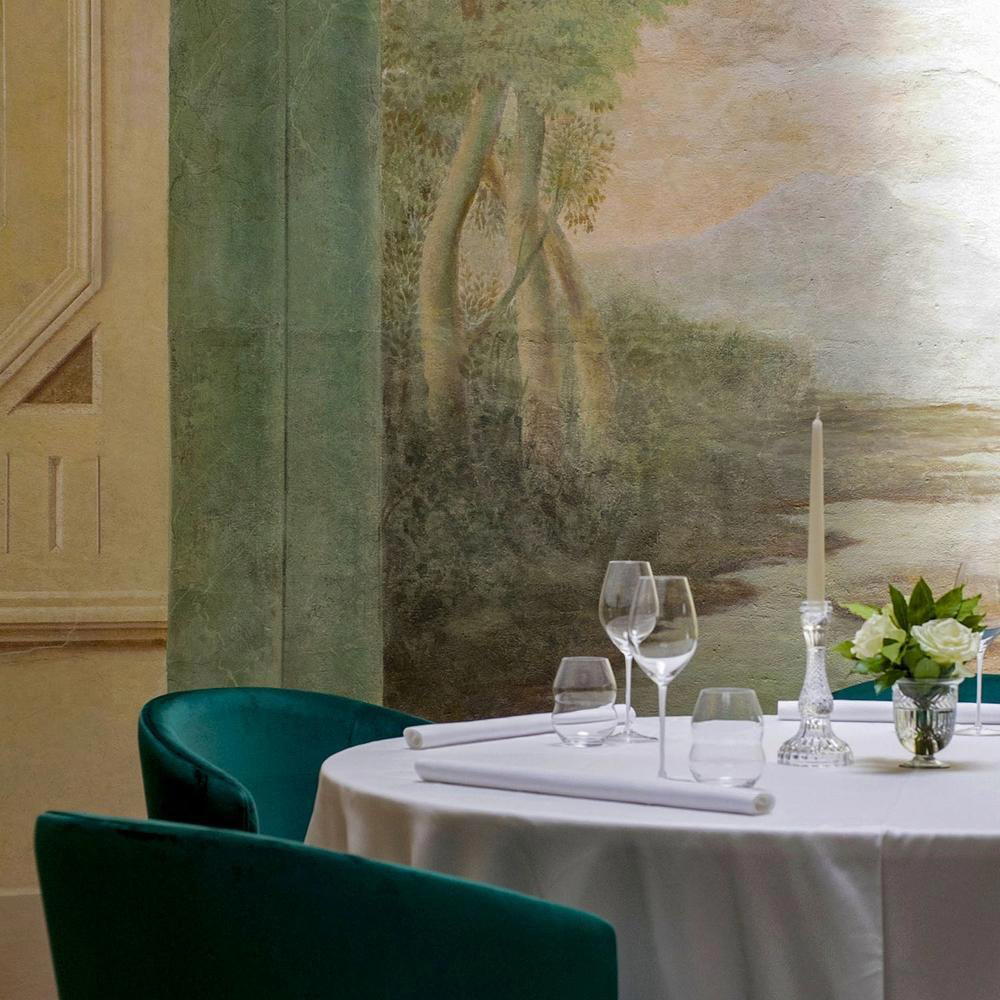
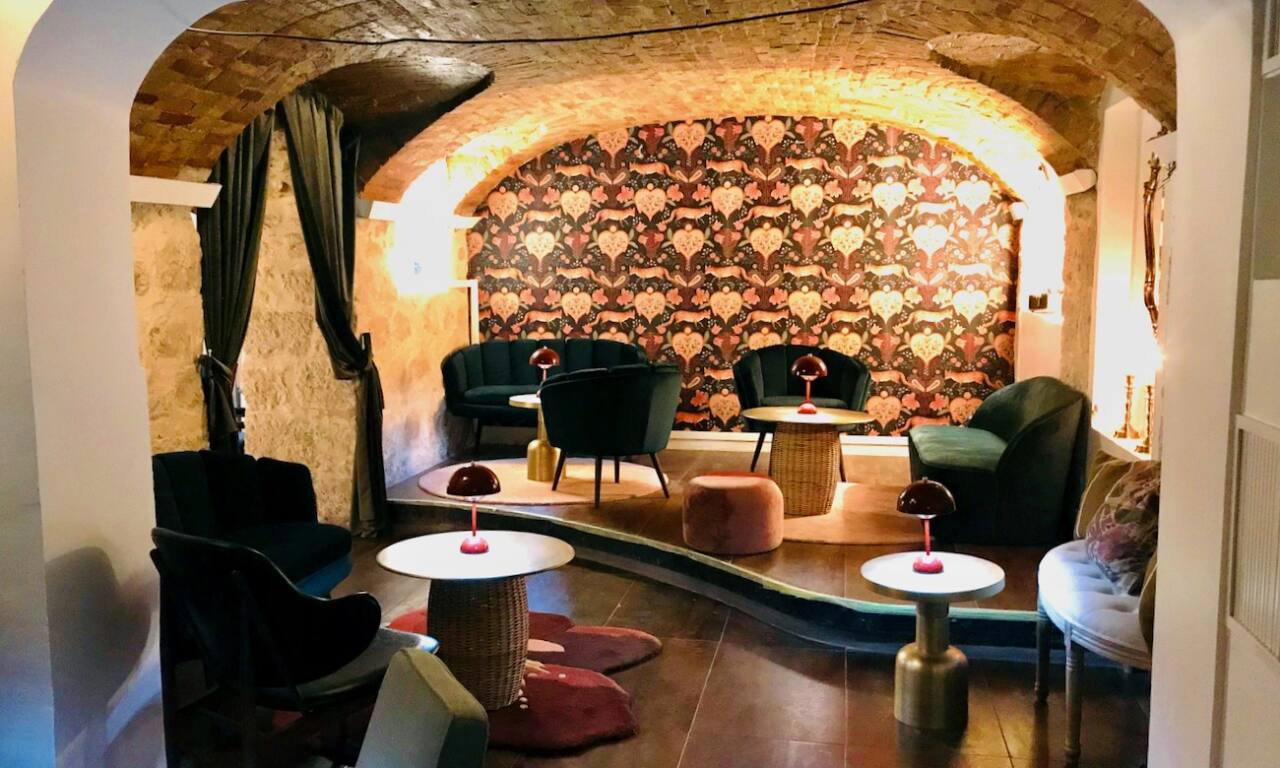
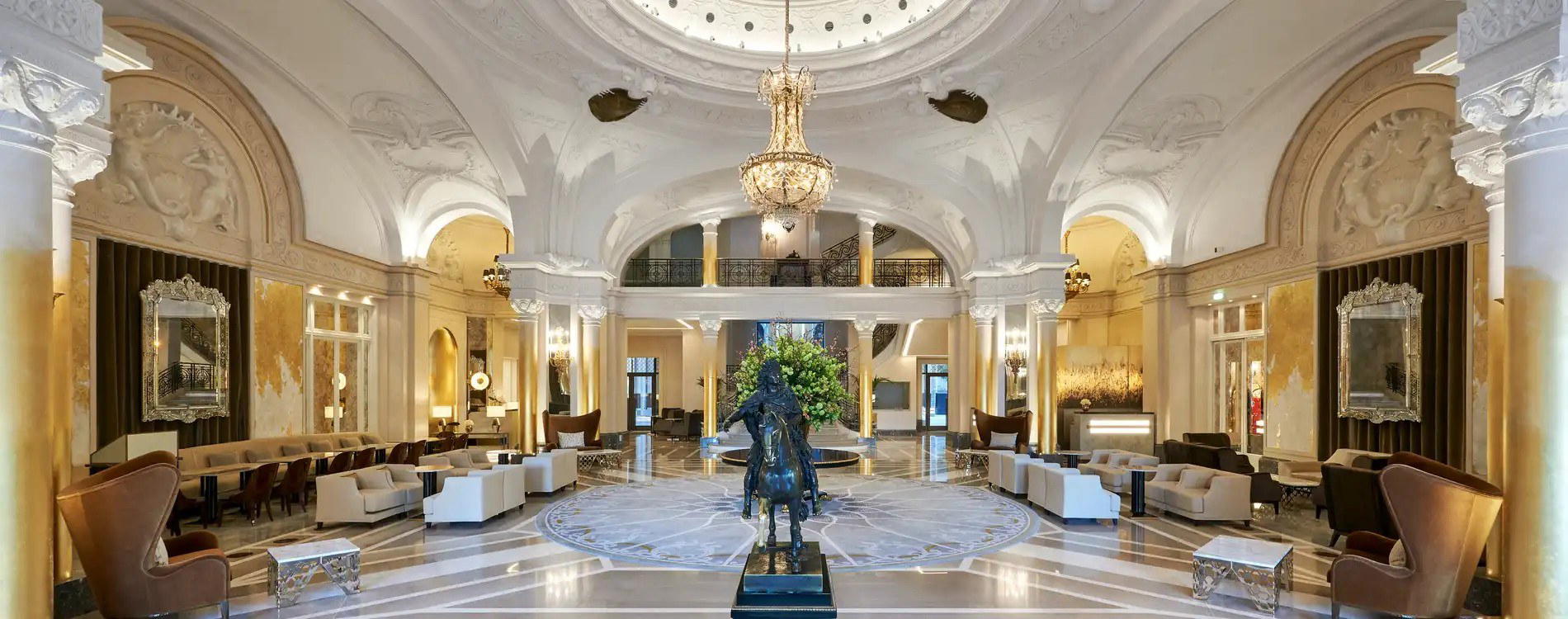
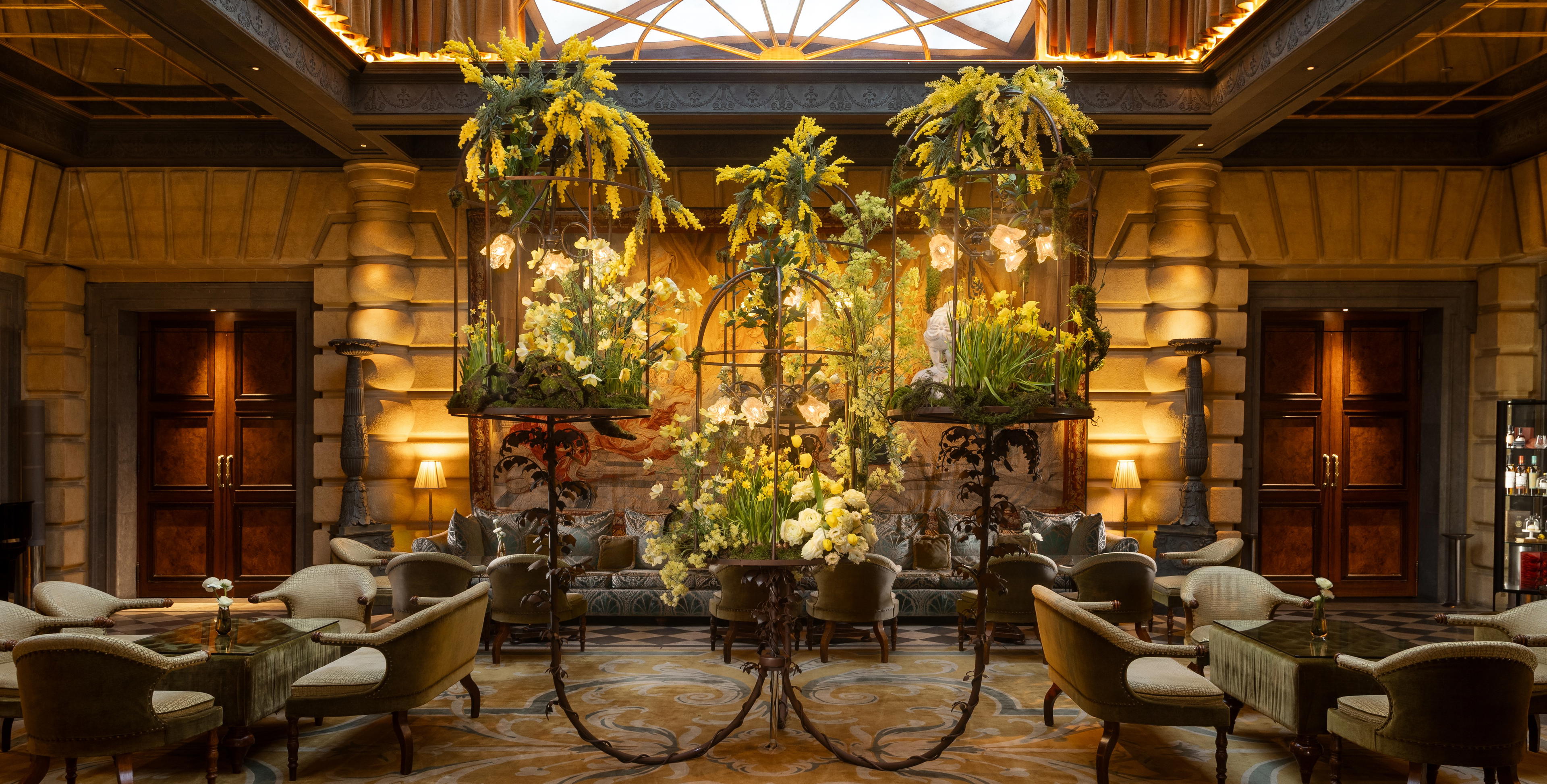
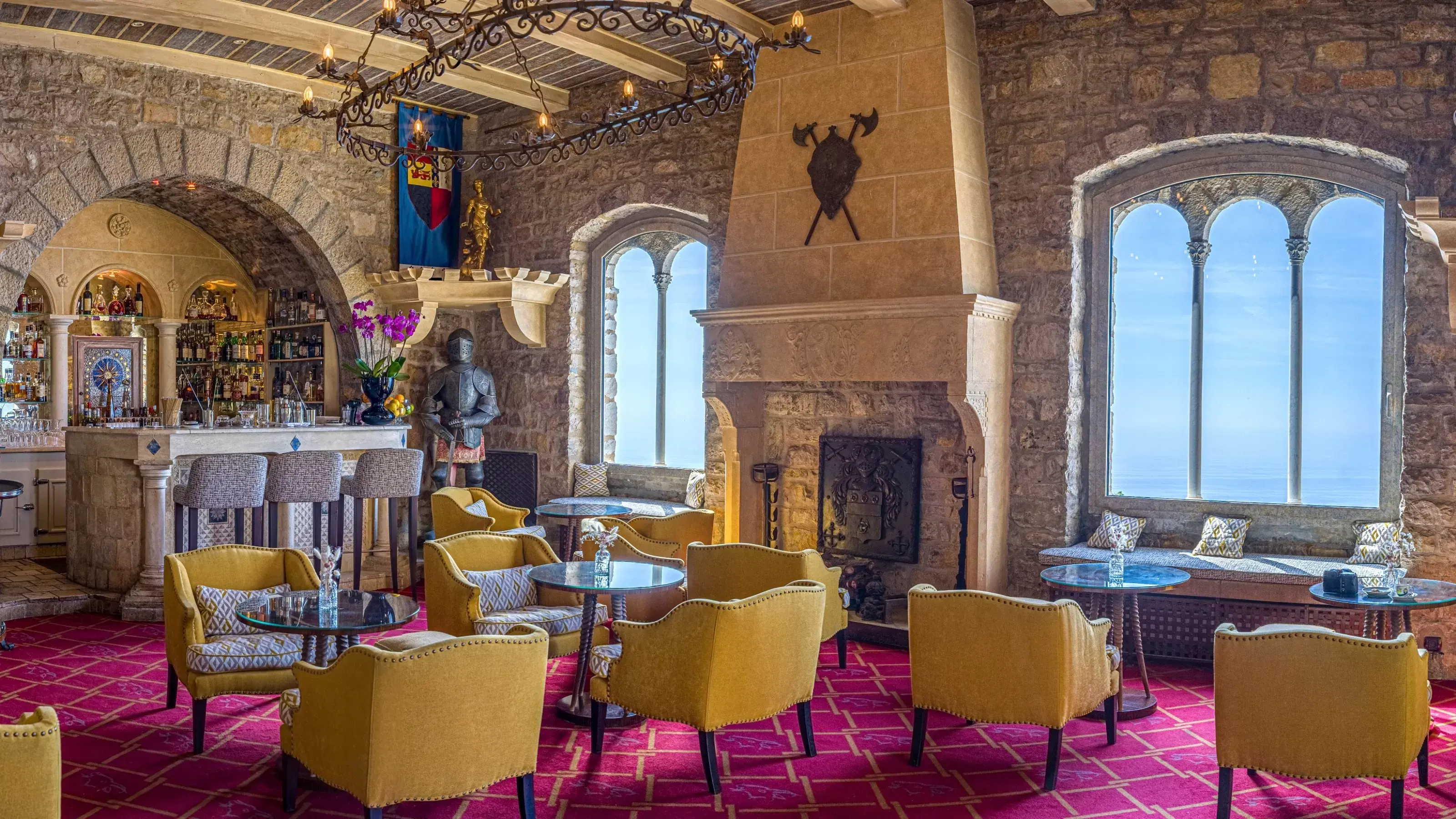
Cosy and warm-hearted dining room in vaulted ceilings with frescoes, relaxed and intimate atmosphere.