Le Syndicat occupies a stripped-back room on the Rue du Faubourg Saint-Denis in Paris's 10th arrondissement, where the focus lands squarely on French spirits and a menu built around domestic produce. It sits at the intersection of natural-wine-bar informality and serious cocktail technique, drawing a crowd that values provenance over polish.
 Discover on Pearl
Pearl is the En Primeur Club membership app — saves, bookings, and concierge access live there. Same editors, same standards.
- Address
- 51 Rue du Faubourg Saint-Denis, 75010 Paris, France
- Website
- domainesyndicat.com
The 10th's Counterpoint to Grand Cuisine
The Rue du Faubourg Saint-Denis runs through one of Paris's most ethnically mixed and commercially unsentimental corridors. Textile wholesalers, South Asian grocers, and late-night kebab counters share the pavement with an increasing number of bars and restaurants that have chosen the 10th precisely because it asks nothing of them in terms of heritage or grandeur. Le Syndicat sits at 51 Rue du Faubourg Saint-Denis.
Paris's drinking and dining scene has split along increasingly clear lines over the past decade. On one axis sit the grand tables: tasting menus at four-figure price points, rooms dressed in classical detail, wine lists that benchmark against Burgundy's first growths. On the other axis, a generation of lower-register venues has carved out credibility through specificity rather than scale. Le Syndicat operates firmly on that second axis, with a concept built around French spirits and a menu philosophy that treats domestic production as both constraint and creative engine.
A Menu Built Around the Map of France
The logic of Le Syndicat's menu is geographic. Where most Paris cocktail bars assemble their back bar from an international catalogue of spirits, the approach here is deliberately bounded: French spirits only. That decision, which sounds simple, is actually a complex curatorial act. France produces Cognac and Armagnac in sufficient depth to fill a respectable list on their own, but it also produces Calvados from Normandy, rum from the overseas departments of Martinique and Guadeloupe, gin, vodka, and an expanding category of craft spirits from smaller distillers. A menu structured around these sources is not a limited menu; it is a menu with a defined point of view, which is a different thing entirely.
The menu architecture inverts the usual cocktail bar logic. Most programs work outward from technique or flavour profile, then source whatever spirits leading execute the drink. Le Syndicat works inward from geography, asking what can be built from what France grows and distills. The result is a list that reads as an argument about terroir in spirits: that provenance in a glass of Armagnac or an agricole rum carries as much weight as provenance in a glass of Burgundy. For reference, Kei in the 1st takes a structurally comparable approach to its cuisine, using French ingredients as the primary constraint through which a Japanese-trained sensibility is expressed. The intellectual move is the same even if the medium differs.
French spirits as a category also covers significant quality range, from supermarket Cognac to single-cask Armagnac aged for decades. A menu that takes this territory seriously must make choices within it, and those choices signal taste. The Armagnac and Cognac houses of Gascony and Charente represent France's most historically documented distilling traditions. Calvados, particularly from the Pays d'Auge appellation, has gained recognition among spirits professionals as a category with as much complexity and aging potential as brandy. Le Syndicat's concentration on these sources aligns it with a wider shift in the spirits world toward recognising French distillates beyond Champagne and wine.
Placement in the Paris Bar Scene
The cocktail bar tier in Paris has evolved away from luxury-hotel lobby formats and toward more autonomous programs. Bars associated with palace hotels and grand restaurants, such as those connected to Le Cinq at the Four Seasons George V, operate within hospitality structures where the bar is one component of a larger brand. Independent bars in the 10th and 11th have developed in a different direction, often with stronger conceptual identities and more direct relationships with their supplier base.
Le Syndicat belongs to that independent tier and is a point of reference in discussions about French-focused cocktail programs. The concept travels well as an idea: the constraint of national spirits is a clearly communicable premise that distinguishes it from bars competing on technique or atmosphere alone. It has been referenced alongside other European bars that have built identity around a single country or region's production, a structural approach that has precedent in the wine world at addresses like Arpège, where the kitchen works primarily with vegetables grown in Alain Passard's own gardens, or Bras in Laguiole, where the Aubrac plateau defines both ingredient sourcing and aesthetic identity.
France's broader restaurant and bar culture provides useful context for understanding where Le Syndicat sits. The country's premium dining tier, represented by addresses like Mirazur in Menton, Troisgros in Ouches, and Assiette Champenoise in Reims, has long organised itself around French product. Le Syndicat applies that same organisational principle to the bar format, which remains less common and thus more visible when executed with consistency.
The Room and the Audience
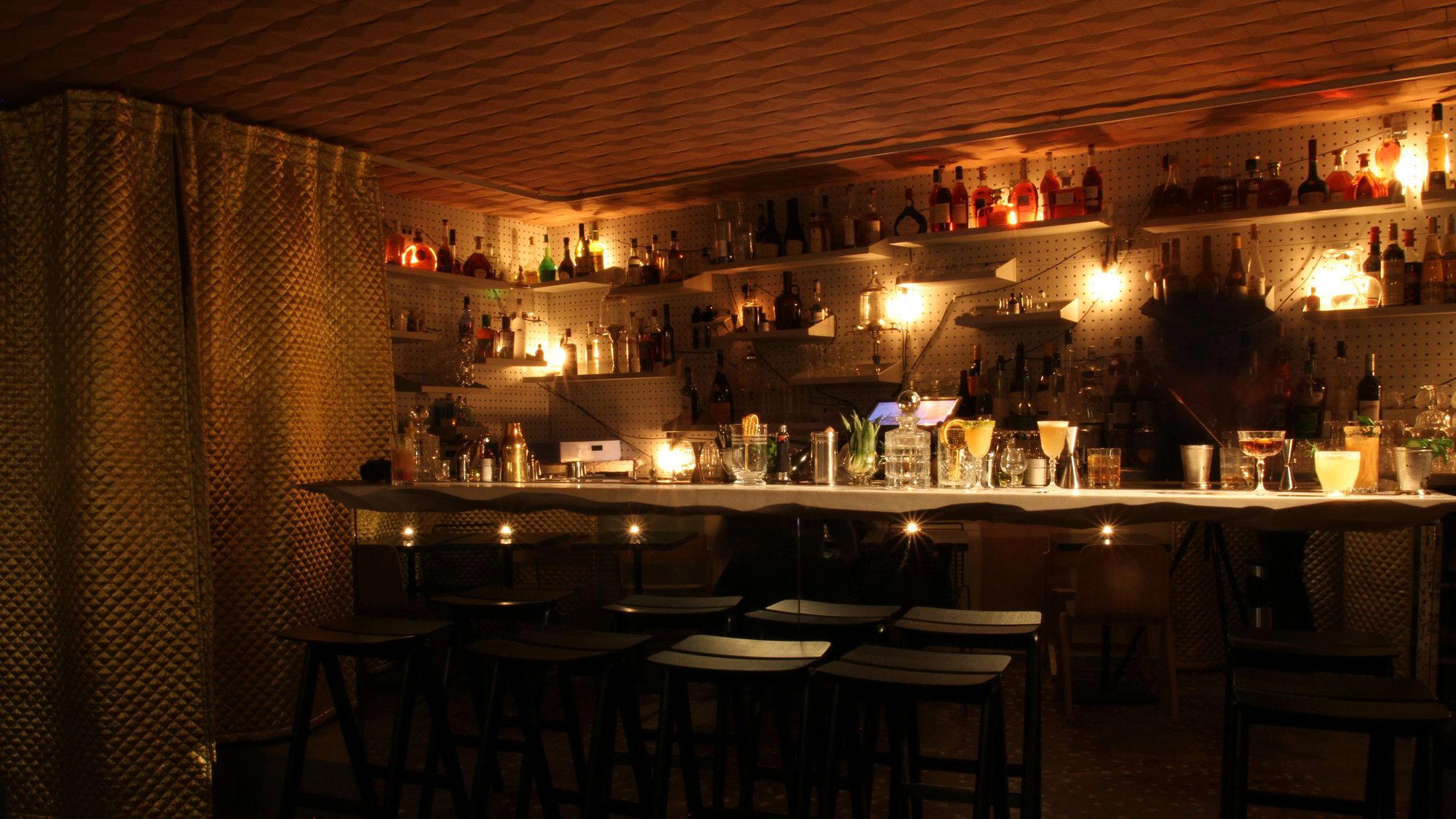
The physical space on Rue du Faubourg Saint-Denis reflects the neighbourhood rather than a designed concept of what a cocktail bar should look like. The 10th is a district where atmosphere is ambient rather than manufactured, and bars that have opened here tend to inherit that quality. The crowd is generally younger and more internationally mixed than the clientele at formal addresses like Au Crocodile in Strasbourg or Auberge de l'Ill in Illhaeusern, and the dress code is informal. This informality is part of the positioning: a bar that argues seriously for French spirits does not need to dress the argument up in velvet and low lighting.
For visitors to Paris, the Faubourg Saint-Denis corridor connects easily to the Canal Saint-Martin area, which has its own cluster of wine bars and casual dining rooms. The 10th sits within reach of the 11th's more densely programmed bar scene, and both districts operate at a different register from the palace-hotel corridor of the 8th.
Planning Your Visit
Le Syndicat is located at 51 Rue du Faubourg Saint-Denis in the 10th arrondissement. The bar is walk-in friendly, and pricing sits at about $15 per person.
Cuisine-First Comparison
Comparable venues nearby, for context on price, style, and recognition.
| Venue | Cuisine | Price | Awards | Notes |
|---|---|---|---|---|
| Le SyndicatThis venue — the venue you are viewing | French Spirits Cocktail Bar | $$ | , | |
| Saperavi | Authentic Georgian | $$ | , | 5e arrondissement |
| Le Paprika | Hungarian & French Brasserie | $$ | , | Pigalle |
| OAD 2017 My Grandmother's Cooking | Grandmother's Cooking | , | near Champs-Élysées | |
| FTG | Gourmet Street Food | $$ | , | 2nd arrondissement |
| Fragola Marais | Authentic Italian Pizza and Pasta | $$ | , | Marais |
Continue exploring
More in Paris
Restaurants in Paris
Browse all →
Bars in Paris
Browse all →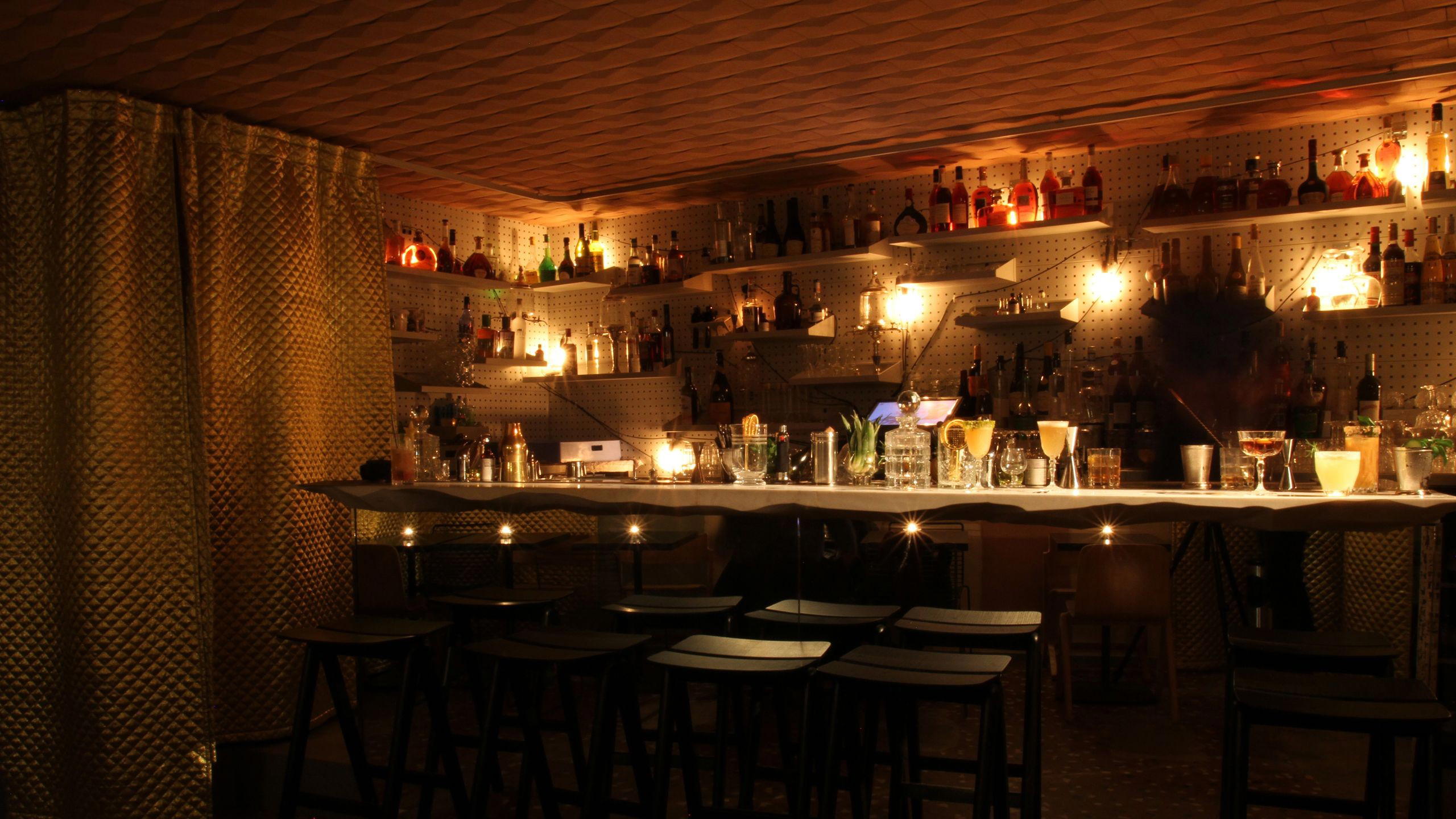
Hotels in Paris
Browse all →

At a Glance
- Trendy
- Lively
- Industrial
- Hidden Gem
- Date Night
- Casual Hangout
- After Work
- Open Kitchen
- Craft Cocktails
- Natural Wine
- Local Sourcing
Low lighting with raw industrial design, hip-hop beats, and golden metallic curtains creating a gritty-glamorous speakeasy atmosphere.