FTG occupies a precise address on Rue du Nil in Paris's 2nd arrondissement, a street that has become shorthand for a particular kind of produce-driven, format-conscious dining in the city. The space itself frames the experience before a dish arrives. For readers plotting a serious Paris itinerary, it sits alongside the neighbourhood's broader culinary identity as a reference point worth understanding.
- Address
- 9 Rue du Nil, 75002 Paris, France
- Phone
- +33 1 42 21 96 92
- Website
- frenchie-ftg.com
- Directions
- Get directions
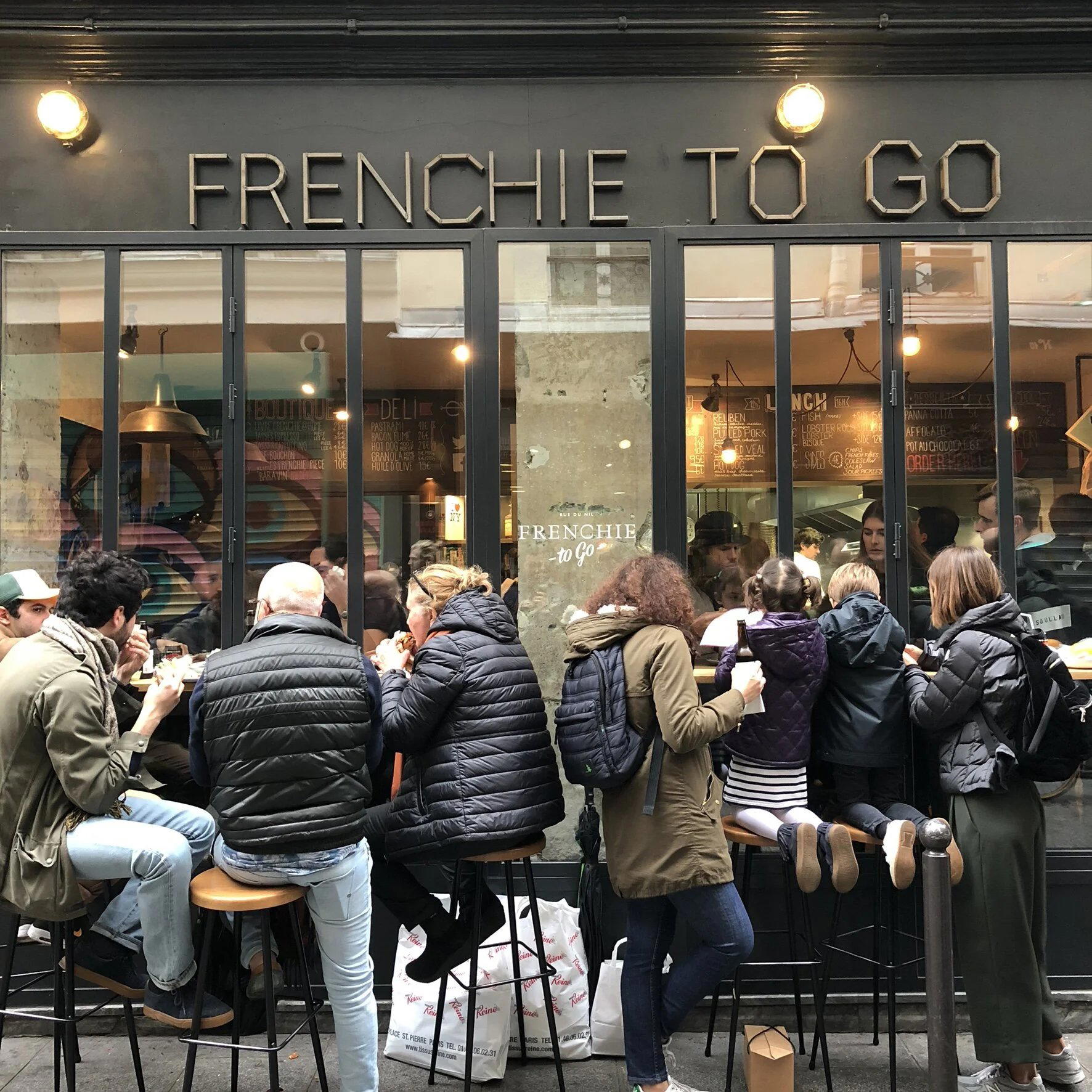
Rue du Nil and What a Street Address Can Communicate
In Paris, a restaurant's postal code carries editorial weight before any dish reaches the table. The 2nd arrondissement, and Rue du Nil in particular, has developed a reputation over the past decade as a corridor where produce sourcing, format restraint, and physical space are treated as a unified statement rather than separate departments. FTG is a restaurant in Paris's 2nd arrondissement serving Gourmet Street Food at about $15 per person, and understanding the street helps calibrate expectations for what the room itself is designed to do.
Rue du Nil's culinary identity is partly a function of its infrastructure. The street hosts suppliers, butchers, and specialist producers alongside restaurants, which means the physical proximity between ingredient origin and plate is abbreviated in ways that aren't replicable in more conventional dining districts. When a room is designed around that logic, it tends to be stripped of decorative distance: less theatre, more worktable. The spaces on this street read as extensions of their supply chains rather than escapes from them, and FTG fits that grammar.
The Physical Container: How the Room Works
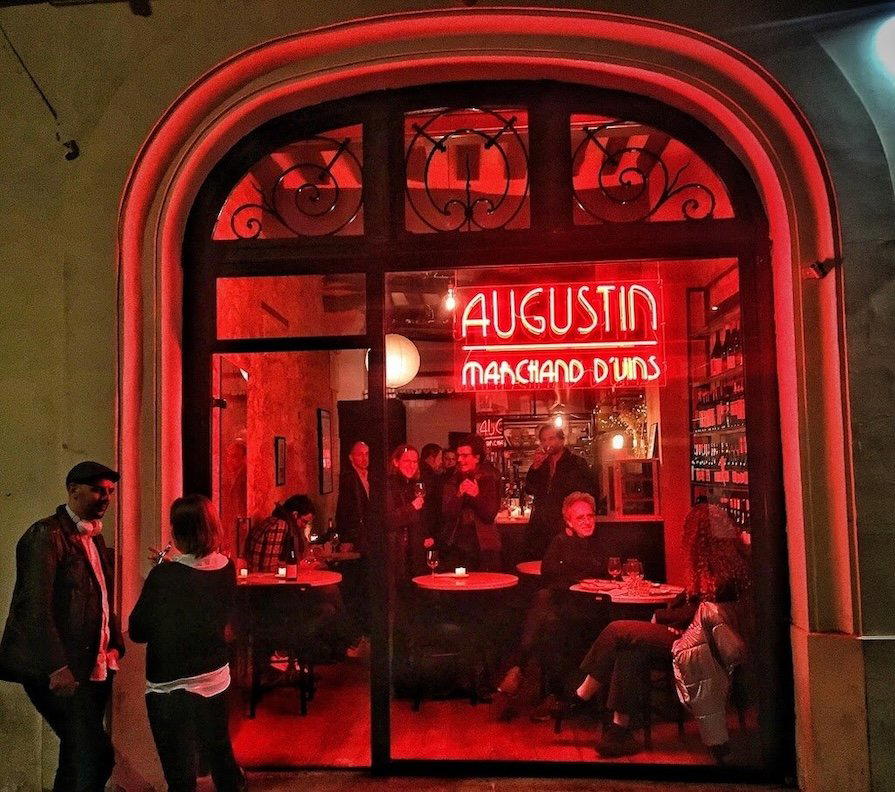
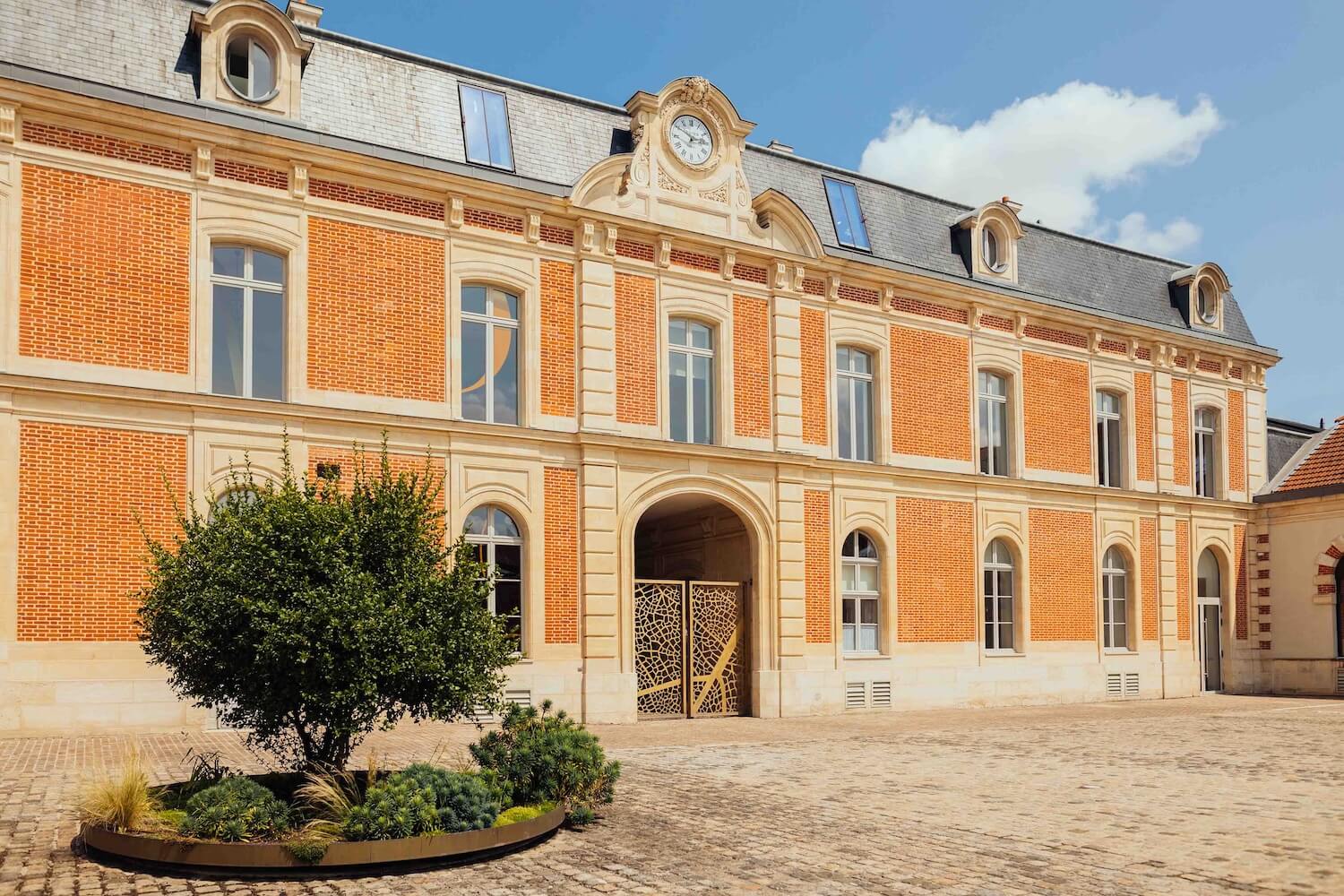
The editorial angle on FTG begins with architecture, because the space communicates a point of view before service opens. Paris has a well-documented split between grand-room dining, where the interior carries symbolic weight comparable to the food, and format-led rooms, where the physical envelope is deliberately compressed to direct attention elsewhere. The latter tradition runs from old zinc-counter bistros through to contemporary produce-forward addresses like this one on Rue du Nil.
A room designed for focus rather than spectacle tends to use specific spatial decisions to enforce that intention: seating arrangements that keep covers low, surfaces that foreground materials over finish, and lighting calibrated for legibility rather than atmosphere. These are not aesthetic accidents but operational choices with consequences for how a meal actually unfolds. When a kitchen operates in close visual or physical proximity to the dining space, as is common in this category of Paris address, the relationship between cook and guest changes the pacing and the register of the experience.
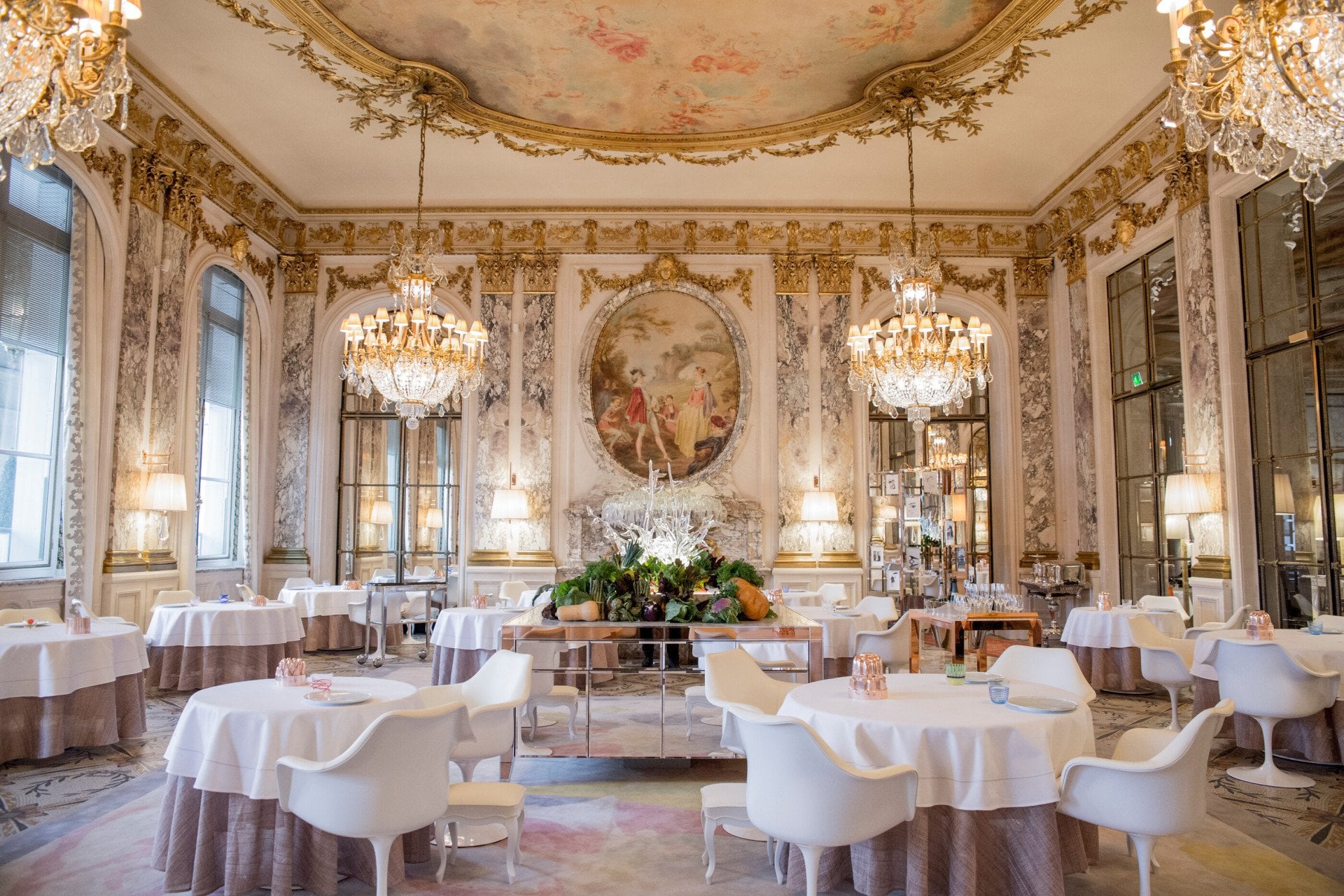
This is the design tradition FTG belongs to, and it places the venue in a distinct competitive cohort inside Paris dining. At the higher end of the city's price spectrum, rooms like Le Cinq at the Four Seasons Hôtel George V or L'Ambroisie use grand interiors as part of the offering's total proposition. Alléno Paris au Pavillon Ledoyen operates in a similarly monumental physical frame. FTG operates on a different register entirely: the room is the argument for reduction, not expansion.
Produce-Driven Dining in the Second Arrondissement
France's broader dining culture has long wrestled with the tension between classical grandeur and market-led simplicity. The same country that produced the formal structures of Paul Bocuse's Auberge du Pont de Collonges and the institution-scale ambition of Troisgros in Ouches also produced the spare, ingredient-obsessive registers of Bras in Laguiole and Flocons de Sel in Megève. In Paris specifically, that latter tendency has found an urban expression in neighborhoods where supply infrastructure is visible and restaurants choose to make that visibility part of the experience.
Rue du Nil's model draws on a Franco-Italian logic of letting product quality absorb the creative burden: when the sourcing is precise, the cooking can afford to be direct. This approach positions venues on the street in a different competitive set than the technique-forward addresses further west. Kei, for instance, brings a rigorous Franco-Japanese technical vocabulary to its contemporary French format. Arpège under Alain Passard has spent decades making vegetables the intellectual centre of a three-Michelin-star room. FTG occupies a different price and format tier but draws on similar instincts about where creative authority should reside.
Paris in a Broader French Context
For readers building a serious France itinerary, the Rue du Nil cluster belongs to a different conversation than the destination restaurants that anchor regional travel. Mirazur in Menton, Auberge de l'Ill in Illhaeusern, Les Prés d'Eugénie in Eugénie-les-Bains, Georges Blanc in Vonnas, Auberge du Vieux Puits in Fontjoncouse, and La Table du Castellet each operate as anchors for their respective regions, with landscape and terroir as explicit context. Paris restaurants of FTG's type instead compress context into the city block, making sourcing geography and format discipline do the work that physical setting does elsewhere.
For internationally mobile readers, the comparison extends further. The produce-led, low-spectacle dining format visible on Rue du Nil has clear parallels in cities like San Francisco, where Lazy Bear uses a communal format to shift the register of what fine dining means, or New York, where Le Bernardin represents the opposite pole: a room where classical formality and product precision coexist at the highest price tier. FTG reads as the Parisian version of the former instinct.
Planning a Visit
9 Rue du Nil is in the 2nd arrondissement, close to the major transit connections of the city center, and the street is walkable from Les Halles and the broader Sentier neighborhood. The area is dense with food infrastructure, which means arriving early or lingering after a meal has practical value beyond the restaurant itself. FTG is permanently closed.
Cuisine and Awards Snapshot
Comparable venues nearby, for context on price, style, and recognition.
| Venue | Cuisine | Price | Notes |
|---|---|---|---|
| FTGThis venue — the venue you are viewing | Gourmet Street Food | $$ | Not listed |
| Le Camion Qui Fume | Gourmet American Burgers | $$ | 11e Arr. |
| frenchie to go | Anglo-American Sandwiches | $$ | Sentier |
| Fimmina - Pizzeria Paris 9 | Artisanal Italian Pizzeria & Wine Bar | $$ | 9th arrondissement |
| Rivié | Modern French Brasserie | $$ | Sentier |
| Les Bascules | Modern Mediterranean Lebanese | $$ | 2e arrondissement |
Continue exploring
More in Paris
Restaurants in Paris
Browse all →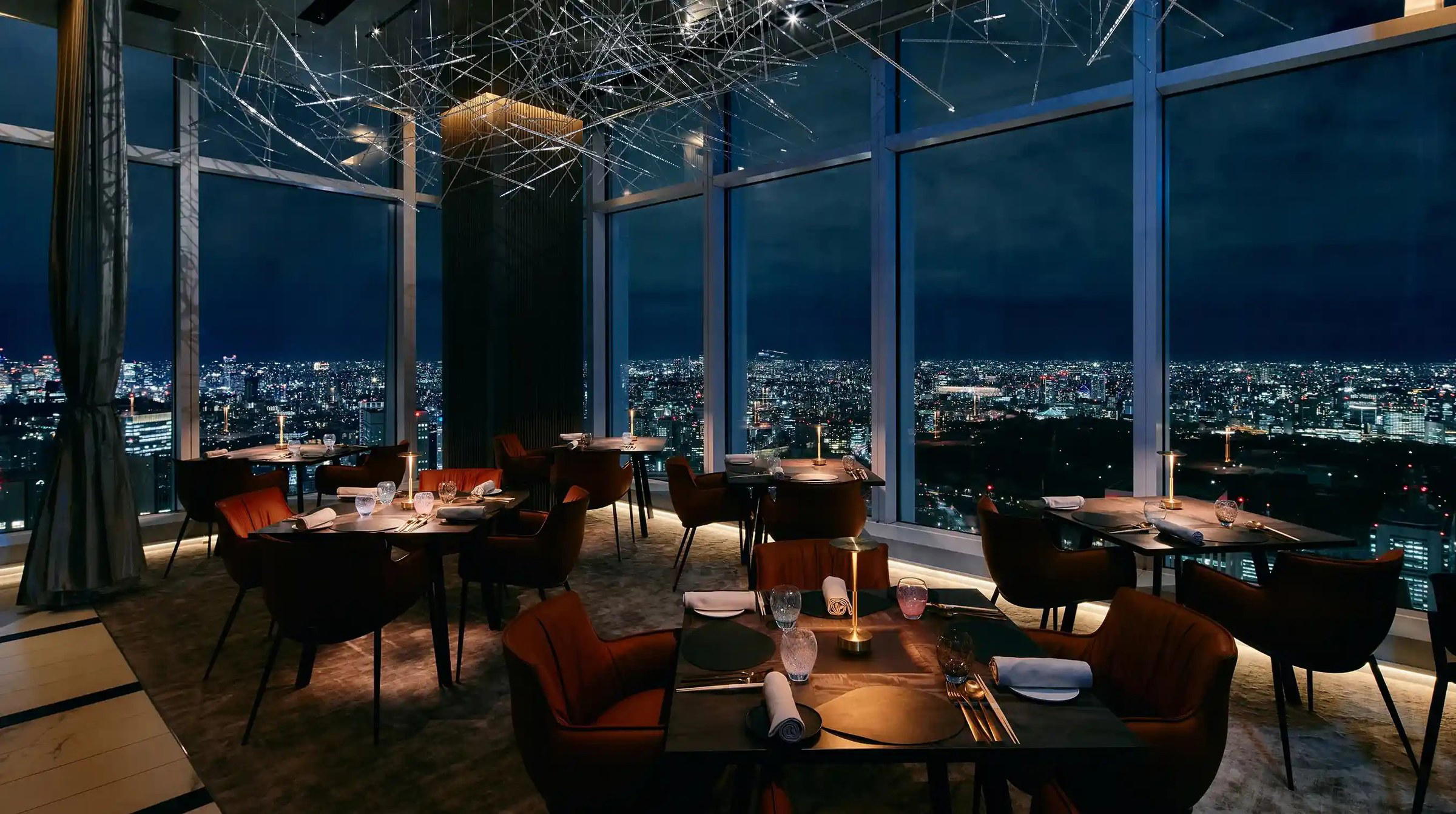
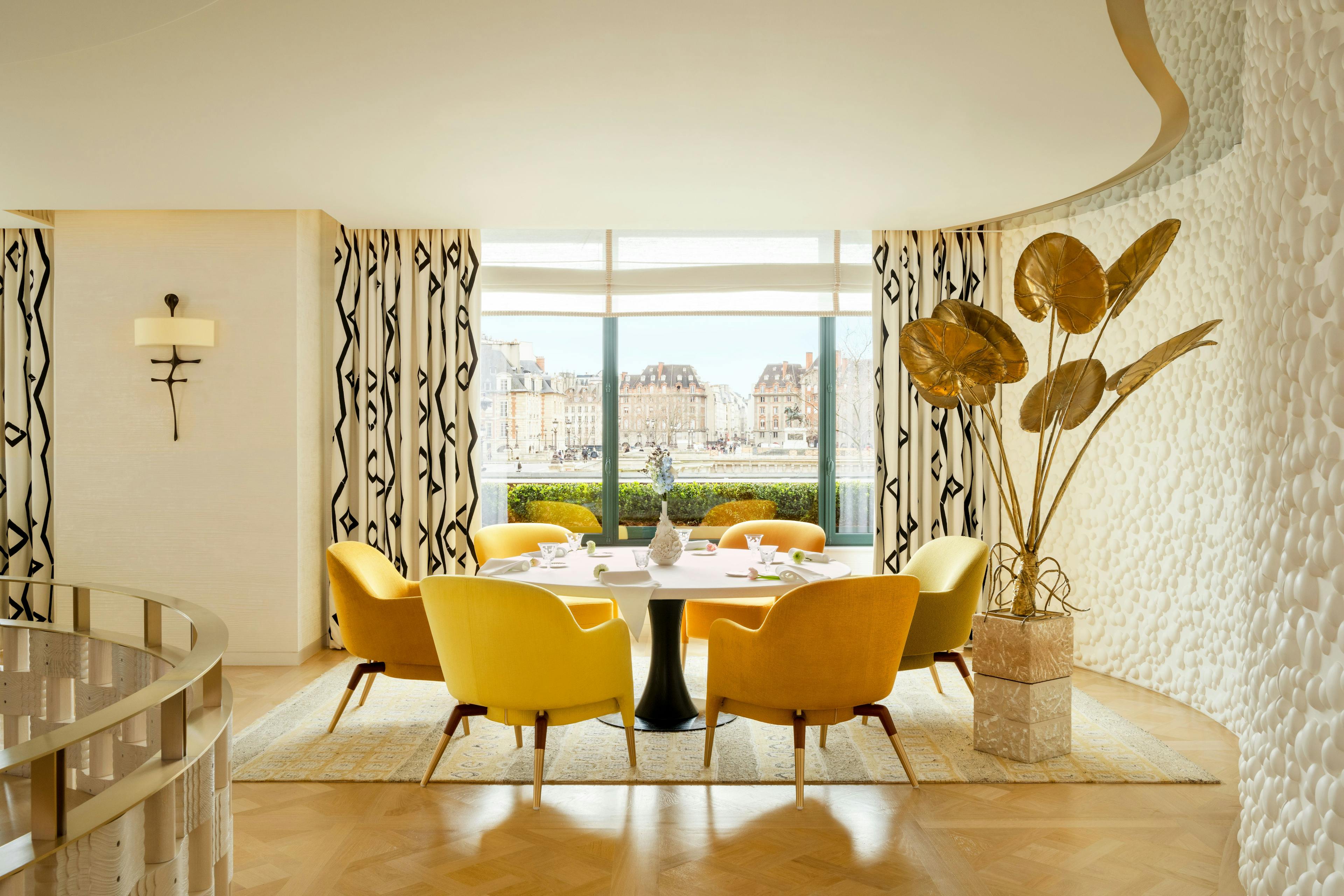
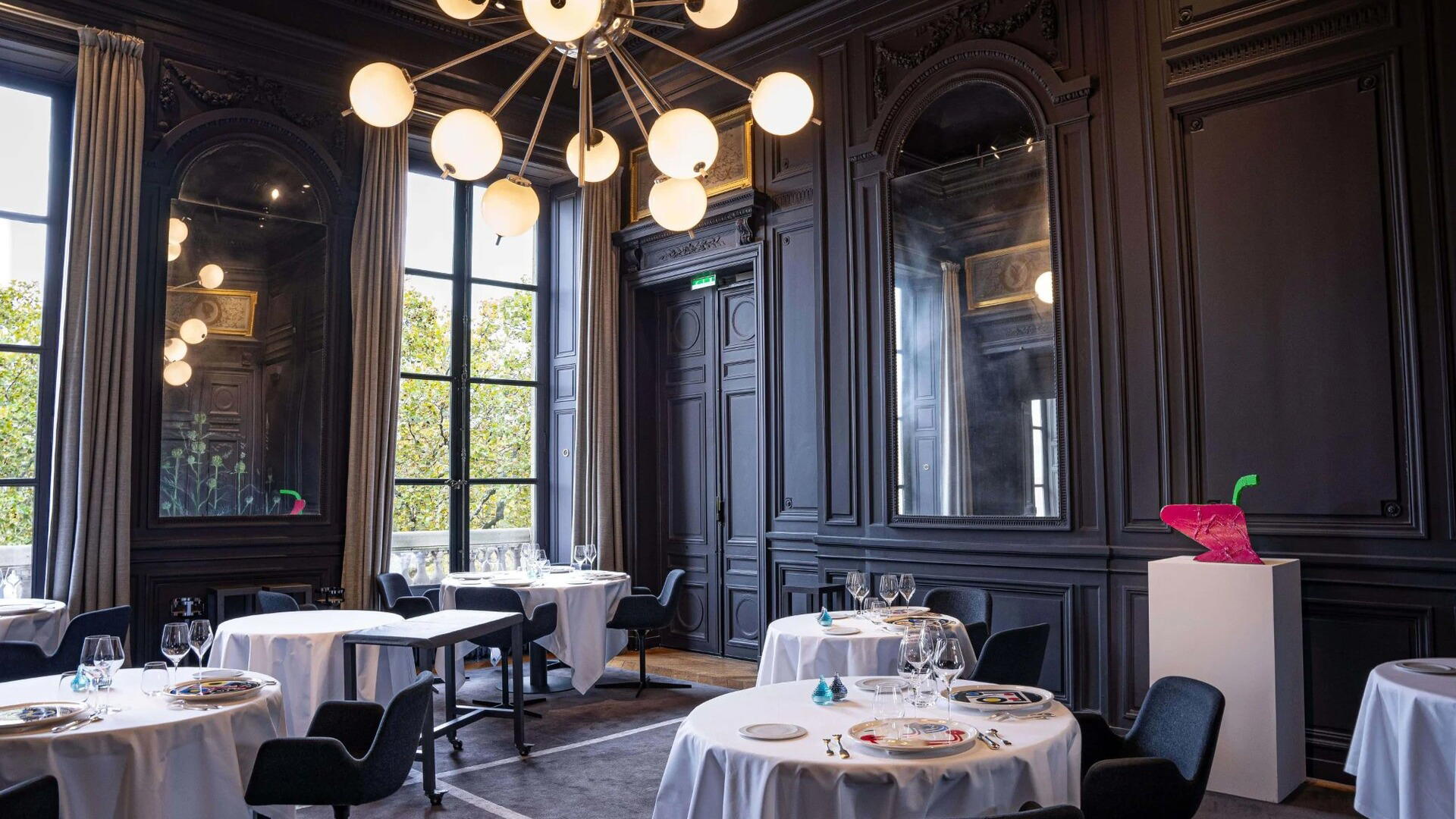
Bars in Paris
Browse all →
Hotels in Paris
Browse all →

At a Glance
- Trendy
- Lively
- Modern
- Casual Hangout
- Standalone
Casual and lively fast-casual atmosphere with a trendy, funky vibe suited for quick gourmet meals.