Le Soleil de Châtillon
Our verdict
Le Soleil de Châtillon sits on Rue Principale in the small Swiss commune of Châtillon, within a canton where French-speaking tradition and rural restraint shape the table as much as any kitchen philosophy. For travellers moving through the Jura arc between Delémont and the French border, it represents a local anchor point in a region that rarely competes for attention against Switzerland's more decorated dining centres.

Pearl is the En Primeur Club membership app — saves, bookings, and concierge access live there. Same editors, same standards.
- Address
- Rue Principale 9, 2843 Châtillon, Switzerland
- Phone
- +41324224477
- Hours
- Mon–Tue ClosedWed 10 AM–3 PM, 6–11 PMThu–Sat 10 AM–3 PM, 5:30 PM–12 AMSun 10:30 AM–3:30 PM, 6:30–11:30 PM
- Website
- lesoleildechatillon.ch
- Directions
- Get directions
- Booking
- Book on the venue's website
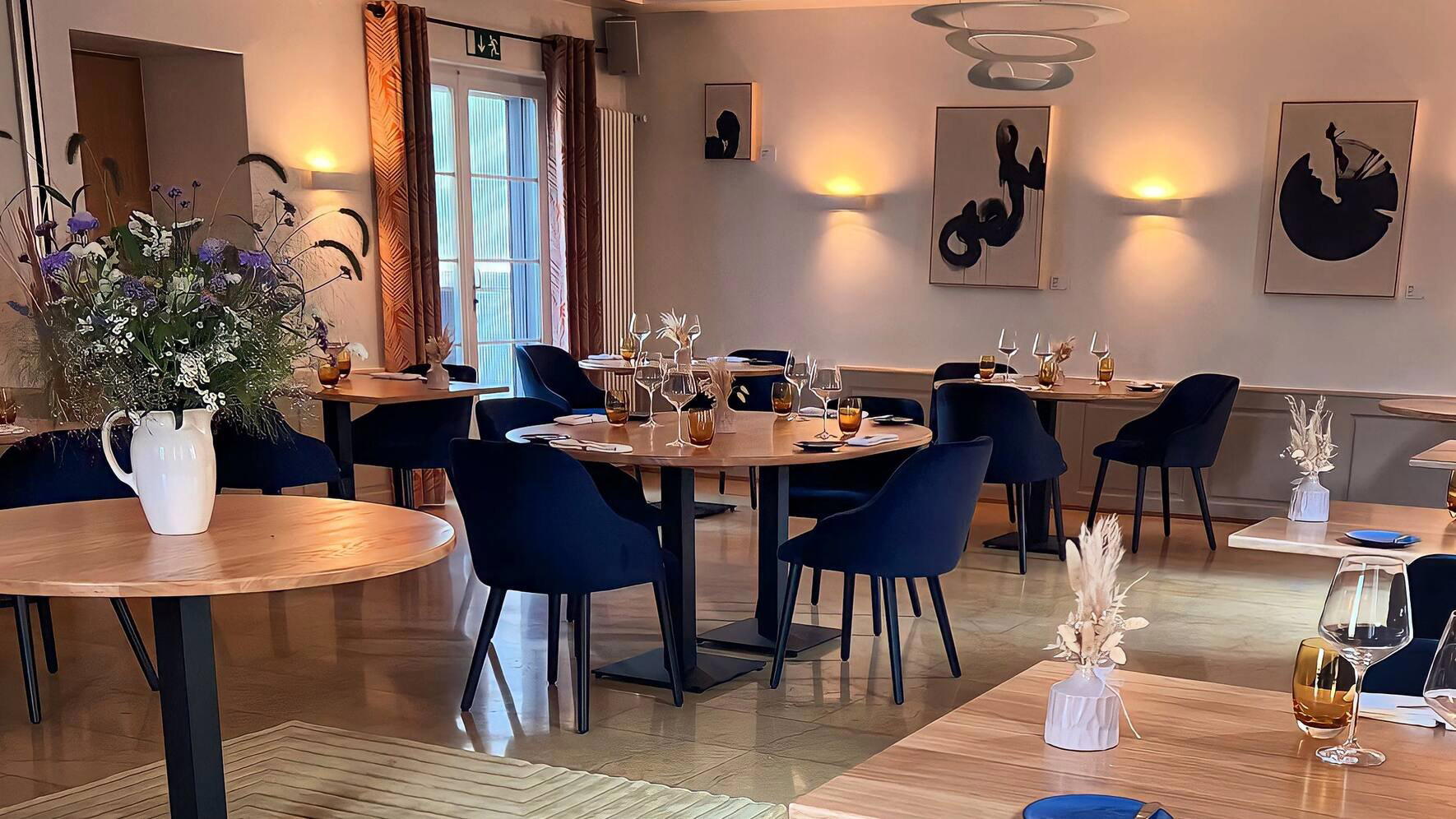
Dining in the Swiss Jura: A Region That Earns Its Place Quietly
Switzerland's most-discussed restaurant tables cluster around Zurich, Basel, and the Vaud lakefront, where Michelin attention and international press have built dense, competitive scenes. Venues like Hotel de Ville Crissier in Crissier and Cheval Blanc by Peter Knogl in Basel operate inside that well-mapped infrastructure, where critics travel and tables are contested months in advance. The canton of Jura sits outside that circuit. Its villages run along a quieter register, shaped by proximity to France, a pastoral economy, and a food culture that draws from both Alsatian influence and Swiss-German Alpine tradition without fully belonging to either.
Châtillon, a small commune in this canton, exemplifies that character. The address at Rue Principale 9 places Le Soleil de Châtillon on the main street of a village that most travellers pass through rather than pause in. That positioning matters: in Swiss regional dining, the gap between a destination address and a local anchor is significant. Destination addresses like Schloss Schauenstein in Fürstenau or Memories in Bad Ragaz pull guests from considerable distances on the strength of their credentials alone. A village table on a main street operates differently, serving first the community around it and, secondarily, the traveller who makes the deliberate choice to stop.
The Jura Table: Cultural Roots of a Cuisine Between Two Traditions
Understanding the cooking associated with this corner of Switzerland requires some context about what the Jura does and does not share with its neighbours. The region was the last Swiss canton to be established, in 1979, carved from Bern after decades of political tension. That recent autonomy is culturally significant: the Jura's identity is consciously French-speaking and deliberately distinct from the German-Swiss majority, yet its geography places it at the edge of the Mittelland plateau, where Central European ingredients and techniques filter in alongside Alsatian and Burgundian ones.
In practical terms, this means the regional table leans toward cream-based preparations, cured pork, aged cheese from the Franches-Montagnes plateau, and a wine culture oriented toward Pinot Noir and Chasselas rather than the Rieslings of nearby Alsace. The influence of Lyon and Burgundy to the southwest is present but filtered through Swiss proportion and Protestant restraint. It is a cuisine less concerned with spectacle than with the solidity of the ingredients: saucisson de Montbéliard, tête de moine cheese, and trout from the Doubs river system all belong to this territory in ways that make the food inherently local without requiring conceptual framing to explain it.
This contrasts with the register of Switzerland's most celebrated rooms. focus ATELIER in Vitznau, IGNIV Zürich by Andreas Caminada, and Magdalena in Schwyz all operate within a creative, technically ambitious framework where the Swiss regional product is one ingredient among many in a broader modernist project. A village restaurant in the Jura is less likely to be working in that idiom. The expectation at a table like Le Soleil de Châtillon is shaped by the community around it: seasonal produce, regional cheese, honest preparation, and a room where locals and occasional visitors sit alongside each other without theatrics.
Placing Le Soleil de Châtillon in Its Peer Context
Within Châtillon itself, Le Barbezingue represents the other documented dining option in the commune, and together these two addresses form the narrow frame of local restaurant choice. Neither operates at the price tier or format of La Table du Lausanne Palace or 7132 Silver in Vals. The competitive set is instead defined by other small-town French Swiss establishments where the relationship between kitchen and community is the primary organising principle, not recognition infrastructure.
For travellers whose reference points include destination-level Swiss dining, whether through Einstein Gourmet in Sankt Gallen, Colonnade in Lucerne, or Da Vittorio in St. Moritz, Le Soleil de Châtillon represents a different proposition entirely. The value of eating in a place like this lies not in its position on any ranking, but in what it reveals about how a specific community feeds itself, what ingredients it privileges, and what version of French-Swiss domestic cooking persists in a village that international food media has not claimed.
That is, for a certain kind of traveller, a genuinely useful thing to know. The same reader who returns from dinner at L'Atelier Robuchon in Geneva and wants to understand what sits at the other end of the Swiss French spectrum, or who is driving the Jura arc and wants a meal grounded in place rather than ambition, is the reader for whom this address matters.
Planning a Visit to Châtillon
Châtillon sits in the canton of Jura, roughly equidistant between Delémont to the northeast and the French border to the west. The village is reachable by regional rail via Delémont, which connects to Basel and Biel/Bienne on the main Swiss network, though local transport onward into the commune is limited. Road access from Porrentruy or Delémont is direct. Given the commune's scale, advance planning is advisable: a village restaurant of this type operates on rhythms tied to local demand rather than tourist flow, and confirming availability before arriving is basic due diligence. For a broader map of the region's dining options, see our full Châtillon restaurants guide.
For those building a wider Swiss itinerary around less-covered territory, the Jura arc offers a different texture than the Alpine or lake-district circuits more commonly promoted. The regional food culture here connects to traditions that also inform cooking in Italian-inflected Swiss Ticino from the opposite direction, and the contrast between these two peripheral Swiss food cultures is itself an argument for taking the less-travelled routing. Equally, for readers oriented toward the Atlantic French fine dining tradition, tables like Le Bernardin in New York or Atomix represent a distant but instructive counterpoint: the ambition of what those rooms pursue clarifies, by contrast, the particular value of a village table that pursues nothing beyond feeding its neighbourhood with the ingredients closest to hand.
Frequently asked questions
Where exactly is Le Soleil de Châtillon?
Le Soleil de Châtillon is located at Rue Principale 9, 2843 Châtillon, Switzerland, Chatillon.
How does Le Soleil de Châtillon compare to other dining options in Châtillon?
Within Châtillon itself, Le Barbezingue is the other documented dining address, making these two restaurants the sum of the commune's confirmed options. Le Soleil de Châtillon at Rue Principale 9 represents a village-scale operation in a canton whose dining scene receives far less coverage than Zurich or Basel. For travellers passing through the Jura between Delémont and the French border, both addresses are worth noting.
What's the best thing to order at Le Soleil de Châtillon?
The canton of Jura's kitchen tradition draws from both French Franche-Comté and German-Swiss influences, with pork-based preparations, lake fish, and aged cheeses appearing across village restaurants in the region. Ordering seasonally is the most reliable approach in communes of Châtillon's scale.
Is Le Soleil de Châtillon reservation-only?
Village restaurants in the canton of Jura typically operate with limited covers and kitchen crews, which makes advance contact standard practice rather than optional. Reaching out directly via the address at Rue Principale 9, 2843 Châtillon before visiting is advisable.
Price and Positioning
Comparable venues nearby, for context on price, style, and recognition.
| Venue | Cuisine | Price | Notes |
|---|---|---|---|
| Le Soleil de ChâtillonThis venue — the venue you are viewing | French Fine Dining with Swiss Terroir | Not listed | Not listed |
| Le Grillon | Seasonal French-Swiss Bistro | Not listed | Les Prés-d'Orvin, Seasonal French-Swiss Bistro |
| Des Bains | Modern French-Swiss with Seasonal Local Produce | $50–100 | eastern Avenches, Modern French-Swiss with Seasonal Local Produce |
| L'Auberge de L'Ours | French-Swiss Mountain Bistro | $50–100 | Vers L'Eglise, French-Swiss Mountain Bistro |
| Auberge du Raisin | Traditional French-Swiss | Not listed | Cully, Traditional French-Swiss |
| Le Café du Tramway | French Bistronomy | $50–100 | Pontaise, French Bistronomy |
Continue exploring
More in Chatillon
Restaurants in Chatillon
Browse all →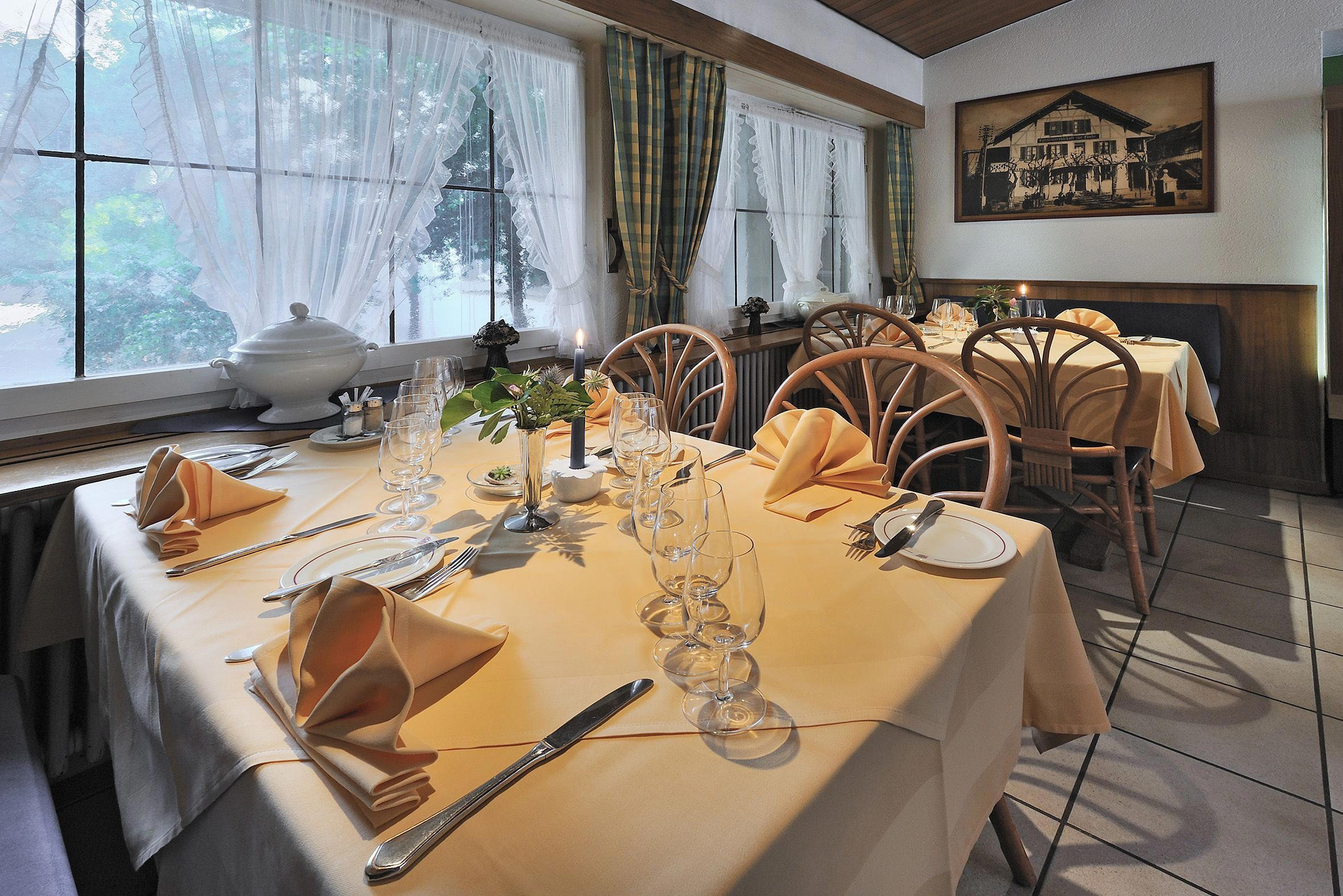
Bars in Chatillon
Browse all →


Hotels in Chatillon
Browse all →

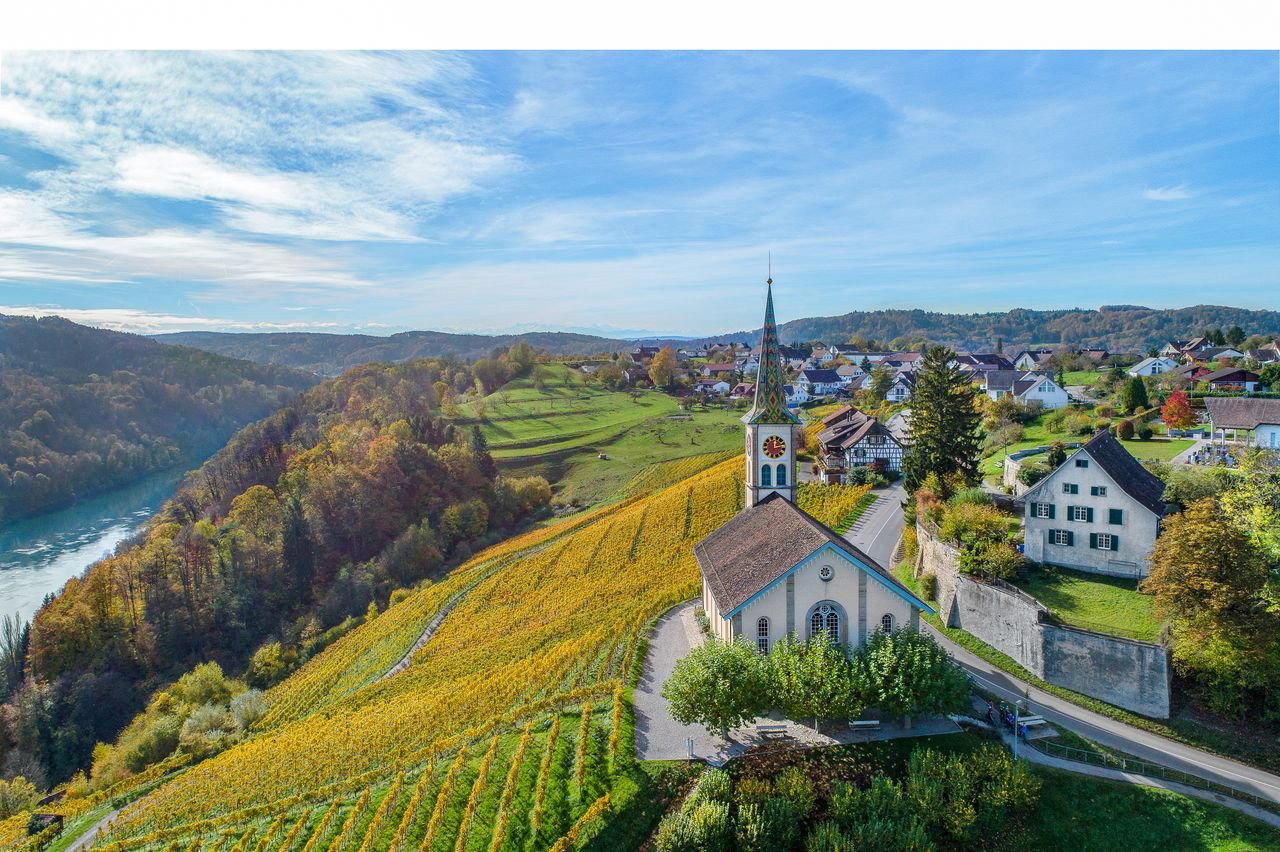
Le Soleil de Châtillon
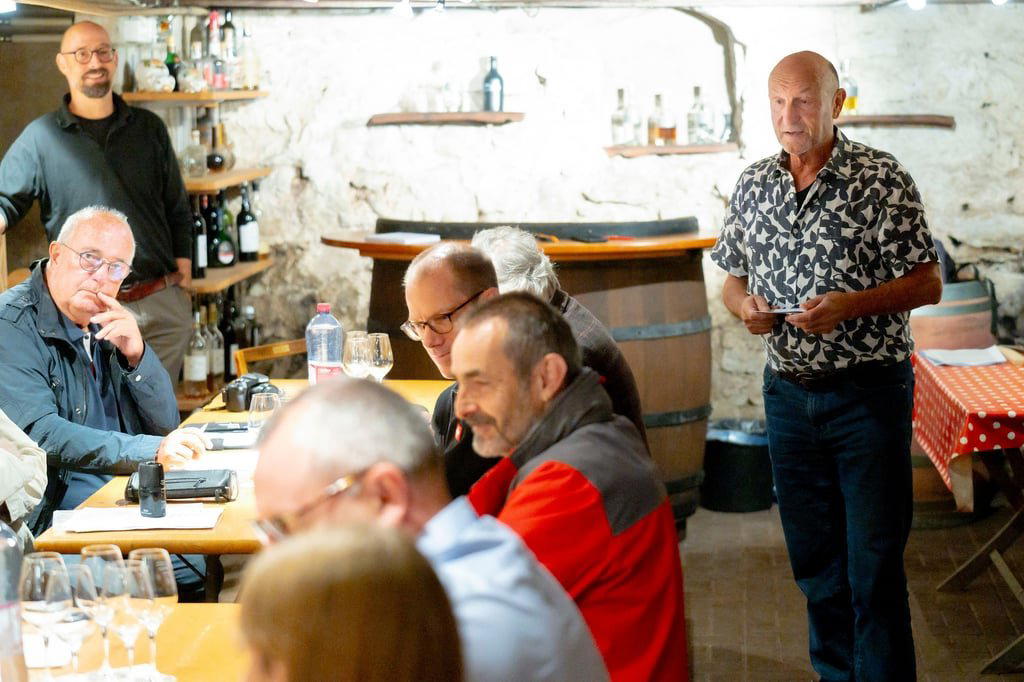
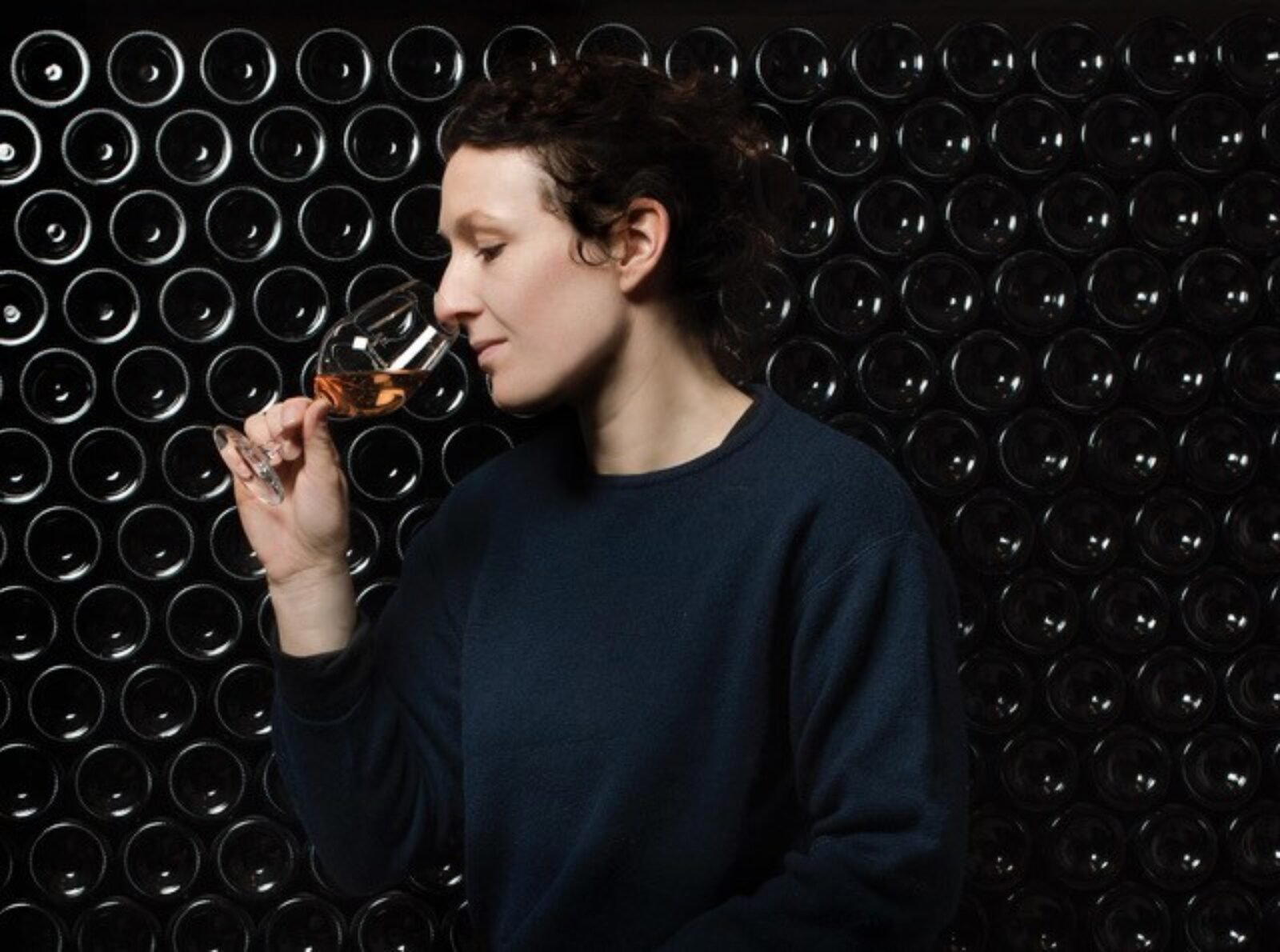
The wine
- Wine program
- Curated wine list
- Extensive wine list
Details
- Elegant
- Cozy
- Scenic
- Intimate
- Date Night
- Special Occasion
- Terrace
- Garden
- Extensive Wine List
- Local Sourcing
- Garden
- Tasting Menu
- Vegetarian Friendly
Current opening hours
- Monday
- Closed
- Tuesday
- Closed
- Wednesday
- 10 AM–3 PM, 6–11 PM
- Thursday
- 10 AM–3 PM, 5:30 PM–12 AM
- Friday
- 10 AM–3 PM, 5:30 PM–12 AM
- Saturday
- 10 AM–3 PM, 5:30 PM–12 AM
- Sunday
- 10:30 AM–3:30 PM, 6:30–11:30 PM
Hours can change for holidays and private events. Last verified .
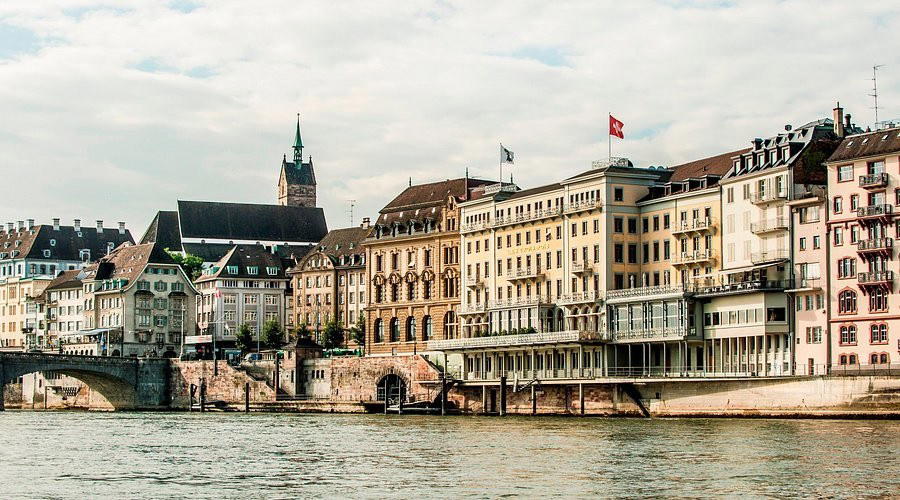
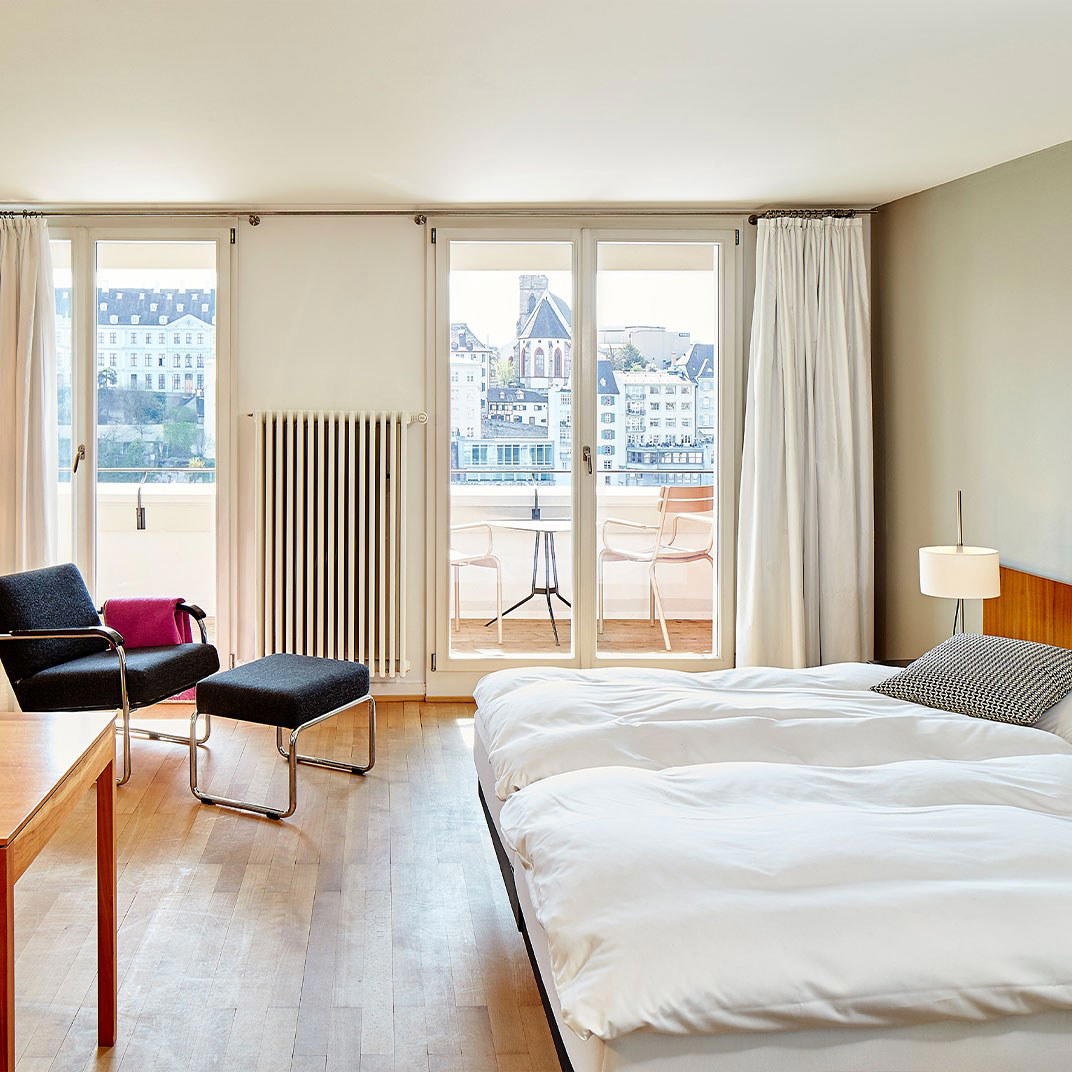
Quiet and peaceful village atmosphere with elegant charm, beautiful garden terrace, and a convivial, refined dining room.