Du Cerf


1 Michelin Star · Falstaff Restaurant - 92 Falstaff Points
Our verdict
In the quiet Bernese village of Sonceboz, Du Cerf holds a Michelin star and a reputation that extends well beyond the Jura Arc. Chef Jean-Marc Soldati's classical French kitchen draws on local ingredients and a kitchen garden, framed by a wine list spanning regional Swiss and French labels. Guestrooms on-site make this a natural destination for an overnight stay built around the table.

Pearl is the En Primeur Club membership app, where members save venues, book tables and use the concierge.
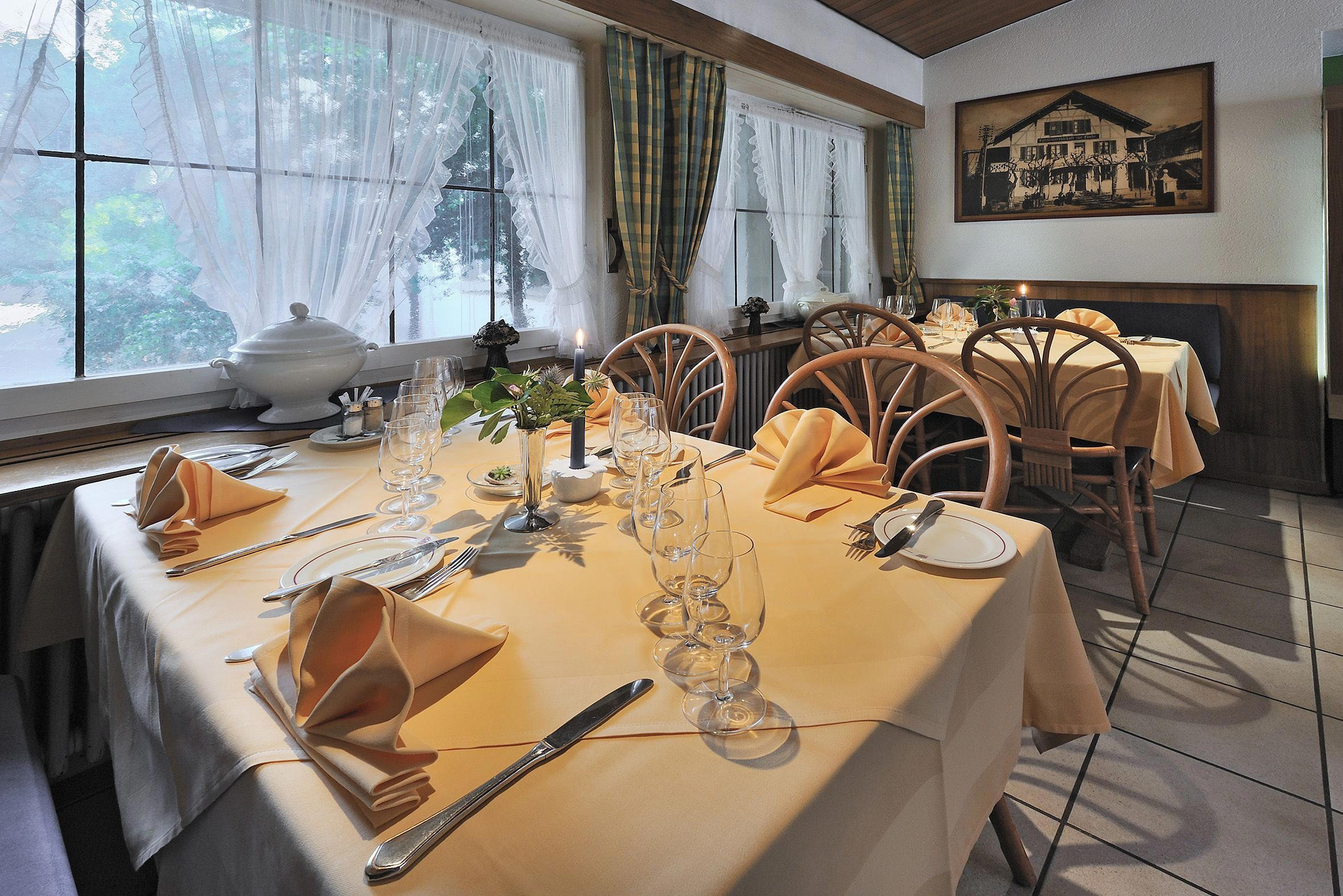
Where the Jura Arc Meets the French Table
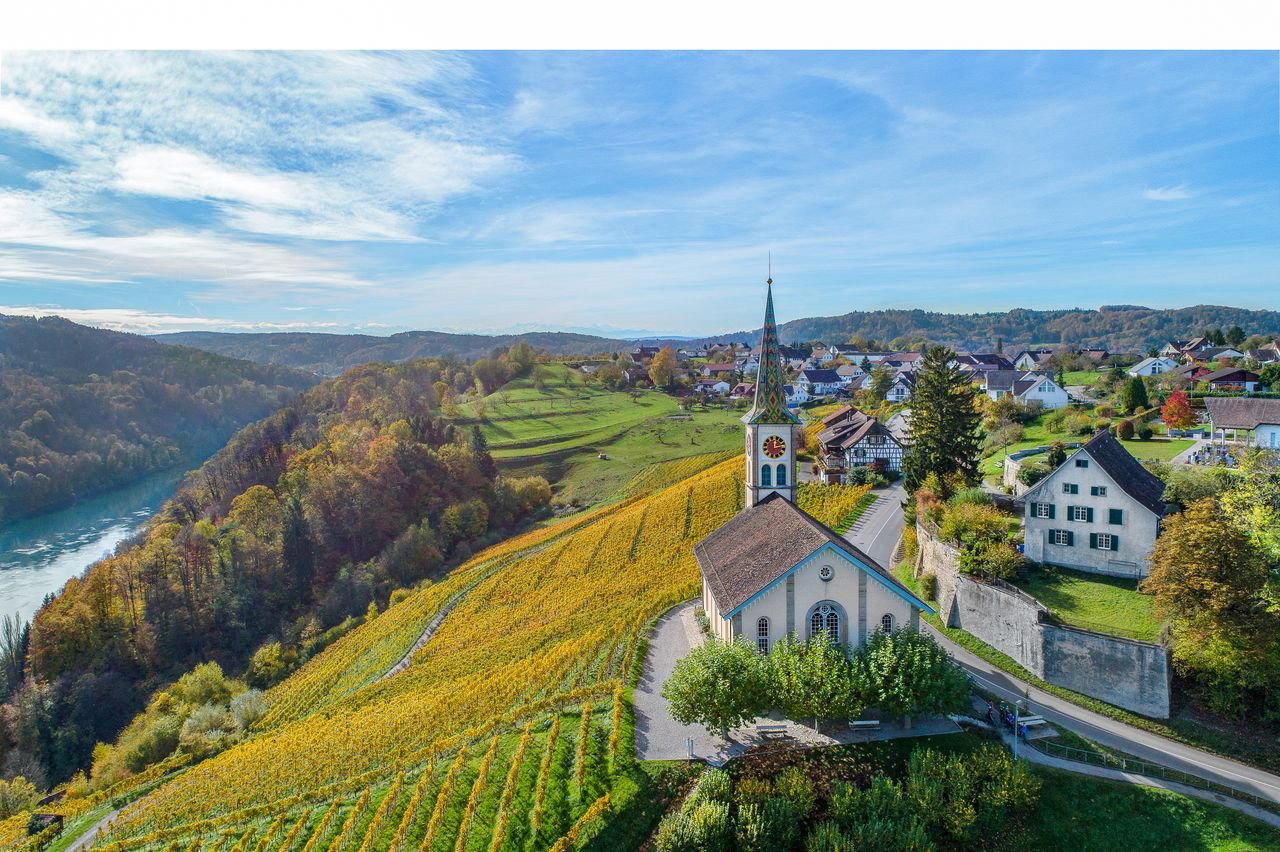
The village of Sonceboz-Sombeval sits in the Bernese Jura, a quietly agricultural corridor that most travellers pass through rather than stop in. The surrounding countryside is organised around watchmaking and farming, with forested ridges closing off the valley on both sides. It is precisely this kind of setting that has historically produced Switzerland's most grounded fine dining: kitchens where the sourcing is direct, the seasons are felt in the dining room, and the cooking does not perform for a metropolitan crowd. Du Cerf, at Rue du Collège 4, holds a Michelin star (2024) and has been an anchor of the region's dining identity for years. For those building a broader tour of Swiss dining, our full Sonceboz restaurants guide maps the wider picture.
Classicism as a Discipline, Not a Default
French classical cuisine in Switzerland occupies a specific position in the country's fine dining hierarchy. It sits apart from the modern Swiss and creative European formats that have dominated Michelin recognition in recent years: properties such as Schloss Schauenstein in Fürstenau (three stars, Modern European), Memories in Bad Ragaz (three stars, Modern Swiss), and focus ATELIER in Vitznau (two stars, Modern Swiss and Creative). These kitchens have largely oriented themselves around invention, plating architecture, and progressive ingredient combinations. The classic French tradition at Du Cerf is something different: rigour and harmony over novelty, regional identity over trend-following. That positioning is not anachronistic; it is a deliberate choice with a clear competitive logic. The Jura Arc does not have a surfeit of starred dining rooms, which means Du Cerf functions as a regional reference point in a way that a comparable single-starred address in Zurich or Geneva would not.
The link to Crissier, where Chef Jean-Marc Soldati trained alongside Fredy Girardet and Philippe Rochat at what became one of the defining addresses of twentieth-century Swiss gastronomy, provides the intellectual framework for the kitchen's approach. Crissier produced cooks for whom precision and classical structure were non-negotiable, and that lineage remains visible at Du Cerf. The classical French tradition at this level also echoes what long-running destination restaurants across northern Europe have sustained for decades: see Waterside Inn in Bray and d'Eugénie à Emilie in Baudour for comparable exercises in the form.
Terroir on the Plate: Land, Garden, and Region
The editorial angle that classical French cooking in rural Switzerland most rewards is provenance. Du Cerf's kitchen draws on local and French ingredients alongside produce from the chef's own kitchen garden. This is not unusual at starred level, but context matters: in a Bernese Jura valley where agriculture is still a working reality rather than a marketing narrative, the sourcing relationship between kitchen and land is immediate rather than performed. The kitchen garden functions as a direct extension of the cooking philosophy, setting what is seasonal and what arrives at the table.
Regional ingredients in the Jura Arc carry a specific character: the dairy traditions of the wider Jura, the forests that supply game and fungi, and the vegetable growing that the valley's microclimate permits through a longer season than the Alpine zones to the south. A classical French kitchen in this setting has access to materials that its urban counterparts import; the difference in freshness and flavour is structural rather than incidental. This is why the rigour that the kitchen brings to classical technique reads differently here than it would in, say, a Geneva hotel dining room. The discipline is applied to ingredients that justify it.
The Wine List and Its Regional Anchors
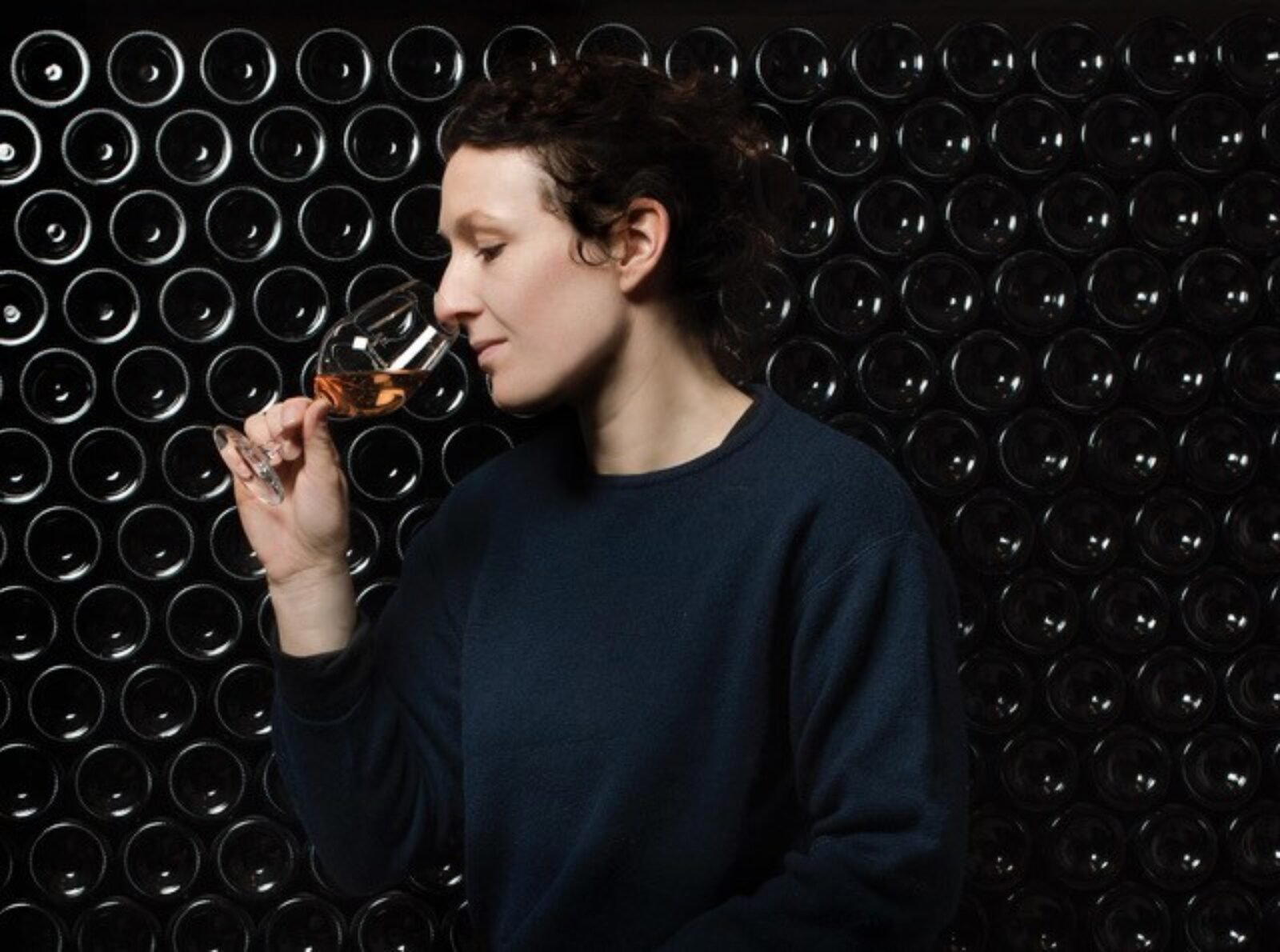
Swiss wine remains among the most under-exported in the world relative to its quality, which gives a wine list like Du Cerf's a particular value for visitors unfamiliar with the domestic industry. The selection spans regional, Swiss, and French wines, and the by-the-glass programme is specifically noted as a strength. For a classical French kitchen, the French spine of the list provides obvious pairings; the Swiss and regional selections give the list an identity that no Paris brasserie could replicate. The Jura Arc itself sits adjacent to the canton of Berne's wine-growing zones, and the proximity to Swiss wine country to the north and west means that regional bottles here carry genuine local meaning rather than token inclusion.
Those wanting to situate Du Cerf within a broader Swiss fine dining wine context will find useful comparison at Cheval Blanc by Peter Knogl in Basel, where the Franco-Swiss border inflects both the cooking and the cellar. For a wider read of the Sonceboz area's wine and hospitality ecosystem, see our Sonceboz wineries guide, bars guide, and experiences guide.
Staying On: The Case for an Overnight
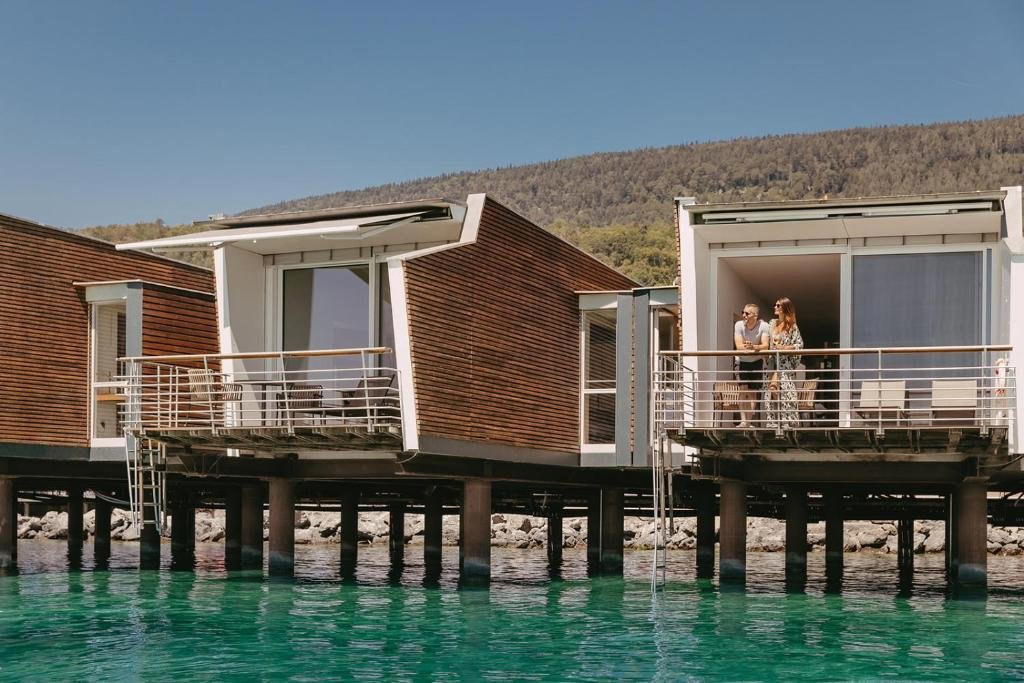
Fine dining in a rural Swiss village presents a specific logistical problem: the driving laws are strict and the nearest rail connection does not make a late departure direct. Du Cerf solves this cleanly with modern, well-appointed guestrooms on-site. This converts an evening at the table into a considered overnight trip, which is probably the right way to approach a restaurant whose kitchen garden, regional wine list, and classical French format reward unhurried attention. Switzerland's leading destination dining is increasingly built around overnight formats: 7132 Silver in Vals and Da Vittorio in St. Moritz both function within hotel structures where the stay is integral to the experience. Du Cerf operates on similar logic at a more contained scale. For those planning a wider stay in the area, the Sonceboz hotels guide covers alternatives.
The address is Rue du Collège 4, 2605 Sonceboz-Sombeval. The Michelin star (2024) means the room will not be empty on any given service.
For those constructing a broader Swiss fine dining itinerary, Du Cerf sits naturally alongside Einstein Gourmet in Sankt Gallen, Colonnade in Lucerne, IGNIV Zürich by Andreas Caminada, and L'Atelier Robuchon in Geneva as points on a circuit that captures several distinct strands of the country's current starred dining output.
Frequently asked questions
Can I bring kids to Du Cerf?
Du Cerf operates at the €€€€ price tier with a Michelin star and a classical French format in a quiet village setting. This style of restaurant in Switzerland assumes a long, unhurried meal and a formal dining rhythm that tends to suit adults rather than young children. Families with older children who are comfortable at a serious dinner table will find it more workable than those with very young ones.
What is the atmosphere like at Du Cerf?
Sonceboz-Sombeval is an agricultural Bernese Jura village rather than a city dining district, and Du Cerf reflects that directly: the pace is unhurried and the setting is genuinely quiet. This is a Michelin-starred room shaped by decades of classical French discipline under chef Jean-Marc Soldati, so formality is present without being theatrical. Staying in one of the on-site guestrooms reinforces the atmosphere further, turning dinner into a full overnight rather than a destination meal with a return drive.
Does Du Cerf have a Michelin star or similar recognition?
Du Cerf has received recognition including: Set in the heart of the peaceful village of Sonceboz, this establishment is a culinary landmark in what is known as the Jura Arc and also throughout Switzerland. Chef Jean-Marc Soldati, at the helm for many years now, has played a major rol….
What's the must-try dish at Du Cerf?
EP Club does not hold confirmed menu data for Du Cerf, so naming a specific dish would be speculation at a Michelin-starred restaurant. Dishes built around that garden and regional Jura sourcing represent the clearest expression of what Du Cerf does, ask the room what is current when you book.
What price level is Du Cerf?
Pricing at Du Cerf is listed as €€€€.
Where is Du Cerf in Sonceboz?
Du Cerf is located at Rue du Collège 4, 2605 Sonceboz-Sombeval, Switzerland, Sonceboz.
How It Stacks Up
| Venue | Cuisine | Price | Awards | Notes |
|---|---|---|---|---|
| Du CerfThis venue (the venue you are viewing) | Classic French Fine Dining | Not listed | 1 Michelin Star · Falstaff Restaurant - 92 Falstaff Points | Not listed |
| Schloss Schauenstein | Creative Swiss Country Fine Dining | $300–500 | 3 Michelin Stars · World's 50 Best #52 | Modern European, Creative |
| Memories | Modern Swiss Alpine Cuisine | $300–500 | 3 Michelin Stars · La Liste Top Restaurants | Modern Swiss |
| focus ATELIER | Modern French Fine Dining | $200–300 | 2 Michelin Stars · La Liste Top Restaurants | Modern Swiss, Creative |
| IGNIV Zürich by Andreas Caminada | Modern Swiss Fusion Sharing | $150–200 | 2 Michelin Stars · La Liste Top Restaurants | Sharing |
| La Table du Lausanne Palace | Contemporary French Fine Dining | $200–300 | 2 Michelin Stars · La Liste Top Restaurants | Modern French |
Recognition history
Dated appearances from independent guides and award organizations, with the underlying list record or original source where available.
Michelin 1 Star
Michelin
Falstaff Restaurant - 92 Falstaff Points
Falstaff
Full recognition history (3 entries)
Michelin 1 Star
Michelin
Continue exploring
More in Sonceboz
Restaurants in Sonceboz
All restaurants in Sonceboz →
Bars in Sonceboz
Browse all →

Details
- Elegant
- Classic
- Cozy
- Sophisticated
- Special Occasion
- Business Dinner
- Group Dining
- Historic Building
- Extensive Wine List
- Farm To Table
- Local Sourcing
- Tasting Menu
- A La Carte
- Vegetarian Friendly
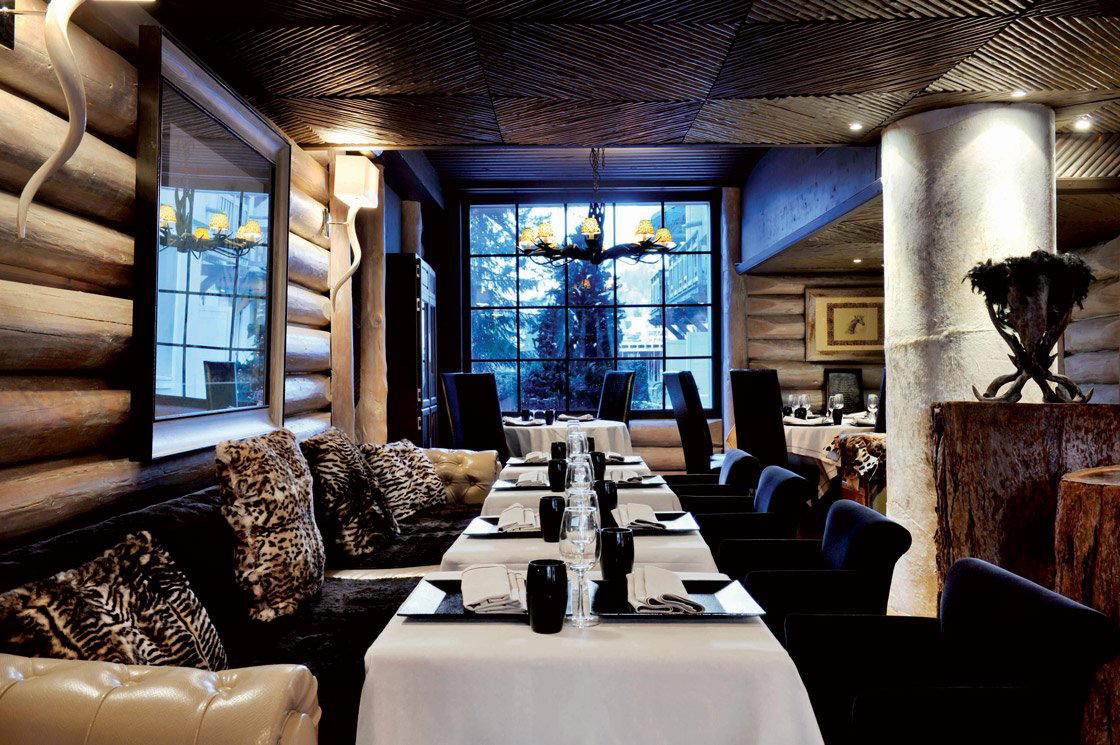
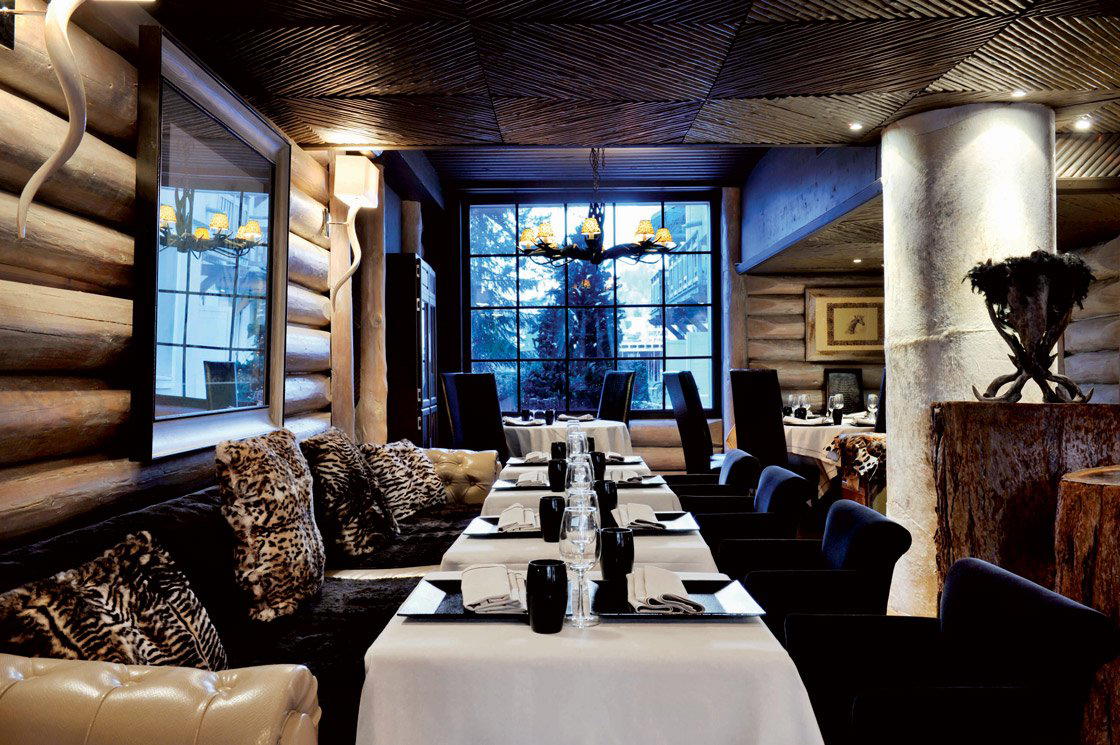
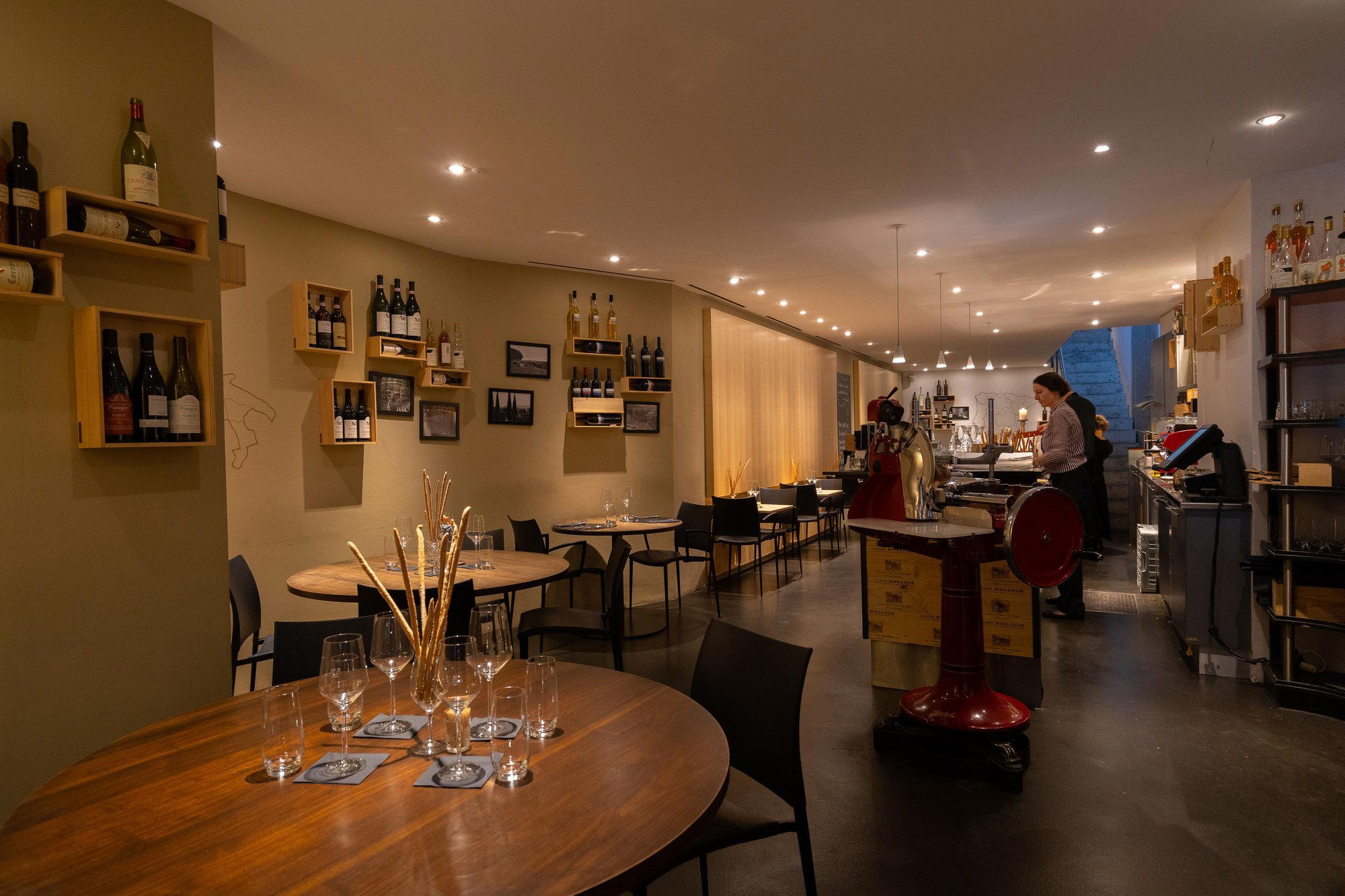
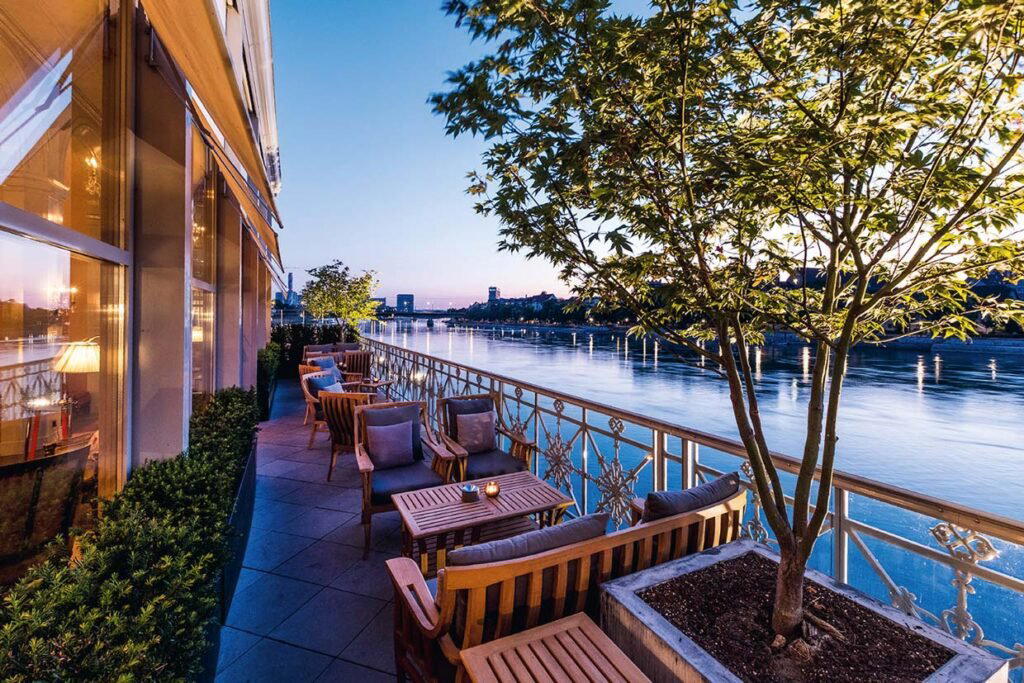
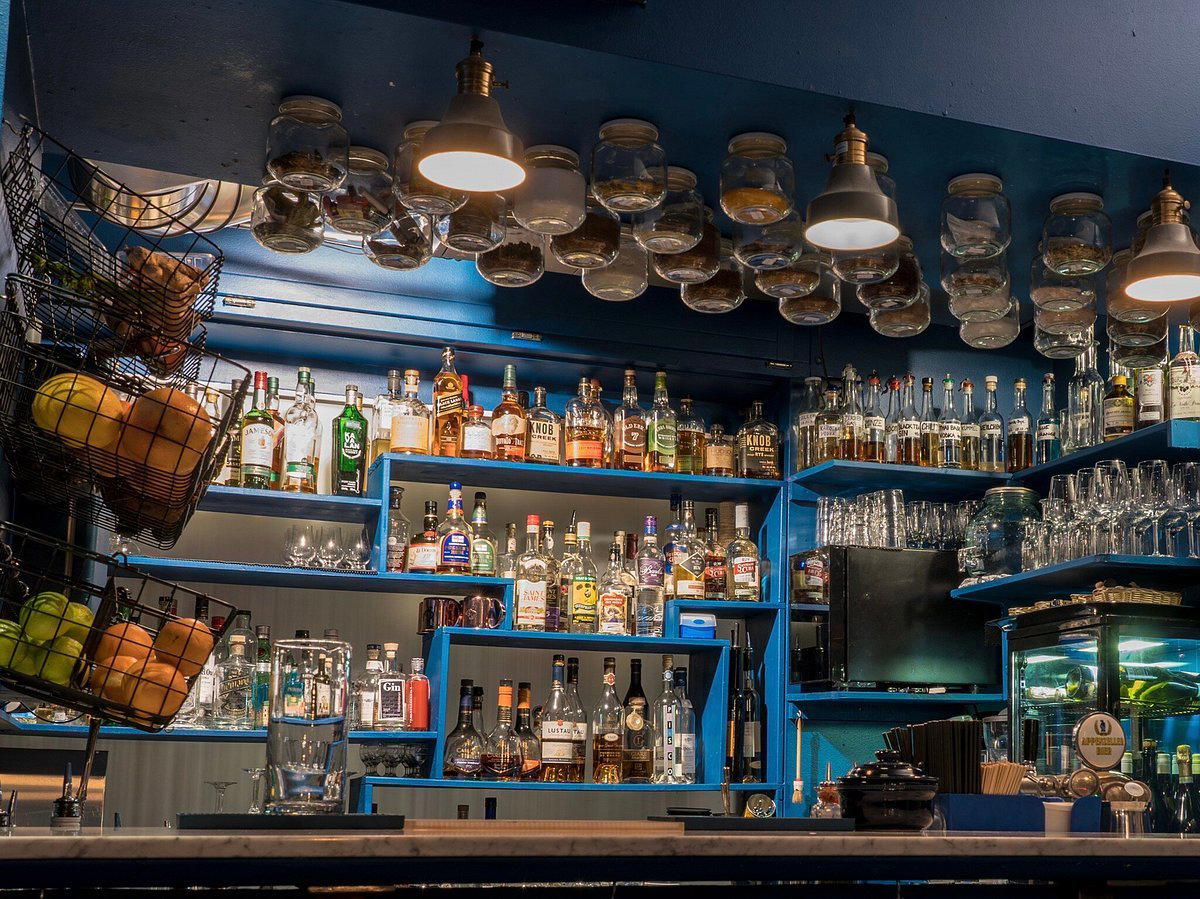
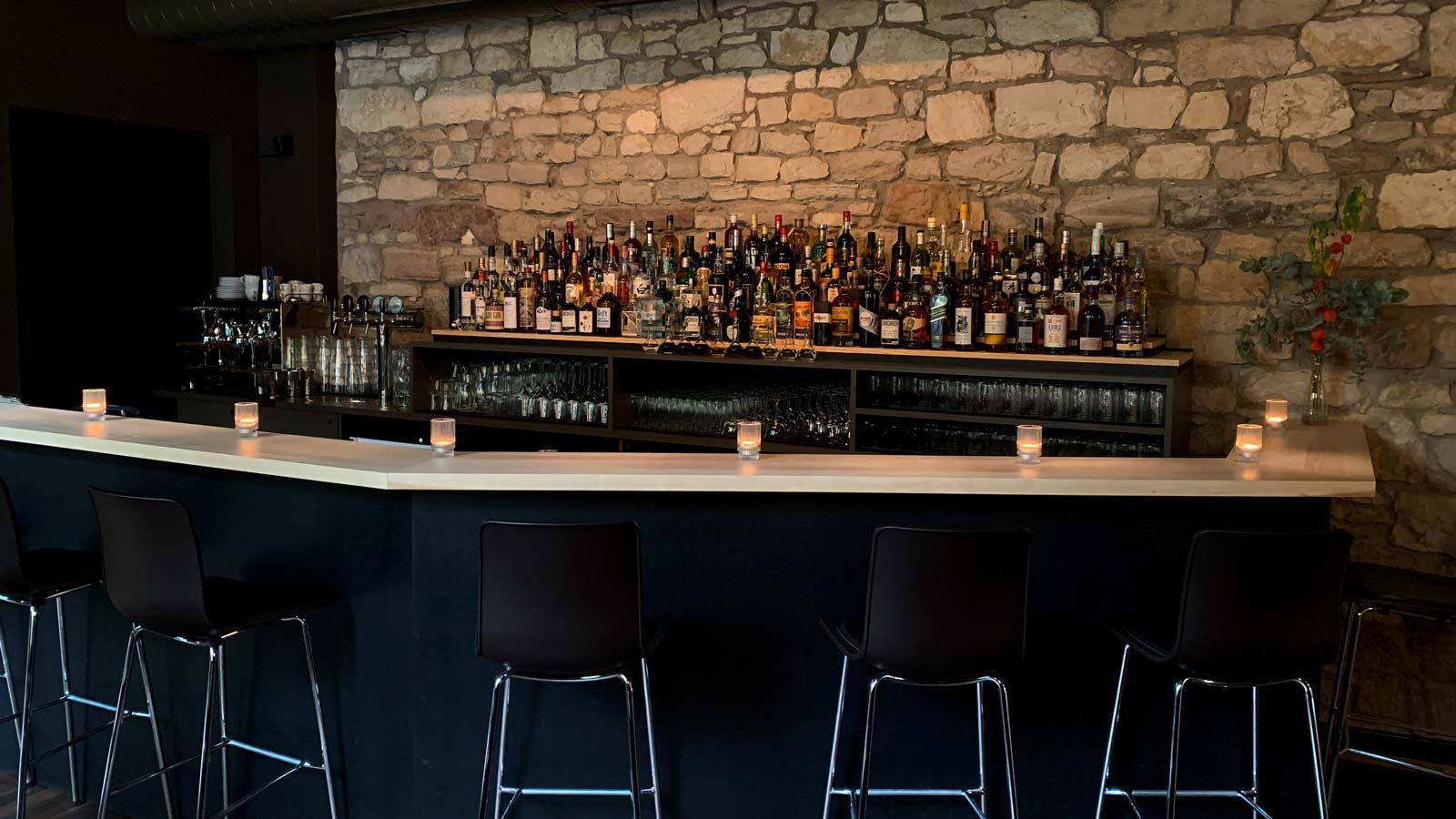
Modern well-appointed dining rooms in a charming historic building with welcoming and refined atmosphere.