L'Auberge de L'Ours
L'Auberge de L'Ours sits in Vers La Eglise, a small village in the Ormont-Dessus valley of the Vaud Alps, where alpine dining is shaped less by urban ambition than by what the surrounding terrain produces. The auberge format, rooted in regional hospitality tradition, places it in a distinct tier from destination fine-dining, one where the relationship between kitchen and landscape tends to do most of the talking.
Pearl is the En Primeur Club membership app — saves, bookings, and concierge access live there. Same editors, same standards.
- Address
- Route Vers- L'Eglise 4, 1864 Ormont-Dessus, Switzerland
- Phone
- +41244924400
- Website
- laubergedelours.ch
- Directions
- Get directions
 Saves & bookings on Pearl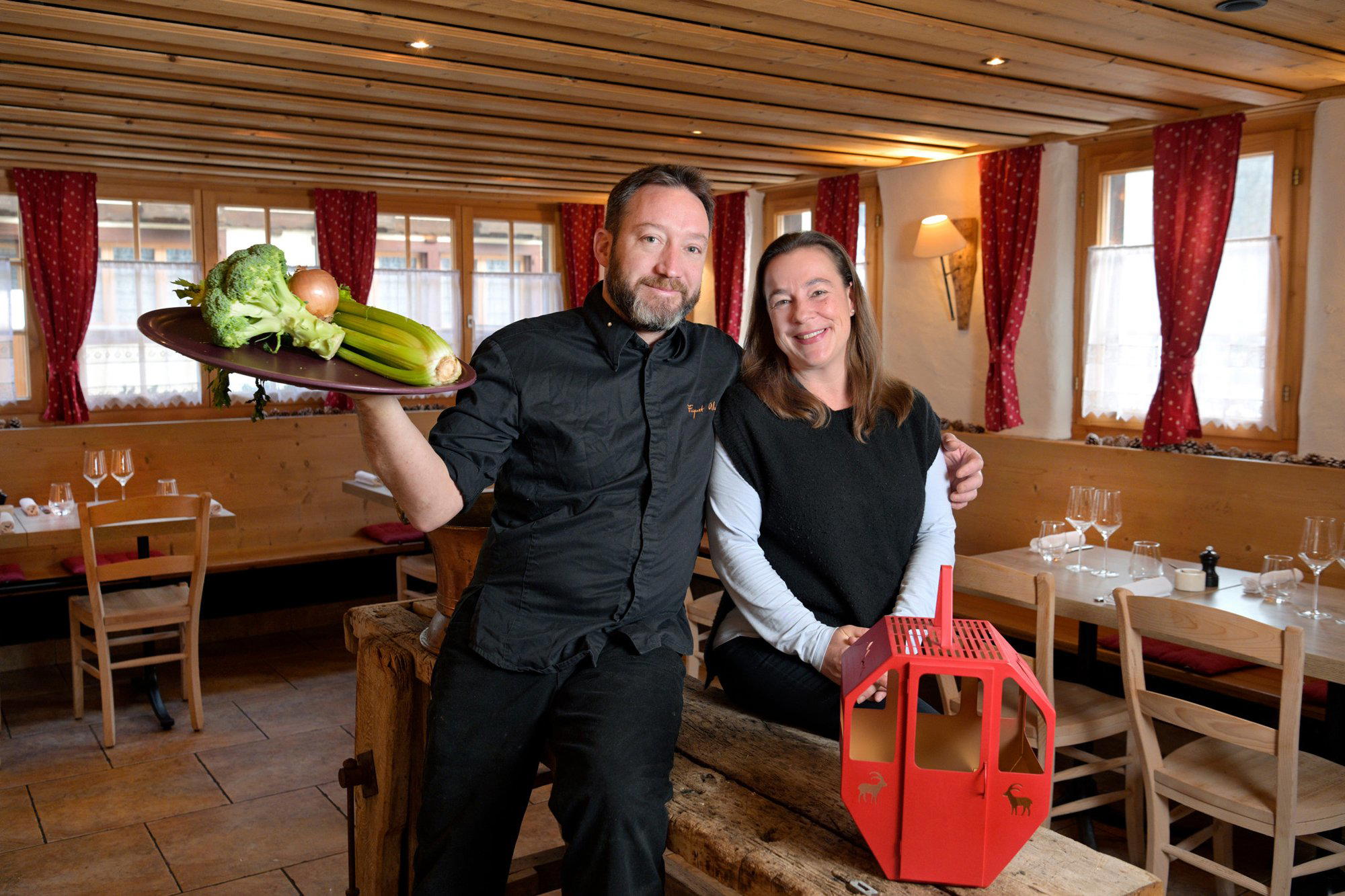
Where the Valley Sets the Terms
Approach Vers La Eglise along the Route des Mosses and the hospitality logic of the place becomes apparent before you arrive anywhere near a dining room. This is not a resort village with a hotel dining scene bolted on. The Ormont-Dessus valley runs on a different register: agricultural, unhurried, governed by altitude and season in ways that urban Swiss dining is not. The auberge format that L'Auberge de L'Ours represents belongs to a tradition that predates destination gastronomy by several generations. In the French-speaking Alps, the auberge has always been the institution that feeds the village, shelters travellers, and keeps the kitchen tied to what the surrounding land can supply. That context shapes what you should expect here, and what you should not.
The address on Route Vers-L'Eglise 4, in Ormont-Dessus, places the property within a commune that sits at roughly 1,100 metres, high enough that seasonal constraints on supply are real and consequential. Alpine kitchens at this elevation have historically worked with a narrower ingredient palette than lowland peers: dairy from summer pastures, foraged material from forest margins, preserved and cured products through winter, root vegetables from kitchen gardens that close early in the season. Whether a kitchen in this position leans into that constraint or fights it tends to define what kind of dining experience it produces.
The Auberge Tradition and What It Implies About Sourcing
Across the French Swiss Alps, the auberge model occupies a specific position in the hospitality ecosystem. It sits between the mountain hut, which offers basic sustenance in high terrain, and the destination restaurant, which uses alpine setting as backdrop for an entirely urban cooking ambition. The auberge kitchen typically draws from a tight geographic radius, not as a marketing posture but as a practical reality: supply chains are limited, deliveries to altitude are infrequent, and the producers who serve these kitchens tend to be local farmers, dairy cooperatives, and foragers rather than metropolitan wholesalers.
This sourcing logic is not incidental. In the Vaud Alps, gruyère and raclette-style cheeses come from dairies that have supplied village kitchens for centuries. Cured meats in this region follow patterns established long before refrigeration made year-round fresh supply possible. Game, when available, arrives from the surrounding forests and high pastures rather than from industrial suppliers. Kitchens operating in this tradition are, in effect, cooking the landscape as much as cooking a menu. That is a different discipline from what you find at, say, Schloss Schauenstein in Fürstenau, where the creative vocabulary is broader and the kitchen operates with more freedom from geographic constraint, or at Memories in Bad Ragaz, which brings a distinctly modern Swiss fine-dining framework to an alpine-adjacent setting.
The Vaud Alps Dining Scene in Brief
Vers La Eglise sits in a part of Switzerland that does not accumulate Michelin stars the way that Crissier, Basel, or Geneva do. Hotel de Ville Crissier in Crissier operates at the apex of French-rooted Swiss gastronomy, with a formality and technical ambition that belongs to a completely different competitive set. Cheval Blanc by Peter Knogl in Basel and La Table du Lausanne Palace in Lausanne similarly operate in urban or semi-urban contexts where dining is a primary draw rather than an extension of mountain life. In higher-altitude villages, the hospitality proposition shifts. The dining room is embedded in a wider experience of the valley, the season, and the pace that altitude imposes. Auberges like L'Auberge de L'Ours are evaluated against that context, not against the urban fine-dining circuit. For the traveller coming from one of Switzerland's larger culinary destinations, that recalibration is worth making consciously before arrival.
Within the broader Swiss alpine dining spectrum, venues like 7132 Silver in Vals and focus ATELIER in Vitznau demonstrate how ambitious kitchens can operate in remote or alpine-adjacent settings without departing from a high technical standard. The approach at an auberge like L'Auberge de L'Ours is different in kind, not merely in degree. The logic here is hospitality-first, with the kitchen serving that logic rather than asserting its own ambitions above it.
Planning a Visit
Getting to Vers La Eglise requires either a car or the PostBus network that connects the Ormont valley to Aigle on the main SBB rail line. For those arriving by car from Geneva or Lausanne, the approach via the Route des Mosses is the scenic route through the Pays-d'Enhaut, with Château-d'Oex as the notable midpoint. The restaurant's address at Route Vers-L'Eglise 4 in Ormont-Dessus is central to the village and accessible without navigating mountain tracks. Contact the restaurant directly for current details. Reservations are recommended, especially in busy seasons.
Magdalena in Schwyz, Maison Wenger in Le Noirmont, or, for contrast with the alpine register entirely, L'Atelier Robuchon in Geneva. Those extending to Italian-speaking Switzerland might look at La Brezza in Ascona or Da Vittorio in St. Moritz for a different take on mountain-adjacent dining. For those with urban Swiss fine dining as a reference point, IGNIV Zürich by Andreas Caminada, Colonnade in Lucerne, and Einstein Gourmet in Sankt Gallen each represent a distinct strand of the Swiss dining scene.
Comparable Venues
Comparable venues nearby, for context on price, style, and recognition.
| Venue | Cuisine | Price | Notes |
|---|---|---|---|
| L'Auberge de L'OursThis venue — the venue you are viewing | French-Swiss Mountain Bistro | $$$ | Not listed |
| L'Ecurie | French-Swiss Bistro | $$$ | Place Centrale |
| Le Café du Tramway | French Bistronomy | $$$ | Pontaise |
| CaSy | French-Swiss Fusion Bistro | $$$ | Crans-Montana |
| Entrecôte Fédérale | Classic French Bistro | $$$ | Gelbes Quartier |
| Zimmermania | Classic French Bistro | $$$ | Altenberg |
Continue exploring
More in Vers La Eglise
Restaurants in Vers La Eglise
Browse all →
Bars in Vers La Eglise
Browse all →
At a Glance
- Cozy
- Rustic
- Classic
- Intimate
- Date Night
- Family
- Group Dining
- Special Occasion
- Terrace
- Historic Building
- Live Music
- Local Sourcing
- Mountain
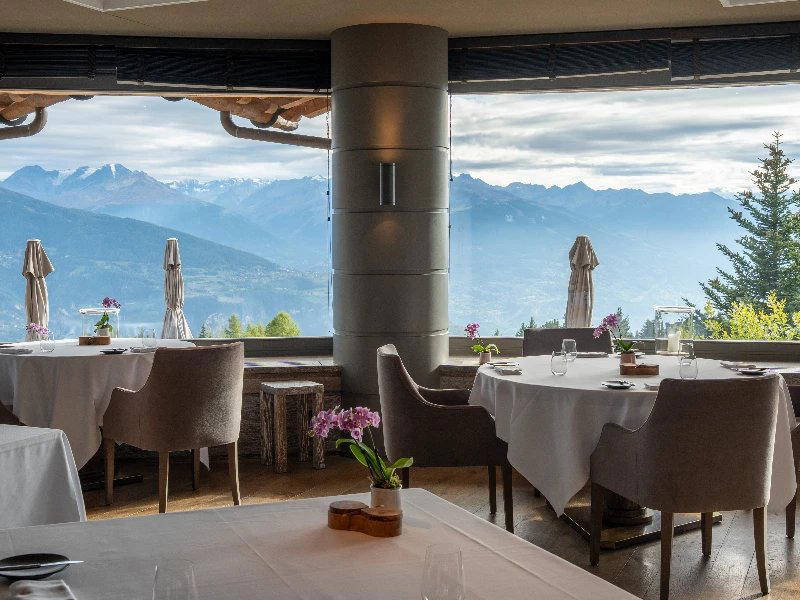
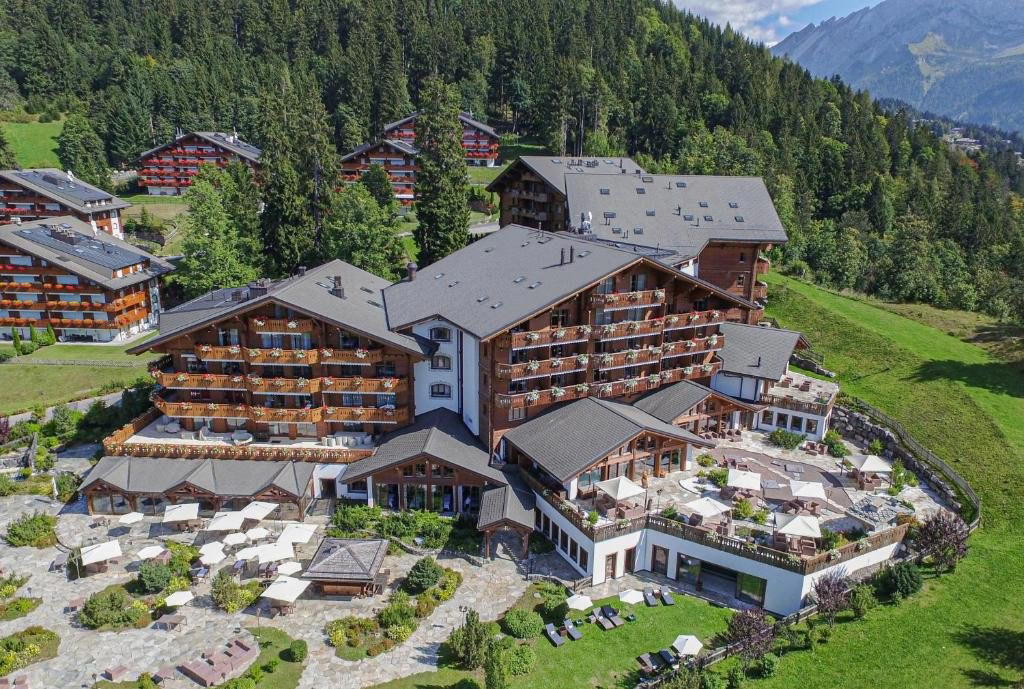
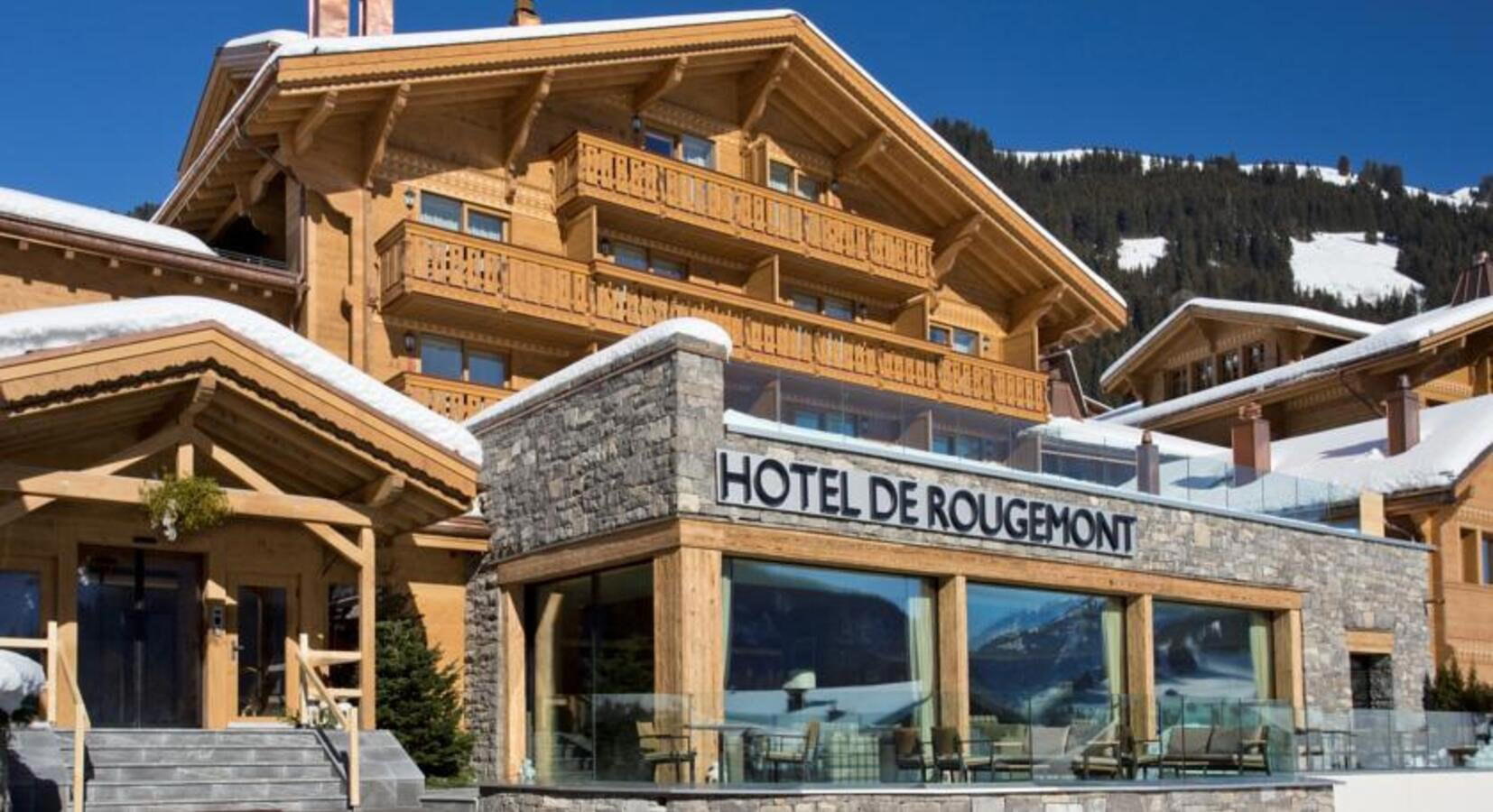
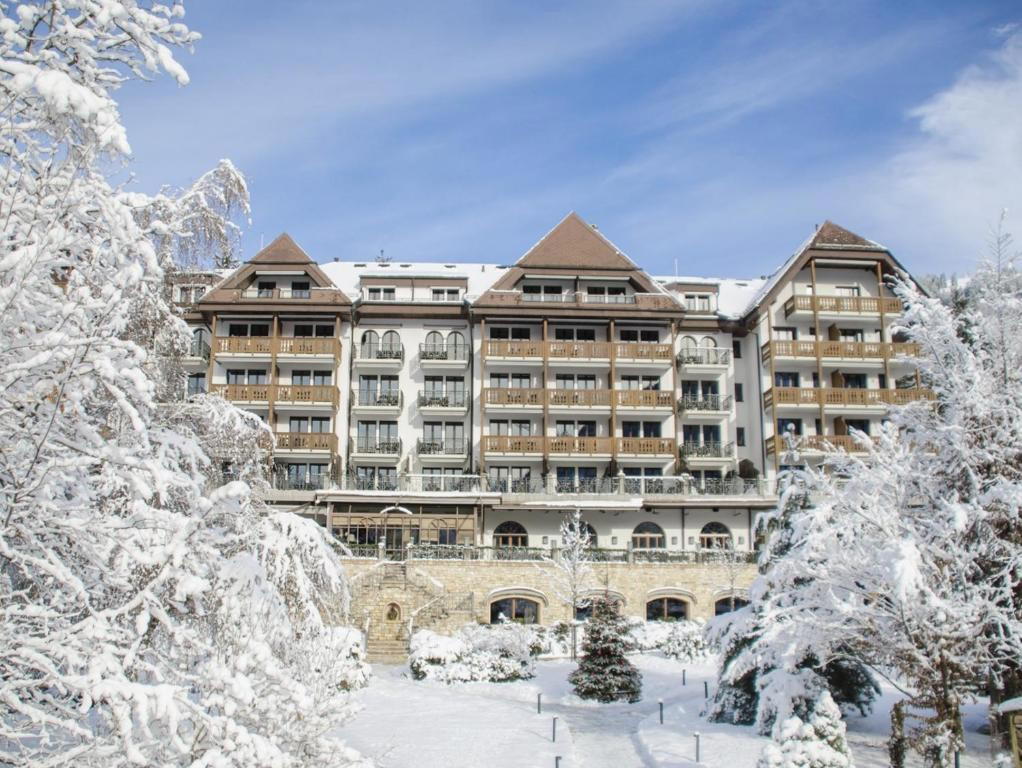
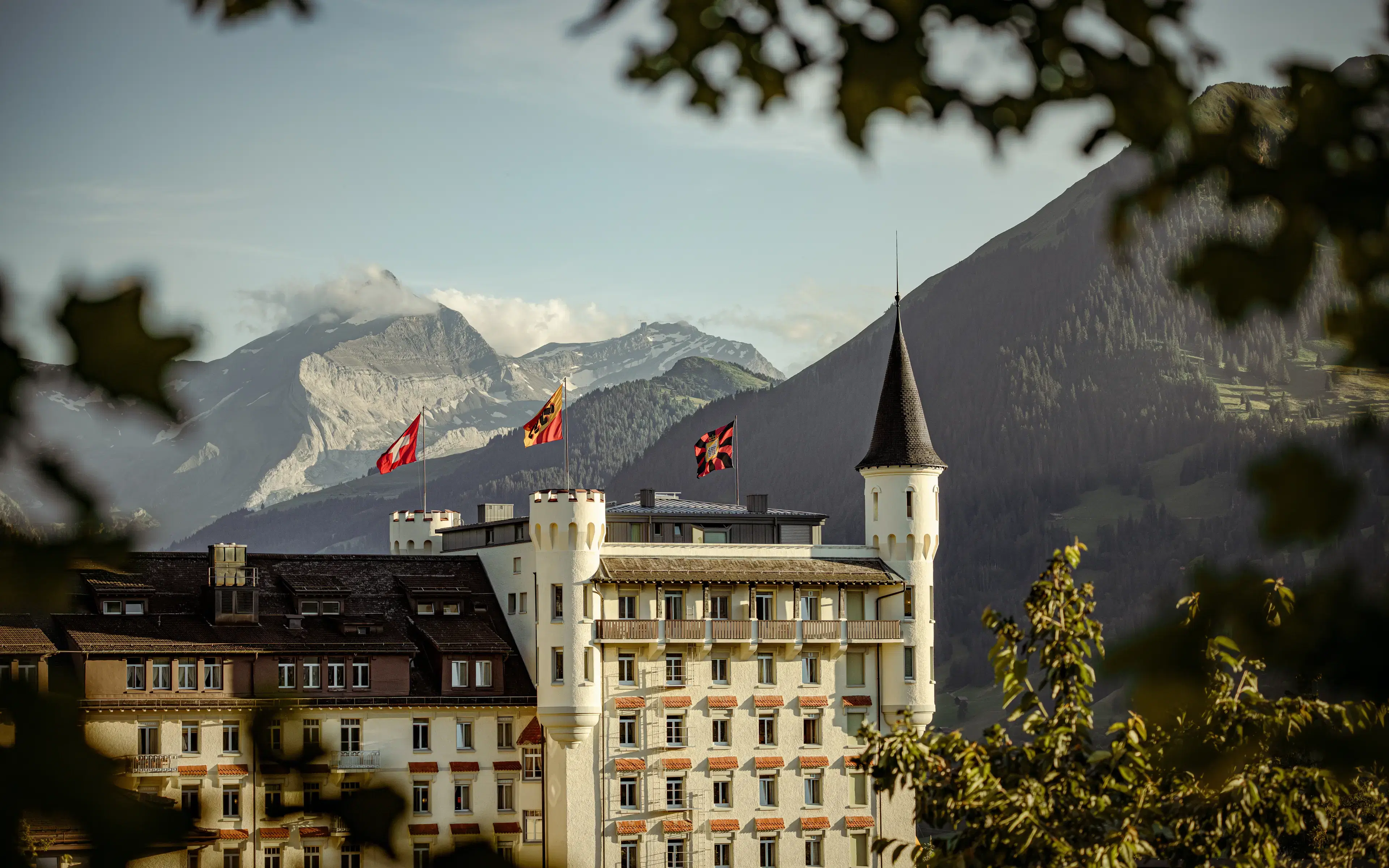
Warm, traditional mountain atmosphere with bright, well-furnished rooms; cozy and inviting with a blend of modern comfort and preserved architectural charm.